
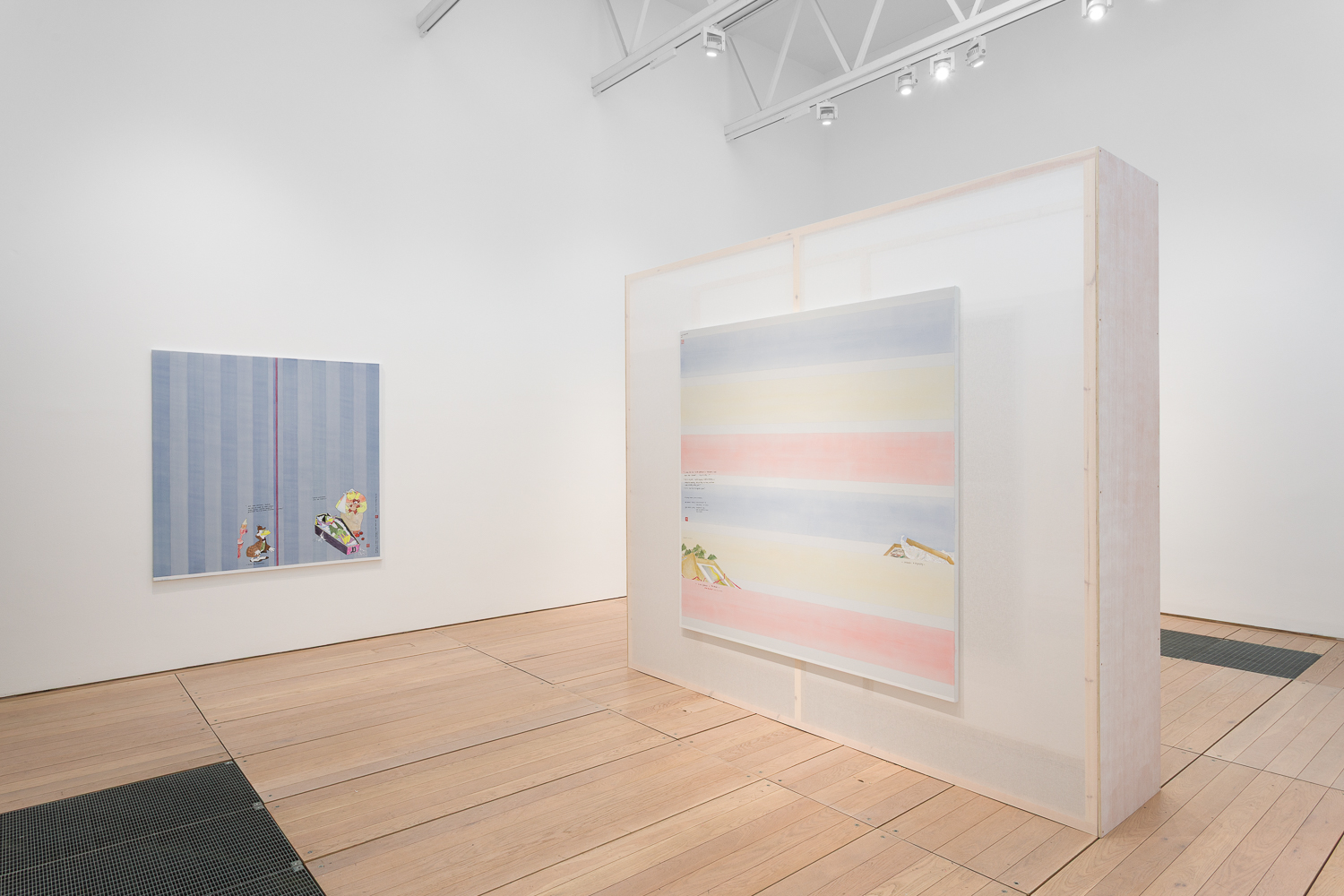
In her first UK institutional exhibition, Evelyn Taocheng Wang turns mistranslation, Agnes Martin, Chinese literati painting and fantasies of Britain into a deliberately unstable language of identity.
ARTICLES
October 10, 2026
Exhibitions
Exhibitions
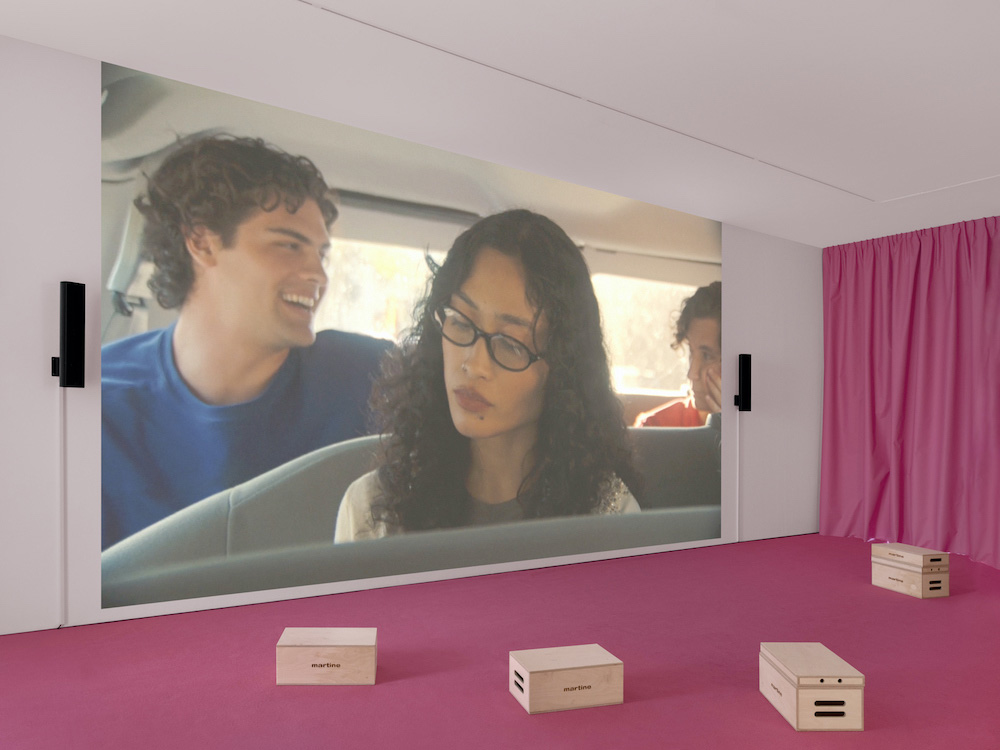
From Robert Ryman and Lorna Simpson to Mary Ramsden, Martine Syms and Nicola Turner, the strongest London route during Frieze week begins outside the fair.
October 9, 2026
Exhibitions
Exhibitions
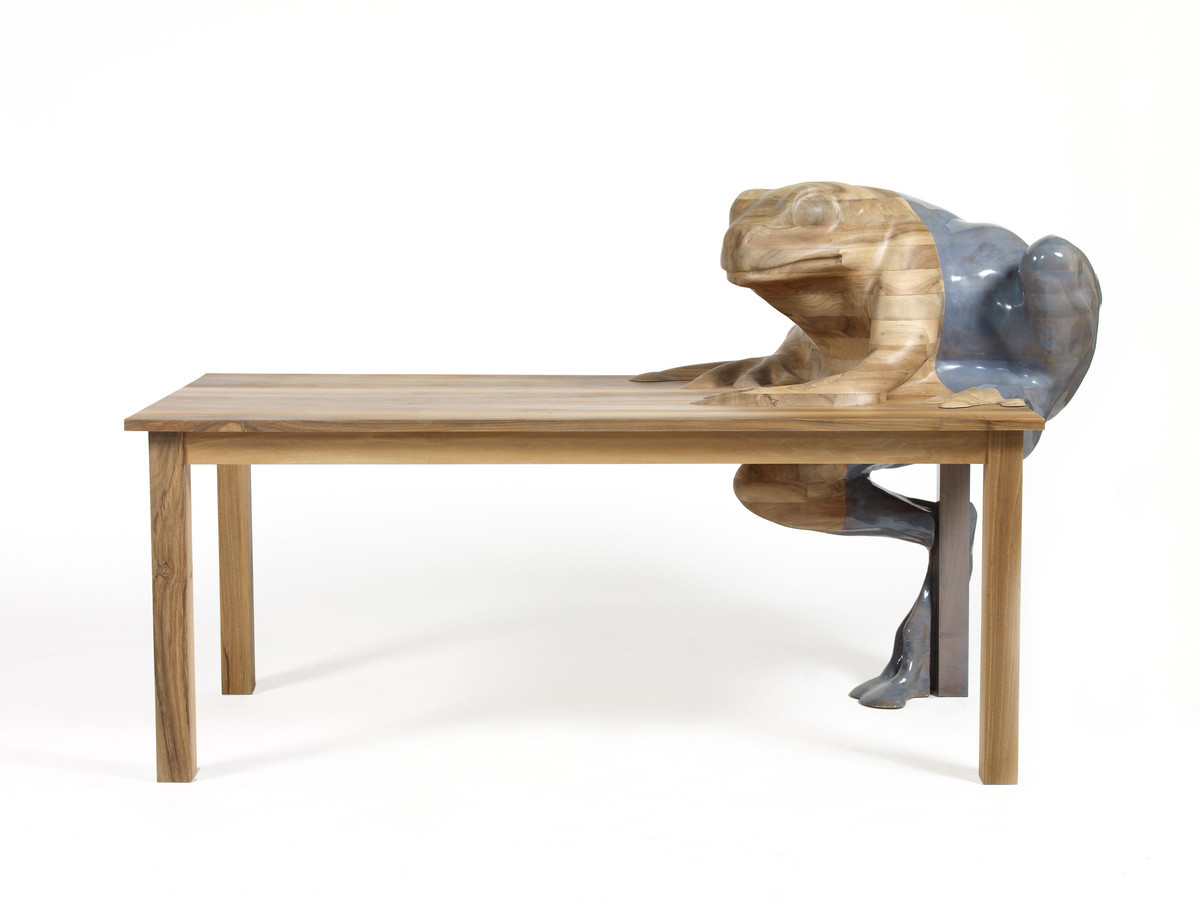
From the Polder Sofa to Frog Table and 300 coloured vases, Hella Jongerius has spent three decades proving that industrial design can retain craft, variation and material intelligence.
October 7, 2026
Exhibitions
Exhibitions
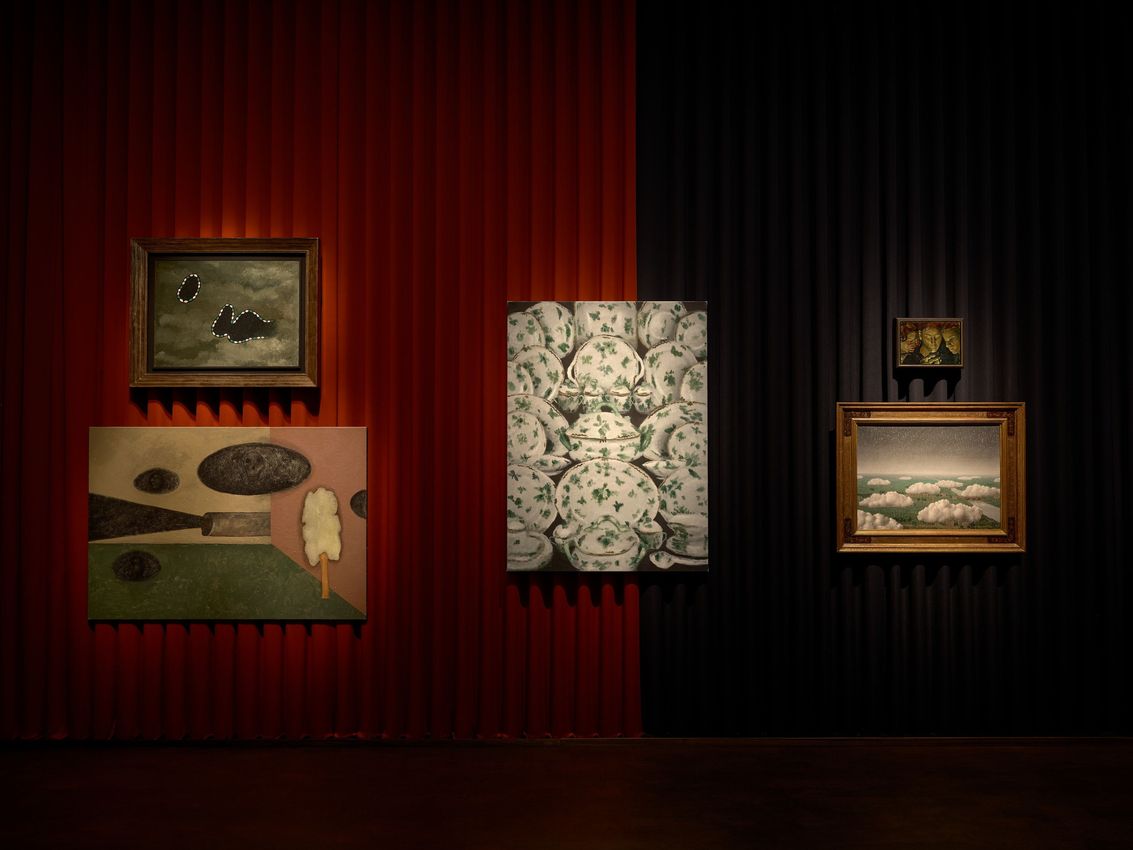
Gagosian’s ambitious London exhibition places René Magritte beside more than forty artists. For collectors, its real value lies in separating meaningful artistic inheritance from superficial resemblance — and in seeing why Magritte’s central problem, the unstable relationship between image and reality, feels newly urgent.
October 5, 2026
Exhibitions
Exhibitions
Forget trying to see everything. Our collector’s guide to Frieze London and Frieze Masters identifies where discovery, scholarship and genuinely useful market intelligence are concentrated in 2026.
October 1, 2026
Exhibitions
Exhibitions

At Gagosian New York, Jordan Wolfson gives circulating images physical weight, turning polished aluminium, reflection and spikes into a confrontation with screen culture.