
November 13, 2026
Exhibitions
Exhibitions
Carlos Amorales, the São Paulo Biennial at Tamayo, Julian Charrière and three sharper smaller-scale projects make Mexico City one of November’s richest research destinations.
Carlos Amorales, the São Paulo Biennial at Tamayo, Julian Charrière and three sharper smaller-scale projects make Mexico City one of November’s richest research destinations.
Mexico City’s November programme is unusually strong on technology, memory and the politics of representation. Artificial intelligence becomes a tool for Carlos Amorales rather than a theme pasted onto existing work. The 36th São Paulo Biennial arrives at Museo Tamayo and is re-edited through a specifically Mexican and Latin American context. At MUAC and OMR, Alexandre Estrela and Julian Charrière make global systems — seismic data and geological time — physically perceptible. Smaller projects by Carolina Fusilier and Cristóbal Gracia bring urban memory and the mythology of Acapulco into more intimate spaces.
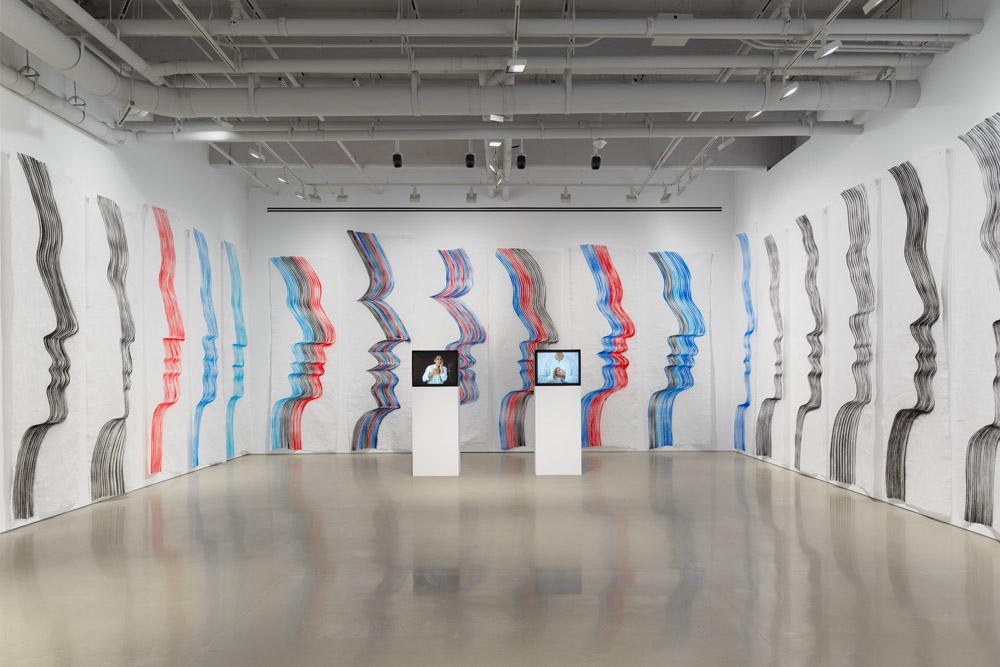
Amorales’s fourth solo exhibition with kurimanzutto uses artificial intelligence in a way that is more materially interesting than the phrase “AI art” suggests. He begins with digitally generated hybrid beings and patterns, converts them into templates, and then uses frottage with beeswax crayons to return the image to the hand. The work moves from machine generation to physical drawing and back again through animation.
The exhibition borrows its title from Raúl Zurita’s 1982 poetry collection and takes H. G. Wells’s The War of the Worlds as another reference. Colonisers and colonised become unstable categories as agricultural, plant-human and extraterrestrial beings exploit, dance and reproduce with one another. Amorales’s long-standing interest in alphabets and invented systems gives the work more depth than technological novelty alone.
For collectors, the key distinction is between the algorithmic process and the resulting object. The drawings matter as drawings: surface, template, wax and repetition are visible. The animation introduces separate editioning and conservation questions.
Carlos Amorales: Anteparaíso
kurimanzutto, Mexico City
5 November–16 December 2026
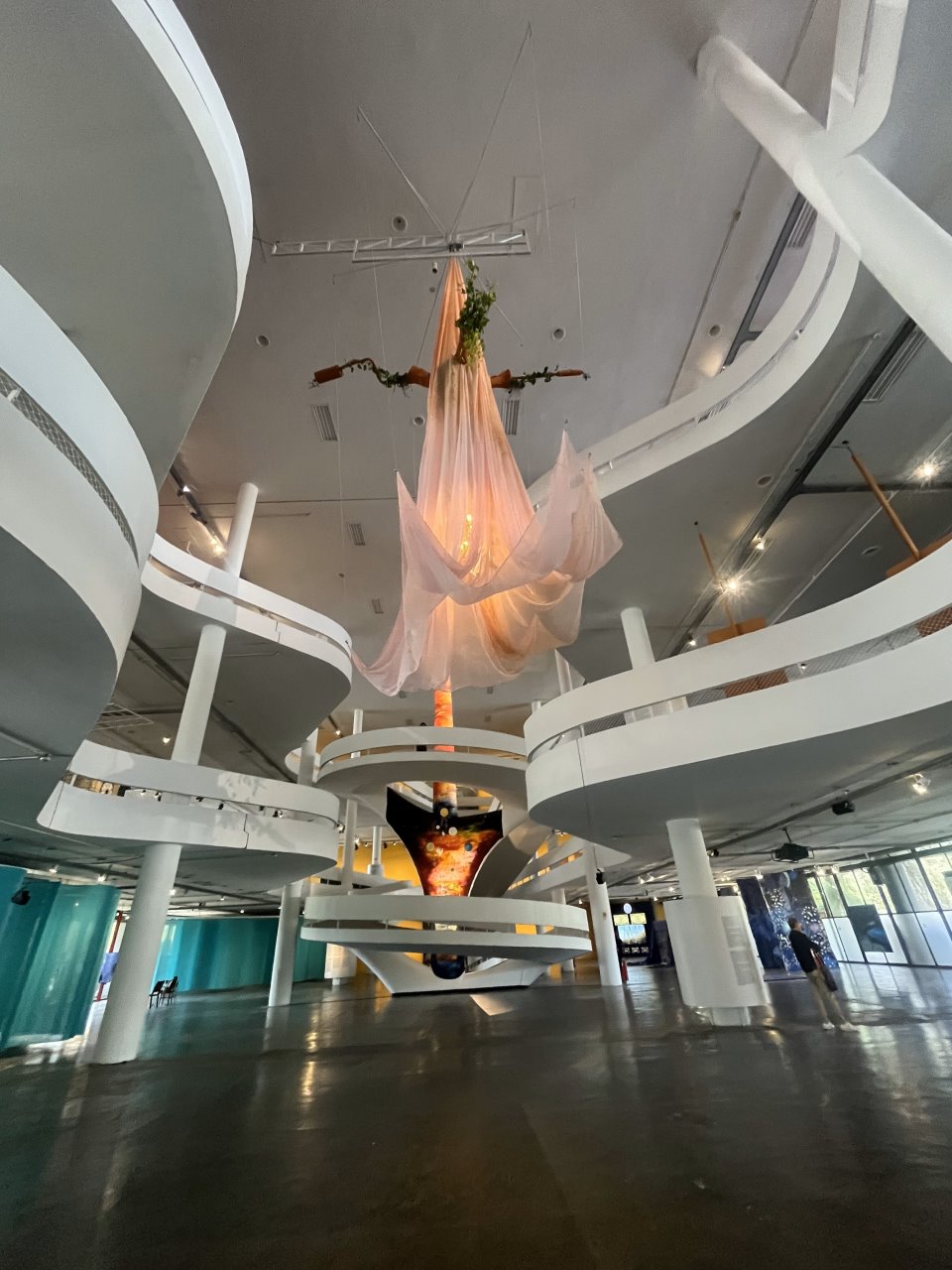
For the first time, the São Paulo Biennial’s travelling programme comes to Mexico. Rather than attempting to reproduce the enormous original exhibition, curator Anna Roberta Goetz has selected works that speak to Mexican histories of abstraction, the body, textiles, land and water.
The artists include Berenice Olmedo, Forensic Architecture/Forensis, Korakrit Arunanondchai, Mohamed Melehi, Myrlande Constant, Sharon Hayes, Behjat Sadr and others. The most interesting curatorial move is to treat abstraction not as formal escape but as situated knowledge: a carrier of memory, cosmology and political positioning.
Collectors should use the show as a research map. Biennials can produce artificial urgency around individual names, but a travelling edit is more valuable when it exposes relationships between practices and geographies that are usually separated by market categories.
Group exhibition: 36th Bienal de São Paulo: Not All Travellers Walk Roads – Of Humanity as Practice
Museo Tamayo
Opening 14 November; public 15 November 2026–7 February 2027
Alexandre Estrela turns live seismic information into an image system. Signals from around the world feed a work in real time, making planetary movement visible as an unstable field rather than scientific abstraction. The project’s “sentinels” feel part-machine, part-creature, which is appropriate for a work about translating forces humans cannot directly perceive.
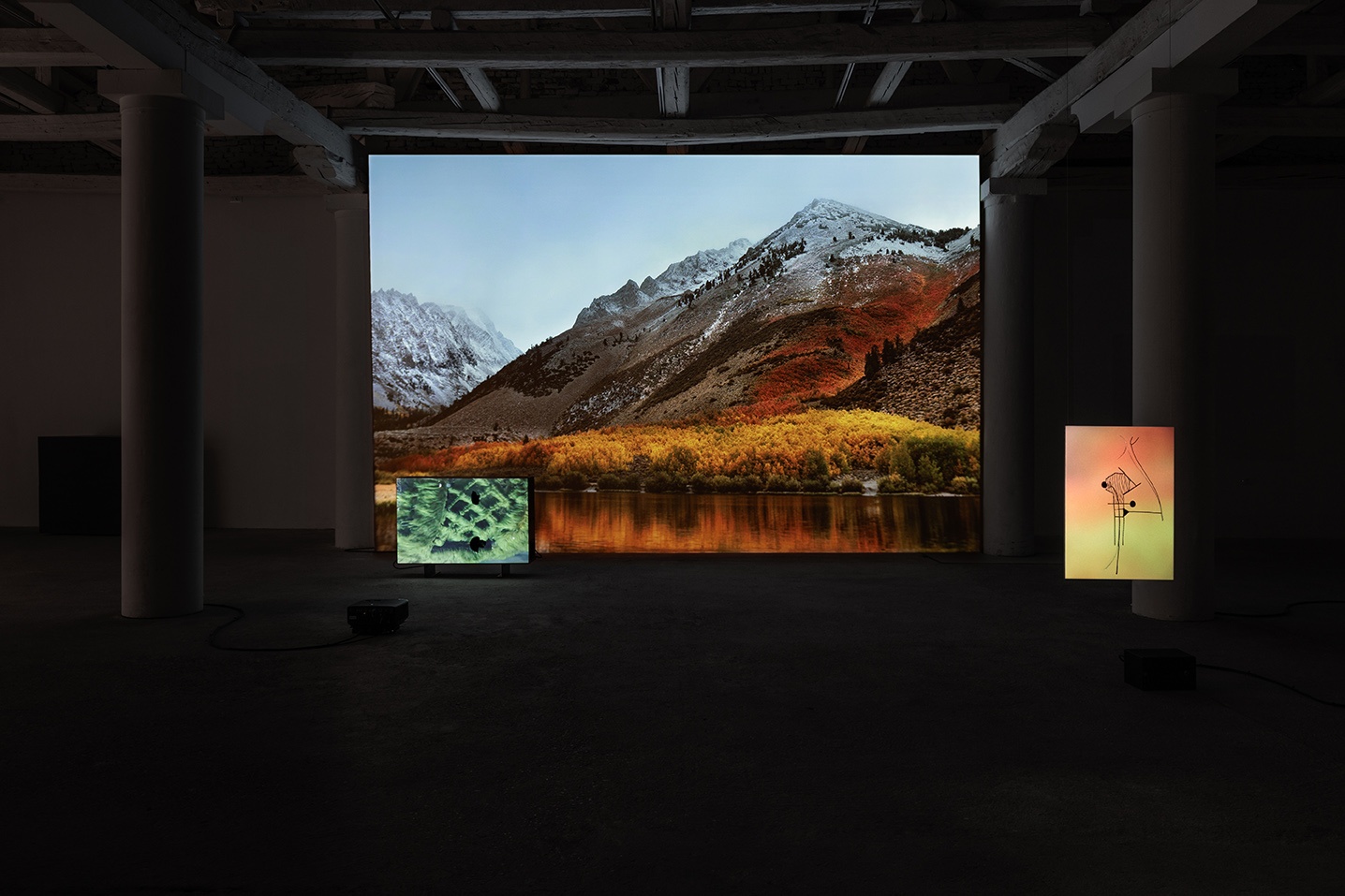
The work belongs to an important lineage of media art in which the input is not merely content but a condition of the work’s existence. Collectors of real-time and software-based art should ask about data sources, fallback states, software dependencies and future migration before thinking about display hardware.
Alexandre Estrela: RedSkyFalls: Réplica
MUAC, Mexico City
12 September–22 November 2026
Charrière’s first solo exhibition at OMR uses volcanoes and geological systems to recalibrate human scale. His work often begins from field research in environments that hold cultural fantasies of danger or remoteness — glaciers, nuclear sites, deep sea, volcanic landscapes — and then asks how photography, film and sculpture can register forces that exceed a human lifetime.
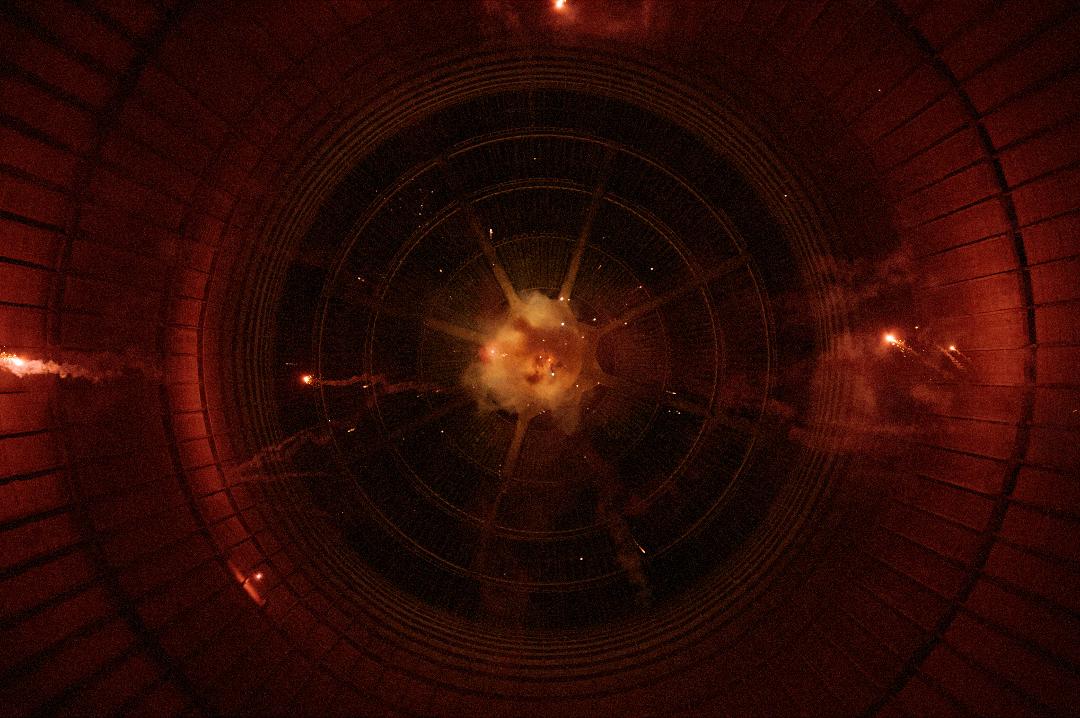
What matters is that spectacle remains attached to material inquiry. Charrière’s images can be beautiful, but their subject is often the technological desire to measure, enter or master environments that resist us. That tension makes the work useful beyond environmental-art branding.
Julian Charrière: Ring of Fire
OMR, Mexico City
1 October–12 December 2026
Carolina Fusilier returns to a childhood memory of a Buenos Aires shopping mall built during the 1990s, when neoliberal urban development was reshaping the city. The mall becomes less a setting than a machine for memory: architecture, body and image folded together through video and installation.
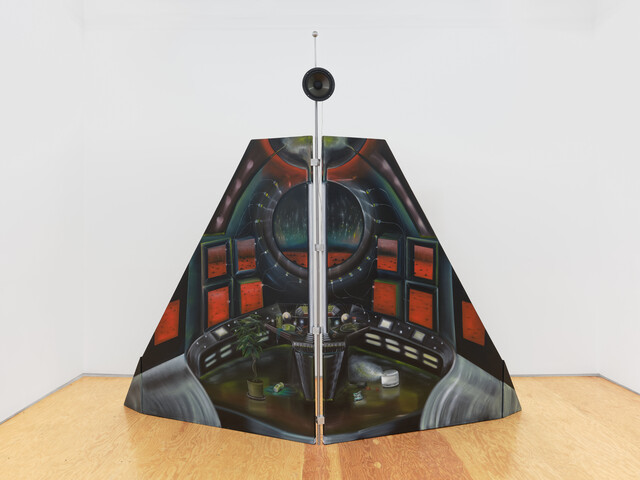
Pequod’s scale suits the work. Fusilier’s environments ask viewers to notice the emotional residue of spaces that capitalism designed to feel frictionless. The exhibition’s strength should lie in making a specific memory social without pretending that one shopping centre can stand for an entire decade.
Carolina Fusilier: Allá, la ciudad insomne
Pequod Co., Mexico City
8 November 2026–17 January 2027
Gracia begins with the Silver Aztec, a performer associated with Acapulco’s Palladium nightclub in the 2000s, and places that pop-cultural figure in dialogue with David Alfaro Siqueiros’s 1956 view of Puerto Marqués Bay. The project combines video, wall interventions, sculpture and archival material to ask how “Mexicanness” is performed, consumed and repeatedly rewritten.

The location matters: the Sala de Arte Público Siqueiros is itself entangled with the construction of Mexican modernism and public identity. Gracia’s project does not need to parody that history; it can let nightclub spectacle, tourism, muralism and archival memory contaminate one another.
Cristóbal Gracia: Paladio: Azteca de Plata
Sala de Arte Público Siqueiros (SAPS)
From 7 November 2026
Mexico City continues to reward collectors who pay attention to the institutions, independent spaces and gallery programmes around an artist rather than waiting for international consensus. Amorales is already deeply established, but Anteparaíso provides a useful test of how a mature artist is responding to artificial intelligence without abandoning the political and graphic systems that have structured his practice for decades. Estrela and Charrière require another kind of due diligence: technologically or materially complex work should come with clear information about equipment, replacement protocols, conservation and the distinction between the conceptual work and the hardware used to display it.
The Tamayo presentation of the São Paulo Biennial broadens the lens beyond the individual artist, while Fusilier and Gracia demonstrate why smaller programmes remain essential to the city’s ecosystem. For collectors, the practical lesson is to track where artists are being given time and curatorial context before their work becomes highly legible internationally. Mexico City is not merely a place to find lower-priced alternatives to artists visible in New York or Europe. Its strongest programmes generate their own art-historical and institutional pathways, and the most informed collecting follows those pathways rather than treating the city as a feeder market.
The month’s strongest exhibitions do not share a style. They share an interest in systems that organise perception: AI, biennial history, seismic data, geology, urban development and national mythology. That makes November especially useful for collectors who want more than another circuit of paintings on white walls.
Carlos Amorales, the São Paulo Biennial at Tamayo, Julian Charrière and three sharper smaller-scale projects make Mexico City one of November’s richest research destinations.
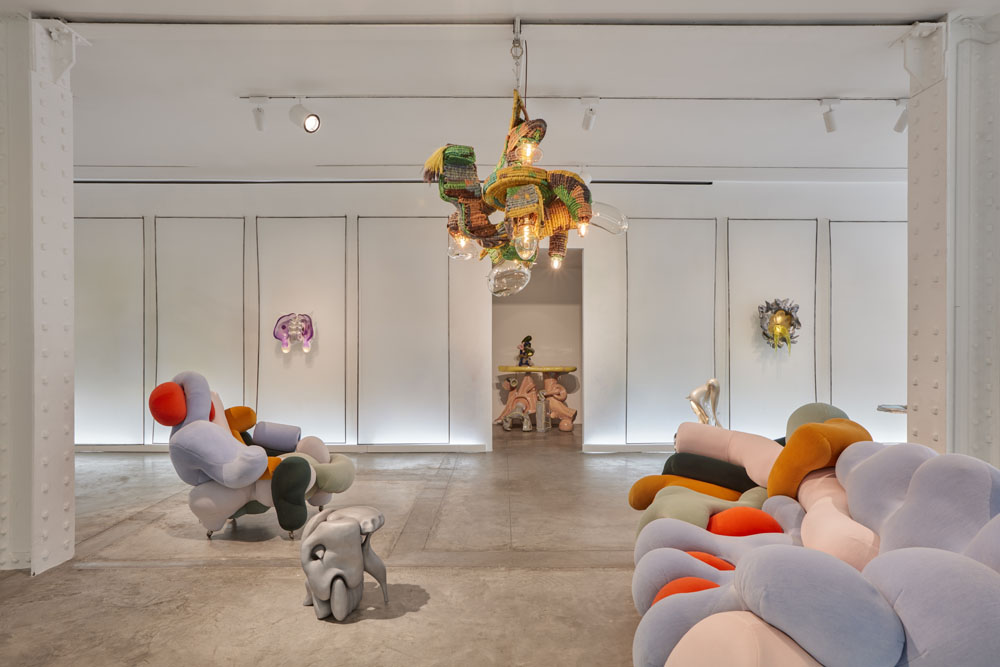
From Wendell Castle and Ron Arad to Joris Laarman and contemporary material innovators, a collector’s guide to authenticity, editions, provenance and living with sculptural furniture.

Michael Chow commissioned portraits from Basquiat, Warhol, Haring, Hockney, Ruscha and others. Inside the collection behind Gagosian’s Friends and Legends.
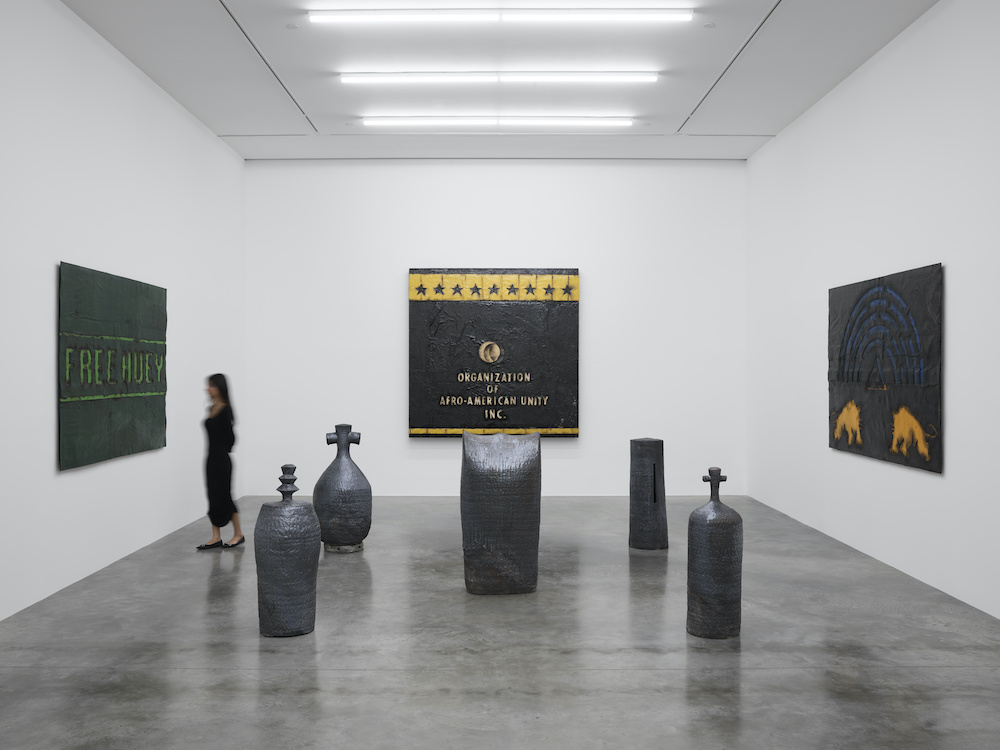
Christine Sun Kim and Theaster Gates lead a Seoul route that also tests Pam Evelyn’s momentum and highlights Yuichi Hirako, Jenny Holzer and Heejoon Lee.