


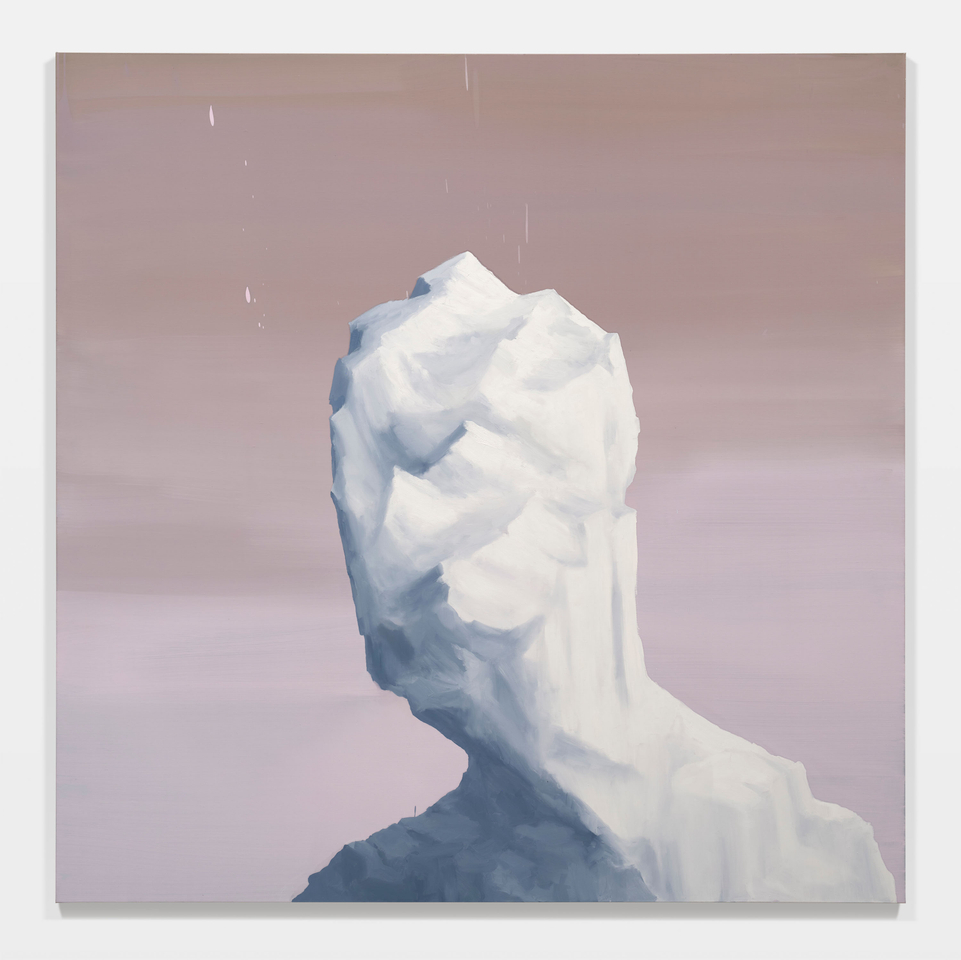
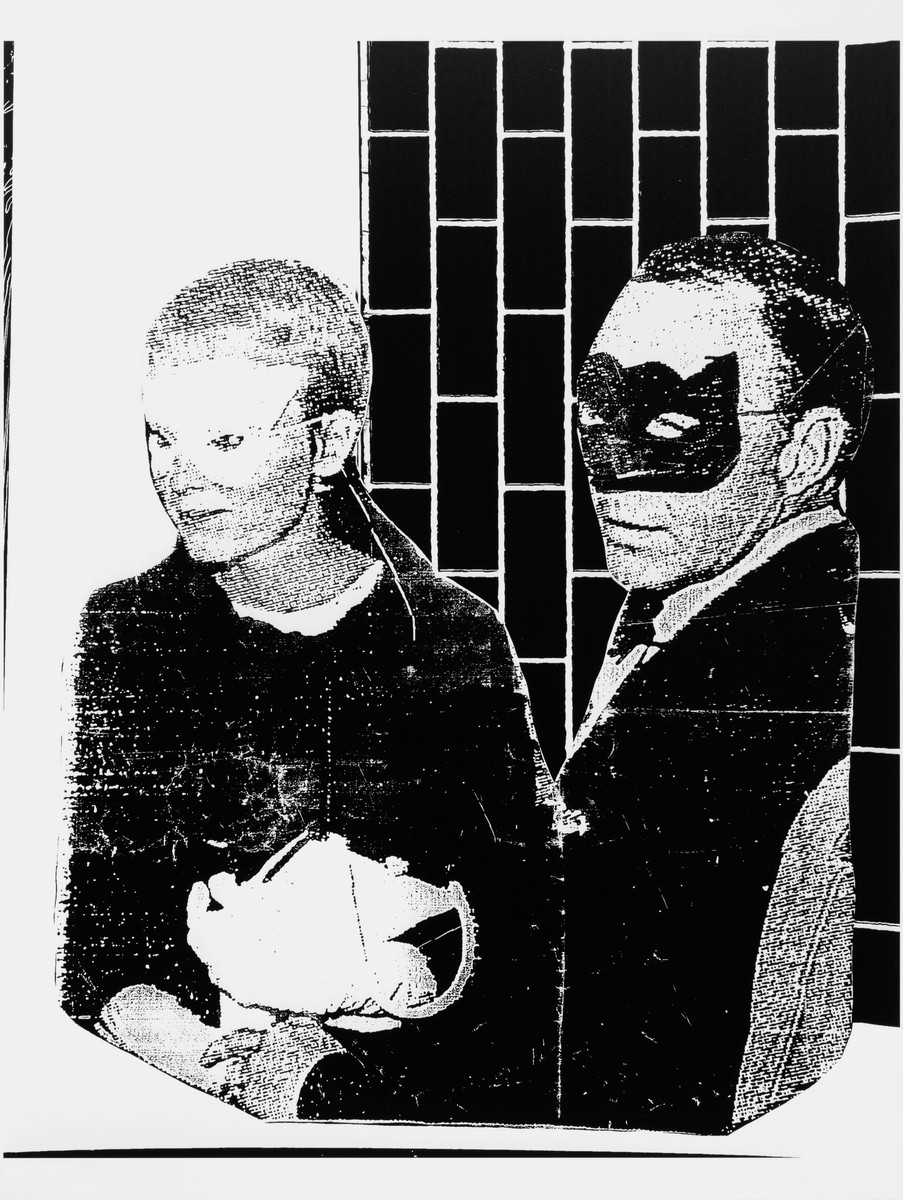
A rare London exhibition of new works and historical material returns us to Cady Noland’s uncomfortable vision of American spectacle, power and the ordinary object.
NEWS
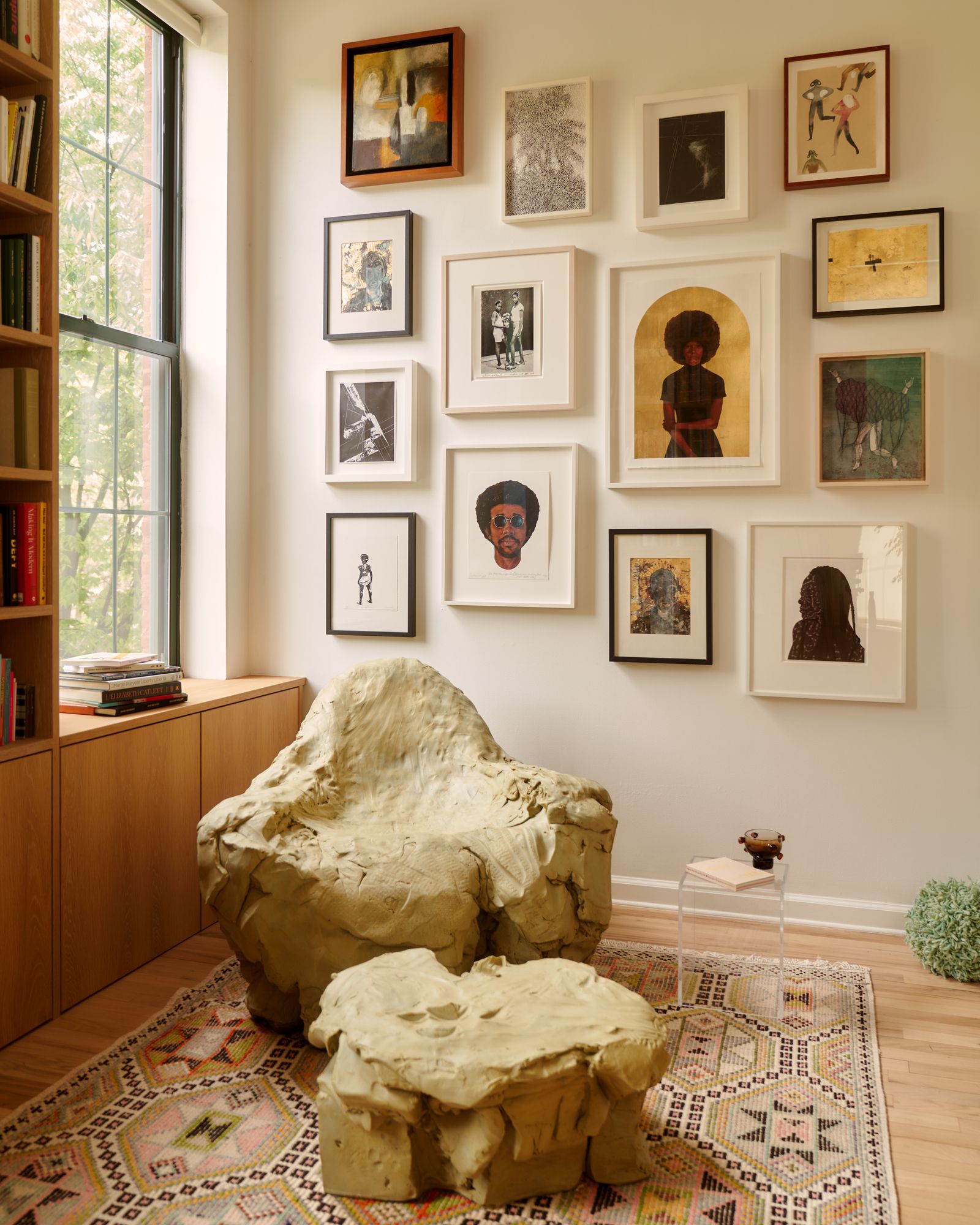
A gallerist’s Clinton Hill apartment reveals how painting, sculptural furniture, family history and unorthodox choices can make a home feel genuinely collected.
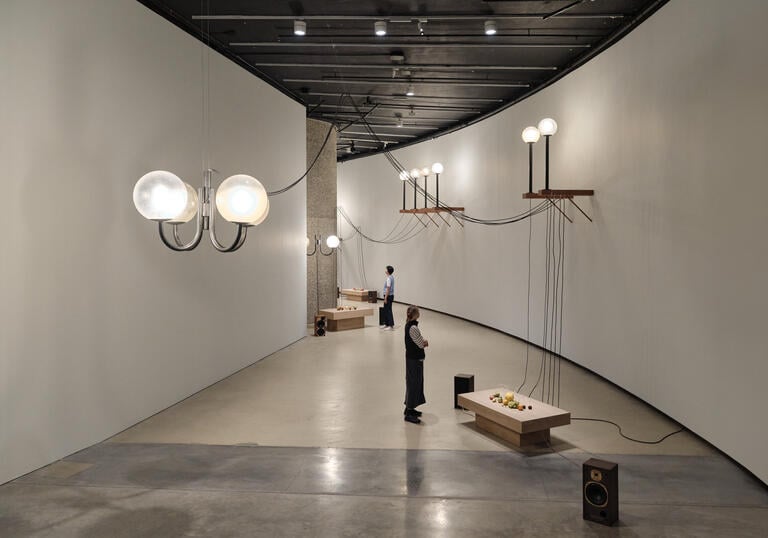
With light, sound, fruit and kinetic systems, Yuko Mohri makes the Barbican’s Curve into an argument for attending to what does not quite work as expected.

A new contemporary art centre has opened on Renault’s historic Île Seguin site. Cecilia Alemani’s Moteur Imaginaire turns the factory, car and machine into a century-spanning argument about modern life.

The last weeks of Koyo Kouoh’s In Minor Keys demand a slower way of seeing Venice. A practical guide to the central exhibition, national pavilions and what collectors should take away.

From Faye Toogood and Kate Malone to textile art, post-war furniture and new material-led designers, PAD London showed why serious collector homes are built beyond the frame.
2026
