
November 7, 2026
Exhibitions
Exhibitions
Seven confirmed Hong Kong exhibitions for November 2026, with artwork-specific photographs matched to M+, Tai Kwun, David Zwirner, White Cube, MASSIMODECARLO, Axel Vervoordt and Whitestone Gallery.
Seven confirmed Hong Kong exhibitions for November 2026, with artwork-specific photographs matched to M+, Tai Kwun, David Zwirner, White Cube, MASSIMODECARLO, Axel Vervoordt and Whitestone Gallery.
Hong Kong’s exhibition calendar in November rewards a different kind of itinerary from the one dictated by the art-fair week. At this point in the year, a visitor can move between a major museum argument, an ambitious performance-led exhibition, a blue-chip gallery presentation and a smaller space that might otherwise be overlooked. The city’s cultural geography makes the contrasts unusually immediate. A few stops in Central and the wider waterfront district can carry a visitor from delicate works on felt to a performance about contemporary life, or from restrained abstraction to exuberant narrative painting.
This guide has been rebuilt for November 2026 with the actual exhibition dates checked against institutions and galleries. It includes seven shows, rather than treating Hong Kong as a parade of only the largest names. Rose Wylie and Anne Imhof provide the headline appeal, but Giorgio Griffa, Kim Lim, Zhang Yunyao and Karen Shiozawa reward equally close attention. M+ supplies the wider context, bringing many kinds of Asian visual storytelling into one museum-scale conversation.
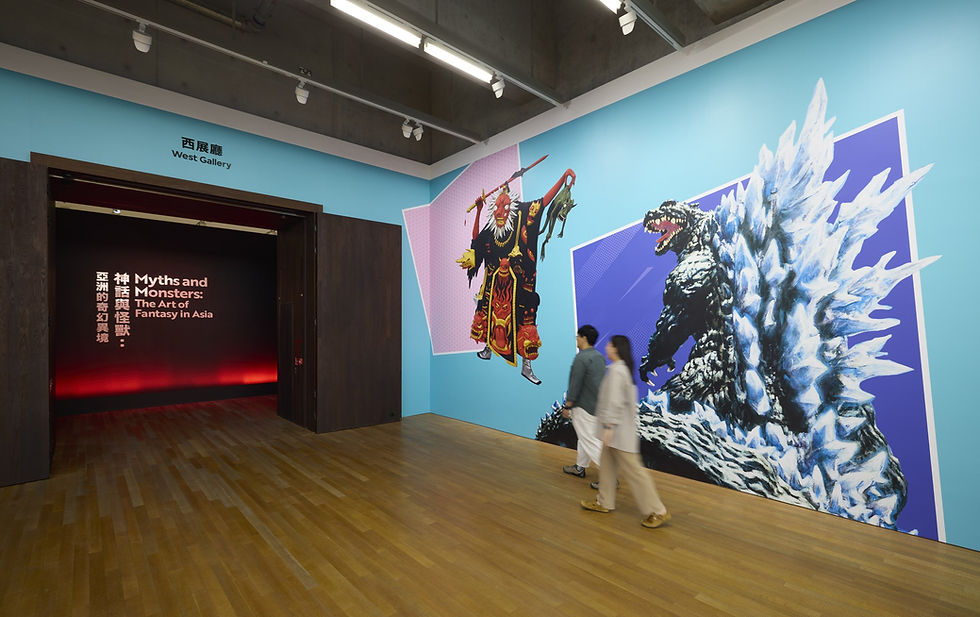
M+ in the West Kowloon Cultural District opened Myths and Monsters: The Art of Fantasy in Asia on 17 October 2026, with the exhibition scheduled through 4 April 2027. The subject offers an expansive alternative to a conventional medium-based survey. Fantasy is not simply a genre of escapism. It has long been a way for artists and audiences to approach political anxiety, desire, technological transformation and the inherited power of traditional narratives. The museum's presentation brings together more than 400 works, ranging from nineteenth-century visual traditions to anime, manga, moving image, design and contemporary art; the galleries also include a new mural by Oscar Chan Yik Long.
One of the most interesting questions a show like this can pose is how imagery migrates between fine art, printed entertainment, cinema and digital culture. A fantastic creature may be dismissed as popular imagery in one context and read as an intricate psychological or historical construction in another. The museum’s broad scope provides space to challenge such distinctions without demanding that every object become part of the same story.
For collectors, it is an opportunity to think beyond the categories that often structure acquisitions. Drawings, prints, design objects and moving-image works may share visual ideas across very different markets. The exhibition is best approached slowly, with attention to the ways stories change when their material form changes. M+ lists the show in its West Gallery on Level 2; check its ticketing information before visiting.
Anne Imhof’s House of Swans runs at JC Contemporary, Tai Kwun, from 25 September 2026 to 3 January 2027. Imhof’s practice spans performance, painting, music, film and installation, and the Hong Kong presentation extends her sustained interest in how bodies are observed, choreographed and constrained within contemporary architecture.
Her work rarely offers the comfort of a simple narrative. A movement may feel ritualistic without declaring what ritual it belongs to; a figure may appear vulnerable and commanding at once. House of Swans has drawn attention for incorporating ballet, a discipline whose elegance can disguise intense physical labour. Imhof draws out that contradiction and makes the conditions of spectatorship part of the experience.
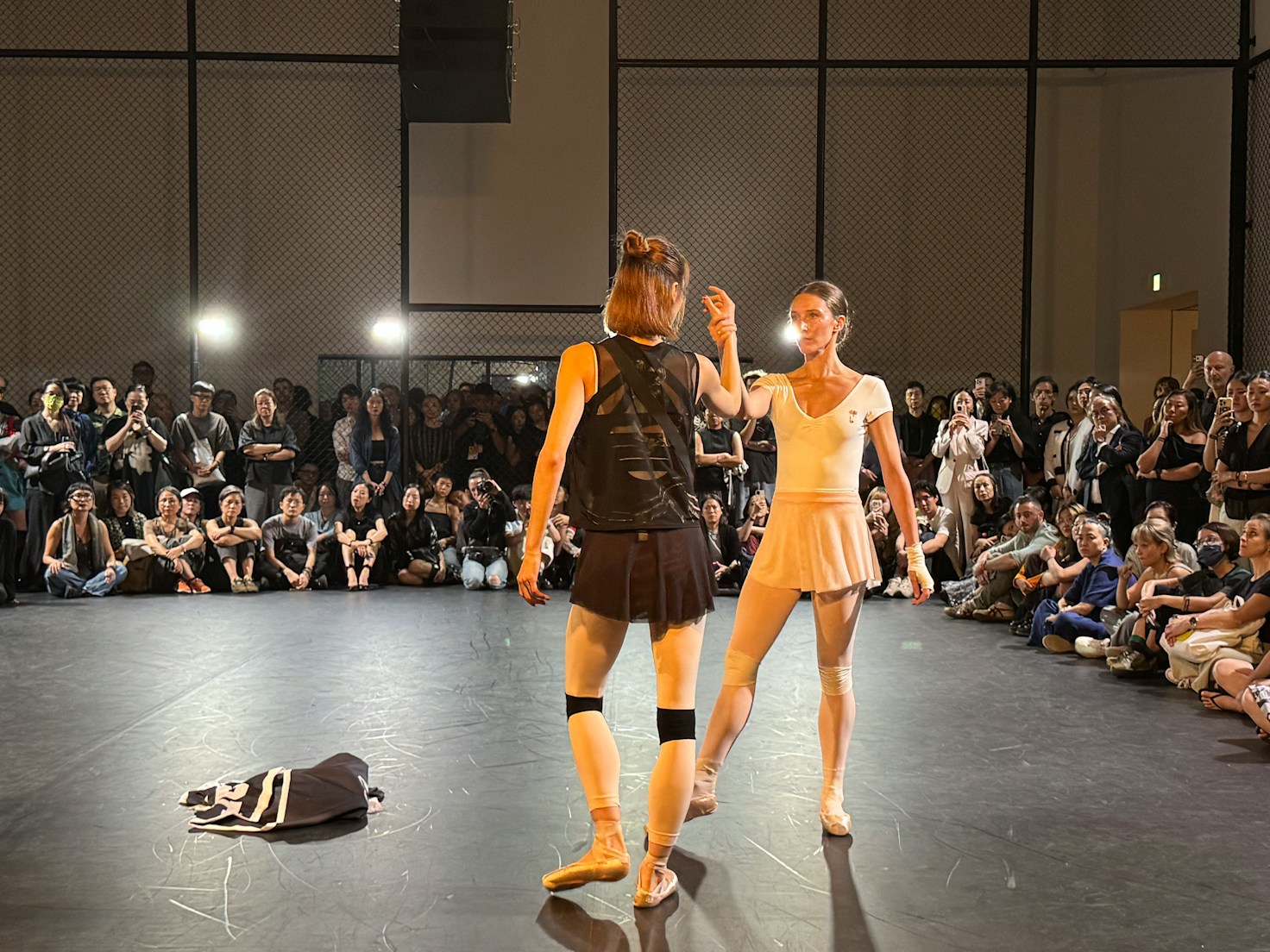
Visitors should distinguish the continuing exhibition from the timetable of any live performance: dates and access conditions may differ. The important editorial reason to include the show is that it asks how an artwork can extend beyond the object and use a building, a score and a group of bodies as material. The museum’s own programme, rather than a circulating social clip, is the best source for current visitor arrangements.
Rose Wylie’s Napoleon and Wild Flowers opens at David Zwirner Hong Kong on 24 November 2026 and runs until 6 March 2027. As an exhibition opening in the final week of the month, it belongs on the November itinerary with a clear date qualification: it is not available to see earlier in the month.
Wylie’s painting is frequently described as playful, but the adjective can understate its sophisticated relationship with memory, movies and the way images linger in the mind. Her figures are often composed as though remembered from a fragmentary glance, then enlarged or reorganised to become a new pictorial event. Historical subject matter, popular culture and studio observation can meet without losing their rough-edged individuality.
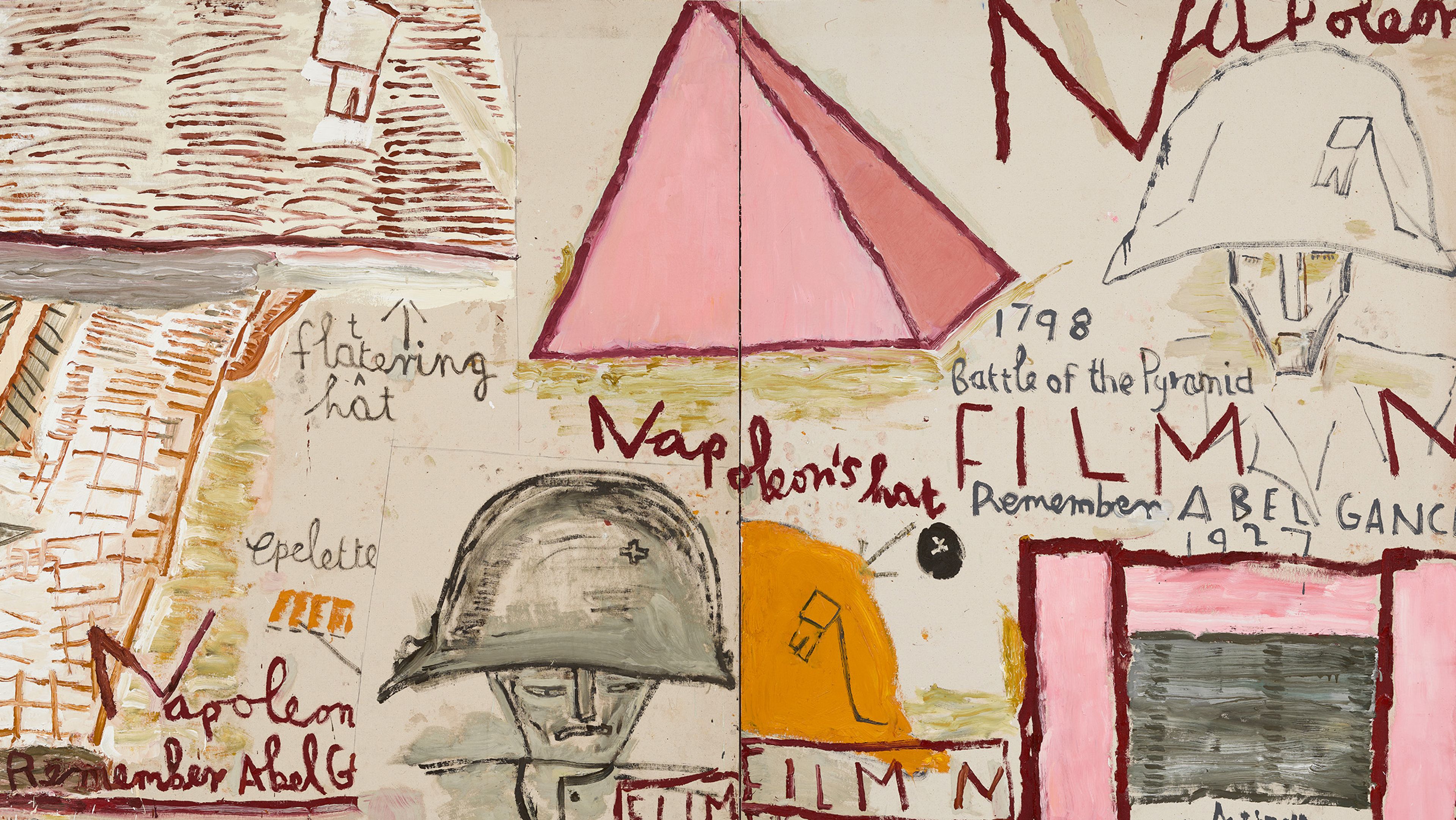
The exhibition is set to include new and recent canvases, earlier painting, multi-panel work and drawings. It follows a substantial survey at the Royal Academy of Arts in London in 2026. A visitor familiar with Wylie through an exhibition photograph should seek the paintings in person for their changes of scale, abrupt cropping and unusual treatment of pictorial space. The show promises visual immediacy, but its best rewards tend to arrive after the initial recognition has passed.
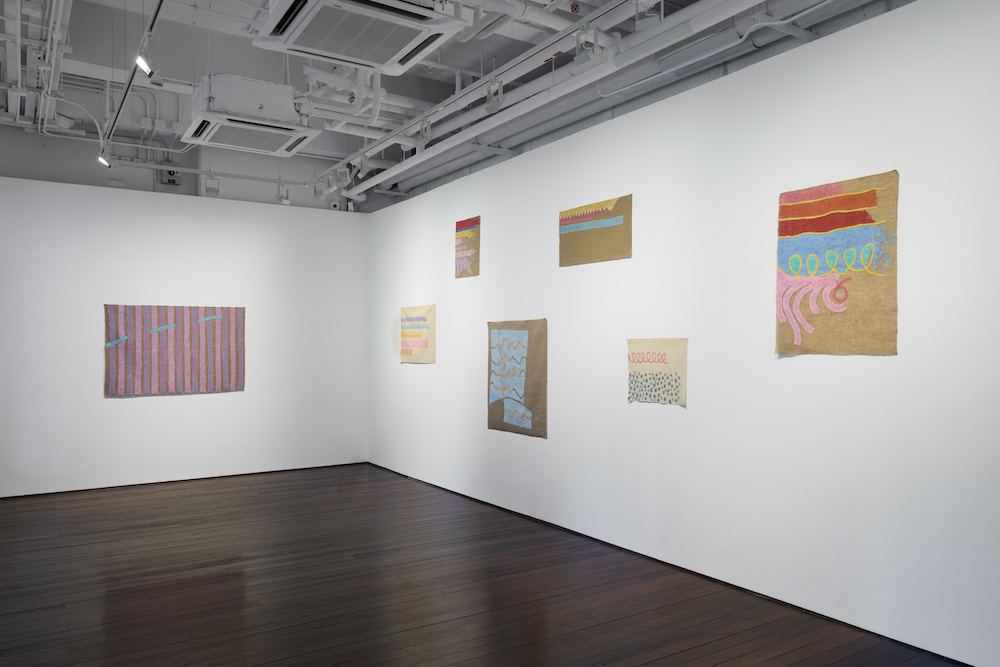
White Cube Hong Kong presents Zhang Yunyao’s When the Surface Thinks from 30 October to 18 December 2026. Its title could be understood as the artist’s proposition: the material that carries an image is not an inert support but a decisive part of what the image can mean. Zhang works in graphite on felt, turning a soft, absorbent industrial fabric into a field of extraordinary tonal precision. Exhibited works include Connector XI (2026), Connector X (2026) and the multi-part Time series, which relate memory and perception to the surface of the artwork.
At a distance, the works can suggest photographic depth or a technical diagram. Nearer, their painstaking construction becomes more apparent. Graphite becomes embedded in the felt’s fibres, making revision difficult. That material resistance is central to the experience: the artist produces illusion through a surface that refuses the familiar possibilities of oil paint or polished paper.
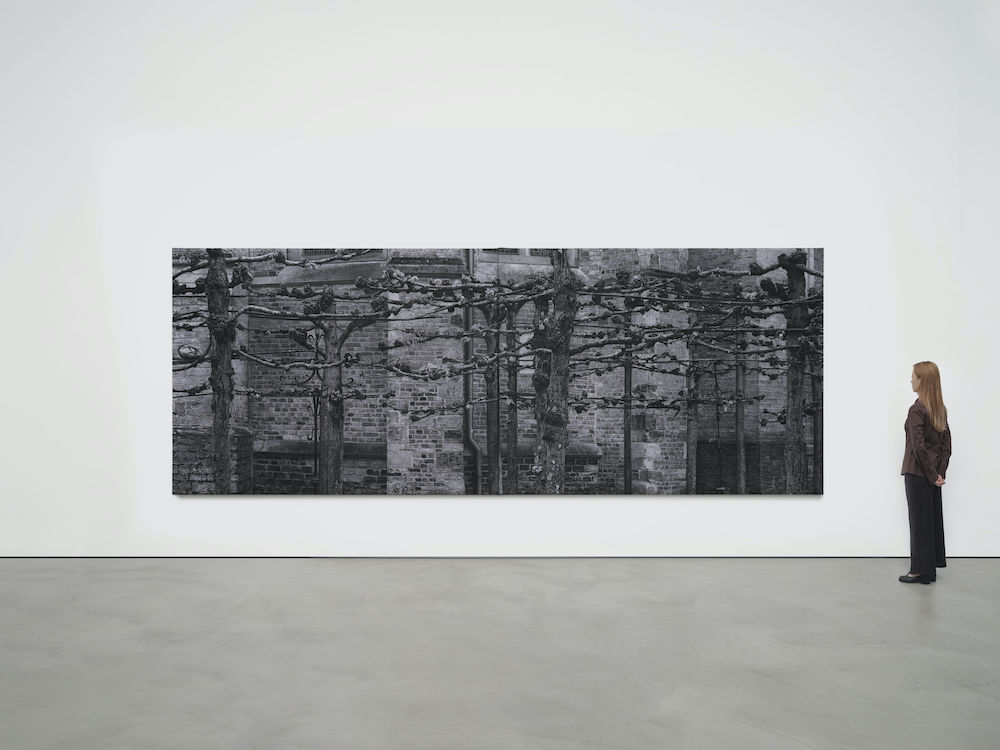
The exhibition includes works from the Connector and Time series, alongside references to classical sculpture, anatomy and architecture. Zhang’s cropping and mirroring invite the eye to search for a complete object, then withhold it. This is a show to visit without haste. For collectors of drawing and experimental supports, it offers a particularly useful lesson in why material choice can be inseparable from conceptual ambition.
Giorgio Griffa’s first solo exhibition in Asia is at MASSIMODECARLO’s Hong Kong gallery in Tai Kwun from 16 October 2026 to 30 January 2027. The presentation draws on more than half a century of practice, bringing work from the late 1970s into conversation with recent canvases including Campo blu (2026).
Griffa’s paintings have long resisted the drama of the finished composition. His unprimed, unstretched canvases carry marks that may stop before the field is filled. Creases remain visible, and time becomes part of the surface. At first glance the economy of the gesture might seem modest. In fact, the proportions, sequences and intervals require unusual sensitivity from the viewer.
The current installation gives this discipline room to breathe. Some works depend on the relationship between bands of colour; others on the space left deliberately unpainted. The gallery’s presentation draws attention to his continuing dialogue with Eastern philosophical ideas, particularly the unfinished as a productive condition. For collectors, the show is a reminder that abstraction need not rely on spectacle or heroic scale to hold a room.
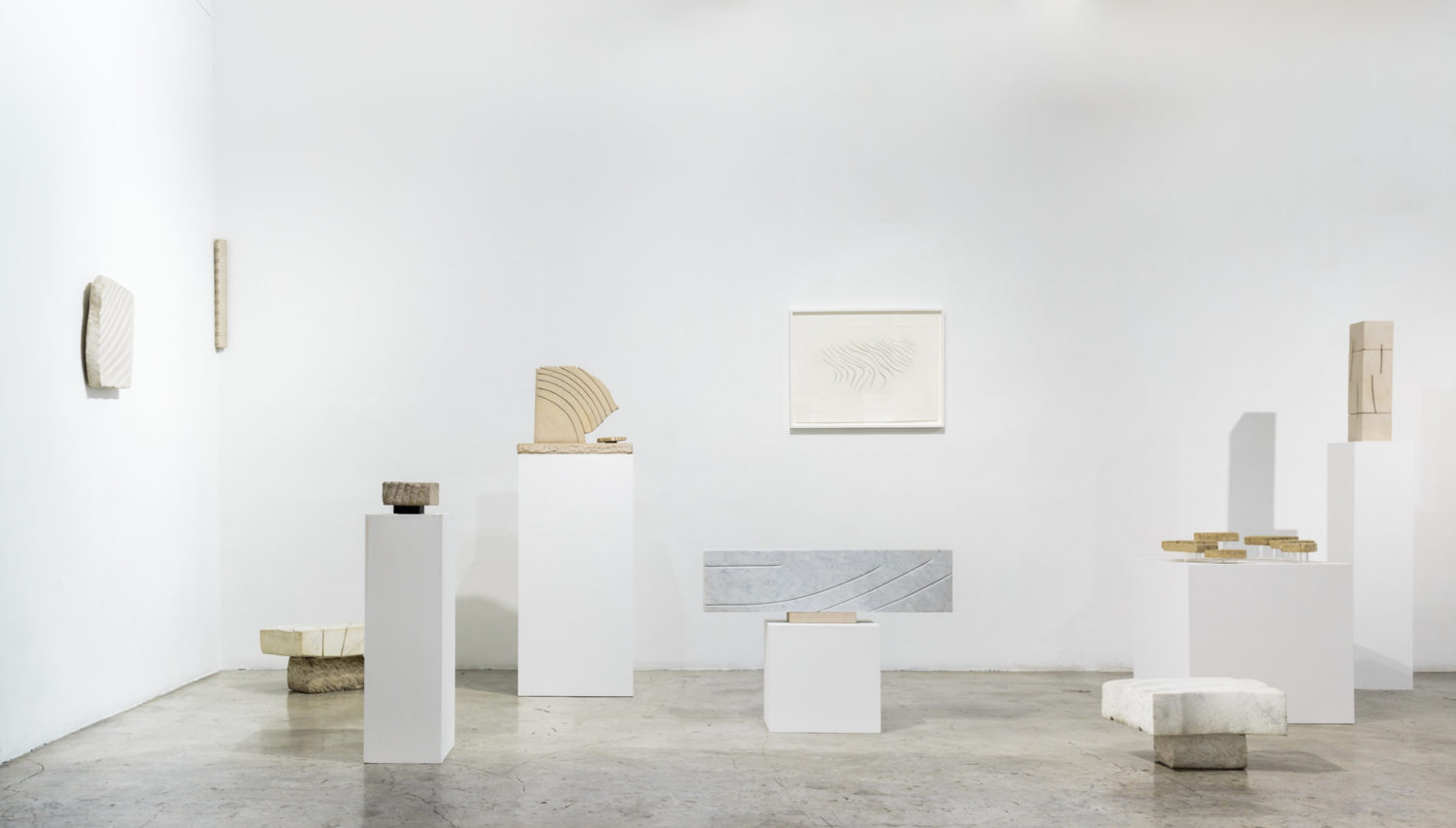
Kim Lim’s Source, at Axel Vervoordt Gallery Hong Kong, runs from 17 September 2026 to 30 January 2027. Lim’s sculptures and works on paper are distinguished by a sensitivity to rhythm, material and the visual changes produced by the slightest adjustment of form. Carved stone and linear marks can appear restrained, but their effect develops as the viewer moves.
The installation brings out a quality that is easy to miss in reproductions: the space around a sculpture is part of its composition. A curved edge may give rise to a shifting shadow; a series of incisions can make a solid material appear almost weightless. These works are especially instructive in the context of domestic collecting, where light, sightlines and the height of a plinth can radically affect the experience.
Lim occupies an important place in postwar sculpture, yet her practice also stands apart from many of the monumental narratives through which modernism has been retold. It is worth spending time here after the vividness of Wylie or the complex activity of Tai Kwun. The gallery offers an unusually quiet register without reducing the intensity of the art.
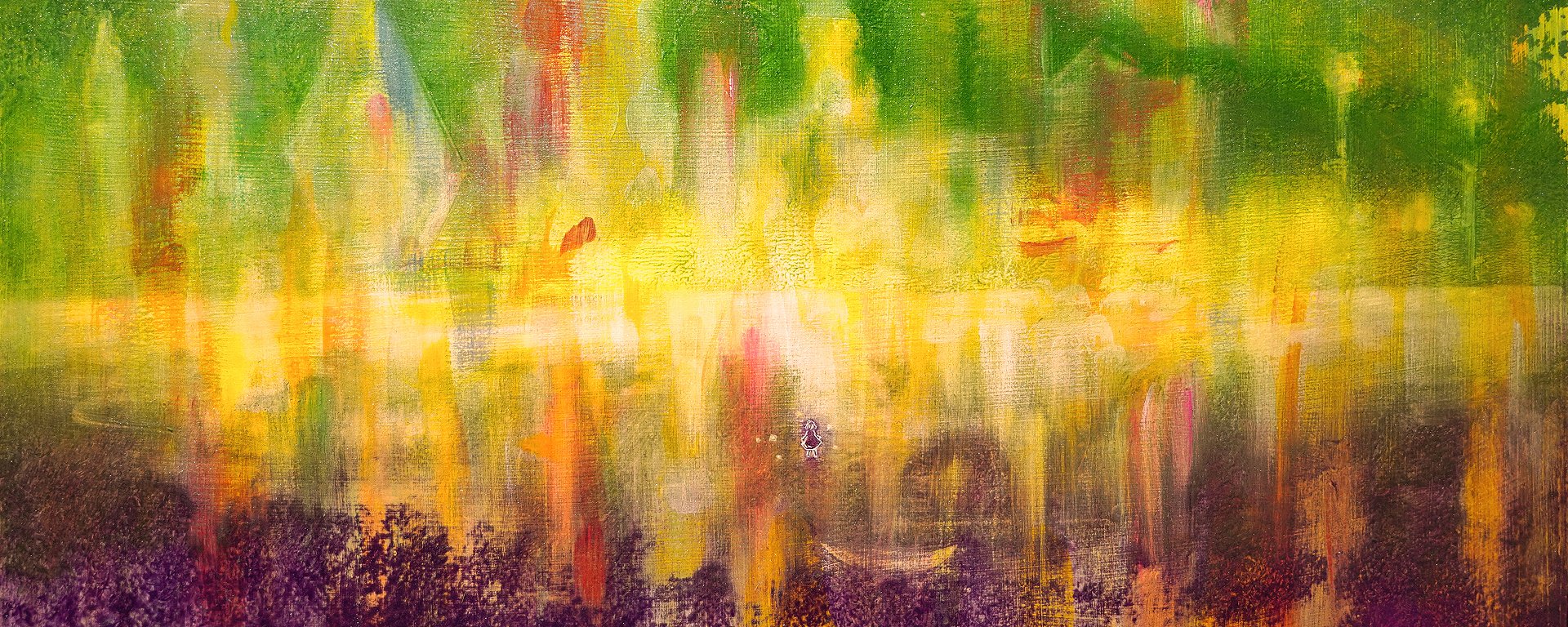
Karen Shiozawa’s Twilight Planet runs at Whitestone Gallery Hong Kong from 24 October to 28 November 2026. This is one of the exhibitions for which a November guide is especially useful: visitors arriving near the end of the month can easily miss it, while its distinctive visual language deserves attention beyond the immediate gallery audience.
Shiozawa’s painting engages memory, perception and invented spaces, allowing recognisable forms to hover between observation and imagination. The layered and worked surfaces are central to the images’ movement; marks can seem to reveal an earlier state of the painting even as they construct a new one. The result has an intriguing temporal quality, as though the pictures were both emerging and fading.
For collectors seeking artists outside the most heavily circulated exhibition circuit, there is value in following a gallery programme such as this one. A smaller exhibition may clarify an emerging artist’s formal decisions more effectively than a single work encountered at a crowded fair. The right question is not whether the artist resembles a better-known name, but what visual problem the work makes its own.
These seven exhibitions should not be treated as a ranking. They represent different encounters with the present: Imhof’s attention to bodies and spectatorship, Wylie’s translation of remembered images, Zhang’s material precision, Griffa’s deliberately unfinished language, Lim’s measured sculpture, Shiozawa’s unstable imagery and M+’s larger cultural argument about fantasy.
Timing matters. Wylie does not open until 24 November; Shiozawa closes on 28 November. The major museum and longer gallery shows continue beyond the month, creating an opportunity to separate a focused half-day visit in Central from a slower M+ trip. Where performance schedules, public holidays or installation changes affect access, check each venue’s current listing.
The broader lesson is that Hong Kong is best seen not only through fair-time headlines. The independent and mid-sized galleries, together with the larger international programmes, create the real texture of the city’s art scene. A strong November visit should make room for all three: artists already established in museum histories, contemporary voices with demanding new work, and one unexpected exhibition that changes how the other two are seen.
Seven confirmed Hong Kong exhibitions for November 2026, with artwork-specific photographs matched to M+, Tai Kwun, David Zwirner, White Cube, MASSIMODECARLO, Axel Vervoordt and Whitestone Gallery.
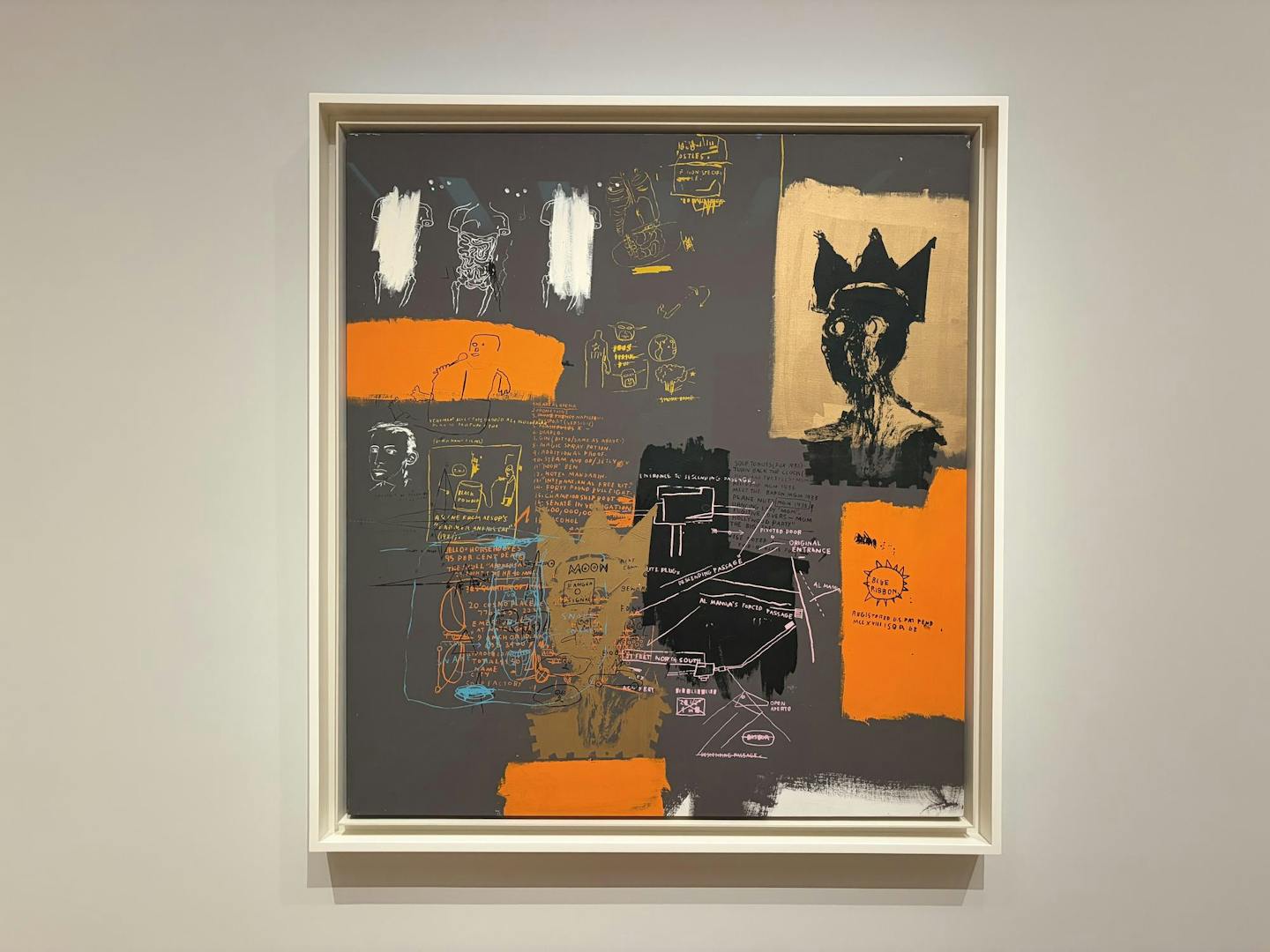
At Princeton, eleven paintings from 1984 reveal a Basquiat who copied, screened and revised his own images with exacting intent—complicating the myth of improvisational genius.
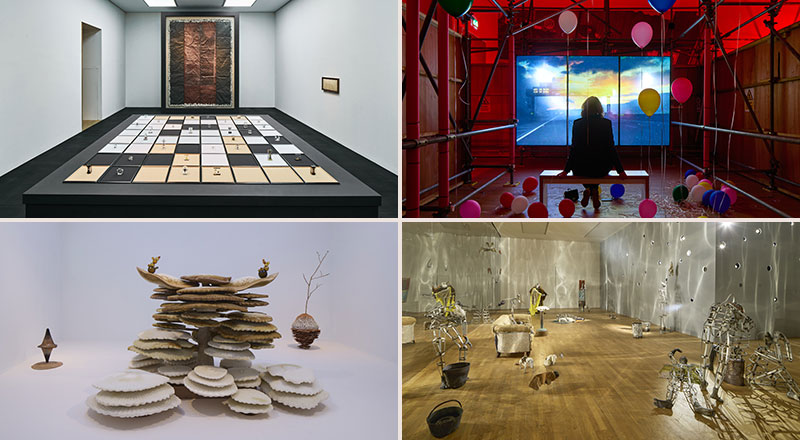
The Turner Prize can be most interesting when its four finalists refuse to represent a single trend. At Middlesbrough Institute of Modern Art, the 2026 exhibition brings together Simeon Barclay, Kira Freije, Marguerite Humeau and Tanoa Sasraku. Their presentations differ sharply in scale, material and temperament, yet all ask how contemporary life becomes embedded in the things we make, transport, inhabit or consume. The exhibition opened on 26 September and continues until 29 March 2027; the winner is due to be announced on 10 December 2026.