
November 19, 2026
Art Market & Investment
Art Market & Investment
New York’s opening November 2026 evening auctions generated $1.11bn across Christie’s, Sotheby’s and Phillips, with Kandinsky, Kusama and Modigliani among the major results.
New York’s opening November 2026 evening auctions generated $1.11bn across Christie’s, Sotheby’s and Phillips, with Kandinsky, Kusama and Modigliani among the major results.

New York’s November auctions opened with force, but the story is not simply a sum of headline prices. By the close of 17 November 2026, three major houses had reported approximately $1.11 billion across the sessions considered here: Christie’s $626.62 million 20th Century Evening Sale on Tuesday, Sotheby’s $378.7 million across its Monday evening auctions, and Phillips’s $104.42 million Modern & Contemporary Art Evening Sale on Tuesday. These figures include buyer’s premiums; they are not a consolidated final tally for the week, which continues with further sales.
The results showed demand for paintings and sculpture of particular quality and provenance, while several new or renewed artist records suggested that collectors were willing to compete for distinctive material. They do not, on their own, establish that every sector of the market is recovering at the same pace. Guarantees, individual consignments and the structure of each sale all matter to any broader reading.

The highest reported price in Christie’s 17 November sale was $85.8 million for Wassily Kandinsky’s Betonte Ecken (1922–23), a work from the artist’s decisive period of geometric experimentation. The result set a new auction record for Kandinsky. His abstract vocabulary of diagonals, emphatic corners, compact forms and shifting fields of colour made the painting a clear anchor for a sale built around important modern works. The price is premium-inclusive and should not be compared directly with hammer-only pre-sale estimates.
Gustav Klimt’s Litzlbergkeller, a landscape of the Austrian lakeside, realised $82.33 million. That outcome confirmed substantial demand for the painter’s landscape practice, often discussed less widely than his portraits. Christie’s reported a $626,621,400 total for the 20th Century Evening Sale, with 92% sold by lot and 95% by value. A sale total of that size is meaningful, but its composition is equally important: a relatively small number of expensive works can account for a considerable portion of turnover.
Another widely noted Christie’s story was Georgia O’Keeffe’s Near Abiquiu, New Mexico I, a 1930 landscape reportedly located in a Manhattan closet after decades out of public view. The rediscovery and its roughly $4.9 million result underscore the appeal of clear, specific narratives of provenance. Collectors should still distinguish a compelling discovery story from the formal condition, attribution and legal checks that underpin a major acquisition.
At Sotheby’s on Monday, 16 November, the combined evening auctions reached $378.7 million, according to contemporaneous reporting by Observer. The Now and Contemporary Evening Auction accounted for $268.8 million. Roy Lichtenstein’s Reflections on “Painter and Model” led that sale at $24.7 million, followed by Willem de Kooning’s Water...Soft Banks and a Window (Untitled VIII) at $20.3 million.
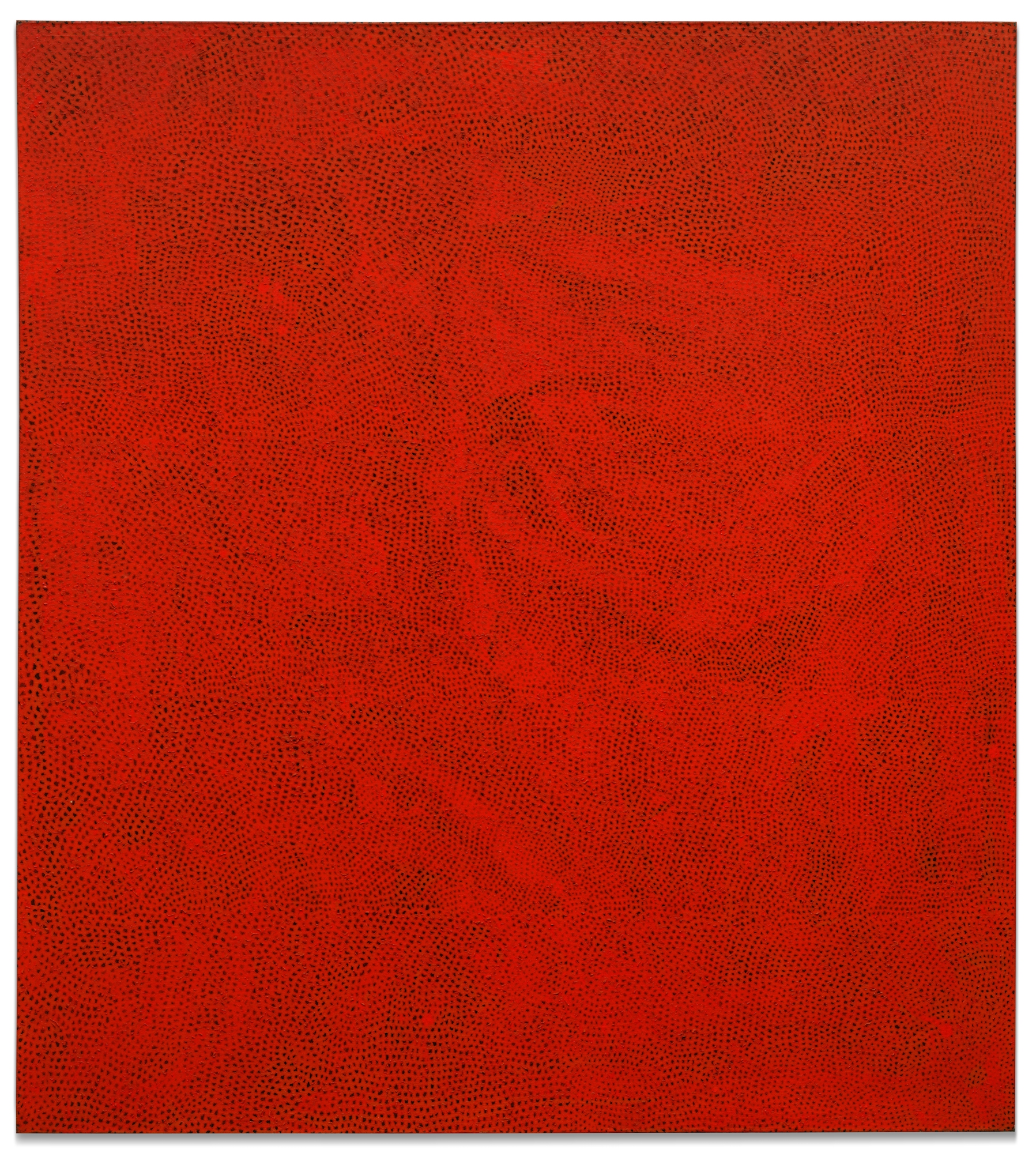
Yayoi Kusama’s No. 3P.B. sold for $15.1 million, establishing a new auction record for the artist. The result deserves attention because it was achieved for a particular painting, not for the endlessly reproduced image of Kusama’s dots or immersive installations. Sam Francis’s Towards Disappearance I fetched $17.1 million, renewing a benchmark associated with that same painting since 1999. Sotheby’s also reported records for Jonas Wood, Firelei Báez and Tomma Abts.
These prices reflect a group of different collecting stories: postwar abstraction, Pop, and contemporary practices with distinct institutional and critical histories. Their coexistence was one of the evening’s most interesting features. Reporting the results together should not erase differences in market depth, supply, scale or medium between artists.
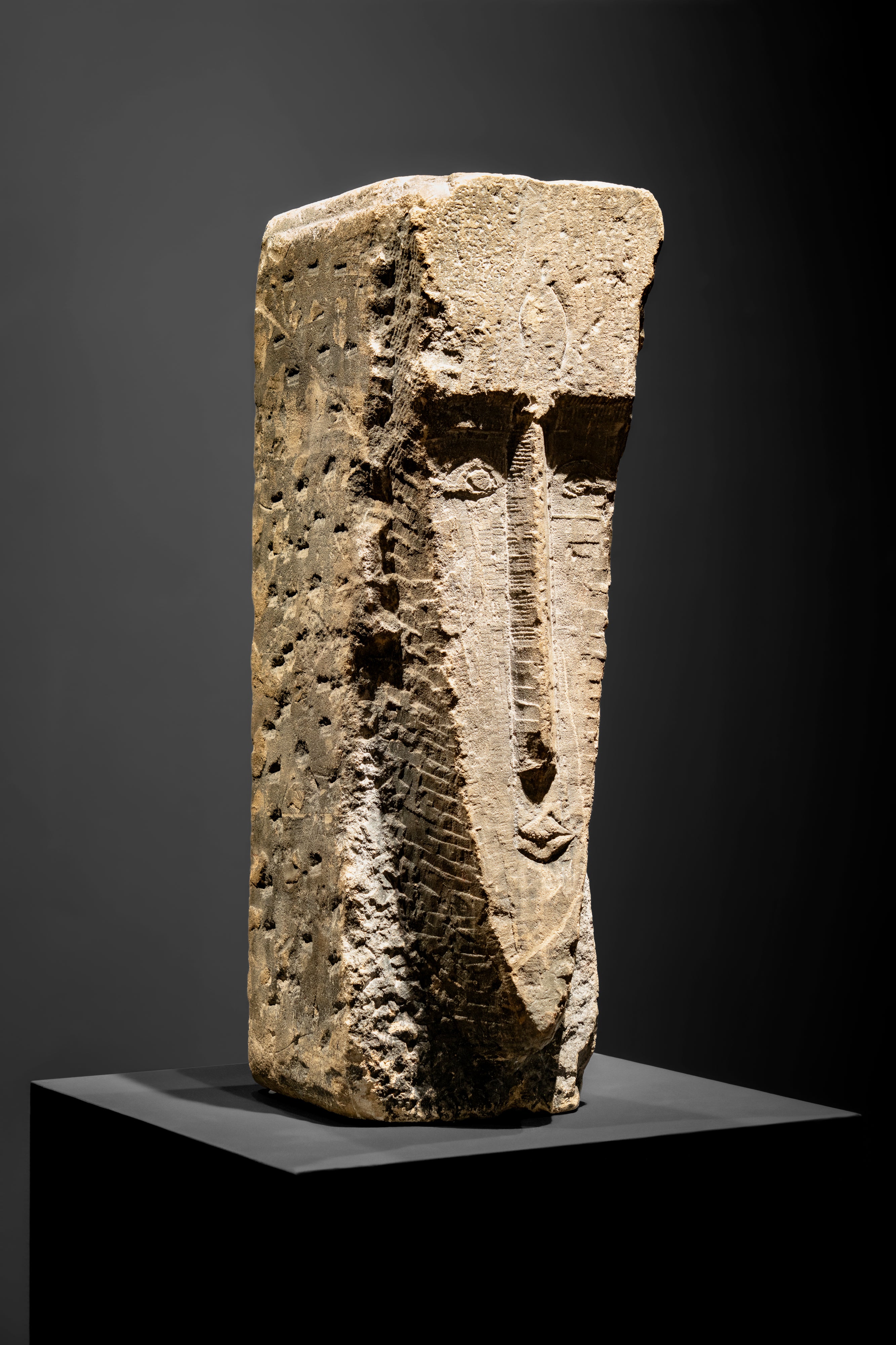
The precise 2026 Modigliani sculpture and its lot-level documentation can be viewed in Phillips’s official 17 November auction catalogue.
Phillips reported $104,422,500 for its 17 November Modern & Contemporary Art Evening Sale, up 55% year on year according to the house. The leading lot, Amedeo Modigliani’s limestone Tête (1911–12), achieved $44.63 million against a presale estimate of $28 million–$35 million. The work’s material and sculptural significance set it apart from the more familiar painted portraits associated with the artist.
David Hockney’s eight-panel David, Celia, Stephen and Ian, London 1982 realised $12.2 million including fees. Helen Frankenthaler’s Seabreeze (1980) achieved $4.532 million against an estimate of $1.5 million–$2.5 million, while Agnes Martin’s Untitled #6 reached $4.41 million. The results point to a night in which major names, strong examples and long-held works remained central to buyers’ decisions.
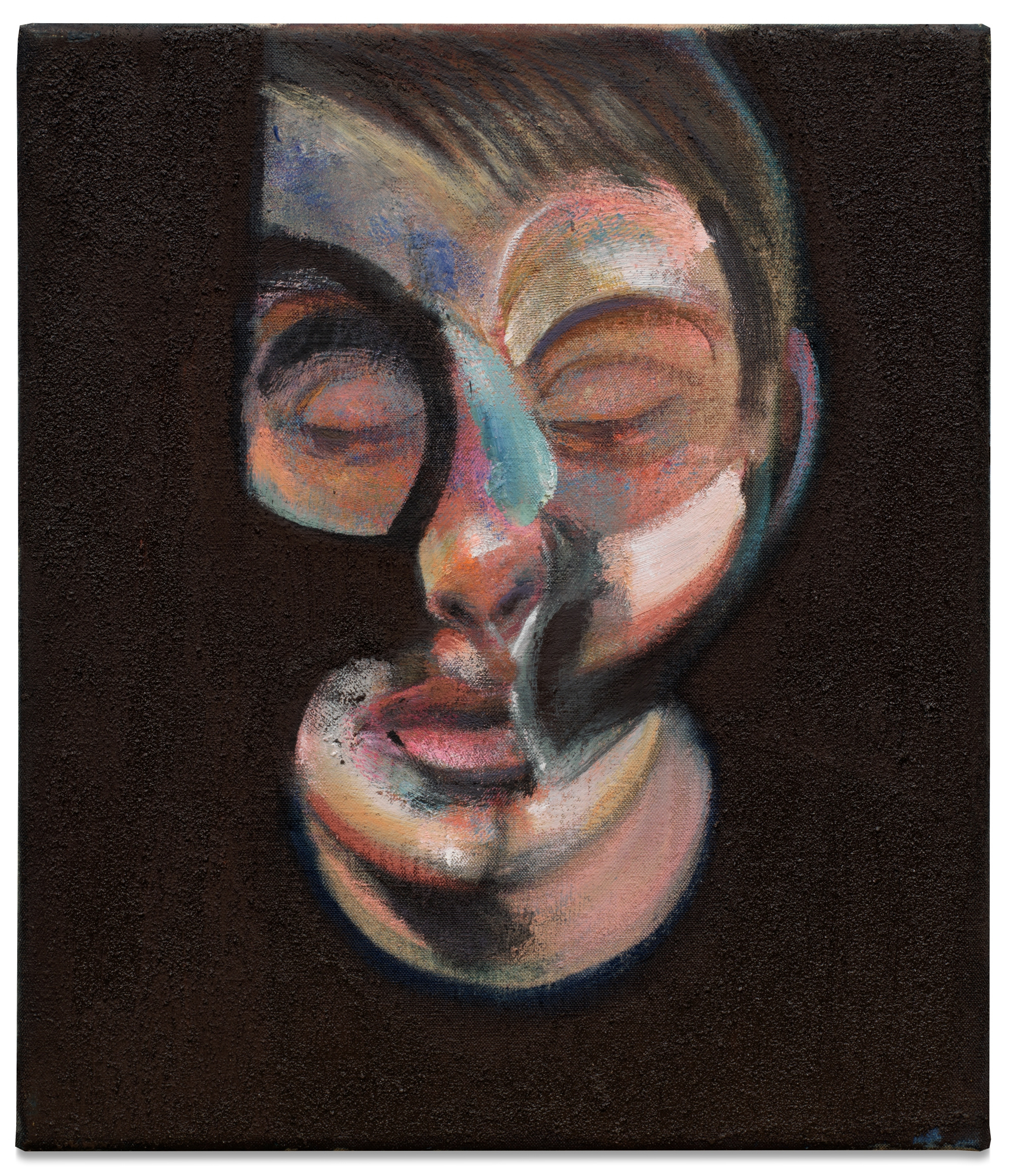
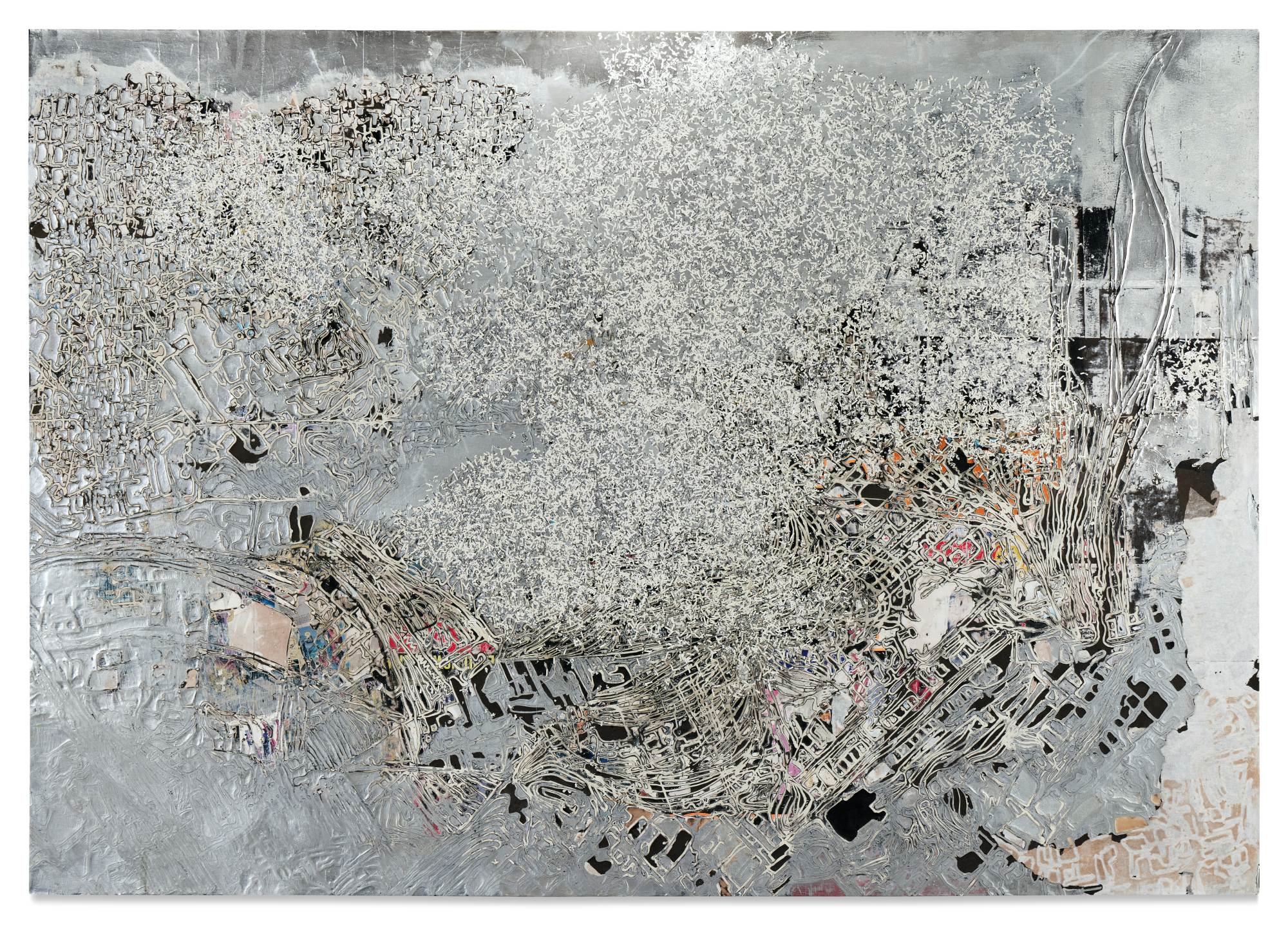
A record for Kusama does not capture the entire contemporary market. Sotheby’s selection also included a 1972 Bacon self-portrait, Yoshitomo Nara’s Candy Blue Night, Cecily Brown’s Untitled (Shipwreck) and a major work by Mark Bradford. These works entered the same commercial room but speak to fundamentally different artistic trajectories: raw psychological figuration, deliberately ambiguous faces, heavily worked images of disorder, and abstraction grounded in material and urban systems. Brown’s painting realised $8,562,000 according to Sotheby’s published sale reporting. The other images here are presented as documented works offered in the sale, not as evidence of particular achieved prices.


One point requires particular care: a percentage increase in one auction house’s evening total is not a like-for-like index of art values. Consignment composition, guarantees, the number of lots and the presence of a single exceptional sculpture can all alter a sale’s outcome. Equally, the strong price of an individual artist’s work does not establish a universal price for their practice. Collectors should compare similar materials, dates, dimensions, provenance and condition before drawing conclusions.
The week also offers an opportunity to look beyond the biggest dollar figures. A painter receiving a first million-dollar result can signal a different kind of change from a blue-chip artist renewing a well-established record. Both matter, but they tell different stories. So do works kept in private collections for decades and works returning rapidly to auction.
This report covers the opening evening sessions of 16–17 November 2026 and was checked on 19 November 2026. Additional New York marquee and day sales scheduled later in the week are not included in the $1.11 billion subtotal. ARTCOLLECTORNEWS will update the week’s wider picture once the remaining events have closed, checking official auction-house totals rather than combining estimates with results.
New York’s opening November 2026 evening auctions generated $1.11bn across Christie’s, Sotheby’s and Phillips, with Kandinsky, Kusama and Modigliani among the major results.
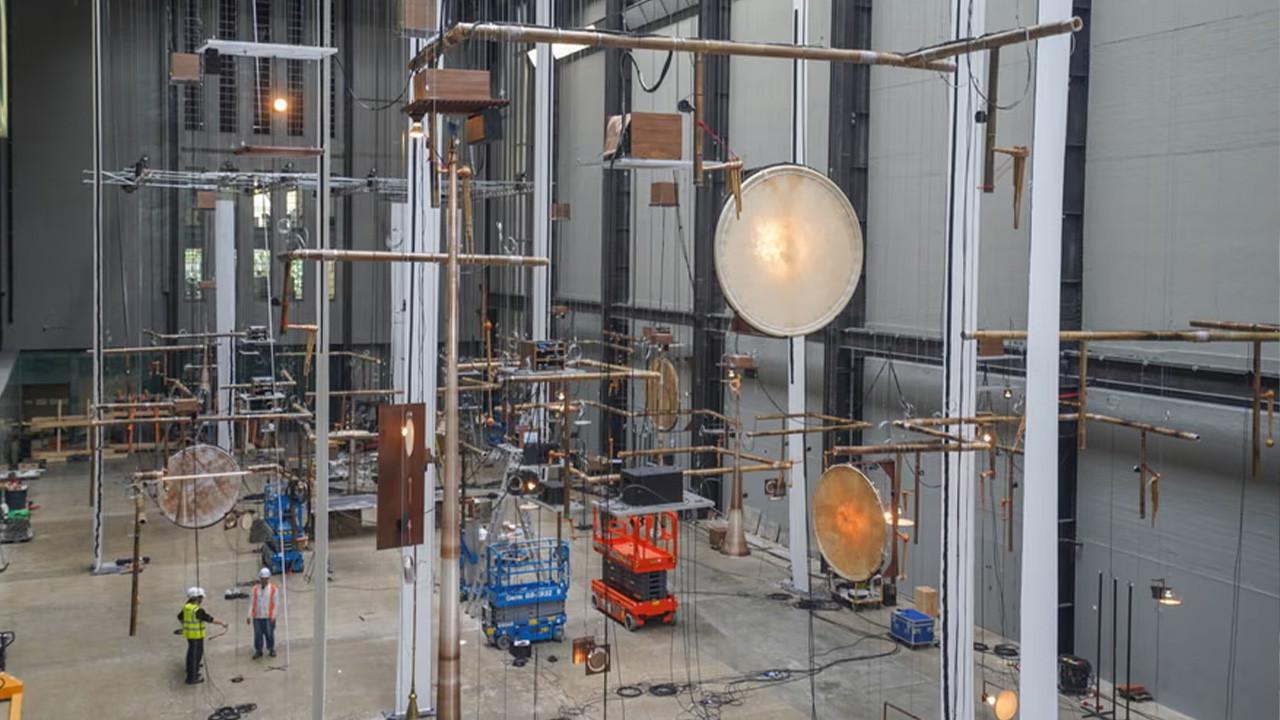
An installation of shengs, horns, drums, wind, software and vibrating stones redefines the museum as a place to listen with the entire body.
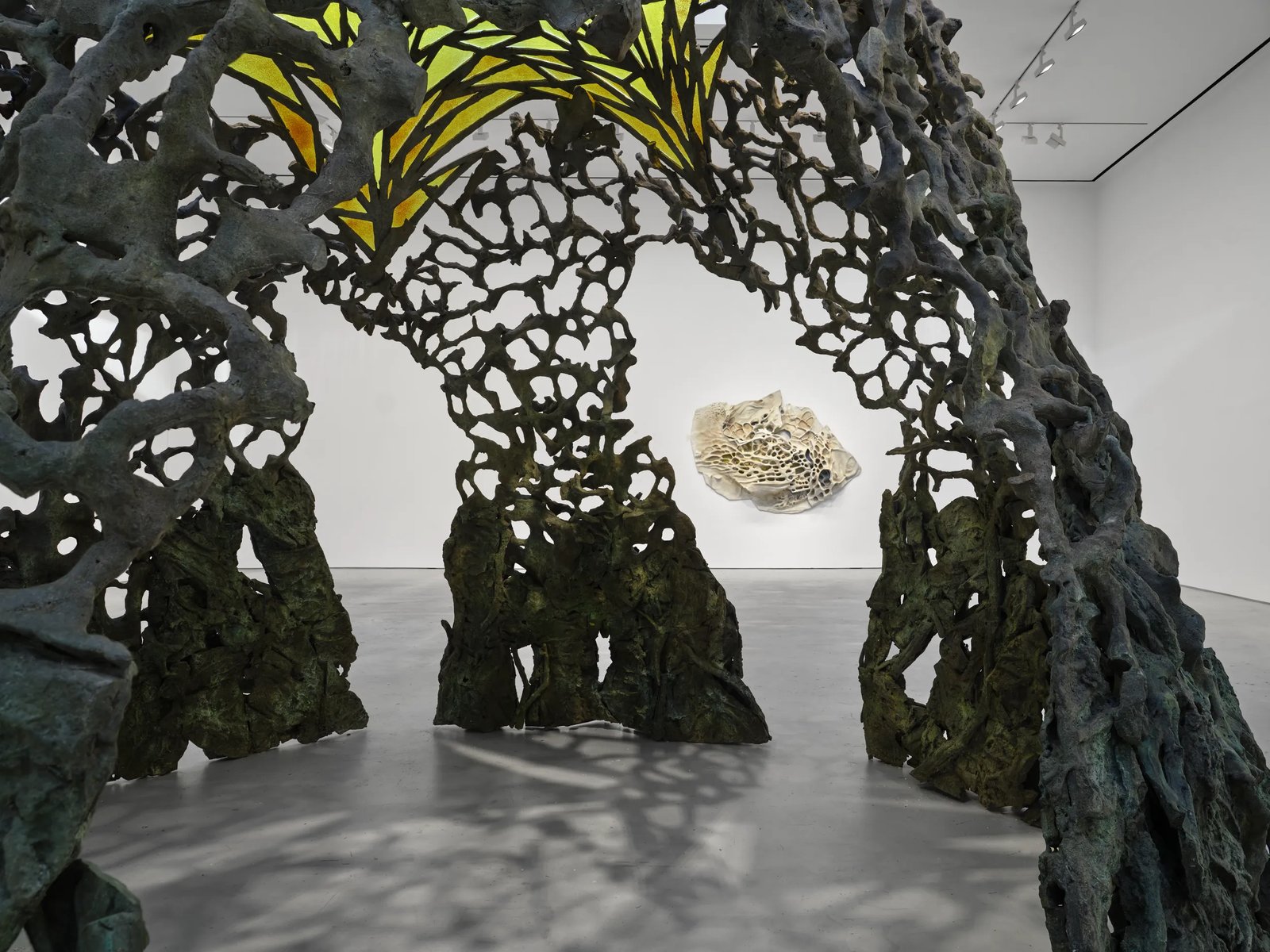
Cristina Iglesias’s new Dome and four 2026 wall sculptures transform Hauser & Wirth New York into a terrain of roots, erosion, geometry and changing light.

A current, verified route to Abu Dhabi’s exhibitions outside Frieze: new works at 421, Louvre Abu Dhabi and Cultural Foundation, with the art behind each show.