
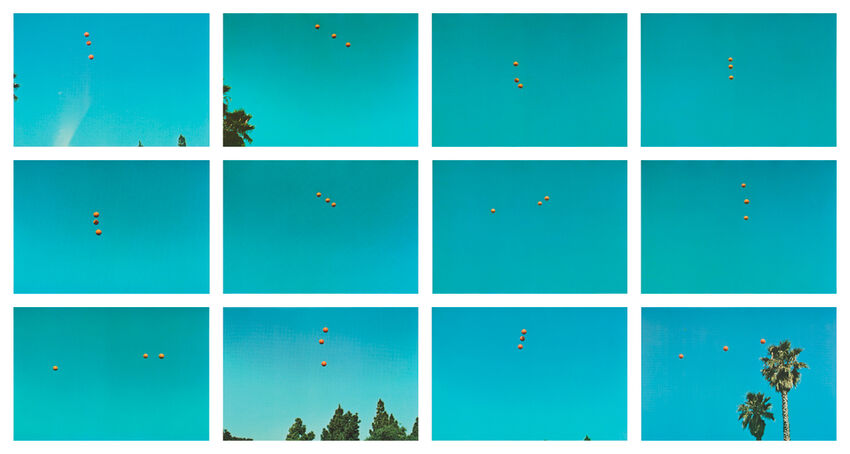
At PAMM, forty works drawn largely from Craig Robins’s holdings reveal what happens when a collector follows one artist for decades — and when private conviction becomes public scholarship.
ARTICLES
August 19, 2026
Articles
Articles
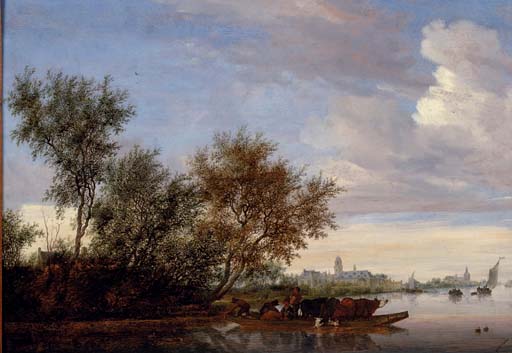
A Nazi-looted painting from Jacques Goudstikker’s collection reportedly survived for years in an Amsterdam cellar after being found in street rubbish. Its return is a lesson in why provenance never expires.
August 19, 2026
Articles
Articles

A reported $450 million Blaquier consignment at Sotheby’s is more than a trophy sale: it is a test of how privacy, provenance, guarantees and collection identity create value.
August 19, 2026
Articles
Articles
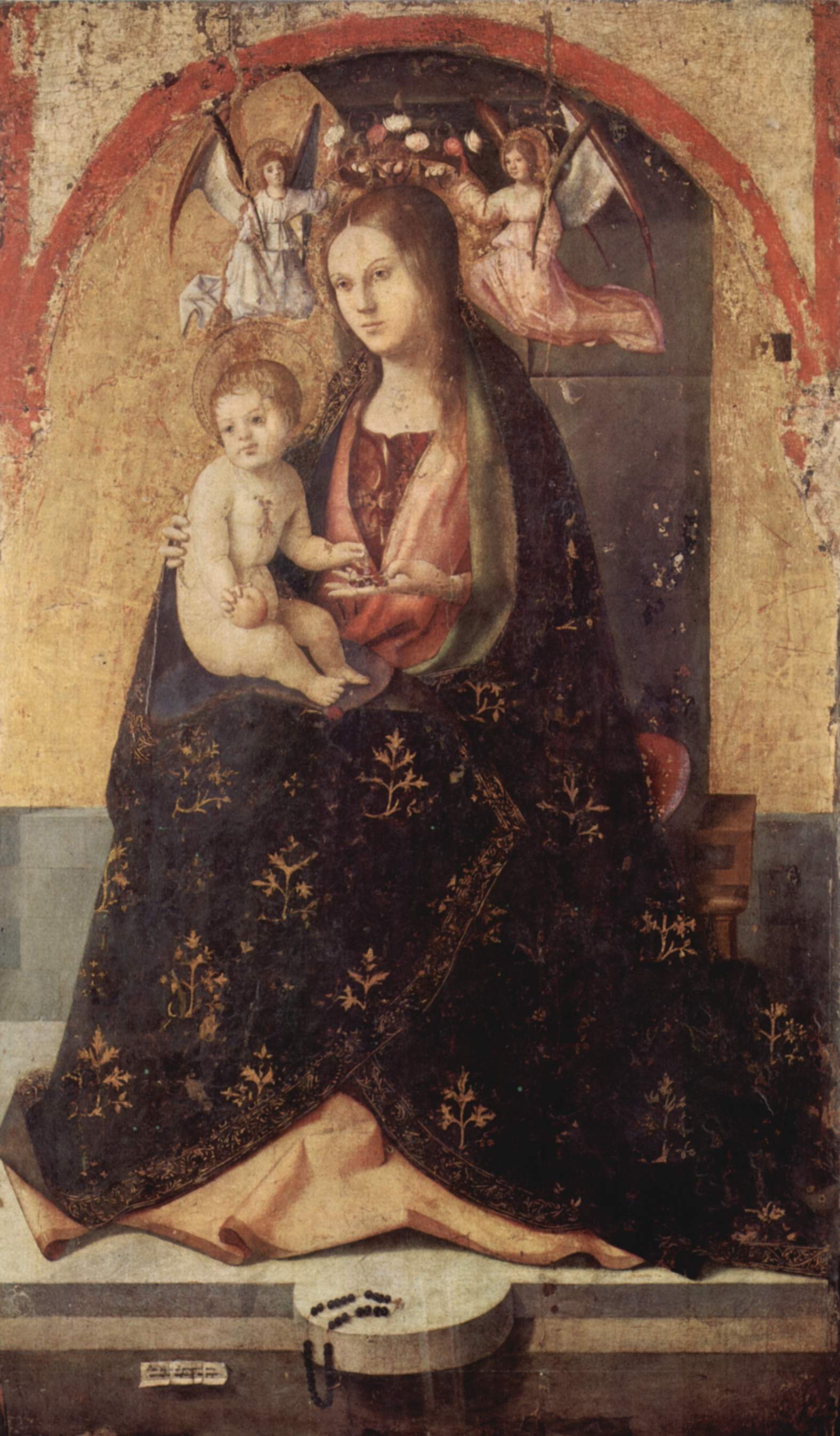
The theft of four Antonello da Messina works from MuMe exposes a paradox at the heart of art crime: the more famous a masterpiece becomes, the harder it is to turn into money.
August 15, 2026
Articles
Articles
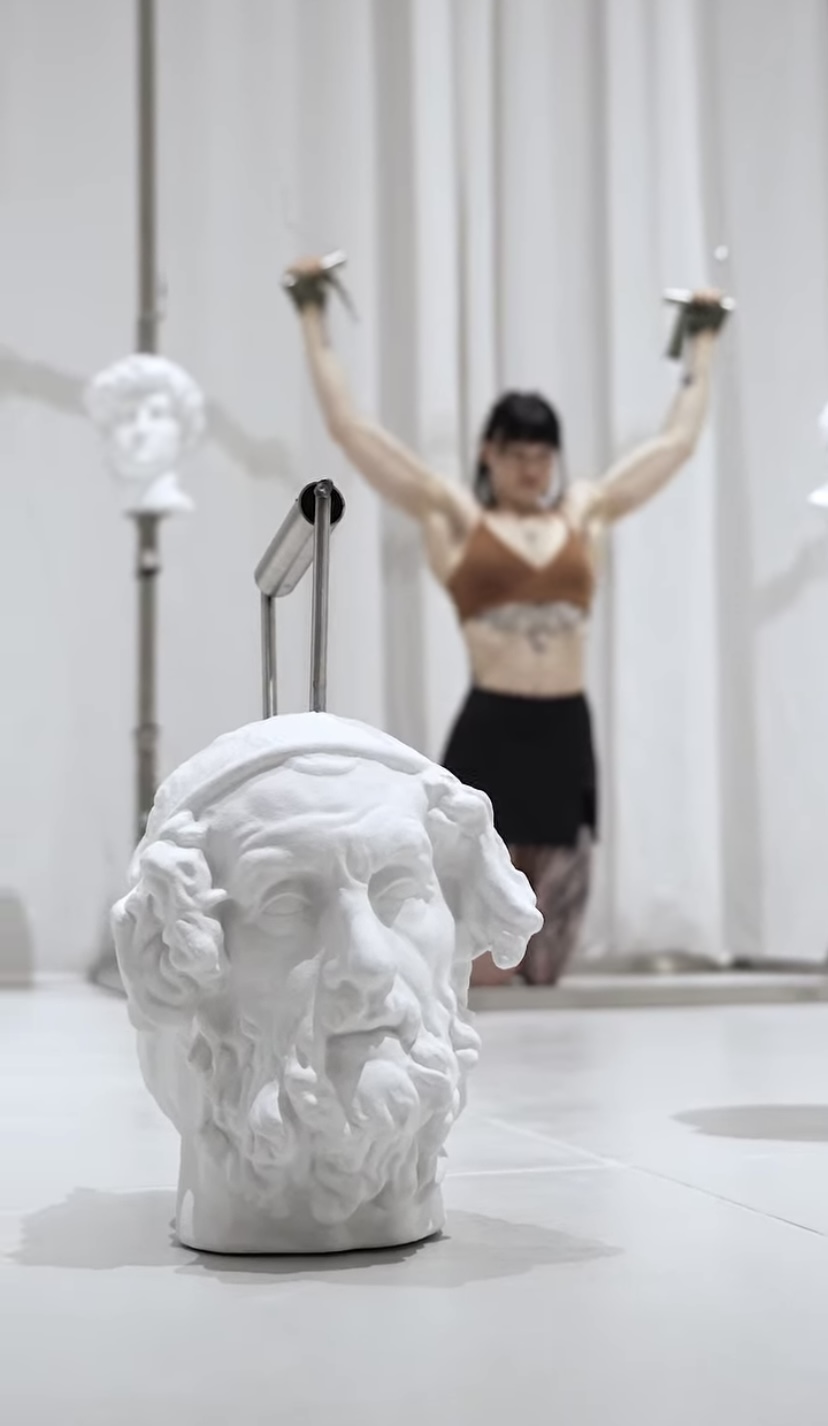
At Nottingham Contemporary, the gym has entered the museum — but the weights have been replaced by fragments of art history. Lithuanian artist Augustas Serapinas has transformed two of the institution’s largest gallery spaces into something caught between an art school, a sculpture studio and a functioning fitness centre. Physical Culture, his first institutional solo exhibition in England, brings together steel exercise machines, easels and sculptural casts that reference everything from student studies to some of Western art’s most familiar ideals of physical perfection. Among them are replicas derived from Michelangelo’s David and the Apollo Belvedere, figures that have spent centuries functioning as models of the idealised male body. Here, however, their authority is subjected to a rather different form of pressure. They become weights.
August 13, 2026
Articles
Articles
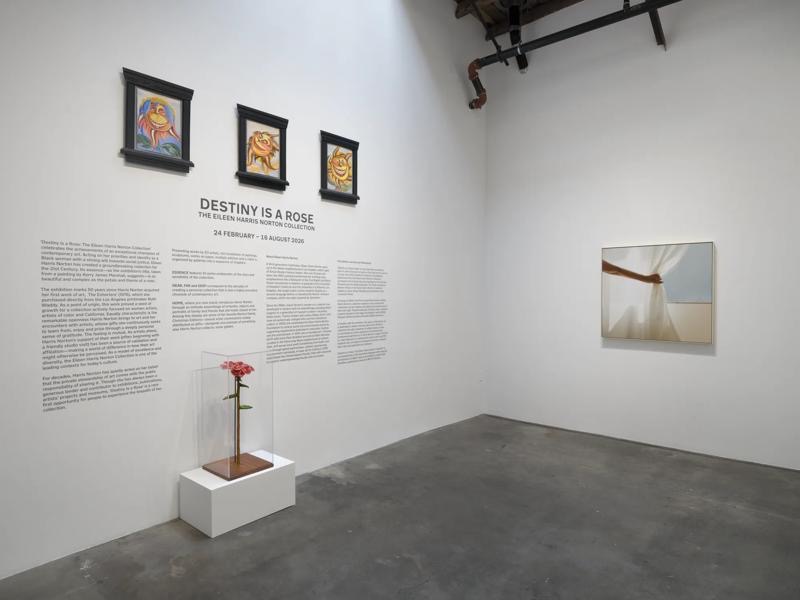
As Hauser & Wirth’s landmark exhibition of the Eileen Harris Norton Collection enters its final weekend in Los Angeles, ARTCOLLECTORNEWS looks at what one of America’s most influential collectors can teach us about building a collection with conviction.