
November 2, 2026
Exhibitions
Exhibitions
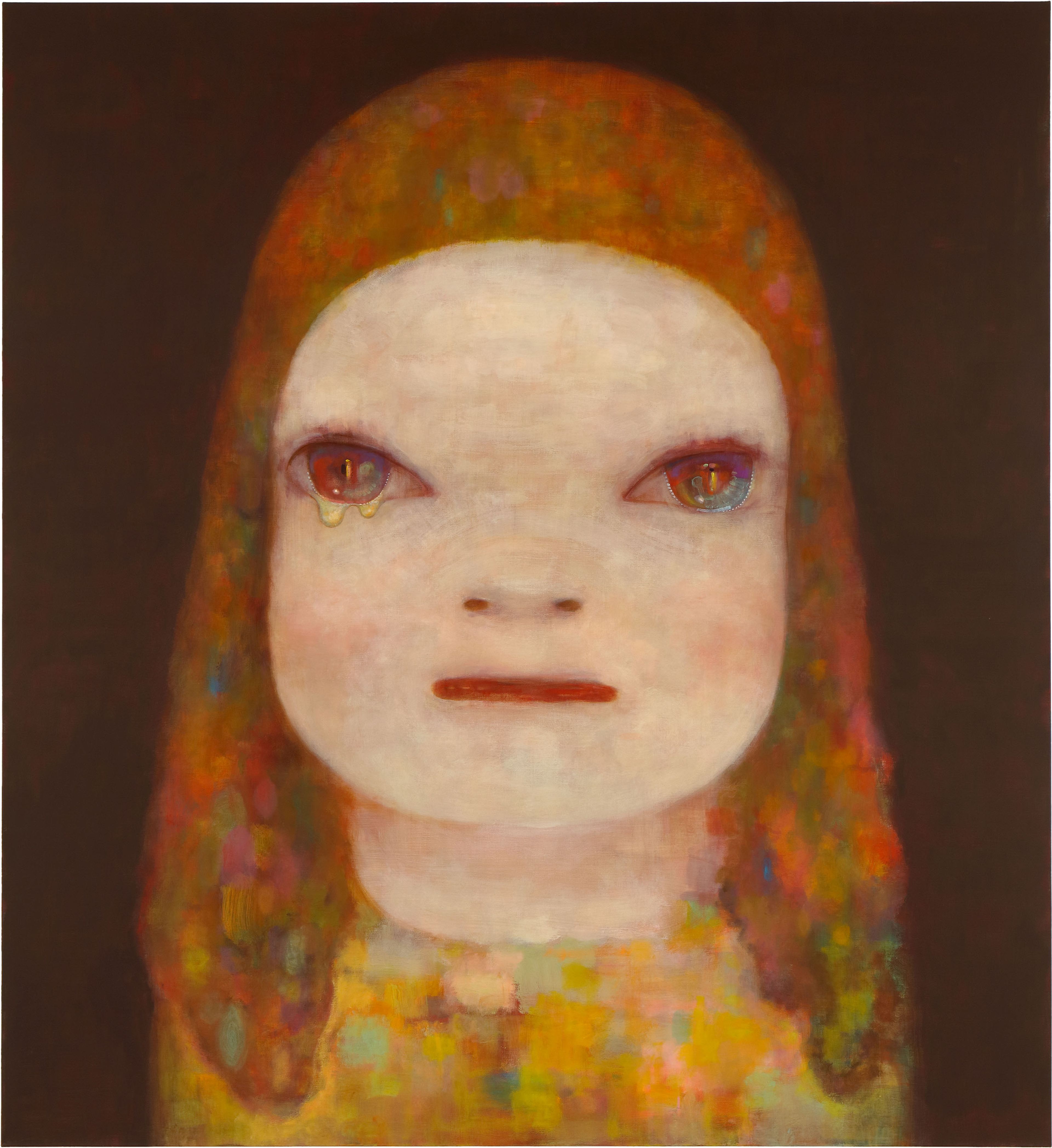
A David Zwirner debut, three monumental Hirshhorn sculptures and a Sotheby’s evening lot put Yoshitomo Nara’s gallery, institutional and market narratives in the same frame.
A David Zwirner debut, three monumental Hirshhorn sculptures and a Sotheby’s evening lot put Yoshitomo Nara’s gallery, institutional and market narratives in the same frame.

Yoshitomo Nara enters November with three versions of his practice visible at once. In New York, David Zwirner is opening the artist’s first solo presentation with the gallery and his first major solo exhibition in the city in nearly a decade. In Washington, three monumental heads inaugurate the West Lawn of the newly reopened Hirshhorn Sculpture Garden. And at Sotheby’s, Candy Blue Night carries a $5–7 million estimate in the Now and Contemporary Evening Auction.
Together these events make an unusually useful case study in what happens when an artist’s institutional, gallery and market narratives converge.
Nara’s paintings are among the most instantly recognisable images in contemporary art. That recognisability can be a trap. The large-eyed figures are frequently reproduced as if they belong to one continuous style, but the work has changed substantially across four decades: from rougher early pictures to paintings built from thin acrylic washes, coloured-pencil underdrawing and increasingly complex surfaces.
The new New York exhibition, opening 5 November across David Zwirner’s 19th and 20th Street spaces, is designed to show that range. New paintings and drawings sit beside recent sculptures and early works chosen by the artist himself.
At the Hirshhorn, Sentinels of Stillness opens on 31 October 2026 and remains on view through 7 November 2027. The project comprises Long Tall Peace Sister, Smiling and Tiny Bright Round Eyes, all dated 2025. Each monumental sculpture enlarges a small clay head Nara made by hand in 2021.
The translation is important. Nara’s small clay works preserve fingerprints and the directness of modelling. Enlarged in aluminium and coated with white urethane, the heads become public presences, but their forms retain the irregularity of something squeezed and shaped rather than digitally perfected.
The works also inaugurate the West Lawn of the Hirshhorn’s redesigned Sculpture Garden, placing Nara within a larger institutional rethinking of how sculpture occupies the National Mall.
Nara’s popular reputation still leans heavily on attitude: cigarettes, knives, guitars and hostile glances. But the recent work is increasingly about emotional ambiguity. A face may appear resistant and vulnerable in the same instant. A tear can be literal but not melodramatic. The surface slows the image down.
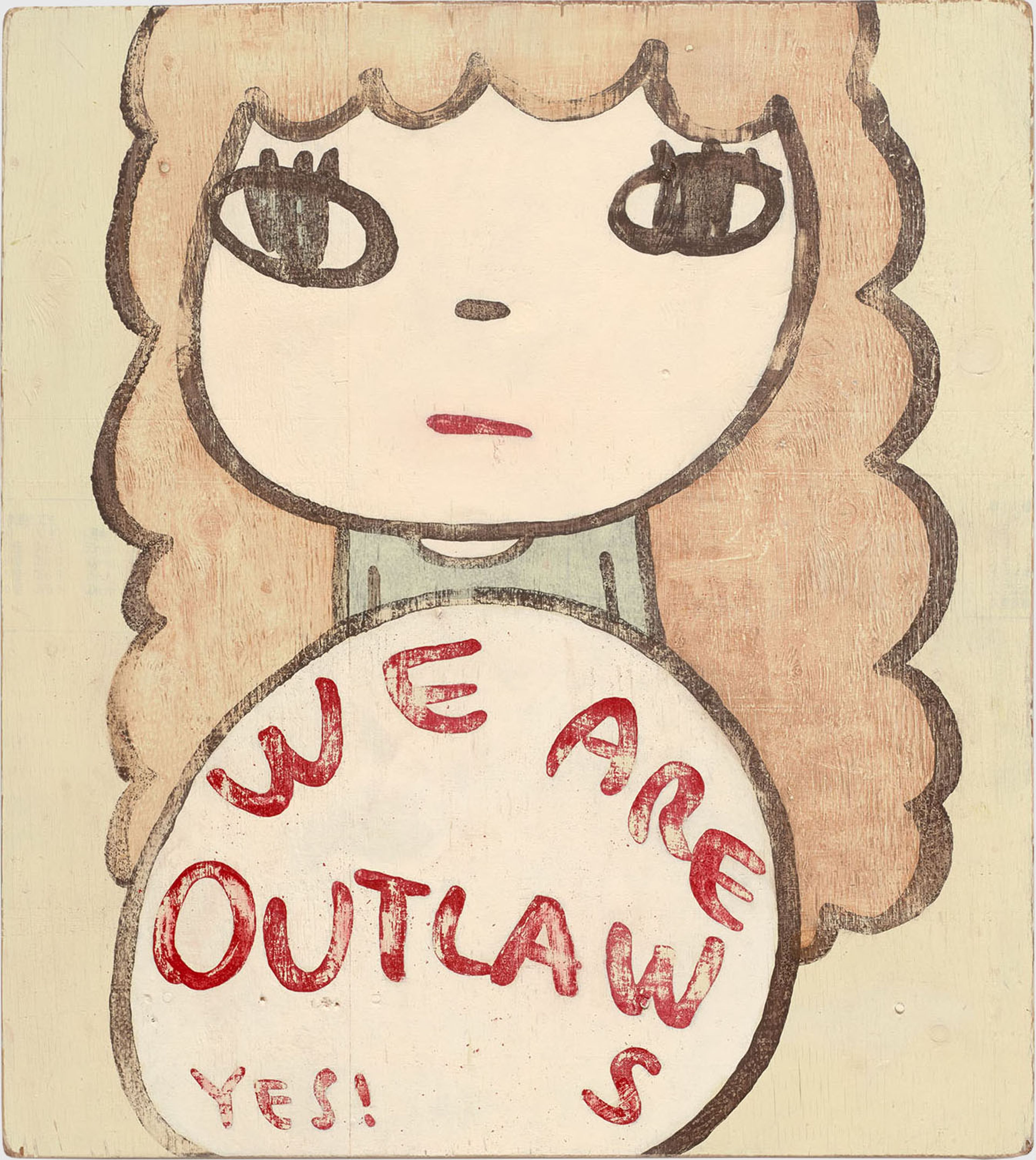
Sotheby’s estimate for Candy Blue Night makes the November auction a useful market test, not because one result will define Nara’s value, but because his market has become broad enough to require discrimination. Paintings, drawings and sculptures from different decades cannot sensibly be treated as interchangeable products.
For collectors, date and surface matter. So do exhibition history, scale, subject and the relationship of a work to Nara’s evolving technical language. The market may reward recognisability, but the best collections reward difference.
Nara is already a global market figure. The Hirshhorn and Zwirner exhibitions matter because they move the conversation away from whether his imagery is popular and toward how the work behaves across medium and scale.
A private painting asks for intimacy. A 16-times enlargement of a clay head on the National Mall asks for public duration. An early drawing selected by the artist can reveal decisions that a record auction price cannot.
Collectors considering Nara should resist buying the symbol rather than the object. Ask how the surface was built. Compare early and late works. Look at sculpture, not only painting. Understand edition information for works on paper and multiples. And when a market is as international as Nara’s, provenance and condition become especially important.
The most useful thing about this November is therefore not that Nara is everywhere. It is that the three contexts — museum, gallery and auction — allow collectors to see where they disagree. That is where judgement begins.
A David Zwirner debut, three monumental Hirshhorn sculptures and a Sotheby’s evening lot put Yoshitomo Nara’s gallery, institutional and market narratives in the same frame.
A $60–80 million Kandinsky, a reported $180 million Van Gogh and a formidable contemporary line-up put provenance, bidding depth and rarity under scrutiny this November.
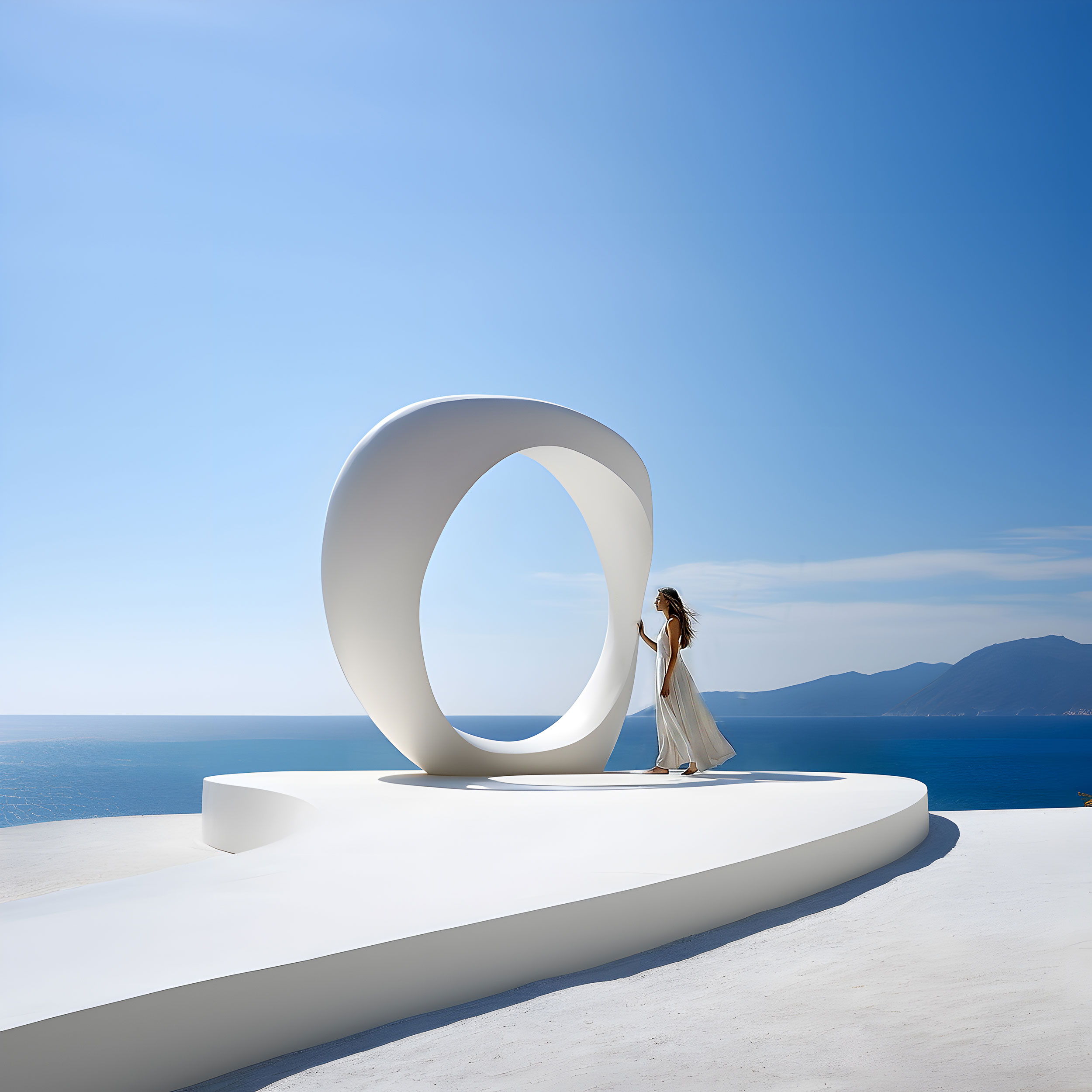
In an extensive interview, Spanish sculptor Verónica Mar discusses UNIVERSO in Madrid, her evolution from sculptural furniture to monumental portals, and the relationship between form, space and the invisible.