
October 31, 2026
Articles
Articles
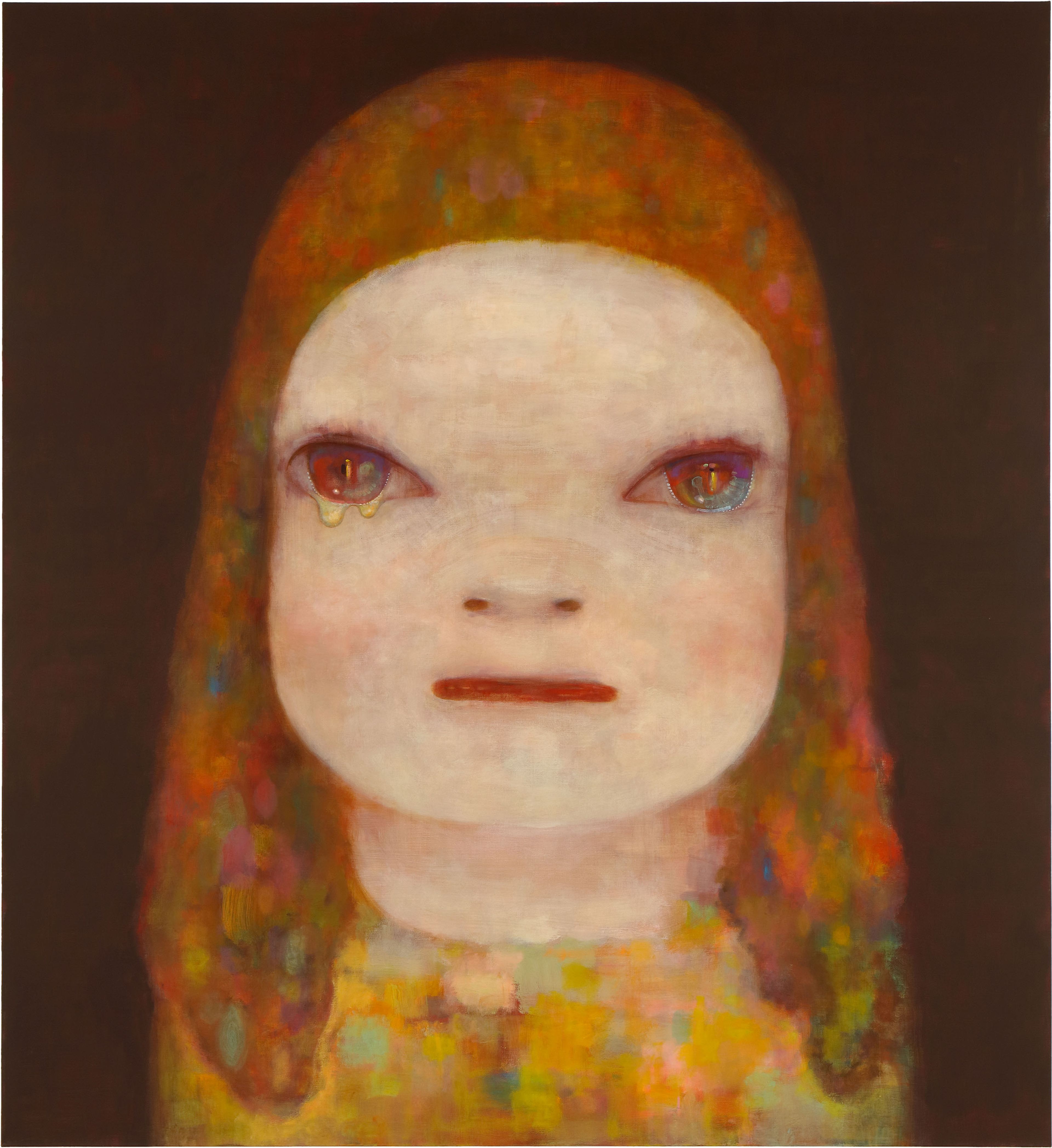
Kandinsky at $60–80m, Lichtenstein at $20–30m, Kusama, Nara, Bacon, Hopper and Agnes Gund: the November lots that matter beyond the headline estimates.
Art Week Tokyo meets Mariko Mori’s landmark retrospective, while SCAI, KOTARO NUKAGA, Taka Ishii, Pace and KOSAKU KANECHIKA sharpen the gallery route.
Tokyo’s November is unusually concentrated. Art Week Tokyo runs 4–8 November, but the city’s best viewing is not reducible to the week itself: Mariko Mori’s major retrospective opens at Mori Art Museum, established international galleries launch substantial presentations, and smaller Japanese programmes offer the kind of artist-specific depth that is easy to miss when the schedule becomes event-driven. This six-show route keeps the institutional anchor but gives equal weight to sculpture, photography and locally rooted gallery programmes.
Mori Art Museum · 31 October 2026–28 March 2027
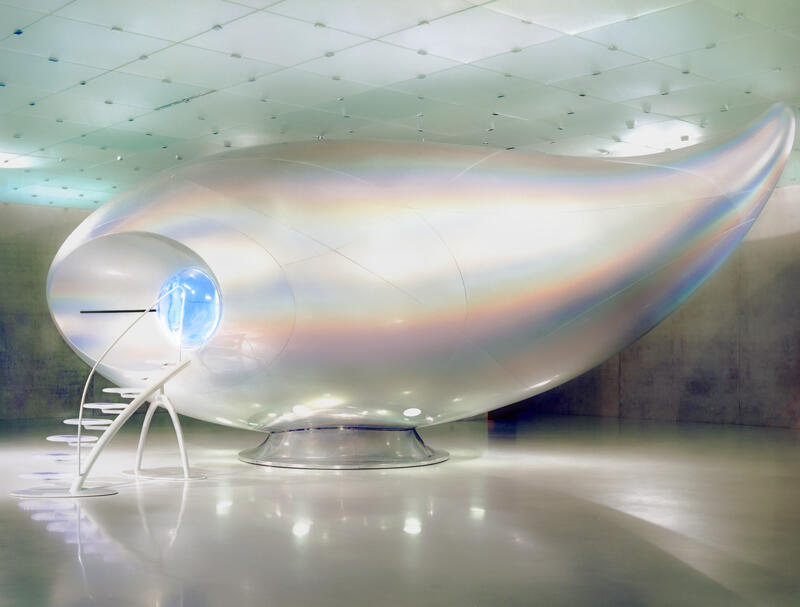
Mariko Mori’s first major Japanese retrospective since 2002 is the essential institutional anchor of Tokyo’s November. Forty works across more than three decades trace a practice that moved from the highly mediated self-images of the 1990s into immersive installations linking technology, Buddhist cosmology, neuroscience and ideas of transcendence. The show is valuable precisely because those phases are often remembered separately: the pop-futurist Mori and the spiritually ambitious Mori are treated as if they belonged to different careers. All That Shines demonstrates the continuity. Works such as Wave UFO make participation and perception part of the medium, while early photographs show how carefully Mori understood fashion, anime, advertising and the post-human body before those subjects became contemporary-art defaults. For collectors, the retrospective is an opportunity to reassess the full hierarchy of the oeuvre—photography, editions, sculpture and technically complex installations—inside the artist’s own long arc rather than the market’s preference for one period.
Taka Ishii Gallery, Roppongi + Kyobashi · 4 November–12 December 2026
Sterling Ruby spreads OCEAN across Taka Ishii’s Roppongi and Kyobashi spaces, separating recent works on paper and ceramics from new spray paintings and related bodies of work. The title points toward a newer coastal strand in his practice, including plein-air watercolours, while the Kyobashi presentation marks his first new spray paintings in nearly a decade. Ruby’s work can be difficult to read at fairs because its range—ceramics, soft sculpture, painting, collage, textiles—can look like stylistic restlessness. In a two-venue exhibition, the more useful continuity is material pressure: surfaces are stained, scorched, glazed, sprayed or allowed to carry traces of process. For collectors, OCEAN is therefore best seen as a comparison exercise. The works on paper show a different speed from the paintings, while the ceramics keep the hand and kiln visible. The strongest pieces are the ones where process feels structural rather than decorative.
SCAI THE BATHHOUSE · 4 November–19 December 2026
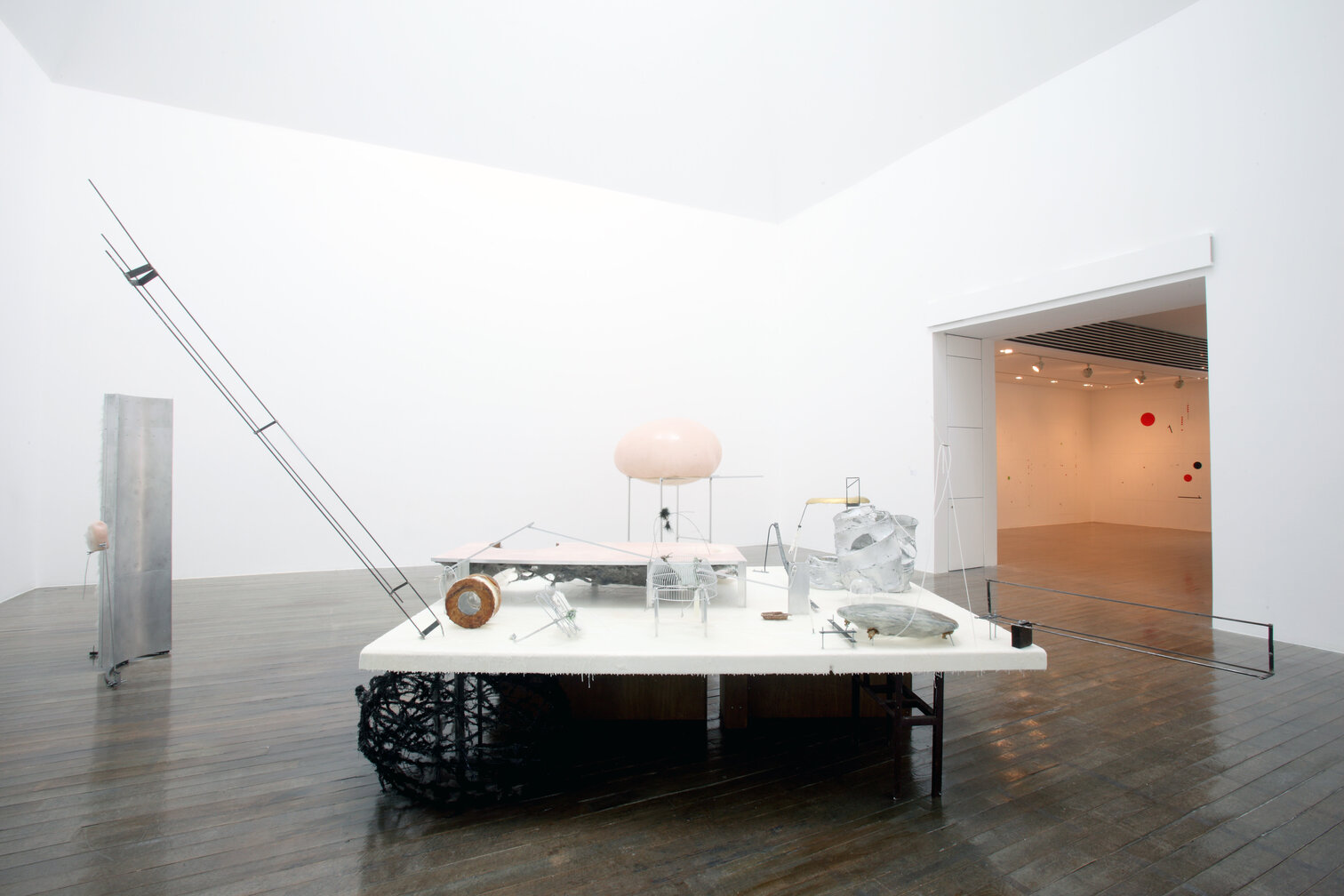
Nobuko Tsuchiya’s sculptures have the useful ability to look as if they were discovered rather than designed. Industrial fragments, tubes, cast forms and improvised supports gather into objects that hover between machine, organism and archaeological residue. Ace of Hearts, curated by Martin Clark for Art Week Tokyo’s Art Focus programme, is the kind of gallery show that gives the week its depth beyond headline institutions. Tsuchiya’s practice depends on close spatial relationships: what appears precarious may be meticulously calibrated, and what appears functional usually refuses any stable use. The former bathhouse architecture of SCAI has always suited sculpture that can exploit thresholds, floor level and the memory of a building. For collectors, this is a reminder to judge Tsuchiya’s work in the round. Photographic views can flatten the tension between parts, whereas the strongest pieces reveal themselves through changing angles and the uneasy distance between object and body.
KOSAKU KANECHIKA · 30 October–12 December 2026
Fifteen years after Tatehana developed the Heel-less Shoes that first brought him international attention, KOSAKU KANECHIKA revisits the series with newly made works. The danger with an instantly recognisable object is that it becomes branding; this exhibition is worthwhile because it asks whether the form can continue to carry historical and material meaning. Tatehana’s silhouette draws from Japanese footwear traditions while moving through fashion, sculpture and performance, and the best works maintain that tension rather than settling into luxury design. For collectors, craftsmanship should be examined alongside variation: surface, material, proportion and the way the object negotiates wearability all change the reading. The exhibition also makes a useful Tokyo stop during Art Week precisely because it sits between categories that the market often keeps separate. These are not simply shoes elevated into art, nor sculptures borrowing fashion’s glamour; their interest lies in the unresolved border between the two.

Pace Gallery Tokyo · 29 October–25 December 2026
Kwade’s Tokyo presentation combines new sculpture, works on paper and a site-specific installation around familiar questions in her practice: time, matter, measurement and the uneasy gap between what the world is and what human systems say it is. Those themes can sound abstract, but Kwade’s work succeeds when philosophy is made physical through doubled stones, mirrored structures, metal frameworks and objects whose apparent weight or scale becomes unreliable. Pace’s Tokyo space gives her enough room to stage relationships rather than individual objects, which is important for a practice often seen piecemeal at fairs. Collectors should pay attention to how repeated materials recur across different bodies of work without becoming interchangeable. A stone, bronze cast or industrial support may carry a recognisable vocabulary, but the specific spatial proposition determines whether a piece is merely characteristic or genuinely sharp. This is a show where installation decisions matter as much as object finish.

KOTARO NUKAGA, Tennoz · 31 October–19 December 2026
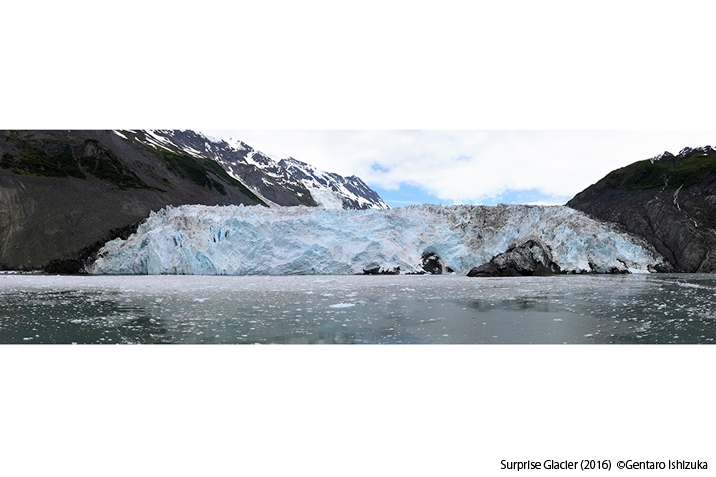
Gentaro Ishizuka’s Glacier Diary is the quieter Tokyo recommendation and one of the most rewarding for photography-focused collectors. The exhibition brings his long-running glacier project toward a culmination through panoramic photographs, woven C-type prints, polar-research material and an approximately four-metre kayak made from photographic paper. That last object is not a gimmick; it makes the act of fieldwork materially present and complicates the conventional separation between photographic image and expedition apparatus. Ishizuka’s glaciers are neither romantic sublime nor simple climate documentation. They are records of duration, travel and the limits of what a photograph can hold when the subject itself is changing. The woven prints further interrupt the idea of photography as a seamless window. For collectors, the show is an opportunity to see how a project-based photographer builds meaning across formats rather than relying on the authority of a single spectacular landscape.
For a collector’s route, use Art Week Tokyo as infrastructure rather than subject. Begin with Mori’s retrospective, then compare Ruby and Kwade in the international-gallery circuit before making time for SCAI, KOSAKU KANECHIKA and KOTARO NUKAGA. The latter three are where the month becomes more than a global-calibre checklist: they show how Tokyo’s strength lies in sustained artist relationships and in exhibitions where material, architecture and presentation are given enough time to matter.
Exhibition dates and programmes were checked against current museum, gallery and fair listings on 31 October 2026. Opening hours, access arrangements and programmes can change; check the venue before travelling.
Kandinsky at $60–80m, Lichtenstein at $20–30m, Kusama, Nara, Bacon, Hopper and Agnes Gund: the November lots that matter beyond the headline estimates.
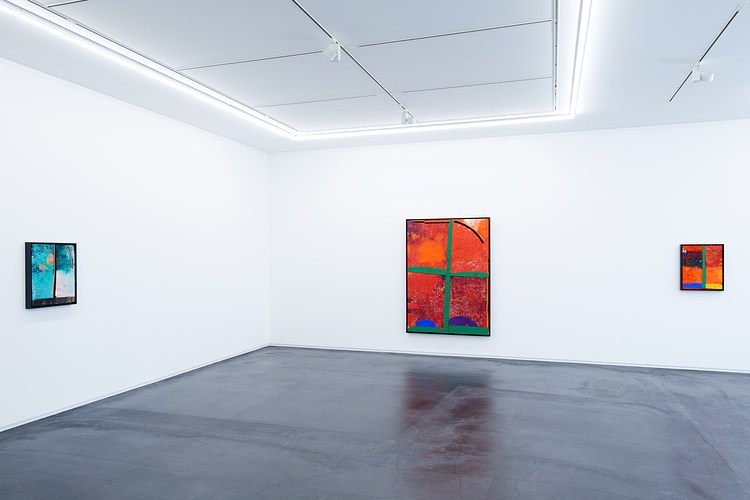
Art Week Tokyo meets Mariko Mori’s landmark retrospective, while SCAI, KOTARO NUKAGA, Taka Ishii, Pace and KOSAKU KANECHIKA sharpen the gallery route.

A rare London exhibition of new works and historical material returns us to Cady Noland’s uncomfortable vision of American spectacle, power and the ordinary object.