
October 12, 2026
Articles
Articles
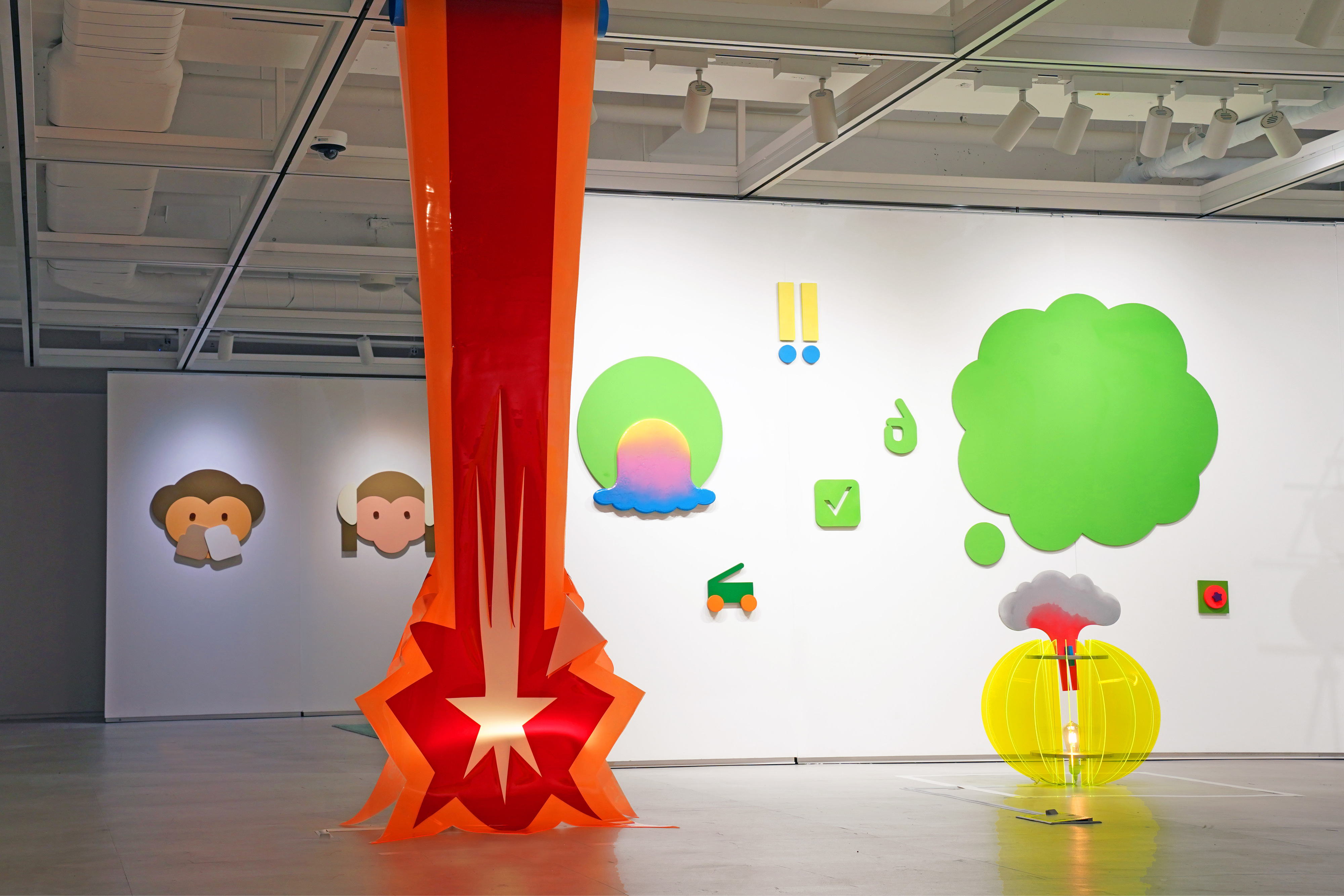
Yelin Lee's Ghost Play transforms emojis into sculpture, uses chroma-key screens and a two-minute delay, and turns visitors into their own fleeting afterimages.
Frieze Seoul is five years old, more than 50 participating galleries now have permanent Seoul spaces, and the city’s museum calendar is stronger than ever. The real story is not one fair—it is the infrastructure growing around it.
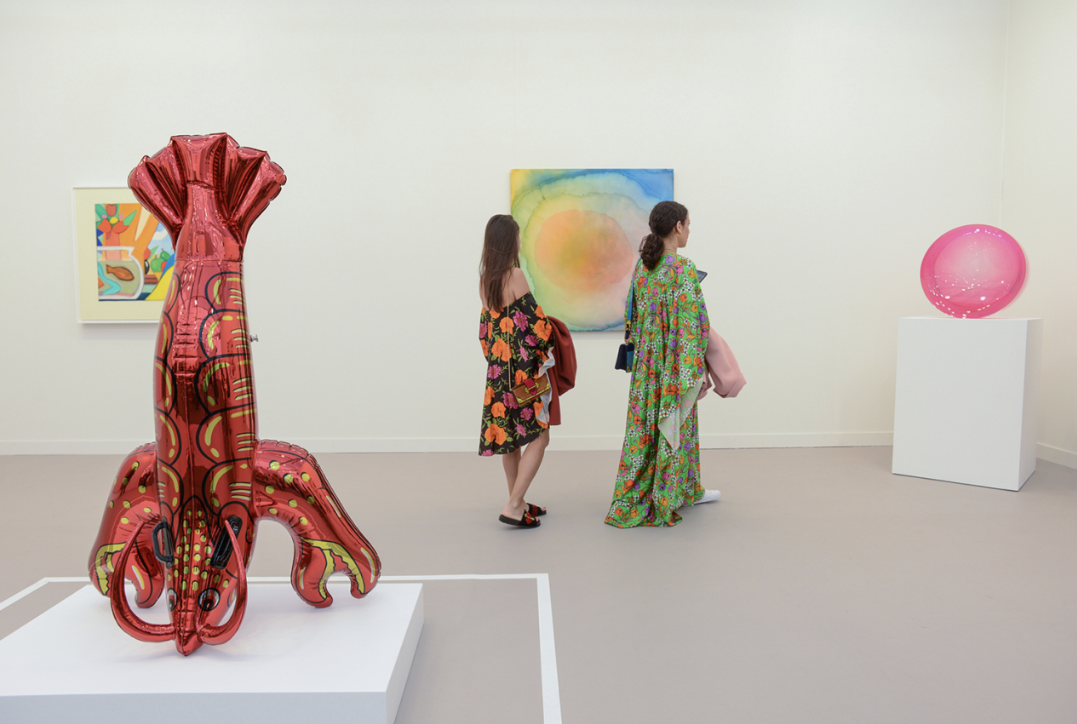
For a few days each September, Seoul stops behaving like a city that hosts an art fair and starts behaving like an art ecosystem operating at full voltage.
Frieze Seoul returns to COEX from 2–5 September for its fifth edition, again alongside Kiaf Seoul. More than 125 galleries from 30 countries are participating; over 70% are based in the Asia-Pacific region, and more than 50 exhibitors now operate permanent spaces in Seoul.
That final number may be the most revealing.
Art fairs can manufacture temporary importance. Permanent galleries cannot. A gallery that signs a lease, hires local staff, builds a client base and programs exhibitions year-round is making a different kind of bet. Seoul’s significance in 2026 therefore lies less in the size of one fair than in the infrastructure that has accumulated around it.
The city has become one of the rare places where an international fair, a mature domestic gallery sector, large corporate-backed institutions, public museums, private museums, ambitious collectors and a globally visible cultural economy all reinforce one another at the same moment.
When Frieze Seoul launched in 2022, much of the conversation focused on whether the city could rival Hong Kong as an Asian art-market hub. The comparison was understandable and increasingly insufficient.
Hong Kong remains structurally important because of its tax environment, auction infrastructure, international finance and proximity to mainland Chinese wealth. Seoul’s proposition is different. Its art market is embedded in a broader cultural export economy whose influence runs through music, film, television, fashion, beauty and design. International visitors do not arrive only to transact; they arrive inside an already powerful cultural narrative.
Frieze’s participation data confirms that the fair has become regionally anchored rather than merely imported. The majority of galleries are Asia-Pacific based. Korean galleries include long-established names such as Gallery Hyundai, Kukje, Hakgojae, Gana Art and PKM alongside younger spaces. Major international exhibitors include Gagosian, Hauser & Wirth, Pace, White Cube, David Zwirner, Lisson, Thaddaeus Ropac, Gladstone and Sprüth Magers.
Meanwhile the wider South Korean market posted a 6% gain in 2025, according to the Art Basel and UBS Art Market Report 2026, even as several other Asian markets experienced more mixed conditions. Korea is still much smaller than China by aggregate sales, but its direction of travel matters.
The most encouraging development at Frieze Seoul is that globalisation has not required flattening local specificity.
Three curated sections make that especially visible in 2026.
Material Practice, curated by Hyeyoung Cho, examines the intersection of contemporary art, design and craft. It draws on Korean traditions of material knowledge while reflecting a much wider collector shift: ceramics, textiles, glass, metal, wood and hanji are increasingly being considered inside contemporary-art collections rather than relegated to decorative-art departments.
Spotlight debuts in Seoul with a focus on twentieth-century artists whose positions remain under-recognised or incompletely written into the canon. Presentations include figures from Korea and elsewhere in Asia alongside broader international positions. For collectors, this is perhaps the fair’s most market-relevant addition. Reassessment of twentieth-century artists has become one of the strongest engines of value creation in the current market because scholarship, museum attention and supply scarcity can converge rapidly.
Focus, meanwhile, expands beyond Asia for the first time, bringing sixteen young galleries into solo presentations conceived specifically for the fair.
The combination is smart. Emerging art provides discovery; Spotlight provides historical revision; Material Practice captures the collapsing boundary between fine art and collectible design.
Collectors visiting for Frieze should not allow COEX to dominate the trip.
At MMCA Seoul, Do Ho Suh opens a major solo exhibition on 27 August, just days before Frieze Week. The show spans more than three decades, from early work and previously unseen drawings to major installations and ongoing projects.
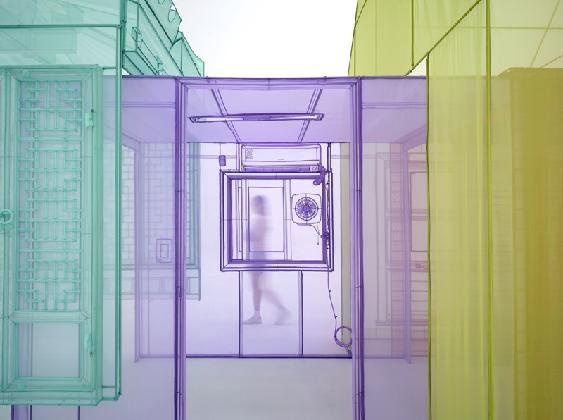
Suh is one of the clearest examples of a Korean artist whose international reputation was built through a sustained conceptual language rather than a market trend. His translucent architectural structures—corridors, staircases, apartments, thresholds and domestic fragments recreated in fabric—transform architecture into memory.
The MMCA exhibition is especially important because it places familiar works such as Nest/s alongside the broader conceptual network from which they emerged: migration, home, identity, community, bodily scale and the idea that architecture can travel psychologically even when buildings cannot.
For collectors, the exhibition provides something fairs rarely do: chronology. Suh’s market is not best understood by looking at a single fabric installation or edition in isolation. The museum context shows how drawings, rubbing projects, architectural replicas and spatial experiments connect.
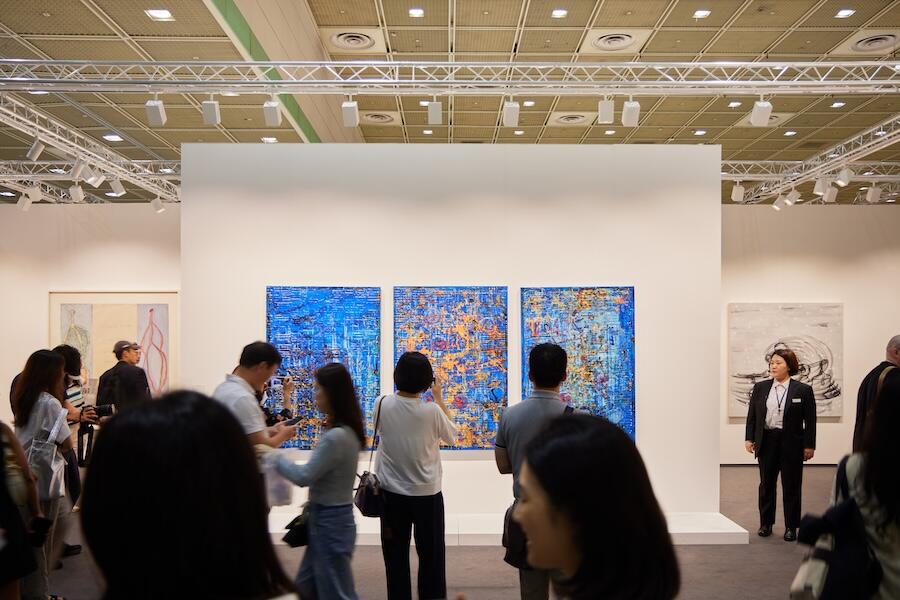
Frieze has increasingly embraced a premise that Seoul itself is the event.
Neighborhood Nights run from 31 August through 3 September, activating Euljiro, Hannam, Cheongdam and Samcheong on successive evenings. Rather than asking international visitors to remain around Gangnam and COEX, the programme pushes them through the city’s distinct gallery ecologies.
That geography matters. Samcheong places visitors close to MMCA, Gallery Hyundai, Kukje and a dense network of institutions. Hannam has become a significant contemporary-art and luxury district. Cheongdam combines blue-chip galleries with fashion and design. Euljiro offers a younger and more experimental cultural texture.
Frieze LIVE extends the strategy further with Ryan Gander’s The Find Seoul, for which 16,000 specially designed coins are hidden across the city and the fair. The project is playful, but its logic is useful: the visitor is rewarded for moving beyond the booth.
Frieze Film also leaves COEX, collaborating with the Busan Biennale for screenings at SONGEUN Art and Cultural Foundation, while talks bring artists and institutional figures into a broader programme.
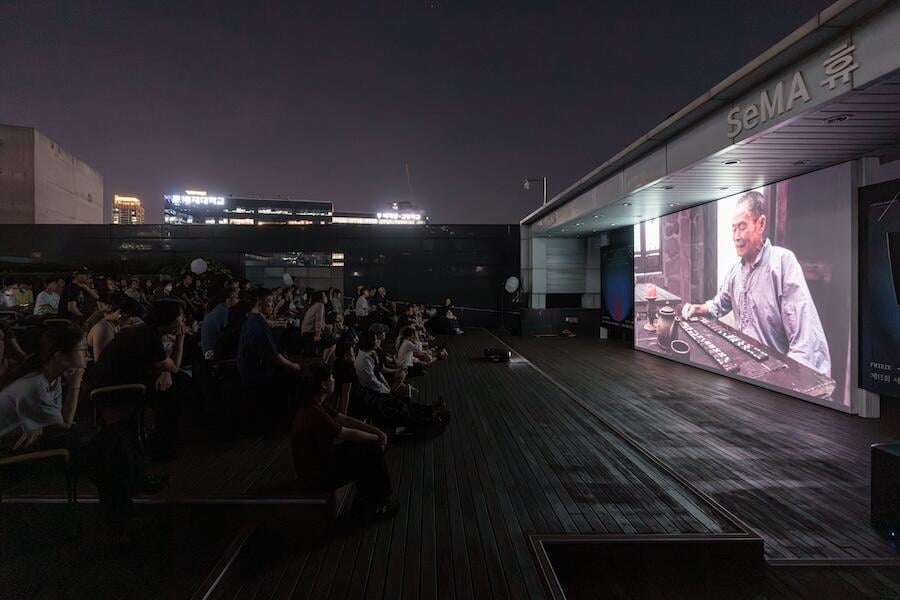
The most persuasive evidence for Seoul’s market importance is not that Western galleries attend Frieze. It is that many have decided they need a permanent presence in the city.
More than 50 exhibitors in this year’s fair operate permanent Seoul spaces. Those operations perform several functions simultaneously: they build relationships with Korean collectors, provide regional artists with local representation, stage museum-adjacent programming and reduce the dependence on four frantic fair days.
Permanent infrastructure also changes collector behaviour. A buyer can follow an artist through exhibitions rather than encountering a work only as inventory on a booth wall. Galleries can introduce historical material more slowly. Advisers can revisit works. Artists can develop local institutional relationships.
This is one reason Seoul feels increasingly mature: the city is becoming less fair-dependent even while the fair grows.
International commentary often speaks about “the Korean collector” as though a national market were one demographic. In reality, the ecosystem ranges from multigenerational collecting families and corporate foundations to younger buyers whose entry points may include contemporary design, fashion, photography, editions or digital culture.
The coexistence of Frieze and Kiaf is important here. Kiaf, established long before Frieze arrived, remains embedded in Korea’s domestic gallery system. Frieze provides international reach and global branding; Kiaf provides continuity with the local market. Their simultaneous occupation of COEX allows different collector networks to overlap rather than forcing one fair to replace the other.
The strongest future for Seoul is therefore not to become “the next Hong Kong.” It is to become more itself: a market in which Korean galleries, international galleries and institutions participate in the same citywide cultural cycle.
1. Twentieth-century reassessment. Spotlight is likely to produce some of the fair’s most interesting conversations around overlooked artists, especially where museum scholarship and limited supply intersect.
2. Material practice. The relationship between craft, design and contemporary art is becoming increasingly valuable to collectors. Korean traditions give Seoul a credible context for this discussion rather than turning it into a trend-driven category.
3. Korean diaspora artists. The international visibility of Korean and Korean-diaspora practices continues to broaden. Collectors should distinguish sustained institutional trajectories from short-term fair momentum.
4. Gallery permanence. Pay attention to which international dealers are programming substantial Seoul exhibitions rather than merely arriving with booth inventory. The permanent-space decision is a signal of long-term market conviction.
5. The museum calendar. Do Ho Suh at MMCA, institutional exhibitions across the city and the wider Korean biennial ecosystem will shape what collectors see at the fair itself.
There is a temptation to convert cultural momentum into premature hierarchy. Seoul has not replaced Hong Kong, New York or London by any meaningful measure of total art-market sales. Nor should fair-week energy be mistaken for unlimited depth. Galleries still have to convert visibility into sustainable year-round business, and Asia’s broader economic environment remains uneven.
But September is a different question.
For one week, few cities now offer a denser overlap of serious commercial galleries, contemporary museums, private institutions, design culture, artist visibility and international visitors.
That makes Seoul not necessarily the capital of the Asian art market—but increasingly the September capital of its attention.
Frieze Seoul: 2–5 September 2026, COEX, Gangnam.
Scale: More than 125 galleries from 30 countries; over 70% Asia-Pacific based; more than 50 exhibitors with permanent Seoul spaces.
Kiaf Seoul: Presented concurrently at COEX.
Neighborhood Nights: Euljiro 31 August; Hannam 1 September; Cheongdam 2 September; Samcheong 3 September.
MMCA: Do Ho Suh, 27 August 2026 – 9 February 2027.
Market context: South Korean art-market sales rose 6% in 2025 according to the Art Basel and UBS Art Market Report 2026.
Collector strategy: Use the fair for comparison, but use Seoul’s museum and gallery exhibitions to judge depth, chronology and long-term representation.
Yelin Lee's Ghost Play transforms emojis into sculpture, uses chroma-key screens and a two-minute delay, and turns visitors into their own fleeting afterimages.
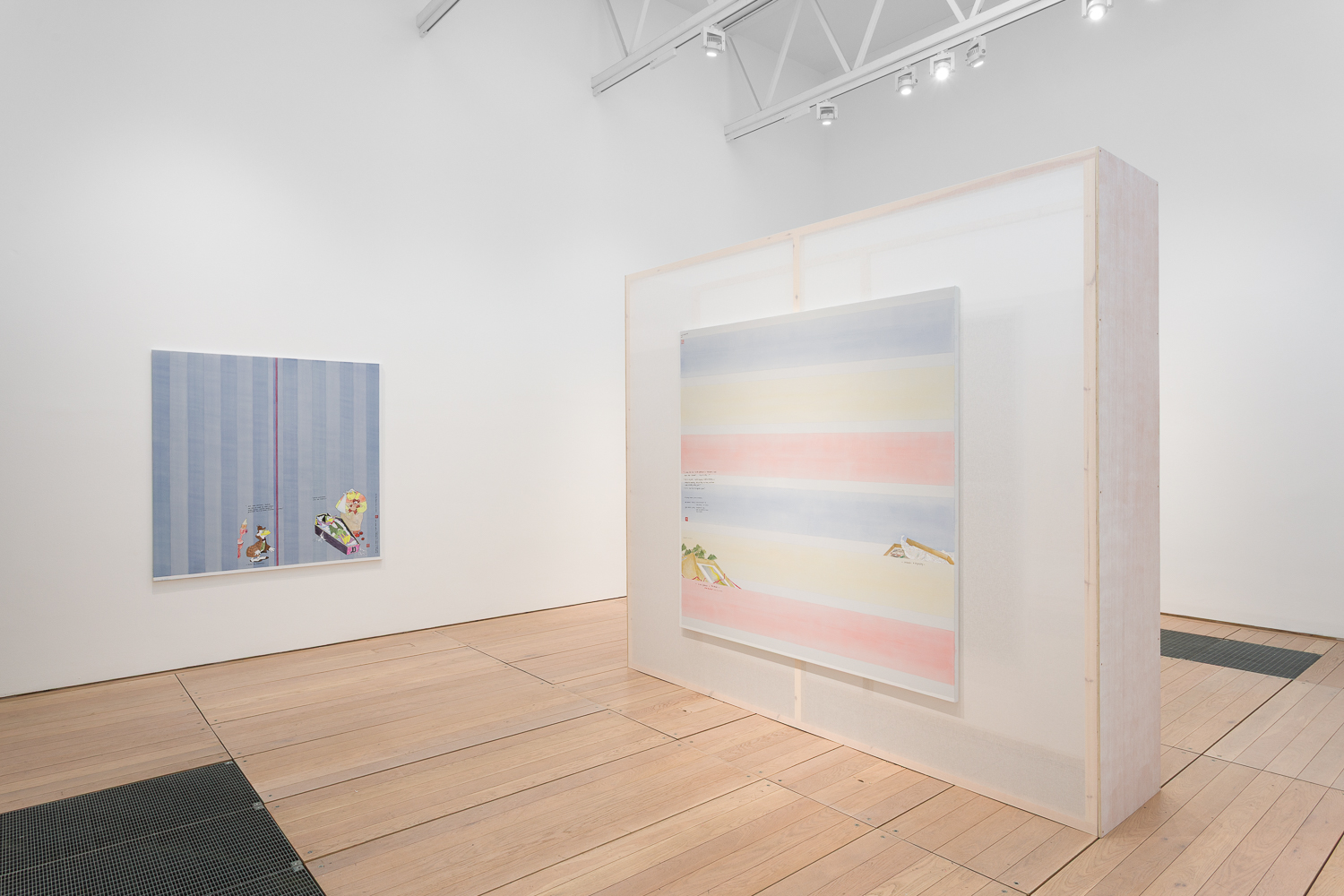
In her first UK institutional exhibition, Evelyn Taocheng Wang turns mistranslation, Agnes Martin, Chinese literati painting and fantasies of Britain into a deliberately unstable language of identity.
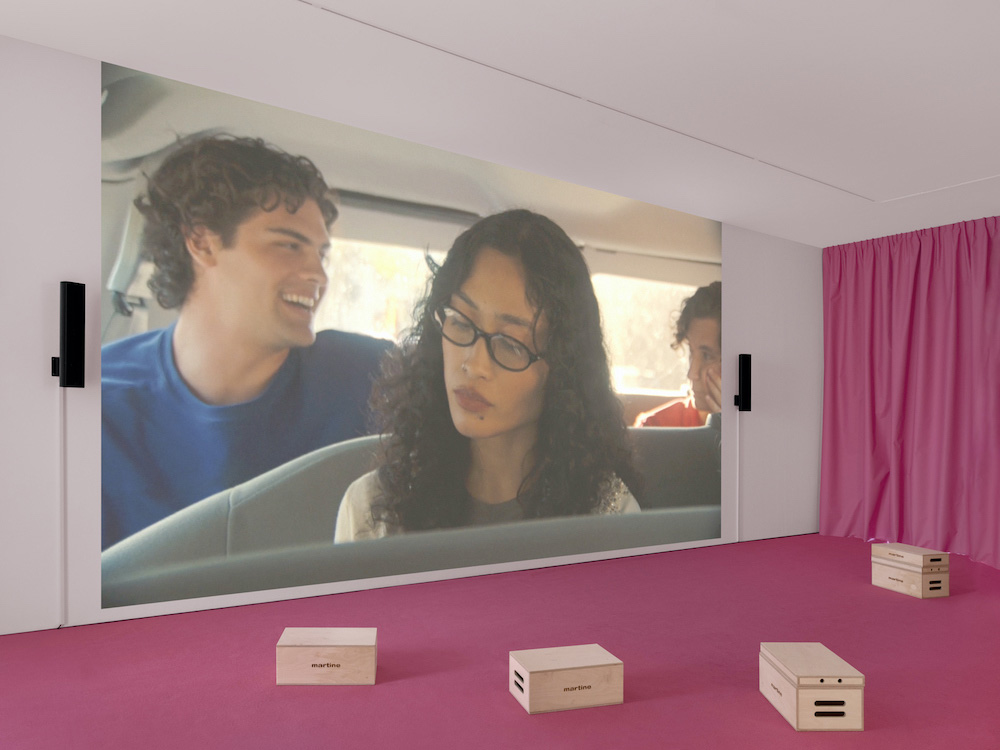
From Robert Ryman and Lorna Simpson to Mary Ramsden, Martine Syms and Nicola Turner, the strongest London route during Frieze week begins outside the fair.