
October 23, 2026
Exhibitions
Exhibitions

From Faye Toogood and Kate Malone to textile art, post-war furniture and new material-led designers, PAD London showed why serious collector homes are built beyond the frame.
Around 190 works have entered the National Gallery of Art since March. The sharper collector question is not what the museum bought, but which gaps it decided could no longer remain.
Auction results tell collectors what somebody was willing to pay yesterday. Museum acquisitions tell them what an institution wants to be able to say for decades. The two forms of information are routinely confused because both involve buying, scarcity and competition. Their logic is different. An auction is a transaction in public view; a museum acquisition is a judgement about the future usefulness of an object inside a collection.
That distinction makes the National Gallery of Art's latest acquisition programme unusually instructive. On 19 August the Washington museum announced a broad group of additions spanning historical painting, contemporary art, prints, photography, sculpture and installation. The Art Newspaper reports that around 190 works have entered the National Gallery since March. The headline names range from Marie Bracquemond and Wifredo Lam to T.C. Cannon, LaToya Hobbs, Lorraine O'Grady and Christina Quarles. More important than the length of the list is a phrase that recurs throughout the museum's announcement: the first work by the artist to enter the collection.
The National Gallery already holds more than 160,000 works, from the ancient world to the present. In a collection of that scale, a first acquisition by an artist has a particular meaning. It is rarely an attempt to be fashionable. It is an acknowledgement that the institution's existing map of art history contains a gap significant enough to fill.
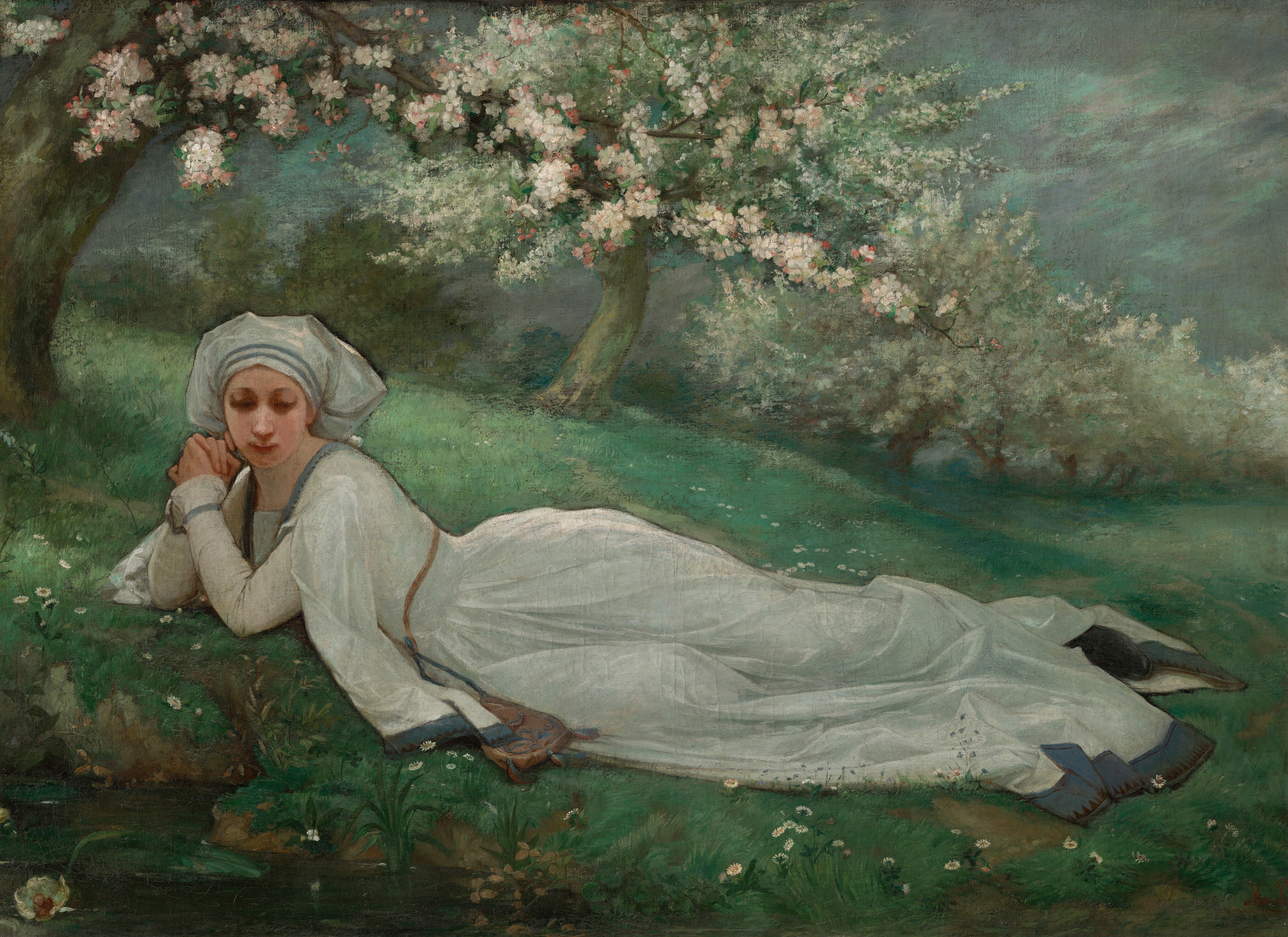
That gap can be historical. Marie Bracquemond's Marguerite, painted around 1874, enters one of the most heavily studied territories in Western art: Impressionism. Bracquemond exhibited with the Impressionists and has long been part of the period's scholarship, yet the National Gallery describes Marguerite as the first major work by her to enter an American public collection. The painting had already appeared at the National Gallery in the 2024 exhibition Paris 1874: The Impressionist Moment. Its acquisition is a reminder that canonical movements are not closed systems. Even in fields saturated with masterpieces, institutional representation can remain uneven.
For private collectors, this is where museum activity becomes useful without becoming a buy signal. The relevant information is not that a national museum has endorsed a market. It is that curators, after considering an existing collection, scholarship and exhibition history, have decided a particular absence is no longer acceptable. That can prompt a collector to examine the same field with better questions: Which artists are routinely discussed but thinly represented? Which periods look settled only because the same names dominate every survey? Where has availability, biography or institutional habit distorted the record?
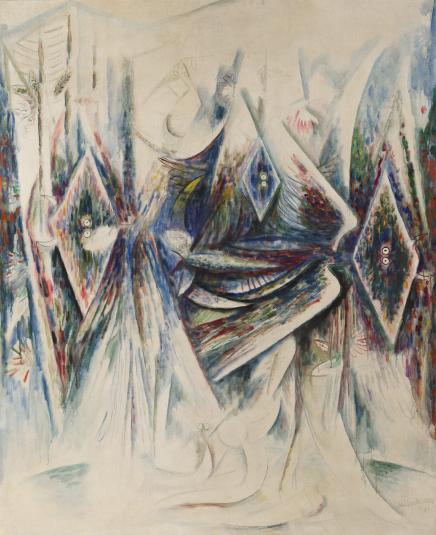
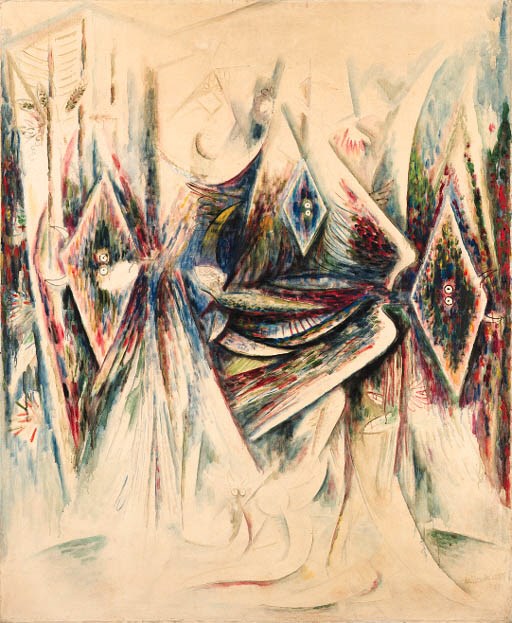
Wifredo Lam's L'Esprit veillant (The Watchful Spirit) (1944) performs a different kind of correction. Painted after Lam returned to Cuba in the early 1940s, the work fuses modernist languages with the spiritual and cultural histories of the Caribbean and the African diaspora. The National Gallery calls it the first painting by Lam to enter the collection and has placed it on view in the East Building.
It arrives alongside acquisitions that substantially expand the museum's representation of Latin America and the colonial Americas: a rare seventeenth-century Mexican batea; a copper painting by the Guatemalan artist Tomás de Merlo; and contemporary works by Beatriz Cortez, María Elena González, Walterio Iraheta, Simón Vega and Verónica Vides. Read together, these are not isolated purchases. They alter the geography through which the collection can be taught.
That is how serious museums often move: not by chasing one category in isolation, but by creating enough density that new relationships become possible. A colonial object can sit in conversation with later histories of migration, material exchange or cultural hybridity. A contemporary installation can change the interpretation of an older collection. The value of an acquisition is therefore partly relational. It matters because of what the museum already owns and what the new work allows curators to do next.
The acquisition of Christina Quarles's Turn Around, Don't (2024) is more immediate. It is the first work by Quarles to enter the National Gallery and represents a technical development in her practice through the introduction of custom pigments mixed by the artist. Its physical history is already unusually charged. The National Gallery says the painting was made after a 2024 fire destroyed the artist's home and later became one of only a small number of finished works to survive the January 2025 Eaton Fire, which destroyed her Altadena neighbourhood and the home she was rebuilding.
That biography should not be mistaken for the reason the work matters. Museums do not need disaster stories to justify contemporary acquisitions. But provenance is not limited to ownership. An object's material passage through a studio, exhibition, accident or catastrophe can become part of its history. In Quarles's case, the survival of the painting now sits alongside its formal importance, and the museum has acquired both the work and the documentation that will follow it.
Private collectors can learn something from the sequencing. The National Gallery did not simply seek an example of Quarles. It chose a work capable of representing a change in her practice and carrying a specific place in her chronology. That standard is worth borrowing. When a collector already believes in an artist, the next task is to distinguish a merely available work from one that explains why the artist matters.
The same pattern is visible elsewhere in the announcement. Five 1978 woodblocks by T.C. Cannon, often referred to as the Memorial Suite, are among the artist's final projects and are the first works by Cannon to enter the National Gallery. Three woodcuts by LaToya Hobbs — Transition: Double Self Portrait (2011), Ark of Safety (2023) and Dahlias for Naima (2025) — also introduce the artist to the collection while linking her practice to the legacy of Elizabeth Catlett.
Lorraine O'Grady enters through a series of fourteen gelatin silver prints documenting Mlle Bourgeoise Noire Goes to the New Museum, the performance she first staged in 1981 as an intervention into the status of Black artists in mainstream institutions. The acquisition is especially revealing because performance complicates traditional collecting. What enters the museum is not the original event but a later photographic sequence selected to narrate it. In other words, the museum is acquiring both image and historical structure: a way for an ephemeral act to remain teachable.
Historical reassessment reaches still further back. María Josefa Sánchez's Cell Cross, dating to roughly 1639–55, is the National Gallery's first painting by an early modern Spanish woman artist. Ben Shahn's Atlantic City (1946), meanwhile, becomes the museum's first painting by an artist already represented in other media. These details are easy to pass over, but they expose the museum's underlying task: a collection is never finished because representation is not binary. Owning an artist may still leave the artist badly represented.
There is an obvious temptation to translate institutional acquisitions into market advice: museums are buying artist X, therefore collectors should buy artist X. But museums and private buyers operate under different constraints. A museum can acquire by purchase, gift, bequest or restricted fund; it may buy specifically to correct a historical omission; it may value teaching utility, conservation context or the relationship to existing holdings more than liquidity. A private collector can move faster, accept greater concentration and make more idiosyncratic choices.
Institutional activity is still market intelligence, but of a particular kind. It reveals where scholarship is becoming materially committed. Exhibition programming can be provisional; wall texts can change; articles can advocate. An acquisition consumes resources, enters a permanent inventory and creates future obligations of care. That does not make museum judgement infallible. It makes it consequential.
The useful collector question is therefore not, 'What should I buy because the National Gallery bought it?' It is, 'What standard of selection is visible in the work the National Gallery chose?' Look at whether the acquisition is an early, transitional or mature example. Ask what gap it fills. Study whether it has exhibition history, documentary importance or a particularly strong relationship to an artist's wider practice. Notice when institutions acquire a suite rather than a single sheet, or a work that gives them a new medium by an artist already present.
The greatest difference between museum and market thinking may be time. Auction seasons are organised around urgency. Fairs reward rapid decisions. Social media accelerates consensus and then moves on. Museums must imagine that the object will still need to justify its place in fifty years.
Private collectors do not need to imitate museum committees, and the best collections often benefit from freedoms institutions do not have. But adopting a longer time horizon can improve decisions. If this were the only work by the artist to survive in the collection, would it still explain the conviction behind the purchase? If the artist's market disappeared for a decade, would the work remain intellectually necessary? If the collection were exhibited without price labels, would the object hold its place?
The National Gallery's latest additions are interesting because they make those questions visible across five centuries at once. They show a museum revising itself: adding artists it had never collected, strengthening regions it had underrepresented, and choosing individual works intended to carry more than their own beauty. For collectors, that is not a shopping list. It is something more valuable — a demonstration of how a permanent collection learns to change.
From Faye Toogood and Kate Malone to textile art, post-war furniture and new material-led designers, PAD London showed why serious collector homes are built beyond the frame.

Paris Internationale returns with 56 galleries, a new Canal Saint-Martin venue and a model built around discovery. Here is how collectors should use it.
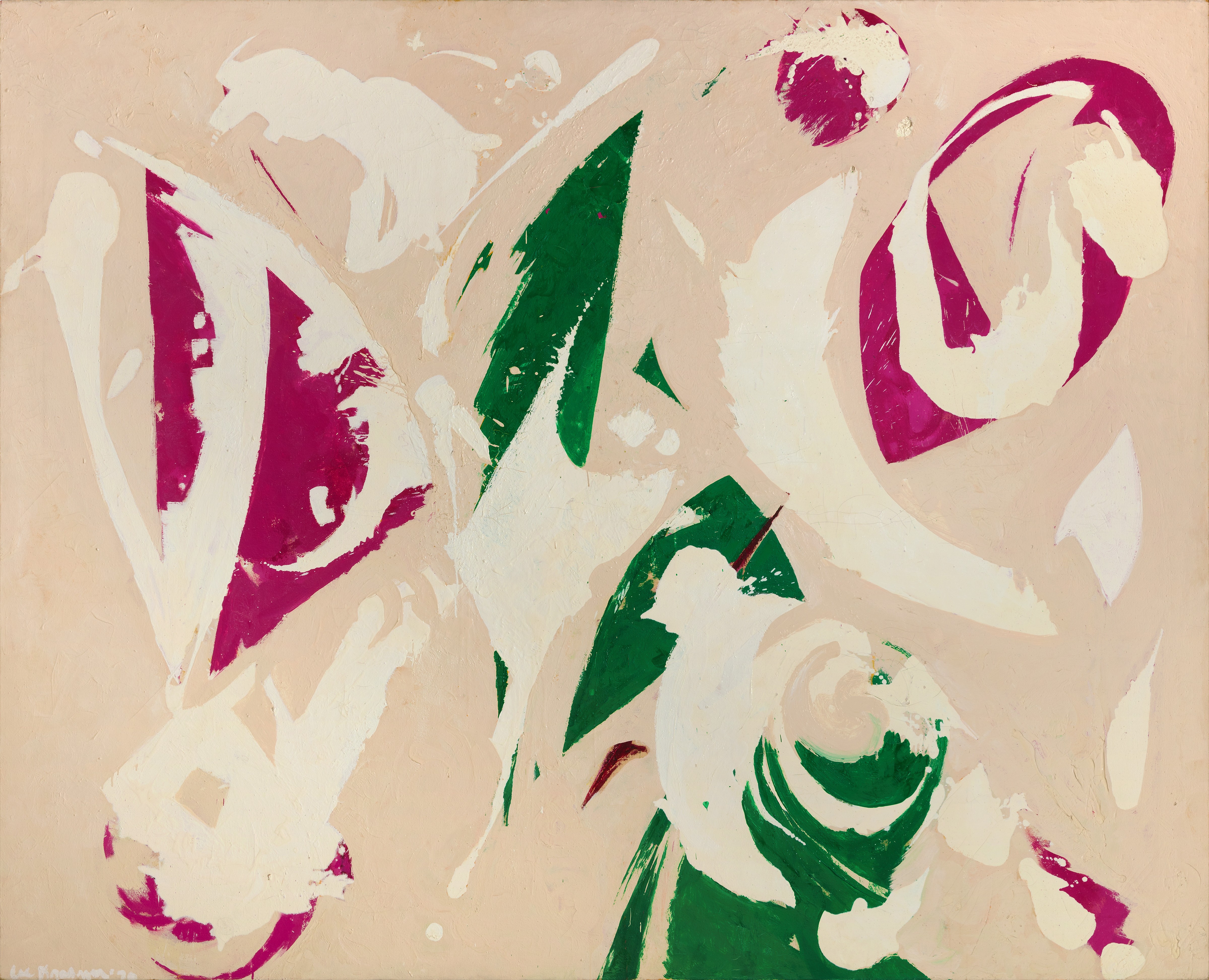
Ibrahim Mahama, Lee Krasner, Oscar Murillo, Tracey Emin and more: the exhibitions that turn Art Basel Paris week into something larger than a fair.