
November 11, 2026
Articles
Articles

Michael Chow commissioned portraits from Basquiat, Warhol, Haring, Hockney, Ruscha and others. Inside the collection behind Gagosian’s Friends and Legends.
Michael Chow commissioned portraits from Basquiat, Warhol, Haring, Hockney, Ruscha and others. Inside the collection behind Gagosian’s Friends and Legends.

What kind of collector persuades Basquiat, Andy Warhol, Keith Haring and Ed Ruscha to make entirely different portraits of the same person? Michael Chow’s answer was to create a world in which artists wanted to participate. As Gagosian brings eleven works from his collection to Beverly Hills and New York, the remarkable commissions tell a larger story about hospitality, artistic freedom and the invention of a cultural identity.
Michael Chow did not build his portrait collection in the manner of a museum assembling a taxonomy of modern masters. He built it in rooms where artists ate, argued, performed and became friends. Mr Chow, the Chinese restaurant he opened in London’s Knightsbridge in 1968, was conceived with an unusually rigorous eye for atmosphere and artistic identity. The original restaurant’s success provided a setting in which the host could ask an artist for a portrait and expect more than a flattering likeness: a response in that artist’s own language. Over decades these personal encounters accumulated into an extraordinary visual autobiography.
One revealing way to understand the collection is to remove the celebrity names from its inventory. A drawing, a sign made from words, a painting full of figures, a plate-fragment surface and a candle sculpture would barely seem to belong to the same genre. That is precisely the point. Chow invited artists to interpret a person whose identity lay in hospitality, design, performance and the possibility of bringing unlikely people into the same room. The commission became a proposition about what portraiture could be, not merely how the sitter looked.
Chow’s relationship with British Pop art began before the later New York legends. Chow himself has described commissioning Peter Blake in 1967 to paint him as a wrestling manager, deliberately proposing a character that would counter the racism he encountered in London. That early encounter matters because Blake understood how popular imagery, costume and carefully staged identity could be absorbed into fine art. Chow’s own public persona was equally considered: an impresario who positioned a restaurant at the intersection of food, painting, fashion and theatre, at a time when British attitudes towards Chinese identity were frequently reductive.
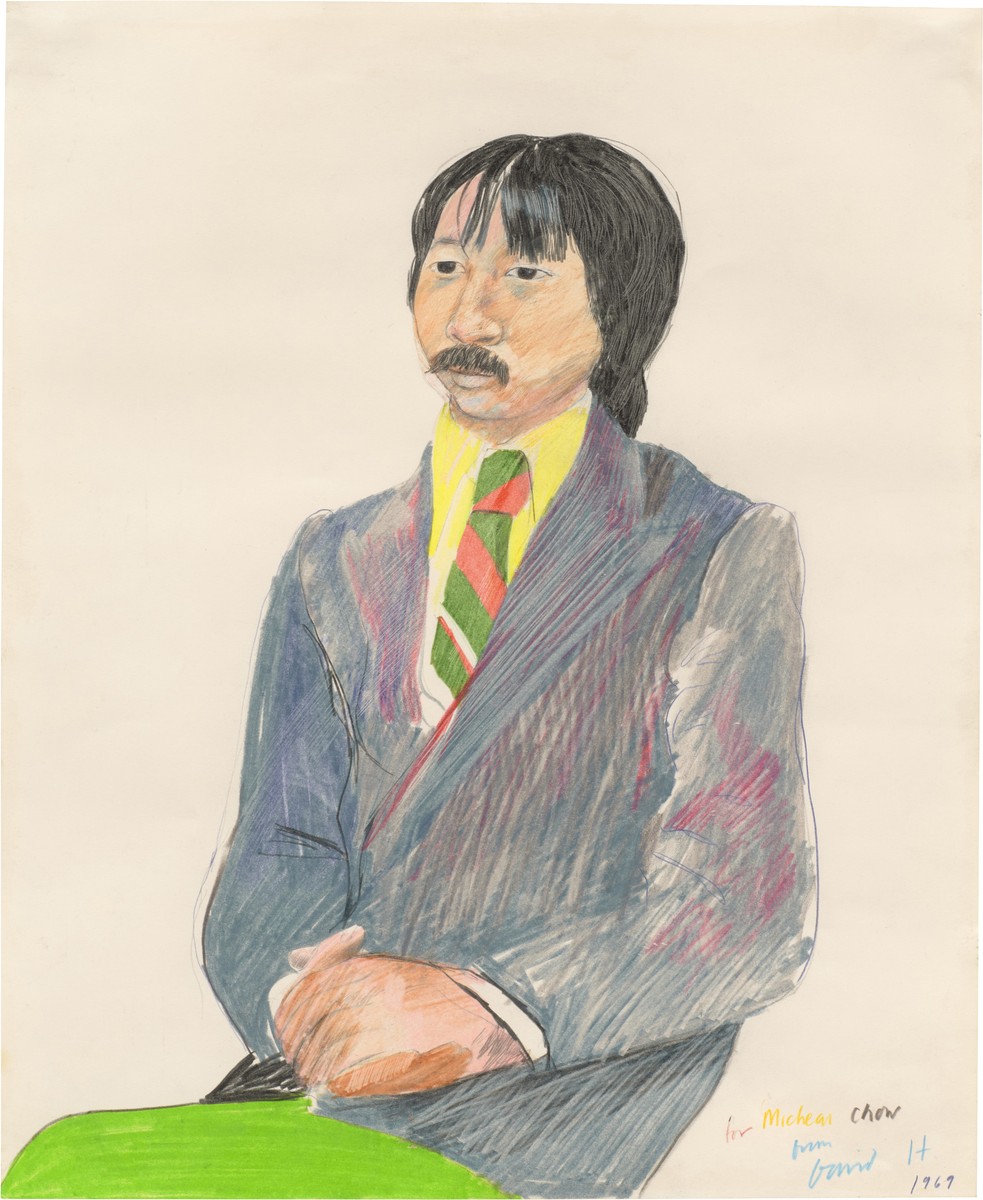
David Hockney’s Portrait of Michael Chow (1969) offers a counterpoint to the more flamboyant commissions. Drawn in coloured pencil, the image depends on close observation and the intimacy of the sitter-artist relationship. Rather than advancing a theory of the celebrity portrait, Hockney records one individual at a particular moment. This quiet beginning also makes the subsequent transformations more striking. Chow was not asking several artists to make him look alike; he was gathering a sequence of deliberately incompatible perspectives.
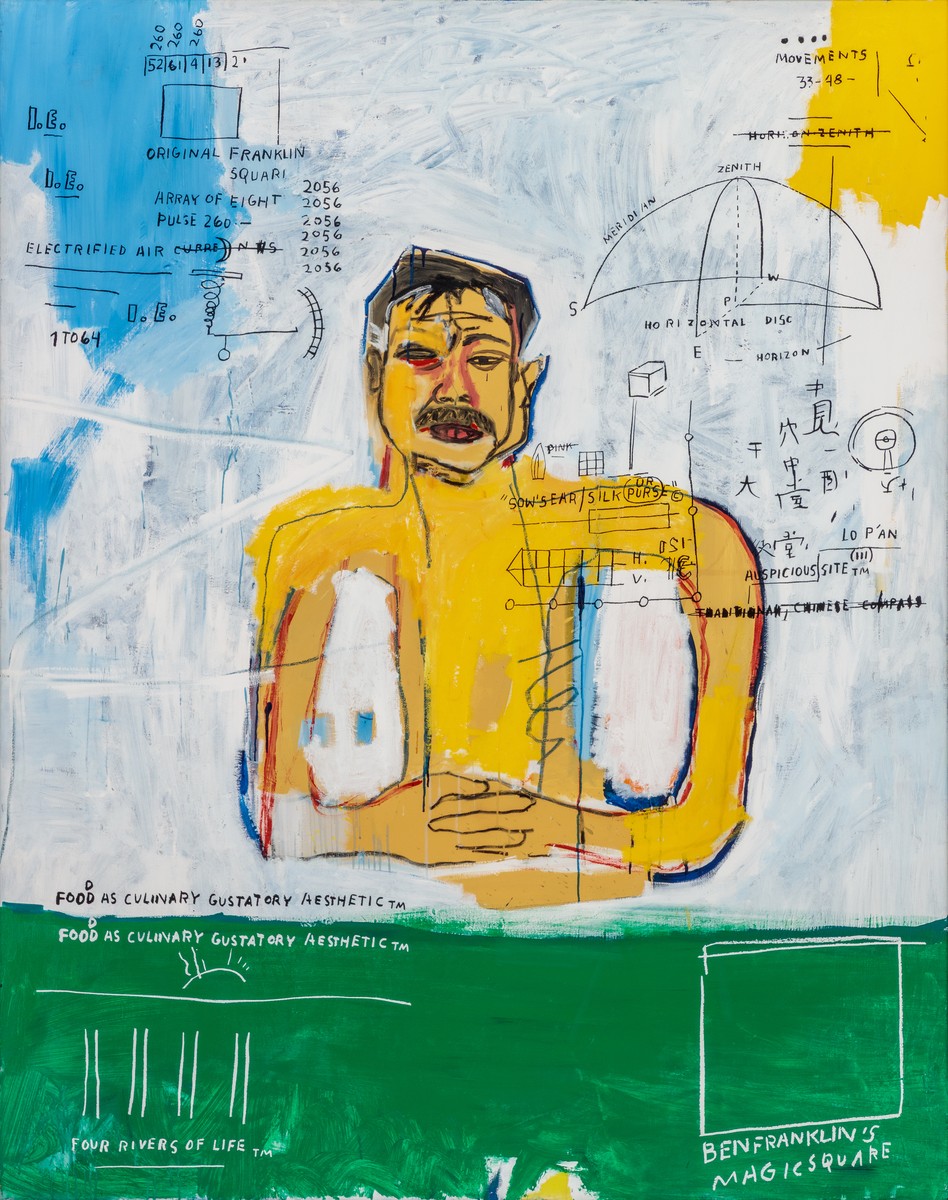
Jean-Michel Basquiat’s Untitled of 1985 is among the collection’s clearest examples of a portrait that resists neat identification. It uses the artist’s familiar vocabulary of writing, obliteration, diagrammatic marks and confrontational colour. The body is not simply described; it is reconstructed as a field of signs. Chow has recalled sitting for Basquiat, who first made an image and then painted over it. The account is striking not because it promises access to the artist’s private psychology, but because it reveals the commission’s independence. The patron could initiate the encounter yet not dictate the outcome.
By the time the picture was made, Basquiat had already altered the terms on which expressionist painting could enter the contemporary market. But reducing this work to the prestige of his name misses its singular context. Its collector knew him socially. The finished painting belongs simultaneously to a history of late twentieth-century painting and a history of one person’s sustained relationships. The two histories enrich rather than cancel each other.
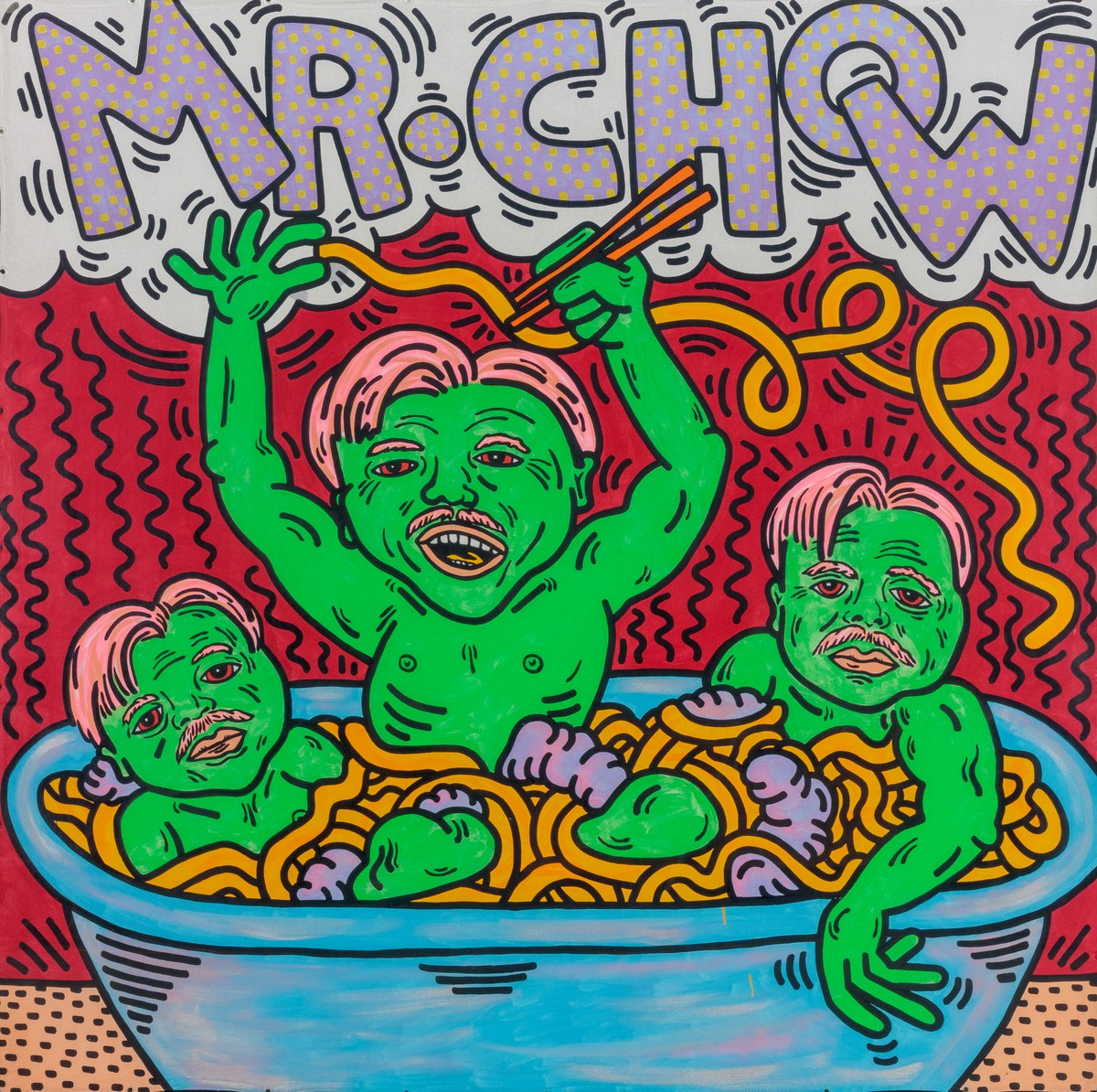
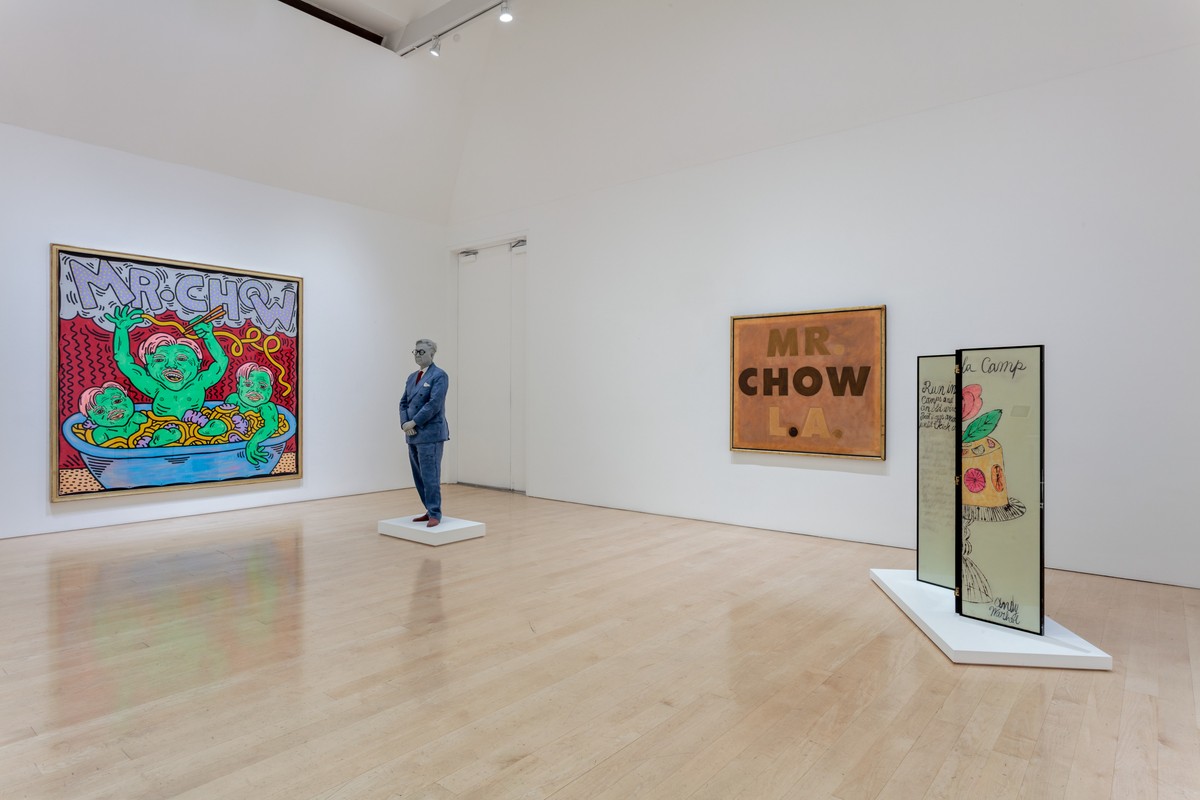
Keith Haring approached Chow from the opposite direction. Mr. Chow as Green Prawns in a Bowl of Noodles (1986) turns the restaurateur into three green prawn-like figures tangled in the theatre of a speciality dish. Its graphic urgency, flat colour and exuberant humour translate a social environment into the familiar vocabulary of Haring’s work. It is difficult to imagine such an image as the result of a collector merely ordering a fashionable artist’s signature subject. The painting makes sense because Haring knew the restaurant and understood the host’s delight in spectacle.
That delight is not trivial. Chow’s achievement was to create a space that allowed artists to be seen but also to behave experimentally, away from the roles fixed by a formal opening or dinner party. The work celebrates something specific about that social architecture. For collectors, it provides an example of how a commissioned portrait can acquire a richer identity when the artist is allowed to interpret the setting, the sitter and their shared history in one image.
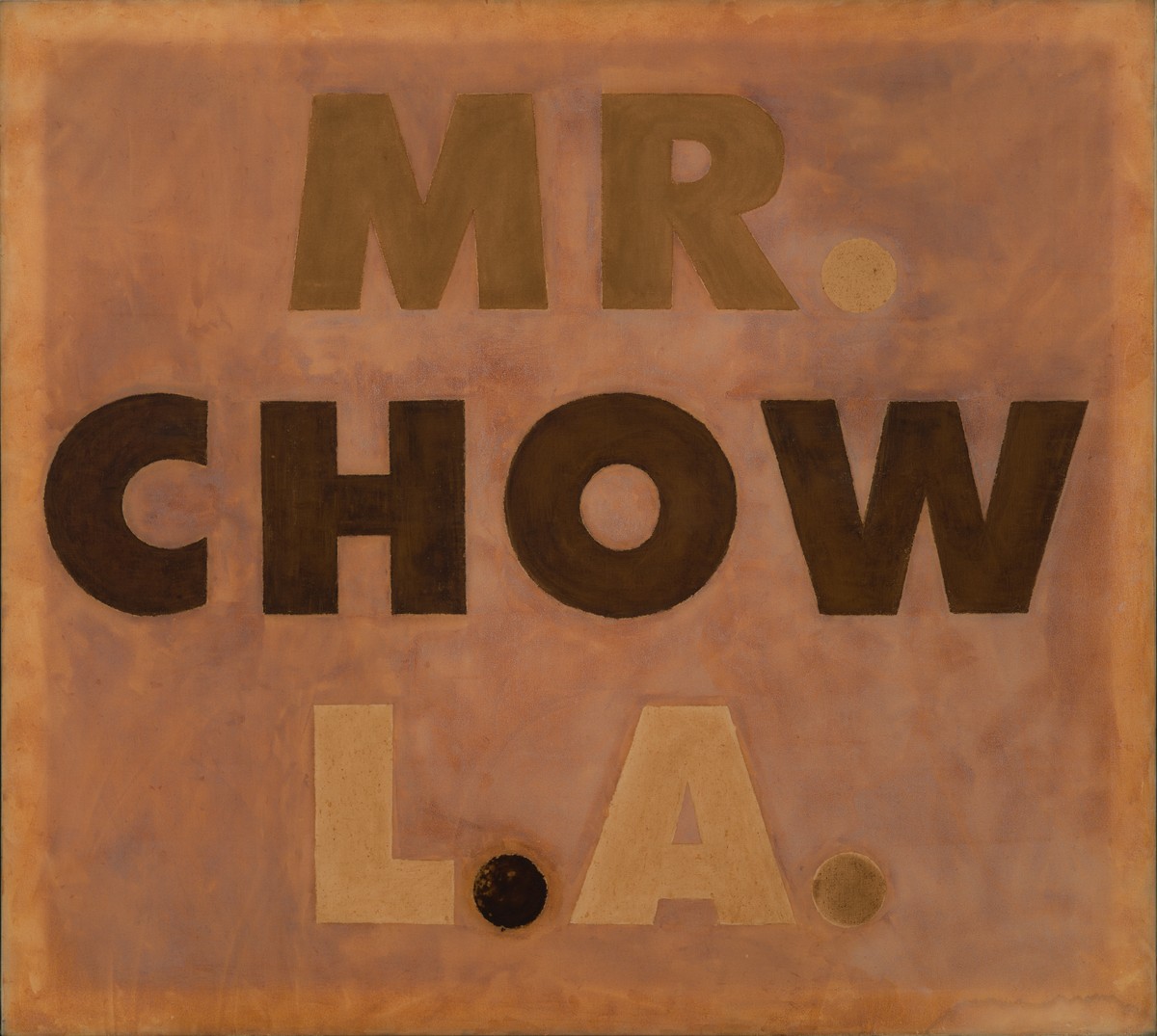
Ed Ruscha’s Mr. Chow L.A. (1973) may be the most conceptually elegant of the commissions. Here the name itself occupies the canvas, transforming a business identity into a pictorial event. Ruscha used organic substances in the work, including food-based materials recorded in its catalogue, linking language to the restaurant in a particularly literal way. Few portraits are less concerned with facial likeness; fewer still seem so completely calibrated to their subject. The letters function as both a sign and a portrait, and perhaps as an emblem of the artist’s longstanding fascination with the material life of words.
There is an added resonance in Chow’s family background. His father, Zhou Xinfang, was an eminent Chinese opera performer. A name, like a stage persona, carries history and reinvention. Chow’s collection repeatedly returns to that question: how does a person choose the forms through which others will remember them? Ruscha’s answer is neither a biography nor a face, but a name that enters the tradition of American conceptual painting.
Andy Warhol’s Portrait of Michael Chow (1981) offers the screenprinted celebrity image at its most polished. The two-part canvas incorporates diamond dust, rendering a recognisable face as a manufactured, glamorous surface. Chow has recalled asking Warhol to keep the colour restrained and use plenty of diamond dust, a rare specific glimpse into how he approached a commissioned work. For Warhol, celebrity was not the opposite of art but one of its major modern subjects; for Chow, such a portrait affirmed the theatrical identity cultivated through Mr Chow. It also provides a useful tension with Basquiat’s worked-over image: one tends towards immaculate presentation, the other towards visible friction.
Julian Schnabel’s portrait of Chow uses broken ceramic pieces, including china associated with the restaurant, so that the portrait’s substance becomes inseparable from its social setting. Urs Fischer’s candle sculpture, another distinctive form in the Gagosian presentation, pushes portraiture towards the object and its eventual transformation. These artists did not make interchangeable testimonials. They expanded a commission into an unusually open-ended dialogue about how a person might appear as image, name, fragment or object.

Gagosian’s exhibition focuses on eleven works, but Chow’s artistic world is much larger than those eleven objects. An artist drawing book, filled over years with marks and inscriptions made at the restaurant, functions as an informal parallel collection. Its contributors have included Basquiat, Haring, Hockney, Francis Bacon, Jasper Johns, Louise Nevelson and Cy Twombly, among many others. Unlike a catalogue of acquisitions, the book preserves a particular social act: the artist leaving a trace as a guest.
The distinction matters for the ethics of retelling a collector’s story. The presence of a famous artist in a dining room is not itself proof of a major commission; nor should every autograph be inflated into a masterpiece. What makes Chow’s archive persuasive is the relationship between the major works and these smaller forms of exchange. It suggests an unusually consistent practice of hosting and collecting, in which generosity, proximity and the recognition of talent could produce something lasting.
Friends and Legends: The Collection of Michael Chow was first presented at Gagosian, Beverly Hills, from 4 to 7 November 2026, before its scheduled New York run from 14 November to 22 December at 980 Madison Avenue. The timing places a highly personal collection beside the New York market’s most scrutinised trading period. It also asks viewers to assess the pictures not only as trophy objects with recognisable signatures, but as the record of an unusually sustained form of patronage.
For collectors, the exhibition proposes a lesson that is easier to admire than reproduce. Relationships cannot simply be purchased retrospectively. They are built through time, curiosity and an ability to provide artists with a credible context for new ideas. Michael Chow certainly understood visibility, but the best works in this exhibition show something more durable: he encouraged artists to make portraits that sometimes challenged his own image. The collector became a subject, while the artists retained the final word.

Primary exhibition records, institutional catalogues and documented interviews informing this article:
Michael Chow commissioned portraits from Basquiat, Warhol, Haring, Hockney, Ruscha and others. Inside the collection behind Gagosian’s Friends and Legends.
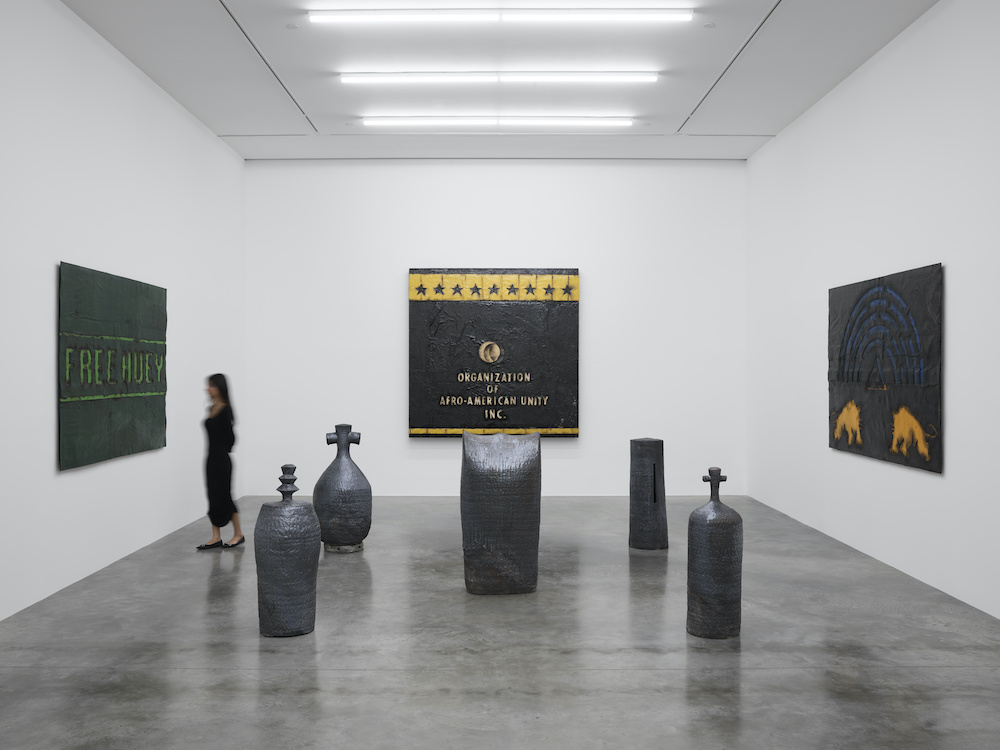
Christine Sun Kim and Theaster Gates lead a Seoul route that also tests Pam Evelyn’s momentum and highlights Yuichi Hirako, Jenny Holzer and Heejoon Lee.
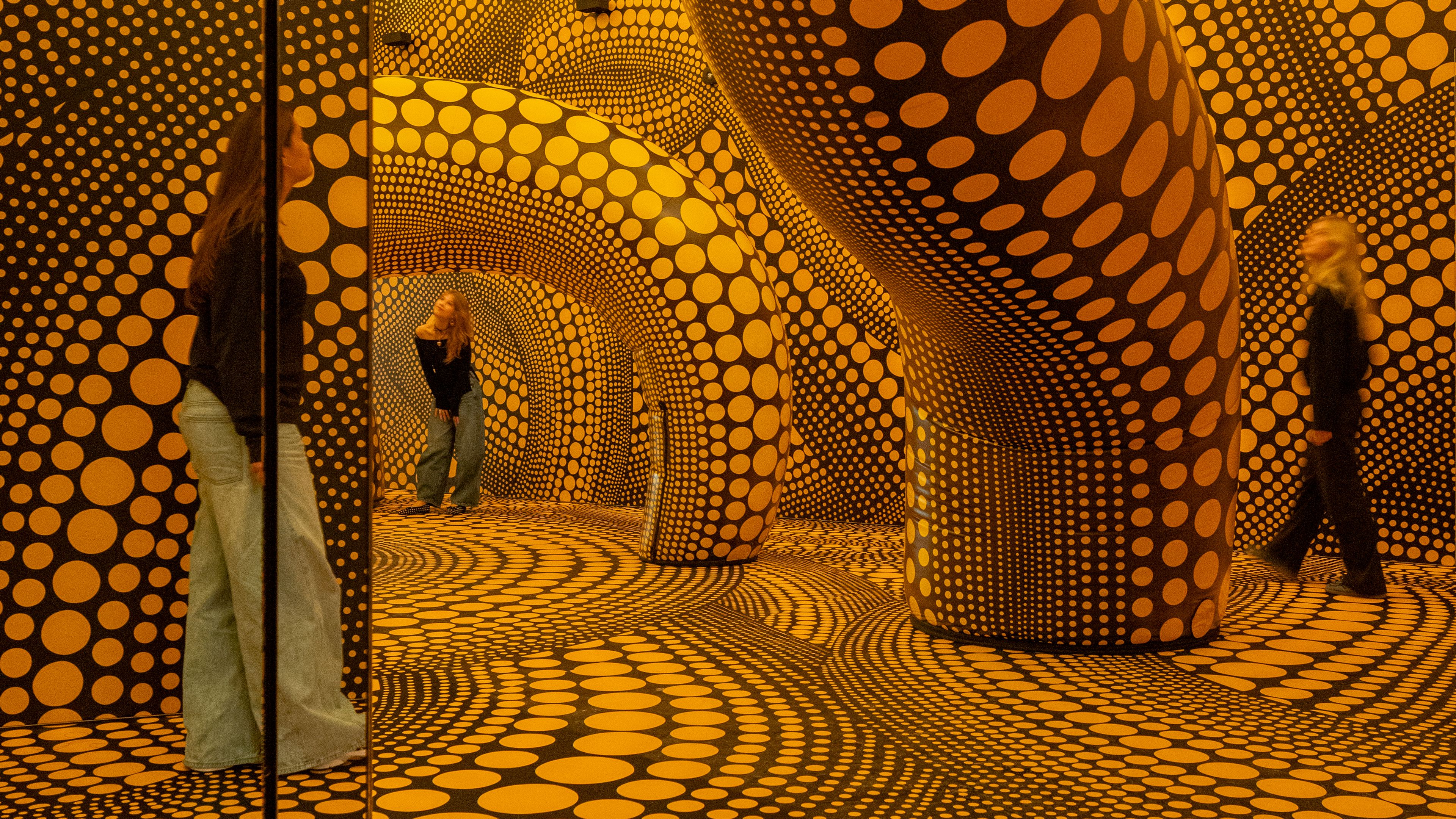
Amsterdam’s major Kusama retrospective, planned during the artist’s lifetime, has become a poignant opportunity to look beyond the mirrored rooms to seven decades of experimentation.
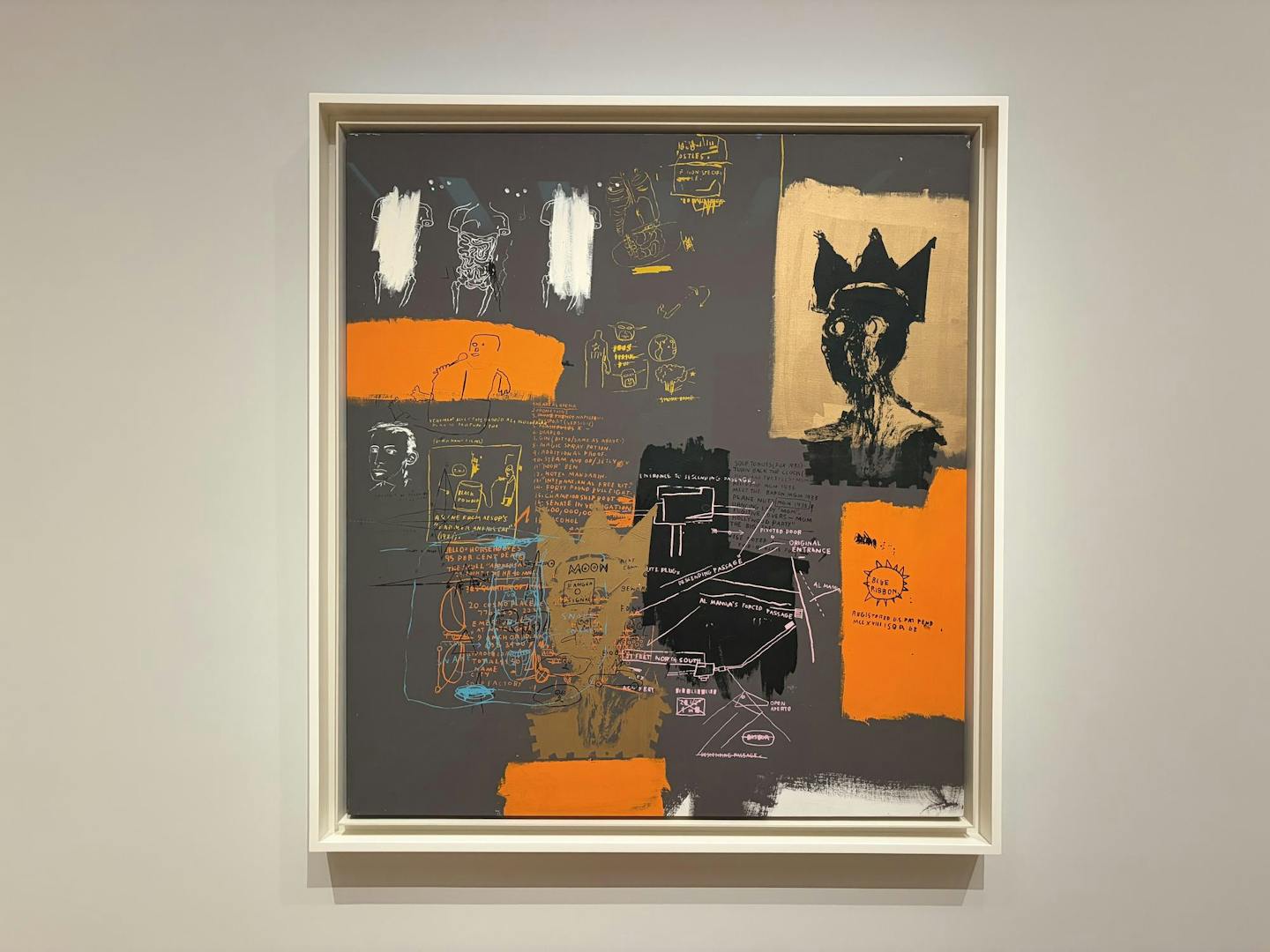
At Princeton, eleven paintings from 1984 reveal a Basquiat who copied, screened and revised his own images with exacting intent—complicating the myth of improvisational genius.