
October 25, 2026
Exhibitions
Exhibitions
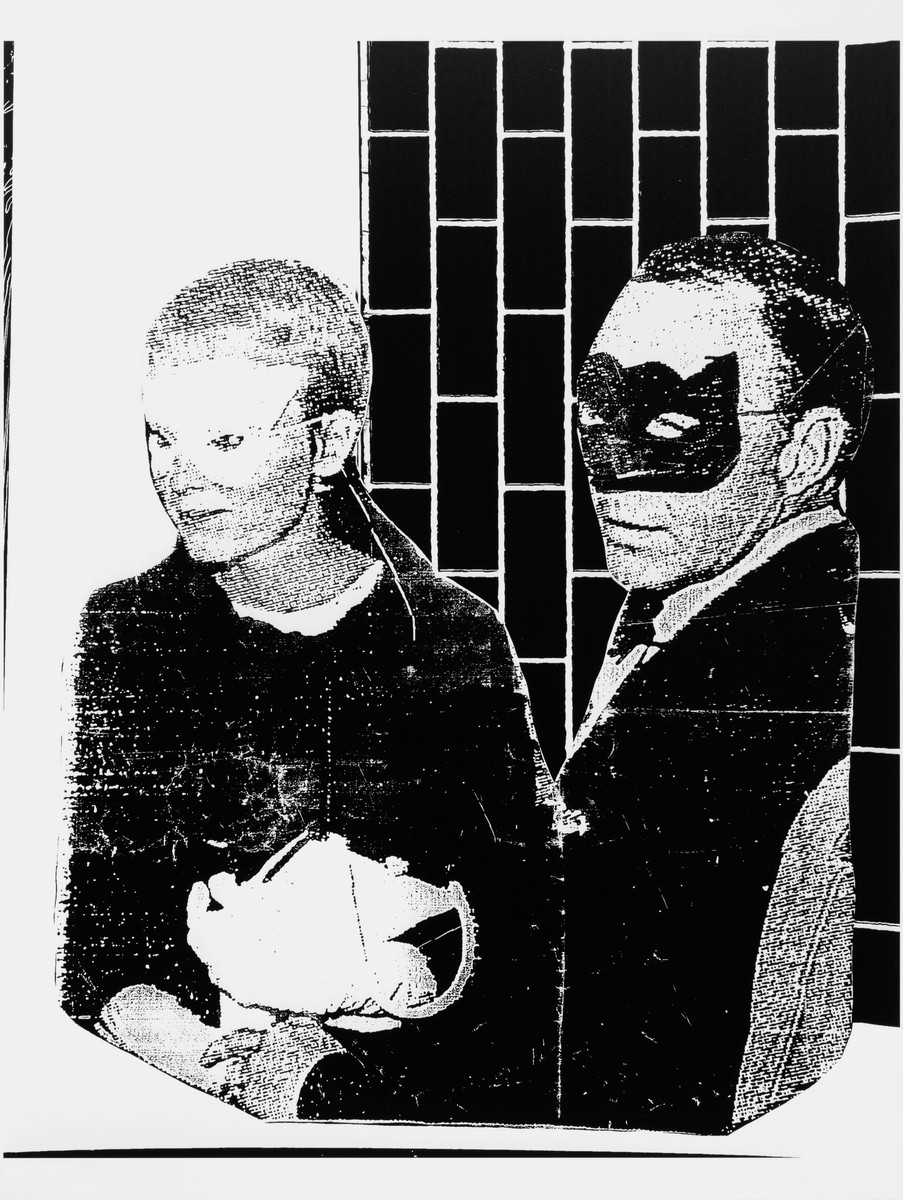
A rare London exhibition of new works and historical material returns us to Cady Noland’s uncomfortable vision of American spectacle, power and the ordinary object.
Joseph Yaeger’s Agita begins with images we think we recognise and a text we cannot fully trust. We examine how memory, found imagery, watercolour and material accident turn contemporary image culture into psychologically unstable painting.
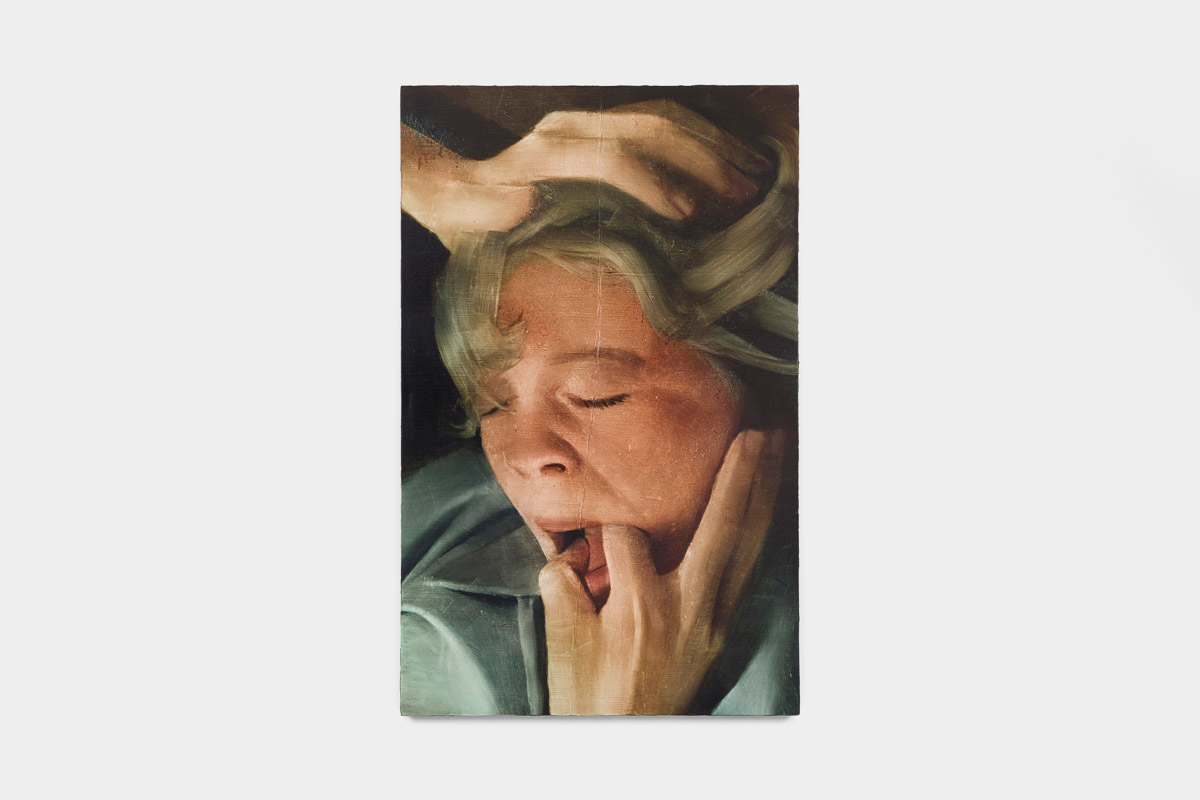
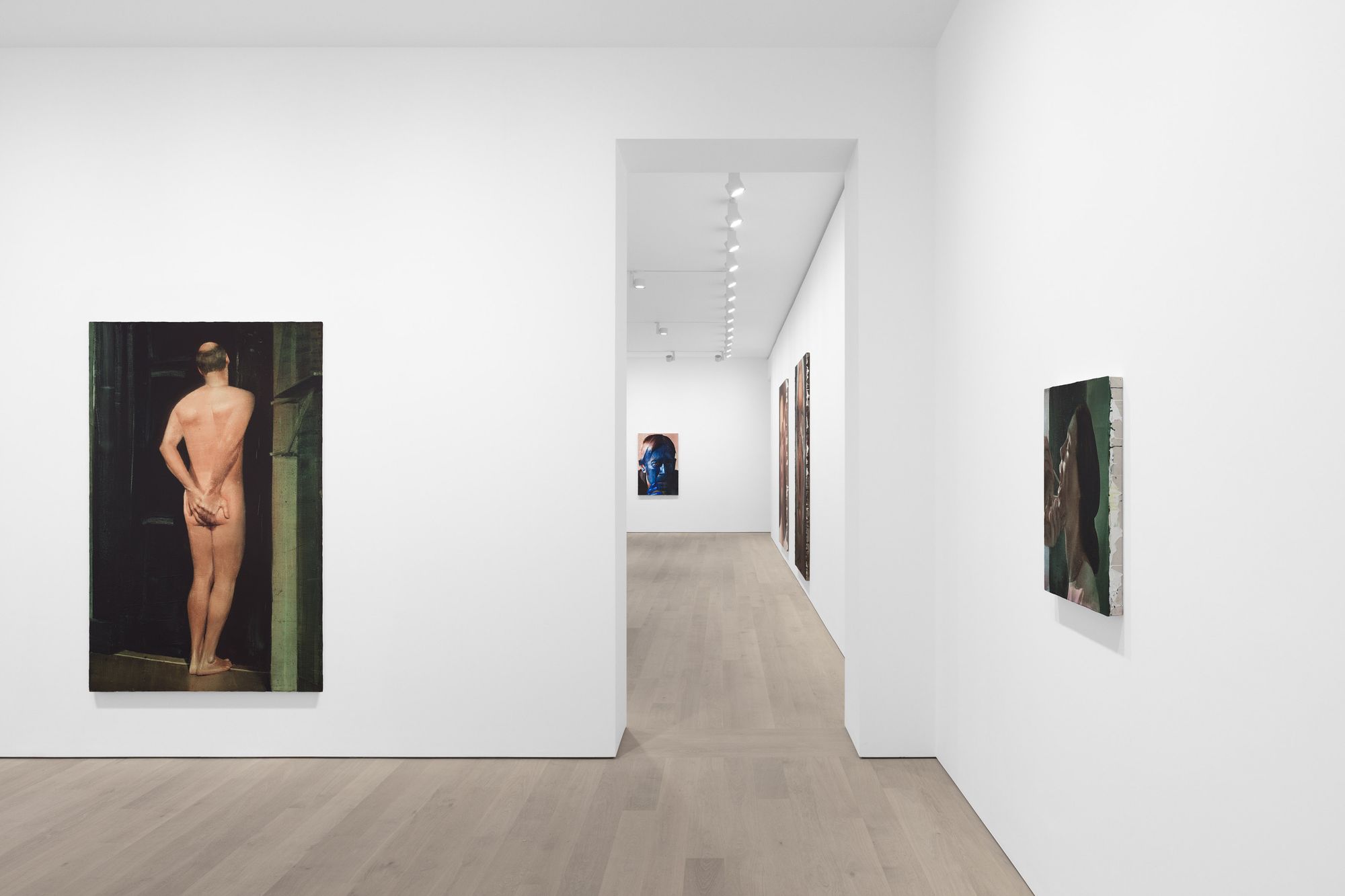
Joseph Yaeger paints images that feel remembered before they feel seen. A face arrives with the residue of a film still, a tabloid photograph or a scene encountered online. The viewer thinks recognition is about to click into place, then the painting refuses to settle. Details slip. The source becomes less important than the sensation of almost knowing it.
Agita, opening at Gladstone in New York on 16 September, is Yaeger’s first exhibition with the gallery and arrives at a moment when that instability feels unusually relevant. The show is accompanied by a text written by the artist as a structural precursor: confessional, deliberately unreliable and interested in falsehoods, misidentifications and the distance between an encounter and its recollection.
That makes Agita more than a presentation of new paintings. It is an exhibition about the point at which images stop being evidence and become memory.
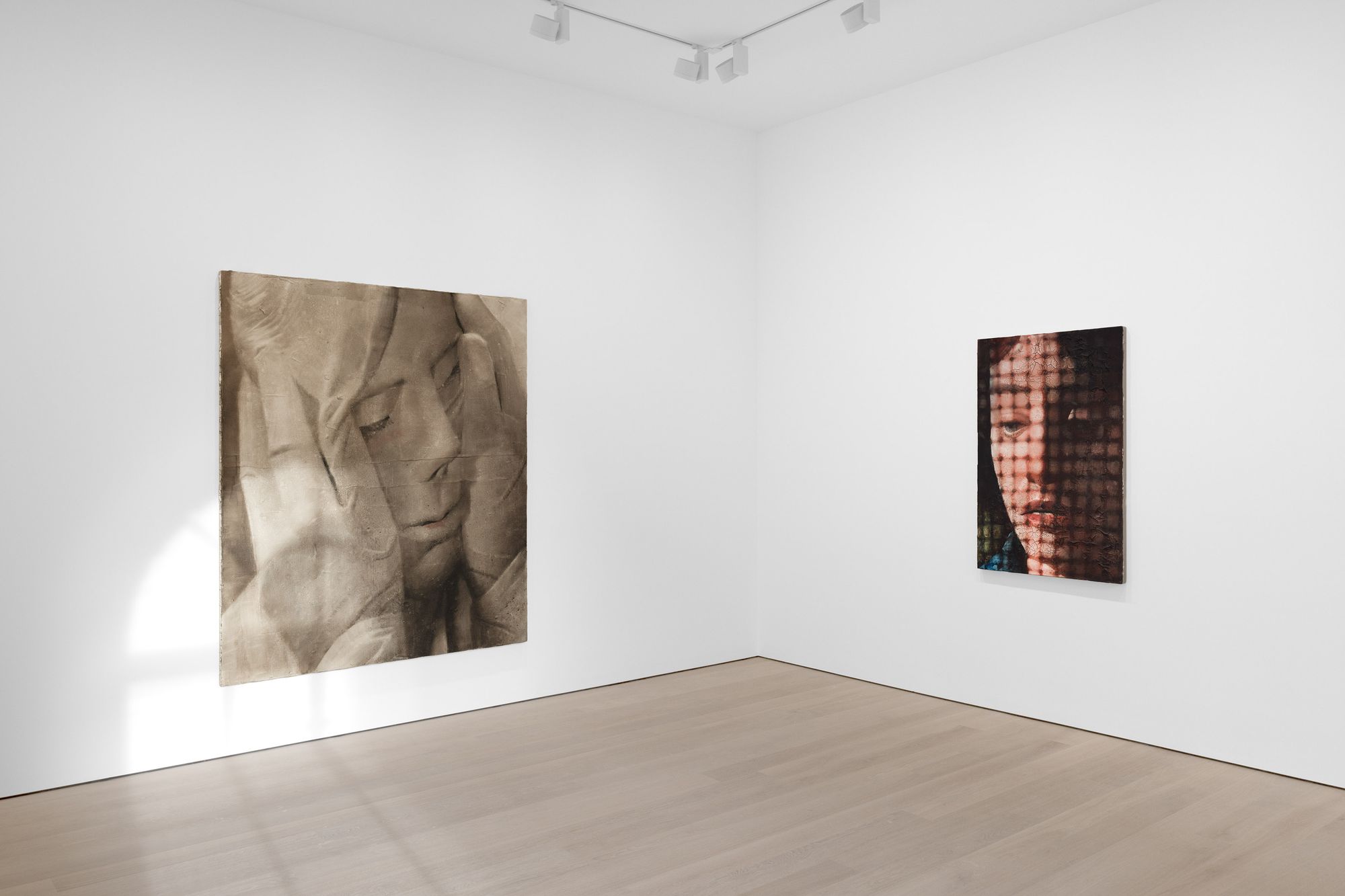
Yaeger’s paintings frequently begin with found or shared cultural imagery, but the source is not treated as a sacred original. He enlarges, crops and translates it through watercolour until the image acquires another temporal register. A moment designed to pass quickly on a screen becomes slow, physical and difficult to dismiss.
This is why comparisons to film stills are useful but insufficient. Cinema supplies many of the images, yet painting interrupts cinema’s continuity. The before and after disappear. A gesture becomes stranded. The viewer must invent the missing narrative.
In a recent Guardian profile, Yaeger described a practice in which scraps, pistachio shells and other studio debris can migrate into the work. That material contamination matters. The image may begin as something reproducible, but the painting ends as a singular surface carrying accidents, deposits and physical time.
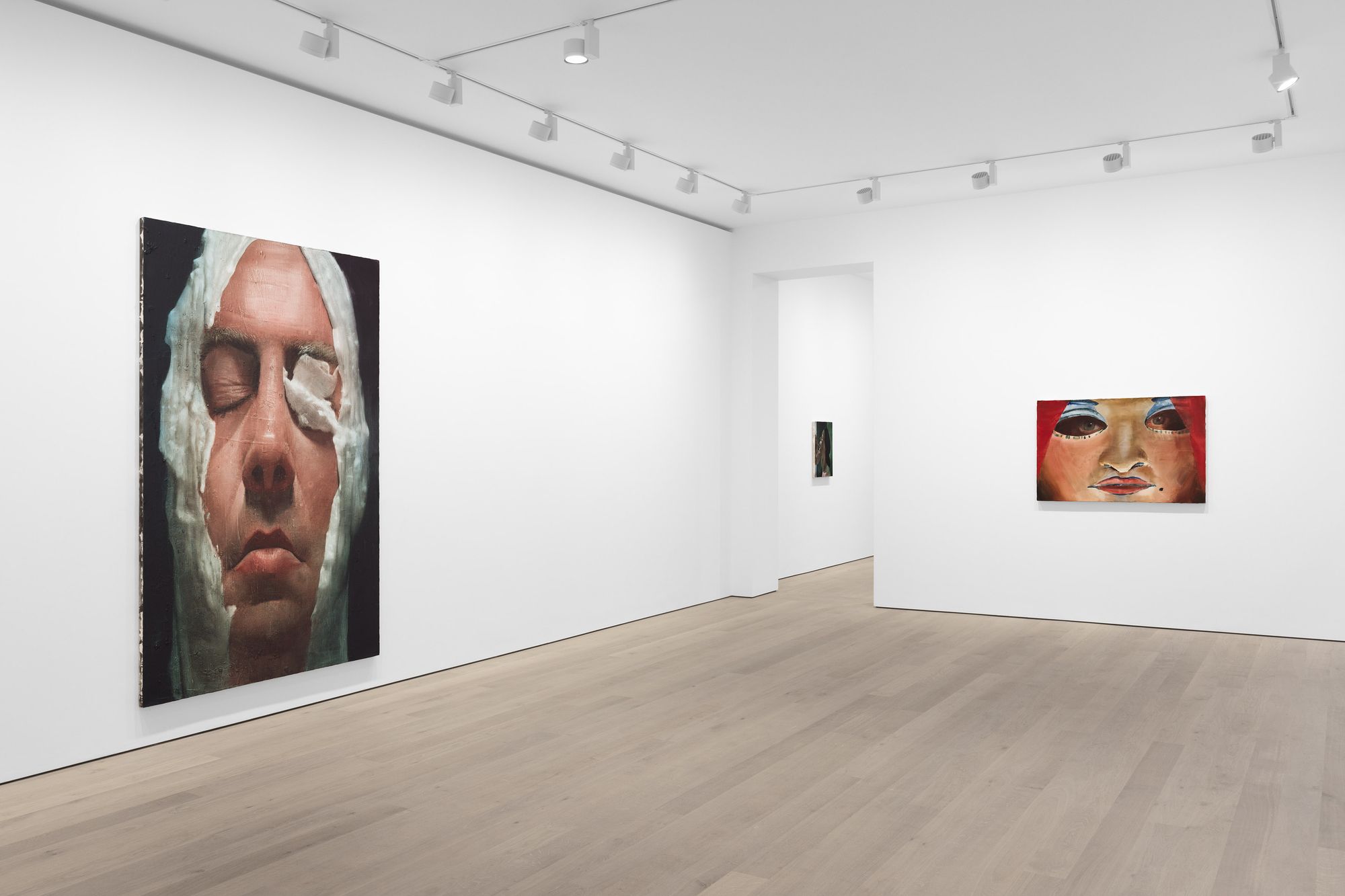
Watercolour is conventionally associated with paper, transparency and immediacy. Yaeger applies it to thickly gessoed linen, changing both the visual effect and the working process. The gesso can pool, repel and hold pigment unevenly; its pocked surface creates interruptions that become part of the image.
He has described painting on the floor and allowing the image to emerge through a physical process that is less consciously linguistic than one might assume from the finished pictures. That tension is important. The work is intellectually preoccupied with reading and misreading images, yet the act of making them is bodily and materially uncertain.
The result is a strange collision between precision and failure. A face can be recognisable while the surface looks damaged, fogged or chemically unstable. An image that might have appeared frictionless on a screen becomes visibly difficult to produce.
The new publication accompanying the exhibition matters because Yaeger is not simply illustrating a written story. Gladstone describes the text as a structural precursor to the show, with an unreliable voice concerned with falsehood and misidentification. In other words, language and image begin from the same problem without necessarily confirming one another.
That is a more interesting strategy than providing explanatory captions. Contemporary art can become overdependent on text that tells the viewer what an image means. Yaeger’s writing appears to do the opposite: it adds another unstable layer.
The title Agita itself suggests nervousness, agitation or digestive unease. That is an apt description of the paintings’ emotional register. They often contain desire, embarrassment or threat without resolving which feeling dominates.
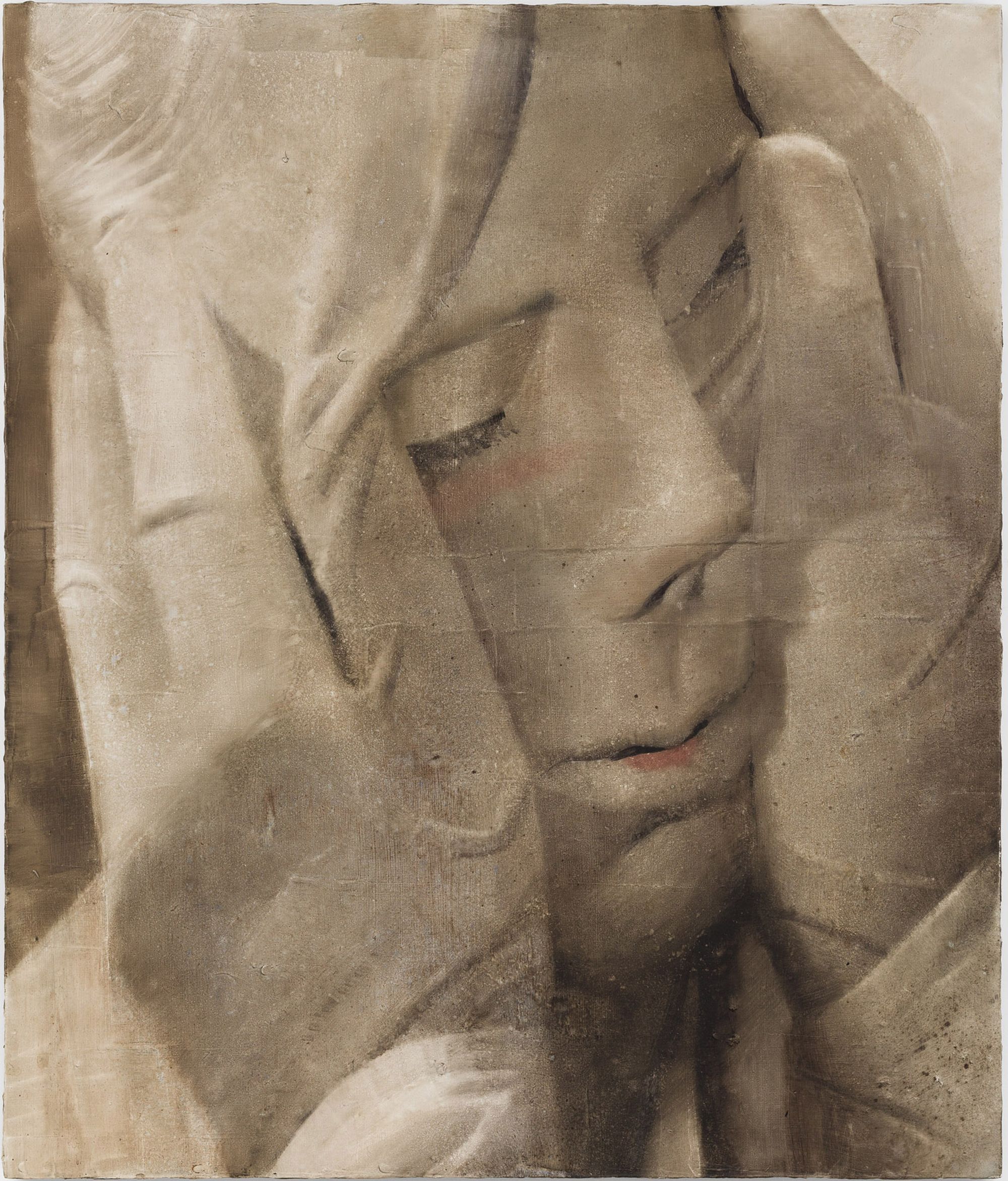
A 2025 Frieze review described Yaeger’s work through the “unstable truth” of images. The phrase is useful because the paintings do not reject representation. They depend on our confidence that pictures refer to something, then make that confidence uncomfortable.
This is especially contemporary now that images circulate detached from original contexts at extraordinary speed. Screenshots, clips, memes, surveillance footage and publicity stills are continuously cropped and re-captioned. Recognition can precede knowledge. A viewer knows the image before knowing what happened.
Yaeger slows that condition down. Translation into paint does not recover the truth of the original image; it reveals how little stability the original may ever have possessed.
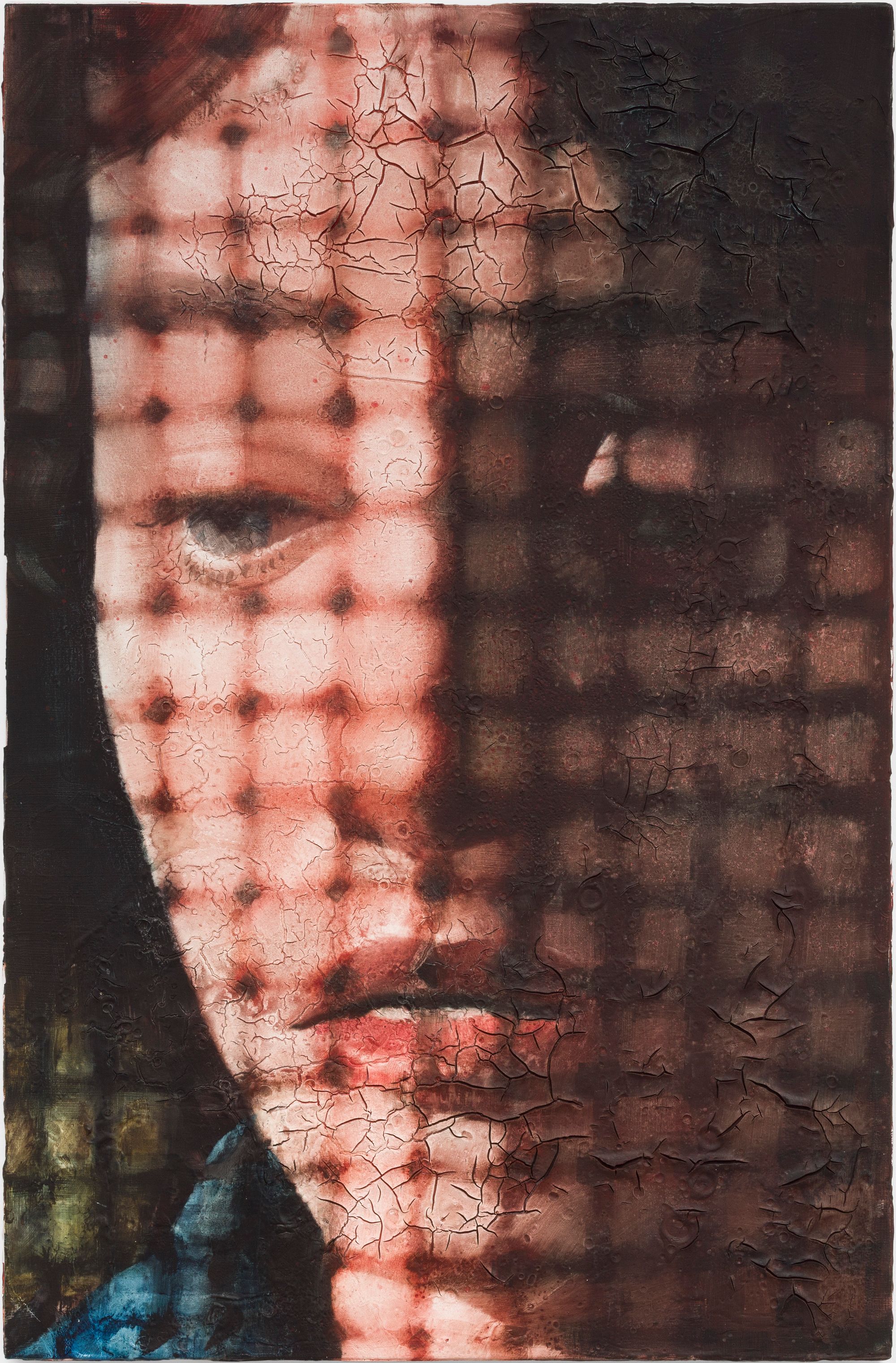
Yaeger’s technique makes condition particularly important. Watercolour on gessoed linen does not behave like conventional oil on canvas. The surface can contain deliberate cracking, abrasion, debris, exposed gesso and irregular pigment deposits. A good condition report should document these characteristics carefully so intended material effects are not confused with later damage.
Because some works incorporate studio debris or photographic material, collectors should request precise medium descriptions and installation photographs. Avoid assumptions about cleaning: an apparent accretion may be integral to the work.
Scale should also be judged against subject. Enlarging a cropped face can turn an intimate image into something architectural; a smaller work can preserve the tension of a private fragment. The strongest painting is not automatically the largest one.
Finally, provenance and exhibition history are moving quickly as Yaeger’s career accelerates. Retain catalogues, the Agita publication, gallery documentation and any text establishing how a work relates to a particular exhibition. With an artist whose imagery depends so strongly on context and recollection, that paper trail will matter.
There is a paradox at the centre of Yaeger’s generation. Almost any source image can now be found, replayed and enlarged instantly, yet artists remain fascinated by faulty memory. The abundance of retrievable images has not made recollection more accurate. It may have made it more unstable.
Agita turns that instability into a painting problem. The paintings are not nostalgic for a pre-digital world. They are interested in what happens when an image circulates so widely that personal memory and public culture become difficult to separate.
Yaeger’s answer is not to restore the source. It is to make a new object that remembers badly—and, in doing so, feels psychologically exact.
Joseph Yaeger: Agita is at Gladstone Gallery, 24th Street, New York, from 16 September to 31 October 2026.
A rare London exhibition of new works and historical material returns us to Cady Noland’s uncomfortable vision of American spectacle, power and the ordinary object.
A gallerist’s Clinton Hill apartment reveals how painting, sculptural furniture, family history and unorthodox choices can make a home feel genuinely collected.
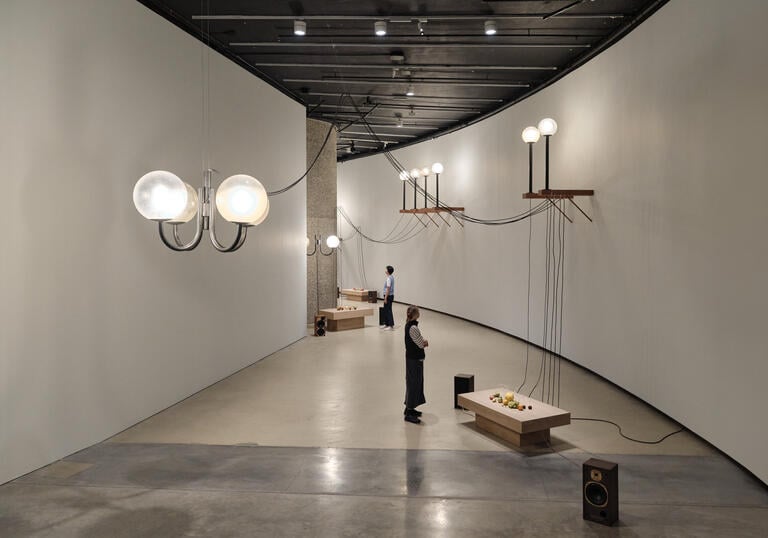
With light, sound, fruit and kinetic systems, Yuko Mohri makes the Barbican’s Curve into an argument for attending to what does not quite work as expected.