
October 20, 2026
Exhibitions
Exhibitions

Paris Internationale returns with 56 galleries, a new Canal Saint-Martin venue and a model built around discovery. Here is how collectors should use it.
Nearly 180 works at the Grand Palais trace Cézanne’s afterlife from Gauguin and Matisse to Joan Mitchell, Bridget Riley and Peter Doig—and reveal how artistic value is built before consensus.
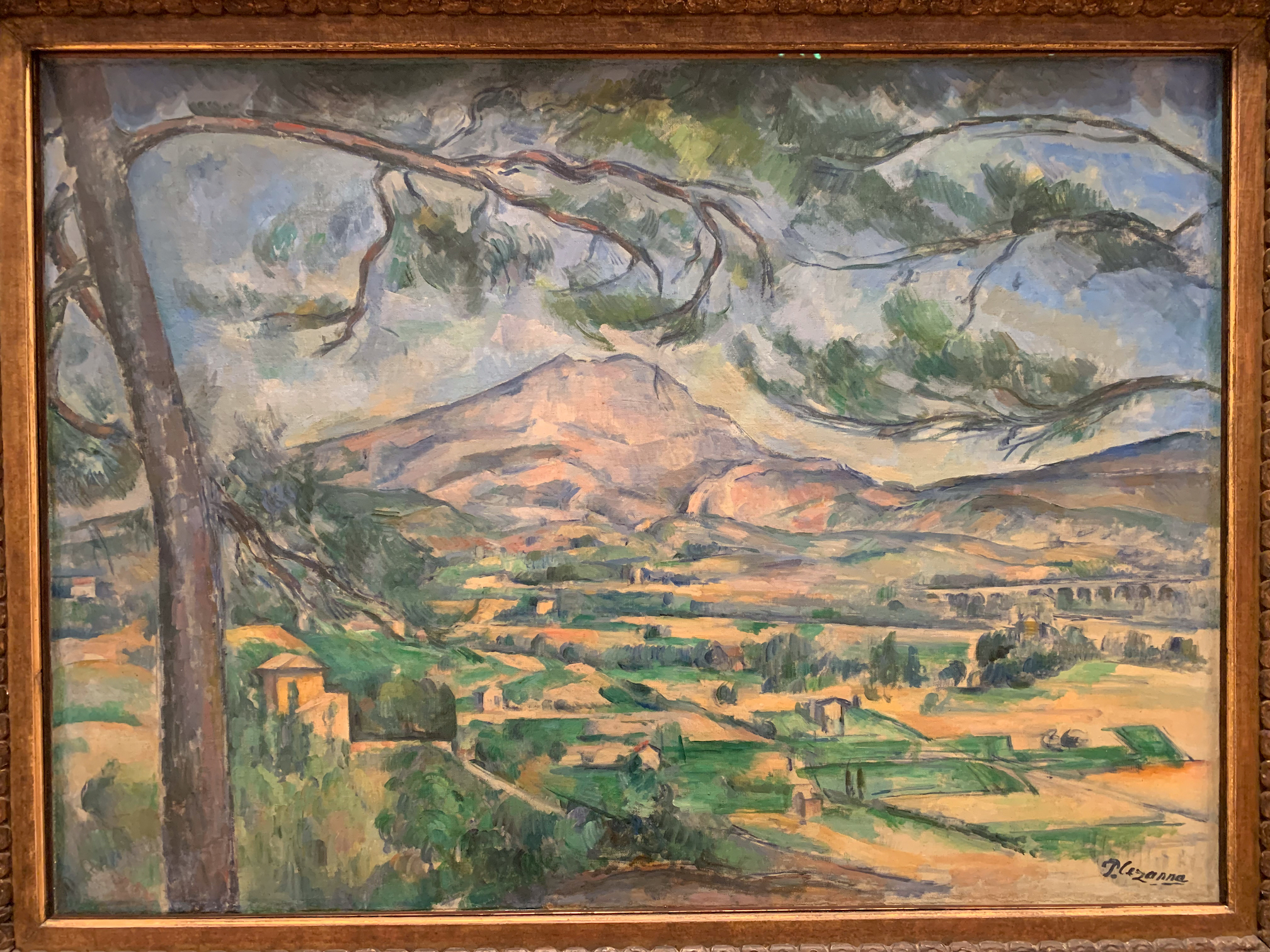
At the Grand Palais, nearly 180 works trace Cézanne’s influence from Gauguin and Matisse to Joan Mitchell, Bridget Riley and Peter Doig. For collectors, the deeper story is how artistic value is built before consensus—and why influence is more durable than fashion.
The most revealing exhibitions about an established master are rarely the ones that simply assemble the greatest number of famous pictures. Cezanne and Us, opening at the Grand Palais in Paris on 23 September, takes a more ambitious route. Rather than treating Paul Cézanne as a sealed historical achievement, it asks how artists after him kept finding different Cézannes to use, resist and reinvent.
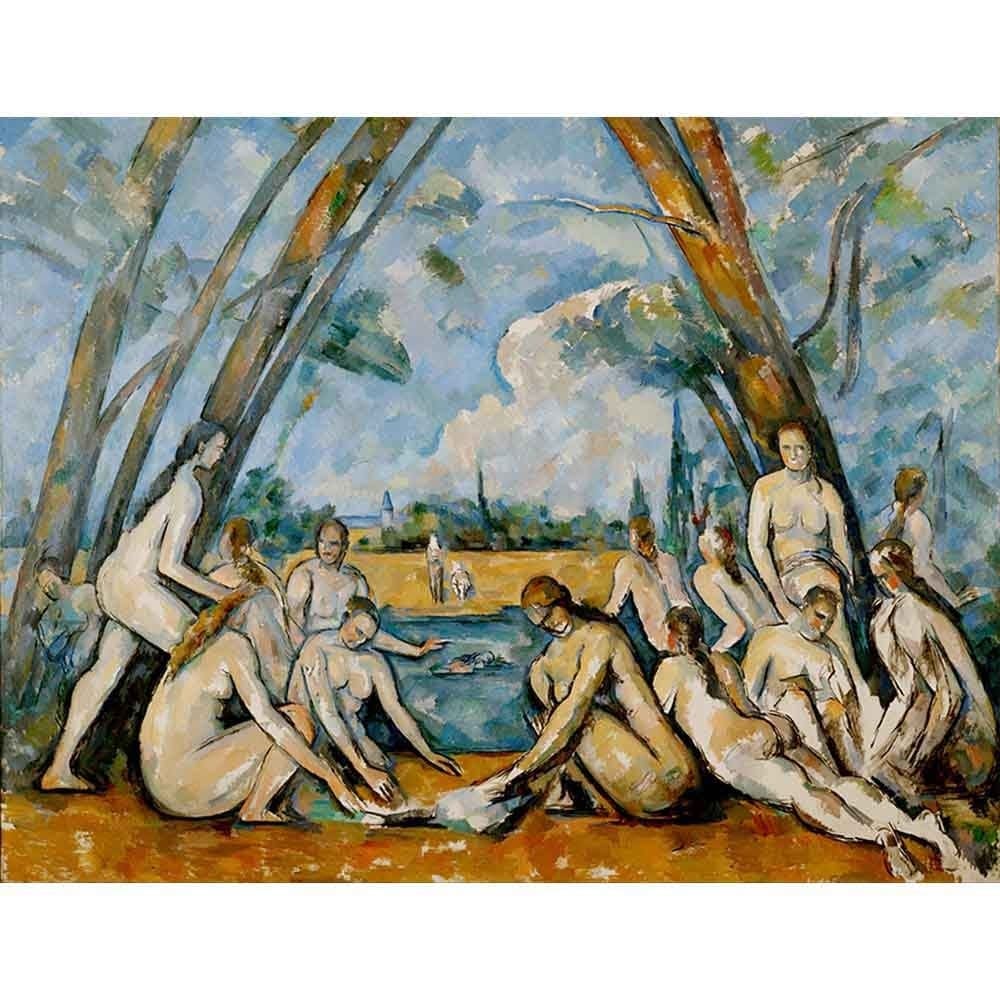
Co-produced by GrandPalaisRmn, the Centre Pompidou and the museums of Orsay and the Orangerie, the exhibition brings together around 180 works: roughly 70 by Cézanne and 75 by other artists. Its lineage runs from Gauguin and Matisse through Picasso and Mondrian to Joan Mitchell, Bridget Riley and Peter Doig. That range matters because Cézanne’s importance has never belonged to one style. He could be claimed by Cubists as an architect of form, by abstractionists as a painter who made the canvas assert its own structure, and by later painters as proof that representation and radical formal invention need not be opposites.
For collectors, the exhibition’s most useful historical detail comes before Cézanne’s canonisation. In the 1880s and 1890s, when he was tired of rejection and no longer actively seeking exhibition opportunities, younger artists and early admirers encountered his work in Père Tanguy’s shop. Recognition did not arrive as a single institutional decree. It accumulated through looking, conversation, advocacy, dealing and private ownership.
That is a valuable corrective to the way mature markets are remembered. Once an artist becomes central to art history, earlier uncertainty disappears from view. Prices, museum walls and textbooks can make inevitability seem retrospective fact. Cézanne’s story shows something different: cultural value is often built slowly by a network of artists, dealers and collectors willing to take work seriously before the hierarchy has settled.
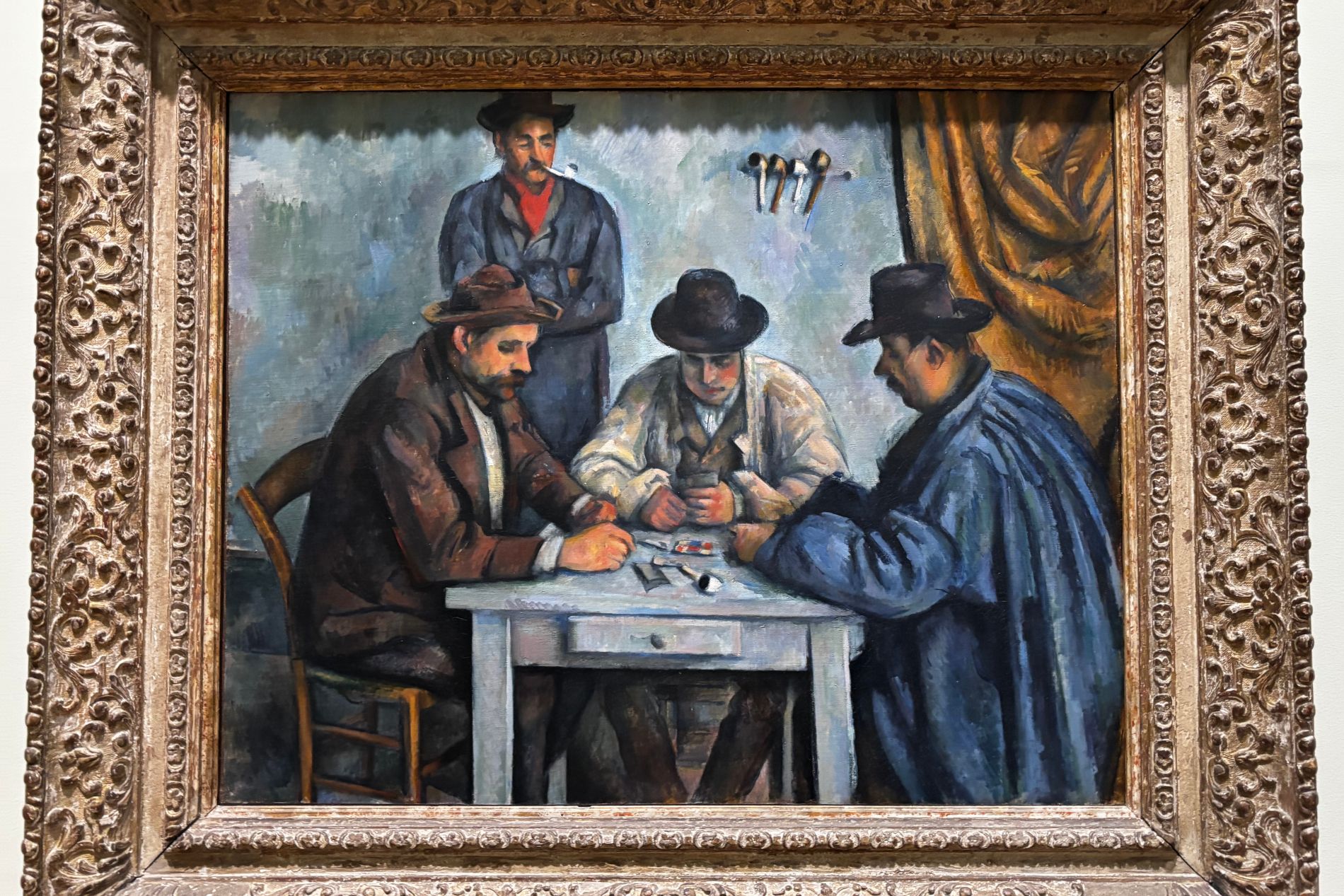
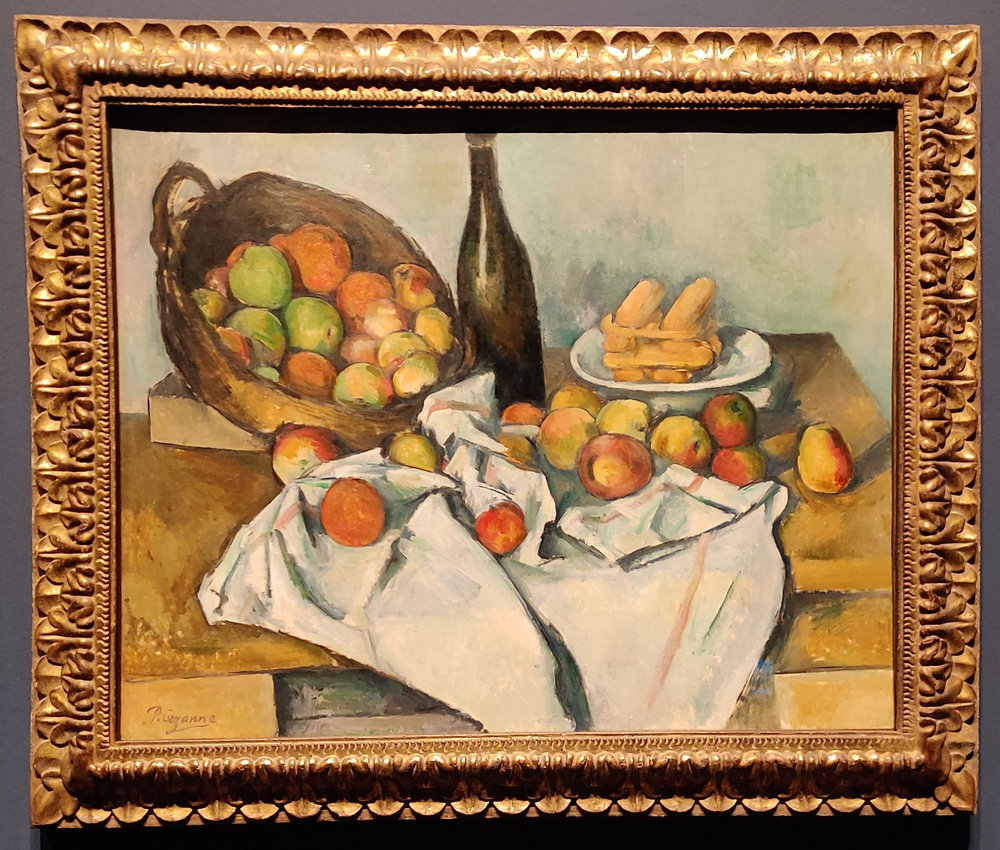
The exhibition is strongest as a proposition about influence. Cézanne’s repeated mountains, bathers, card players, apples and portraits were not formulas to copy. They were methods of pressure-testing painting. He could return to the same motif and discover that the problem had changed: how a table tilts, how a shoulder holds weight, how a mountain occupies distance, how colour can construct rather than merely describe.
That is why apparently dissimilar artists could all find something in him. Matisse could take permission from colour and structural freedom. Picasso could pursue the problem of volume and fractured space. Mondrian could push landscape toward a more distilled order. Joan Mitchell could find in Cézanne a precedent for landscape remembered and rebuilt through painterly sensation. Bridget Riley’s optical discipline demonstrates that even artists whose work appears far removed from Provence can inherit a question rather than a look.
For a collector, the practical lesson is not to search for the next Cézanne. It is to become attentive to the difference between visible style and durable artistic problems. Markets are excellent at recognising a signature look once it becomes legible. They are less reliable at valuing the deeper questions that can sustain an artist over decades.
Cézanne’s own market is now so mature that individual works live within dense hierarchies of period, motif, provenance, condition and exhibition history. But the exhibition is useful precisely because it moves beyond price. It demonstrates how art-historical importance emerges when a body of work remains generative for other artists. Influence becomes evidence of intellectual durability.
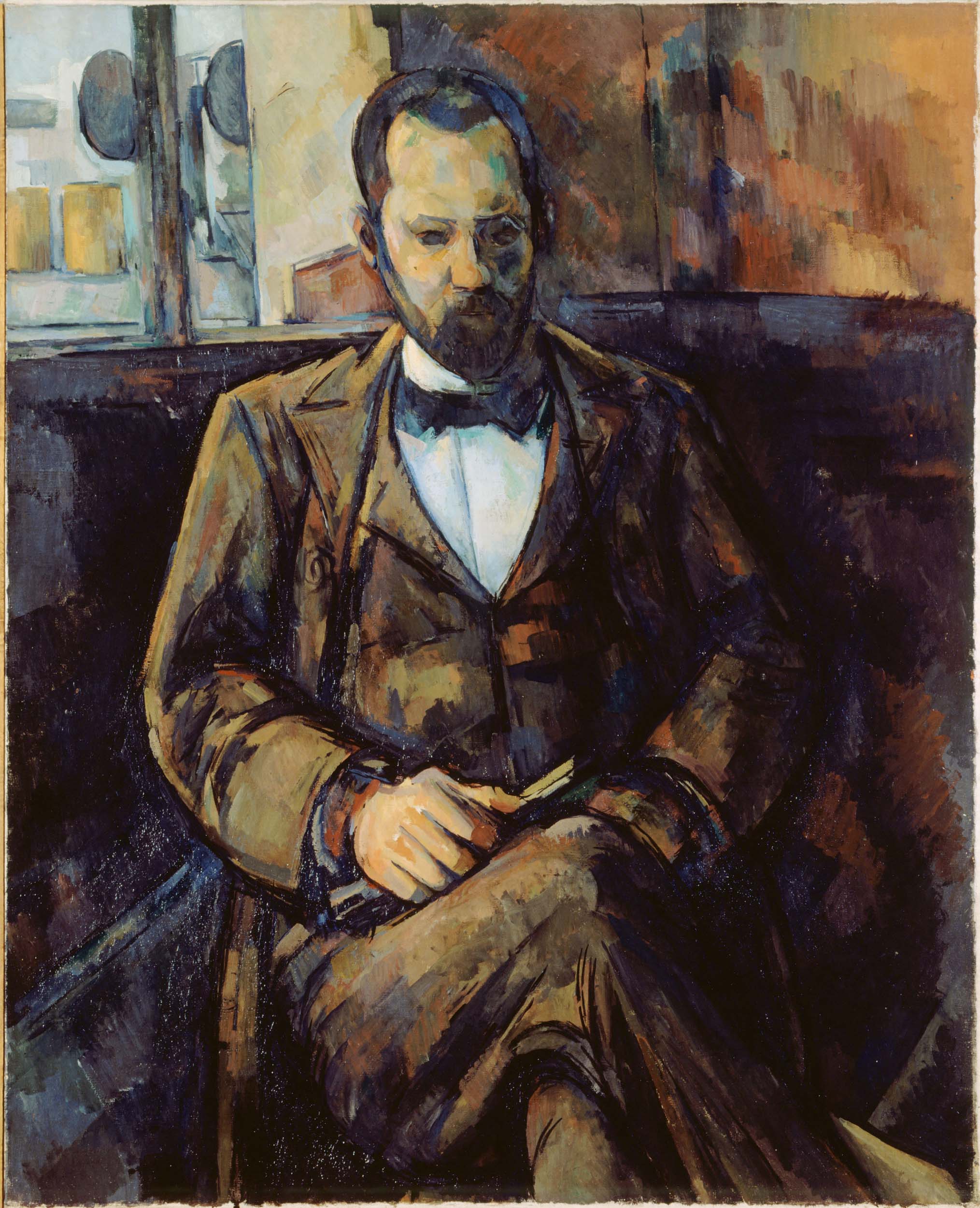
There is an irony in mounting a vast Cézanne exhibition under a title that refuses the singular. Cezanne and Us implies that there is no final, museum-approved version of the painter. Each generation constructs a relationship with him, and each relationship reveals as much about the later generation as about Cézanne himself.
For collectors accustomed to thinking in terms of movements, periods and rankings, that openness is important. Canonical status is not the end of interpretation. The greatest work can become more—not less—unstable as more artists, collectors and institutions bring new questions to it. That is why this exhibition feels less like a retrospective than a map of continuing consequence.
Exhibition: Cezanne and Us, Grand Palais, Paris, 23 September 2026–17 January 2027.
Scale: approximately 180 works, including about 70 by Cézanne and 75 by other artists.
Collector lens: look at influence, provenance and the formation of taste rather than treating canonical status as inevitable.
Paris Internationale returns with 56 galleries, a new Canal Saint-Martin venue and a model built around discovery. Here is how collectors should use it.
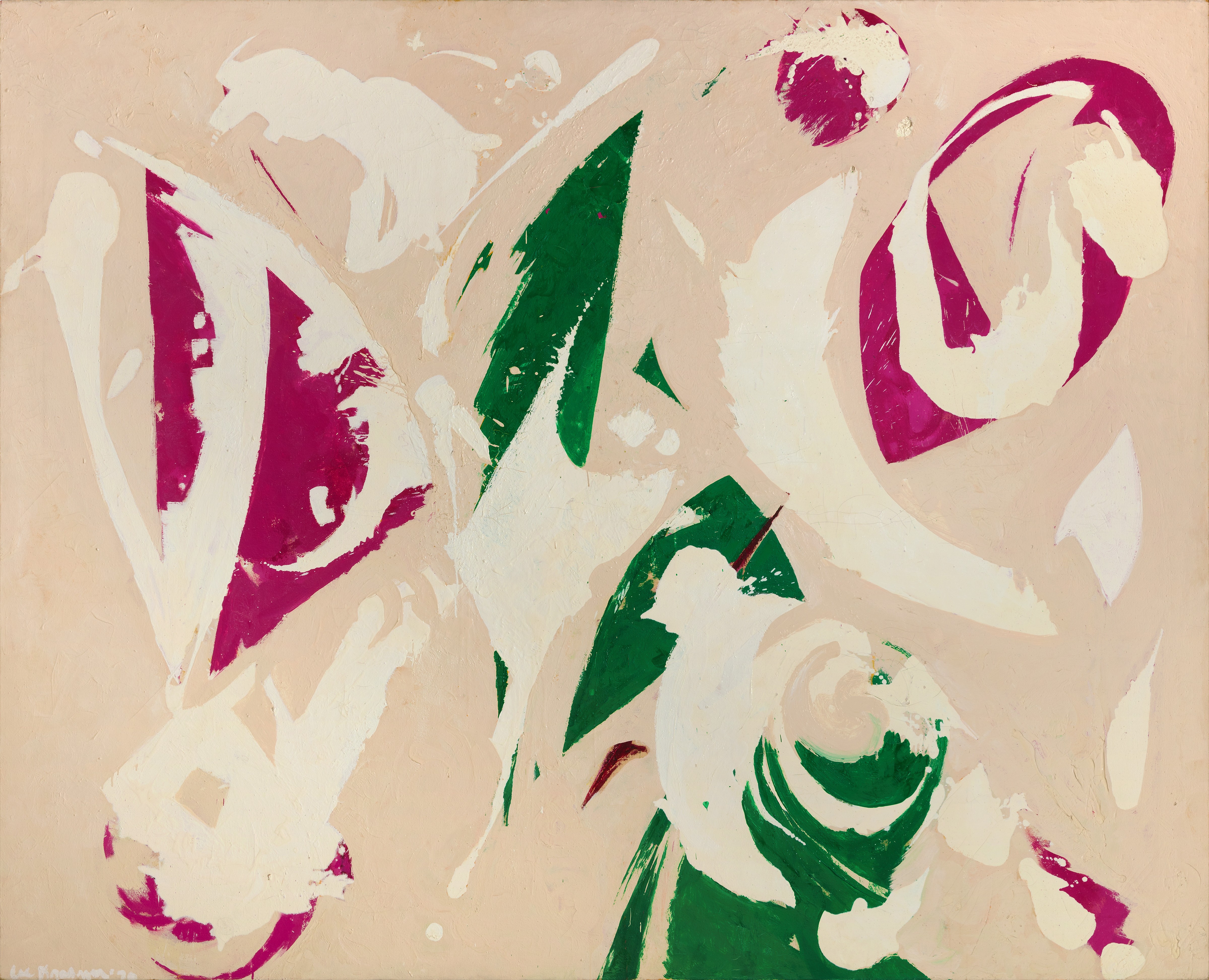
Ibrahim Mahama, Lee Krasner, Oscar Murillo, Tracey Emin and more: the exhibitions that turn Art Basel Paris week into something larger than a fair.

From a £5 million Brueghel and three major Alice Neel sales to George Rickey, global modernism and a £675,000 Triceratops skull, Frieze Masters rewarded collectors who looked beyond categories.