
October 25, 2026
Exhibitions
Exhibitions
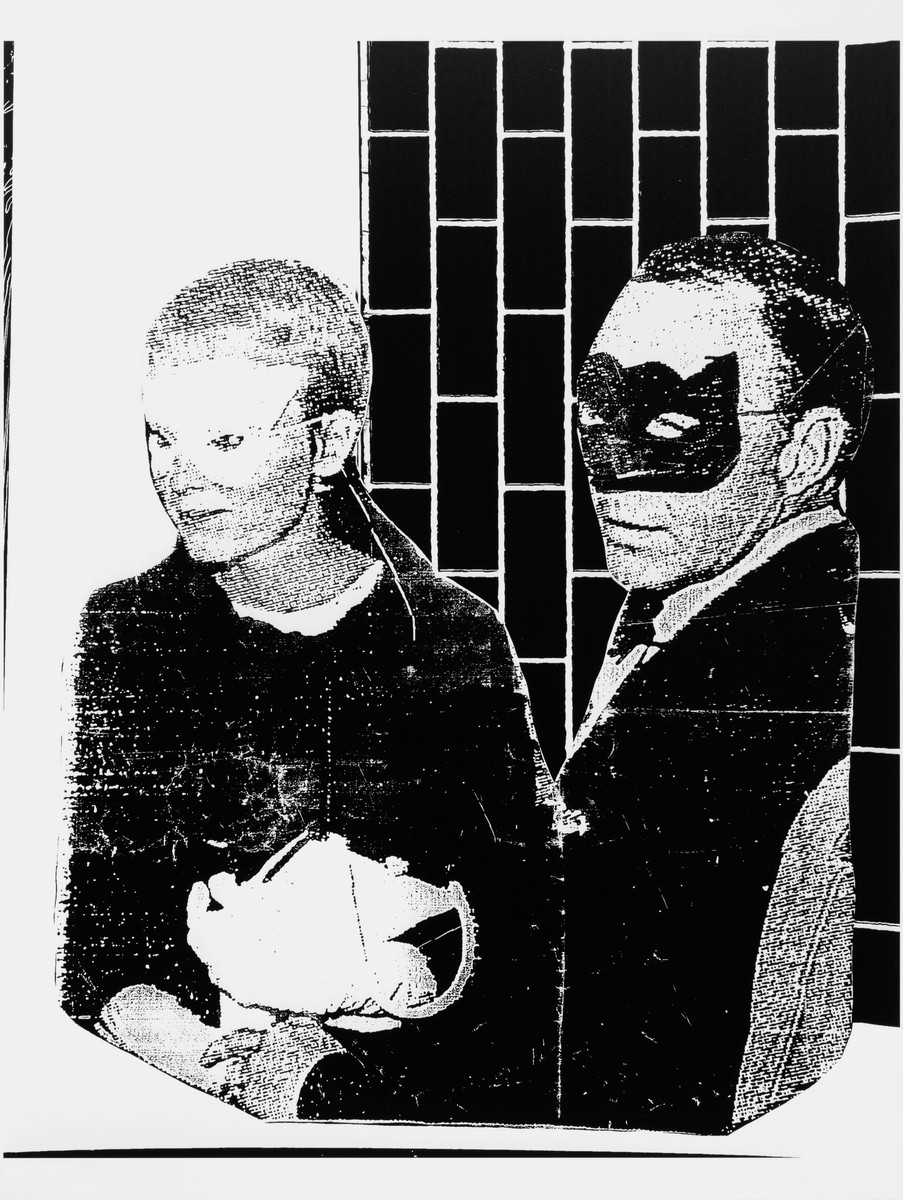
A rare London exhibition of new works and historical material returns us to Cady Noland’s uncomfortable vision of American spectacle, power and the ordinary object.
Anish Kapoor’s Monte Sant’Angelo station in Naples turns the underground into a sculptural journey.

In the heart of Naples, beneath the everyday rush of commuters, Anish Kapoor has carved out a subterranean myth. The Monte Sant’Angelo station, unveiled on 11 September 2025, is far more than a metro stop—it is an experience, a monumental work of public art that transforms transit into ritual, and infrastructure into sculpture. Conceived over two decades ago as part of a broader effort to rejuvenate the Traiano district, the station connects the University of Naples Federico II campus with the surrounding neighborhood, positioning Kapoor’s work at the crossroads of civic necessity and artistic ambition.
Approaching the station, one is immediately struck by the contrast of its twin entrances. The University portal, constructed from weathering steel, seems to swell from the earth itself, like a geological upheaval frozen in time, or the contours of a living body pressed against stone. Across the city, the Traiano entrance presents a polished, tubular counterpart, sleek and almost surgical, a visual foil to the rawness of its sibling. Together, these thresholds embody Kapoor’s enduring fascination with the void, the body, and mythological forms, transforming the act of entering a metro station into an encounter with something uncanny and monumental.

Inside, the journey continues. The walls of the station are raw and tactile, composed of concrete, steel, and stone that reject ornamental distraction, leaving the materiality itself to speak. Light and shadow move across these surfaces like part of the artwork, turning descending into the station into a subtle performance, a quiet meditation on movement, scale, and transformation. Kapoor has reflected that working in Naples—a city shaped by the shadow of Vesuvius, by centuries of layered history, and by Dante’s literary imagination—prompted him to consider the subterranean as more than functional: as a space for narrative, emotion, and presence.
In the city of Mount Vesuvius and Dante's mythical entrance to the Inferno, I found it important to try and deal with what it really means to go underground.
Monte Sant’Angelo extends Naples’ celebrated tradition of “art stations,” joining an urban lineage that includes works by Oscar Niemeyer, Mimmo Paladino, and Sol LeWitt. Yet Kapoor’s contribution is unique in its sheer sculptural ambition. The University entrance alone rises 19 meters and weighs some 220 tonnes, asserting itself as an unmistakable landmark, while the smoother Traiano entrance offers a quiet, complementary counterpoint. Together, they create a dynamic encounter that invites commuters to pause, to reflect, and perhaps to reconsider the ordinary act of moving through a city. Observers have likened the entrances to fissures, mouths, or even geological wounds, reinforcing Kapoor’s interest in thresholds, transformation, and the uncanny.

For collectors and enthusiasts, the station is a reminder of Kapoor’s global resonance. From Cloud Gate in Chicago to reflective installations in Versailles, Kapoor has long explored how sculpture can inhabit and transform space. Monte Sant’Angelo carries this ambition into civic infrastructure, demonstrating that public art can be simultaneously monumental, poetic, and socially engaged. Critics have hailed it as one of Kapoor’s most compelling works in recent years—a rare instance where the scale, ambition, and context converge to elevate the ordinary into something profoundly extraordinary.
In situating Kapoor’s work within Naples’ network of art-focused metro stations, the city asserts itself as a European capital of urban creativity, alongside Stockholm, Paris, and Madrid. Monte Sant’Angelo does more than move people; it moves them imaginatively, offering a glimpse of how contemporary art can animate public space and embed narrative into the very rhythms of urban life. For collectors, curators, and admirers of Kapoor’s oeuvre, the station is a vivid testament to the transformative power of art in the public realm—a rare, tangible convergence of vision, scale, and civic ambition that turns a daily commute into an encounter with wonder.
A rare London exhibition of new works and historical material returns us to Cady Noland’s uncomfortable vision of American spectacle, power and the ordinary object.
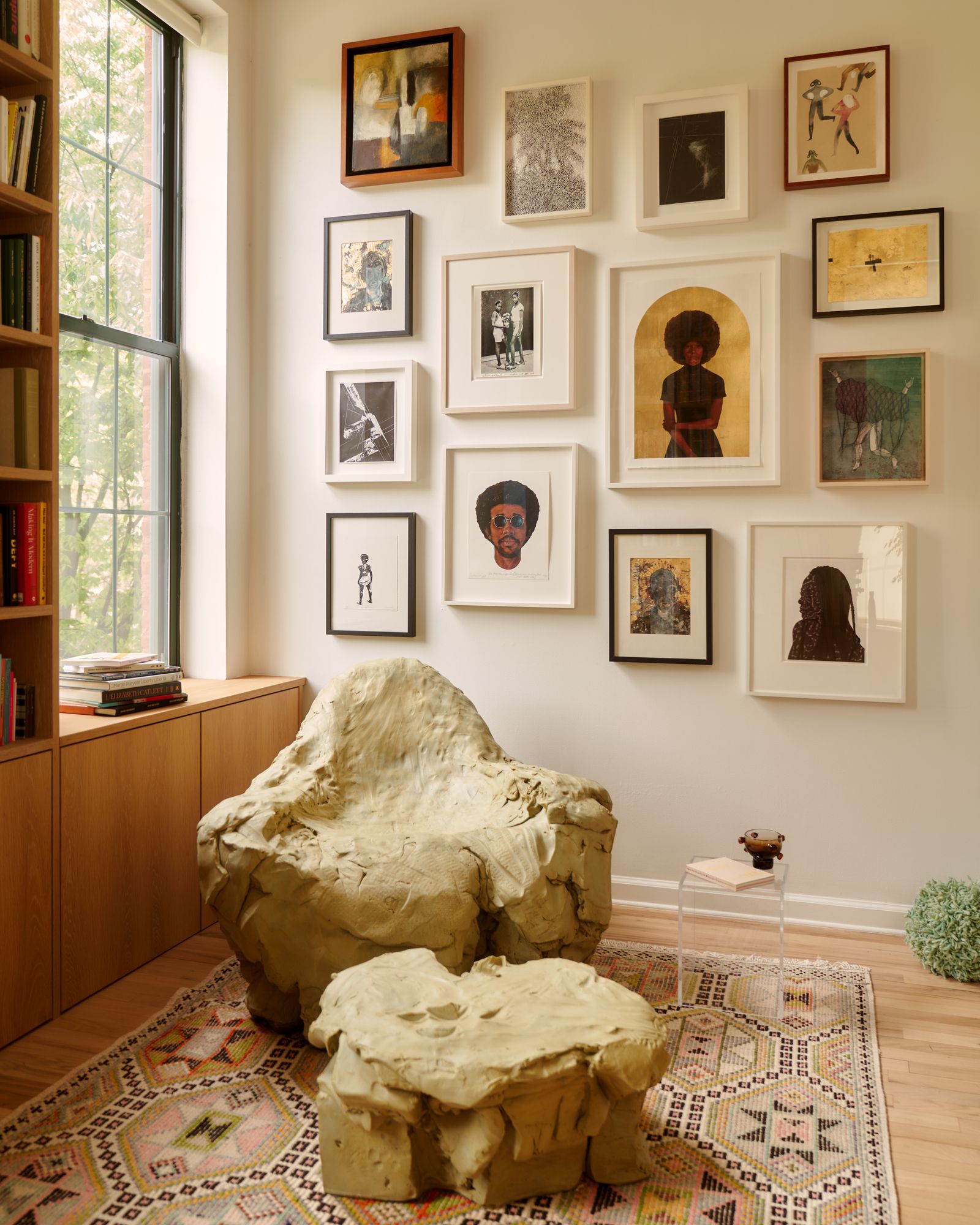
A gallerist’s Clinton Hill apartment reveals how painting, sculptural furniture, family history and unorthodox choices can make a home feel genuinely collected.
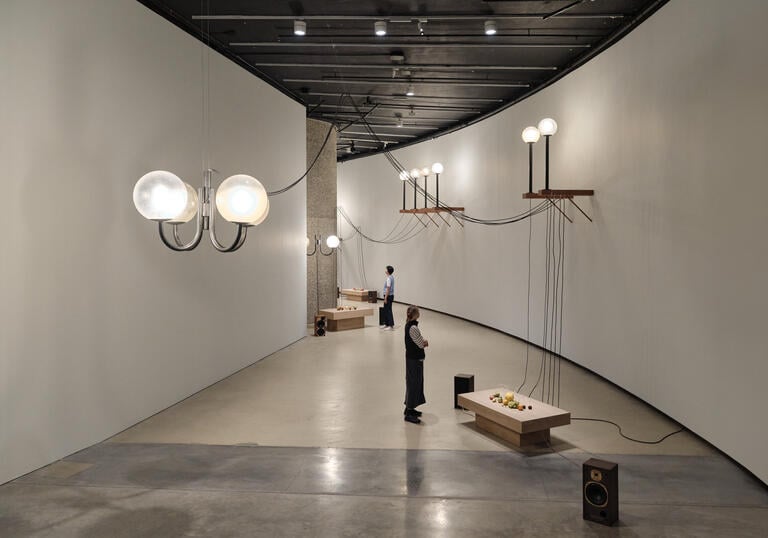
With light, sound, fruit and kinetic systems, Yuko Mohri makes the Barbican’s Curve into an argument for attending to what does not quite work as expected.