
October 23, 2026
Exhibitions
Exhibitions

From Faye Toogood and Kate Malone to textile art, post-war furniture and new material-led designers, PAD London showed why serious collector homes are built beyond the frame.
London's Tate Modern has opened one of the year's most anticipated exhibitions, presenting the work of Cuban-American artist Ana Mendieta in a major survey spanning her ground-breaking performances, sculptures, photography and films. The exhibition highlights Mendieta's enduring exploration of identity, landscape and the human body—subjects that continue to resonate with collectors and institutions alike. On view at Tate Modern, London : 15 July 2026- 17 January 2027
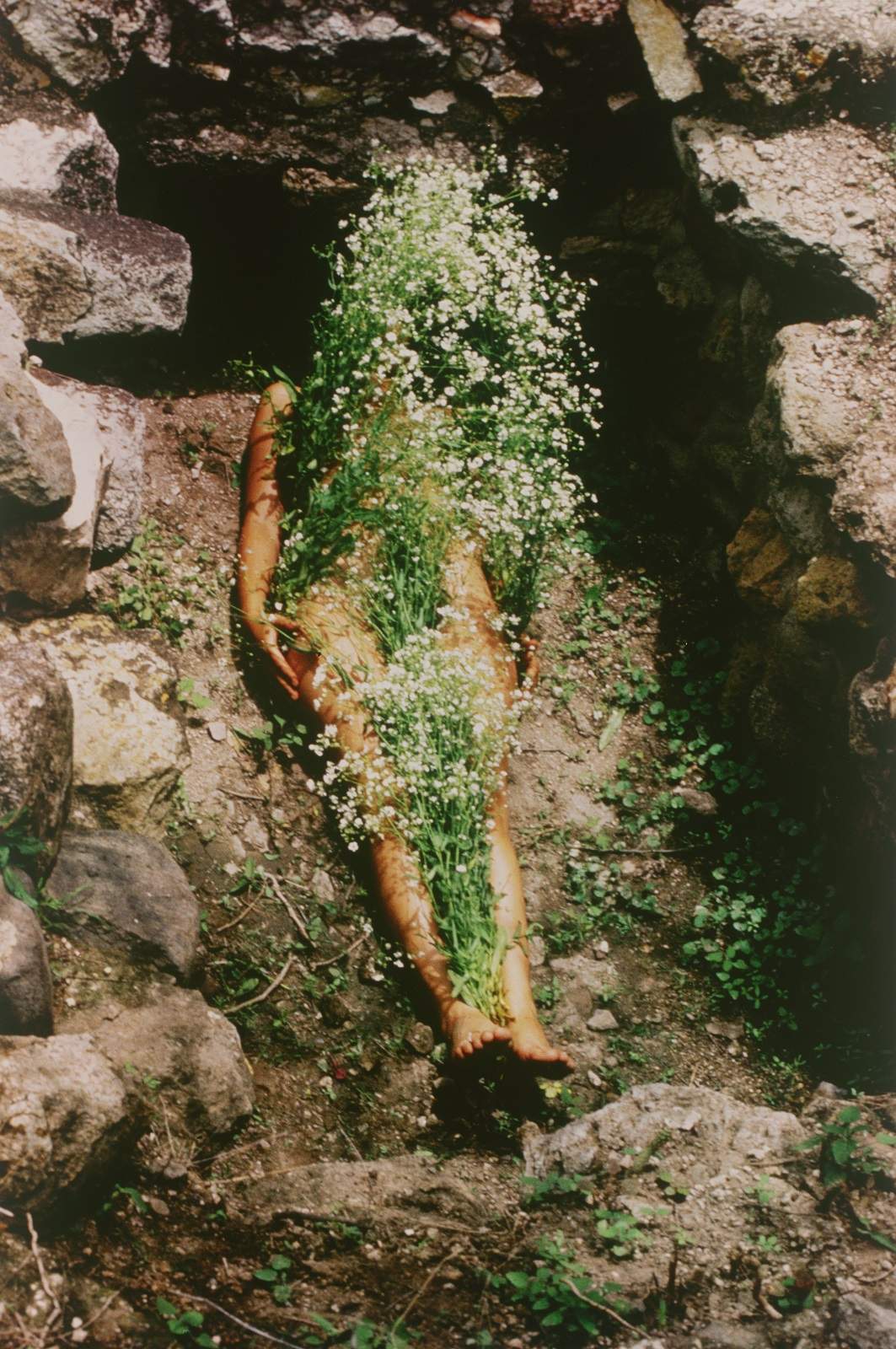
London's Tate Modern has opened one of the year's most anticipated exhibitions, presenting the work of Cuban-American artist Ana Mendieta in a major survey spanning her ground-breaking performances, sculptures, photography and films. The exhibition highlights Mendieta's enduring exploration of identity, landscape and the human body—subjects that continue to resonate with collectors and institutions alike.
For collectors, the renewed institutional focus is significant. Major museum retrospectives often strengthen scholarship, expand international visibility and increase long-term market confidence around historically important artists. While Mendieta's most iconic earth-body works remain impossible to collect in their original form, demand continues for her photographs, documented editions and related works.
As museums increasingly revisit overlooked pioneers of contemporary art, Mendieta's influence on younger generations appears stronger than ever, reinforcing her position as one of the defining artists of the late twentieth century.
About Ana Mendieta
Ana Mendieta (1948-1985) was a multidisciplinary artist who primarily used elements from nature such as earth, water, fire and flora. Her work has been exhibited widely in museums across the world, including MUSAC, León, Spain (2024); SESC Pompéia, São Paulo, Brazil (2023); Institute of Modern Art, Brisbane, Australia (2019); Middleheim Museum, Antwerp, Belgium (2019); Institute for Contemporary Art, Galerie nationale du Jeu de Paume, Paris, France (2018); Martin-Gropius-Bau, Berlin, Germany (2018); The Israel Museum, Jerusalem, Israel (2014); Hayward Gallery, Southbank Centre, London, United Kingdom (2013); Castello di Rivoli, Turin, Italy (2013); Art Institute of Chicago, Chicago, Illinois (2011); Whitney Museum of American Art, New York (2004); Helsinki City Art Museum, Helsinki, Finland (1996) ); and New Museum, New York (1987). The artist received many prestigious awards in her lifetime, including a National Endowment for the Arts Grant (1977 and 1980) and Fellowship (1982); Creative Arts Program Services Grant, New York Foundation for the Arts (1979); John Simon Guggenheim Foundation Fellowship (1980); New York State Council on the Arts Grant (1982); the Prix de Rome, American Academy in Rome (1983); and the Award in the Visual Arts, Southeastern Center for Contemporary Art (SECCA), Winston-Salem, North Carolina (1984). A Visual Arts Lifetime Achievement Award was posthumously bestowed by The Cintas Foundation, New York in 2009.
From Faye Toogood and Kate Malone to textile art, post-war furniture and new material-led designers, PAD London showed why serious collector homes are built beyond the frame.

Paris Internationale returns with 56 galleries, a new Canal Saint-Martin venue and a model built around discovery. Here is how collectors should use it.
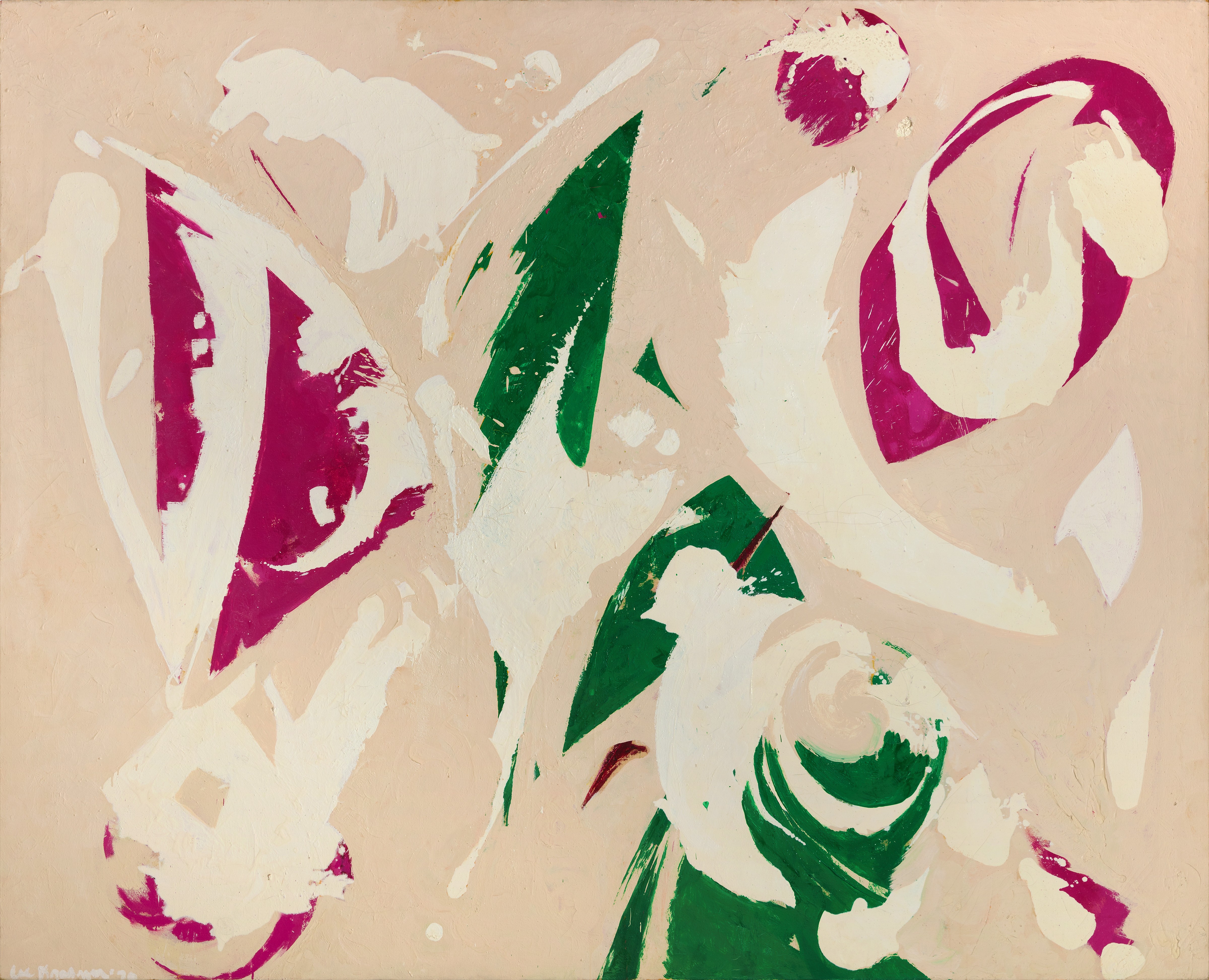
Ibrahim Mahama, Lee Krasner, Oscar Murillo, Tracey Emin and more: the exhibitions that turn Art Basel Paris week into something larger than a fair.