
October 12, 2026
Articles
Articles
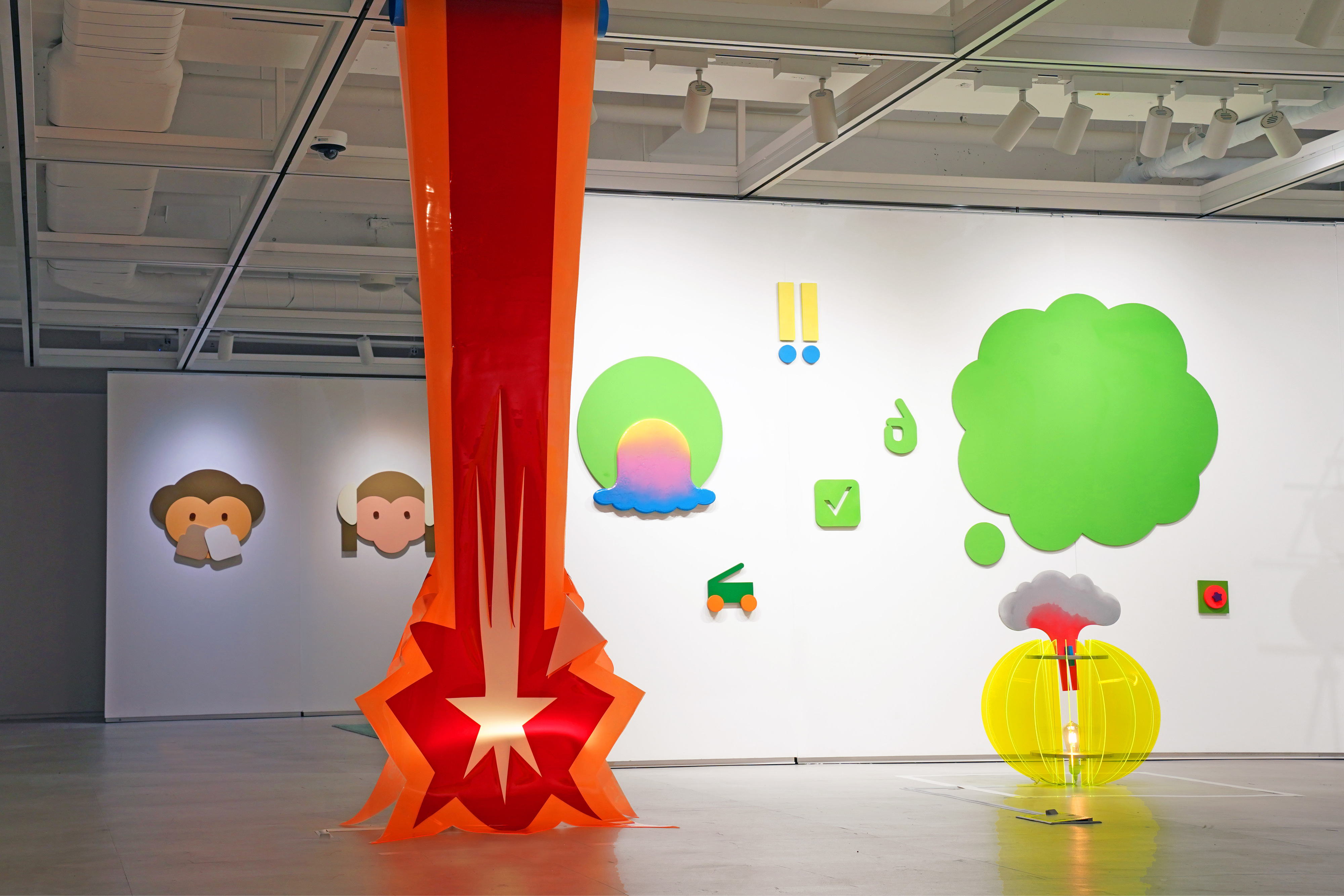
Yelin Lee's Ghost Play transforms emojis into sculpture, uses chroma-key screens and a two-minute delay, and turns visitors into their own fleeting afterimages.
September gives London collectors an unusually useful head start: museum shows in their final weeks, important gallery openings, Frieze Sculpture in Regent’s Park and a major Magritte exhibition before the October fairs arrive.
London in September is often treated as the warm-up to Frieze. In 2026, that would be a mistake. The month has its own unusually coherent rhythm: several museum exhibitions reach their final weeks just as a new commercial-gallery season opens, Frieze Sculpture arrives in Regent’s Park a full month before the October fairs, and late September brings a major René Magritte exhibition to Mayfair. For collectors, it is the rare London month in which looking can still come before scheduling.
That matters. October increasingly compresses openings, fairs, auctions, dinners and institutional programming into a few breathless days. September offers something more useful: time to understand what galleries are foregrounding, to revisit museum material before it disappears, and to notice which artists and ideas are gathering momentum before the market’s attention becomes crowded.
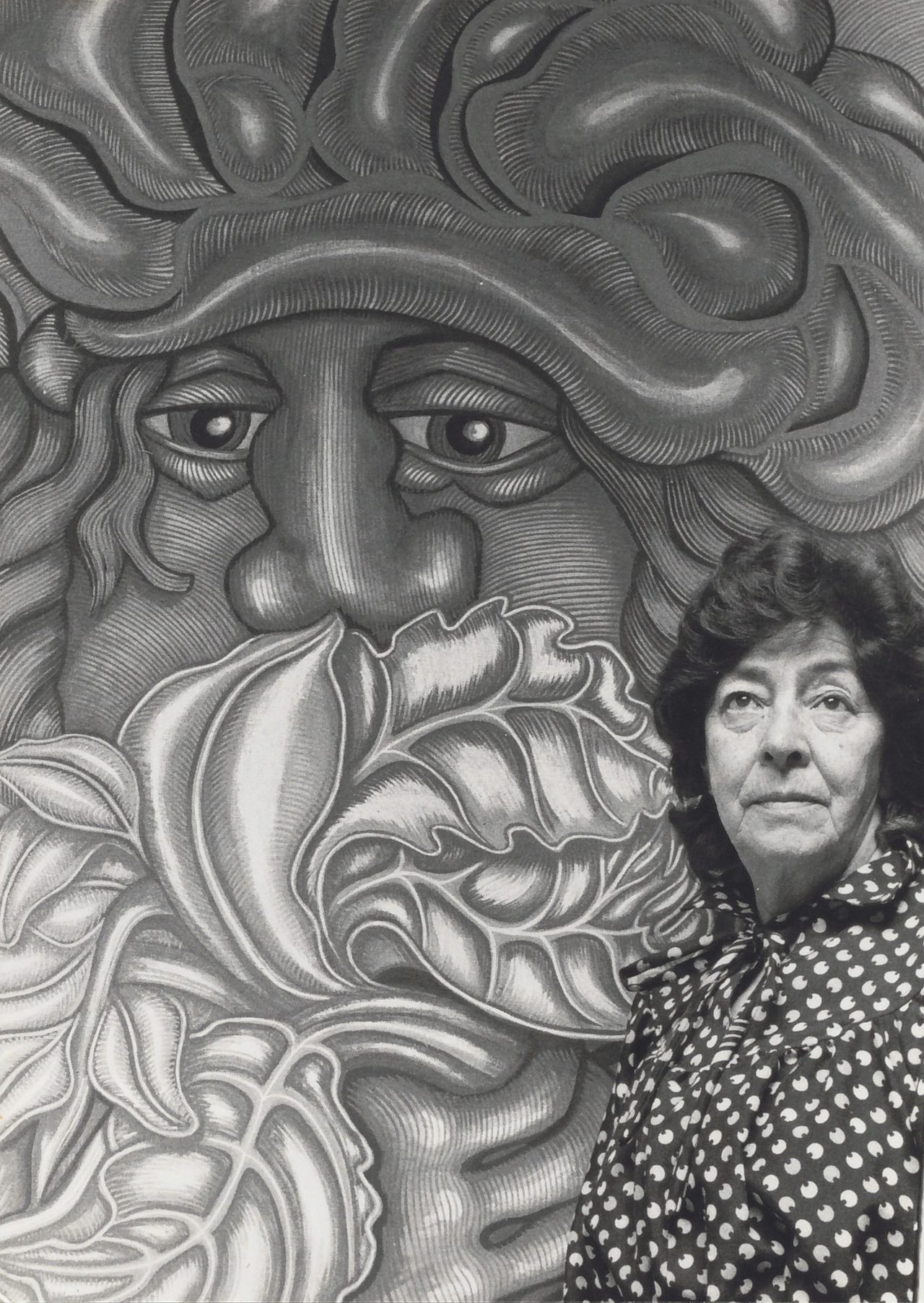
One of the clearest reasons to begin the month in St James’s is White Cube’s first UK solo presentation of the Colombian painter Emma Reyes (1919–2003), opening at Mason’s Yard on 4 September and running through 3 October. Reyes was self-taught, and her paintings and works on paper developed outside the neat progression usually used to narrate twentieth-century modernism. White Cube describes a practice built from portraiture, still life, pre-Columbian artefacts, embroidery, basketry and organic structures, with dense patterning used to reconnect visual languages that had often been filtered through European painting.
For collectors, the interest is not simply that Reyes is receiving a first solo UK presentation. It is the larger phenomenon the exhibition represents: serious galleries continuing to widen the modern and postwar canon by placing overlooked or geographically under-seen practices into direct conversation with established contemporary programmes. In a market that often rewards rediscovery only after institutional consensus has already formed, the most useful moment is usually earlier—when scholarship, exhibitions and collector curiosity are beginning to converge.
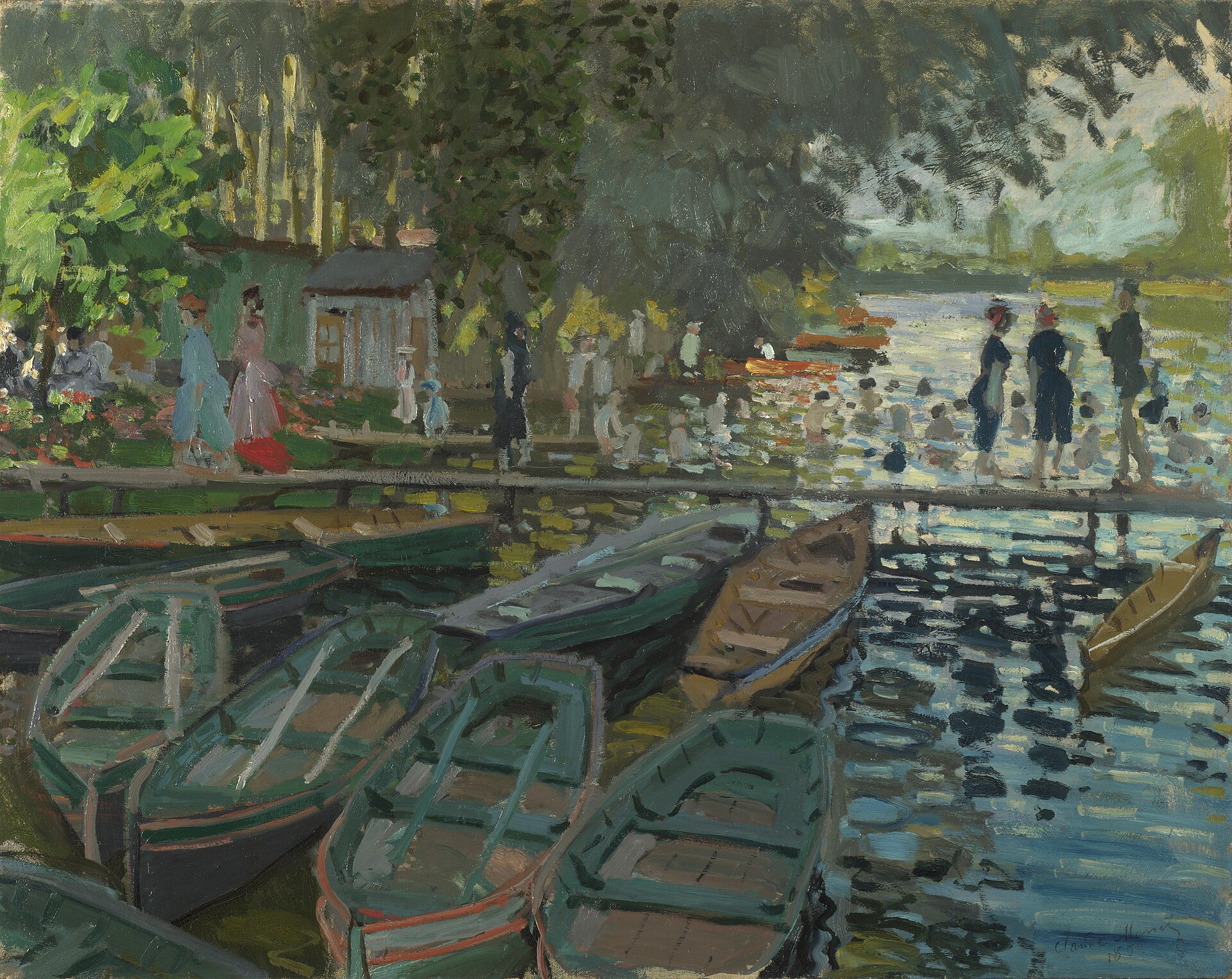
September also offers a compact closing window at the National Gallery. Monet and Renoir: Painting Side by Side runs until 15 September, while Waldmüller: Landscapes closes on 20 September. Both are free, and both reward a collector’s kind of looking: comparison, attribution, surface and the small formal decisions that can be flattened when art is encountered only through market imagery.
The Monet–Renoir display reunites two celebrated Impressionist paintings made in close proximity, inviting the eye to register how distinct artistic personalities can emerge from nearly identical circumstances. The Waldmüller exhibition, billed by the museum as the first UK exhibition devoted to the Austrian painter’s landscapes, works differently. It is a reminder that reputation is never fixed: artists can be canonical in one art-historical geography and comparatively unfamiliar in another.
Seen together, the two displays make an elegant September pairing. One starts from household-name artists and asks us to look harder; the other starts from relative unfamiliarity and asks us to recalibrate the map.
On 16 September, White Cube Bermondsey opens Gabriel Orozco: Chronotopic, curated by Briony Fer and bringing together more than 100 new and existing works across sculpture, painting, photography, assemblage and works on paper. The timing carries several layers of history. The exhibition coincides with the tenth anniversary of Orozco’s permanent garden commission at South London Gallery, twenty years since his first White Cube exhibition, and thirty years since his London solo presentation at the ICA alongside the Artangel project Empty Club.
Those anniversaries could have produced a conventional retrospective. Instead, the premise is more elastic. White Cube describes the show as a kind of chronological-nautical log: works move through time and change as their contexts change. That is well suited to Orozco, an artist whose practice has long depended on the unstable border between ordinary objects and heightened attention.
For collectors, Chronotopic is valuable precisely because it resists the temptation to reduce a long career to one recognisable image type. A multi-medium installation can restore the internal logic that the market sometimes fragments. Photographs, sculptures and paintings may trade in different price bands and attract different audiences, but a serious collection benefits from understanding how those categories sit inside the same practice.
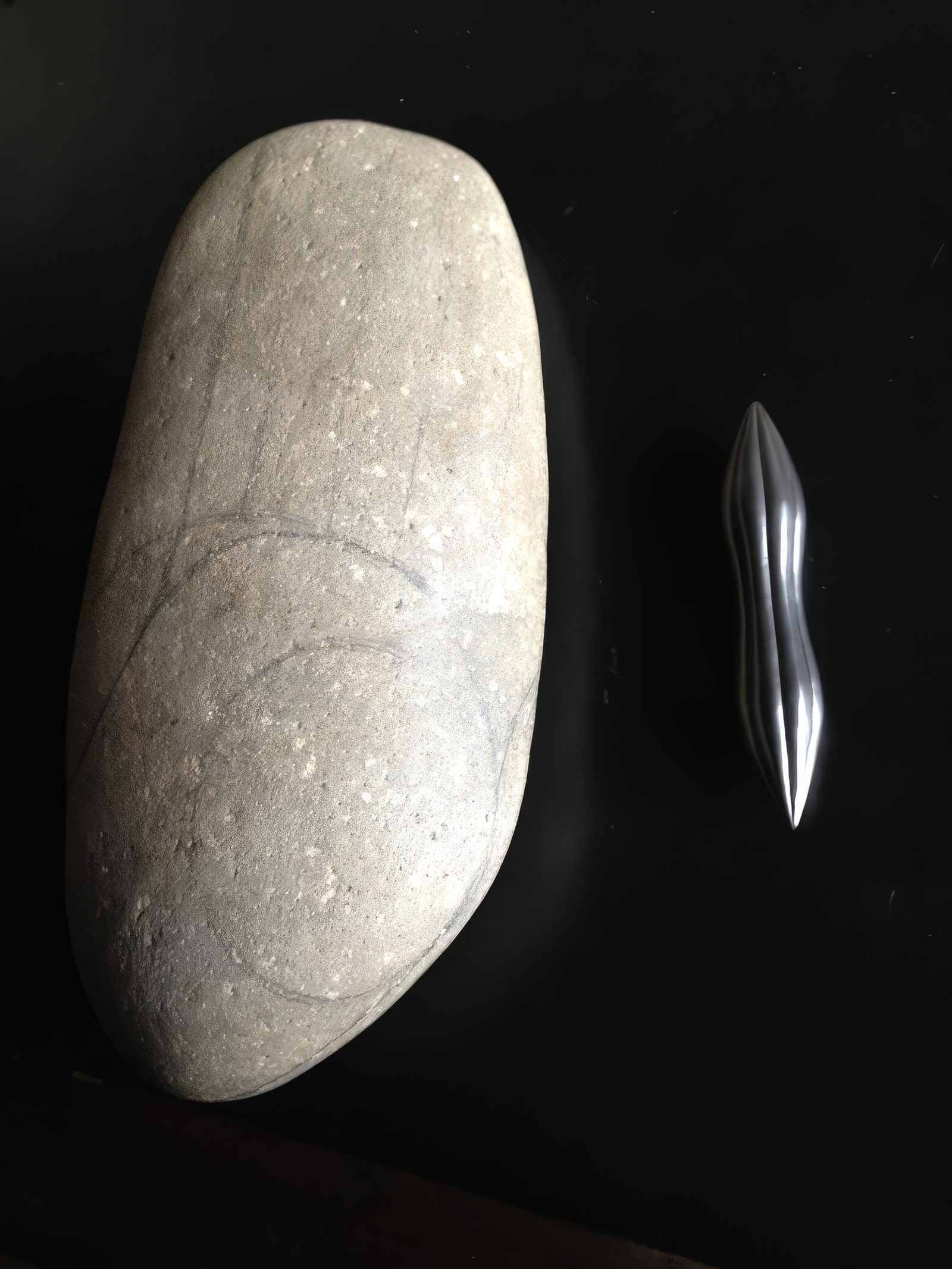
Frieze Sculpture opens in the English Gardens of Regent’s Park on 16 September and runs until 1 November, giving London an unusually long public prelude to Frieze London and Frieze Masters, which take place in October. Curated by Fatoş Üstek, the 2026 edition includes eleven international artists, among them Angel Otero, Conrad Shawcross, Tarini Sethi and Ivana Bašić.
The important collector advantage is duration. Outdoor sculpture fairs can be easy to treat as atmospheric extensions of a larger commercial event, but the September opening gives these works room to be encountered on their own terms. Scale, weather, circulation and public behaviour all change the reading of sculpture. They also expose practical questions that are fundamental to collecting three-dimensional work: siting, sightlines, maintenance, material ageing and the way a piece negotiates architecture or landscape.
For anyone considering sculpture for a garden, terrace, institutional loan or larger domestic setting, Regent’s Park is therefore more than a preview. It is a live study in how objects perform once the white cube disappears.
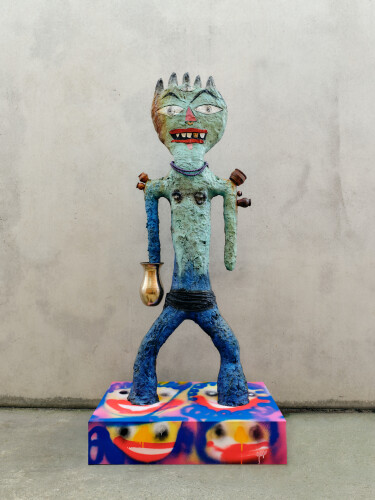
Tate Britain’s James McNeill Whistler remains on view until 27 September. In a month dominated by new-season openings, a closing exhibition of this scale is worth prioritising. Whistler’s importance to collecting culture extends beyond the paintings themselves: his carefully managed aesthetics, titles, interiors and public persona helped shape the modern idea that an artist’s world could be as deliberately composed as an individual work.
That makes the exhibition particularly resonant now, when artists, galleries and collectors again think across painting, display, architecture and lifestyle rather than treating them as isolated categories. September is the final chance to see that broader proposition assembled at Tate before the focus moves decisively into the autumn season.
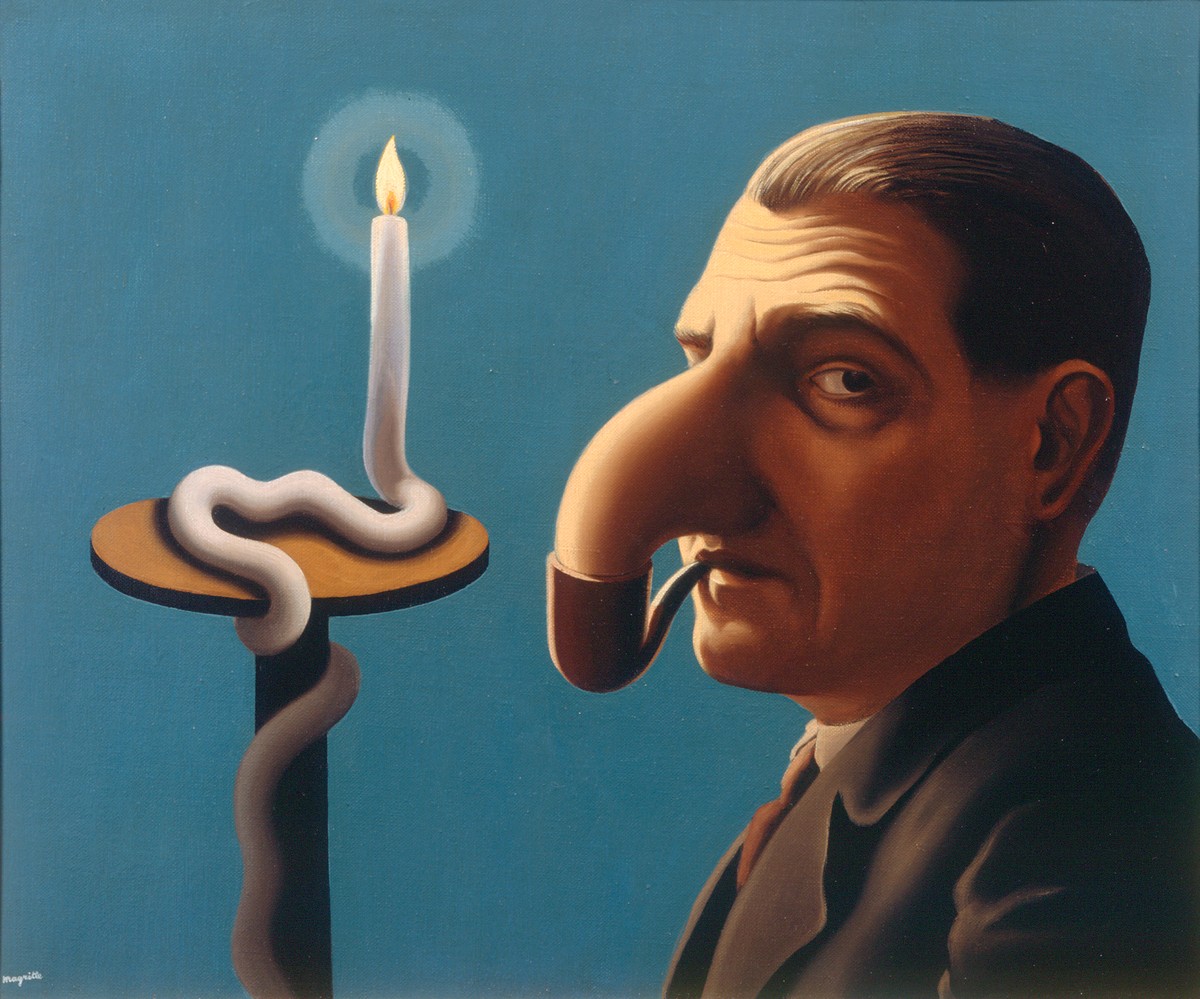
The month closes with one of its strongest commercial-gallery exhibitions. On 24 September, Gagosian Grosvenor Hill opens This Is Still Not a Pipe: The Afterlife of Magritte, an exhibition bringing together paintings, works on paper, sculpture and photography by René Magritte with work by later artists shaped by his influence.
The exhibition has been built around two anniversaries. It is twenty years since the Los Angeles County Museum of Art exhibition Magritte and Contemporary Art: The Treachery of Images, and ninety years since London’s 1936 International Surrealist Exhibition, staged only a short walk from Gagosian’s present Grosvenor Hill space. Among the loans is Magritte’s 1936 La Lampe philosophique (The Philosopher’s Lamp), a work that turns a compact self-referential joke into an image about looking, thinking and pictorial contradiction.
The collector appeal here lies in lineage. Magritte is one of those artists whose imagery is so embedded in visual culture that influence can become invisible. Putting original works beside later responses has the potential to make that influence legible again—not as a generic Surrealist mood, but as a toolkit of dislocation, linguistic doubt, repetition and controlled absurdity.
The best way to read London this month is not as a countdown to October but as a chance to get ahead of it. Reyes offers a serious rediscovery story; Orozco provides a broad, career-spanning view of a major contemporary practice; the National Gallery and Tate reward historical recalibration; Frieze Sculpture shifts attention to scale and setting; and Magritte places influence itself at the centre of the conversation.
For collectors, that mix is useful because it crosses categories without losing focus. September is not asking for immediate decisions. It is asking for better looking—and better looking is still the foundation of better collecting.
Yelin Lee's Ghost Play transforms emojis into sculpture, uses chroma-key screens and a two-minute delay, and turns visitors into their own fleeting afterimages.
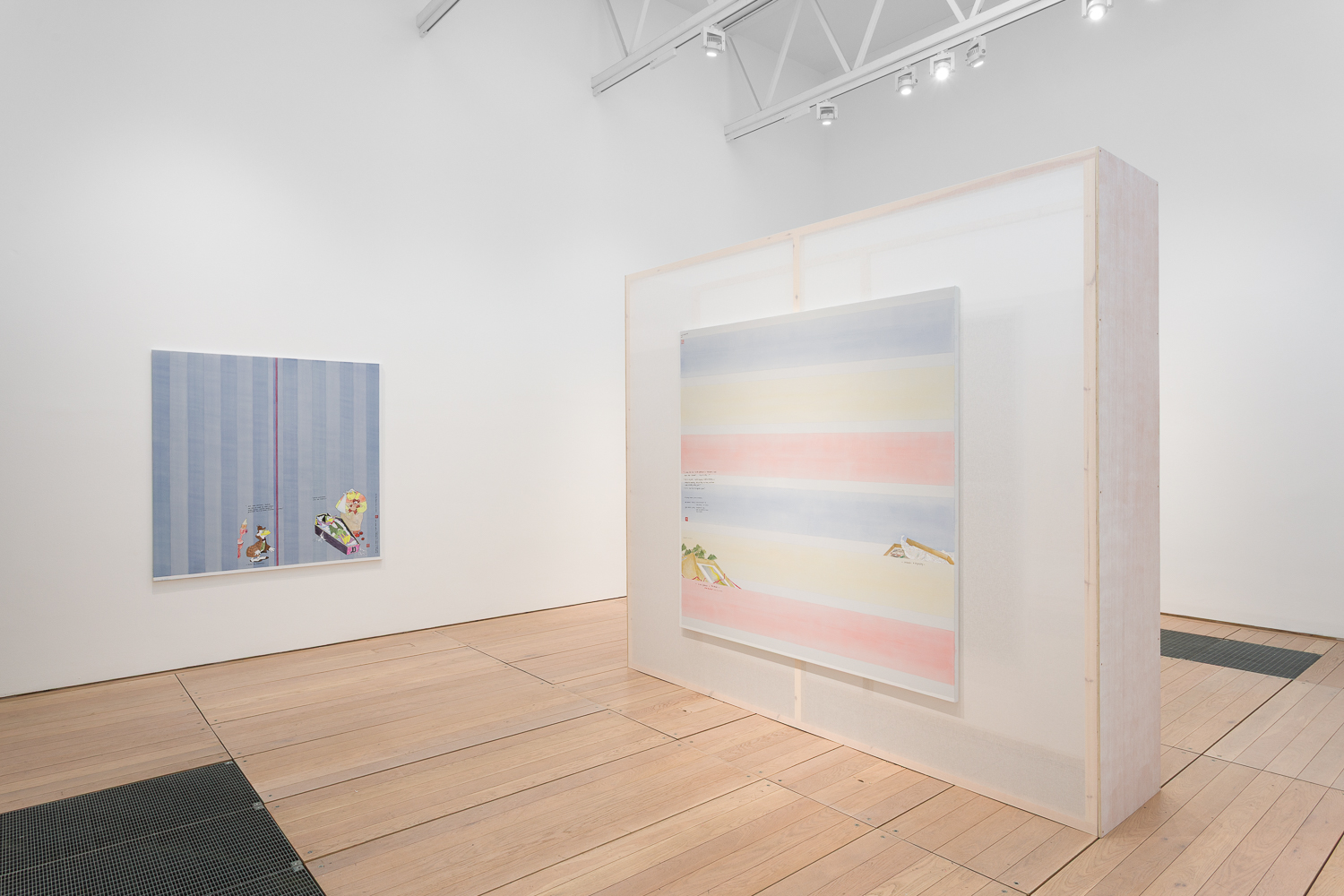
In her first UK institutional exhibition, Evelyn Taocheng Wang turns mistranslation, Agnes Martin, Chinese literati painting and fantasies of Britain into a deliberately unstable language of identity.
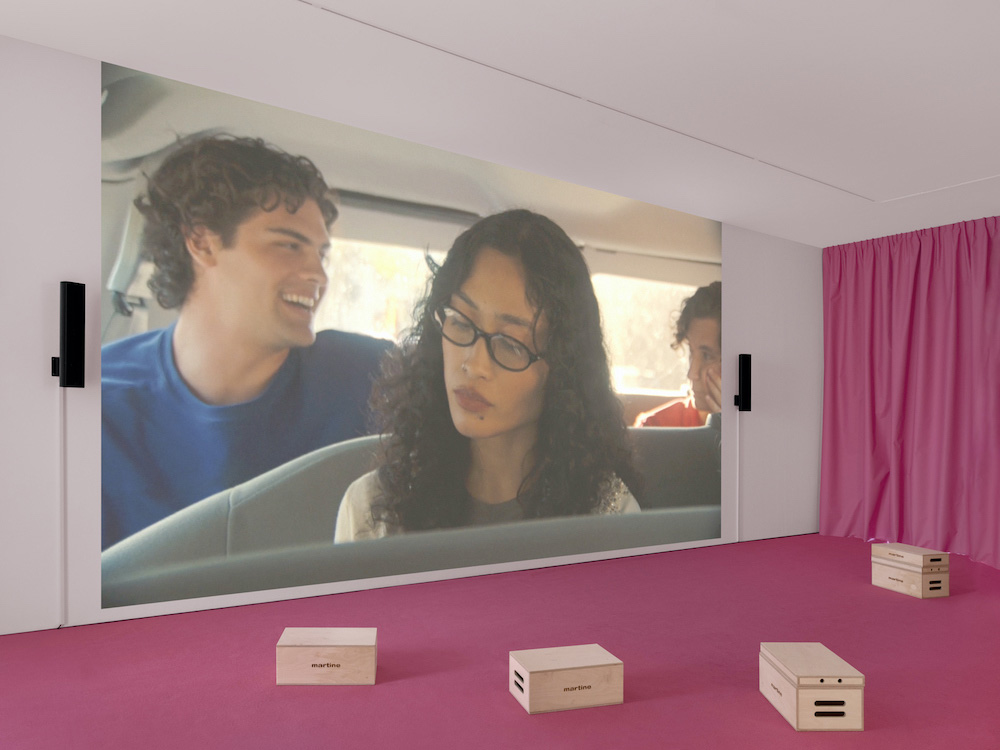
From Robert Ryman and Lorna Simpson to Mary Ramsden, Martine Syms and Nicola Turner, the strongest London route during Frieze week begins outside the fair.