
October 20, 2026
Exhibitions
Exhibitions

Paris Internationale returns with 56 galleries, a new Canal Saint-Martin venue and a model built around discovery. Here is how collectors should use it.
Amir H. Fallah Art Basel Hong Kong March 21 - 25, 2023 BOOTH: 1B34 Denny Gallery is participating in the 2023 edition of Art Basel Hong Kong in the Insights section with a solo booth of work by Amir H. Fallah.

Amir H. Fallah is an artist known for exploring portraiture and identity through his painting, murals, sculpture and installation. His personal narrative as an Iranian American, whose family fled Iran during the 1979 revolution, frames his work and his bid to explore what drives us as humans to shape who we are and how we exist. His esoteric portraits, where the physical characteristics of his subjects are often masked, hidden or generally absent, offer vignettes into their world; ornate with depicted objects and patterns. They are windows into society and current affairs. He uses historical and contemporary imagery and narratives, which he assimilates from a variety of global references from news channels to twitter; museum collections to fashion magazines. With this, Fallah mines the collective human visual culture to offer poetic insights into human discourse. The body of work that Denny Gallery will exhibit at Art Basel Hong Kong continues Amir H. Fallah’s investigations into his Iranian heritage and the new frontiers of his birth country with the movement of “Woman, Life, Freedom”. The five paintings - two portraits, two narrative works and a monumental painting, which he terms as one of his most important works to date - shine alight on human qualities such as bravery, suffering, defiance and desire. With these works, Fallah delves into a contemporary and historical visual culture with shared motifs such as dragons and whimsical scenic backgrounds, alongside more site specific imagery, offering new perspectives into this current human discourse.
For more insight into Amir H Fallah his work and practice, read our in depth interview with the artist.
Paris Internationale returns with 56 galleries, a new Canal Saint-Martin venue and a model built around discovery. Here is how collectors should use it.
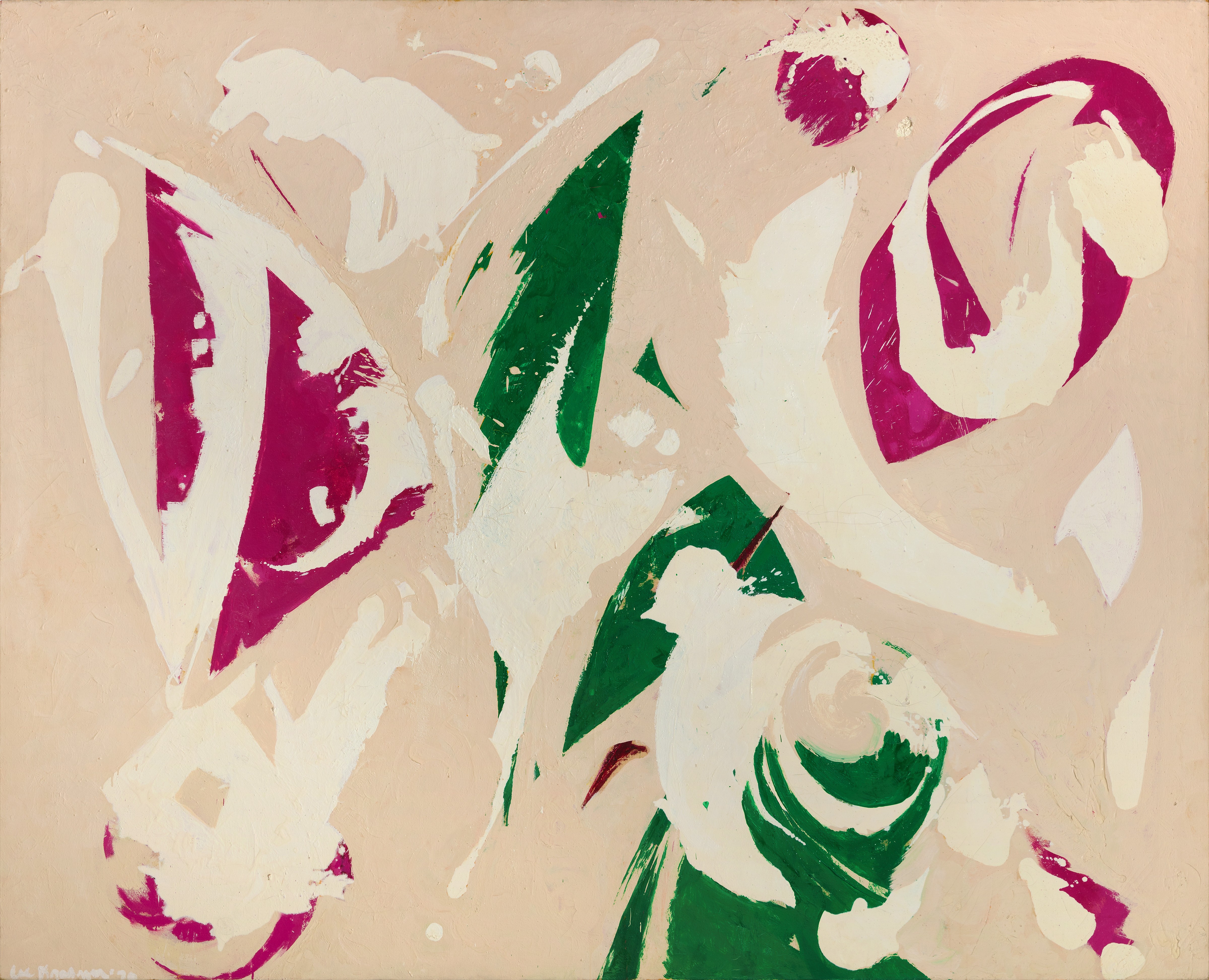
Ibrahim Mahama, Lee Krasner, Oscar Murillo, Tracey Emin and more: the exhibitions that turn Art Basel Paris week into something larger than a fair.

From a £5 million Brueghel and three major Alice Neel sales to George Rickey, global modernism and a £675,000 Triceratops skull, Frieze Masters rewarded collectors who looked beyond categories.