
October 12, 2026
Articles
Articles
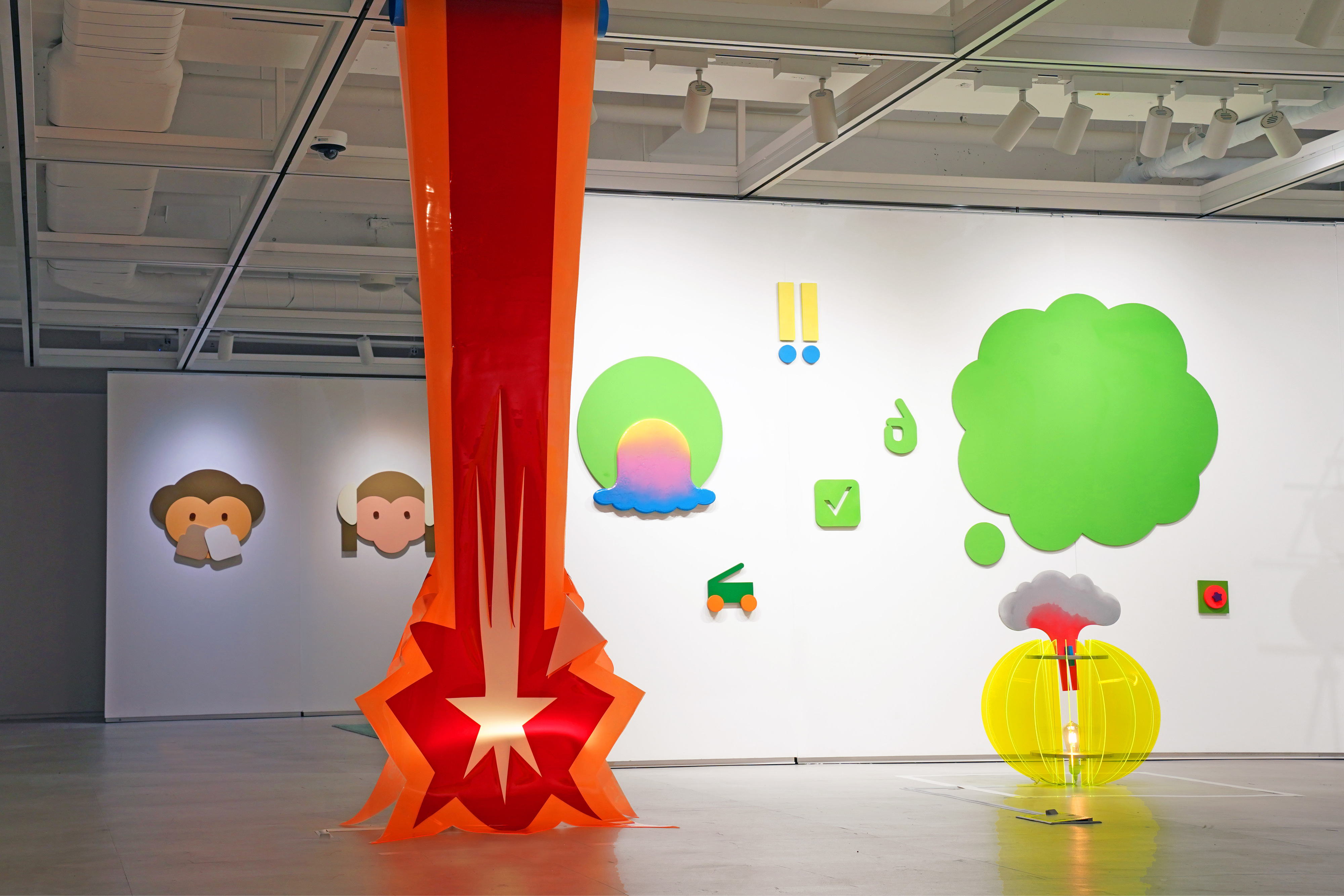
Yelin Lee's Ghost Play transforms emojis into sculpture, uses chroma-key screens and a two-minute delay, and turns visitors into their own fleeting afterimages.
The most influential decisions shaping the future of art are rarely made in auction rooms or beneath the glare of international art fairs. They happen quietly, often behind the closed doors of museum acquisition committees, curatorial departments and scholarly research centres. As museums around the world rethink what they collect and why they collect it, they are doing something far more significant than expanding their collections—they are redefining art history itself.
The most influential decisions shaping the future of art are rarely made in auction rooms or beneath the glare of international art fairs. They happen quietly, often behind the closed doors of museum acquisition committees, curatorial departments and scholarly research centres. As museums around the world rethink what they collect and why they collect it, they are doing something far more significant than expanding their collections—they are redefining art history itself.
There is a tendency within the art world to look towards the market when attempting to understand what matters. Headlines are dominated by auction records, blockbuster exhibitions and extraordinary prices achieved by artists whose works have become increasingly sought after. Yet the institutions most responsible for determining artistic significance have always operated according to a different timetable.
Museums do not think in months or fiscal quarters. The world's leading institutions are making decisions that will influence how contemporary art is understood not simply over the next decade, but over the next century.
What they choose to acquire today will shape future scholarship, influence curatorial narratives and ultimately determine which artistic voices are preserved for generations to come.
The quiet transformation currently taking place inside museums worldwide may prove to be one of the most important cultural developments of our time.
The Museum as Cultural Architect
Historically, museums were often described as custodians of artistic heritage. Their primary role was to preserve and present the cultural achievements of previous generations. Today, however, museums are increasingly assuming a more active and ambitious responsibility.
They are becoming cultural architects.
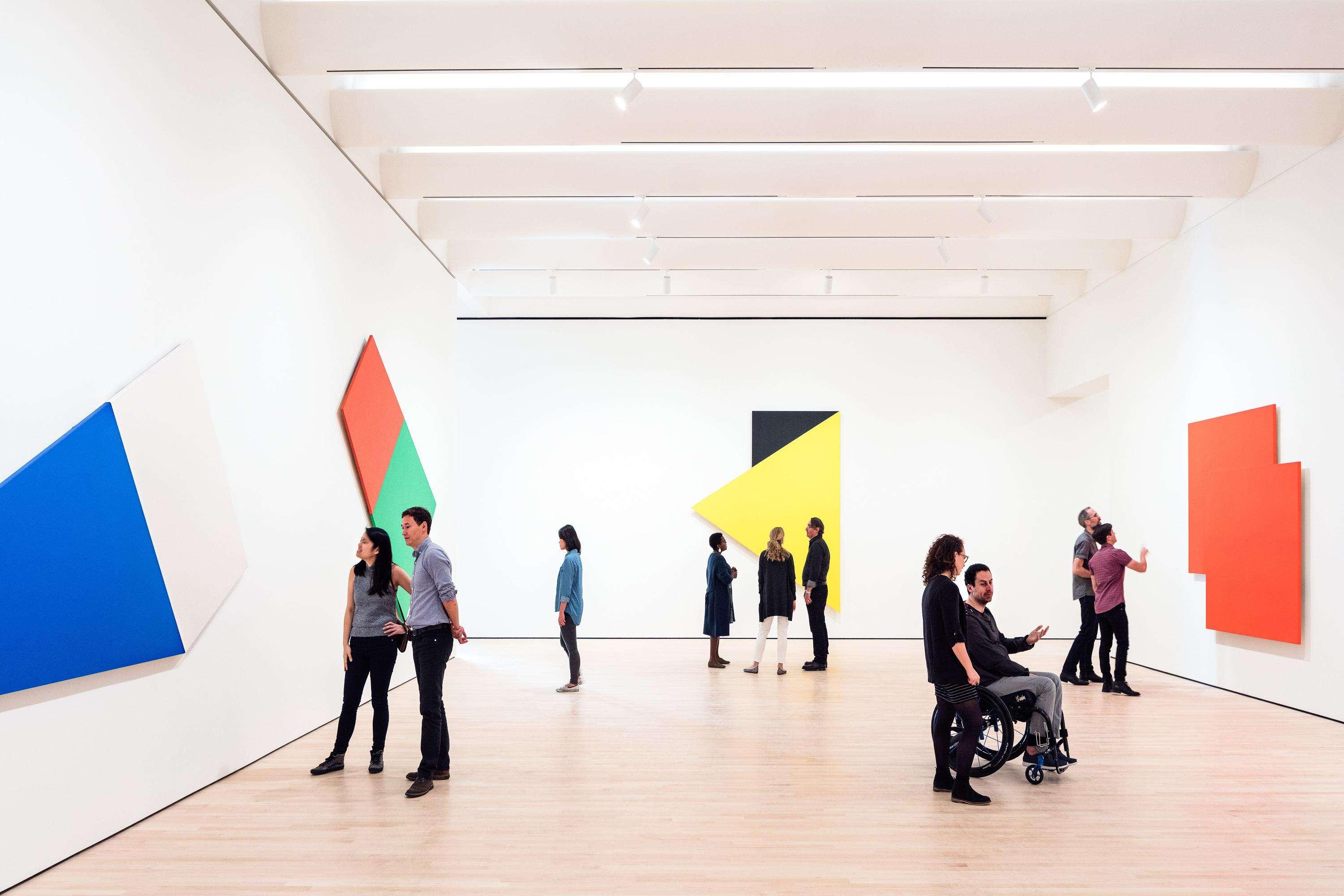
Contemporary museums are no longer simply collecting masterpieces. They are actively asking fundamental questions about artistic representation, cultural memory and historical context. Which artists have been overlooked? Which artistic movements deserve greater scholarly attention? What stories have yet to be properly told?
These questions are shaping acquisition strategies at institutions across the world.
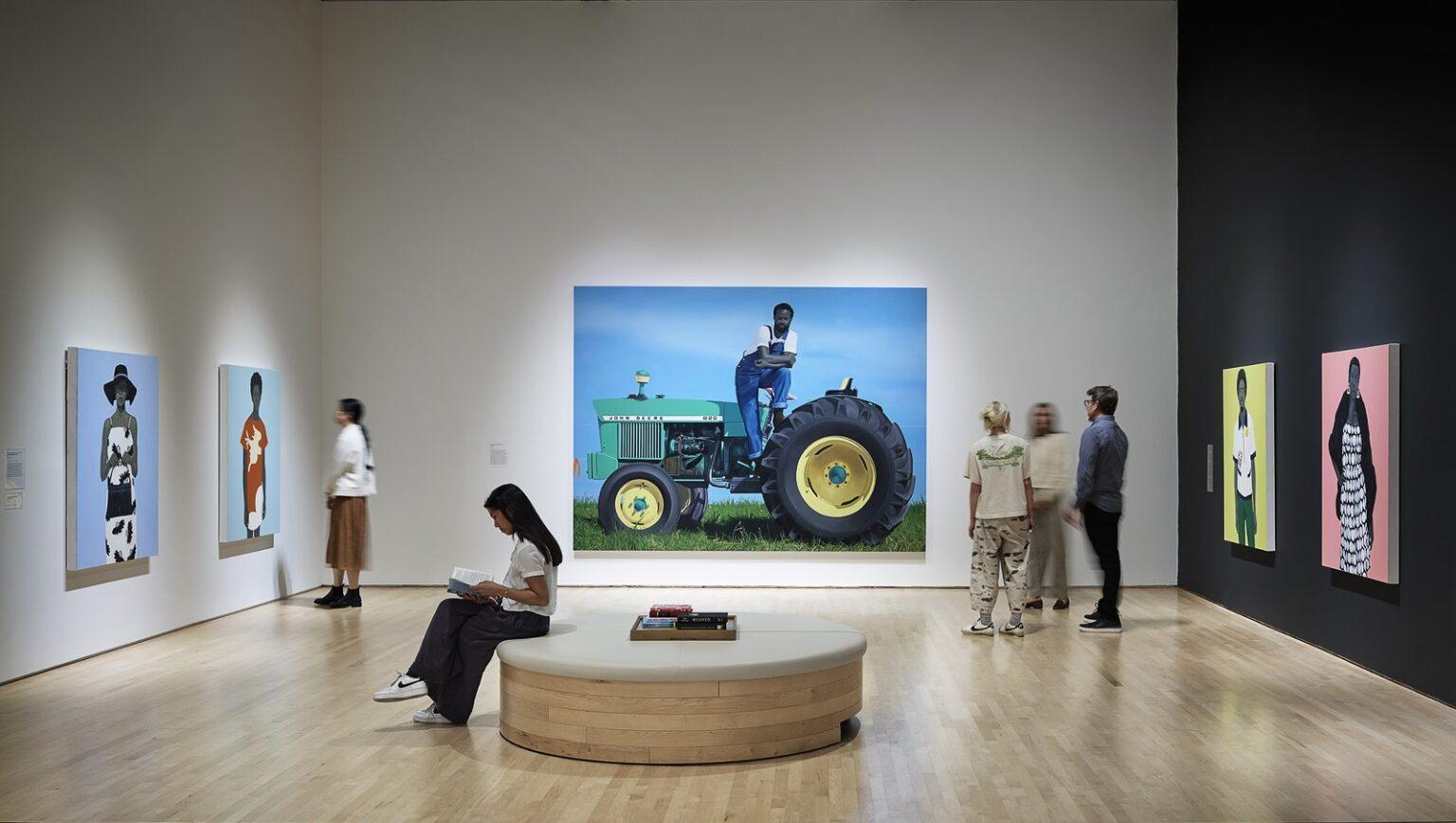
One of the clearest recent examples can be seen at the San Francisco Museum of Modern Art. In July 2026, SFMOMA announced the acquisition of more than ninety modern and contemporary works spanning photography, sculpture, design, craft, media art and architecture, alongside the approval of more than 250 gifts of art entering the museum's collection. The breadth of the acquisitions is striking not simply because of their number, but because of what they reveal about contemporary museum collecting priorities. (SFMOMA)
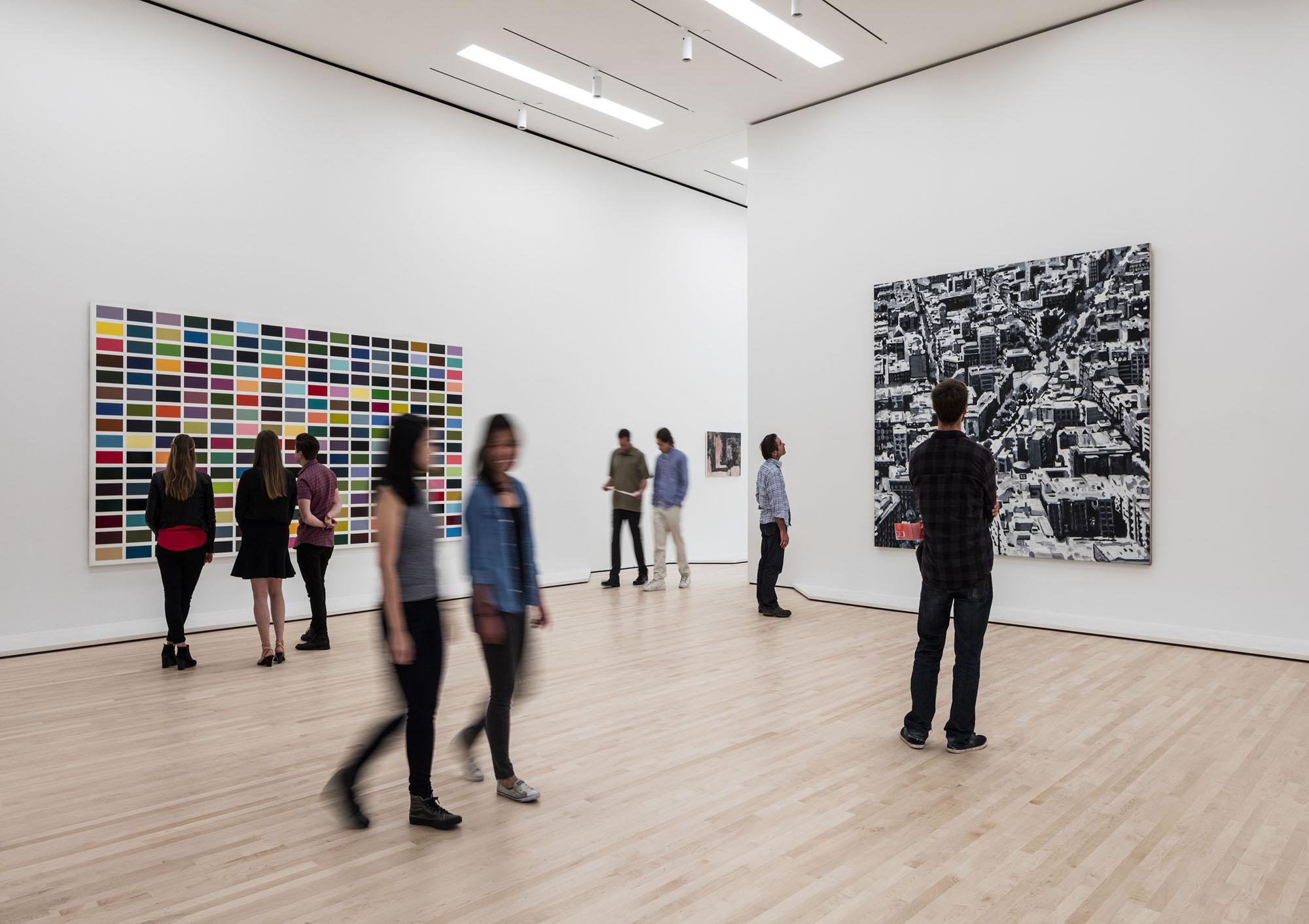
Rather than pursuing a narrow or market-led approach, the acquisitions reflect an institutional commitment to global artistic voices, interdisciplinary practice and the continued expansion of scholarly narratives.
This is increasingly becoming the norm among major institutions.
Museums Are Collecting Ideas as Much as Objects
Perhaps the greatest misconception surrounding museum collections is that institutions merely acquire artworks.
In reality, museums collect ideas.
Every acquisition represents an intellectual decision. Museums are acquiring opportunities for future exhibitions, research projects, conservation initiatives and academic scholarship. They are investing in artistic practices that may continue to reveal new historical and cultural significance for decades to come.
This has become particularly evident in the growing institutional interest surrounding artists whose contributions have historically been underrepresented within traditional art historical narratives.
Contemporary museum collections increasingly reflect:
The result is a much broader and more sophisticated understanding of what constitutes artistic significance in the twenty-first century.
The Return of Scholarship
While scholarship may not generate headlines in the same way as a record-breaking auction result, it remains one of the most influential forces shaping museum collections.
Leading institutions are investing heavily in research programmes, conservation departments, academic partnerships and curatorial fellowships. Museums are increasingly recognising that the long-term value of their collections depends not only upon the works themselves but upon the scholarship that surrounds them.
The Metropolitan Museum of Art's Leonard A. Lauder Research Center for Modern Art is one such example of the growing emphasis placed upon academic research and international collaboration. Its initiatives continue to support scholars working across disciplines and geographies, contributing significantly to how modern and contemporary art is studied and interpreted. Museums increasingly understand that scholarship is not an accessory to collecting—it is fundamental to it.
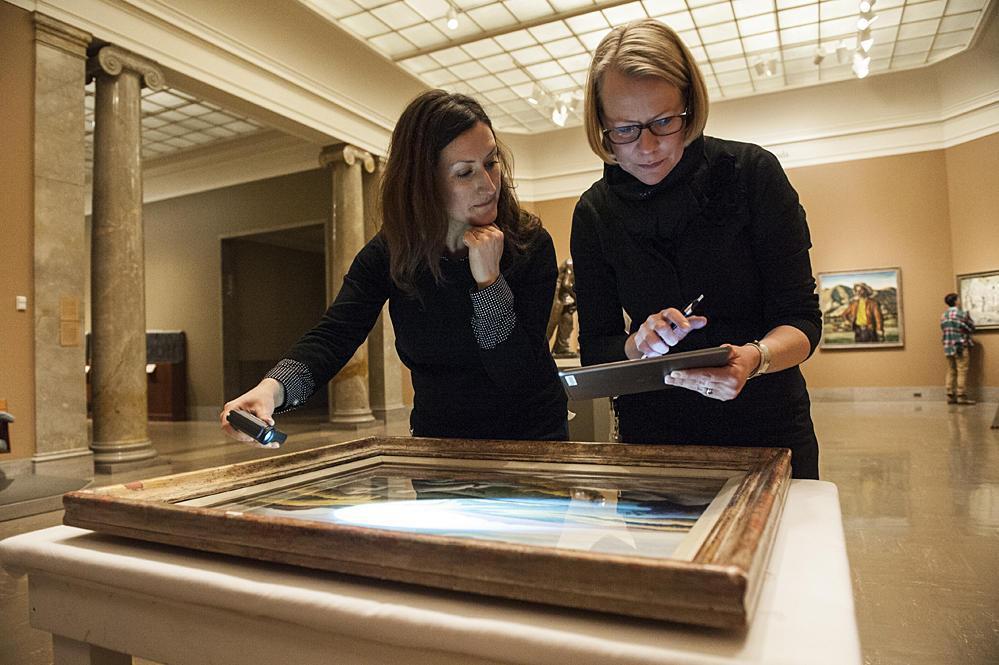
This renewed commitment to research signals an important shift within the museum sector. Institutions are looking beyond immediate cultural conversations and investing in the deeper intellectual frameworks that will support future generations of scholars and visitors alike.
The Biennale Effect
If museums determine what enters cultural memory, biennials often provide a glimpse of where that memory may be heading.
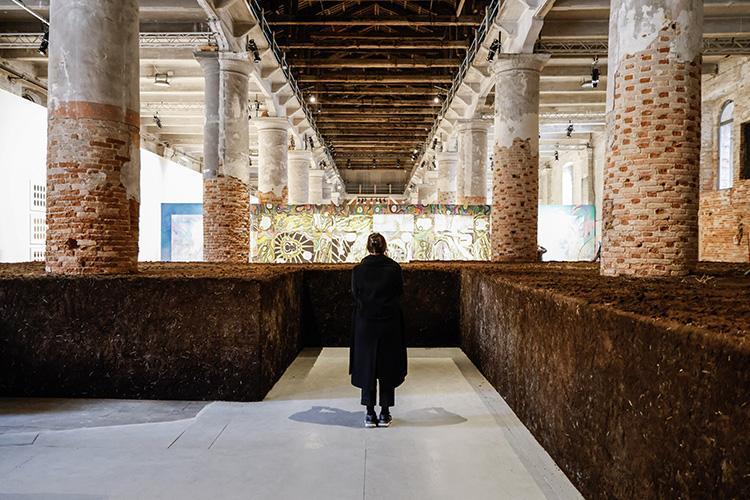
The Venice Biennale remains one of the world's most influential platforms for contemporary artistic practice. Curators and museum professionals from every major institution pay close attention to the artists, themes and conversations emerging from Venice because they frequently influence future museum programming and acquisitions.
The Biennale has never been about predicting markets. Instead, it functions as a cultural laboratory.
Artists who first receive significant institutional attention through major biennials frequently go on to feature in museum exhibitions, scholarly publications and international collections. What begins as curatorial interest today may eventually become an important chapter within art history tomorrow.
For museums, Venice remains an invaluable opportunity to engage with emerging artistic voices and evolving cultural narratives before they enter the mainstream.
A Global Museum Renaissance
The museum sector is currently experiencing one of the most ambitious periods of development in recent history.
Major institutional projects continue to redefine how museums present and interpret their collections. New buildings, expanded collections and innovative curatorial approaches are reshaping cultural institutions around the world.
Projects including:
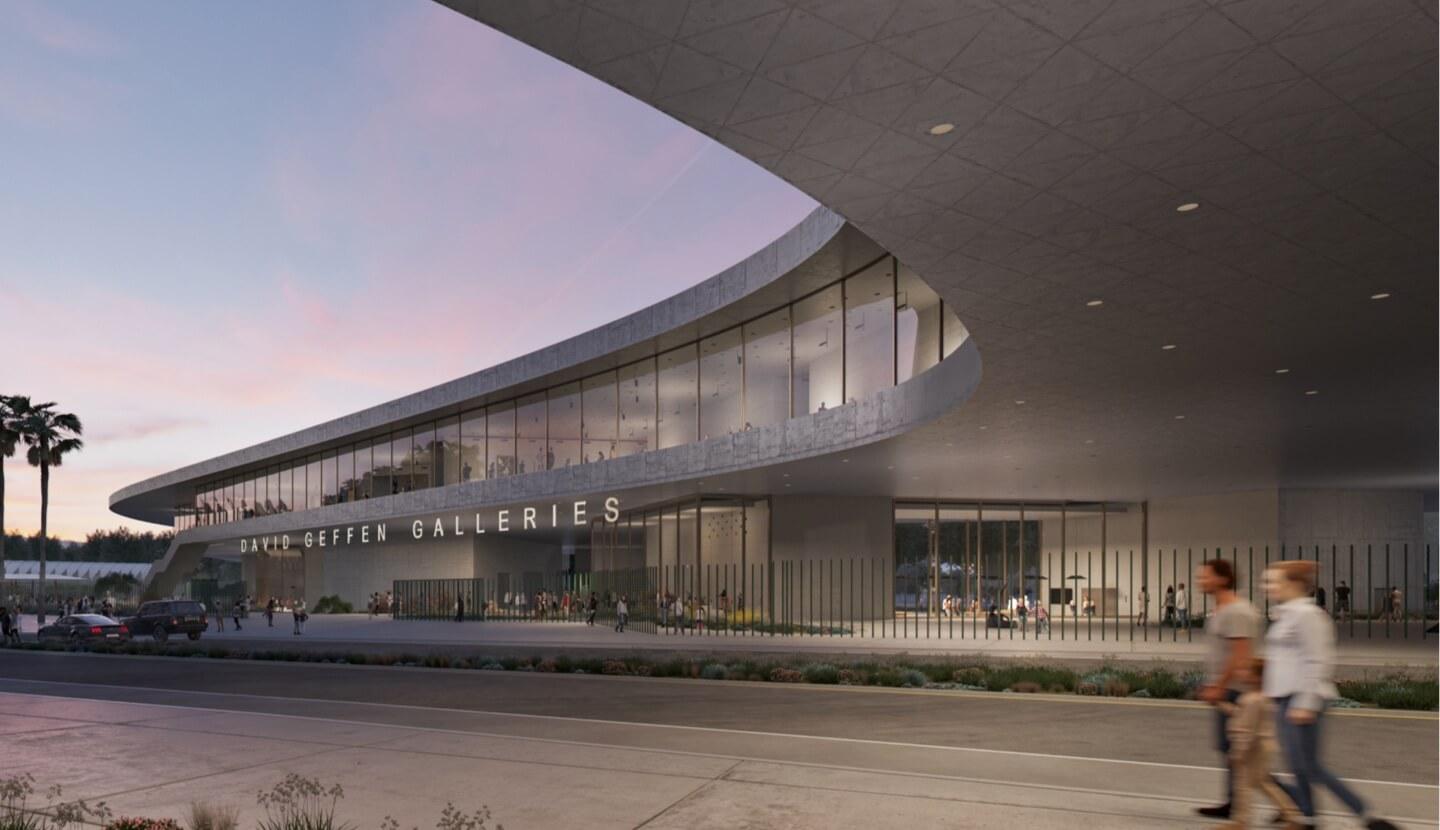
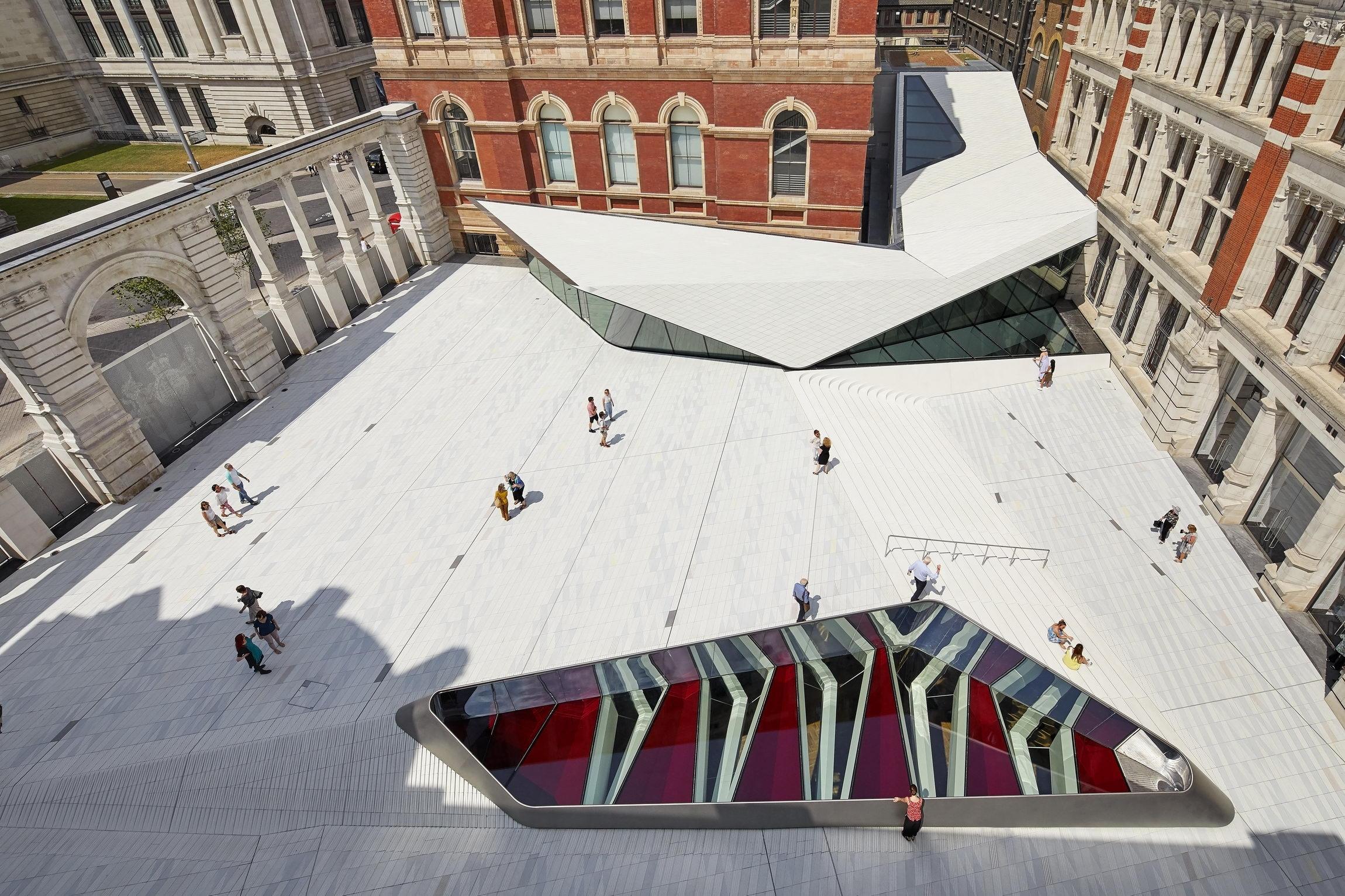
demonstrate that museums are increasingly positioning themselves as global cultural platforms rather than simply repositories of art.
Architecture, scholarship and collecting have become inseparable elements of the contemporary museum experience.
These institutions are asking increasingly sophisticated questions about how collections should be displayed, whose stories should be represented and how museums can remain culturally relevant within rapidly changing societies.
Perhaps the most significant lesson emerging from recent institutional developments is that museums are increasingly looking beyond conventional market signals when determining artistic significance.
Auction results remain important indicators of demand. Museums, however, operate according to entirely different priorities.
Institutional acquisitions are more likely to be informed by:
This distinction is worth remembering.
The market often asks which artists are valuable today. Museums are asking which artists will still matter fifty or one hundred years from now.
The future of art history is not being written solely in commercial galleries or auction houses. It is being shaped quietly and deliberately within museums by curators, scholars, conservators and acquisition committees whose decisions will influence cultural understanding for generations to come.
Museums have become some of the most powerful storytellers in contemporary culture. Their collections are no longer static records of the past but evolving reflections of who we are and what we believe deserves to be remembered.
The quiet work of institutional collecting may not always capture public attention in the way that headline-making sales do. Yet its influence is far more enduring.
Long after markets have risen and fallen, museum collections will remain. Within their galleries future generations will discover not only the art of our time, but the values, questions and ideas that defined it.
And perhaps that is the most important reminder of all: museums are not merely preserving art history—they are creating it.
Yelin Lee's Ghost Play transforms emojis into sculpture, uses chroma-key screens and a two-minute delay, and turns visitors into their own fleeting afterimages.
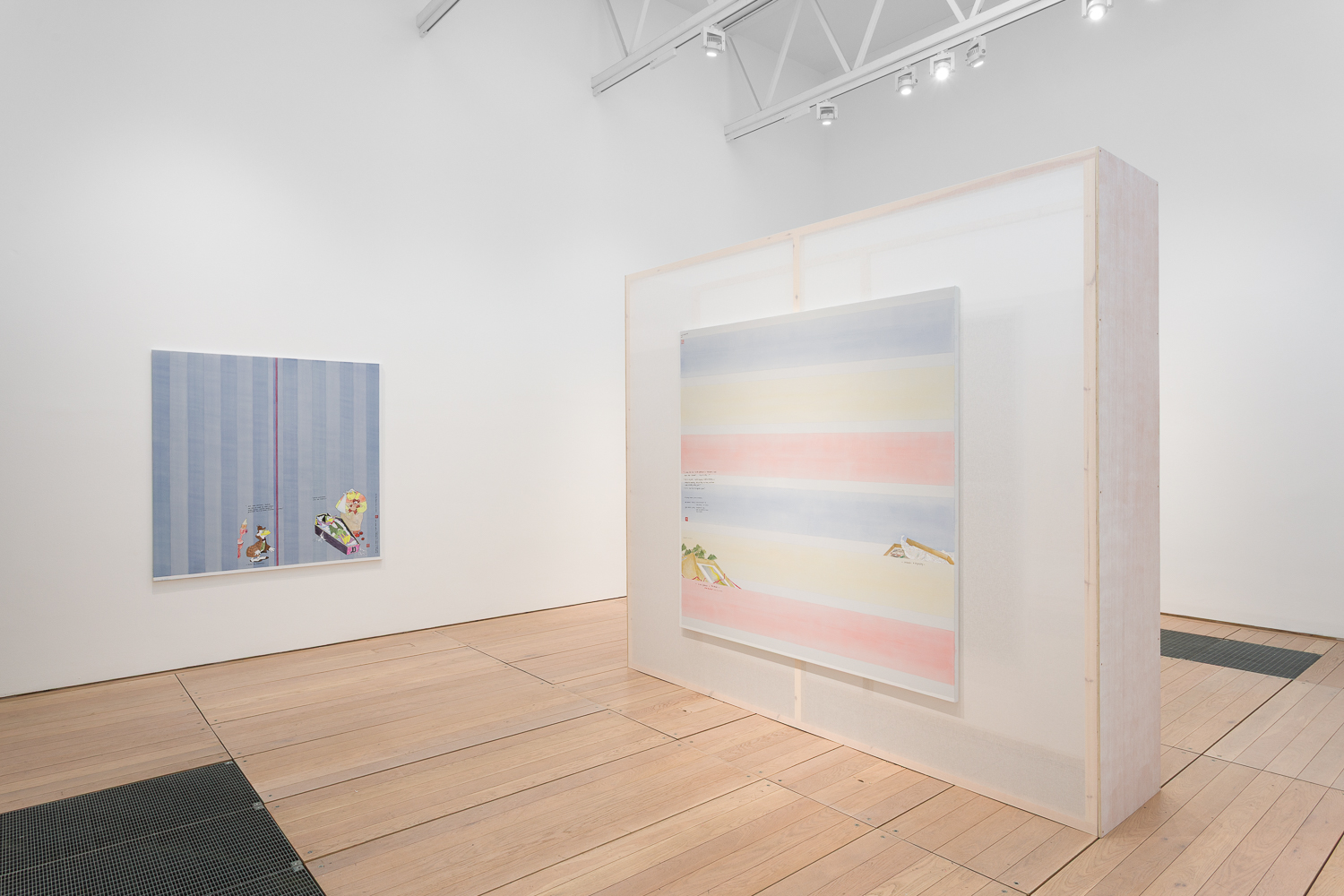
In her first UK institutional exhibition, Evelyn Taocheng Wang turns mistranslation, Agnes Martin, Chinese literati painting and fantasies of Britain into a deliberately unstable language of identity.
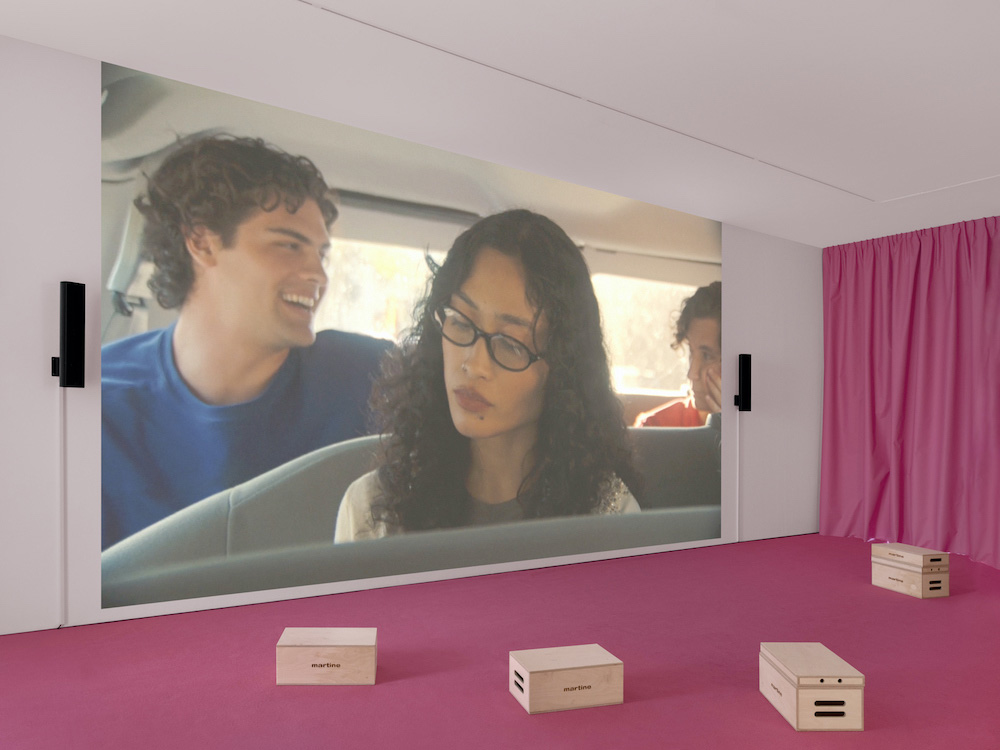
From Robert Ryman and Lorna Simpson to Mary Ramsden, Martine Syms and Nicola Turner, the strongest London route during Frieze week begins outside the fair.