
October 12, 2026
Articles
Articles
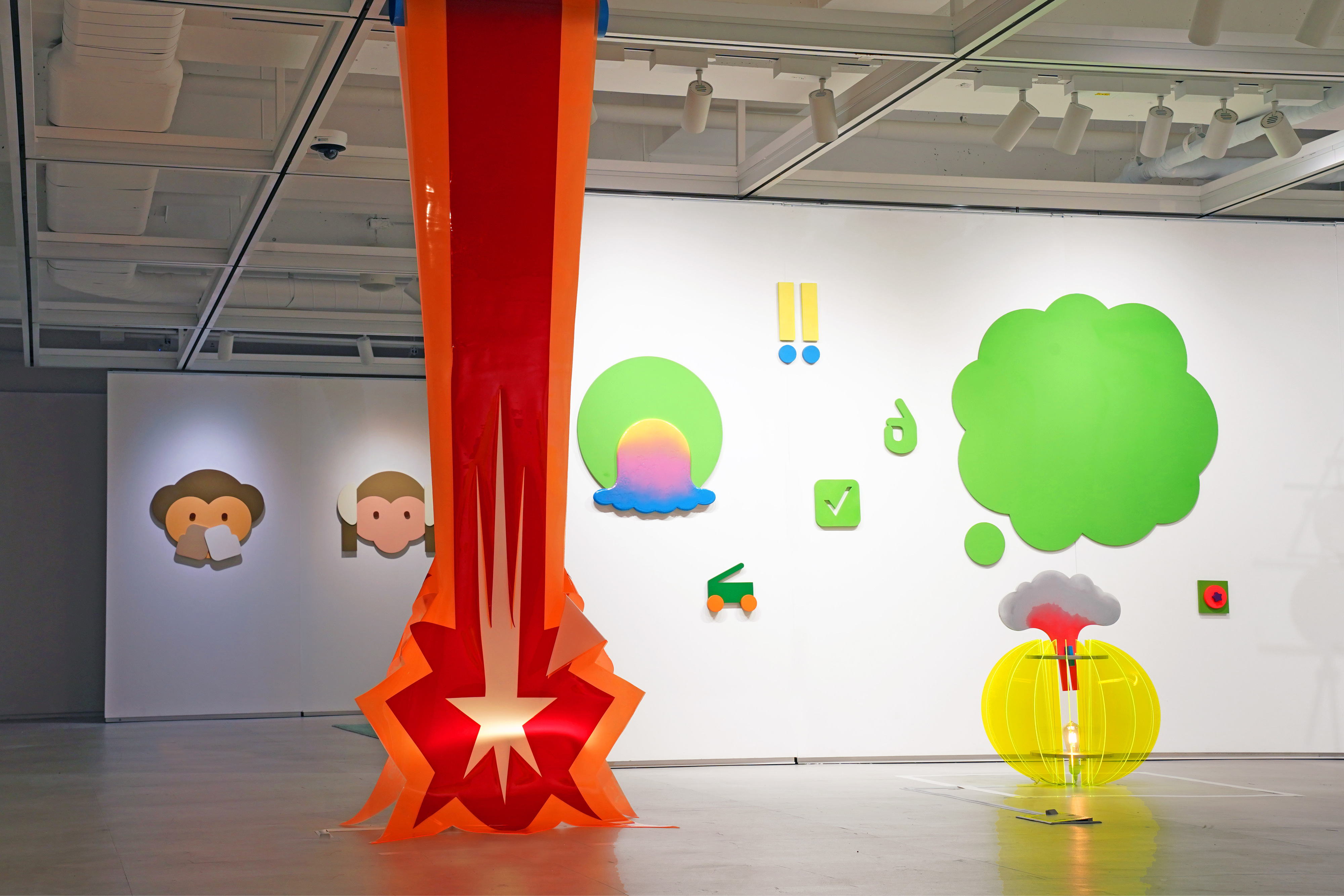
Yelin Lee's Ghost Play transforms emojis into sculpture, uses chroma-key screens and a two-minute delay, and turns visitors into their own fleeting afterimages.
Jeanne-Marie de Broglie spent four decades helping Christie’s establish itself in France while creating interiors that resisted the separation of modern art, historic furniture and daily life. Her Rue Washington apartment offers a model of the collector’s home as social space, personal archive and evolving composition.
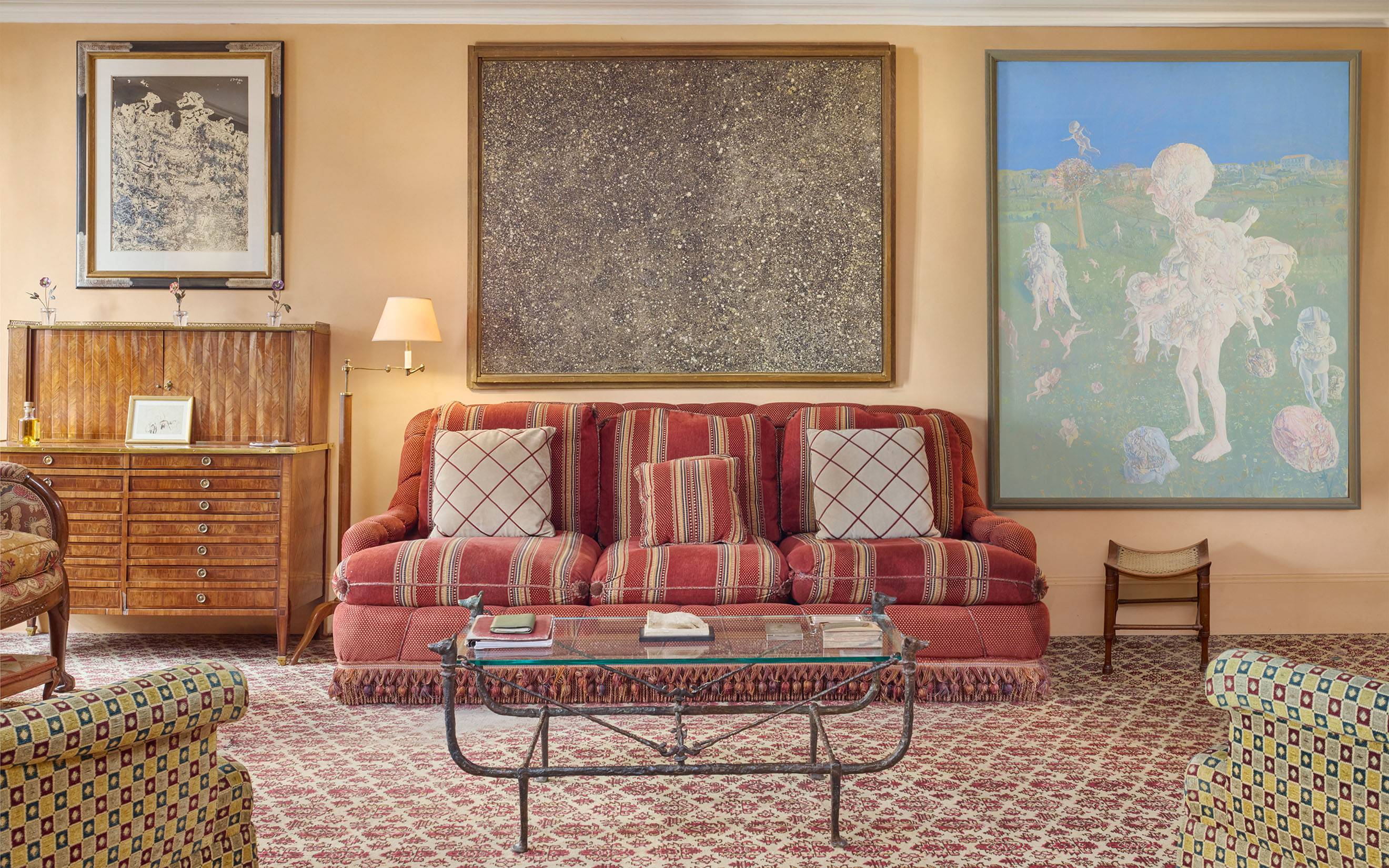
Some collector homes are memorable because every object is exceptional. Others stay with you because the objects appear to know one another. Jeanne-Marie de Broglie’s Paris apartment belonged to the second category. A Dubuffet could hang over historic furniture; a unique Diego Giacometti table could sit in the centre of the room; jewellery, books, lamps and personal objects remained visible enough to make it clear that this was a home rather than an installation.
Christie’s sale of more than 150 lots from de Broglie’s Paris apartment and summer home, La Vignerme in L’Isle-sur-la-Sorgue, is therefore interesting beyond the auction estimates. It provides a rare visual record of how a formidable art-world figure actually lived with her collection.
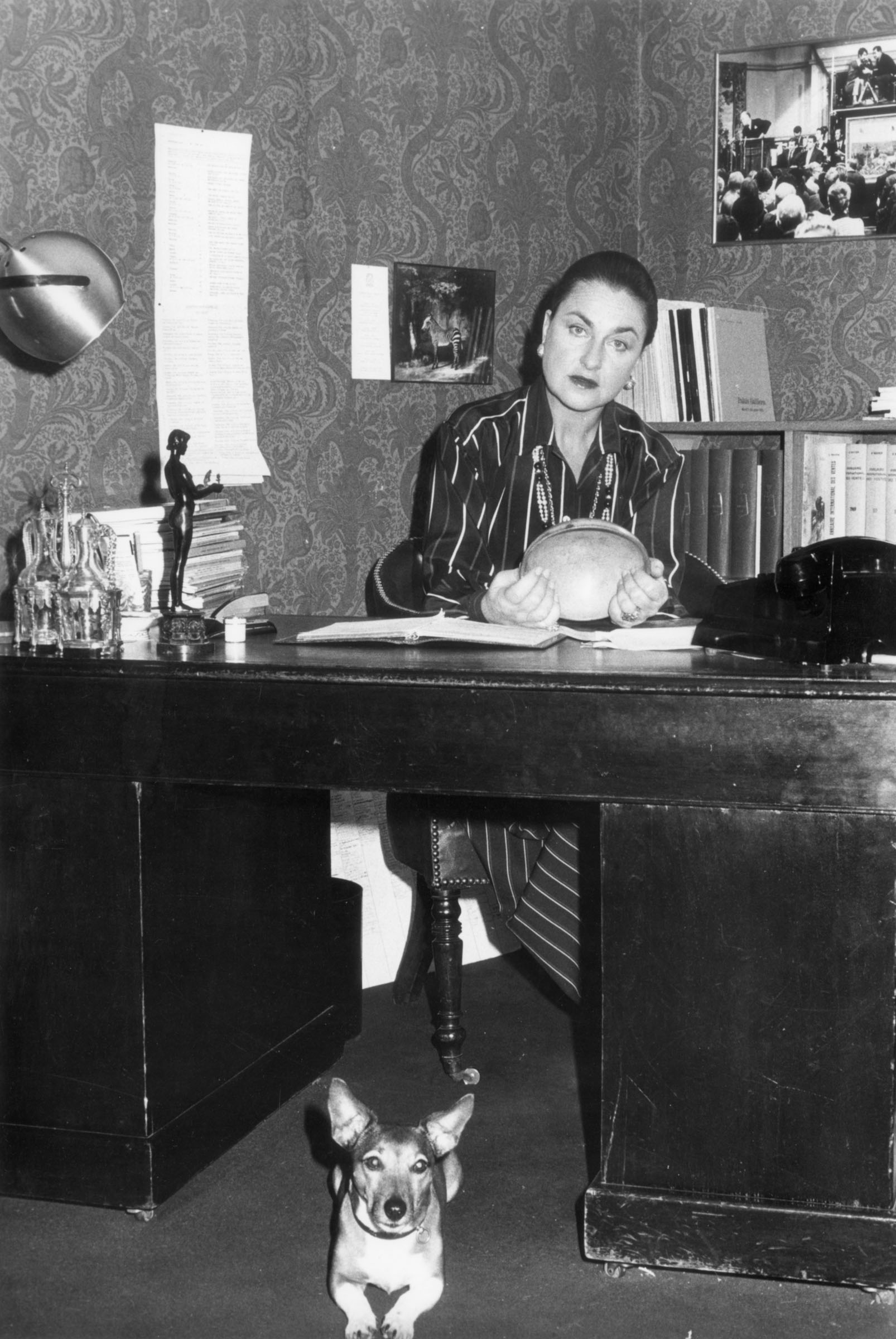
Born into a Polish-French aristocratic family, de Broglie resisted the narrow expectations attached to her social position. She joined the Resistance figure Daniel Cordier in his Paris gallery, where his avant-garde interests met her ability to bring artists, curators, writers and society into the same room. Their dinners became part of the gallery’s cultural ecosystem.
In 1968 she met Christie’s chairman Peter Chance and accepted an invitation to represent the auction house in Paris. Over the next four decades she became one of the people responsible for translating the culture of the British auction house into French collecting life, eventually becoming Christie’s first Chairwoman, Europe.
Her Rue Washington home functioned less like a pristine display space than a salon. The people around the collection mattered. Dubuffet, Georg Baselitz and Claude and François-Xavier Lalanne were not distant signatures but artists within de Broglie’s world. Diego Giacometti’s unique Berceau coffee table makes that intimacy tangible: commissioned around 1981, it incorporates the figure of her beloved Jack Russell, Séraphine.
This is the kind of provenance that changes how an object is understood. The table is not merely a desirable example of Diego Giacometti’s furniture. It records a specific friendship and a domestic joke, attaching the work to the person and room for which it was made. For collectors of design, this is precisely why primary commissions and documented relationships can be more meaningful than generic market rarity.
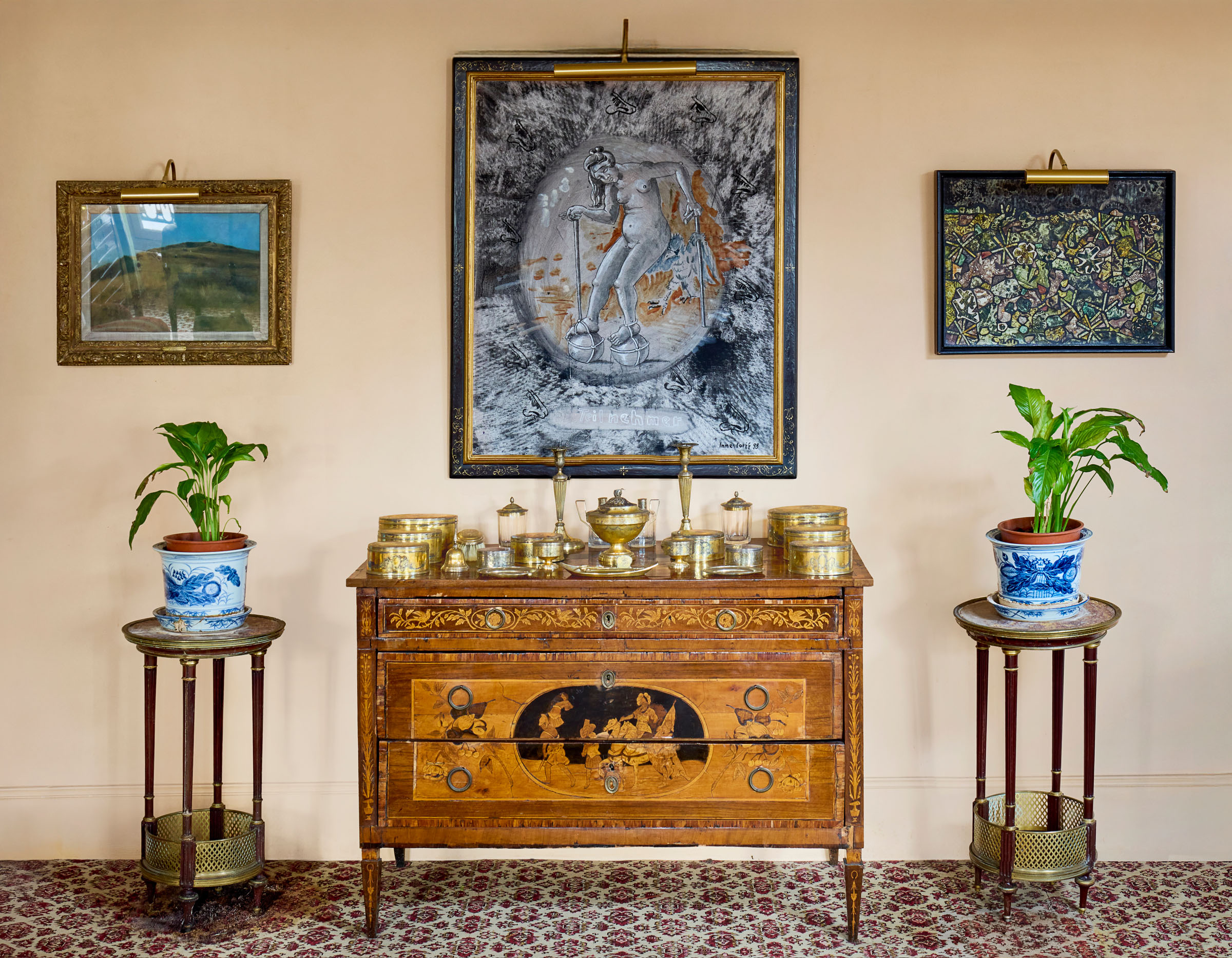
Claude Lalanne’s unique Structure végétale chandelier from 2000 offers another lesson in living with collectible design. Its botanical language is unmistakable, but in de Broglie’s world it was not treated as an isolated design trophy. It belonged to a room already dense with paintings, furniture and memory.
That mixing is useful at a moment when collectible design is increasingly entering contemporary-art collections. The most persuasive interiors do not need art and design to compete for hierarchy. A strong object can retain its autonomy while contributing to the rhythm of a room.
De Broglie’s eye was not limited to friendships. Christie’s notes that she acquired Léon Spilliaert and Dado before their broader market recognition. Works by earlier figures including Degas and Dante Gabriel Rossetti also entered the collection. This was not eclecticism for its own sake; it reflected a collector comfortable moving between periods because the home, rather than a market category, provided the final context.

The resulting interior has an important quality that is difficult to manufacture: accumulated time. Objects entered at different moments, for different reasons, and were allowed to coexist. That is usually more compelling than buying an entire interior in one coordinated campaign.
For ARTCOLLECTORHOMES, de Broglie’s apartment is a useful antidote to the idea that serious art needs a neutral backdrop. The strongest rooms rely on relationships — between object and owner, art and furniture, architecture and use. Personal objects are not a distraction from the collection; often they are what make the collection legible as a life rather than a portfolio.
De Broglie’s importance to the French art market makes the collection especially revealing. Before Christie’s, she worked alongside Daniel Cordier, the Resistance hero turned dealer whose gallery became an important platform for post-war and avant-garde art. The experience placed her unusually close to artists at the stage when careers, friendships and intellectual arguments were still forming rather than being codified by auction departments. When she joined Christie’s in Paris in 1968, that social intelligence became part of the auction house’s expansion in France.

La Gazette Drouot’s obituary described her as a major figure in the French market and recalled her role in opening Christie’s Paris office. That institutional history helps explain why the apartment never reads like the home of a collector who approached art only through sales catalogues. The collection was formed by someone who knew the mechanisms of the market intimately but also knew what it meant to encounter work through studios, galleries, friendships and long conversations.
The Diego Giacometti Berceau table is the clearest example. Christie’s catalogue records that de Broglie commissioned it directly from the artist around 1981 and that the unique work incorporates Séraphine, her Jack Russell. This is more than charming provenance. Commissioned furniture can function almost like portraiture: dimensions, motifs and materials are shaped for a person and a room, turning utility into biography.
For collectors entering the design market, such specificity deserves attention. A unique commission with secure documentation can be more important than a standard example of a famous model, but uniqueness alone is not enough. The quality of the design, its relationship to the maker’s wider practice and the evidence connecting patron, maker and object are what give the story weight.

De Broglie’s mix of Degas, Dubuffet, Dado, Giacometti, Lalanne, historic furniture and personal objects also demonstrates a skill that highly specialised markets can discourage: the ability to make visual judgements across periods. That does not mean expertise becomes optional. It means a collector can allow one room to hold objects with different histories without forcing them into the same category.
The result is useful for contemporary collectors now moving into design. A nineteenth-century drawing does not become less serious beside a twentieth-century bronze table, and an artist-designed chandelier does not need to pretend to be sculpture in order to matter. The collector’s role is to understand each object on its own terms and then decide whether the conversation between them earns its place in the home.
Collection Jeanne-Marie de Broglie is on view at Christie’s Paris from 25–30 September 2026, with the sale on 30 September.
Yelin Lee's Ghost Play transforms emojis into sculpture, uses chroma-key screens and a two-minute delay, and turns visitors into their own fleeting afterimages.
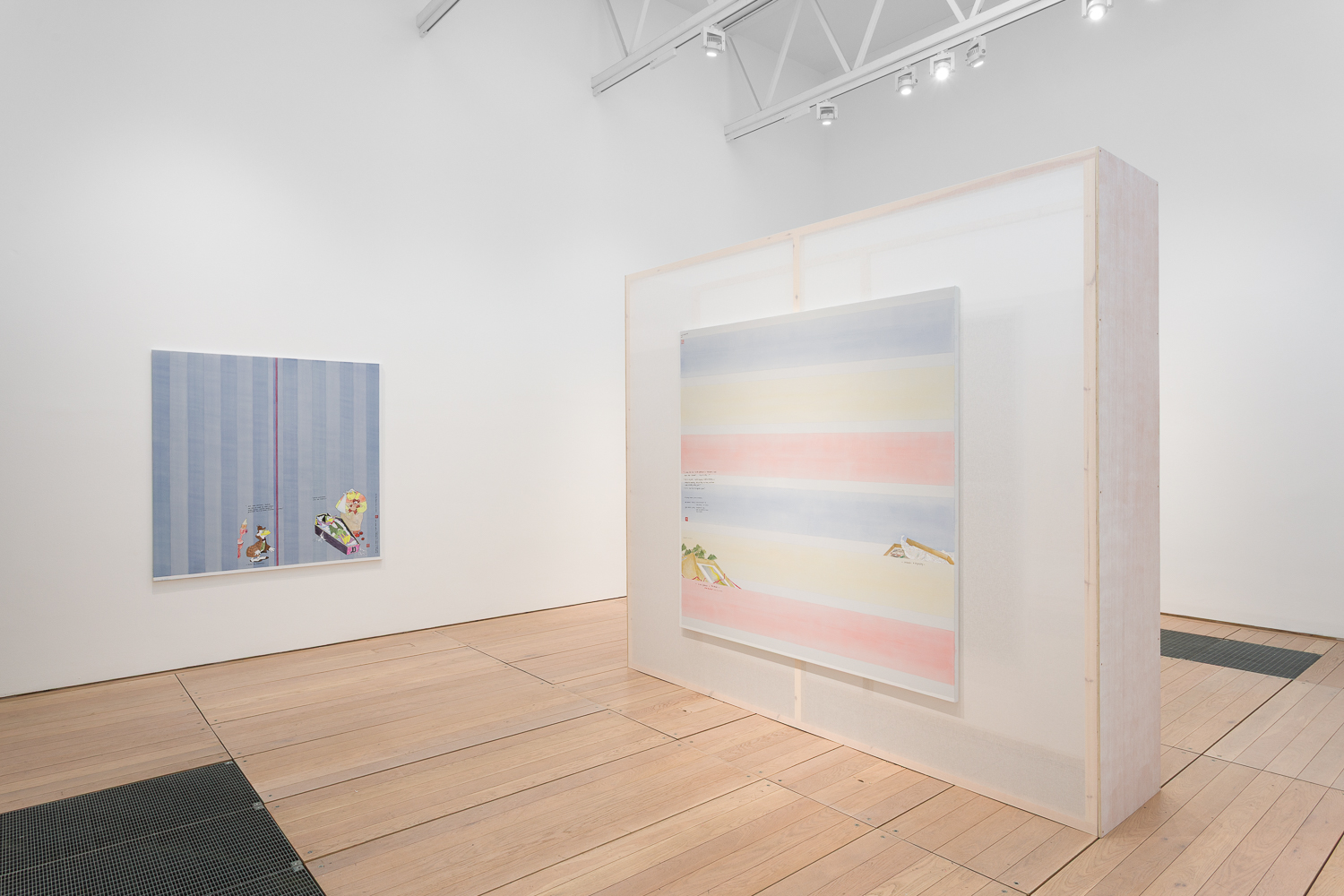
In her first UK institutional exhibition, Evelyn Taocheng Wang turns mistranslation, Agnes Martin, Chinese literati painting and fantasies of Britain into a deliberately unstable language of identity.
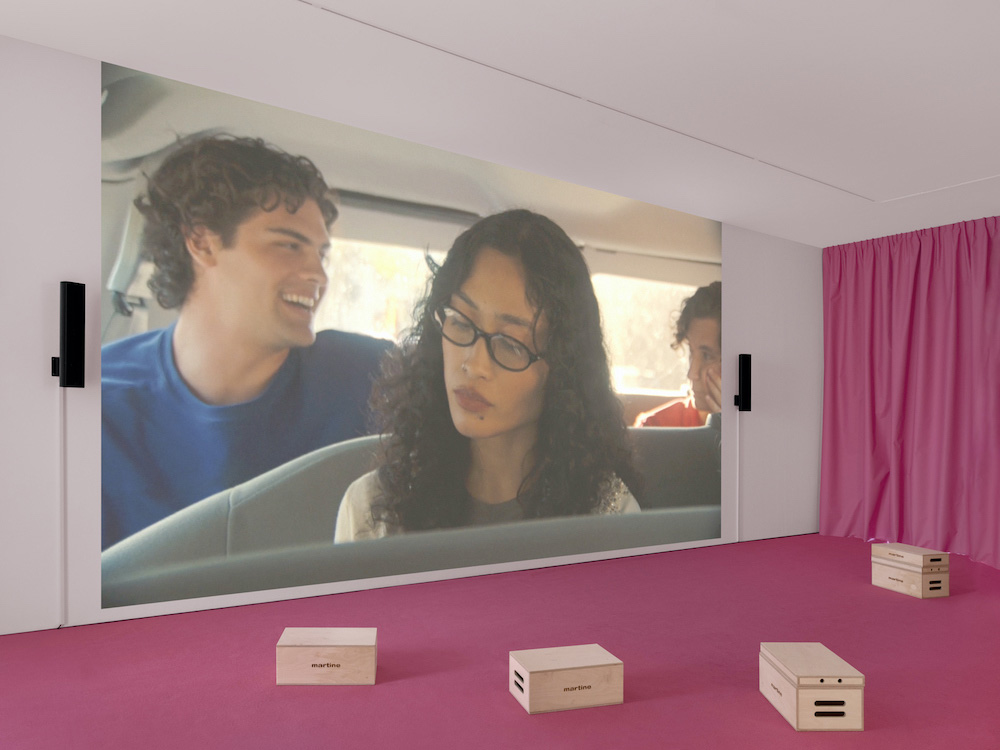
From Robert Ryman and Lorna Simpson to Mary Ramsden, Martine Syms and Nicola Turner, the strongest London route during Frieze week begins outside the fair.