
October 17, 2026
Exhibitions
Exhibitions

Nearly 150 works from RM’s collection meet SFMOMA in a major exhibition of Korean modern and contemporary art. Its real lesson is how a private collection develops a coherent eye.
Thaddaeus Ropac’s representation of Denzil Forrester places one of Britain’s great painters of dub, dancehall and Black social space inside a new international chapter.
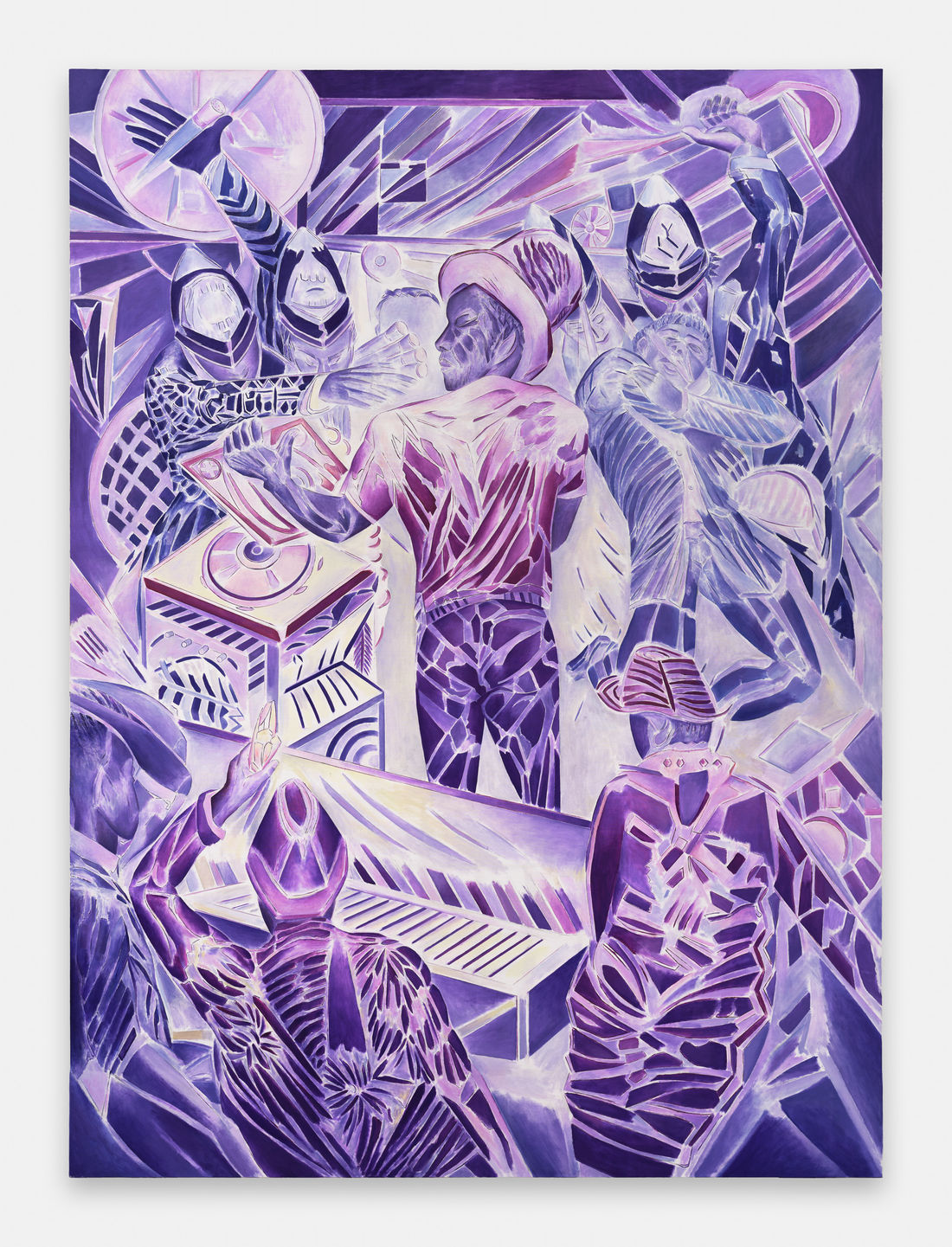
Denzil Forrester’s paintings begin in places where looking is difficult. In the dub and reggae clubs of 1980s London, light was low, bodies moved constantly and a song might last only four or five minutes. Forrester learned to draw at the speed of a record. He could produce dozens of sketches in a night, then return to the studio and expand those compressed observations into paintings in which colour, movement and memory become inseparable.
That practice now enters a new institutional and commercial chapter. Thaddaeus Ropac has announced representation of Forrester and presented his work at Frieze London 2026, placing one of Britain’s most distinctive painters of nightlife, sound and Black social space inside a gallery programme with substantial international reach.
Forrester was born in Grenada in 1956 and moved to London in 1967. He studied at the Central School of Art and Design and later the Royal College of Art. The clubs around Dalston and Stoke Newington became an informal second academy. He drew in darkness while sound systems reorganised the room.
The method is crucial. The short duration of a record prevented over-description. A drawing had to find structure quickly: the arc of a dancer, the pressure of a crowd, the geometry of a speaker stack, the way a spotlight cut through smoke. Back in the studio, those observations could be enlarged, repeated and recomposed rather than simply copied.
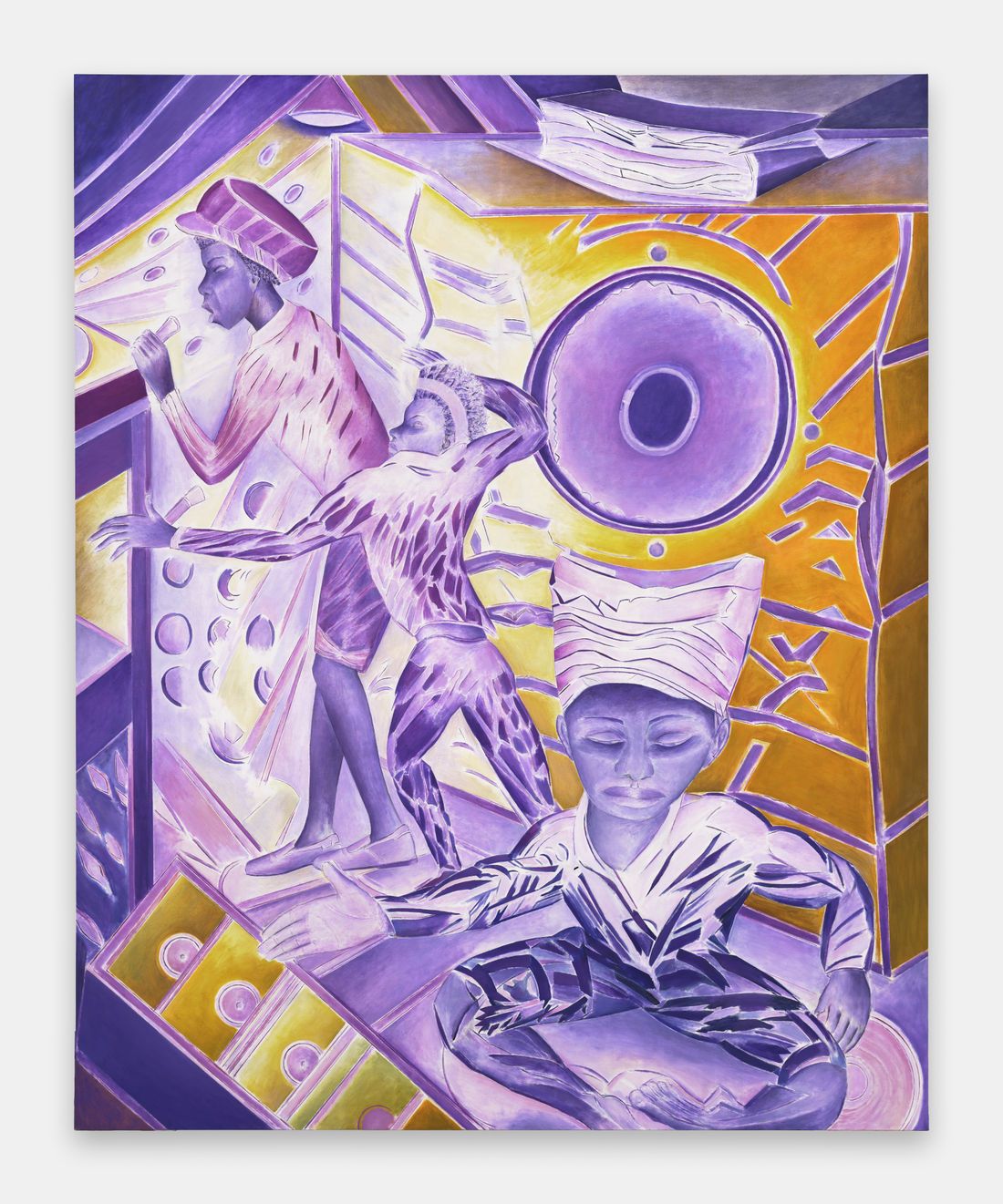
The result is one reason Forrester’s paintings feel musical without merely illustrating music. Dub is built through sampling, echo, delay, repetition and subtraction. His paintings similarly recycle forms across time. A body can return in a different canvas; a remembered club scene can merge with a later drawing; colour can function like reverberation.
For decades, nightlife was often treated by institutions as marginal social imagery rather than a major subject of British painting. Forrester’s work makes that hierarchy difficult to sustain. Clubs were places of pleasure, community and aesthetic invention, but also spaces shaped by racial tension, surveillance and police violence. Joy and threat occupy the same room.
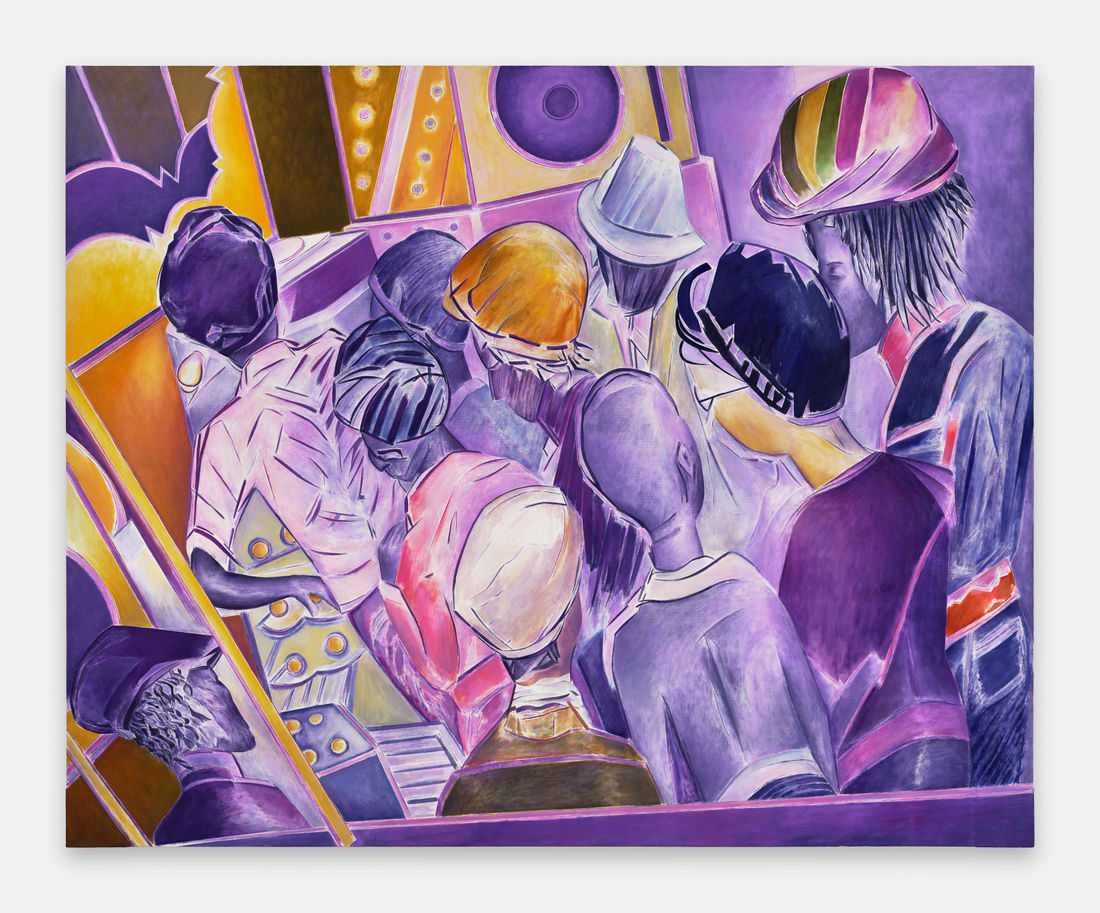
This is particularly visible in works linked to Phebes, the East London club whose atmosphere became central to Forrester’s visual language. The paintings do not preserve the club as documentary evidence. They translate it. Figures are absorbed into fields of colour; perspective bends around sound; individual identities give way to a collective body.
That transformation protects the work from nostalgia. Forrester is not painting a lost London merely because it is lost. He is testing how memory behaves when the event itself was already unstable—dark, loud, crowded and fleeting.
Gallery representation should never be confused with artistic importance. Forrester’s importance predates this announcement by decades. What changes is infrastructure. A major international gallery can support museum loans, publications, conservation, archival research and visibility across several markets at once. For a mature artist whose institutional recognition has accelerated significantly in recent years, that infrastructure can affect how the work is encountered and historicised.
Ropac’s Frieze presentation is therefore more interesting as a signal of consolidation than as a speculative market event. It connects current paintings with an expanding institutional context that includes exhibitions and collection placements across Britain, Europe and the United States.
Forrester is often described through the language of rediscovery. That term can be useful when attention genuinely changes, but it can also erase the people, institutions and communities that were already paying attention. Artists do not disappear simply because a dominant market has not yet decided to look.
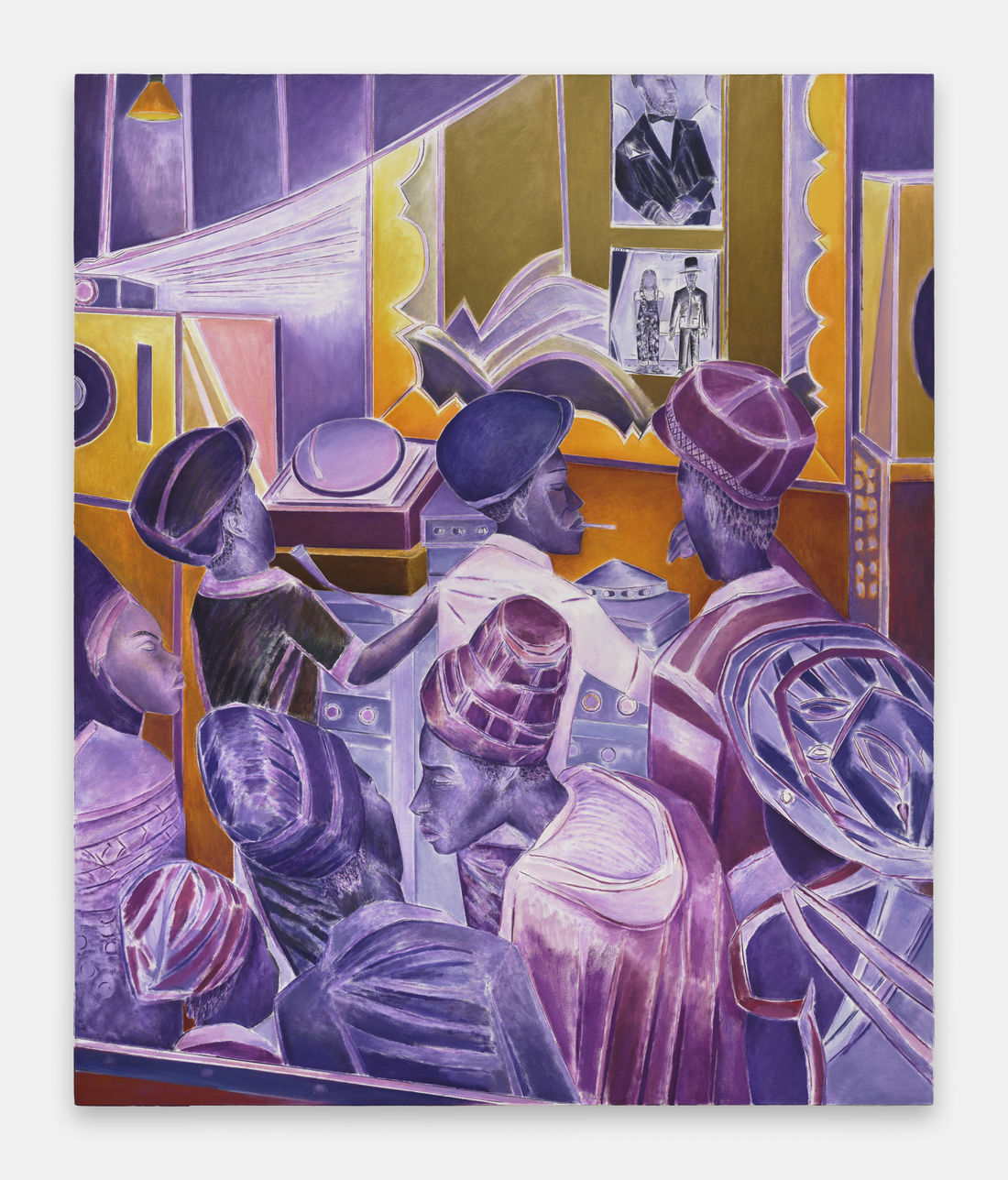
A better way to understand the current moment is as a widening of the frame. Forrester’s work can now be read not only as a record of Black British nightlife but alongside the history of large-scale figurative painting, modern depictions of crowds, the visual culture of sound systems and the relationship between drawing and memory.
Forrester now lives and works in Cornwall, far from the London clubs that formed his early practice. Yet the paintings have not become simply retrospective. The archive of drawings remains active material, and new experience can enter the same pictorial system. This is where the work separates itself from historical illustration: the past is sampled rather than sealed.
Recent paintings such as Yard N16, Yes my selector and Phebes Nights demonstrate how durable the language has become. Colour can be acidic or nocturnal; bodies can dissolve into one another; the room can feel simultaneously observed and imagined.
Collectors approaching Forrester now should resist treating the career as a simple ladder in which early nightclub scenes automatically outrank later work. The relationship between drawing and painting, the recurrence of motifs and the quality of the individual composition matter more than chronology alone.
Provenance and exhibition history are particularly important for works from earlier decades, as is documentation of works on paper. The drawings are not merely preparatory scraps. They are the time-sensitive foundation of the whole practice and often reveal the speed, economy and observational intelligence that the larger paintings transform.
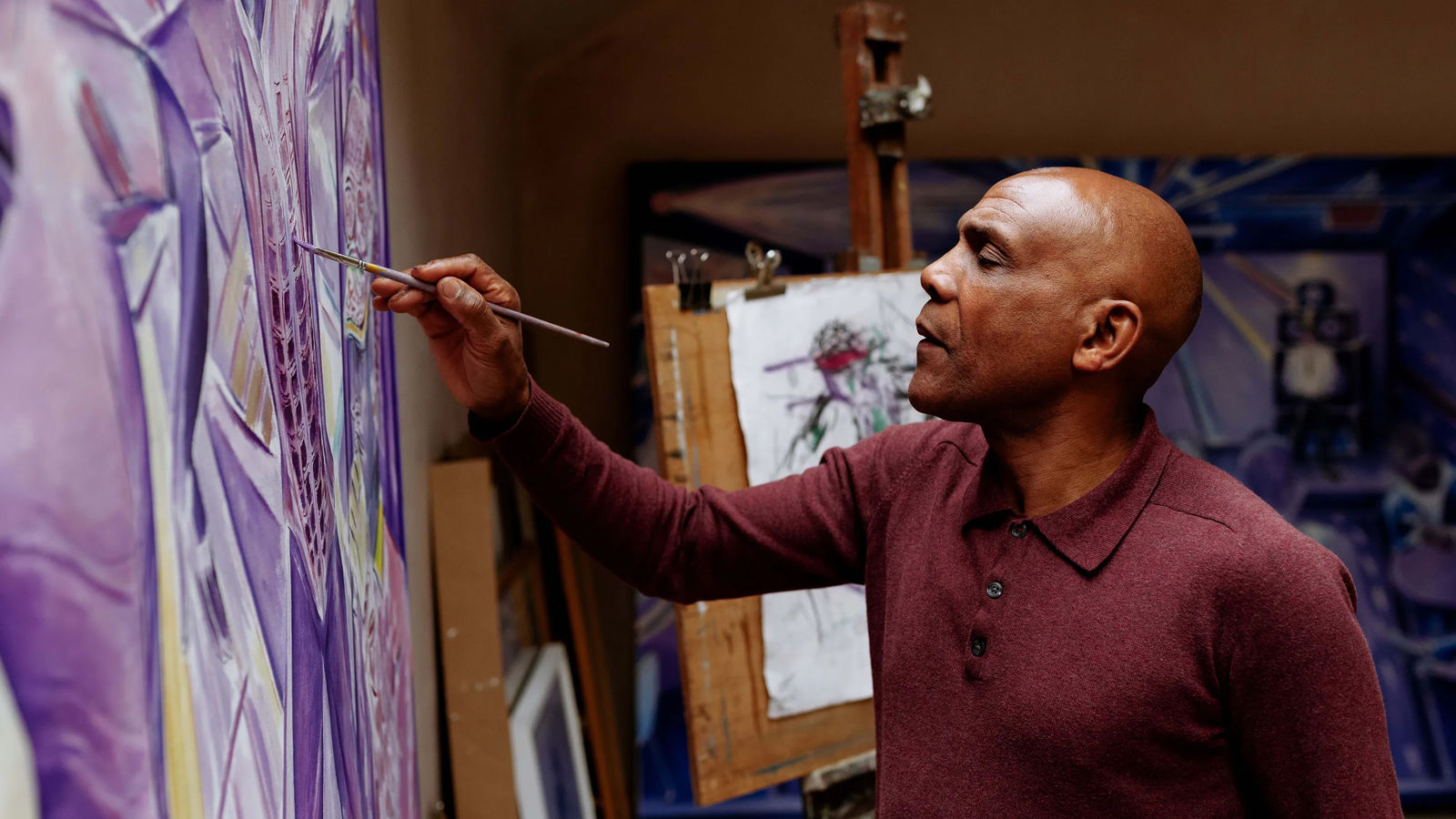
Forrester’s next act should not require a new story to make the work important. The stronger story is that the infrastructure around an already substantial practice is catching up. His paintings have spent decades arguing that nightlife can hold the same complexity as any canonical social scene: bodies in relation, power in the room, memory under pressure and colour carrying emotion.
At Frieze, where paintings are often encountered in seconds, Forrester’s history offers a useful counterpoint. His own images began with seconds, but the paintings were built to outlast them.
Denzil Forrester at Frieze London 2026
Thaddaeus Ropac, Booth D22
14–18 October 2026.
Nearly 150 works from RM’s collection meet SFMOMA in a major exhibition of Korean modern and contemporary art. Its real lesson is how a private collection develops a coherent eye.
Thaddaeus Ropac’s representation of Denzil Forrester places one of Britain’s great painters of dub, dancehall and Black social space inside a new international chapter.
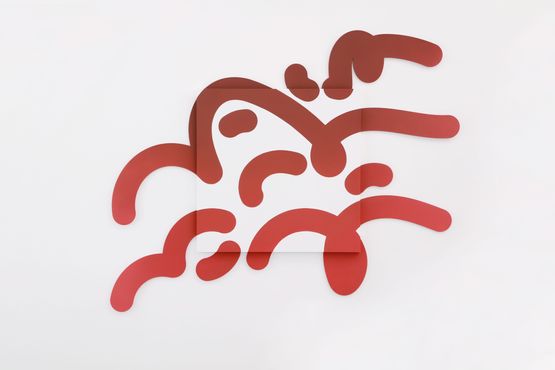
At Perrotin London, Iván Argote celebrates fifteen years of Mamarrachos by turning scribbles, gallery rules and institutional authority into an unusually playful form of critique.