
LATEST NEWS:
RARE VAN GOGH PAINTING UNSEEN FOR SIX DECADES HEADS TO AUCTION WITH ESTIMATES REACHING $180 MILLION •  CHRISTIE'S LONDON FRIEZE WEEK SALES SURPASS £218 MILLION, SIGNALING RENEWED CONFIDENCE IN THE TOP END OF THE MARKET • BTS STAR AND ART COLLECTOR RM STEPS INTO THE CURATORIAL SPOTLIGHT WITH SFMOMA EXHIBITION • BRITISH MUSEUM REPORTEDLY SECURES $40 MILLION DONATION AS THE FUTURE OF THE PARTHENON MARBLES RETURNS TO PUBLIC DEBATE • ROY LICHTENSTEIN RETURNS TO THE WHITNEY WITH HIS FIRST MAJOR RETROSPECTIVE IN MORE THAN THREE DECADES • TATE ACQUIRES WORKS BY MICHAELA YEARWOOD-DAN AND LUIS FERNANDO ZAPATA DURING FRIEZE LONDON 2026 • ABU DHABI EXPANDS ITS CULTURAL AMBITIONS AHEAD OF THE INAUGURAL FRIEZE ABU DHABI FAIR • ARTISTS SEEK NEW REPRESENTATION FOLLOWING THE CLOSURE OF STEPHEN FRIEDMAN GALLERY, RAISING QUESTIONS ABOUT THE FUTURE OF THE TRADITIONAL DEALER MODEL • NEW INDEPENDENT ART FAIRS CHALLENGE FRIEZE'S ESTABLISHED FORMAT AS LONDON'S ART WEEK ATTRACTS ALTERNATIVE VOICES • TAREK ATOUI TRANSFORMS TATE MODERN'S TURBINE HALL INTO AN IMMERSIVE EXPLORATION OF SOUND AND SPACE • ROYAL ACADEMY AND LONDON MUSEUMS REVISIT THE LEGACY OF THE 1990S BRITISH ART SCENE
Go Back
Magazine

Chris Ofili Makes Laure Visible: A New Painting Rewrites Manet’s Margin

At Pinacoteca Agnelli, Chris Ofili places new paintings beside Manet’s portrait of Laure, restoring a named sitter to the centre of a story art history kept at the edge.

Articles
Articles
Chris Ofili Makes Laure Visible: A New Painting Rewrites Manet’s Margin

Chris Ofili’s new exhibition at Pinacoteca Agnelli begins with a simple correction: a name. Édouard Manet’s portrait of the Black woman who also appears in Olympia was long known by a racialised title. For the museum’s new project, the sitter is named: Laure.

From that act of identification, Ofili has constructed a new body of work that treats art history not as a fixed inheritance but as material that can be reopened. Laure. Chris Ofili & Édouard Manet, on view in Turin from 30 October 2026 to 4 April 2027, places Manet’s c.1862 portrait beside a newly commissioned large painting and watercolours by Ofili.

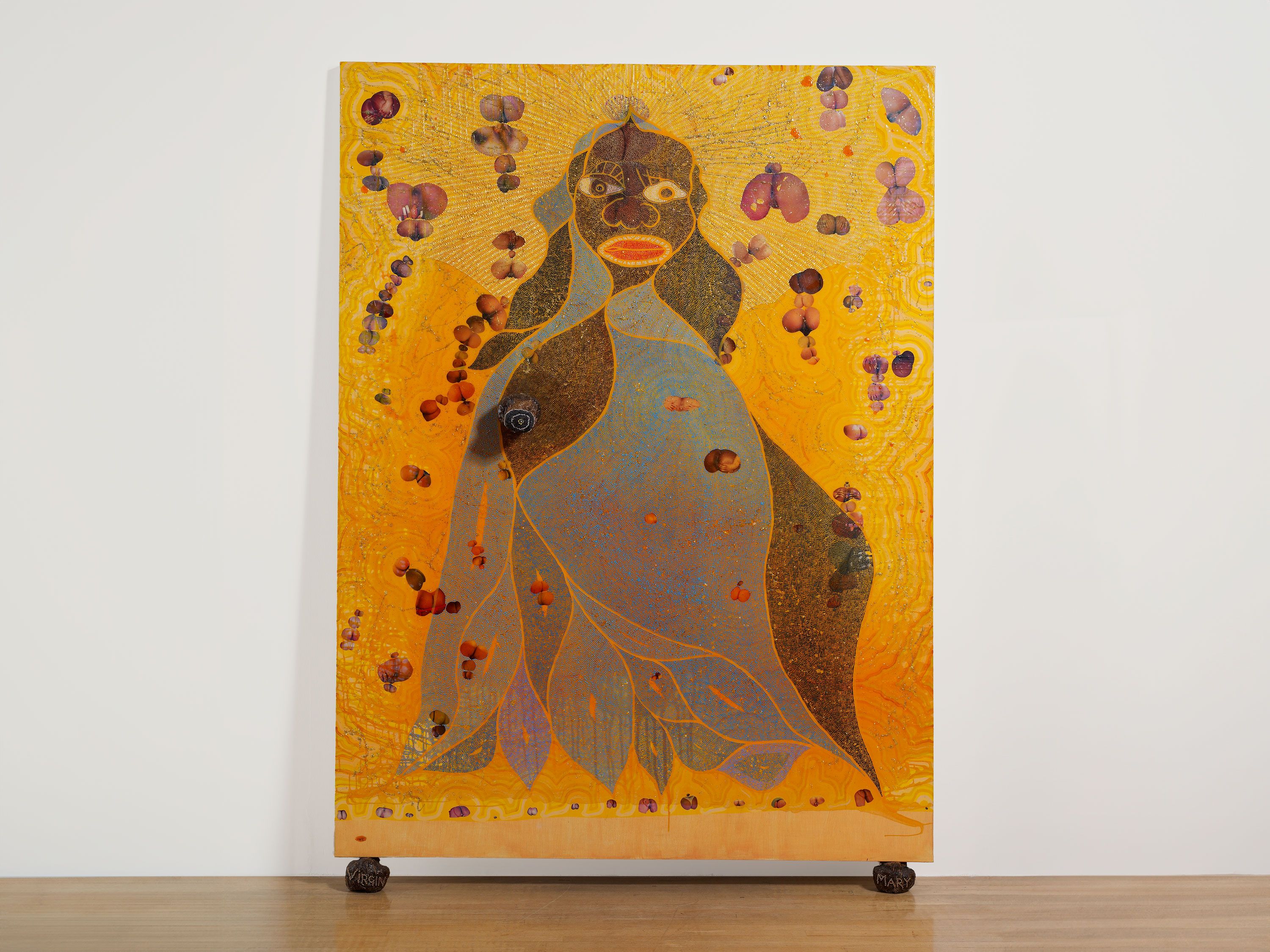
Chris Ofili The Holy Virgin Mary 1996
Chris Ofili, The Holy Virgin Mary, 1996, context image. The earlier painting demonstrates Ofili’s longstanding engagement with religious iconography, representation and the art-historical canon. Courtesy the artist/gallery.

From the edge of Olympia to the centre of the picture

Laure is familiar to millions of viewers without being familiar as a person. In Manet’s Olympia (1863), she appears behind the reclining nude, bringing flowers into the room. The hierarchy of the painting directs attention elsewhere. Denise Murrell’s research on Black models in nineteenth-century French painting restored Laure’s identity and reconstructed something of her life in Paris.

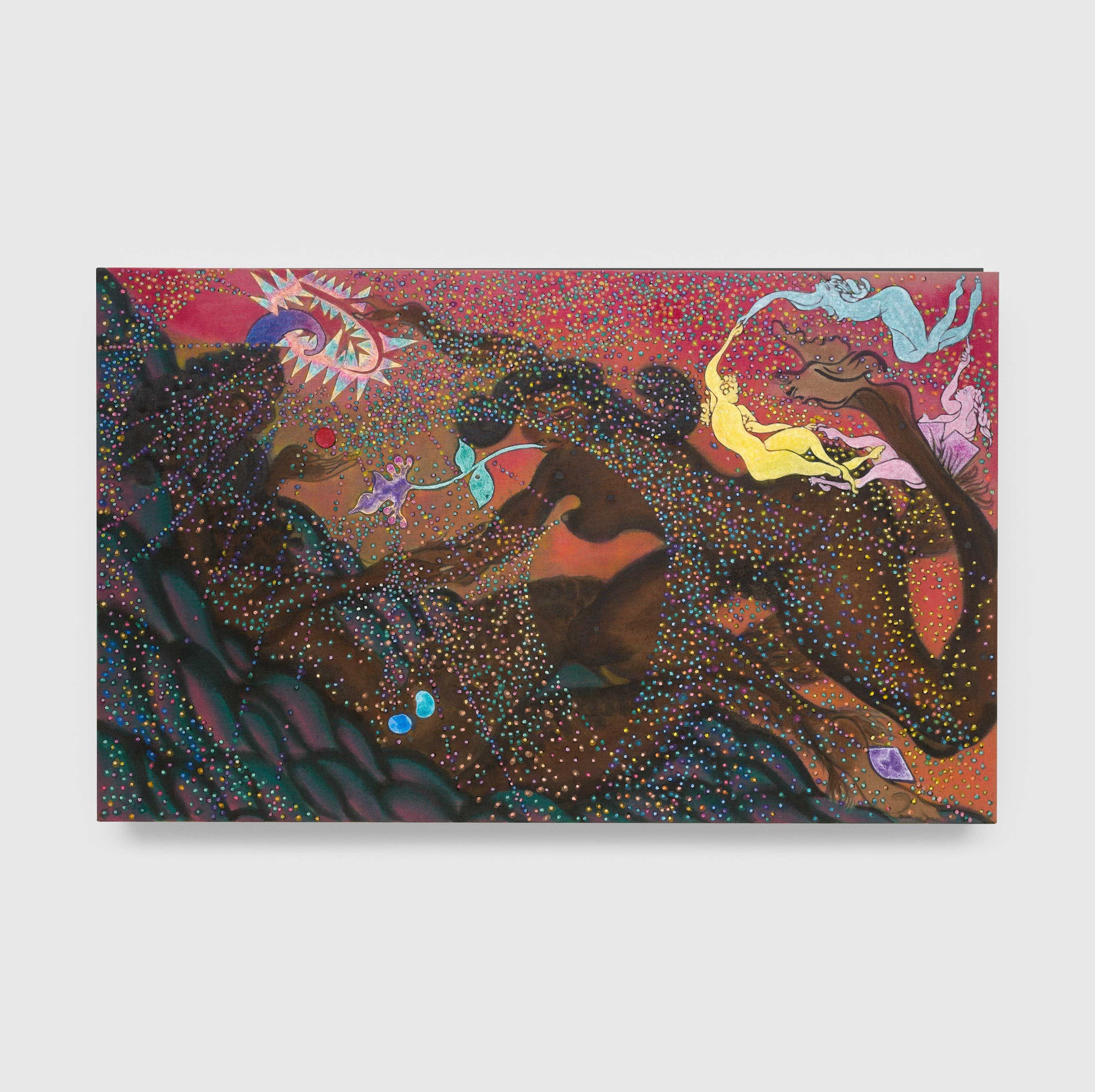
Ofili’s project takes that scholarship as a starting point rather than an illustration. His large new painting Saint Laure (2026) is the same size as Olympia. Instead of repeating Manet’s composition, Ofili transforms the reclining body into a desert-like landscape and relocates Laure from supporting figure to pictorial and symbolic centre.

A contemporary painter argues with a masterpiece

Ofili has always been an artist of layering: materials, mythologies, art history, music, race, religion and popular culture coexist without being reduced to a single message. That makes him particularly suited to Pinacoteca Agnelli’s Beyond the Collection series, which invites contemporary artists to reactivate objects in the permanent collection.

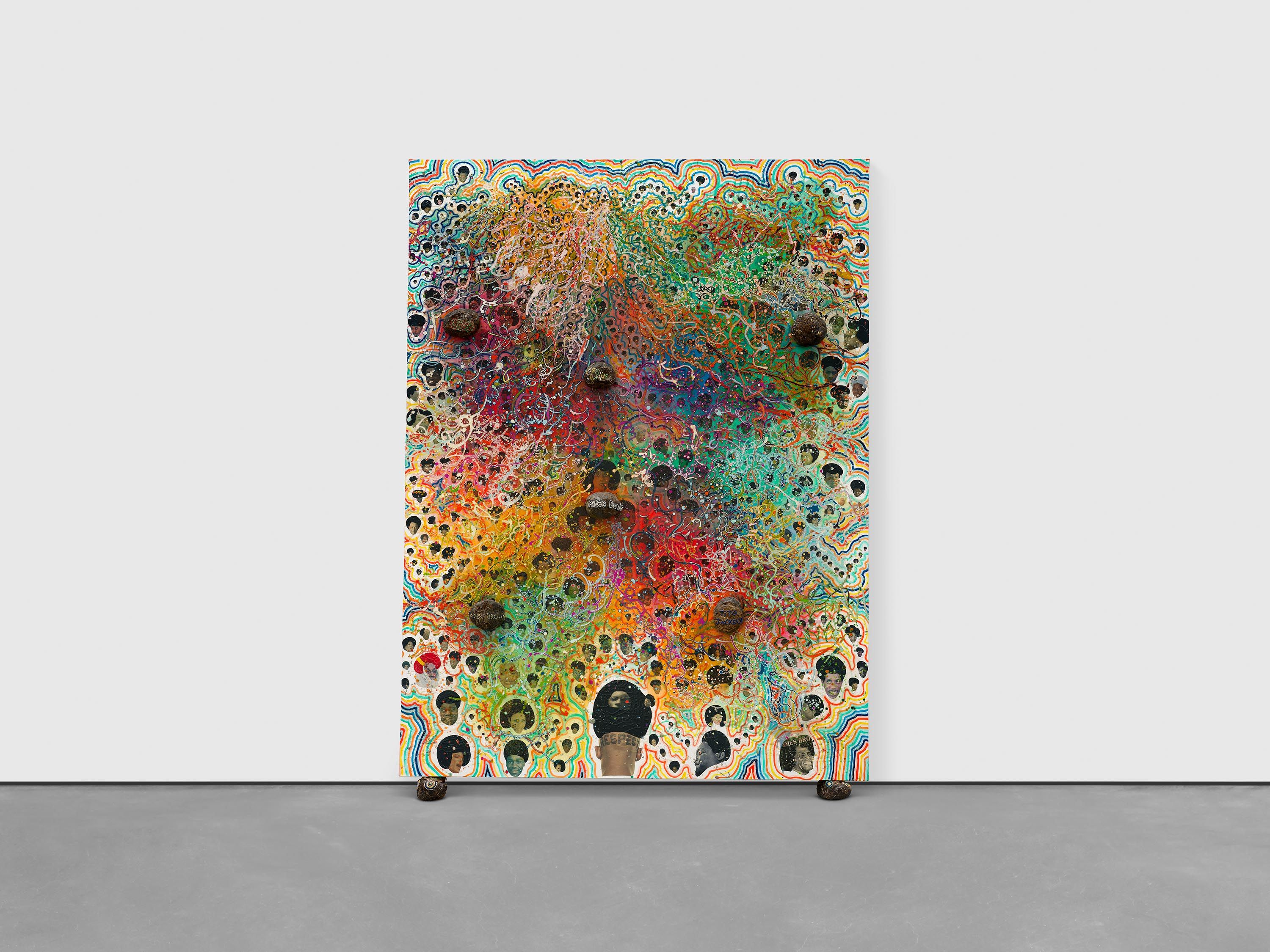
Chris Ofili Afrodizzia context
Chris Ofili, historical painting context. Ofili’s practice has long combined figuration, pattern, cultural memory and deliberately unstable art-historical references. Courtesy the artist/gallery.

Saint Laure draws on Giotto and Fra Angelico, but also on Matteo Garrone’s 2023 film Io Capitano, which follows two Senegalese teenagers travelling toward Europe. The connection prevents the exhibition from becoming a purely retrospective correction. Laure’s historical visibility is placed beside contemporary questions about migration, movement and who is granted individuality inside European visual culture.

Why the project matters now

Museums have spent the past decade re-examining how named artists and unnamed sitters enter art history. The risk is that revision becomes bureaucratic: a wall label changes, a title is adjusted, and the object remains fundamentally untouched. Ofili offers a more productive model. He makes new art in response.

That distinction matters for collectors too. Historical scholarship can alter the meaning of works already in collections, while contemporary artists can expose relationships that conventional categories separate. Collecting Manet and collecting Ofili are different propositions, but the exhibition demonstrates why a serious collection benefits when those propositions can speak to each other.

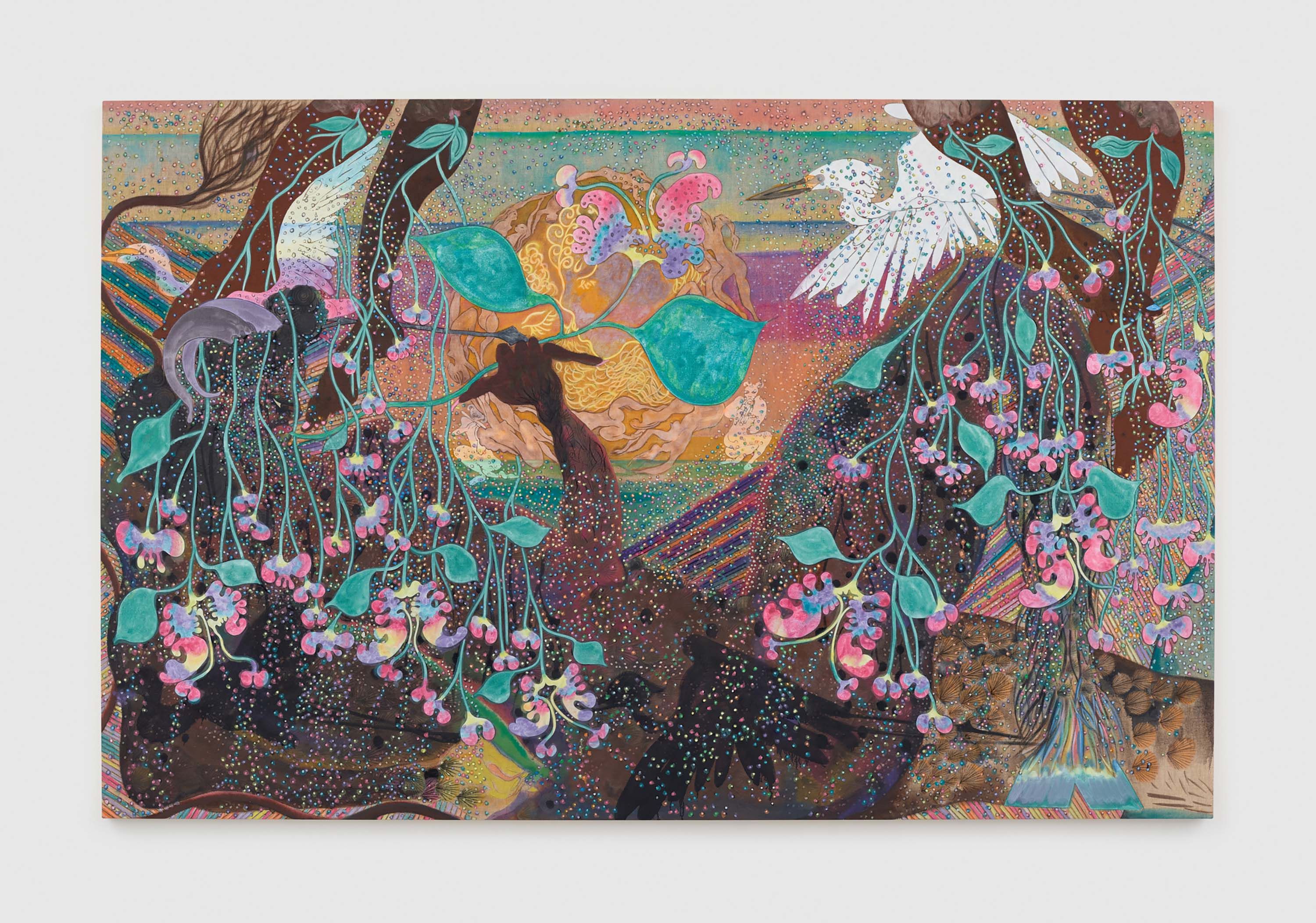
Chris Ofili The Great Beauty context
Chris Ofili, mature painting context. The work illustrates the increasingly luminous, mythic language that developed after the artist’s move to Trinidad. Courtesy the artist/gallery.

Ofili after the 1990s

The exhibition also arrives at an important moment in Ofili’s career. His 1990s paintings are inseparable from the history of British art, from his Turner Prize to the controversies surrounding The Holy Virgin Mary. But reducing Ofili to that decade misses the slower, stranger practice he developed after moving to Trinidad, where colour, landscape, mythology and dream became increasingly central.

The new Laure works belong to that mature phase. They are less interested in confrontation as a public gesture than in how an image can hold several histories at once.

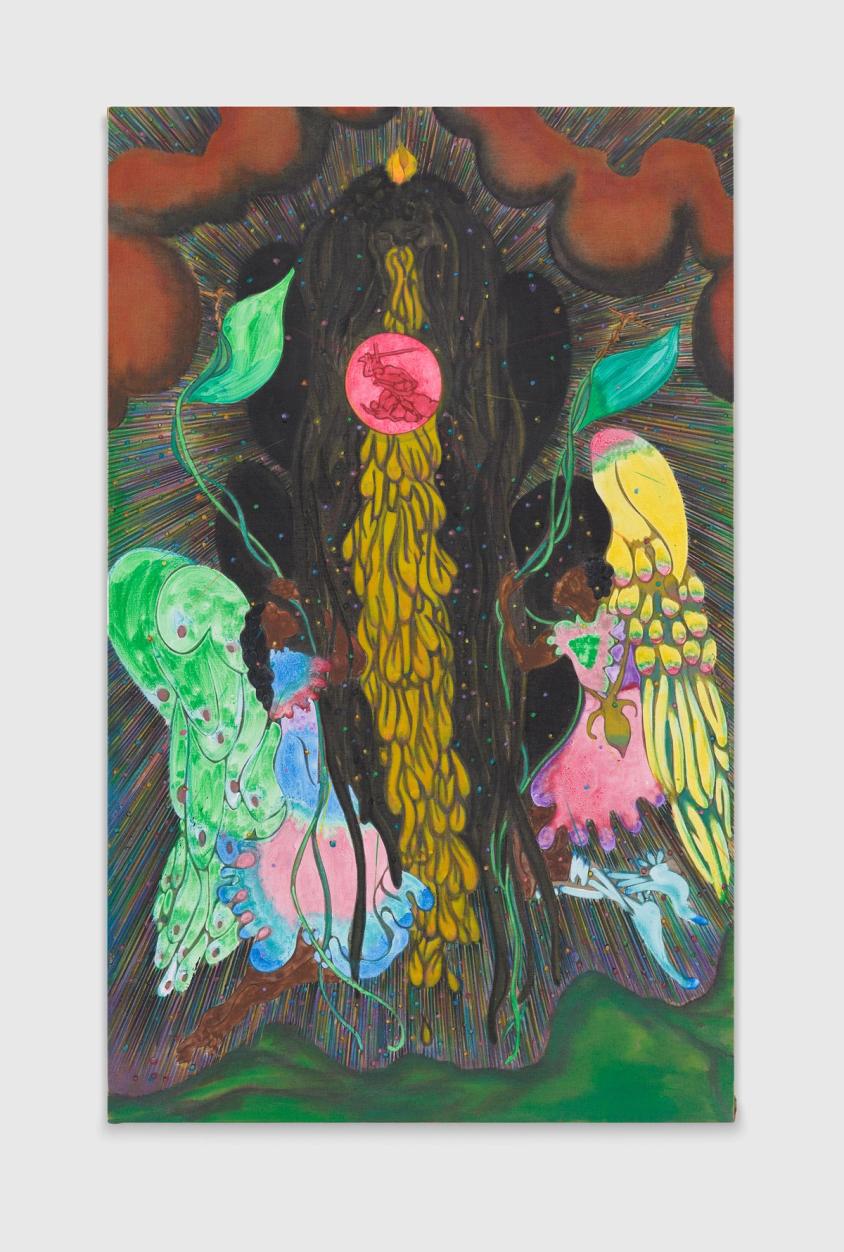
Chris Ofili painting context
Chris Ofili, painting context. This is not an installation image from Laure; it is included to show the visual language from which the new Turin commission emerges. Courtesy the artist/gallery.

Collector intelligence: context is not decoration

For collectors of Ofili, provenance and exhibition history matter, but so does understanding the artist’s changing material language. Works from the 1990s, watercolours, Trinidad-period paintings and recent large canvases occupy distinct positions within the practice. The strongest collection will not simply chase the most recognisable material signature.

The Turin exhibition makes a broader point. Context can increase the intellectual life of a work without becoming a market slogan. The most convincing contemporary art does not merely quote art history. It changes what we see when we return to the older work.

Ofili gives Laure her name, but more importantly he gives the viewer a reason to look back at Manet and notice how much the original hierarchy had taught us not to see.

Date
Nov 5, 2026
Share

Latest Posts

November 6, 2026
Articles
Articles
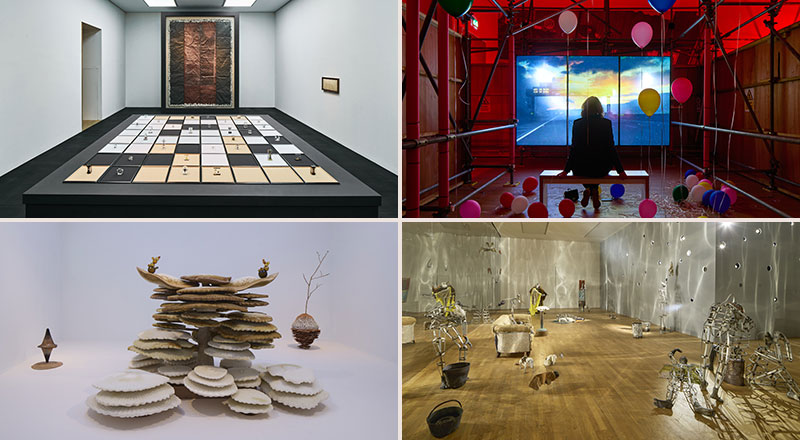
Turner Prize 2026 at MIMA: Four Artists and the Material of Contemporary Life

The Turner Prize can be most interesting when its four finalists refuse to represent a single trend. At Middlesbrough Institute of Modern Art, the 2026 exhibition brings together Simeon Barclay, Kira Freije, Marguerite Humeau and Tanoa Sasraku. Their presentations differ sharply in scale, material and temperament, yet all ask how contemporary life becomes embedded in the things we make, transport, inhabit or consume. The exhibition opened on 26 September and continues until 29 March 2027; the winner is due to be announced on 10 December 2026.
November 5, 2026
Articles
Articles
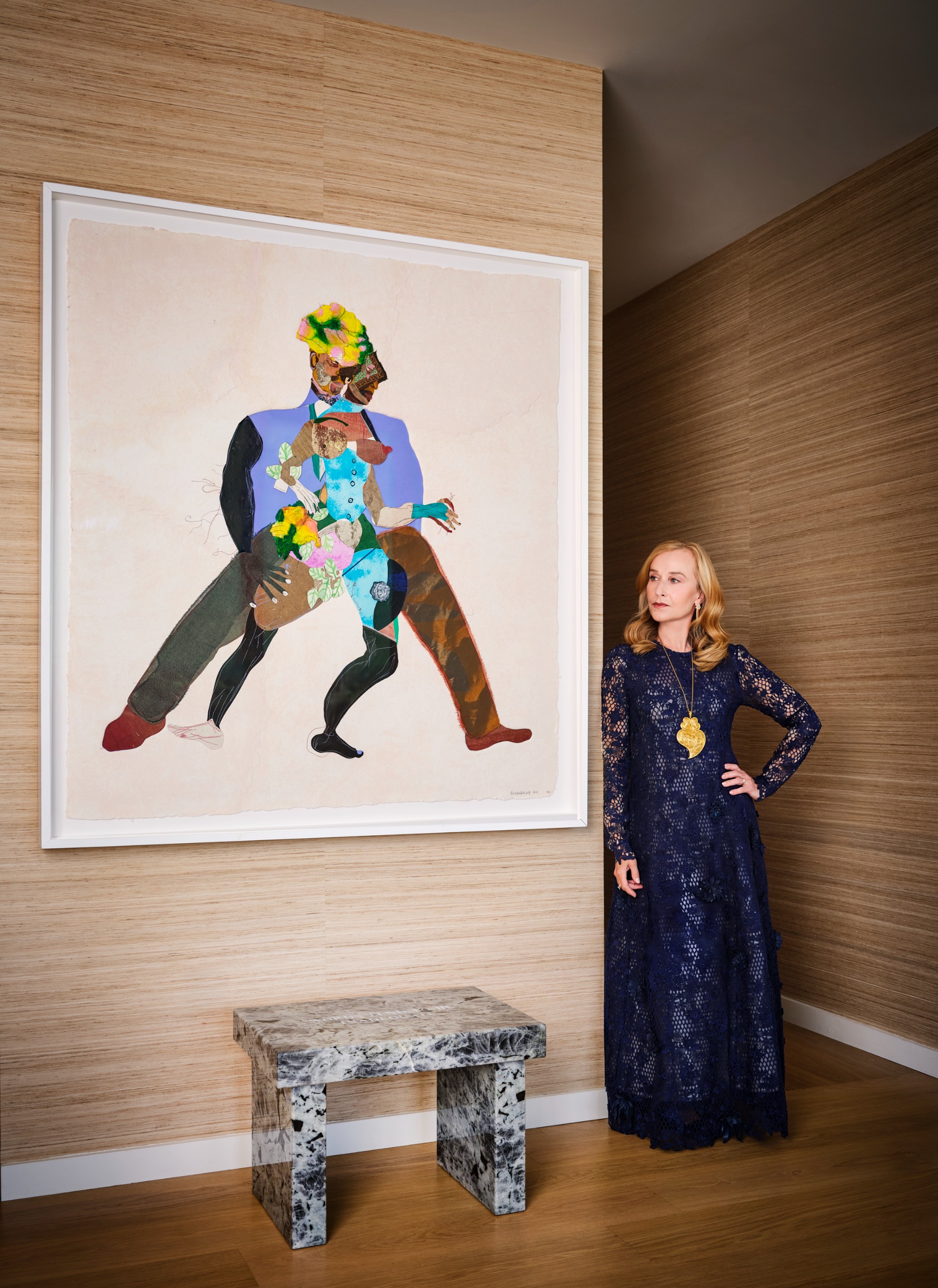
Randi Charno Levine’s Manhattan Home Turns Collecting Into Cultural Diplomacy

Kelly Behun’s West Chelsea apartment for former US ambassador Randi Charno Levine shows how a serious contemporary collection can grow from relationships, patronage and a new Joana Vasconcelos commission.

November 5, 2026
Articles
Articles
Chris Ofili Makes Laure Visible: A New Painting Rewrites Manet’s Margin

At Pinacoteca Agnelli, Chris Ofili places new paintings beside Manet’s portrait of Laure, restoring a named sitter to the centre of a story art history kept at the edge.