
October 12, 2026
Articles
Articles
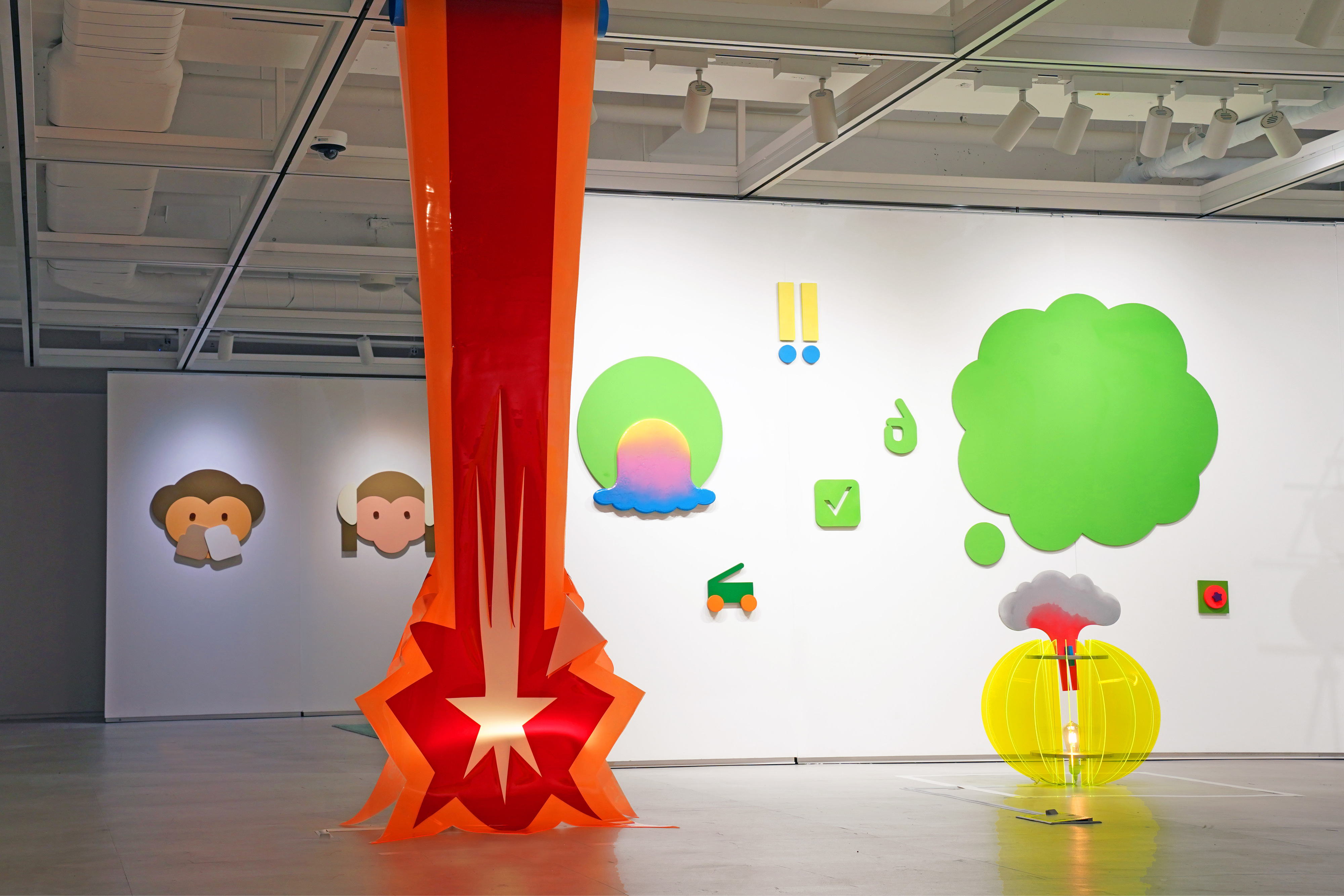
Yelin Lee's Ghost Play transforms emojis into sculpture, uses chroma-key screens and a two-minute delay, and turns visitors into their own fleeting afterimages.
Gagosian’s Damien Hirst solo booth at Frieze Seoul is less a comeback than a compact map of a highly segmented market—placing Spots, Spins, cabinets, Colour Space, Secret Gardens and Treasures side by side for collectors.
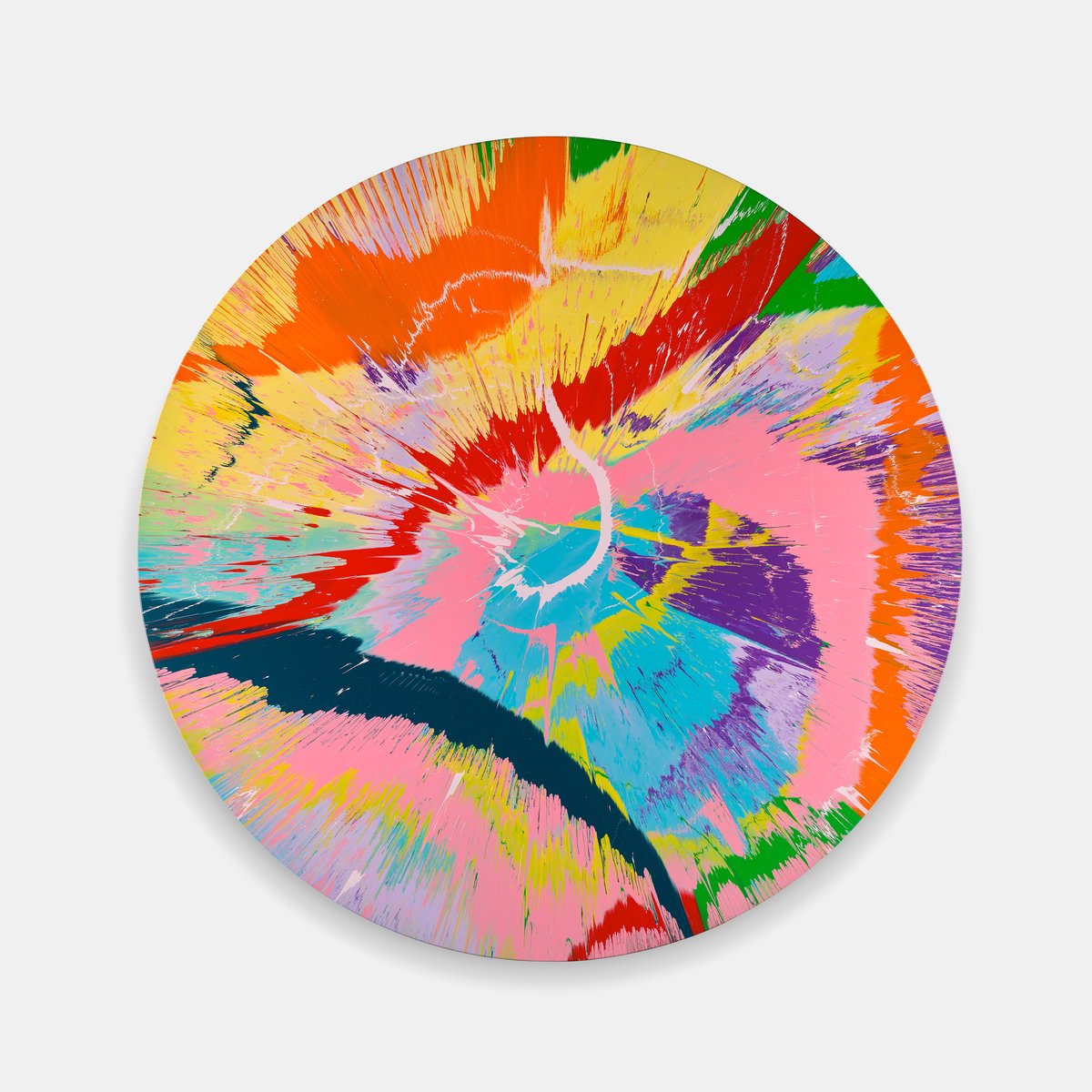
A solo fair booth can do something a conventional exhibition often cannot: compress an artist’s market into one field of vision. At Frieze Seoul 2026, Gagosian is using that format for Damien Hirst. From 2 to 5 September at COEX, Booth C10 will bring together paintings and sculptures from several of Hirst’s best-known bodies of work, arriving directly after his first museum retrospective in Asia at Seoul’s National Museum of Modern and Contemporary Art.
The presentation is easy to frame as a return to the fair circuit. A more useful reading is that it functions as a piece of market clarification. Hirst’s market has never been one market. It contains unique paintings, sculptures, cabinets, editioned works, prints, artist-led publishing projects and series produced across radically different moments and scales. Putting canonical categories beside one another allows collectors to compare those layers rather than treating the name “Damien Hirst” as a single price signal.
Frieze Seoul returns to COEX from 2 to 5 September for its fifth edition, bringing more than 130 galleries from 30 countries and regions, with a majority of exhibitors based in the Asia-Pacific region. The fair has quickly become part of a much larger citywide week, with museums, galleries and late-night programmes extending the audience beyond the convention centre.
Gagosian’s Hirst booth lands within that ecosystem after the artist’s Seoul museum retrospective, which the gallery says drew more than half a million visitors. Institutional visibility does not translate mechanically into prices, but it matters. A museum exhibition can widen knowledge of the career beyond the images that circulate most heavily at auction and on social media. The fair booth then offers a commercial counterpart: not a full retrospective, but a concentrated selection through which collectors can locate themselves within the practice.
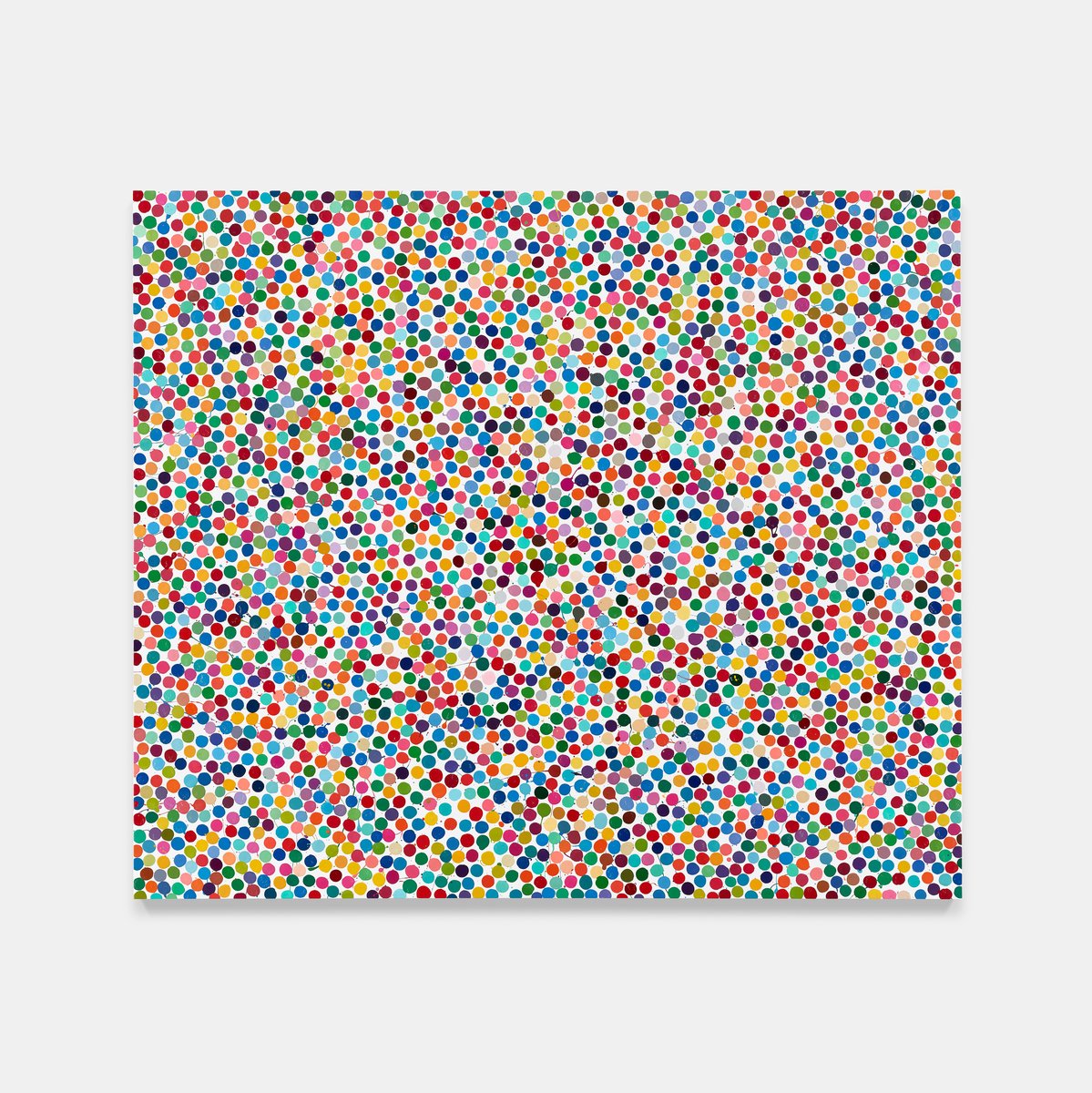
Gagosian’s announced selection includes two of Hirst’s most immediately recognisable formats: Spot Paintings and Spin Paintings. They are useful anchors because they demonstrate two opposing systems that have long run through his work. Spots create the appearance of controlled, repeatable order; Spins turn mechanical rotation and poured colour into managed chance.
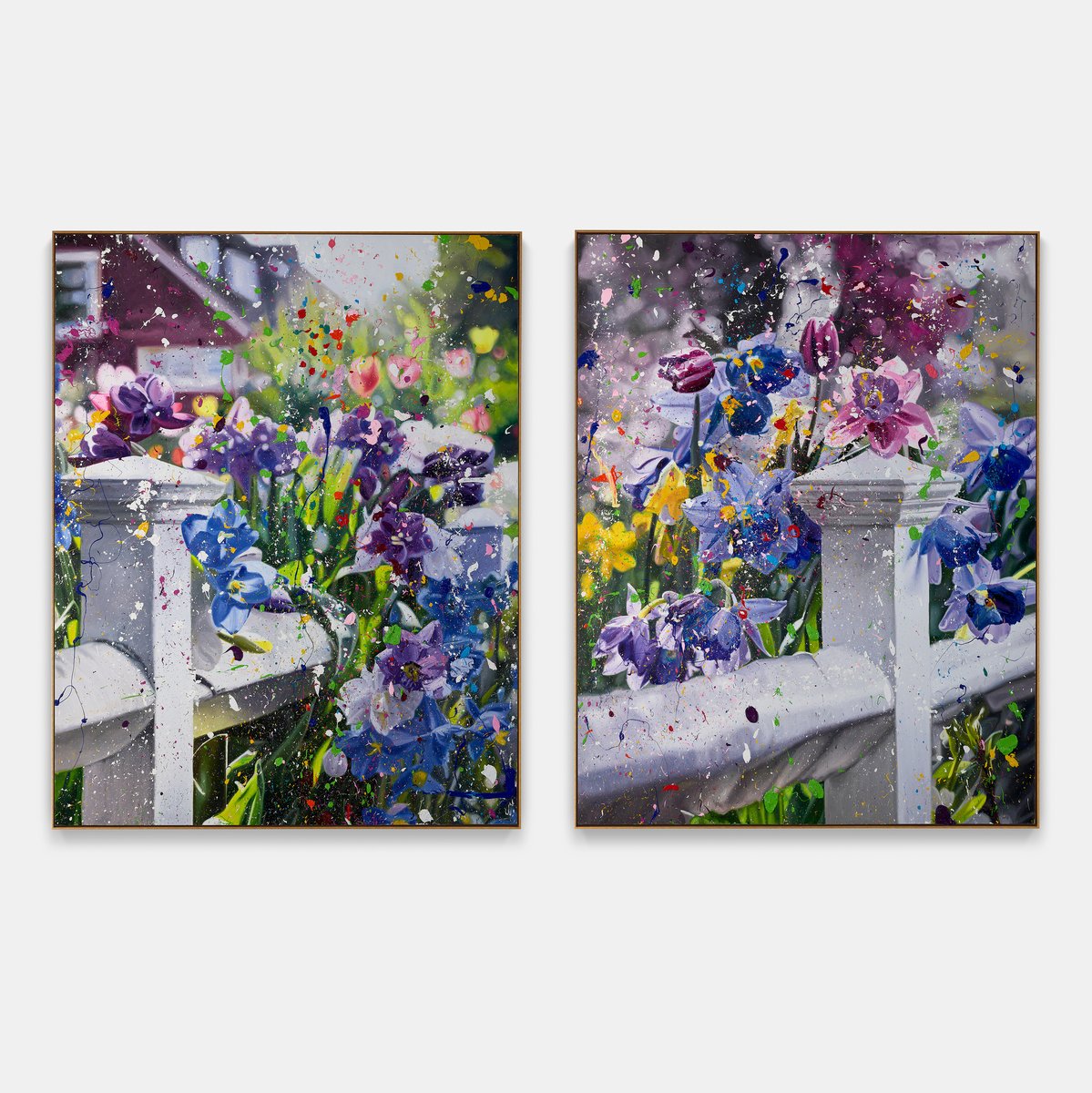
From there the presentation broadens. Imitation Gold (2016), from the Colour Space series, loosens the grid of the Spot Paintings. Garden of Fun and Games (2023), from the Secret Gardens paintings, moves into densely worked floral imagery. The Shot Crow (2009), a triptych from the Blue Paintings, represents Hirst’s late-2000s return to more overtly figurative painting.
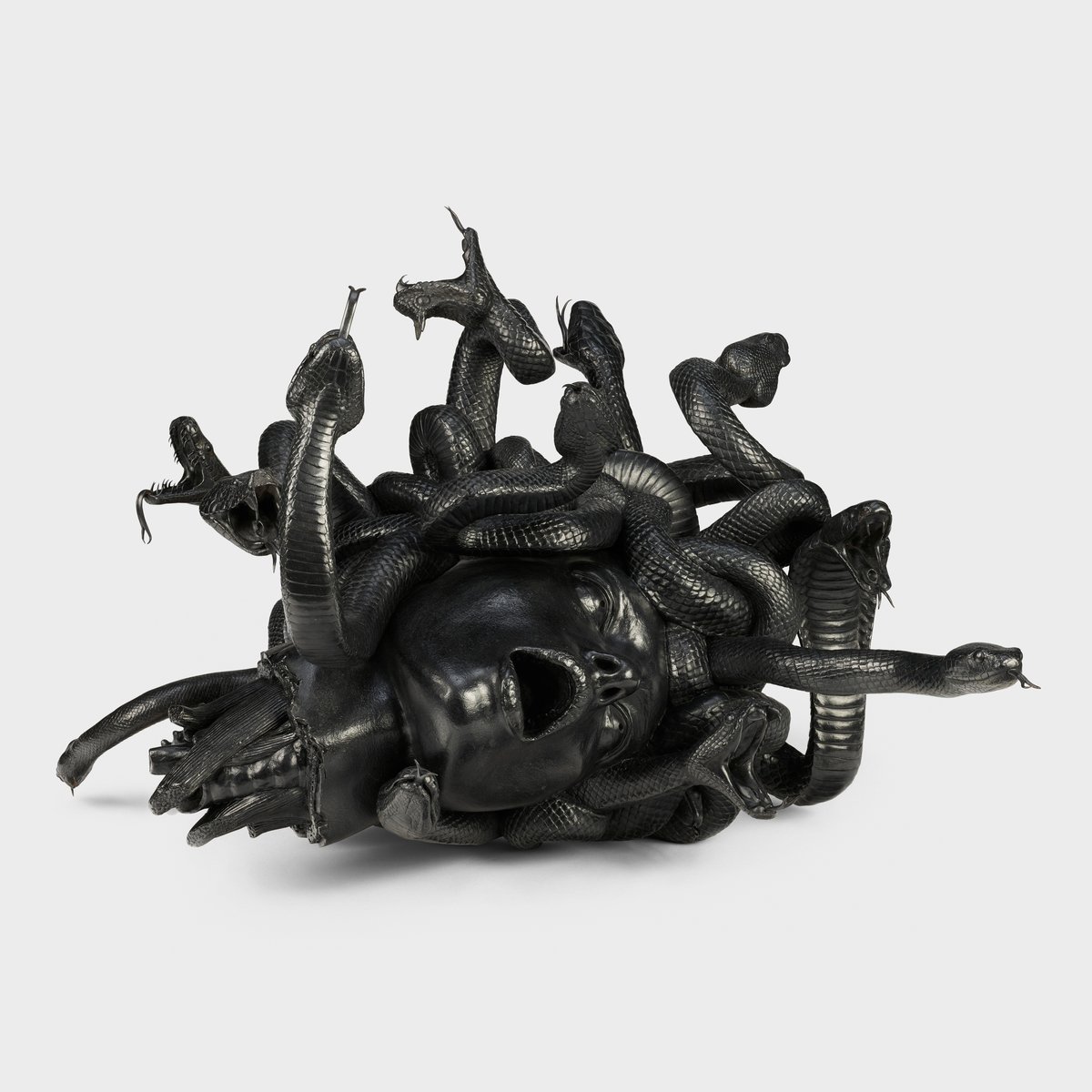
The sculptural and object-based side is equally important. Nemesis (2007), a medicine cabinet, appears alongside Twenty One Pills (2008), a Fact Painting. The Severed Head of Medusa (2008) and Daisy (2019) come from Treasures from the Wreck of the Unbelievable, the vast fictional-archaeological project that reframed Hirst’s recurring subjects—belief, death, value and spectacle—through an invented shipwreck narrative.
For a collector, this range is more informative than a booth of closely related works. It forces comparison across series, dates, media and degrees of scarcity.
Recent auction results make the point. At Phillips in London in January 2026, Tetrahydrocannabinol sold for £90,300 and the complete The Virtues set realised £83,850. In the same month, a separate Phillips online sale placed a The Currency unique print at £7,095, while individual untitled Spin Paintings in that sale ranged from £1,419 to £3,096.
June produced another set of useful comparisons. At Phillips London, The Last Supper sold for £77,400, Tryptophan from 12 Woodcut Spots for £20,640 and Methamphetamine for £30,960. In New York later that month, Phillips sold The Souls on Jacob’s Ladder Take Their Flight for $122,550 against an $80,000–$120,000 estimate; the house identified the result as a record for that edition. Another Methamphetamine realised $54,180.
None of those figures should be read as a single Hirst index. That is precisely the lesson. A large-format edition, a unique spin, a woodcut, a spot-related work, a cabinet and a major unique painting can have very different collector bases. Date, scale, edition size, medium, provenance, condition and the importance of the particular series all matter.
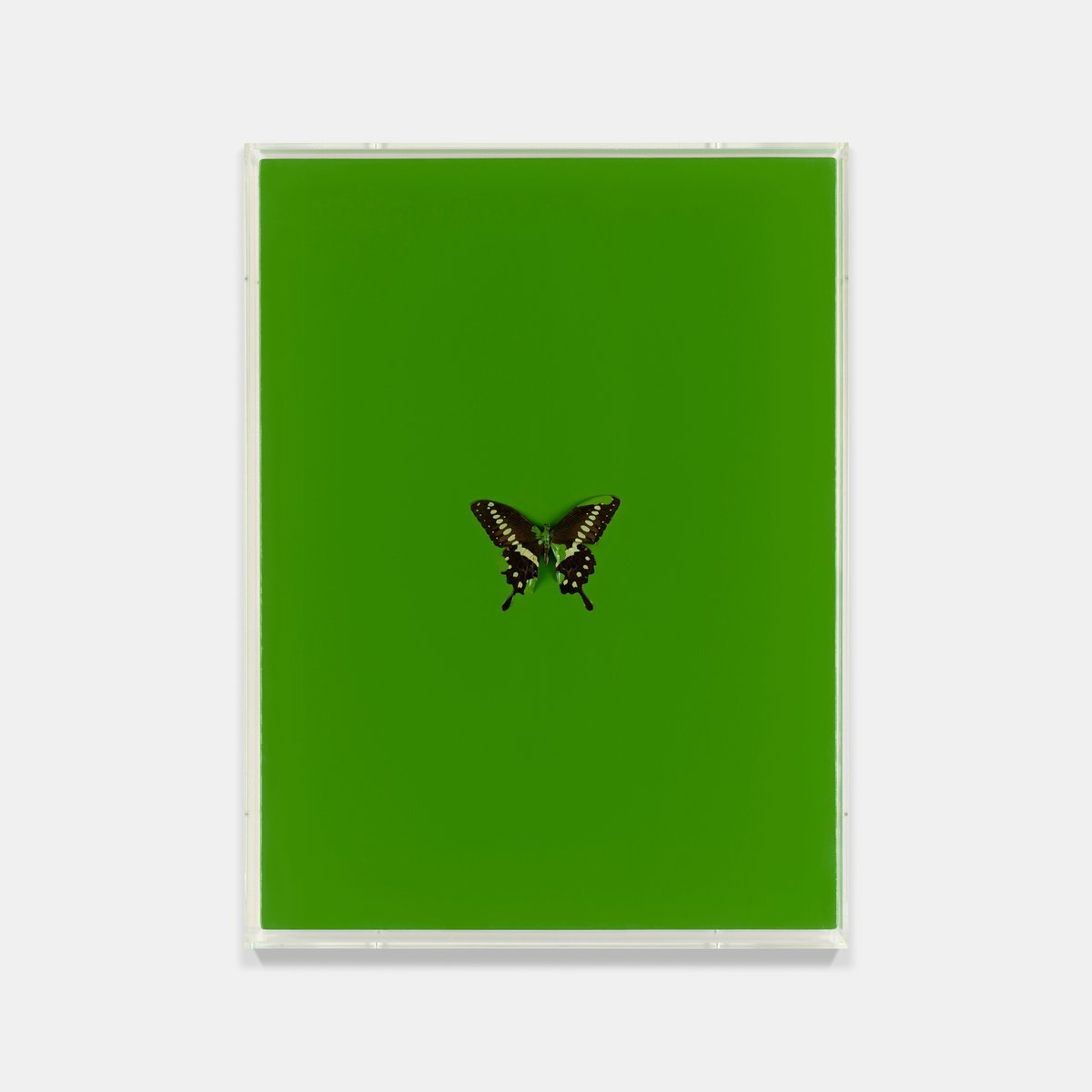
Hirst is one of the defining artists of a period in which production, branding and the mechanics of the art market themselves became part of artistic practice. The consequence is an unusually large body of work circulating across price levels. For some collectors that abundance can seem daunting. For informed buyers it creates the opposite possibility: a market in which selectivity can be highly specific.
Two works that look superficially similar may differ significantly in date, fabrication, size, studio context or series history. Edition structures need to be understood precisely. Condition can be especially important in works incorporating pharmaceuticals, organic materials, complex fabrication or delicate surfaces. Exhibition history and provenance become stronger differentiators as supply grows.
This is why Gagosian’s Seoul strategy makes sense. By presenting the categories together, the gallery is effectively teaching the hierarchy of the practice: not by publishing a ranking, but by showing how the different bodies of work relate.
The most interesting signal is not that Hirst remains famous; that has never been in doubt. It is that the gallery is choosing breadth at a fair where many collectors will have recently encountered the career in museum form. The sequence—from retrospective to tightly edited commercial presentation—encourages a more informed kind of demand.
That matters in a mature artist market. Once an artist has several decades of production behind them, the conversation inevitably shifts from broad recognition to internal differentiation. Which series carry the strongest art-historical weight? Which works best represent the conceptual core of the practice? Where does rarity matter most? Which later bodies of work genuinely extend earlier ideas rather than simply repeating their visual signatures?
Hirst is particularly suited to those questions because his work has always made systems of value visible. The Spot Paintings turn repetition into difference. The medicine cabinets make pharmaceuticals look devotional. The Treasures project manufactured an entire archaeology of authenticity and doubt. Even the structure of his market—abundant in some categories, scarce in others—echoes the questions inside the work.
So what does the Frieze Seoul booth say about the Hirst market in 2026? Not that it can be summarised as rising or falling. The more accurate conclusion is that it has become a mature, stratified market in which category knowledge matters increasingly.
The strongest collectors will therefore look beyond the logo-like recognisability of a Spot or Spin and ask harder questions about execution, date, scale, rarity and historical position. They will separate an edition market from the market for unique works. They will treat institutional visibility as context rather than as a guarantee. And they will compare works within the correct medium and series rather than against Hirst’s headline auction record.
Gagosian’s Seoul presentation is valuable because it makes those distinctions visible in one place. For an artist whose career has repeatedly tested the border between art, belief and value, that may be the most appropriate market statement of all.
Yelin Lee's Ghost Play transforms emojis into sculpture, uses chroma-key screens and a two-minute delay, and turns visitors into their own fleeting afterimages.
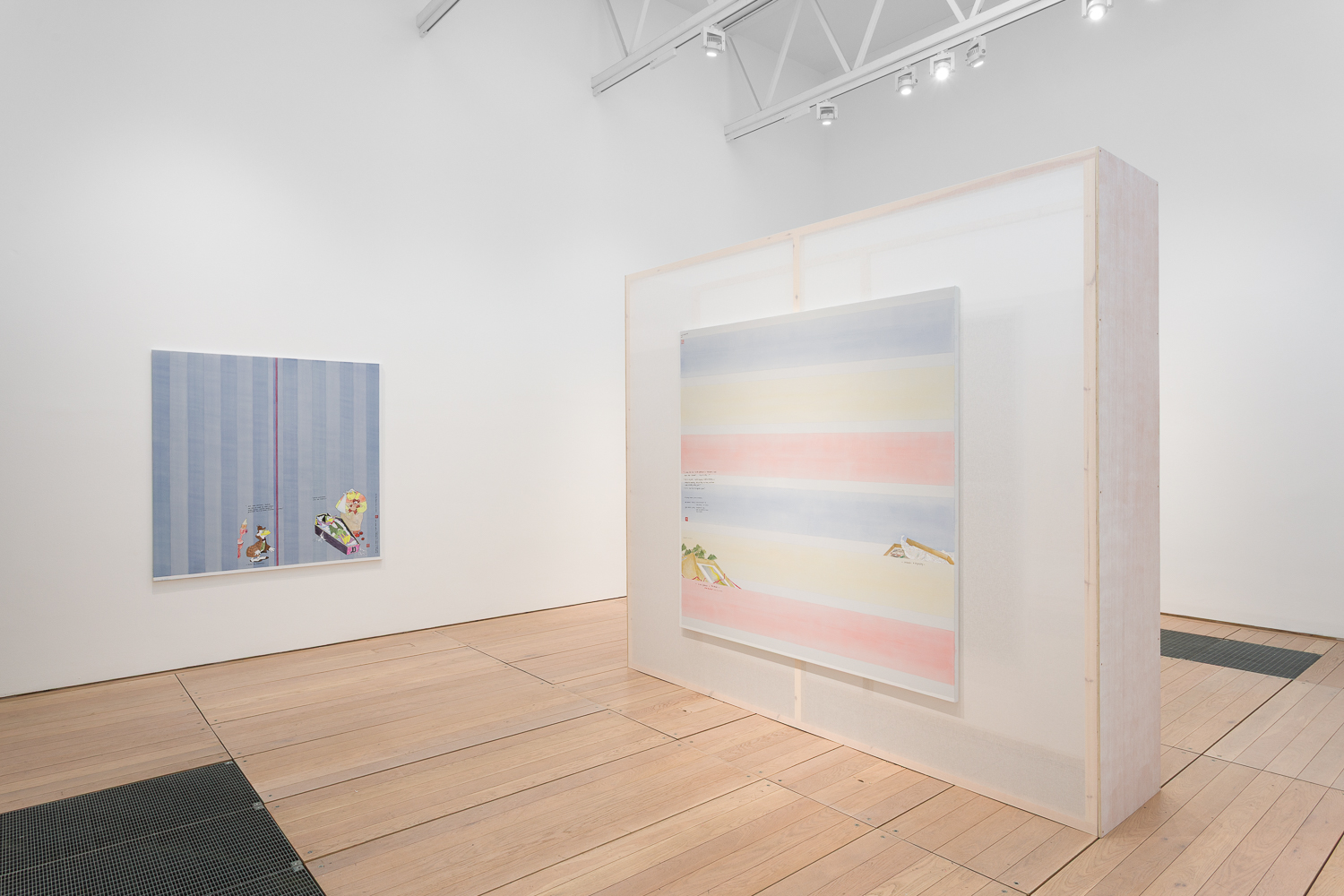
In her first UK institutional exhibition, Evelyn Taocheng Wang turns mistranslation, Agnes Martin, Chinese literati painting and fantasies of Britain into a deliberately unstable language of identity.
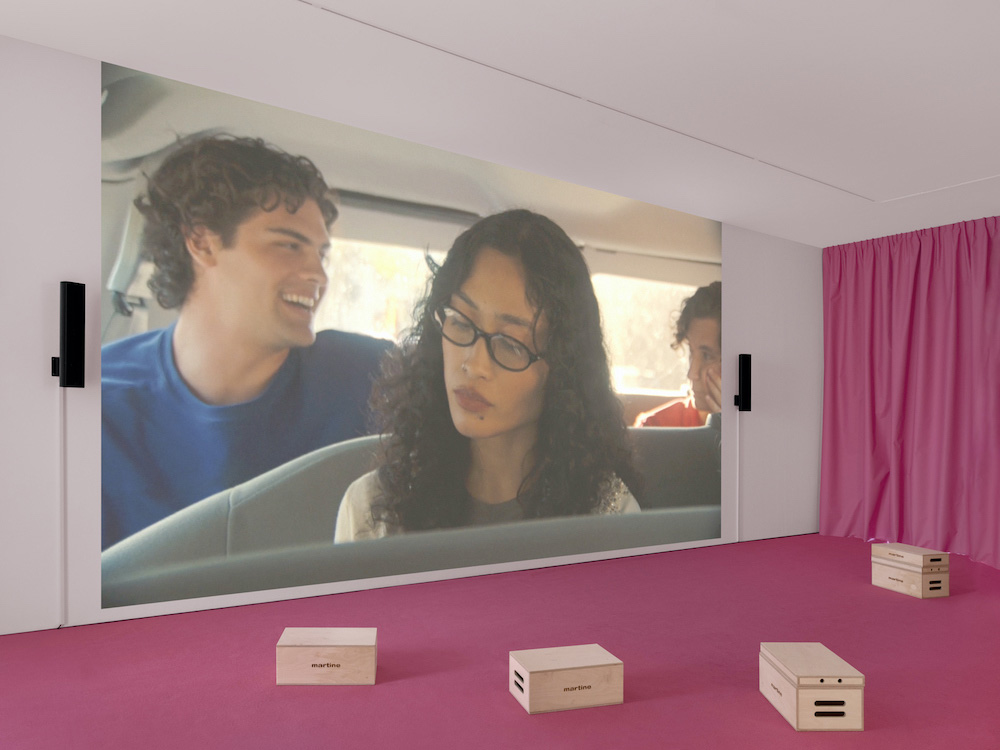
From Robert Ryman and Lorna Simpson to Mary Ramsden, Martine Syms and Nicola Turner, the strongest London route during Frieze week begins outside the fair.