
October 12, 2026
Articles
Articles
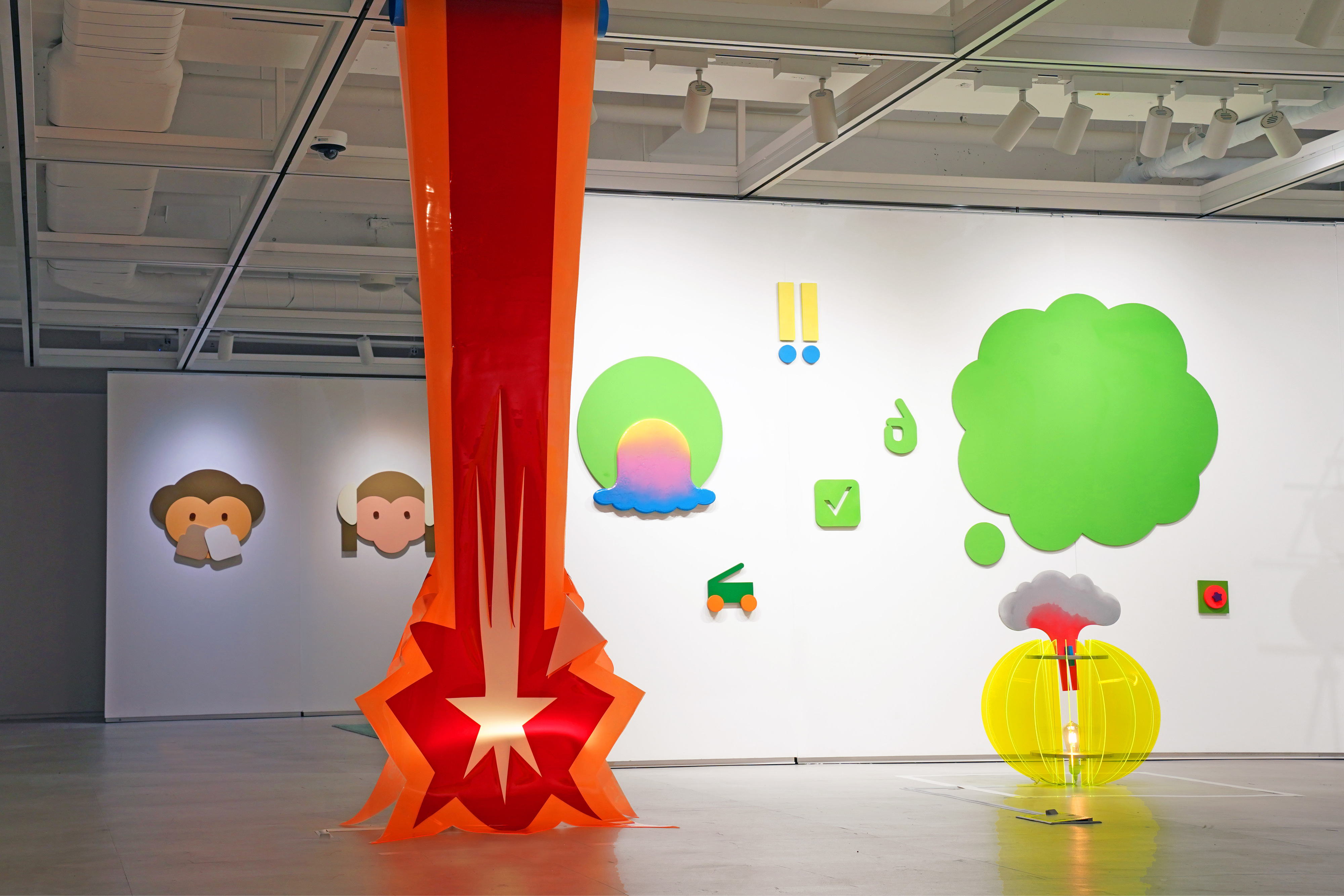
Yelin Lee's Ghost Play transforms emojis into sculpture, uses chroma-key screens and a two-minute delay, and turns visitors into their own fleeting afterimages.
Claude Lalanne’s fifteen mirrors for Yves Saint Laurent and Pierre Bergé sold for $33.455 million at Sotheby’s in April 2026. The record highlights how exceptional design, provenance and the growing dialogue between art and interiors are reshaping collecting.
For decades, the market maintained a convenient hierarchy. Painting and sculpture belonged to the fine-art world; furniture and objects belonged to design. Collectors could value both, but the categories carried different institutional histories, different specialist departments and, crucially, different market traditions and expectations.
Then fifteen mirrors sold for $33.455 million.
Claude Lalanne’s extraordinary ensemble for Yves Saint Laurent and Pierre Bergé, executed over roughly a decade from a commission begun in 1974, did more than establish a new record for the artist. Sotheby’s said the result was the highest price ever achieved for a work of design at auction. The group had been estimated at $10 million to $15 million. Five bidders competed for approximately ten minutes before the hammer sequence ended at a price more than double the high estimate.
The headline is spectacular. The more interesting question for collectors is what produced it.
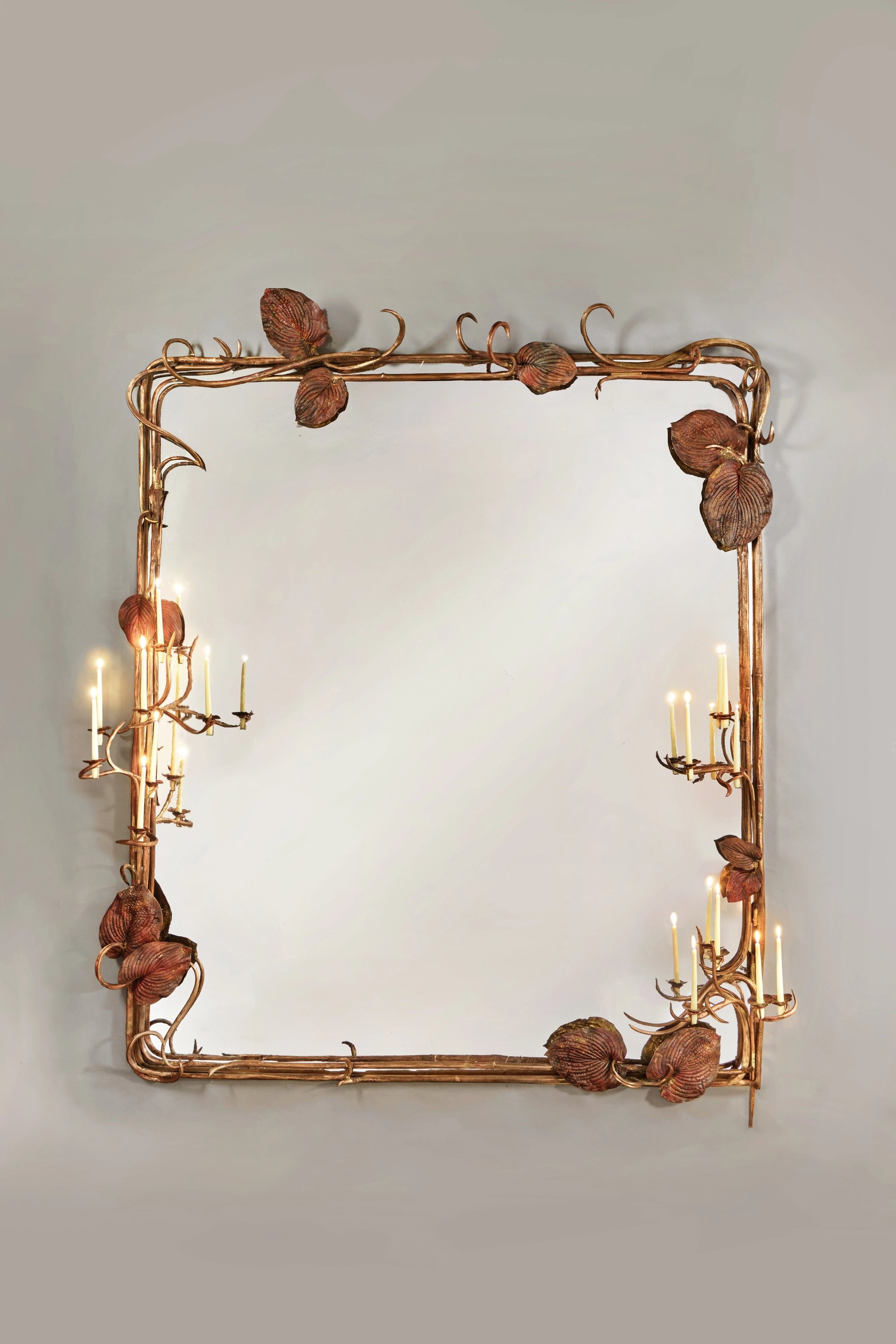
The mirrors began as a commission from Yves Saint Laurent for the Salon de Musique of the Paris residence he shared with Pierre Bergé. Claude Lalanne first created two mirrors, then expanded the project by thirteen more over the following decade. Made in gilt bronze, galvanised copper and mirrored glass, the ensemble turned botanical imagery into something approaching architecture: branches, leaves and candelabra framing reflective surfaces until the wall itself became part of the work.
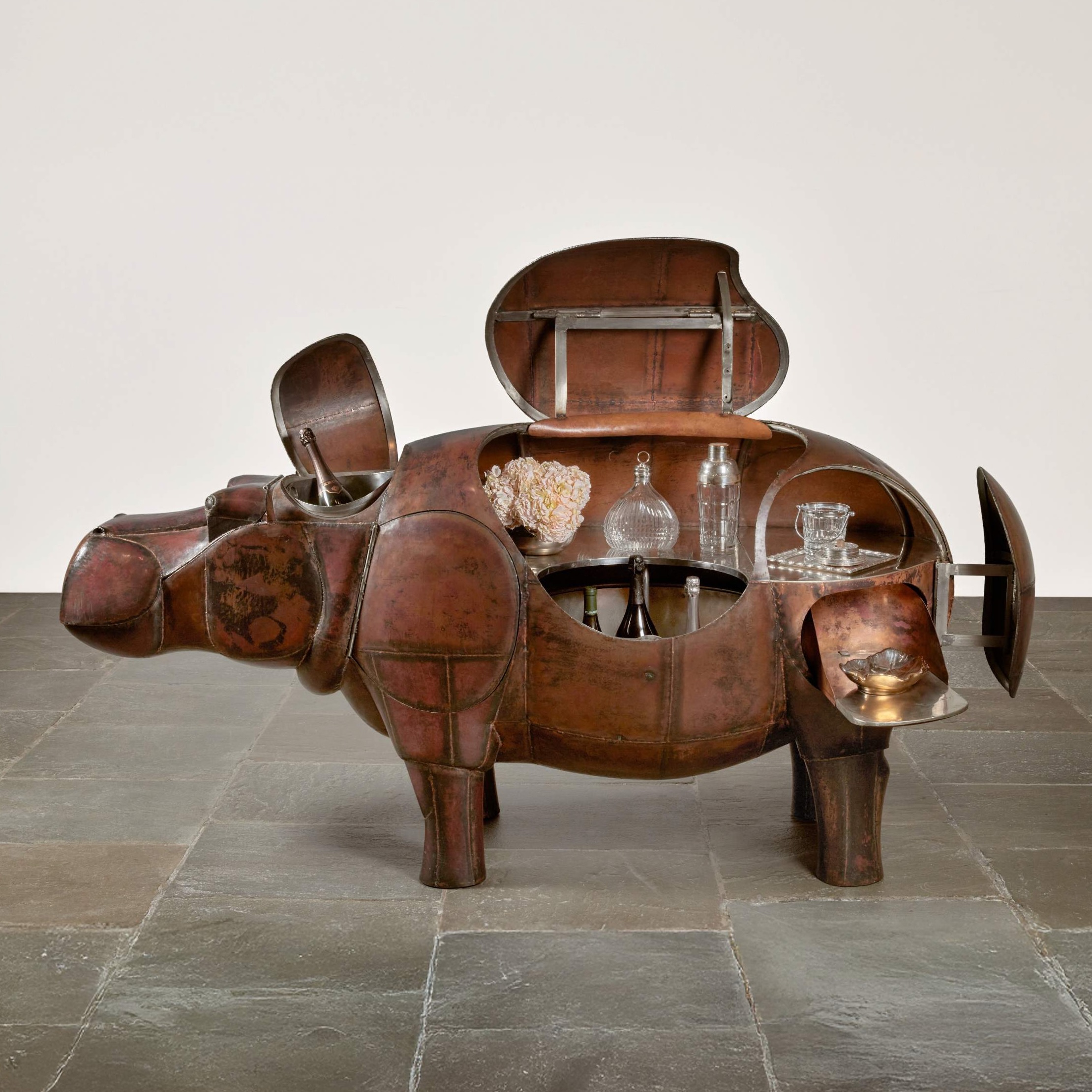
At Sotheby’s New York on 22 April 2026, the fifteen mirrors achieved $33.455 million against a $10 million to $15 million estimate. Sotheby’s recorded five bidders and a ten-minute contest. The result surpassed the $31.43 million paid in December 2025 for François-Xavier Lalanne’s unique Hippopotame Bar, which had set the previous benchmark for a work of design at auction.
Within four months, husband and wife had successively occupied the top of the design market.
The mirrors’ provenance is exceptional, but one important detail is easy to misunderstand.
They were created for one of the most celebrated interiors associated with Saint Laurent and Bergé, and they were sold at Christie’s landmark dispersal of the couple’s collection in 2009. The price then was €1.8 million, and the buyer was Terry de Gunzburg.
What happened next is particularly revealing: according to The Art Newspaper, the mirrors were never installed in the de Gunzburg residence. They remained largely in storage, apart from appearances including the 2010 Les Lalanne retrospective at the Musée des Arts Décoratifs in Paris.
That point makes the 2026 result more, not less, interesting. Their value did not depend on acquiring another layer of mythology from a famous de Gunzburg room. It accumulated through the original Saint Laurent–Bergé commission, rarity, completeness, exhibition history and the market’s changing assessment of Claude Lalanne’s importance.
In other words, the provenance premium was not simply celebrity. It was historical coherence.
The mirrors were the centrepiece of Sotheby’s dedicated Collection of Jean and Terry de Gunzburg: Design Masters auction, which presented 107 lots and achieved a $96 million total. Sotheby’s described it as the most valuable single-owner design sale in its history and, in later reporting, the most valuable design auction held in the United States.
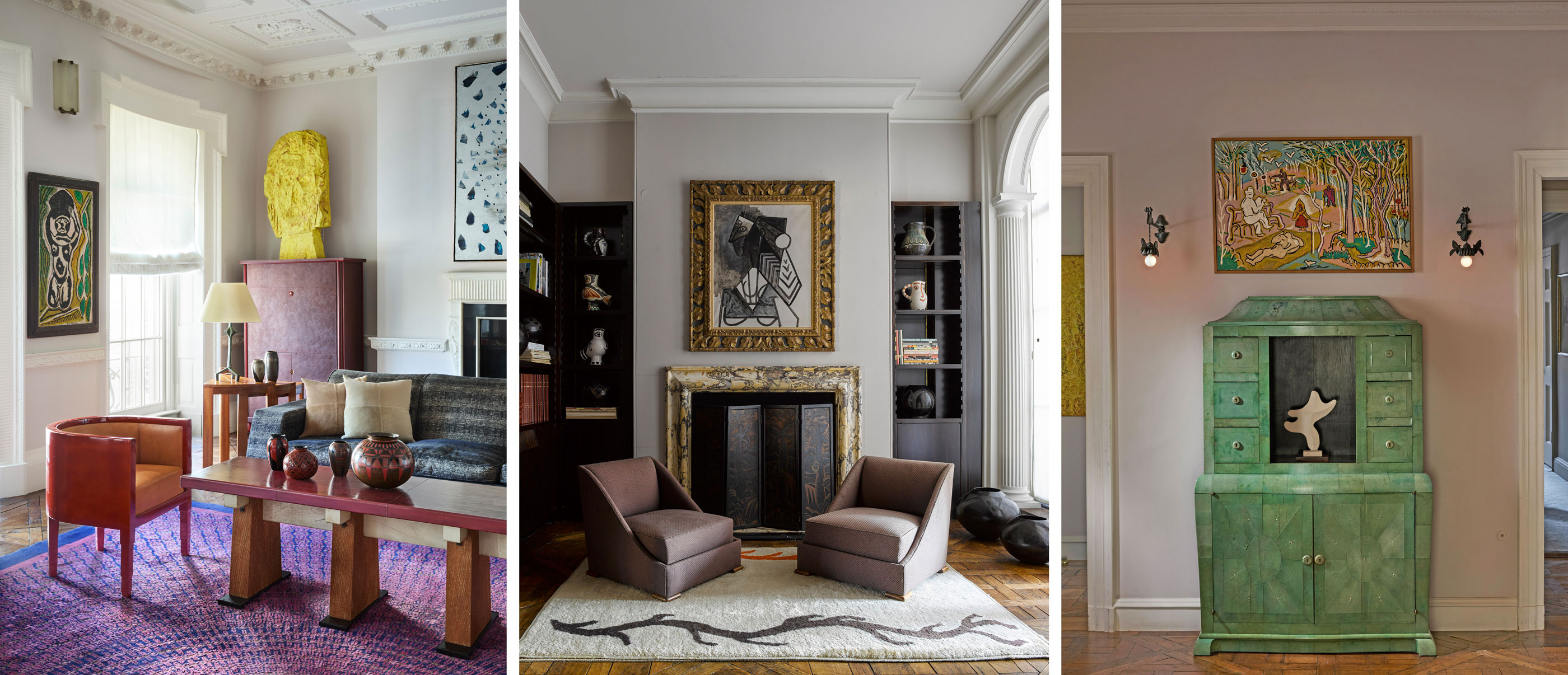
The broader de Gunzburg collection is instructive because, unlike the mirrors themselves, much of it was shaped within the couple’s New York home with decorator Jacques Grange. Jean Royère, Alberto Giacometti, Jean-Michel Frank, Alexandre Noll and other masters of twentieth-century design existed within a collecting culture that also embraced major modern and contemporary art.
That is the deeper market shift. At the highest level, sophisticated collectors increasingly organise rooms rather than departments. A painting does not cease to be important because a Royère sofa sits beneath it. A Lalanne does not become secondary because it can be used.
The auction market is beginning to price that collapse of hierarchy.
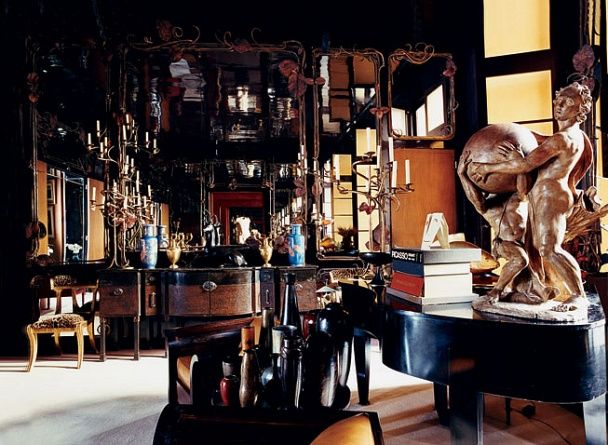
Les Lalanne have always made categorisation difficult. François-Xavier transformed animals into furniture and containers: sheep became seats, a rhinoceros could conceal storage, a hippopotamus could become a bar. Claude drew heavily on the botanical world, turning ginkgo, leaves, branches, flowers and crocodile skins into bronze, copper, jewellery, furniture and architectural elements.
Their works are functional without behaving like ordinary furniture. They can be touched and used, yet they retain the autonomy, authorship and visual authority collectors associate with sculpture.
That ambiguity once contributed to their marginal position between fine art and decorative art. Today it may be one of the principal reasons they feel so contemporary.
The most ambitious collector interiors no longer aspire to resemble white cubes. They treat art, furniture, ceramics, textiles and architecture as a single visual field. The Lalannes did not merely fit this way of living; they anticipated it.
The mirror result also demonstrates how the standards of connoisseurship long associated with major art collecting are increasingly shaping the design market.
At the upper end of the market, authorship alone is insufficient. Date matters. Edition and casting history matter. Foundry and fabrication matter. Condition matters. Exhibition history matters. And original context can matter enormously.
The fifteen-mirror ensemble possesses several forms of scarcity simultaneously: a major artist, a unique monumental commission, celebrated original patrons, museum history and the survival of the complete environment. Separating the mirrors would have diminished the meaning of the commission as well as its market distinction.
Collectors should expect this kind of differentiation to become more severe as design prices rise. An excellent example by a celebrated designer and an exceptional example with documented historical context offer very different collecting experiences.
The record sits within a wider acceleration. François-Xavier’s Hippopotame Bar reached $31.43 million in December 2025. Claude’s mirrors moved the benchmark to $33.455 million in April. In May 2026, Christie’s Paris sold La Pomme de Ben, a work credited jointly to François-Xavier and Claude Lalanne, for €7.502 million, establishing a record for a collaborative work by the couple.
It would be easy to interpret every one of these numbers as proof that any Lalanne is destined to rise. That is precisely where collectors should become more discriminating.
The surname now carries enormous cultural visibility. Sheep appear in celebrity interiors and design editorials; animal furniture has become visual shorthand for a particular kind of connoisseurial wealth. Visibility broadens appreciation, but it can also flatten important distinctions between periods, editions and quality.
Growing enthusiasm makes connoisseurship and careful scholarship more important, not less.
The most useful lesson from the Lalanne boom may therefore be to look beyond Lalanne.
Markets repeatedly reclassify categories that once sat outside the centre of fine-art collecting. Photography made that journey. Important modern design has made it. Ceramics, textiles and artist-designed furniture have all undergone institutional reassessment in recent years.
Some of the most interesting collecting territory appears where classification remains uncomfortable: work that is too functional for one department, too sculptural for another, or too materially experimental for a traditional hierarchy.
For collectors, the question is not simply whether the $33.455 million mirror record will be broken. It is which objects are still being priced according to an old category even though museums, scholars and serious private collections have already begun to see them differently.
The wall between art and design has been softening for years. Claude Lalanne’s mirrors did not erase it on their own, but their $33.455 million result offers a powerful marker of how far collecting culture has evolved — toward a richer understanding of design as part of the history of art, interiors and the way we live.
Record: $33.455 million for Claude Lalanne’s fifteen-mirror ensemble at Sotheby’s New York, 22 April 2026
Estimate: $10 million–$15 million
Bidding: Five bidders over approximately ten minutes
2009 price: €1.8 million at the Yves Saint Laurent–Pierre Bergé sale
Important provenance nuance: The mirrors were not installed in the de Gunzburg residence and were largely stored after their 2009 acquisition
Design Masters: 107 lots; $96 million total; Sotheby’s described it as the most valuable single-owner design sale in its history
Collector issue: At the highest level of collectible design, rarity, date, edition, fabrication, provenance and original context increasingly matter with the same scholarly seriousness long applied to major fine art.
Yelin Lee's Ghost Play transforms emojis into sculpture, uses chroma-key screens and a two-minute delay, and turns visitors into their own fleeting afterimages.
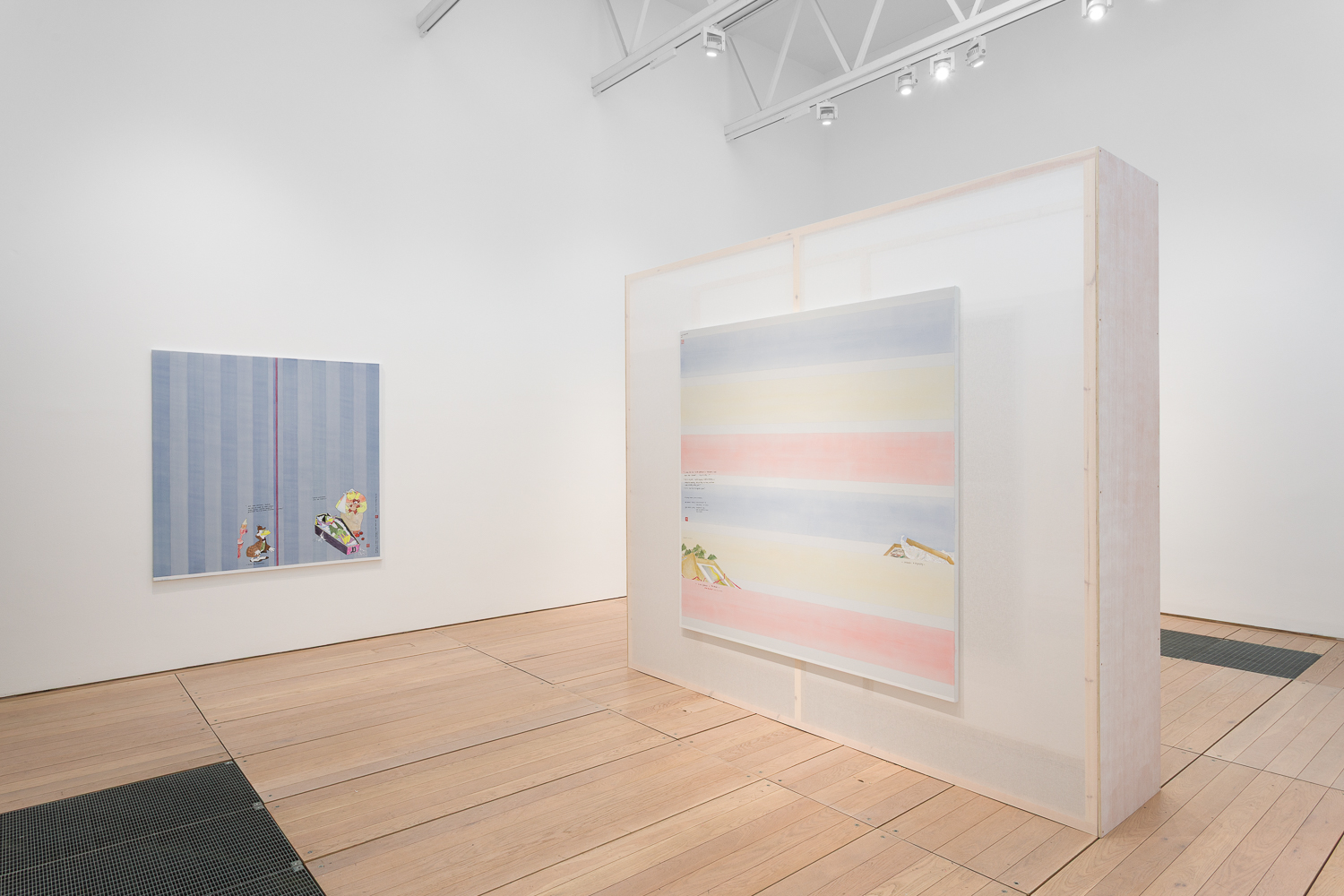
In her first UK institutional exhibition, Evelyn Taocheng Wang turns mistranslation, Agnes Martin, Chinese literati painting and fantasies of Britain into a deliberately unstable language of identity.
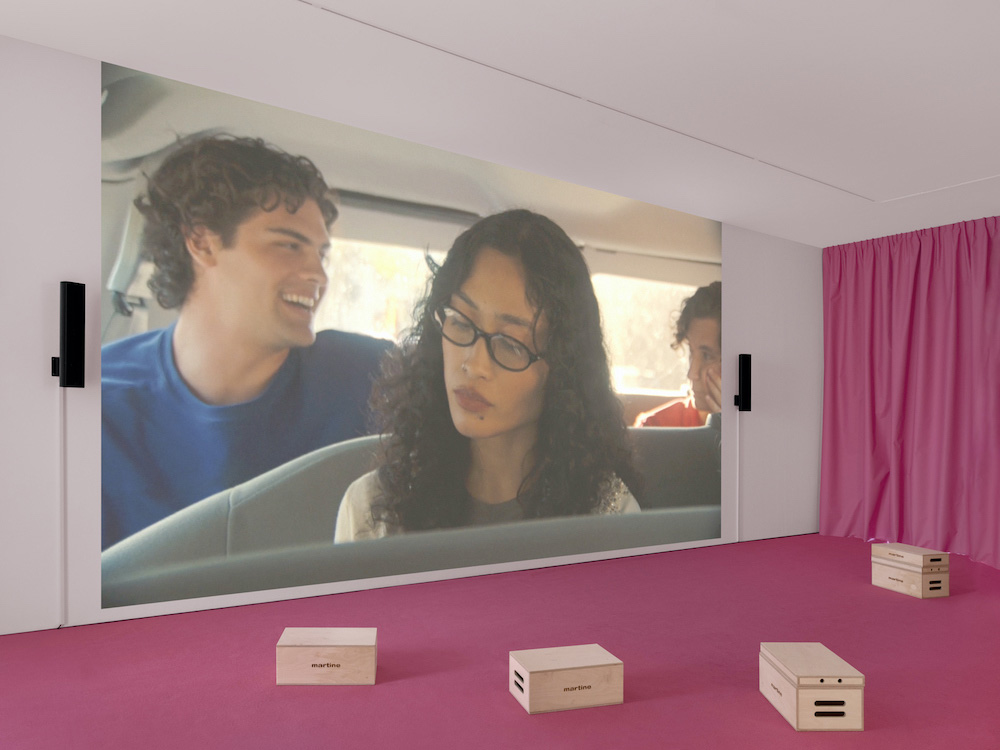
From Robert Ryman and Lorna Simpson to Mary Ramsden, Martine Syms and Nicola Turner, the strongest London route during Frieze week begins outside the fair.