
October 31, 2026
Articles
Articles
Kandinsky at $60–80m, Lichtenstein at $20–30m, Kusama, Nara, Bacon, Hopper and Agnes Gund: the November lots that matter beyond the headline estimates.
Kandinsky at $60–80m, Lichtenstein at $20–30m, Kusama, Nara, Bacon, Hopper and Agnes Gund: the November lots that matter beyond the headline estimates.
New York’s November auction season arrives with a useful contradiction. The market is being asked to absorb more than $800 million of material at Christie’s alone while Sotheby’s presents a concentrated evening sale spanning Lichtenstein, Kusama, Nara, Bacon, Frankenthaler and de Kooning. The estimates are ambitious, but they are not random. The season has been built around works with institutional histories, strong periods and identifiable collector narratives.
For collectors, the question is not whether every headline lot sells. It is which areas can still generate multiple committed bidders after several years of market selectivity.
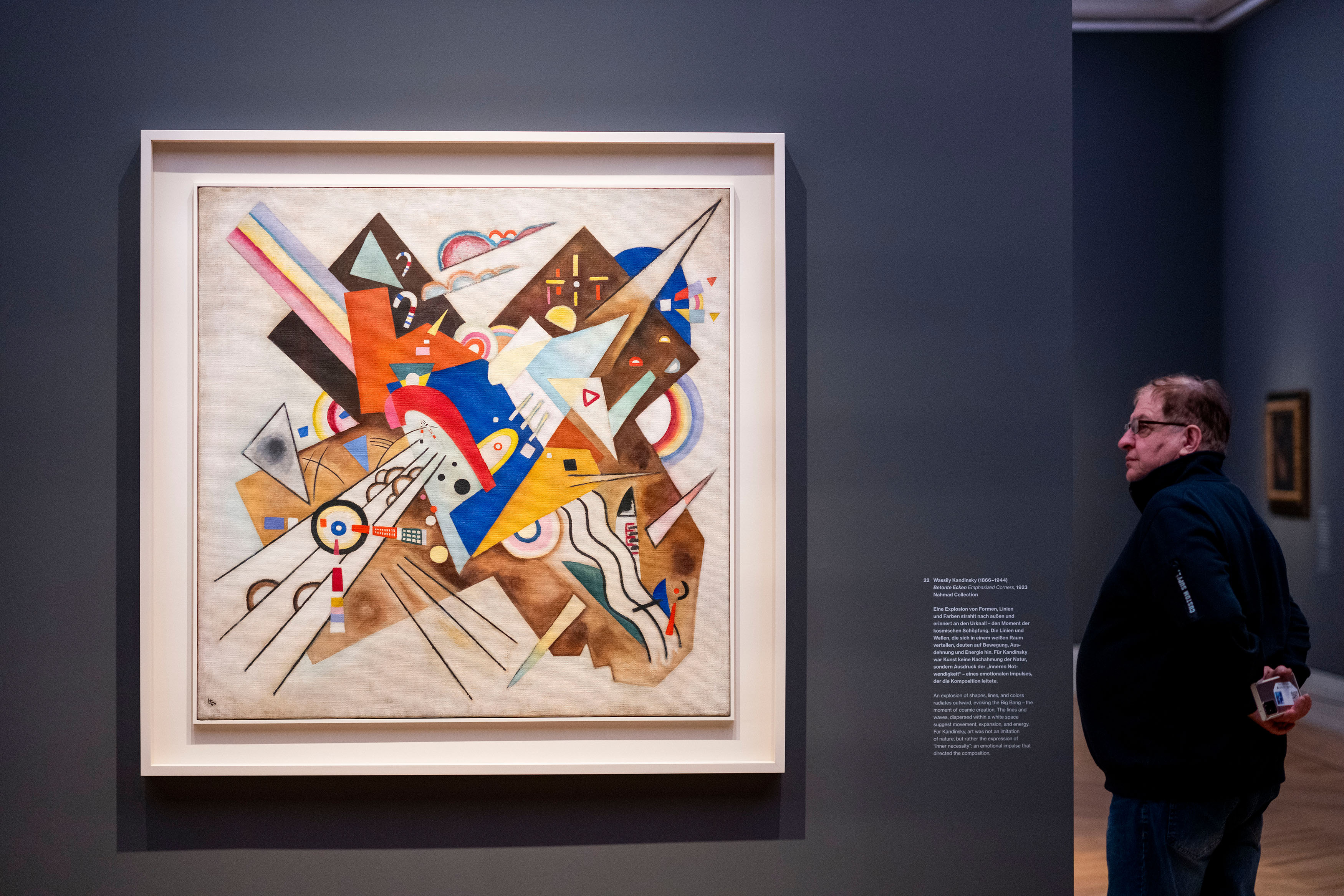
Christie’s leads its 20th Century Evening Sale with Kandinsky’s monumental Betonte Ecken (1922–23), estimated at $60–80 million. The timing is unusually dramatic: only weeks earlier, Das bunte Leben sold in London for £31.56 million, around $42 million. Betonte Ecken is now positioned to exceed the artist’s auction record.
The painting comes from the moment Kandinsky joined the Bauhaus and hardened his earlier expressive abstraction into a language of geometry, rhythm and structured dissonance. Its importance is not merely decorative. The work once belonged to Solomon R. Guggenheim, making its provenance part of the history of American modern-art collecting itself.
Sotheby’s leads its 16 November Now and Contemporary Evening Auction with Roy Lichtenstein’s Reflections on “Painter and Model”, estimated at $20–30 million. The lot arrives as Lichtenstein’s institutional profile remains particularly active, making it a test of whether museum attention translates into stronger demand for later and self-referential works rather than only the canonical 1960s comic paintings.
Yayoi Kusama’s No. 3P.B. carries a $10–15 million estimate. For a market often dominated by her Infinity Nets and pumpkins, early abstraction can reveal how collectors distinguish historical importance from brand recognition. The strongest Kusama results increasingly reward works that explain how radical the practice was before its imagery became globally familiar.
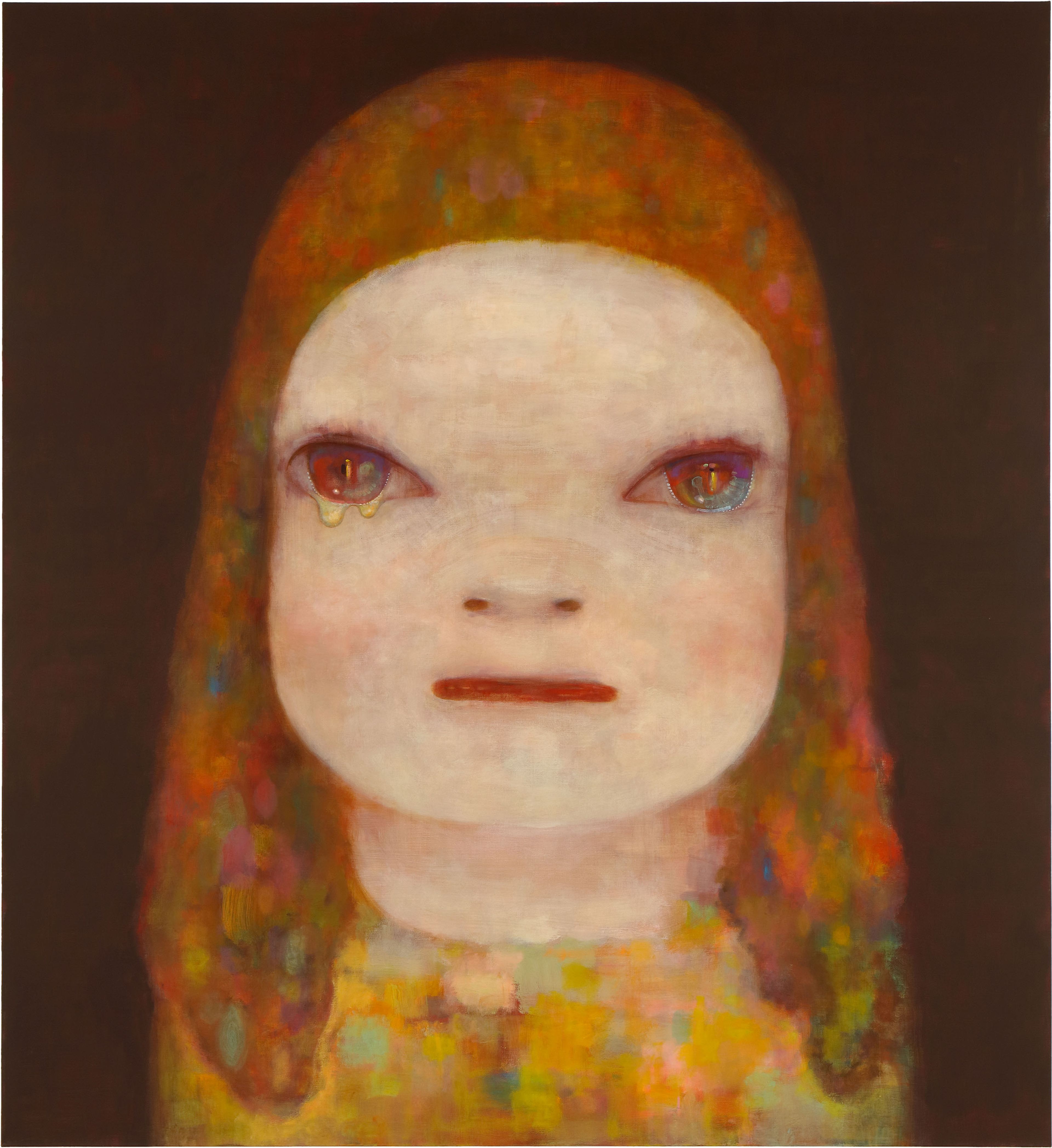
Nara’s Candy Blue Night is estimated at $5–7 million just as his first major New York solo exhibition in nearly a decade opens at David Zwirner and three monumental heads inaugurate the Hirshhorn Sculpture Garden’s West Lawn. This is exactly the alignment collectors watch: gallery, museum and auction visibility arriving at the same moment.
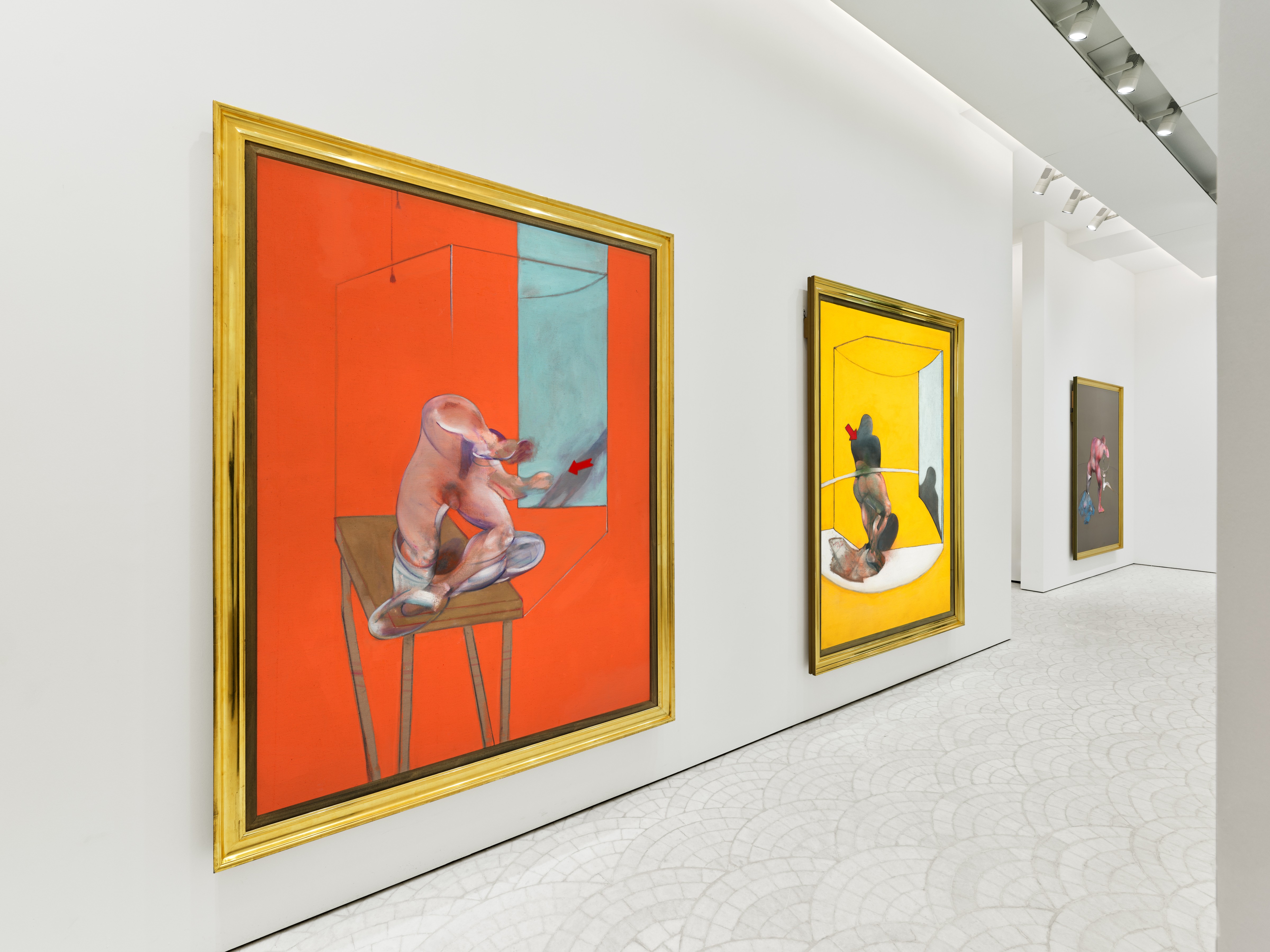
Francis Bacon’s Self-Portrait at Sotheby’s carries a $10–15 million estimate. Bacon remains one of the deepest post-war markets, but self-portraits occupy a particular position because the artist returned to his own image repeatedly after the deaths of people close to him. For collectors, condition, date and the relationship to the larger portrait cycle will matter more than generic artist recognition.
Cecily Brown’s Untitled (Shipwreck) at $7–10 million is one of the clearest tests of demand for a living painter whose secondary market has already reached maturity. The work asks whether collectors remain willing to pay top-tier prices for an artist whose market is no longer driven by novelty.
Sotheby’s Modern Evening Auction on 18 November includes Edward Hopper’s The Martha McKeen of Wellfleet at $20–30 million and Mary Cassatt’s Summertime at $7–10 million. These lots matter because the strongest American modernist works are scarce enough that their markets can behave independently from general contemporary-art sentiment.
Sotheby’s offers Helen Frankenthaler’s Black Touch at $2.5–3.5 million and Five at $1.5–2 million. The pairing gives collectors a useful opportunity to compare period, scale and composition within one artist’s market rather than reducing “a Frankenthaler” to a single price category.
Sotheby’s de Kooning Untitled is estimated at $4.5–6.5 million, while Christie’s offers Gerhard Richter’s 1990 Abstraktes Bild at $6–8 million. Neither requires a record to be meaningful. These are the kinds of works that reveal whether buyers are active beneath the most spectacular trophy level.
The November season also includes the next tranche of works from Agnes Gund’s collection, sold to benefit the Gund Art Foundation. Vija Celmins, Calder, Twombly, Rauschenberg, Ryman, Cindy Sherman and others transform a conventional auction narrative into one about stewardship: what happens when a collection’s final act is designed to fund future public good.

Do not judge the week only by whether the Kandinsky reaches $80 million. Watch the depth of bidding at $2–10 million, where collectors have more alternatives and therefore more leverage. Watch whether museum-active artists such as Nara and Kusama attract new buyers rather than the same established pool. And watch guarantees and irrevocable bids: a successful headline total can still conceal a thin competitive market if too much risk has been transferred before the auction begins.
The November sales will not tell us whether the art market is “back”. Markets do not move as one object. They will tell us something more useful: where collectors still feel urgency, and where an estimate is asking them to manufacture it.
Kandinsky at $60–80m, Lichtenstein at $20–30m, Kusama, Nara, Bacon, Hopper and Agnes Gund: the November lots that matter beyond the headline estimates.
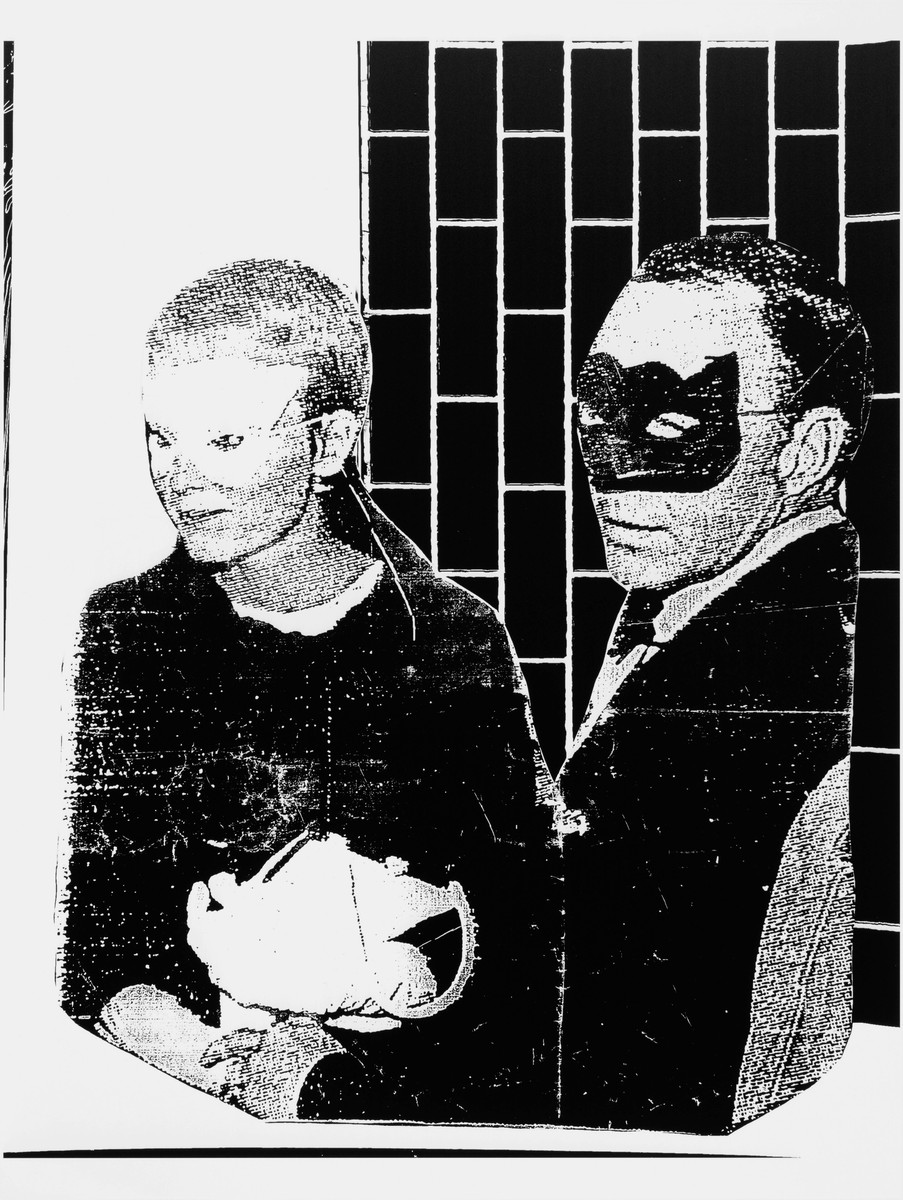
A rare London exhibition of new works and historical material returns us to Cady Noland’s uncomfortable vision of American spectacle, power and the ordinary object.
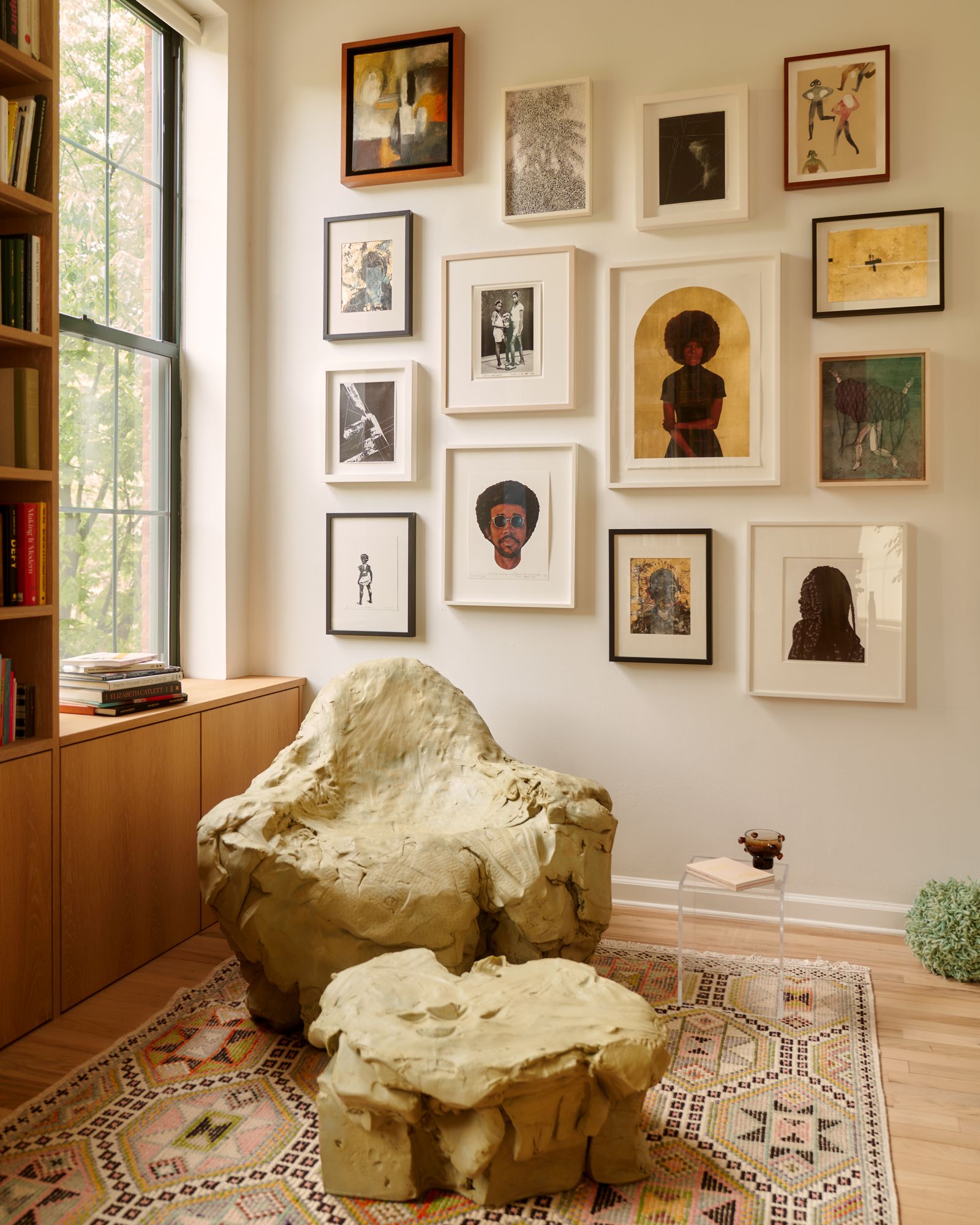
A gallerist’s Clinton Hill apartment reveals how painting, sculptural furniture, family history and unorthodox choices can make a home feel genuinely collected.