
November 5, 2026
Articles
Articles
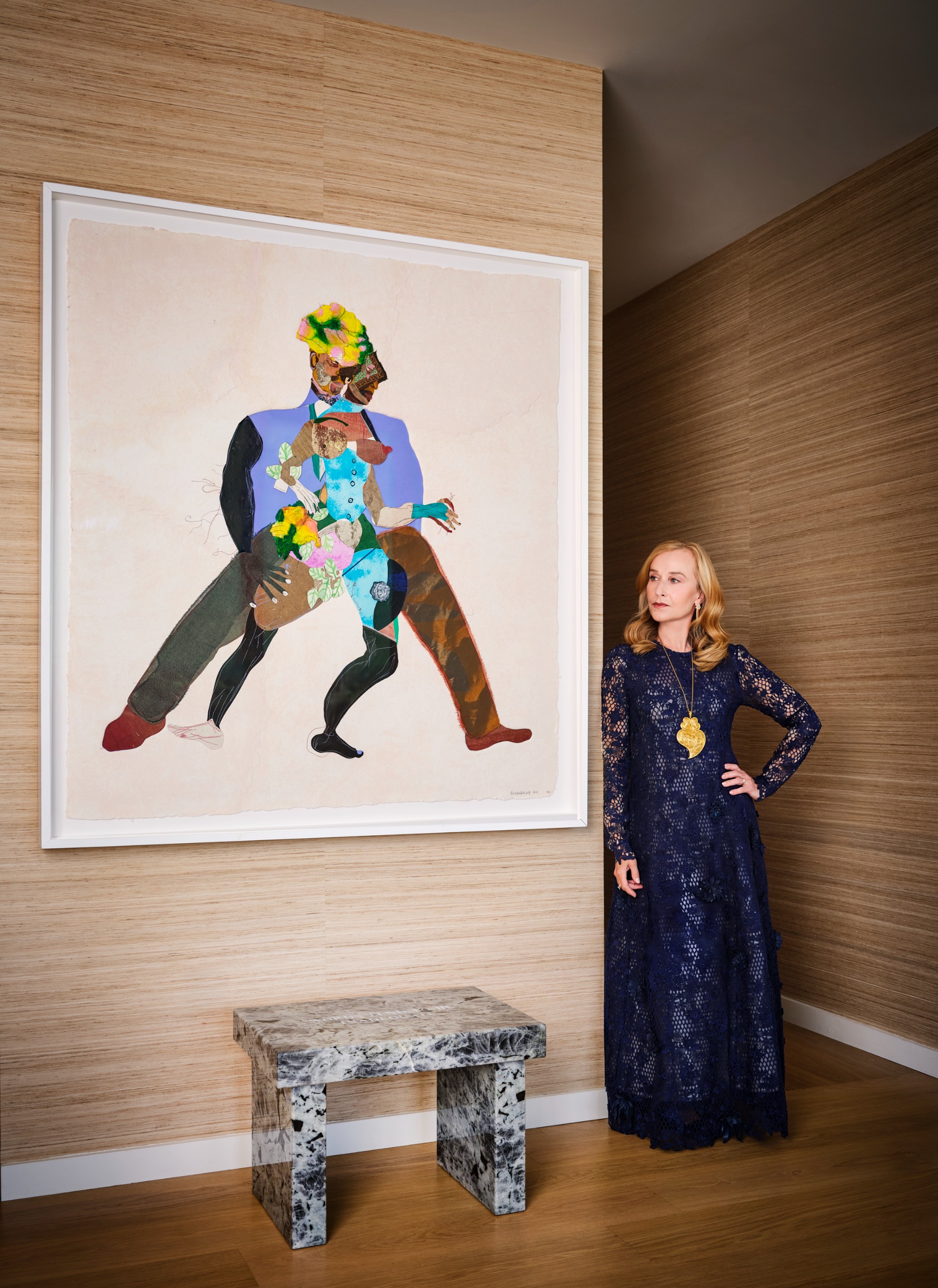
Kelly Behun’s West Chelsea apartment for former US ambassador Randi Charno Levine shows how a serious contemporary collection can grow from relationships, patronage and a new Joana Vasconcelos commission.
A painting arrives with its own internal weather: its scale, light, viewpoint and duration. Put that painting in a space designed for meditation or study and its character can change. This is the promise of Andrew Cranston’s Birds, beasts and flowers, staged at Ryosokuin Temple in Kyoto from 6 to 22 November 2026. It is his first exhibition in Asia, organised by Ingleby in Edinburgh and Modern Art in London, and it asks the paintings to respond to a setting very different from a standard gallery interior. The title comes from D. H. Lawrence’s 1
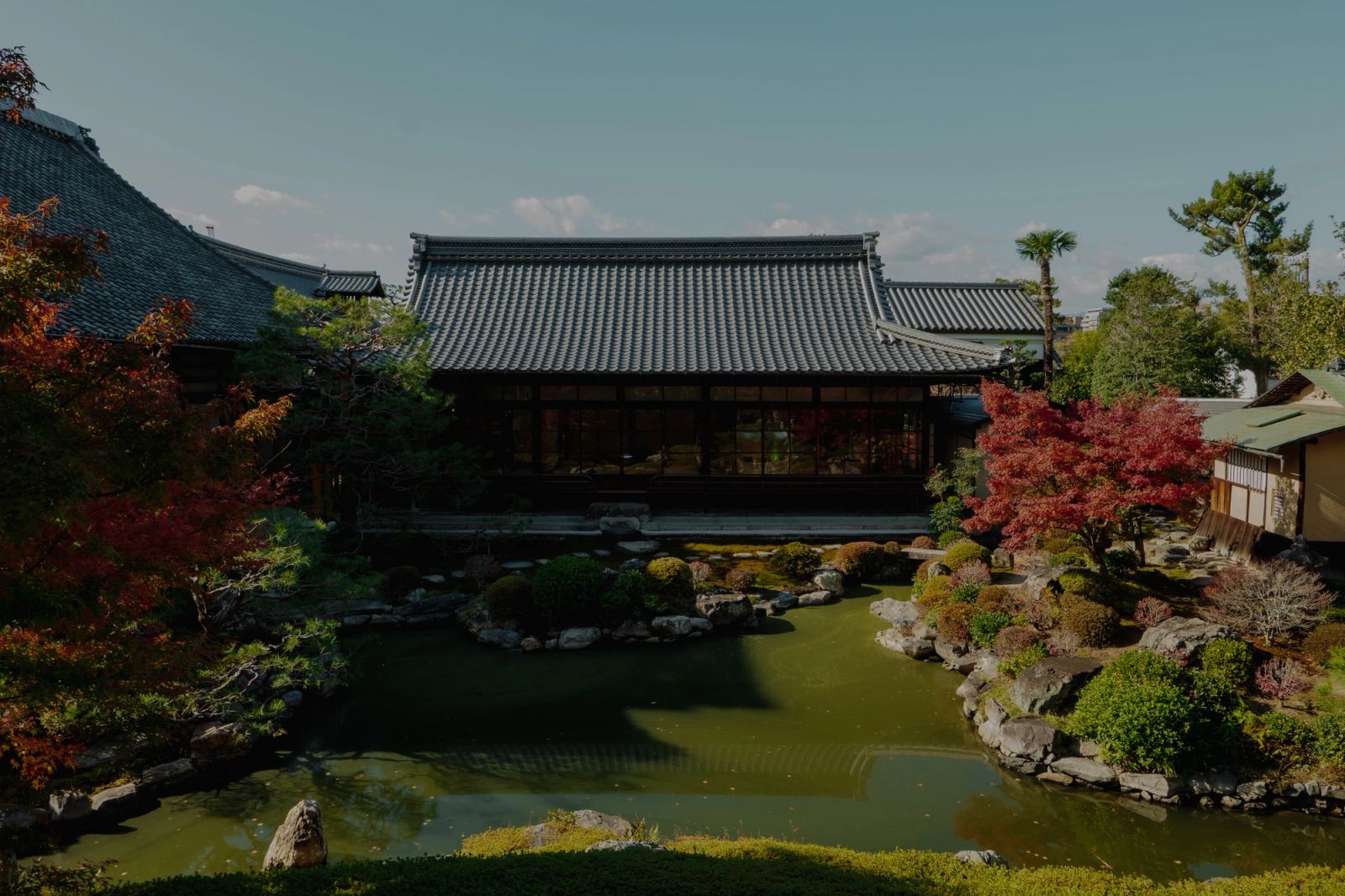
For his first exhibition in Asia, Andrew Cranston takes new paintings into Kyoto’s Ryosokuin Temple, where an intimate dialogue between image, poetry and architecture offers a different way of seeing.
A painting arrives with its own internal weather: its scale, light, viewpoint and duration. Put that painting in a space designed for meditation or study and its character can change. This is the promise of Andrew Cranston’s Birds, beasts and flowers, staged at Ryosokuin Temple in Kyoto from 6 to 22 November 2026. It is his first exhibition in Asia, organised by Ingleby in Edinburgh and Modern Art in London, and it asks the paintings to respond to a setting very different from a standard gallery interior.
The title comes from D. H. Lawrence’s 1923 collection of poems. Cranston has recalled encountering the book as a teenager studying at an evening class and being struck by the poems’ roaming, observant voice. That literary affinity makes sense for a painter whose images often begin in the ordinary—an animal, a room, a landscape, a half-remembered story—and gradually become stranger, both more intimate and less certain of what they depict.
Ryosokuin is an active historic temple, not a neutral event venue. The exhibition occupies rooms with different histories and spatial characteristics: the Hojo, associated with ceremonies and zazen meditation; the Daishoin, a former study with views across garden ponds and paths; and small tea houses. These are not interchangeable white walls. Light, threshold, floor level and the rhythm of moving from one room to another shape the terms on which an image is encountered.
This is the important distinction between displaying paintings in a beautiful place and making the place part of an exhibition’s thinking. Cranston’s presentation has been described as responding to the architecture and scale of the temple from room to room. That does not make the paintings decorative counterparts to the building. It suggests a curatorial approach in which spatial restraint gives a work more time: a small image can become unexpectedly expansive when the eye has had to adjust to silence and distance.
Cranston is often associated with the peculiar atmosphere of remembered scenes. His paintings can feel recognisable on first encounter, then refuse the certainty that recognition usually provides. A familiar interior acquires uncertain proportions; a landscape has the intensity of a dream, although its details remain convincingly observed. It is a mode of image-making in which memory does not serve as evidence so much as material to be revised.
The artist’s process reinforces this quality. Motifs are reconsidered, altered and sometimes obscured as a painting develops, so that the final image holds traces of decisions and departures. The resulting works are not illustrations of stories. They are places in which stories might be temporarily assembled by the viewer. That distinction is especially useful when looking at a group of paintings whose subjects seem connected but never declare a single complete narrative.
Lawrence’s Birds, Beasts and Flowers offers a tempting title for an exhibition in Kyoto, but Cranston is not proposing a visual appendix to the poems. What connects them is a sensibility: attention to the natural world accompanied by an awareness that another creature or landscape cannot be fully possessed through description. Observation is an approach to the unfamiliar, not a guarantee of mastery.
There is an artistic risk in naming this kind of relationship too neatly. Painting and poetry operate differently. A poem can shift its grammatical position in a single line; a painting puts several moments of looking into coexistence. Cranston’s strength lies in allowing the two mediums to remain separate while acknowledging their shared appetite for association, interruption and surprise.
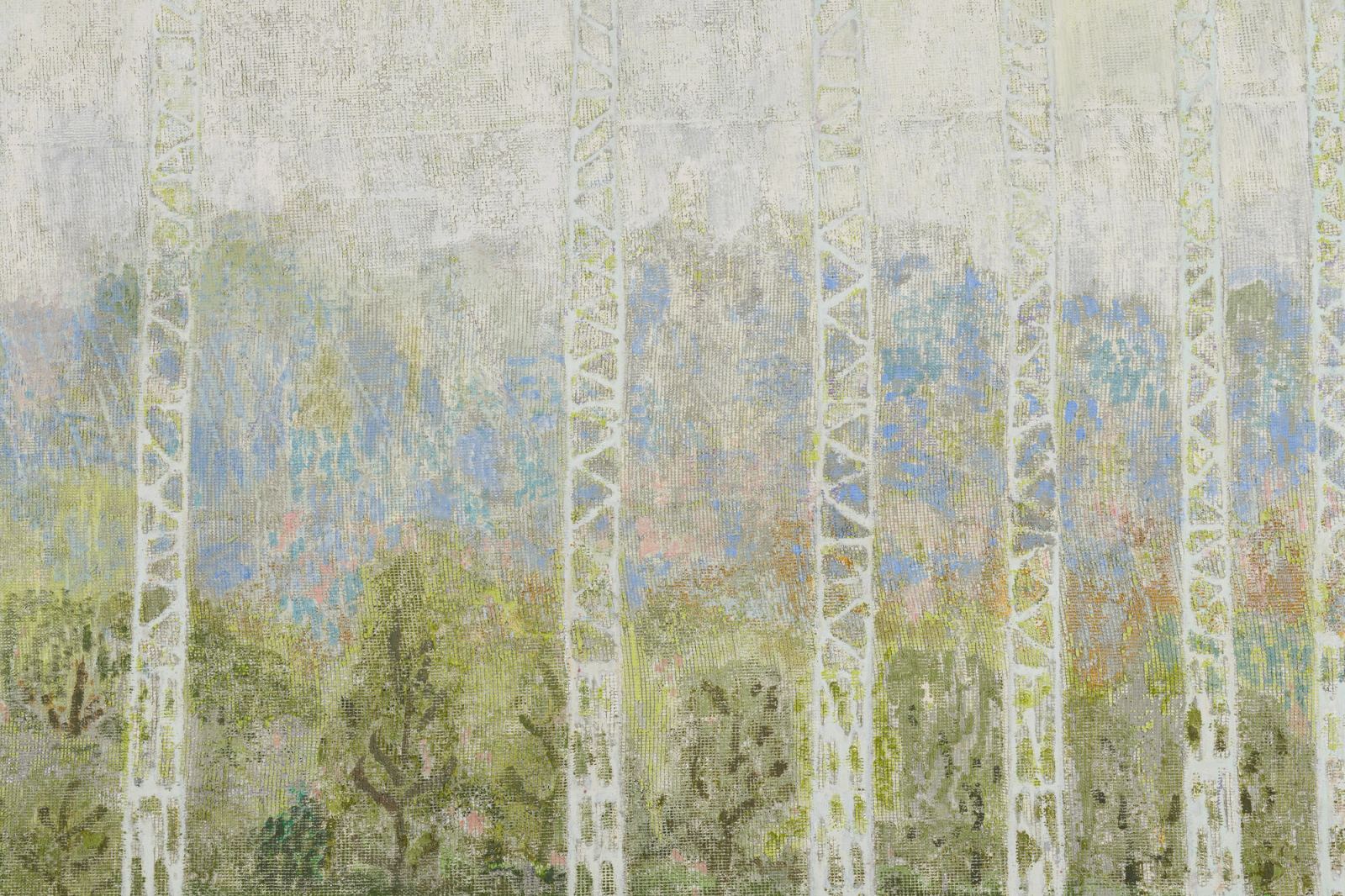
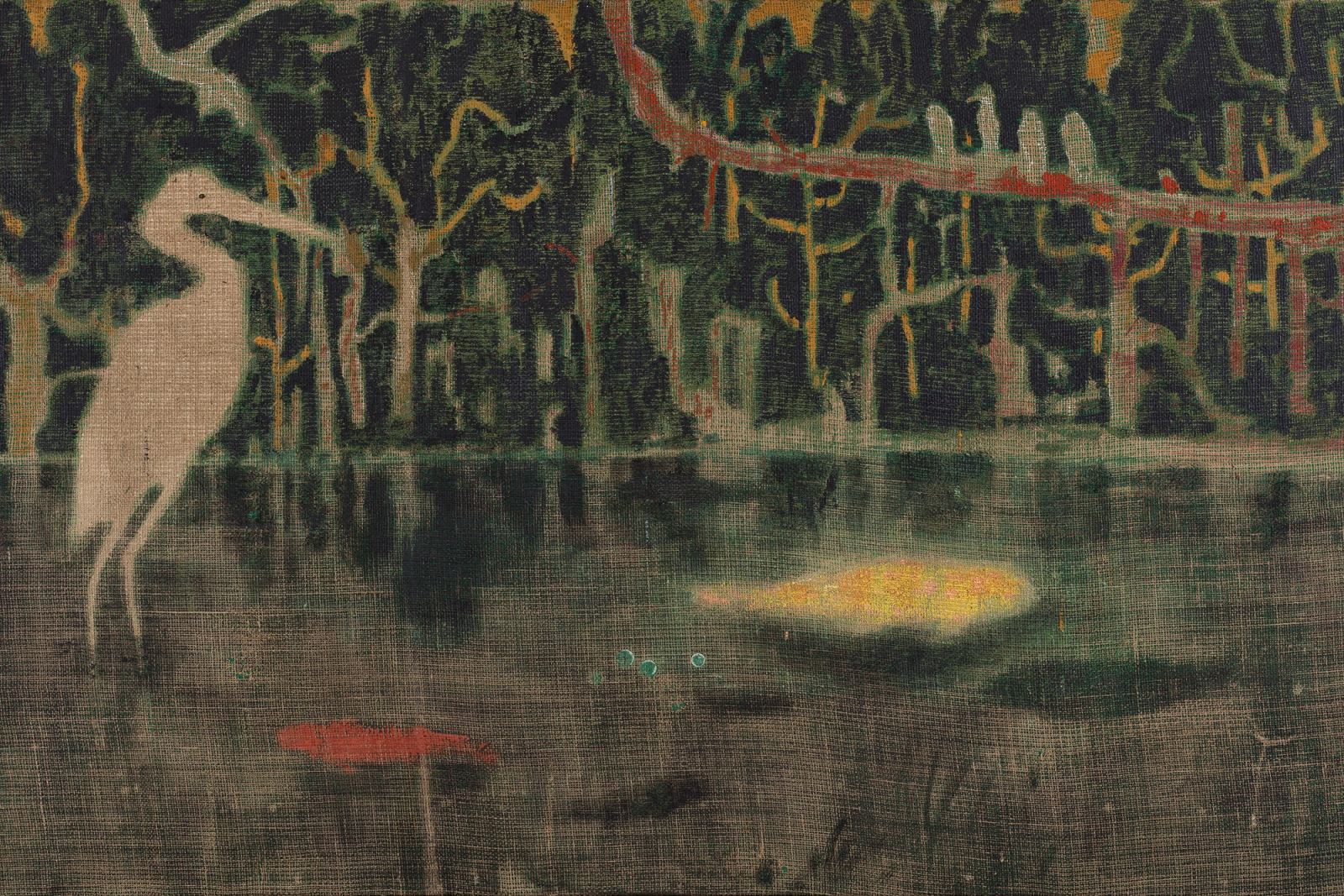
The galleries have identified The Nightfishing (2026), a painting, among the works associated with the Kyoto presentation. The title alone opens a small narrative: a solitary activity, darkness, a landscape whose visible surface may conceal other lives beneath it. The painting’s atmosphere is consistent with Cranston’s interest in the spaces between observation and imagination. Such a subject is particularly resonant in a setting where the garden and the framed view already encourage close attention.
It would be premature, before the installation opens, to describe precisely how that painting will look in the temple rooms. The more interesting prospect is how the work’s internally constructed sense of time might encounter the temporal character of a place used over centuries. Both painting and temple are capable of holding the present alongside things remembered, inherited or repeatedly performed.
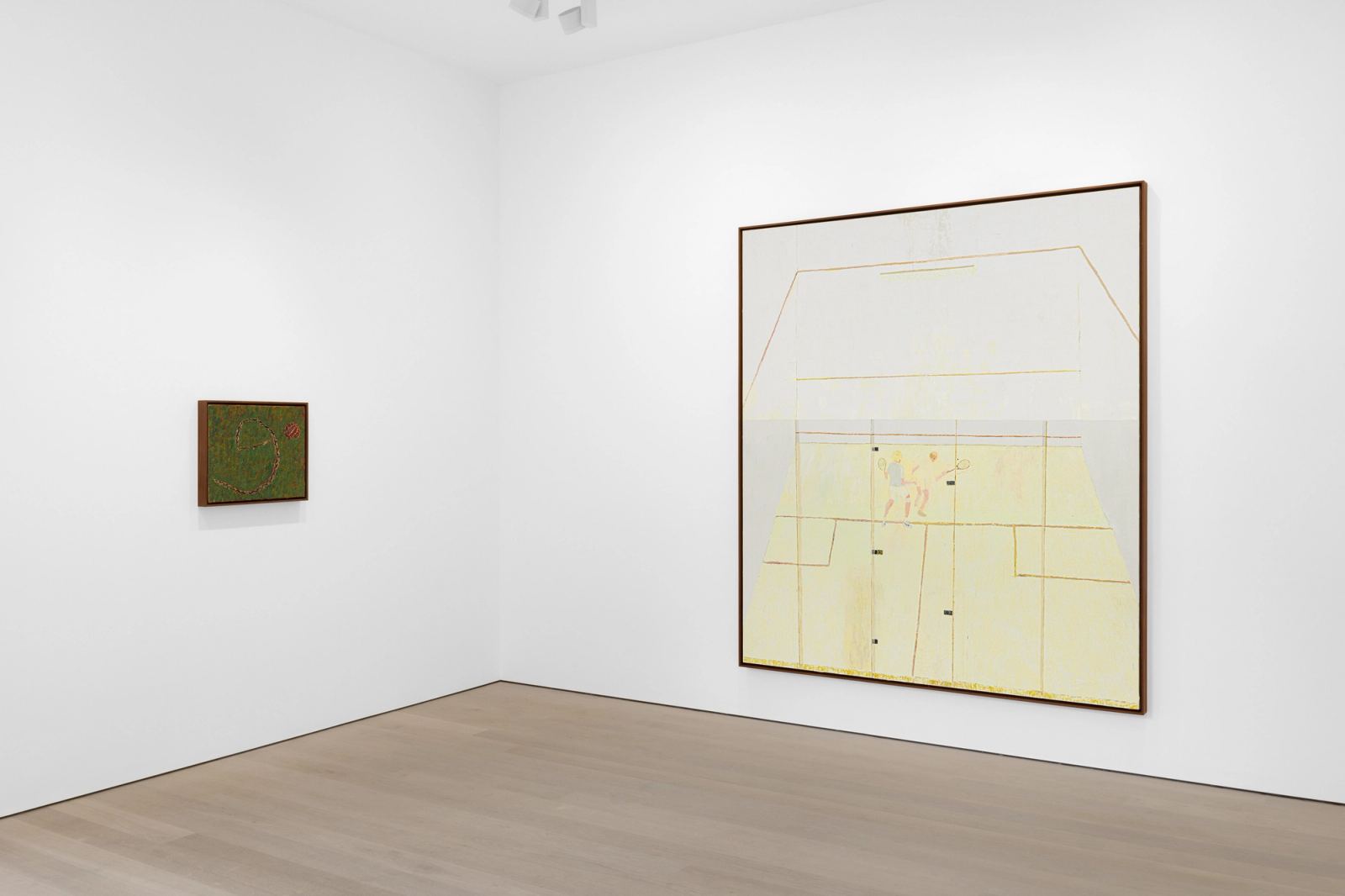
Cranston has developed a language that does not fit comfortably into the usual opposition between figuration and abstraction. His surfaces can be rich with painterly incident while his compositions remain legible as spaces, objects or bodies. In that tension, the viewer may be drawn close by a colour or gesture and only afterwards discover that the scene as a whole is less stable than it appeared.
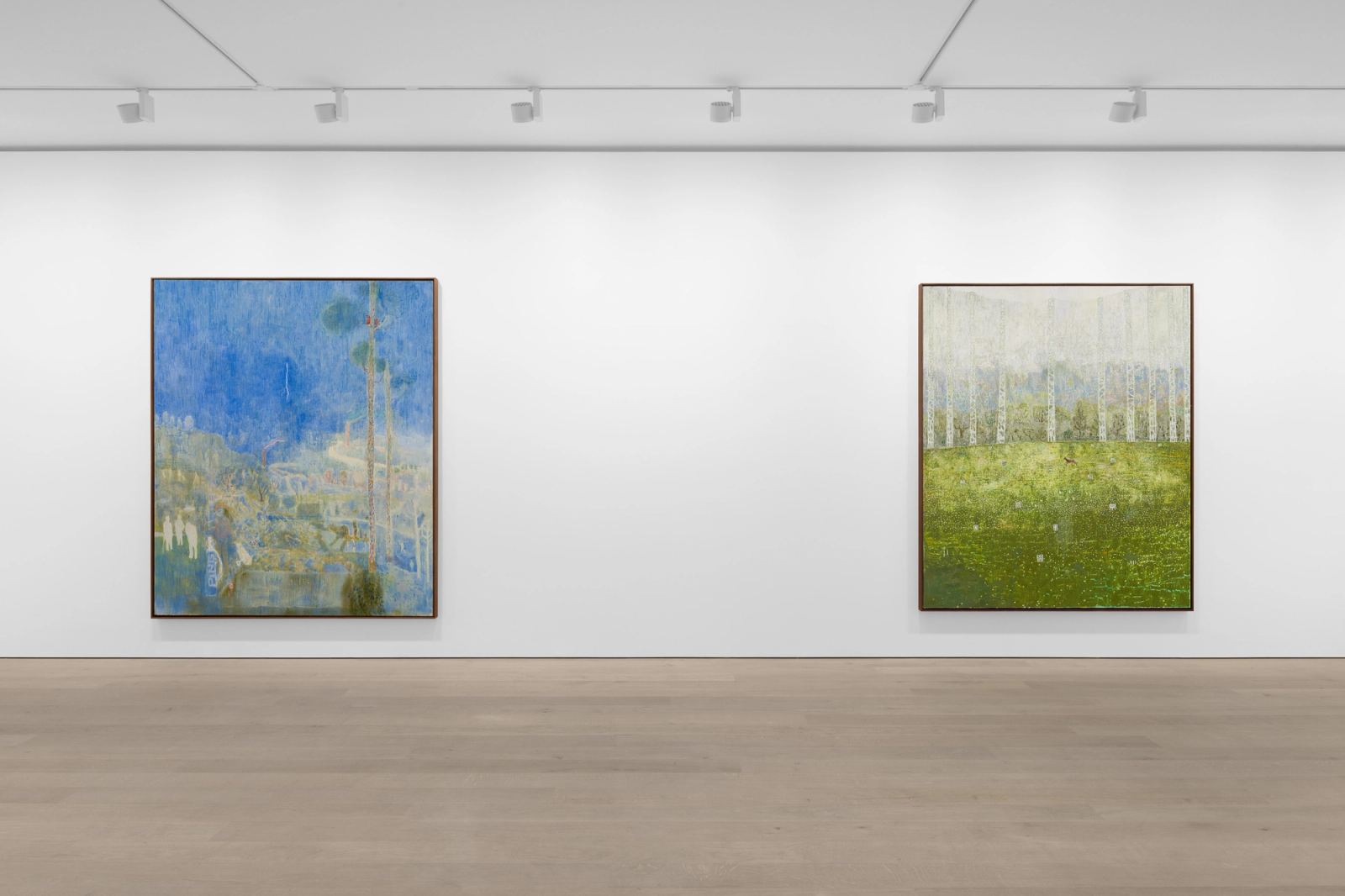
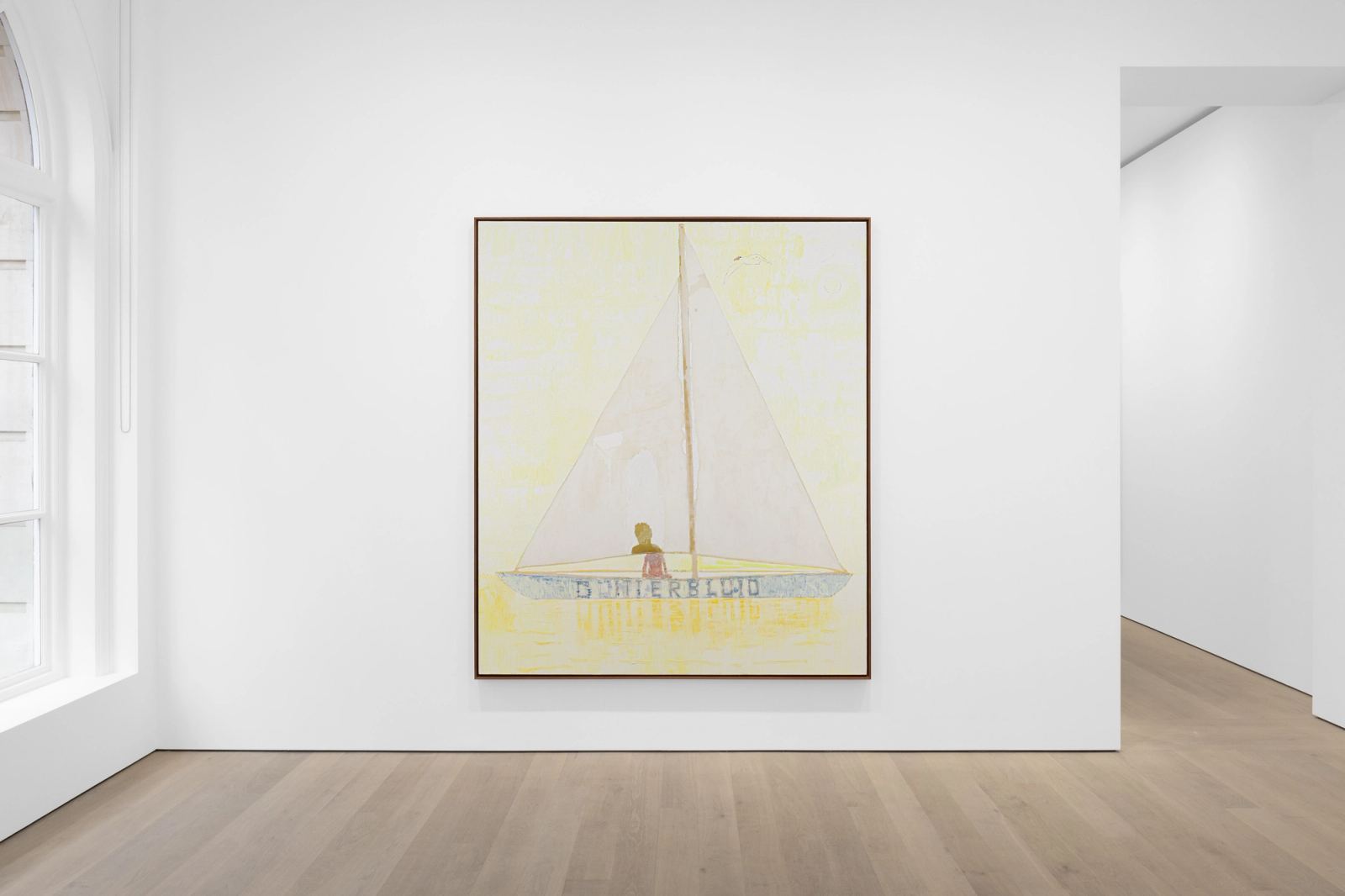
The artist’s earlier 2026 presentation at Modern Art in London offers useful context, though photographs of that exhibition should not be mistaken for views of the forthcoming Kyoto installation. Across those paintings, the question is not whether a remembered place has been accurately reconstructed. It is how a painting can generate a convincing emotional geography while leaving much of its actual history unexplained.
Birds, beasts and flowers overlaps with Art Collaboration Kyoto, the fair that has developed a structure of cooperation between Japanese and international galleries. Ingleby and Modern Art are also participating in a booth with Kyoto-based Nonaka-Hill. The temple exhibition and fair presentation are related, but they should not be collapsed into a single commercial encounter. One operates through the concentrated time of the exhibition; the other brings works into the dense comparative environment of a fair.
For collectors, that contrast is productive. The fair offers exposure, access and conversation. The temple invites a slower evaluation of scale, sequence and the ways a painting inhabits architecture. Neither experience substitutes for the other. A work that becomes memorable in an unusual architectural setting may need equally careful consideration before it is placed in a domestic collection.
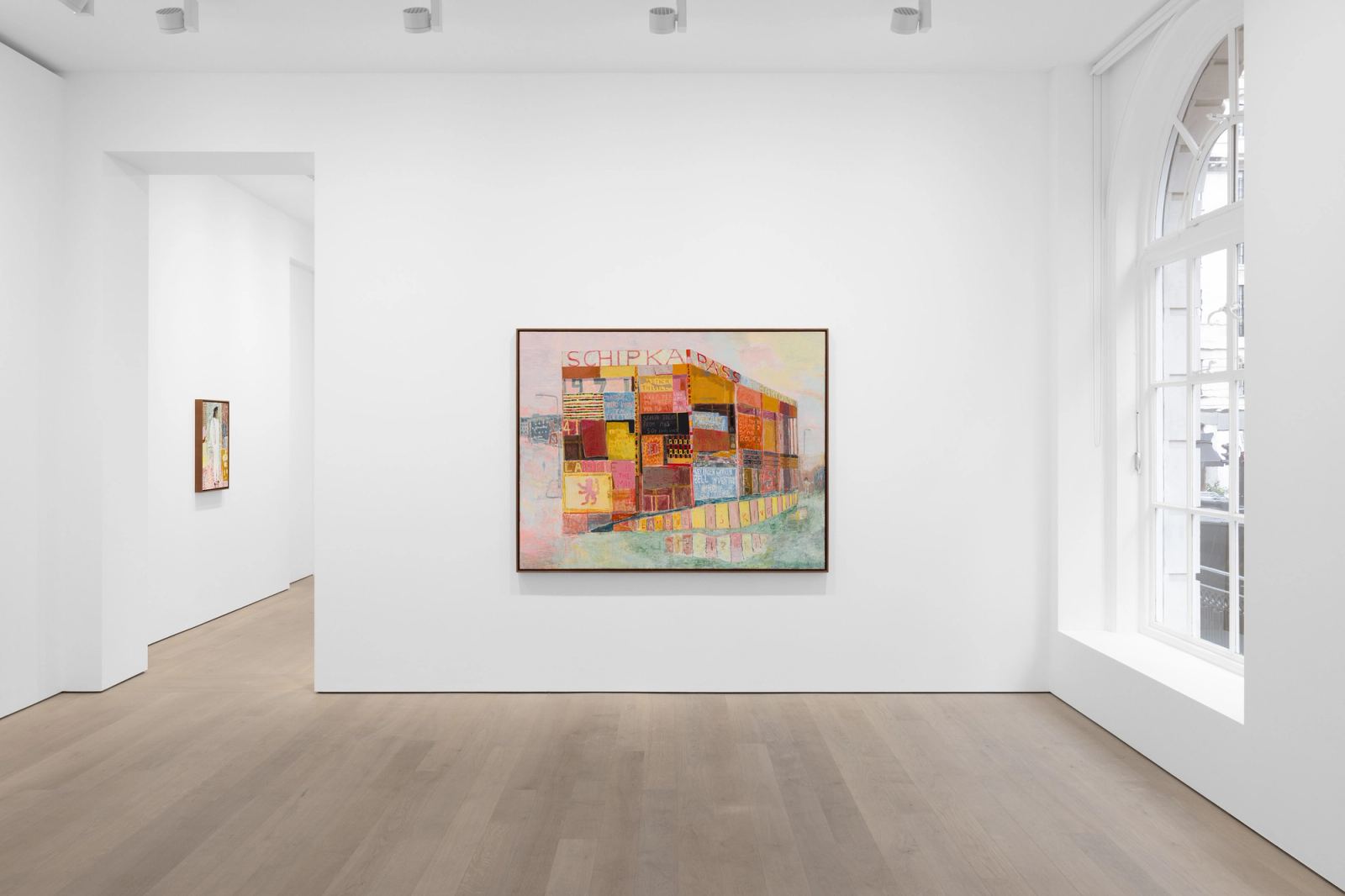
This exhibition is especially worth following because it asks how much context a painting needs, and how much it can bear. Too elaborate a site-specific narrative can reduce art to an accessory of its location; too little attention to place can waste a remarkable setting. The available exhibition material suggests a more balanced approach, one that allows Cranston’s paintings to remain unpredictable while taking the temple seriously.
There is a final lesson here for collectors and curators alike. The best encounter with a painting is rarely the quickest. It depends on the time spent moving between details and the whole, on returning to an image after looking elsewhere, and on recognising that uncertainty may be part of its achievement. In Kyoto, those habits of attention find an unusually fitting home.
For a painter whose work often depends on ambiguity, reproduction has particular limitations. A JPEG can show the arrangement of a scene and the contrast between colours, but it is less reliable at conveying the difference between a thin passage of paint and a heavily worked surface. Nor can it communicate the way a work’s scale responds to a viewer’s body. Before making decisions about a painting, collectors should seek precise information about support, condition, dimensions and the light for which it was conceived.
The Kyoto presentation adds another layer. A photograph of a painting at Ryosokuin will inevitably include architectural details that shape the mood of the picture. The photograph may be exquisite and yet make the two inseparable for someone who has never seen the work in another context. A careful collector will distinguish the image’s intrinsic decisions from the conditions of its exhibition, without pretending that those conditions were incidental.
Such attention is also an argument for slower connoisseurship. Cranston’s paintings often reward repeated returns; the eye might initially be absorbed by the narrative hint of a figure or object, then find an unexpected abstraction in the edge of the picture. A work that can remain open under different circumstances may have a particularly long life within a collection.
Modern Art: Andrew Cranston at Ryosokuin Temple
Kelly Behun’s West Chelsea apartment for former US ambassador Randi Charno Levine shows how a serious contemporary collection can grow from relationships, patronage and a new Joana Vasconcelos commission.

The new Dasha Shenkman Focus Fund has placed three Okiki Akinfe works into Abbot Hall. Its real significance is a model of private patronage that creates public institutional value early.
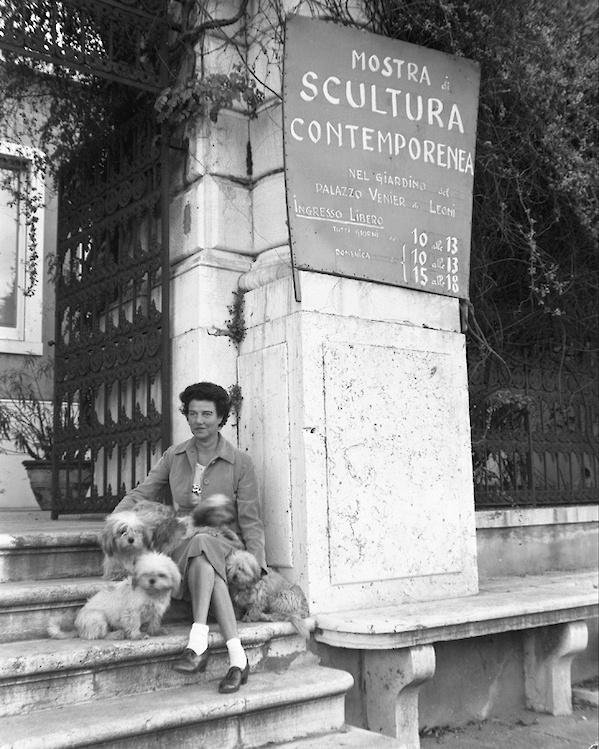
At Palazzo Venier dei Leoni in Venice, Peggy Guggenheim made modern art part of daily life—and left a model for the home as a living collection.