
October 23, 2026
Exhibitions
Exhibitions
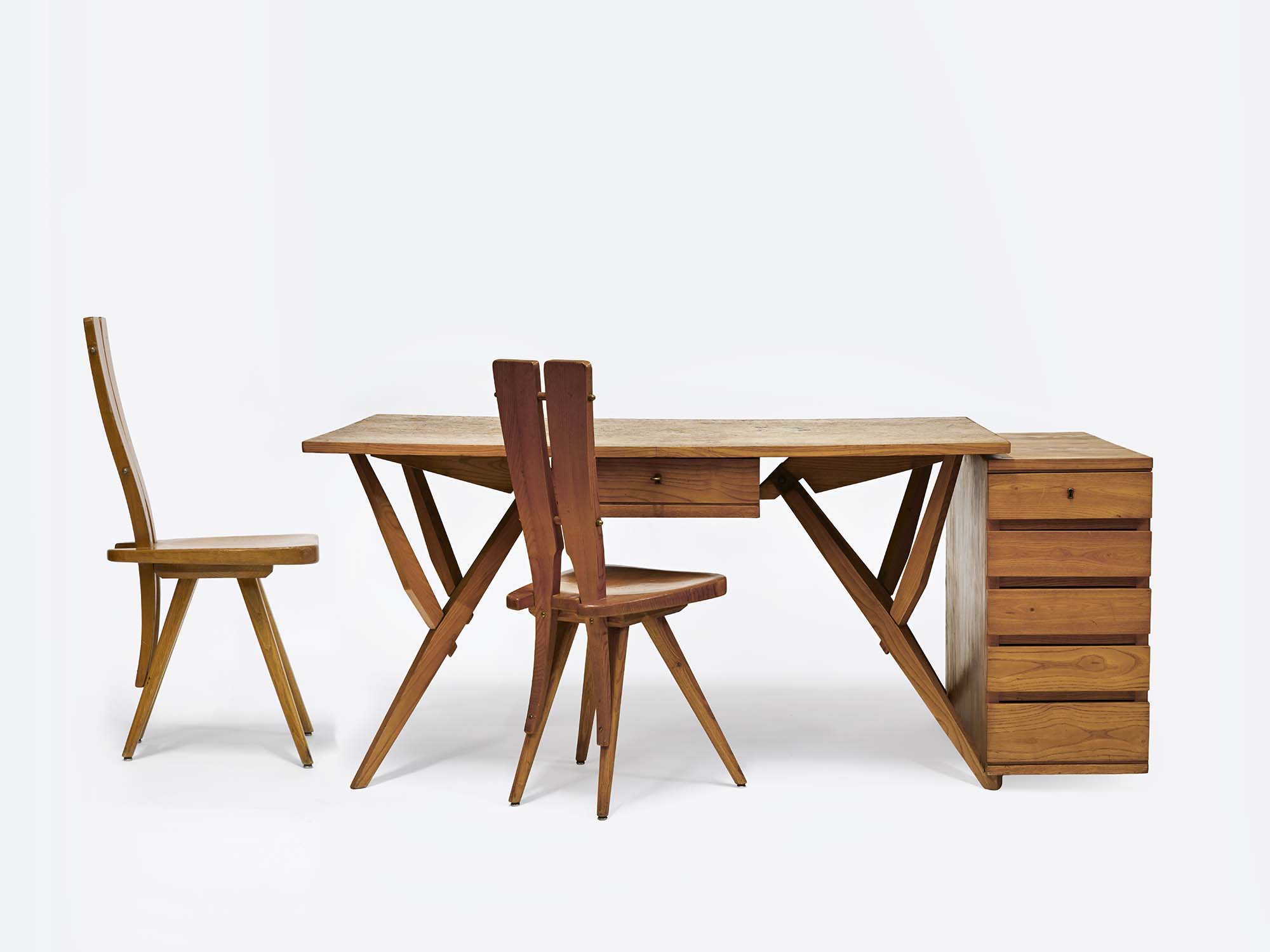
From Carlo Mollino and Faye Toogood to Misha Kahn and Gallery FUMI, PAD London 2026 showed what discerning art collectors can learn from sculptural furniture and material experimentation.
The last weeks of Koyo Kouoh’s In Minor Keys demand a slower way of seeing Venice. A practical guide to the central exhibition, national pavilions and what collectors should take away.
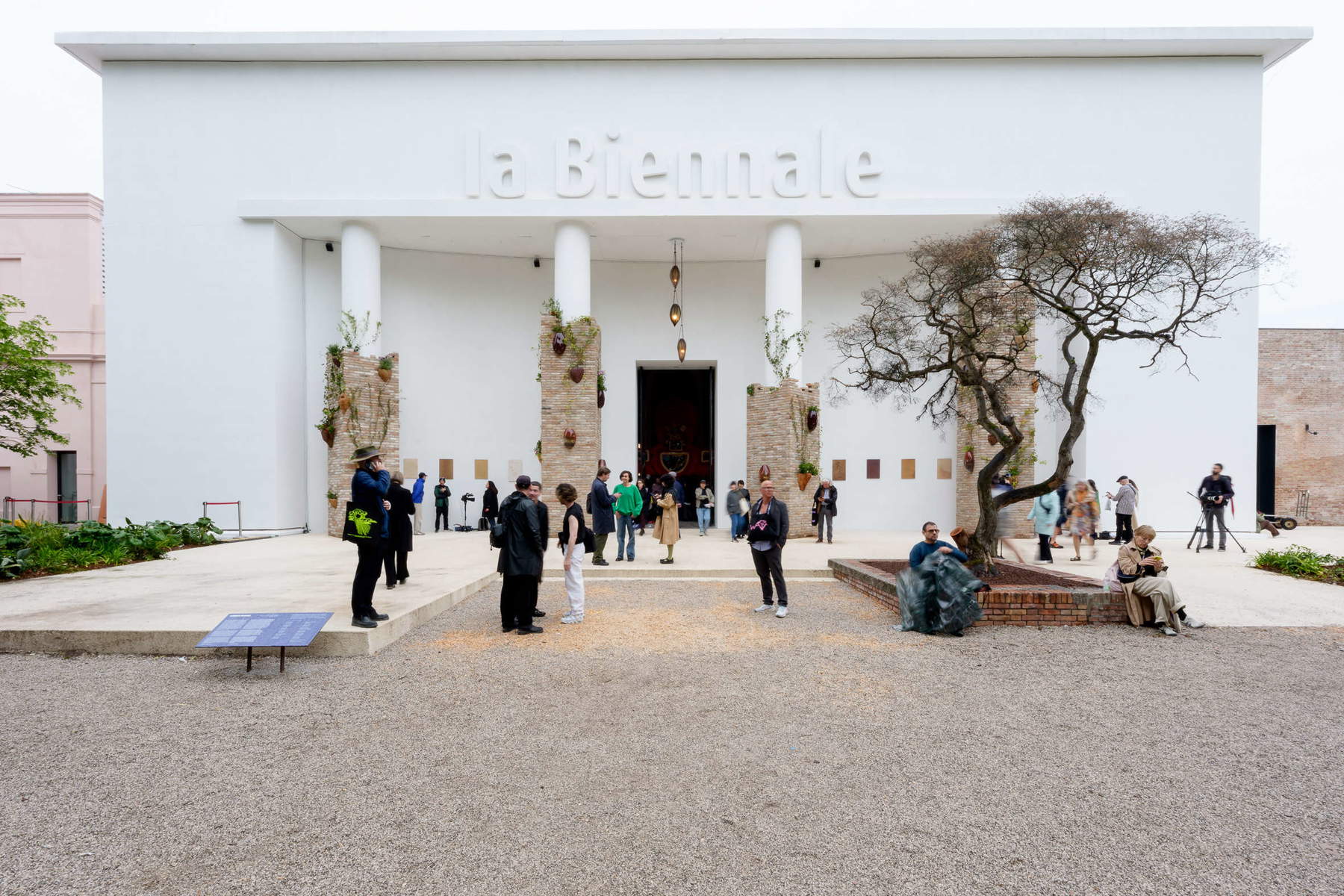
In the closing weeks of the 61st Venice Biennale, the question is not how many pavilions a visitor can collect in a day, but what it means to encounter an exhibition conceived as a sustained act of listening. In Minor Keys, devised by the late Koyo Kouoh, runs until 22 November 2026. It is a rare edition whose intellectual character is inseparable from the circumstances of its making: Kouoh died in May 2025, having established its curatorial vision, artists and architecture; her team carried that vision through with the support of her family. Our approach to its closing weeks is an itinerary through that vision, rather than a repeat of opening-week rankings.
The Biennale is often consumed like a competitive sport: pavilions counted, queues assessed, prize tips traded. Kouoh proposed something different. The exhibition’s title invokes frequencies and tonalities that are easy to miss when a city turns into a temporary art marketplace. Her project groups practices through affinities rather than enforcing a single fashionable look or a rigid set of geographic chapters. This matters to collectors, because the most meaningful encounters with art frequently occur before an artist has been reduced to a movement, school or price comparison.
The official structure identifies recurring motifs instead of conventional sections: shrines and sites of remembrance; procession and collective movement; rest and the garden; and forms of artist-centred learning or “schools”. These provide a more useful viewing method than beginning with whatever installation has the longest line. The central exhibition extends across the Giardini, Arsenale and additional sites, while independently organised national pavilions and collateral presentations occupy a wider Venice geography. Give the main exhibition a day of its own before attempting to join it to national-pavilion reconnaissance.
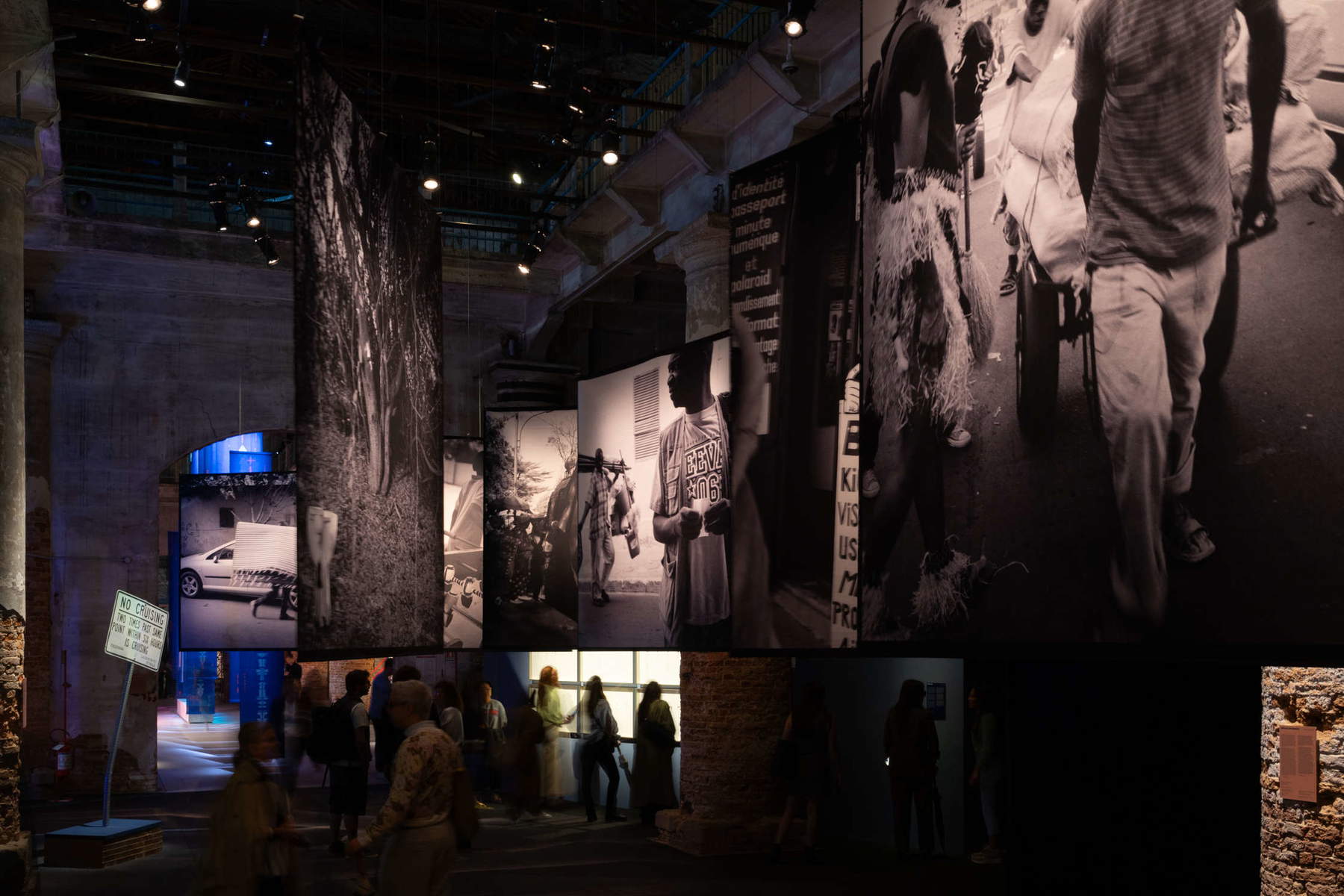
At the Giardini, spend time with how the exhibition makes space for memory, place and artistic inheritance. The curatorial idea of the shrine is particularly relevant: the programme acknowledges the Senegalese artist and organiser Issa Samb and the American sculptor Beverly Buchanan as key figures. Neither should be approached merely as a “discovery” in the market sense. Their importance lies in the propositions their lives and work make about art in relation to community, landscape and other people. The best way to register those connections is to stay with objects and installations long enough for the details to challenge the explanatory labels.
Among the central-exhibition participants announced by La Biennale are Pio Abad, Alvaro Barrington, María Magdalena Campos-Pons, Sammy Baloji, Akinbode Akinbiyi and Laurie Anderson. Their practices differ profoundly in medium and address; that difference is the point. Abad’s relation to histories and material culture should be read differently from Akinbiyi’s patient photography, or Anderson’s capacity to braid sound and storytelling. A strong collector visit asks what a work does in its actual space, whether the installation adds something that a photograph cannot, and how an artist’s longer practice changes the meaning of an individual object.
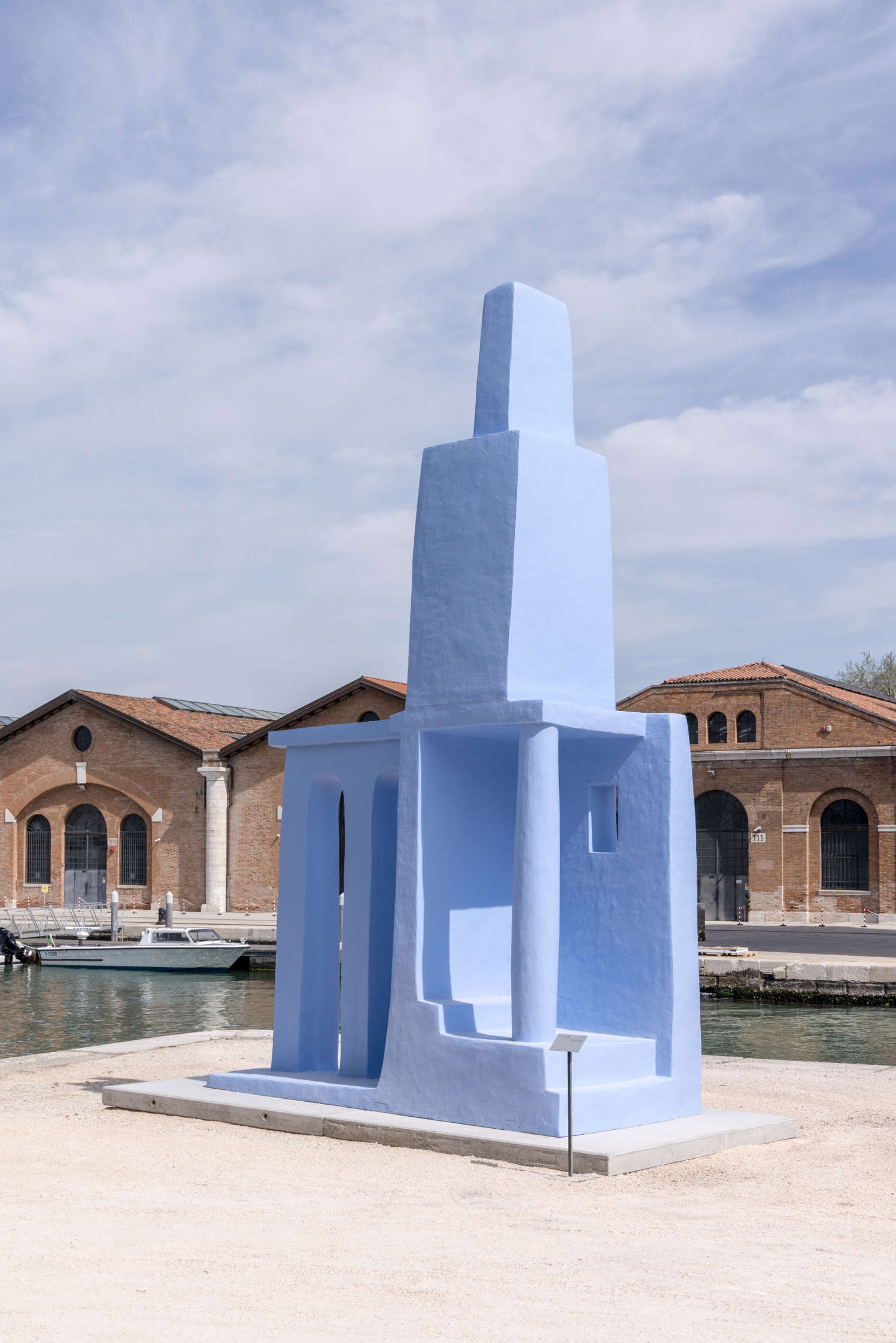
The Arsenale tends to reward slower exploration. Its long industrial interiors make the relationship between installation and architecture impossible to ignore, especially when moving between sound, film, text and sculptural situations. Rather than hunt for one emblematic image, compare how works construct bodily experience. What do they ask the visitor to hear? What can be seen only from a particular position? Where do they invite rest rather than spectacle? In these choices, installation is not packaging; it is part of the intellectual work.
Artists such as Kader Attia, Carolina Caycedo, Ranti Bam and Nick Cave feature in the officially published 2026 artist list. Together they point to a programme attentive to repair, ecology, ritual and inherited material languages without demanding a single reading. Collectors accustomed to identifying a standalone object should observe the relation between artwork and environment, and consider what remains of that relation when an object moves into a private room or collection. The question is not only whether a work is available: it is whether the collector understands what it requires.
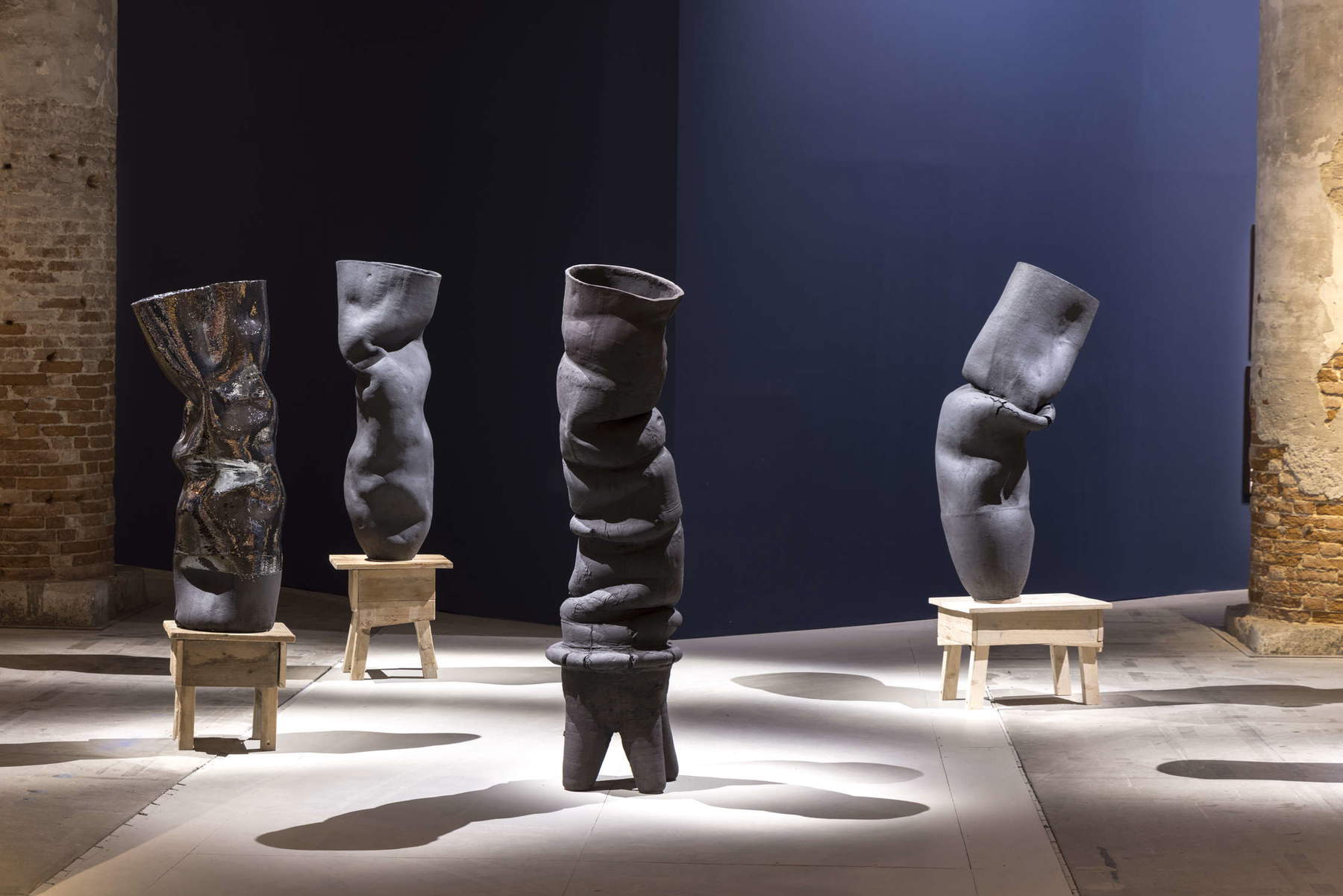
National presentations remain crucial, but they are commissioned independently of the artistic director’s central exhibition. The 2026 edition counts 100 national participations and 31 collateral events, with seven countries participating for the first time, according to La Biennale. This breadth complicates any tidy “best ten” list. For a final visit, choose a small number of pavilions by artist and proposition, not simply by national prestige. The pavilion is an unusually revealing format because funding, cultural representation, architecture and authorship converge within it.
A considered afternoon might compare one historically established Giardini pavilion with independent presentations elsewhere in the city, then return to the central exhibition to see how their assumptions differ. That movement is particularly worthwhile in an edition built around affinities and care. It also protects against a problem common to large biennials: acquiring information without retaining an experience. Make notes about works that stay with you overnight, not merely those that look effective on a phone.
Allow one full day for the Giardini and another for the Arsenale. Reserve a third block for selected national pavilions and city-wide projects after checking individual opening dates. The Biennale’s published October–November hours list 10am–7pm for Giardini and Arsenale, with last admission at 5:45pm; closures generally fall on Mondays, with Monday 16 November listed as an exception. Verify current access and individual venue hours before travel. The exhibition ends on Sunday 22 November, the date scheduled for its awards ceremony; do not plan on all individual presentations remaining accessible outside the official programme.
For collectors, the closing weeks can be more productive than the opening. There is time to read critical reactions against an artist’s longer history, to revisit the site, and to separate a memorable work from the frenzy surrounding it. Record artist, title, year, medium and the role of commissioning institutions before discussing acquisitions with galleries. Large-scale installations, moving images and collaborative works may entail conservation, licensing and edition complexities that photography conceals.
The lasting value of In Minor Keys may be its resistance to the idea that international significance must announce itself at high volume. Kouoh’s proposition asks for proximity, reciprocity, memory and attentive looking. In a season crowded with commercial fairs, that is more than a sentimental counterpoint. It is an argument about where art’s power begins—and why collecting, when practised seriously, involves responsibilities that go beyond possession.
Visitor details: 61st International Art Exhibition, In Minor Keys, Giardini, Arsenale and other Venice venues, through 22 November 2026. Official exhibition and visitor information: labiennale.org. Official source: exhibition overview; national participation list.
From Carlo Mollino and Faye Toogood to Misha Kahn and Gallery FUMI, PAD London 2026 showed what discerning art collectors can learn from sculptural furniture and material experimentation.
The last weeks of Koyo Kouoh’s In Minor Keys demand a slower way of seeing Venice. A practical guide to the central exhibition, national pavilions and what collectors should take away.

From Faye Toogood and Kate Malone to textile art, post-war furniture and new material-led designers, PAD London showed why serious collector homes are built beyond the frame.