
October 24, 2026
Exhibitions
Exhibitions
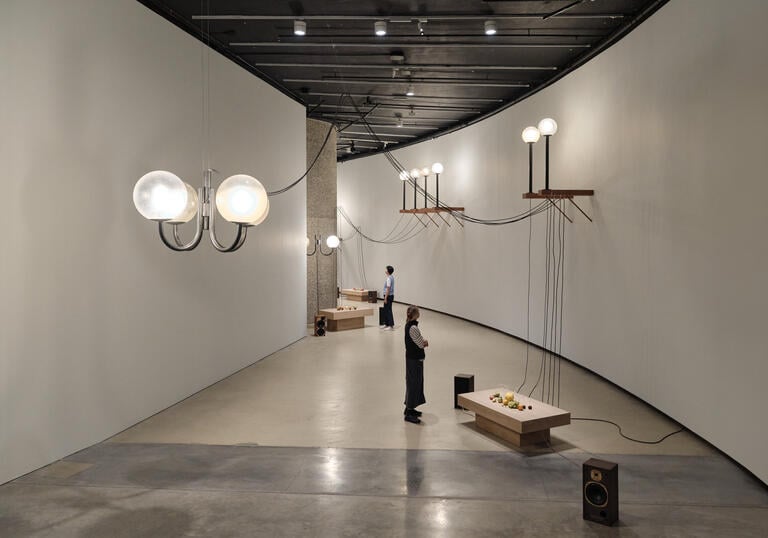
With light, sound, fruit and kinetic systems, Yuko Mohri makes the Barbican’s Curve into an argument for attending to what does not quite work as expected.
Kandinsky’s 1907 masterpiece sold for £31.56 million after its 2023 restitution to the Lewenstein heirs. The result is a market story, but also a lesson in provenance, agency and collecting responsibility.
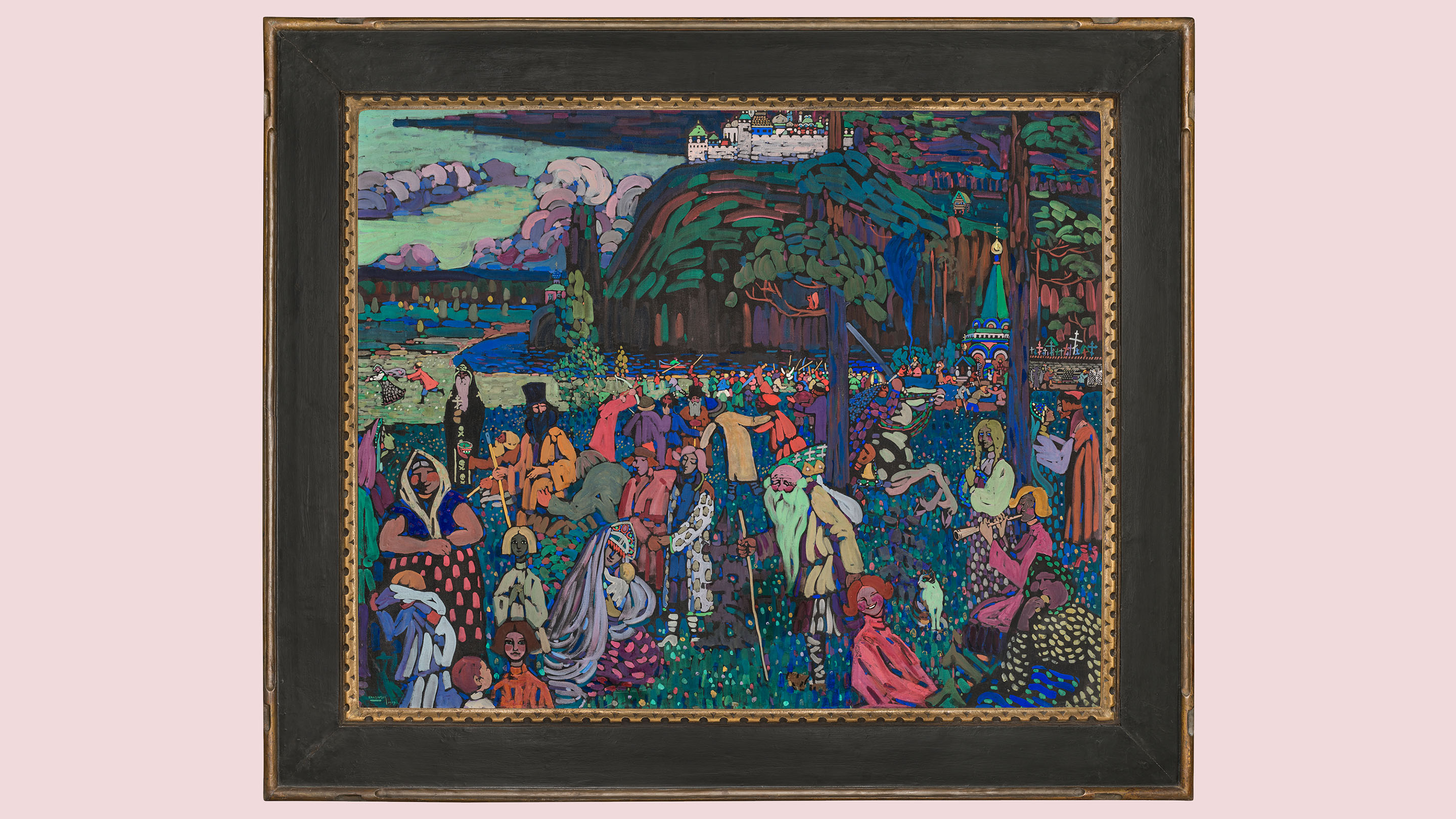
Wassily Kandinsky’s Das bunte Leben arrived at Christie’s London with two histories attached to it. One was art historical: painted in 1907, the work stands at the threshold of Kandinsky’s move from symbol-rich figuration toward abstraction. The other was a history of dispossession and recovery: the painting had been lost to the Jewish collectors Hedwig Lewenstein-Weyermann and Emanuel Albert Lewenstein’s family during the Nazi era and was restituted to their heirs in 2023 after decades of research and legal action.
On 14 October 2026, those histories entered the market again. After almost six minutes of bidding, Das bunte Leben sold for £31.56 million, making it the highest-value work sold during London’s Frieze Week auctions in five years. The result is significant, but the more important collector story is why this particular painting could carry such weight.
Das bunte Leben was painted while Kandinsky and Gabriele Münter were living in Paris. It is a panoramic composition crowded with pilgrims, peasants, lovers, children, musicians, horsemen, mourners and fighters. There is no single narrative. Instead, the painting accumulates competing states of life — celebration and grief, tenderness and violence, belief and spectacle.
The colour is already doing more than describing. Acid greens, saturated reds and blues, and patterned clothing push the scene away from naturalism. Russian folklore, memories of Vologda, the Parisian Fauves and the atmosphere of the 1906 Russian art exhibition at the Salon d’Automne all fed the work. The result is figurative, but the pressure toward autonomy of colour is unmistakable.
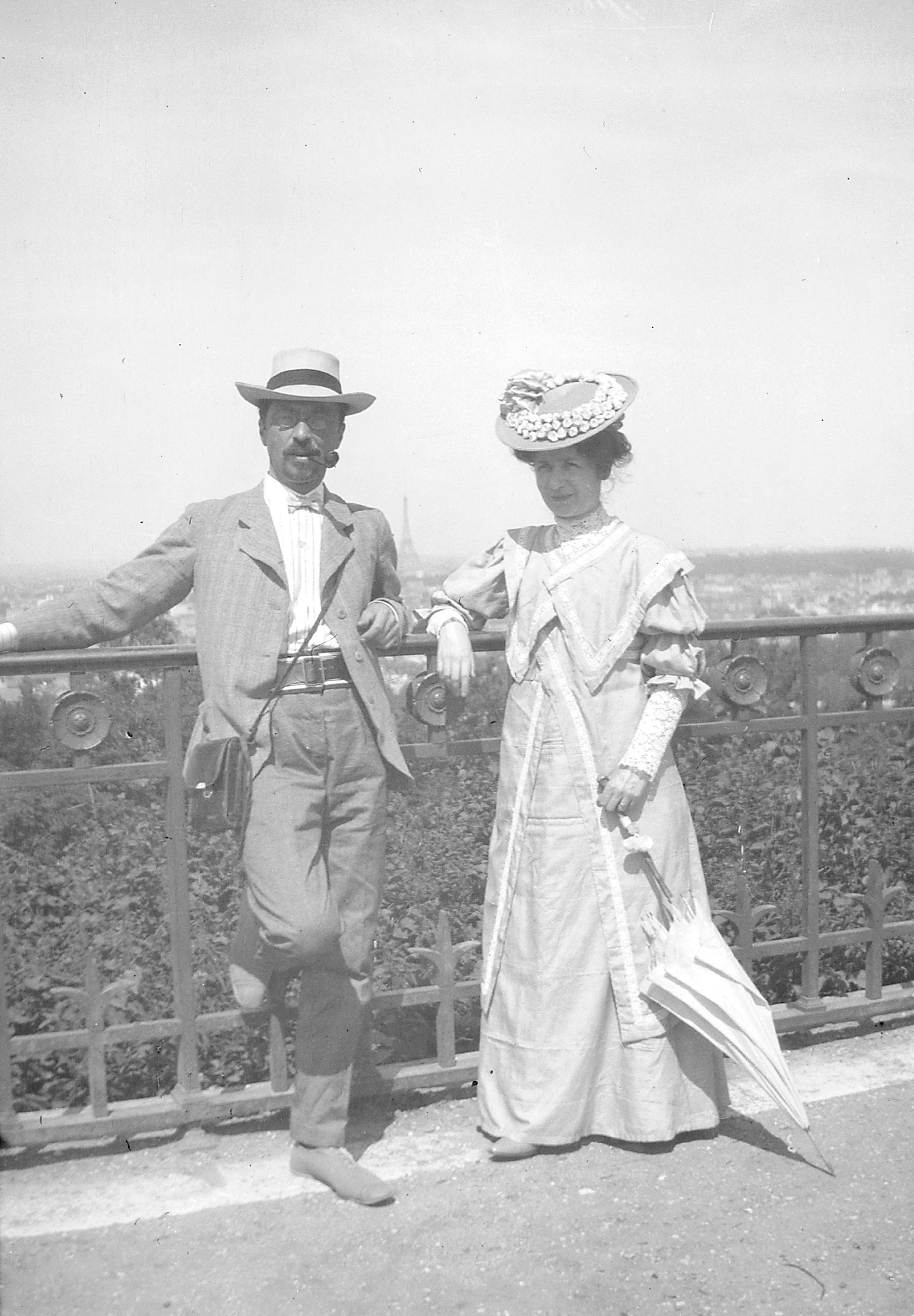
For collectors, transitional works can be especially important because they preserve several artistic languages at once. The market often rewards a canonical “signature” style, but art history is frequently more interesting at the point where that signature is still being invented.
The Lewensteins acquired the painting in the 1920s. Emanuel died in 1930 and Hedwig in 1937. Their children, Robert and Wilhelmine, were living abroad when Nazi Germany invaded the Netherlands. As Jews, their assets were confiscated, and the family’s art collection was lost. Das bunte Leben appeared at Frederik Muller & Cie in Amsterdam in October 1940; the circumstances under which it was consigned and who benefited from the proceeds remain central to the restitution history.
The work was acquired by Dutch collector Salomon B. Slijper, later entered the collection of Bayerische Landesbank, and spent almost five decades on loan to Munich’s Lenbachhaus. The heirs’ recovery effort ultimately resulted in restitution in June 2023.
That sequence matters because provenance is not simply a mechanism for increasing confidence in title. It is biography. The painting’s twentieth-century history records persecution, forced loss, institutional possession, legal research and return.
A restitution followed by auction often produces simplistic arguments. One side treats the sale as a triumphant financial conclusion; another sees any sale as an unfortunate removal from public view. Both miss the central point: restitution restores decision-making to the people who were denied it.
The heirs may sell, donate, retain or divide the value. The ethical achievement is not a prescribed outcome but the restoration of agency. For collectors, that distinction is essential. A work with a difficult wartime history demands documentary clarity long before a purchase is contemplated.
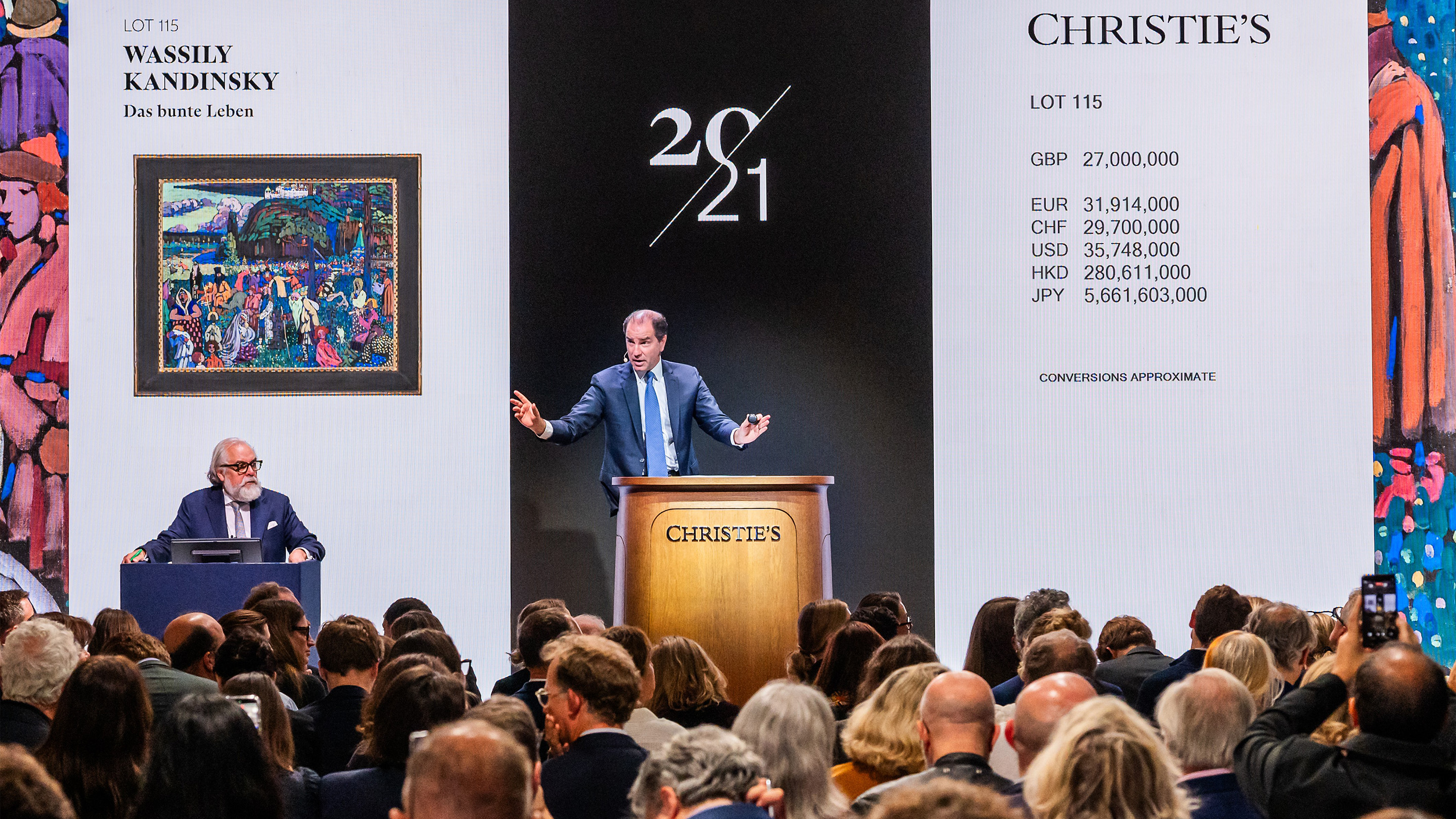
Christie’s combined Peter Simon and 20th/21st Century evening sales totalled £218.6 million, up 103 per cent on the equivalent total the previous year, with 91 per cent sold by lot and 96 per cent by value. Those statistics support the idea that the top of the London market had real depth during Frieze Week, but they should not be extrapolated into a general boom.
Das bunte Leben had characteristics that are exceptionally difficult to reproduce: major art-historical status, large scale, long institutional visibility, dramatic restitution history and scarcity at this level of Kandinsky’s early career. Its £31.56 million result says more about competition for masterpiece-quality works than about the average modern painting.
The second-highest lot of Christie’s 20th/21st Century evening sale was Piet Mondrian’s Composition III of 1920, which achieved £25.235 million. Where Kandinsky’s painting is crowded with folklore, movement and human incident, Mondrian strips painting toward line, rectangular planes and controlled colour.
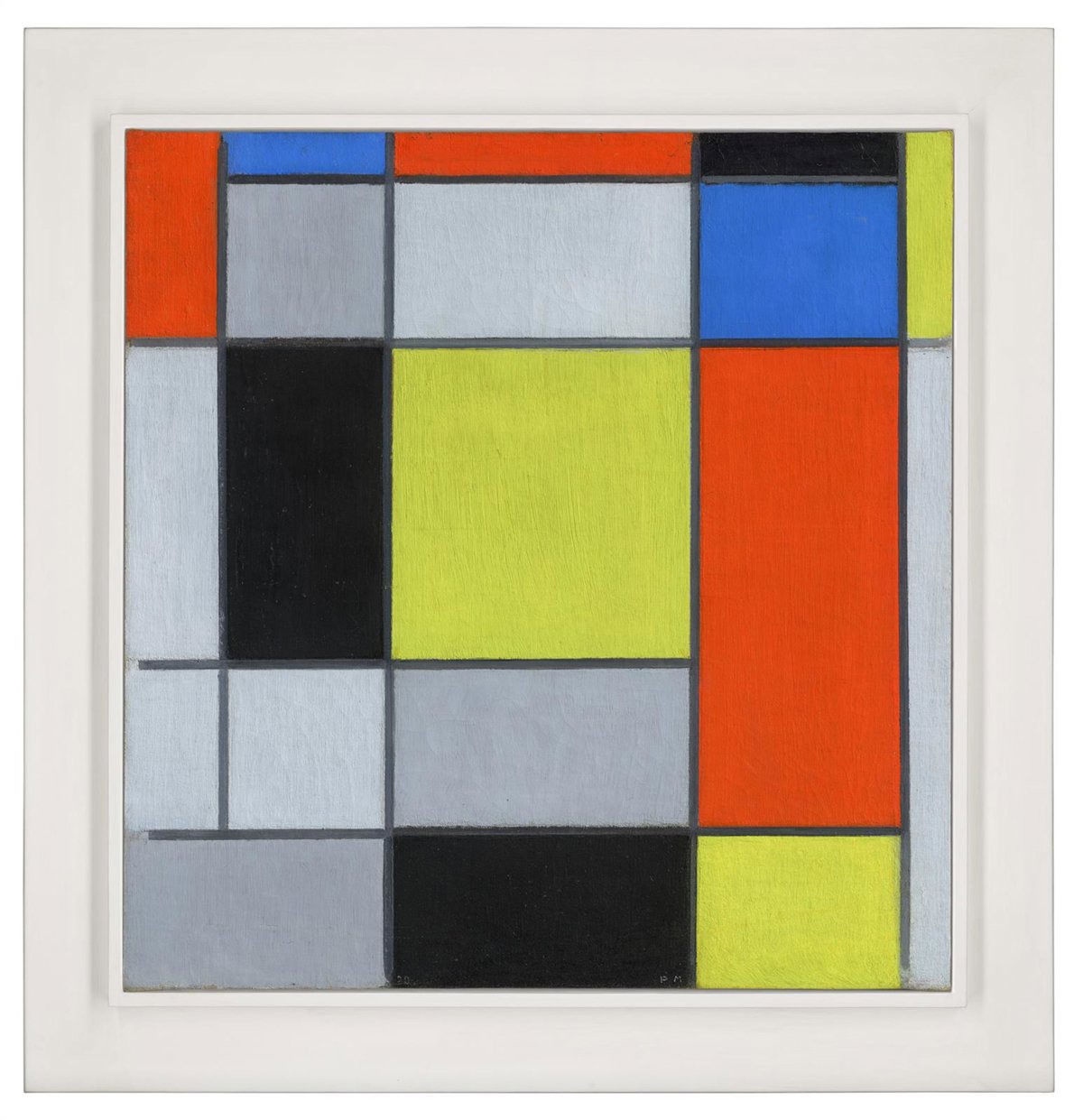
The pairing made the evening unusually instructive. Two works produced thirteen years apart bracketed one of modernism’s great transformations: from a symbolic world in which colour begins to escape description to a system in which colour and line become the subject themselves.
Five of Mondrian’s other paintings from 1920 are held by major museums. Scarcity at auction therefore reflected institutional absorption as much as private demand — another reminder that the supply of museum-quality modernism is structurally limited.
The Kandinsky case should push provenance research earlier in the acquisition process. For European works created before 1945, especially those circulating through continental collections between 1933 and 1945, collectors should expect a meaningful chain of ownership rather than a decorative list of names.
Ask whether gaps have been investigated. Check databases relating to Nazi-era losses and forced sales. Understand whether a work has been the subject of a claim, settlement or restitution. Where documentation uses vague phrases such as “private collection, Europe,” ask what sits behind them. For high-value acquisitions, independent provenance expertise can be as important as condition expertise.
This is not only risk management. Better provenance can produce better art history. It reveals the collectors, dealers, migrations and political events through which a work survived.
The market headline is straightforward: confidence returned at the top end during Frieze Week. The collector lesson is more nuanced. Buyers paid strongly for works that combined rarity with deep historical justification. That is different from indiscriminate demand.
Das bunte Leben did not become important because it sold for £31.56 million. The price was the market’s response to a work already carrying extraordinary artistic and historical density. That order matters.
The most sophisticated collecting still works the same way: understand the object first, then understand the price.
With light, sound, fruit and kinetic systems, Yuko Mohri makes the Barbican’s Curve into an argument for attending to what does not quite work as expected.
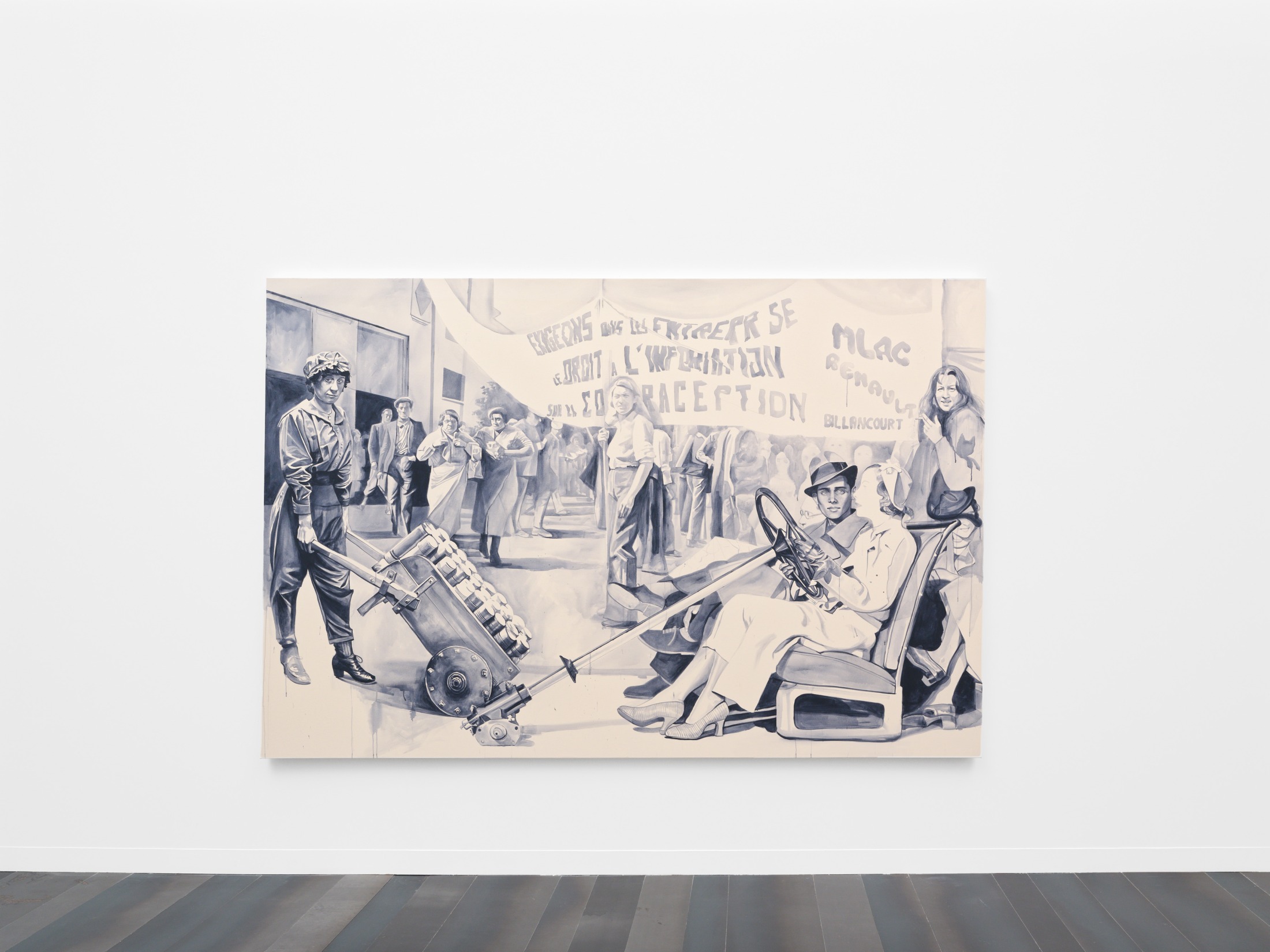
A new contemporary art centre has opened on Renault’s historic Île Seguin site. Cecilia Alemani’s Moteur Imaginaire turns the factory, car and machine into a century-spanning argument about modern life.
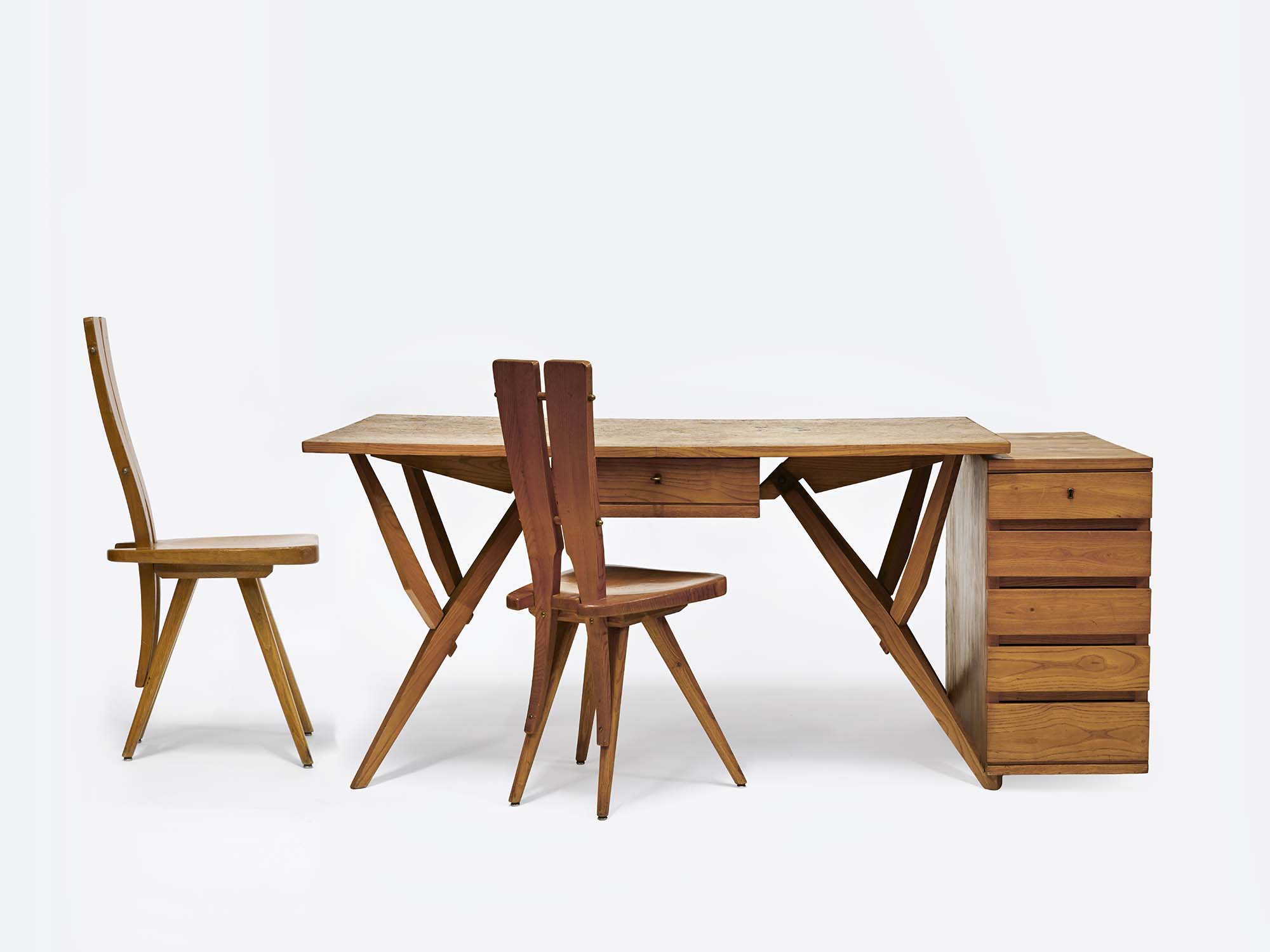
From Carlo Mollino and Faye Toogood to Misha Kahn and Gallery FUMI, PAD London 2026 showed what discerning art collectors can learn from sculptural furniture and material experimentation.