
October 20, 2026
Exhibitions
Exhibitions
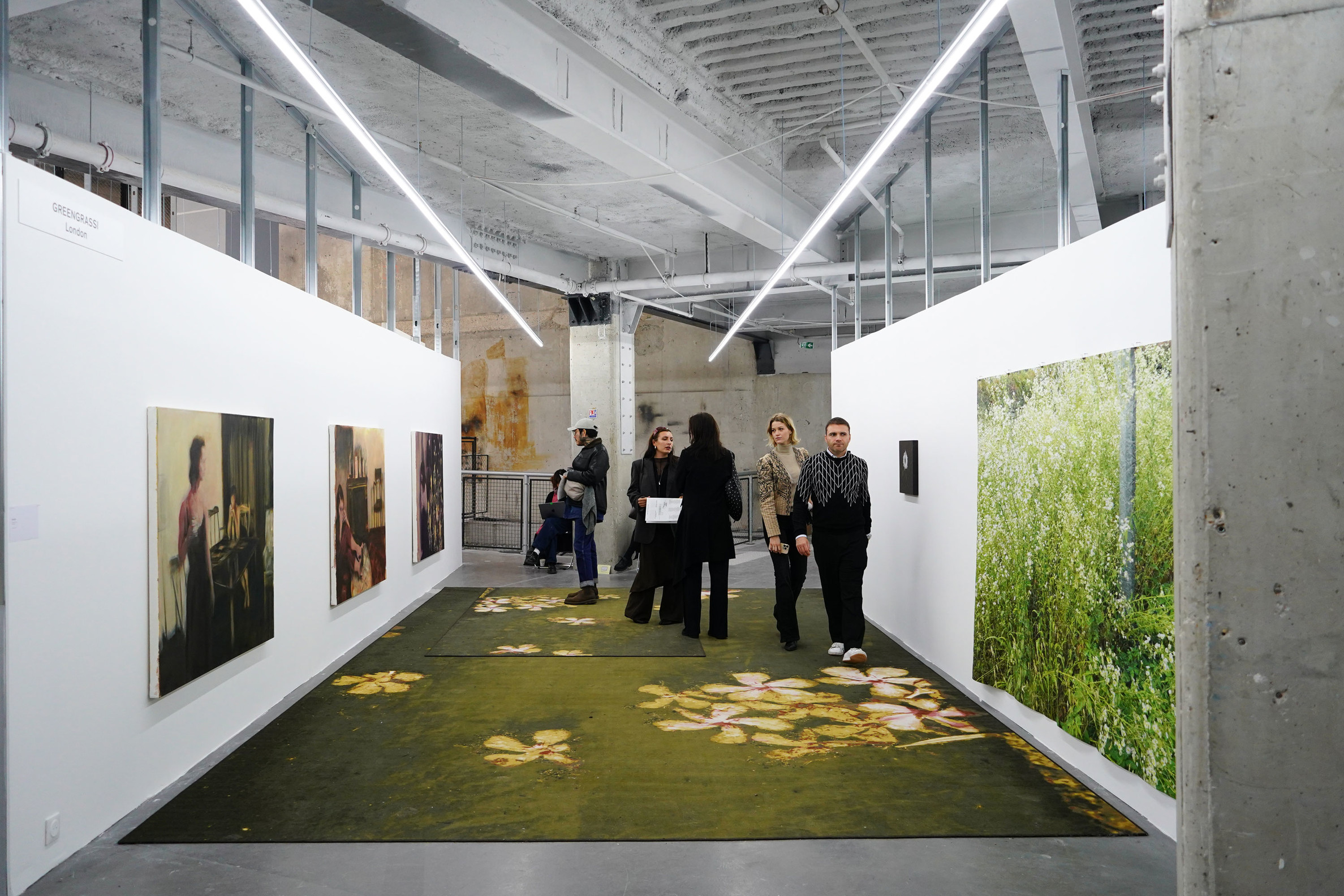
Paris Internationale returns with 56 galleries, a new Canal Saint-Martin venue and a model built around discovery. Here is how collectors should use it.
Ibrahim Mahama, Lee Krasner, Oscar Murillo, Tracey Emin and more: the exhibitions that turn Art Basel Paris week into something larger than a fair.
The mistake during Art Basel Paris week is to treat the Grand Palais as the destination and the city as overflow. In 2026 the opposite strategy is more useful. The fair is the market’s centre of gravity for five days, but many of the week’s most consequential exhibitions require time, architecture and repetition that a booth cannot provide.
This route deliberately avoids turning Paris into a list of openings. It focuses on exhibitions that deepen the collector’s understanding of artists already active in the market, introduce institutional work that cannot be reduced to saleable objects, or correct art-historical narratives that remain commercially relevant.
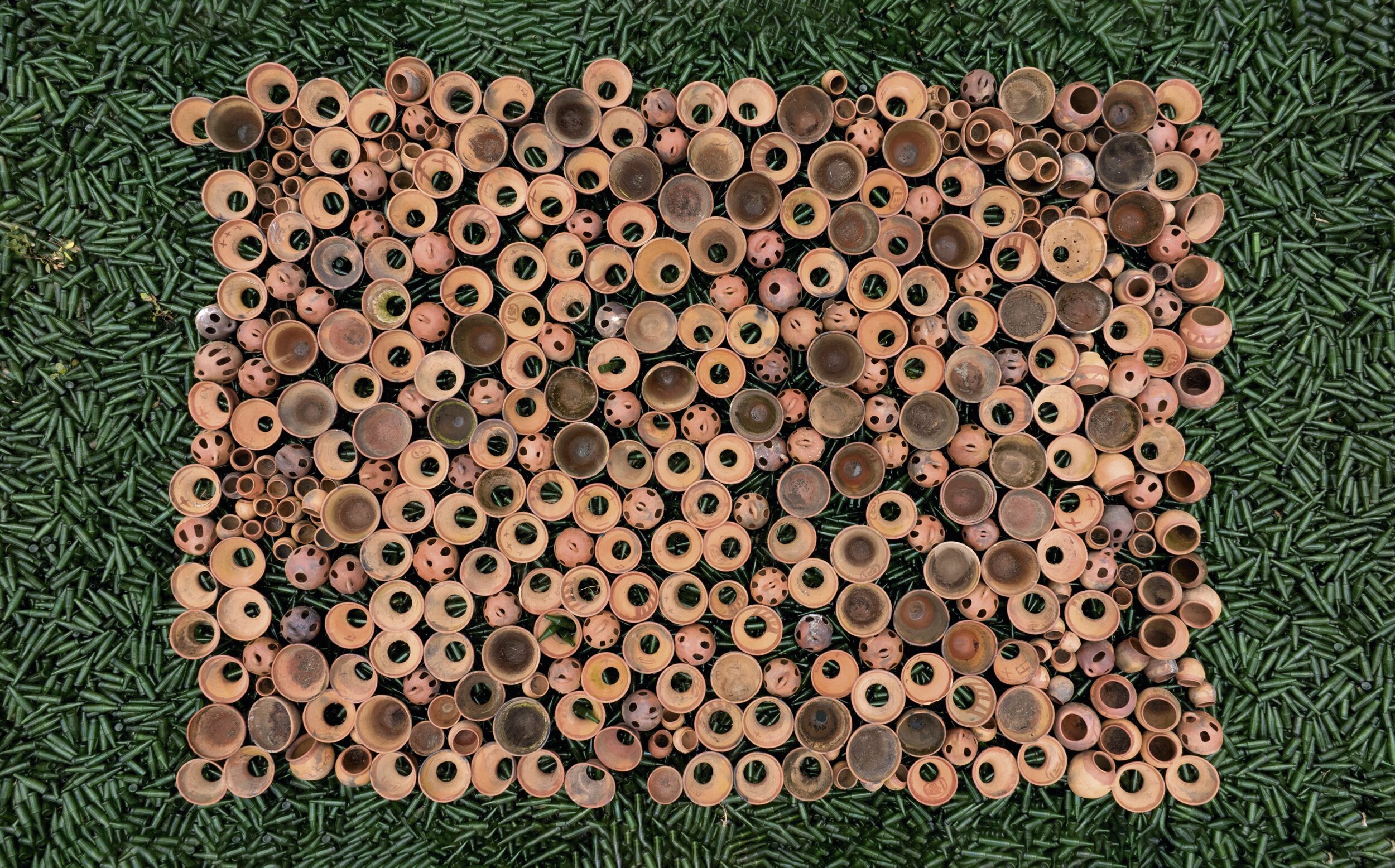
The most ambitious new exhibition of the week opens on 22 October at the Fondation Cartier’s Palais-Royal home. Ibrahim Mahama occupies the institution with nine associate artists and collectives, treating the exhibition less as a solo monument than as an ecosystem.
Mahama’s practice has long transformed materials marked by circulation — jute sacks, industrial remnants and archives — into structures carrying histories of labour, trade and postcolonial infrastructure. Here, the important expansion is institutional. The exhibition is conceived in relation to the art centres Mahama has founded in Tamale and brings figures including James Barnor, Dorothy Akpene Amenuke, Gideon Appah, Zohra Opoku and the Cercle d’Art des Travailleurs de Plantation Congolaise into the same field.
For collectors, the lesson is to resist extracting Mahama from the infrastructure around him. The work’s value does not end at the object. It includes pedagogy, architecture, archives and the possibility of building cultural capacity outside established Western centres.
Opening 19 October, this is the first solo exhibition of Krasner’s work in France. The decade is well chosen. By the 1960s, the lazy habit of reading Krasner primarily through Jackson Pollock becomes especially difficult to sustain. Paintings such as Icarus (1964) and Comet (1966–70) show a painter continually rebuilding scale, colour and gesture.
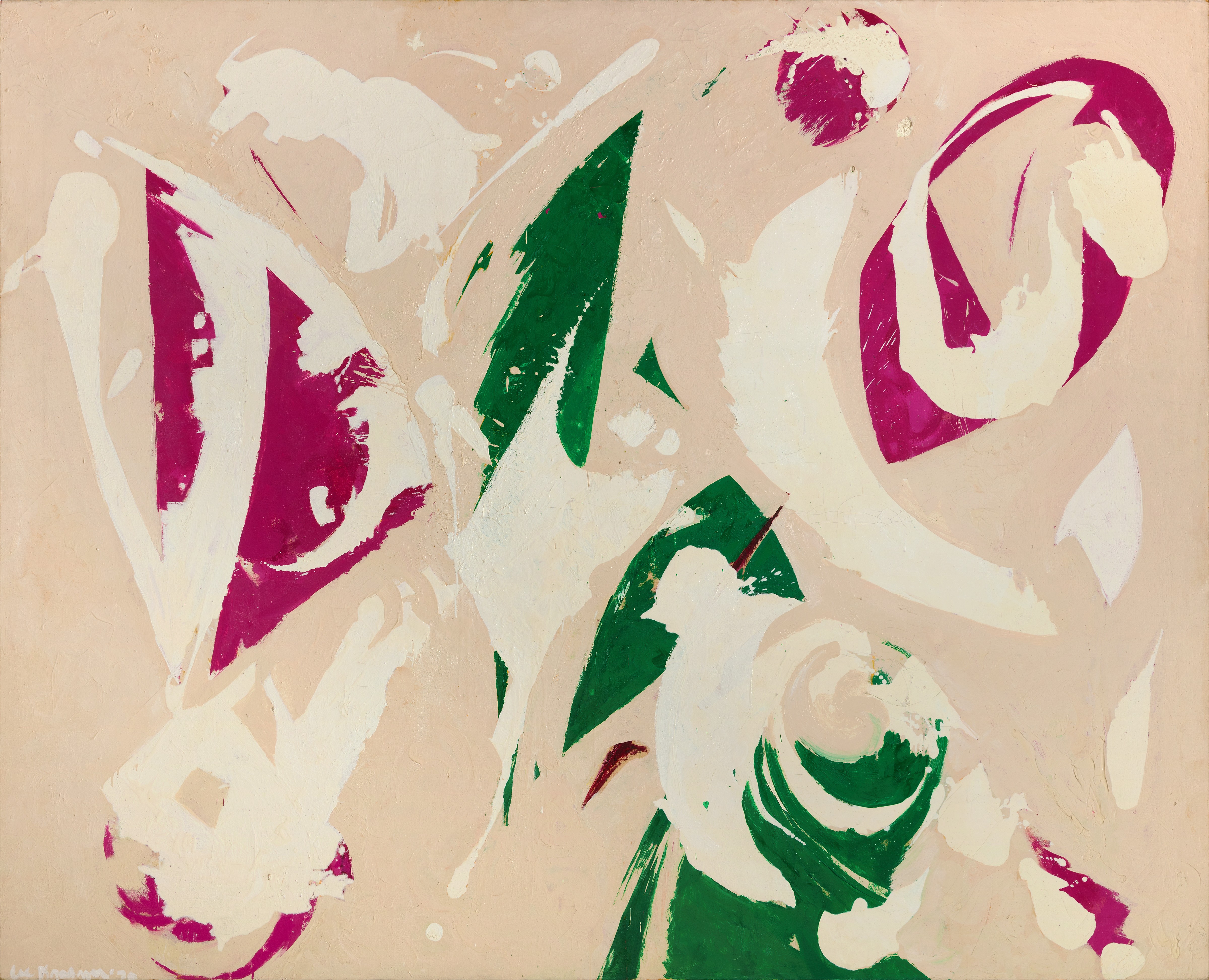
The timing is significant: the Paris exhibition coincides with Krasner and Pollock: Past Continuous at the Metropolitan Museum of Art. For the market, that parallel visibility is likely to intensify attention. Collectors should separate institutional correction from short-term price momentum and look carefully at date, medium, scale, provenance and the internal hierarchy between periods of Krasner’s work.
Murillo opens at 108 rue Vieille du Temple on 19 October with paintings that continue his itinerant approach to surface. His work has always absorbed movement: between Colombia and Britain, factories and museums, classrooms and biennials, drawing and event. The new exhibition’s title is useful because “unfinished” describes both method and politics. Marks accumulate without resolving into a single image.
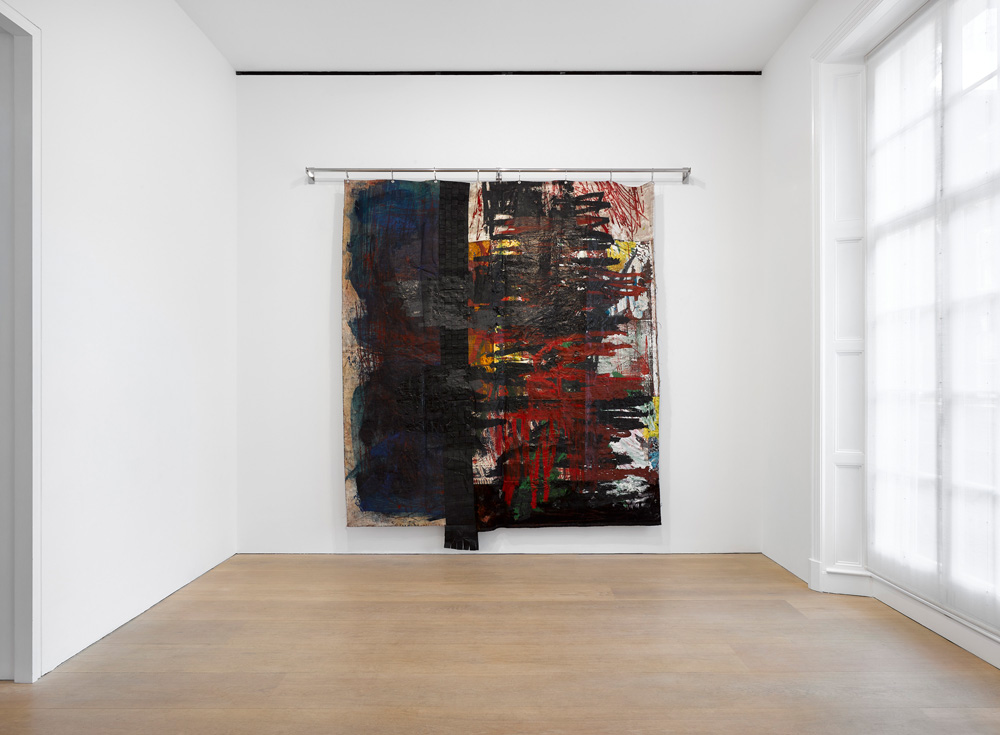
For collectors, Murillo is an artist where surface must be encountered in person. Photographs flatten debris, stitching, abrasion and density into a conventional abstract image. The physical object is more unstable, and that instability is central to the work.
Emin has two complementary Paris presences. White Cube opens a solo exhibition on 20 October, while three monumental bronzes occupy the Parvis des Droits-de-l’Homme as part of Art Basel’s public programme.
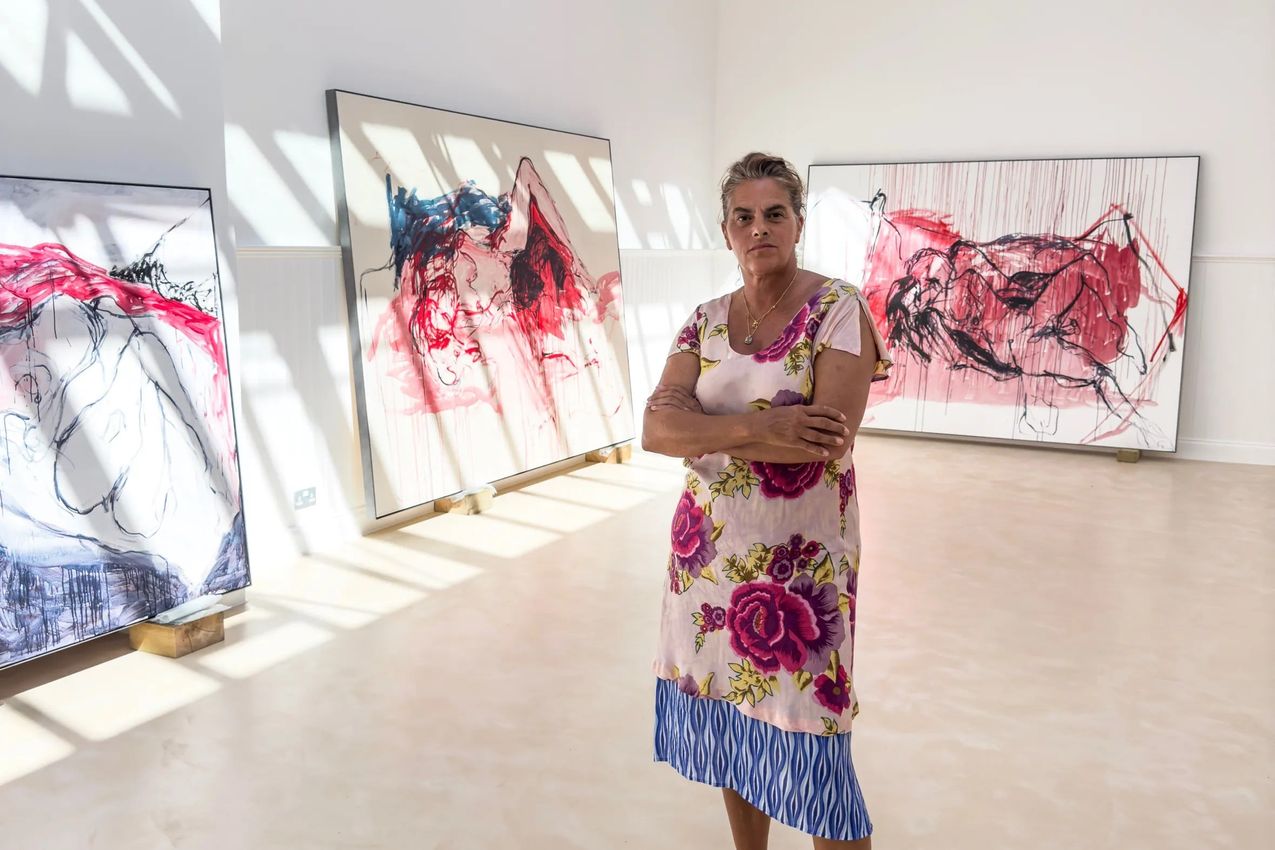
The useful comparison is scale. Emin’s drawings and paintings depend on immediacy, handwriting and the exposed mark. The bronzes enlarge that vulnerability into public space, where the body becomes architectural. Collectors considering sculpture should pay attention to how the emotional register survives — or changes — when scale and material become monumental.
Opening during the week, Nishimura’s institutional presentation brings together a substantial body of work connecting his Kanagawa origins with dreamlike landscapes and interior states. Nishimura’s market has grown quickly, but the institution offers the more important opportunity: to see whether the paintings hold together as a sustained body rather than as individually seductive images.
For collectors following a fast-rising painter, that is the question to ask. Can the work build a world across an exhibition, or does it peak at the single canvas?
Cassatt’s inclusion is not a detour from contemporary collecting. It is a reminder that market categories lag behind scholarship. Her career demonstrates how portraiture, intimacy, domestic life and technical experimentation can be marginalised by art histories that privilege more theatrical versions of modernity.
Collectors of contemporary figurative painting should see Cassatt with current portraiture in mind. The questions she raises about looking, care, proximity and autonomy remain active in much younger work.
In an art week dominated by unique paintings and sculpture, a major photography exhibition is useful because it resets the collector’s relationship to multiplicity, edition, reproduction and archive. Photography collecting is often made unnecessarily difficult by technical vocabulary. The useful questions remain basic: what is the image doing, why this print, why this scale, why this date?
Bourgeois opens at the BnF during the week, giving Paris another opportunity to see how drawing, writing, memory and the archive sit beneath the sculpture for which she is most famous. This matters during a fair week because market visibility tends to concentrate attention on signature forms. Archives complicate signatures.

Do not attempt all eight in one day. Pair the Grand Palais with one serious exhibition and stop. Art fairs accelerate judgement; exhibitions restore duration. The best collector itinerary alternates between those speeds.
Monday 19 October is especially strong for gallery openings: Lee Krasner at Gagosian and Oscar Murillo at David Zwirner. Tuesday adds Tracey Emin and institutional programmes. Wednesday brings preview activity. Thursday 22 October adds Ibrahim Mahama, giving collectors a reason to leave the fair almost immediately after it opens.
The city is not background to Art Basel Paris. It is the mechanism that makes the fair more useful. A booth tells you what is available. Paris this week can tell you why the work matters.
Paris Internationale returns with 56 galleries, a new Canal Saint-Martin venue and a model built around discovery. Here is how collectors should use it.
Ibrahim Mahama, Lee Krasner, Oscar Murillo, Tracey Emin and more: the exhibitions that turn Art Basel Paris week into something larger than a fair.

From a £5 million Brueghel and three major Alice Neel sales to George Rickey, global modernism and a £675,000 Triceratops skull, Frieze Masters rewarded collectors who looked beyond categories.