
November 19, 2026
Collector Intelligence
Collector Intelligence

A practical collector’s guide to light, climate, framing, wall fixings, sculpture, installation planning and preventive care when displaying art at home.
Understand unique works, original prints, edition numbers, artist’s proofs, photography, sculpture and digital editions before you buy.
Collector Intelligence | Last reviewed 18 November 2026
“Original” and “edition” are not opposites. A print can be an original work of art created specifically through printmaking, while a painting may be unique. Photography, sculpture, digital art and design can also be produced in editions. The collector’s job is to understand exactly what is being acquired and how many authorised examples exist.
Christie’s current 2026 prints guide explains the basic edition fraction clearly: in 5/30, the number on the right is the total standard edition and the number on the left identifies that impression. Artist’s proofs and other proofs may exist outside the numbered edition and need to be counted when assessing scarcity.
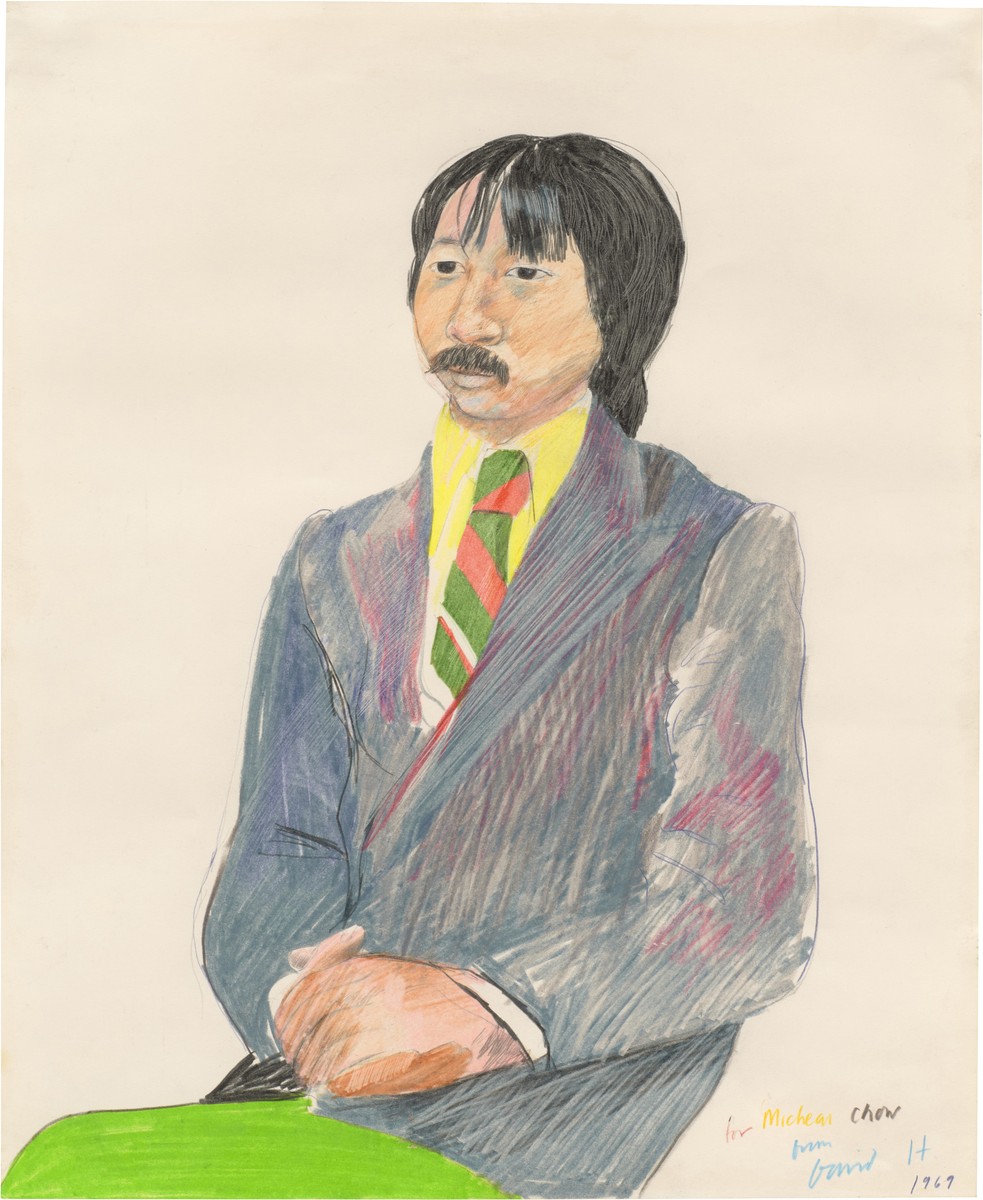
A unique work exists as one authorised object, although preparatory studies, variants or related works may exist. Paintings and drawings are often unique, but uniqueness does not automatically make a work more important or valuable than an edition. Quality, significance, demand and provenance still matter.
An original print is made through a printmaking process such as etching, lithography, screenprint, woodcut or linocut. The artist may work directly on the plate, stone, screen or block, or work closely with a master printer. The resulting impressions form an edition.
Do not confuse an original limited-edition print with a later photographic reproduction of an existing painting.
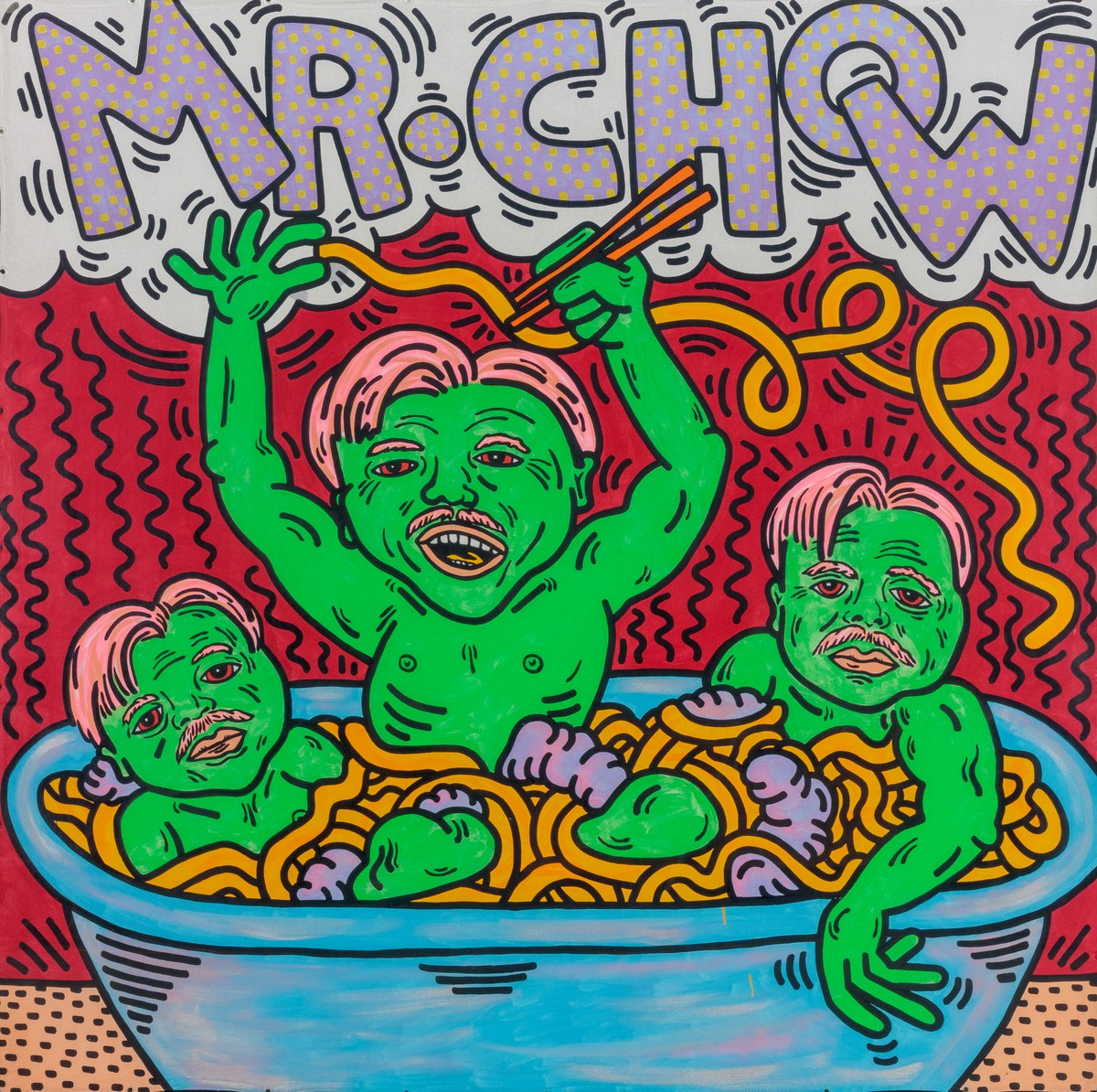
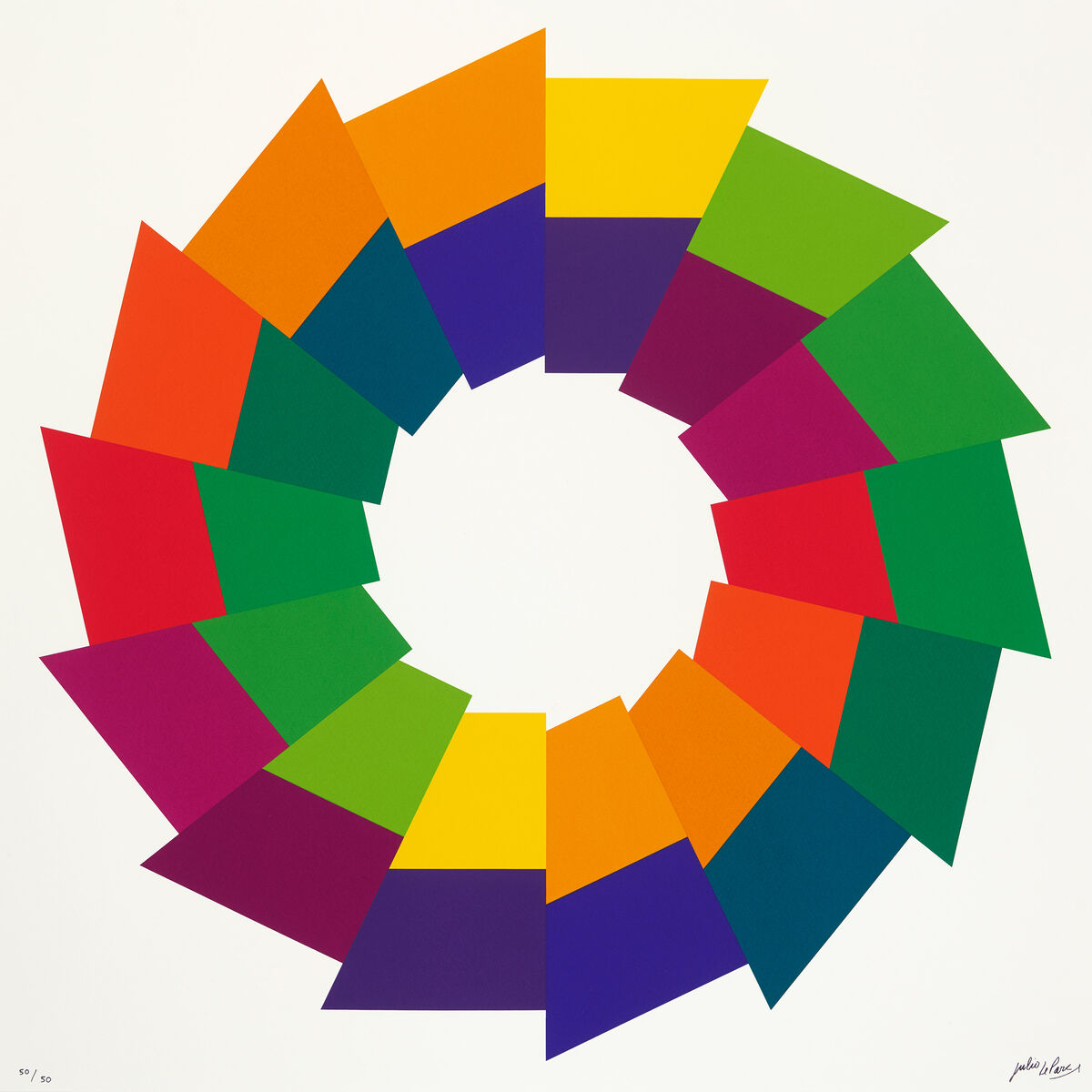
An edition marked 5/30 generally means impression five from a standard edition of 30. The number does not normally indicate quality: 1/30 is not inherently better than 29/30. What matters is whether the impressions were produced to the artist’s authorised standard and whether condition differs.
A/P or E.A. usually identifies an artist’s proof. Printer’s proofs, hors commerce examples, trial proofs, colour proofs and state proofs may also exist. Some are identical to the standard edition; others are materially different and can be more desirable because of rarity or process.
Ask how many proofs exist in addition to the numbered edition. “Edition of 30” may not mean only 30 authorised impressions exist.
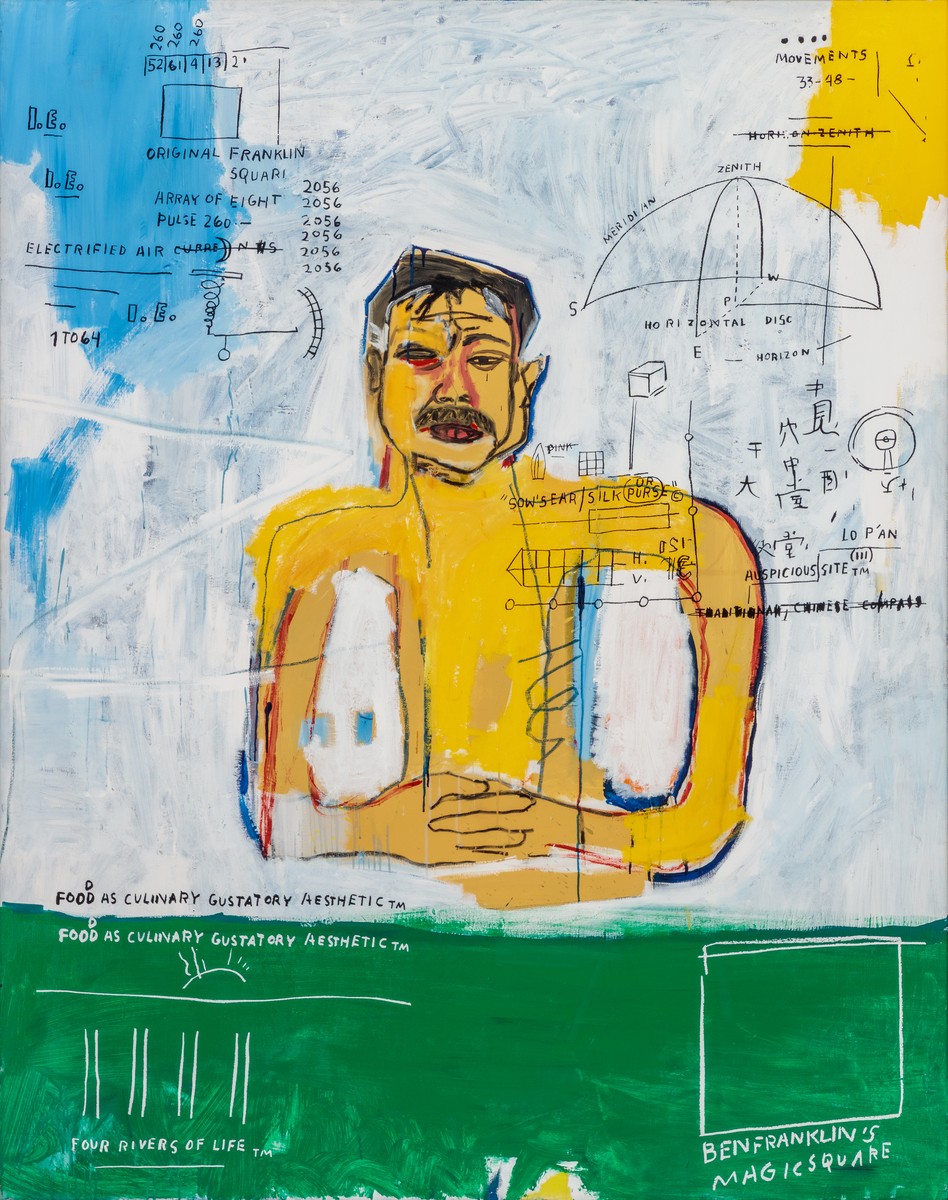
Photographs can be issued in fixed editions, in different sizes with separate editions, or under older practices where editioning was less standardised. Ask whether other sizes exist, whether the negative or digital file can be printed again, and whether the edition is closed.
For older photography, later prints may be authorised but different in market importance from vintage prints made close to the date of the negative.
Bronzes and fabricated sculptures can exist in numbered casts plus artist’s proofs. Verify the foundry, casting date, dimensions, material and whether posthumous casts are authorised. The same model can exist in different scales or materials.

Editioning can apply even where the physical carrier is replaceable. Ask what constitutes the artwork: file, certificate, hardware, installation instructions, token, licence or all of these. Establish whether the artist or studio will migrate the work to future technology.
Two impressions from the same edition can have different value because one has faded, been poorly framed, trimmed, stained or damaged. For prints and photographs, paper, margins, colour, mounting and surface condition are essential.
The invoice and certificate should state the artist, title, date, medium, dimensions, edition number, total edition, proof status where relevant and any specific installation or replacement rights. For some artists, a recognised authentication body or studio record matters greatly.
Smaller editions are generally scarcer, but edition size alone does not determine value. Demand, period, image, medium, condition, signature, printing quality and historical importance can matter more. A famous image in an edition of 100 can be more desirable than an obscure image in an edition of 10.

Christie’s, 2026: Types of Prints — Everything You Need to Know
Edition practices vary by artist, period and medium. Verify the specific artist’s authorised edition structure before purchase.
A practical collector’s guide to light, climate, framing, wall fixings, sculpture, installation planning and preventive care when displaying art at home.
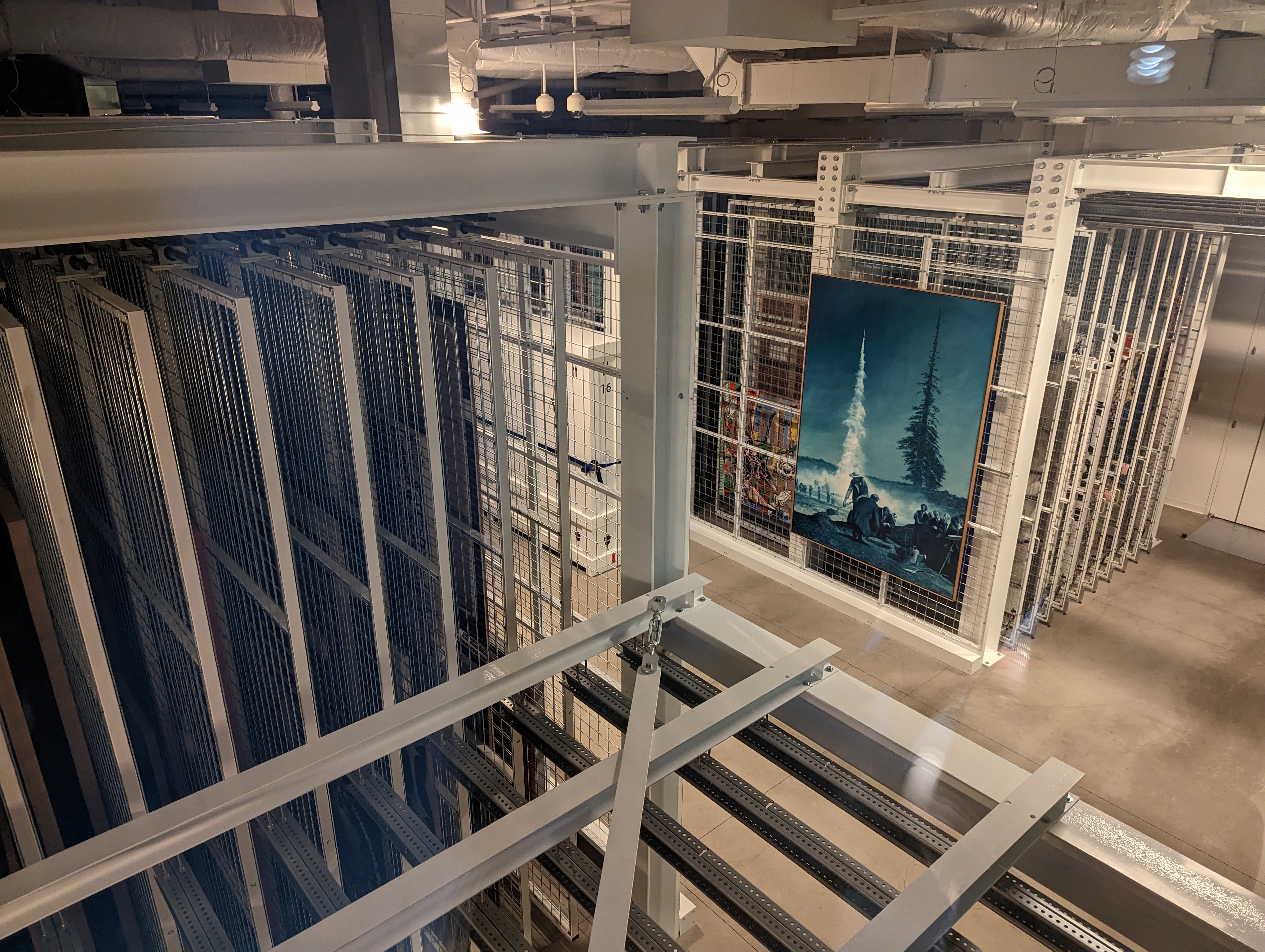
From condition reports and packing to climate, insurance, customs and storage, a collector’s practical framework for moving art safely.
A rigorous step-by-step method for researching an artist, the specific work, institutional context, gallery representation, market history, provenance and risk.

How to buy from an art gallery with confidence: price, availability, documentation, condition, negotiation, shipping, resale expectations and the long-term relationship.