
November 19, 2026
Collector Intelligence
Collector Intelligence

A practical collector’s guide to light, climate, framing, wall fixings, sculpture, installation planning and preventive care when displaying art at home.
How to buy from an art gallery with confidence: price, availability, documentation, condition, negotiation, shipping, resale expectations and the long-term relationship.
Collector Intelligence | Last reviewed 18 November 2026
Buying from a gallery should not require knowing a secret language. A gallery’s job is not only to sell an object but to explain the artist, the work, the price and the terms of the transaction well enough for a collector to make an informed decision. The best gallery relationships become valuable because knowledge accumulates on both sides: the dealer learns what matters to you, and you learn how the artist’s practice is developing.
The first rule is therefore uncomplicated: ask questions. In 2026, current collector guidance from Artsy still identifies price opacity as a source of unnecessary intimidation and recommends comparing works by the same artist according to factors such as size, medium, date and edition. A reputable gallery should be able to explain why a work is priced as it is.
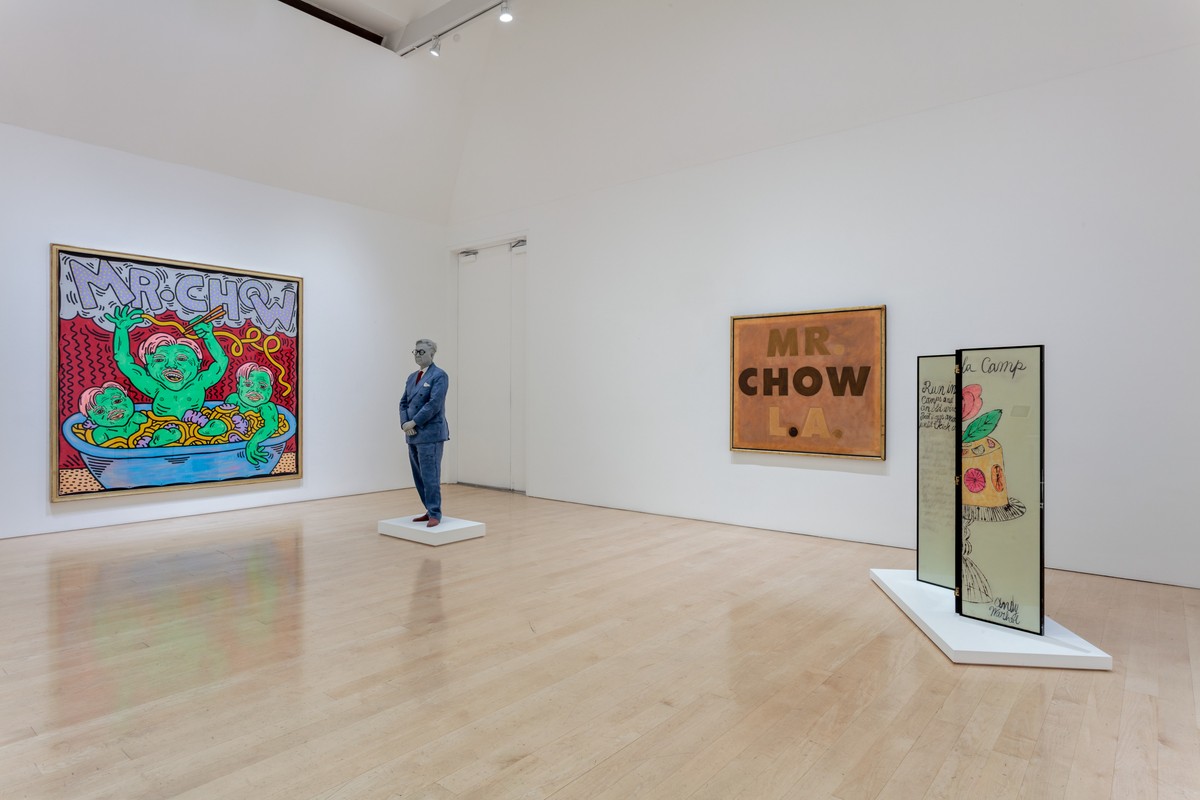
Spend time with the exhibition before asking what is available. Which works hold your attention? How do they relate to one another? What changes when you move from a screen image to the physical object? A confident collector does not need to perform expertise; attentive looking is more useful than art-world vocabulary.
If you are contacting a gallery online, ask for installation views, detail images and a checklist. For a significant purchase, request a video call or in-person viewing if practical.
“Could you send me the price and information for this work?” is enough. “Price on request” does not mean you are expected to prove your wealth before asking. Current Artsy guidance likewise notes that collectors should ask for the price and that a good gallery should be able to provide context and comparables.
If the work is unavailable, ask whether related works exist rather than assuming you have been rejected. A work can be reserved, promised, on institutional hold, sold, or unavailable because the artist and gallery are managing placements carefully.
Request the title, date, medium, dimensions and edition information where relevant. Then ask the more useful question: why this work? Is it part of a current series? Was it included in an exhibition? Does it introduce a new material or return to an older idea? How does it compare with adjacent works?
A gallery that knows the artist well should be able to discuss the practice beyond a biography and a list of museum names.
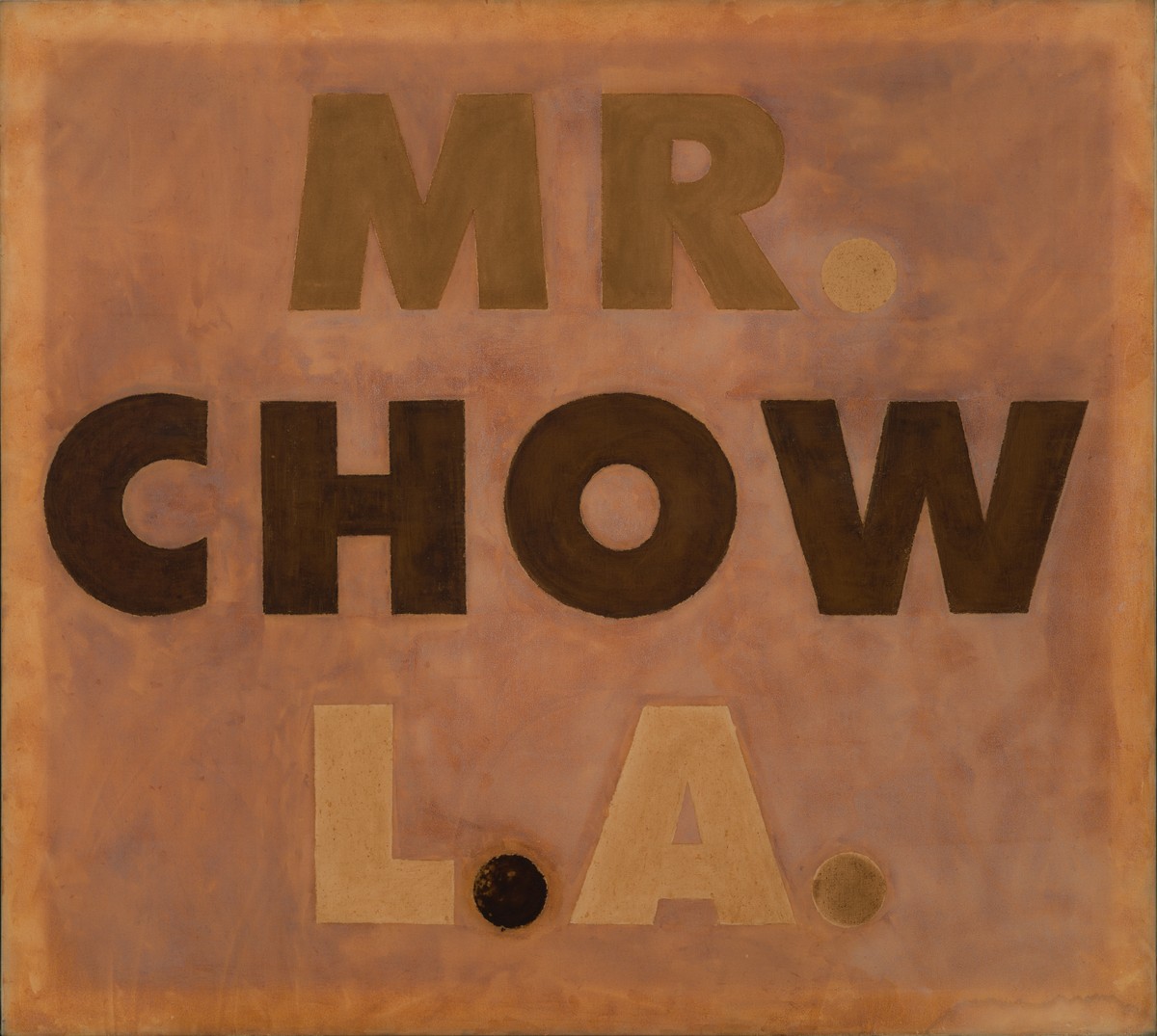
Primary-market pricing is normally built across an artist’s body of work rather than improvised for each visitor. Scale, medium, complexity, date, edition, career stage, exhibition history, institutional recognition and demand can all contribute. For established artists, secondary-market evidence may also be relevant.
Compare like with like. A large painting and a small work on paper are not direct comparables simply because they were made in the same year. A photograph from an edition of three and a print from an edition of 100 behave differently. A secondary-market auction result may not explain the price of a newly made primary-market work.
If a price seems anomalous, ask why. The response is often more useful than the number itself.
Clarify whether the quoted price includes the frame, plinth, crate, installation hardware or other components. For editions, confirm the edition number, total edition size, artist’s proofs and whether all examples are materially identical. For video, software, installations and other complex works, establish what files, hardware, instructions, certificates and future technical support transfer with ownership.
These details should appear in the invoice, certificate or accompanying documentation rather than remaining an informal conversation.
For a new work acquired directly from the artist’s representing gallery, provenance may be straightforward. For a secondary-market work sold through a gallery, ask for the ownership history and condition report just as you would at auction.
Ask what authenticity documentation exists and who issues it. A certificate is useful only if the issuing authority matters for that artist and the document accurately identifies the object. For older or high-value works, independent specialist advice may still be appropriate.

Discounts exist in the gallery market, but they are not an entitlement. Current 2026 reporting from Artsy describes discounts as contextual and relationship-driven and advises asking only when you are genuinely prepared to buy. The gallery may have little or no room on a highly sought-after primary-market work, a low-priced work or a work for which the artist has a firm pricing policy.
A respectful question is enough: “Is there any flexibility on the price?” Do not invent competing offers, threaten to buy at auction or treat negotiation as a contest. A small reduction is meaningless if you are buying the wrong work.
Sometimes the more useful conversation concerns shipping, framing, installation or a payment schedule rather than the headline price.
For artists with demand greater than supply, galleries may decide where works are placed. Museums, long-standing collectors and buyers who actively lend or support an artist can receive priority. These systems can feel opaque, but they are partly an attempt to build stable markets and collections rather than allow immediate flipping.
Express genuine interest, explain what you collect and ask how availability works. Do not claim institutional relationships you do not have. A gallery relationship is more durable when both parties understand the collector’s intentions.
Some galleries ask collectors to offer a work back to the gallery before reselling, to notify the gallery of a future sale, or to avoid rapid auction resale. The legal enforceability of particular restrictions varies by jurisdiction and contract wording.
If a resale condition matters to the transaction, ask for it in writing and take independent legal advice where appropriate. Do not rely on a vague verbal understanding that could become contentious years later.
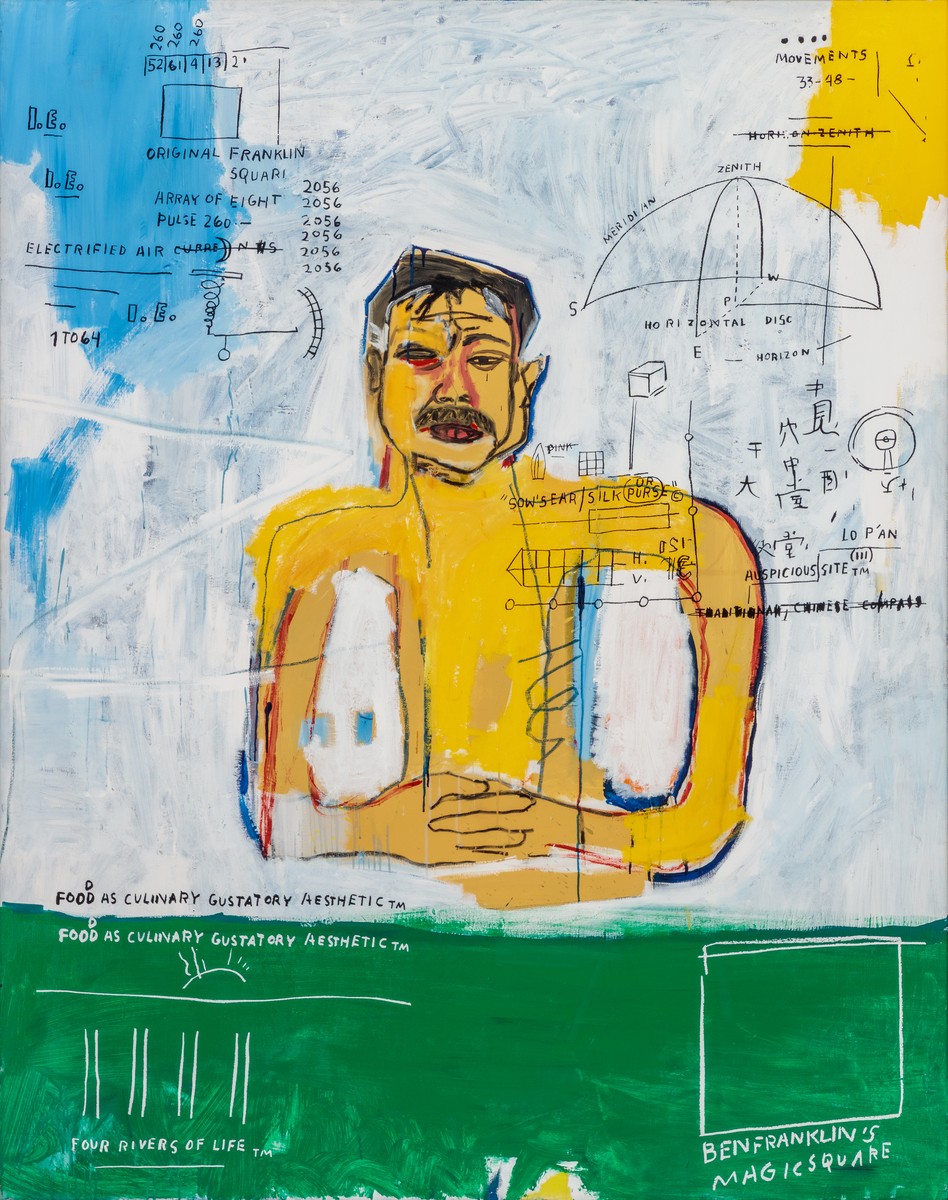
Ask who pays for packing, shipping, customs, import VAT or sales tax, framing, installation and insurance in transit. For an international purchase, establish where title and risk transfer. A gallery can coordinate logistics, but the collector should understand which costs are included and which are estimates from third parties.
Verify any change in bank details independently by calling the gallery on a known number. Art transactions are attractive targets for invoice and payment fraud; never redirect a significant transfer solely on the basis of an unexpected email.
The final invoice should identify the buyer and seller and accurately record the artist, title, date, medium, dimensions and edition details where relevant. Keep it with the certificate, condition documentation, provenance, correspondence, shipping documents and photographs.
For an important collection, the quality of the paperwork becomes part of the quality of the collection.
A good gallery can become a long-term source of knowledge: forthcoming exhibitions, studio developments, conservation advice, loans, publications and new works. Stay in contact because you care about the artist, not simply because you want first access.
The strongest collector-gallery relationship is not one in which the collector says yes to everything. It is one in which both sides can have an informed, candid conversation about why a work belongs—or does not belong—in the collection.

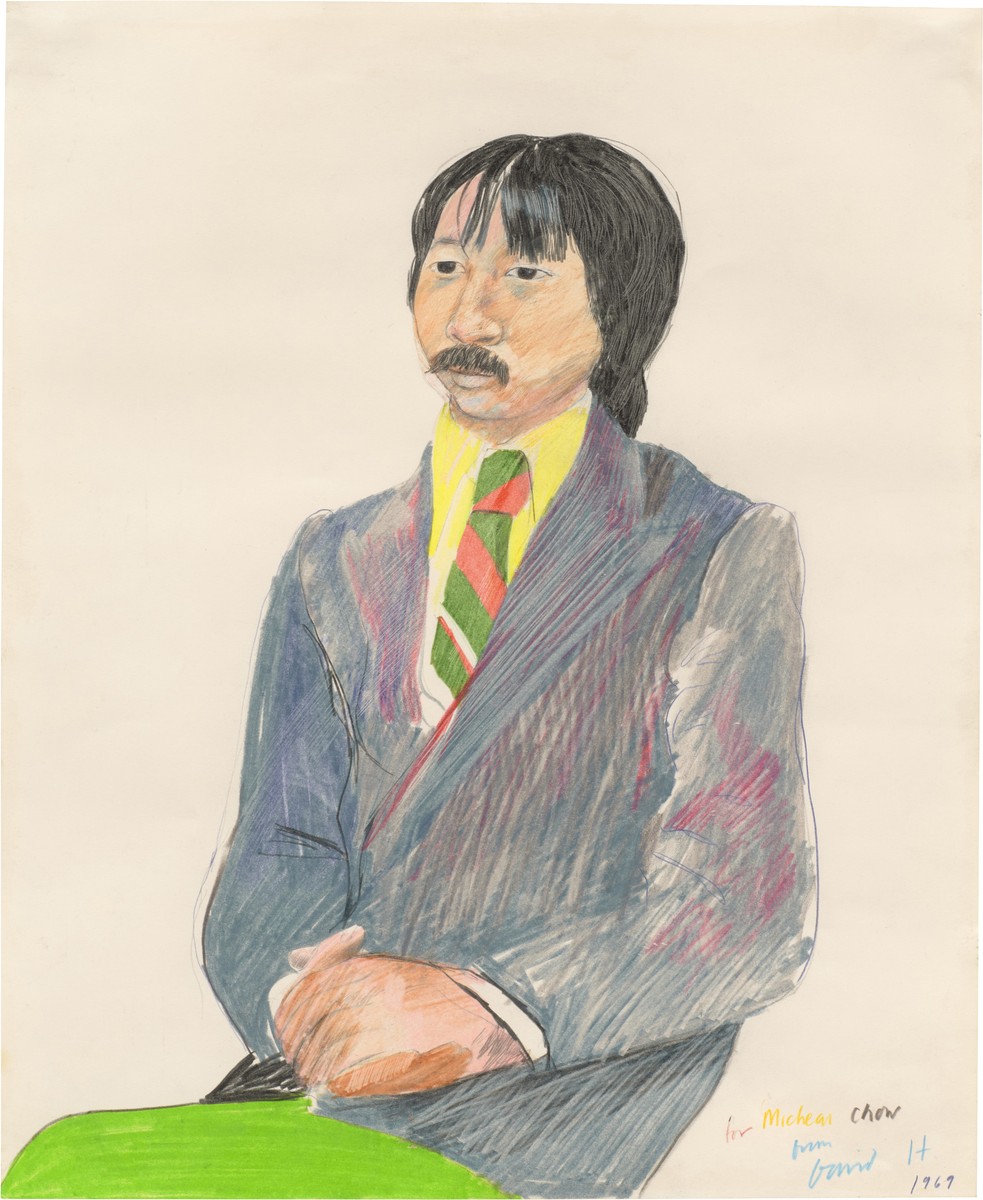
Artsy, July 2026: How Artwork Pricing Works—and How to Know if You’re Getting a Good Deal
Artsy, March 2026: The Art of Asking for a Discount on Art
Artsy: Six Questions Every New Art Buyer Should Ask a Gallery
Collector Intelligence provides general educational information. Contract, tax, title and cross-border questions should be checked for the specific transaction and jurisdiction.
A practical collector’s guide to light, climate, framing, wall fixings, sculpture, installation planning and preventive care when displaying art at home.
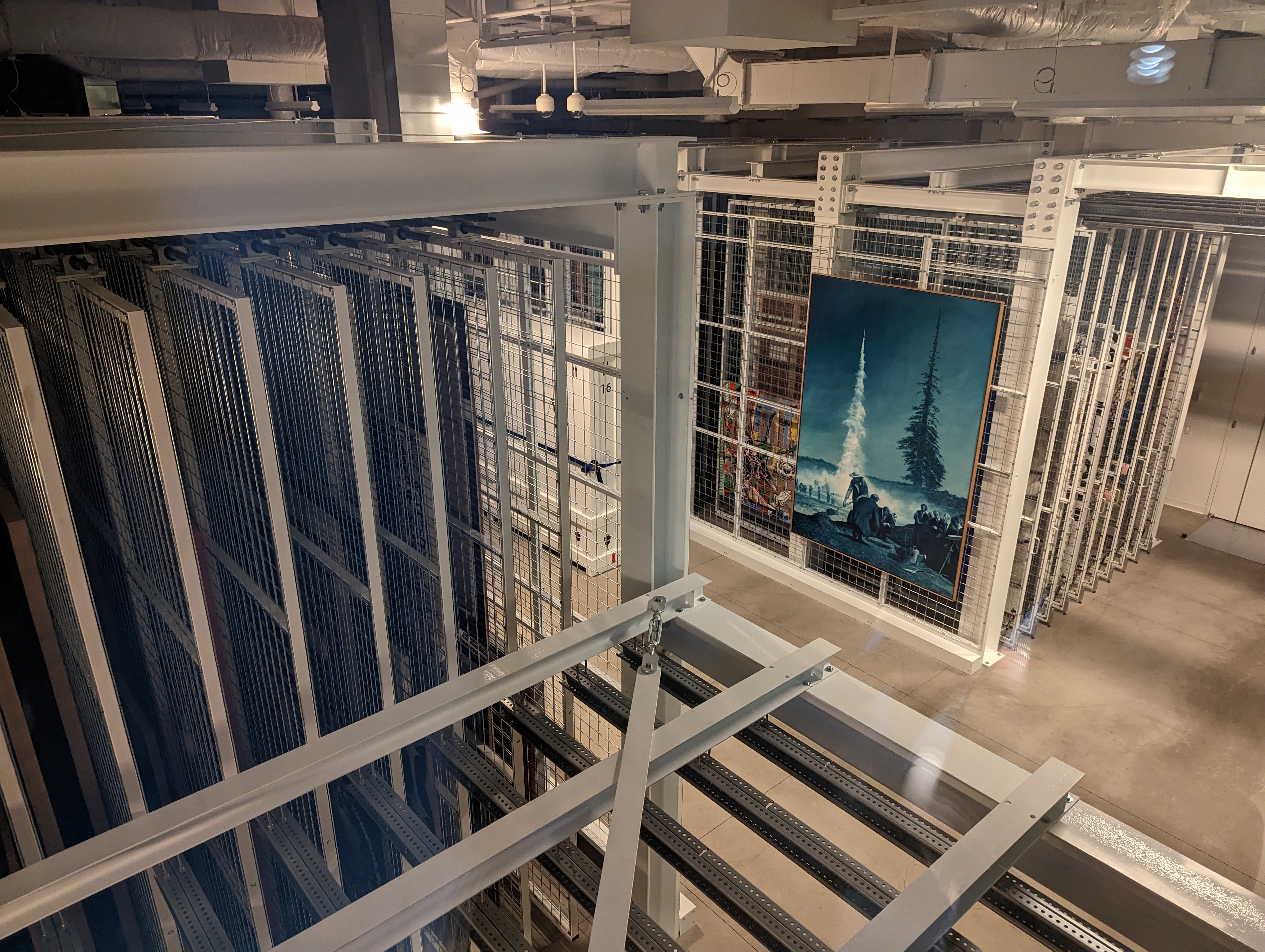
From condition reports and packing to climate, insurance, customs and storage, a collector’s practical framework for moving art safely.
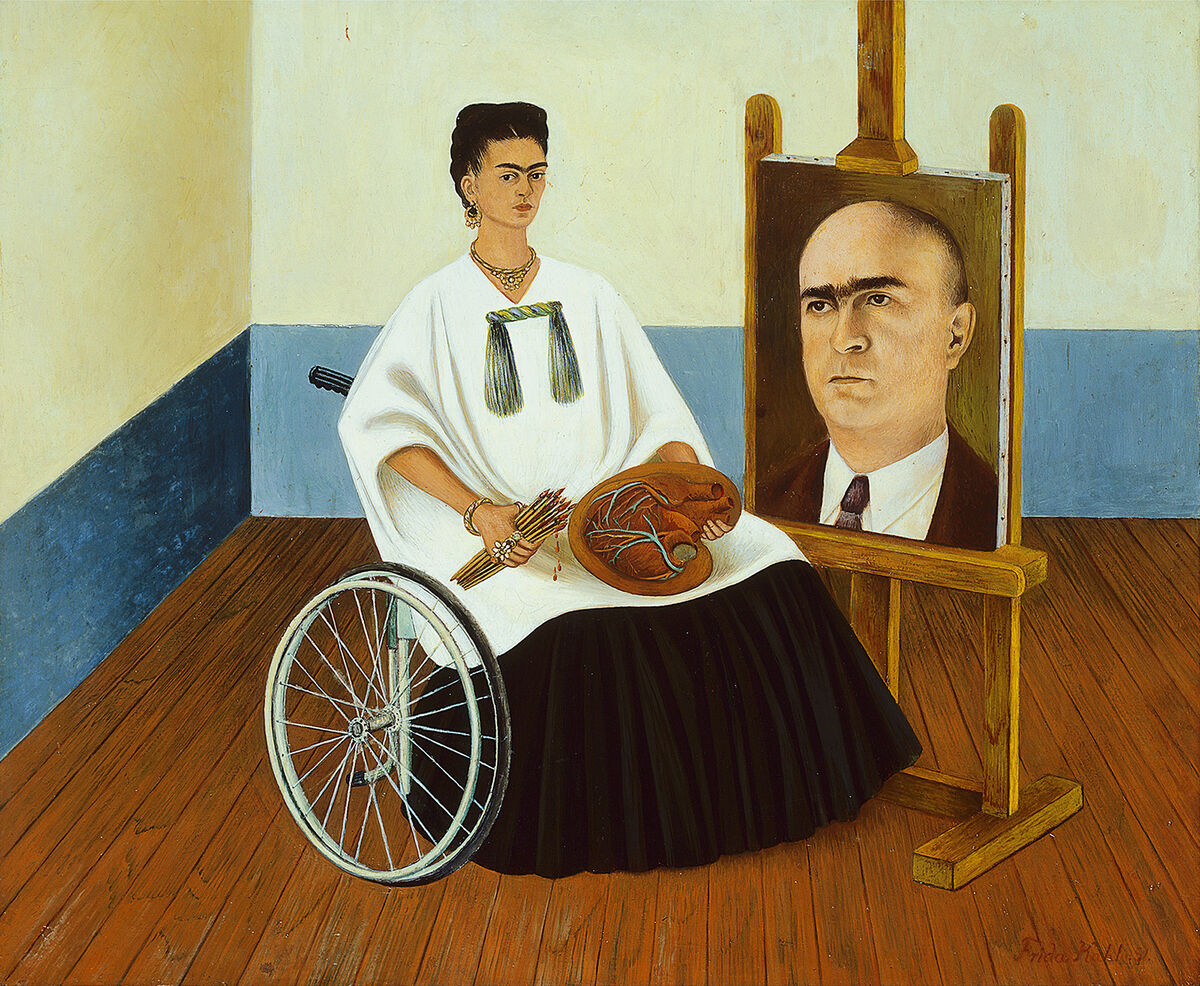
A rigorous step-by-step method for researching an artist, the specific work, institutional context, gallery representation, market history, provenance and risk.

How to buy from an art gallery with confidence: price, availability, documentation, condition, negotiation, shipping, resale expectations and the long-term relationship.