
November 19, 2026
Collector Intelligence
Collector Intelligence

A practical collector’s guide to light, climate, framing, wall fixings, sculpture, installation planning and preventive care when displaying art at home.
A practical, independent guide to starting an art collection—from developing your eye and setting a budget to research, due diligence, documentation and care.

Collector Intelligence | Last reviewed 18 November 2026
Starting an art collection is not a test of wealth or insider access. It is a process of learning how to look, how to ask better questions and how to distinguish an artwork you want to live with from a purchase you are being encouraged to make quickly. The most useful first step is therefore not choosing an artist, gallery or auction house. It is deciding what you want collecting to add to your life.
The 2026 Art Basel and UBS Survey of Global Collecting offers a useful corrective to the idea that serious collecting begins only at very high prices. Even within its high-net-worth sample, 77% of respondents spent under $50,000 on fine art in the first half of 2026. Painting remained the most common starting medium, while museums, galleries and fairs were the second-most common route into collecting after family influence. The lesson is simple: collections begin through sustained exposure and curiosity, not through a single “investment-grade” purchase.

There is no correct motivation. You may want to support living artists, build a visually coherent home, explore one period or geography, create a family collection, learn a field deeply or simply live with objects that make everyday life more interesting. Problems begin when collectors borrow someone else’s objective without recognising it.
Write down three reasons you want to collect and three things you do not want the collection to become. That short exercise can protect you from fashionable purchases that are impressive but irrelevant to your actual interests.
Look far more than you buy. Visit museum collections, commercial galleries, nonprofit spaces, artist-run projects, graduate shows, fairs and open studios. Compare what stays with you after a week with what only produced an immediate visual hit.
A useful habit is to keep a private image notebook. Record the artist, title, date, medium, where you saw the work and one sentence about what interested you. After several months, patterns become visible: materials, subjects, scale, humour, conceptual concerns or periods you repeatedly return to.

Your acquisition budget is only the beginning. The second budget is for ownership: framing, shipping, installation, insurance, storage and conservation. A large sculpture bought attractively can become an expensive object to move. A fragile work on paper may require museum-quality glazing. Time-based media can carry equipment and migration obligations.
Before buying, ask yourself whether the work still makes sense if the total first-year cost is materially higher than the asking price.
The primary market is the first sale of a work, commonly through the artist or a representing gallery. The secondary market is subsequent resale through auction houses, galleries, dealers or private transactions. The two markets overlap but behave differently.
Primary-market prices are usually set deliberately across an artist’s body of work and may reflect scale, medium, date and career stage. Secondary-market prices are exposed to supply, seller motivation, auction competition, guarantees, market fashion and timing. A public auction result is useful evidence, but it is not an automatic valuation of every comparable-looking work by the artist.
Start with the artist’s own gallery and institutional record, but do not stop there. Check museum collections, exhibition histories, catalogues, critical writing, previous galleries, public commissions and reliable interviews. Look for continuity: does the work you are considering belong to a meaningful body of practice, or does it sit awkwardly outside it?
Then check the market where relevant. For an established artist, compare sales of works with similar date, medium, scale and subject. For an emerging artist with little secondary market, the absence of auction history is not a warning by itself. It simply means your judgment should rest more heavily on the work, the practice, the gallery relationship and the price discipline of the primary market.

Before money changes hands, you should be able to identify exactly what you are buying. Request the artist, title, date, medium, dimensions, signature information where relevant, edition number and total edition size for multiples, plus any artist’s proofs or variants. Ask whether the frame or plinth is integral to the artwork or merely presentation furniture.
For installations, digital works or complex sculpture, ask what components, instructions, software, hardware or certificates constitute the work. Ownership can be surprisingly ambiguous if documentation is left until years later.
Price is not a taboo question. A reputable seller should be able to explain the basis of a price even when there is no formula. Compare the work with other works by the same artist and, where useful, with relevant public auction records. Scale, medium, date, rarity, quality, provenance, condition and edition size can all matter.
Do not treat an asking price as evidence of value. Equally, do not assume a discount proves a bargain. A sensible purchase is one where the price can be explained and still makes sense to you after the urgency of the sales conversation has disappeared.
For a recent work bought from the artist’s representing gallery, due diligence may be straightforward. For older, higher-value or cross-border material, it can become much more important. Confirm who is selling, whether they have authority to sell, the ownership history, any authenticity documentation, condition, export restrictions, taxes and whether there are reasons to conduct stolen-art, sanctions or cultural-property checks.
Gaps in provenance are not automatically fatal, particularly for older works, but unexplained gaps are questions to resolve rather than details to ignore.

Condition should be assessed in relation to what the work is, not against an unrealistic idea of perfection. A century-old painting can have restoration and remain an excellent acquisition. A deliberately distressed contemporary surface may look damaged when it is exactly as the artist intended. What matters is knowing the difference.
Request a condition report where one exists, ask for high-resolution front and reverse images, and view the work in person when practical. For material questions with meaningful financial consequences, independent conservation advice can be money well spent.
Keep the invoice, purchase agreement, provenance information, certificate, condition report, shipping records, correspondence and any installation instructions. The invoice should describe the artwork accurately and identify the buyer and seller. Never rely on the idea that everyone involved will remember the details later.
Good paperwork protects future conservation, insurance, lending, estate planning and resale. It also turns your private knowledge into collection history that can survive you.
Add the acquisition to a collection inventory with photographs, dimensions, medium, purchase details, location and documents. Speak to an insurer about appropriate cover rather than assuming household insurance is sufficient. Insurance values and market values are different tools and should not be confused.
A collection becomes more coherent when you periodically look at it as a whole. Which artists still matter to you? Where have you bought too quickly? What themes are emerging? Which works require conservation, new valuations or better records? What do you want to learn next?
The objective is not to make every acquisition look consistent. It is to become a more deliberate collector.


This guide was checked against the 2026 Art Basel and UBS Survey of Global Collecting, current Sotheby’s/Forsters owner guidance and current market practice. Legal, tax, sanctions and import/export rules vary by jurisdiction and should be checked for the specific transaction.
Art Basel & UBS Survey of Global Collecting 2026: Starting a Collection
Sotheby’s & Forsters: An Owner’s Guide to Art, Part 1
Collector Intelligence provides general educational information, not personalised legal, tax, investment or conservation advice.
A practical collector’s guide to light, climate, framing, wall fixings, sculpture, installation planning and preventive care when displaying art at home.
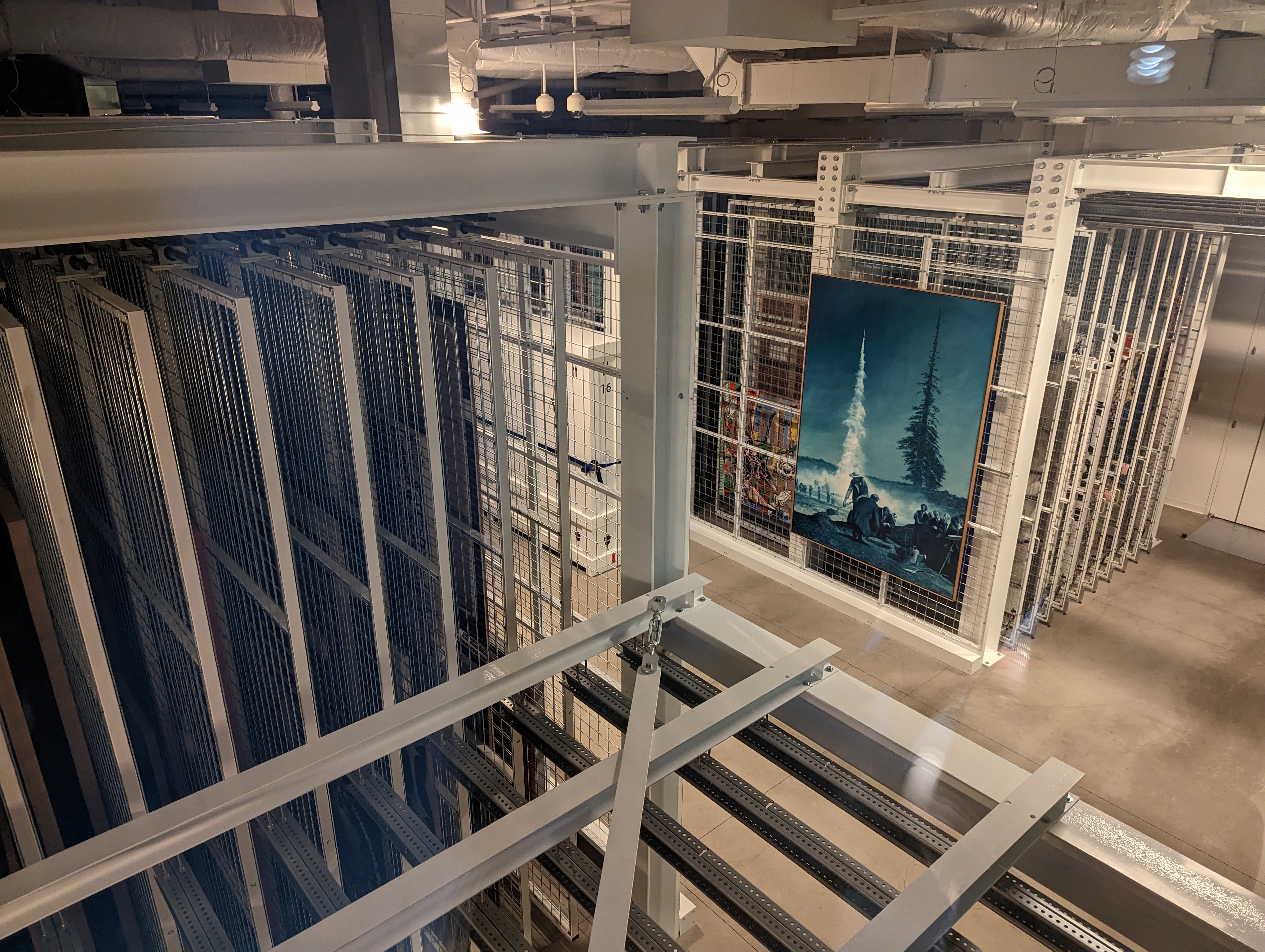
From condition reports and packing to climate, insurance, customs and storage, a collector’s practical framework for moving art safely.
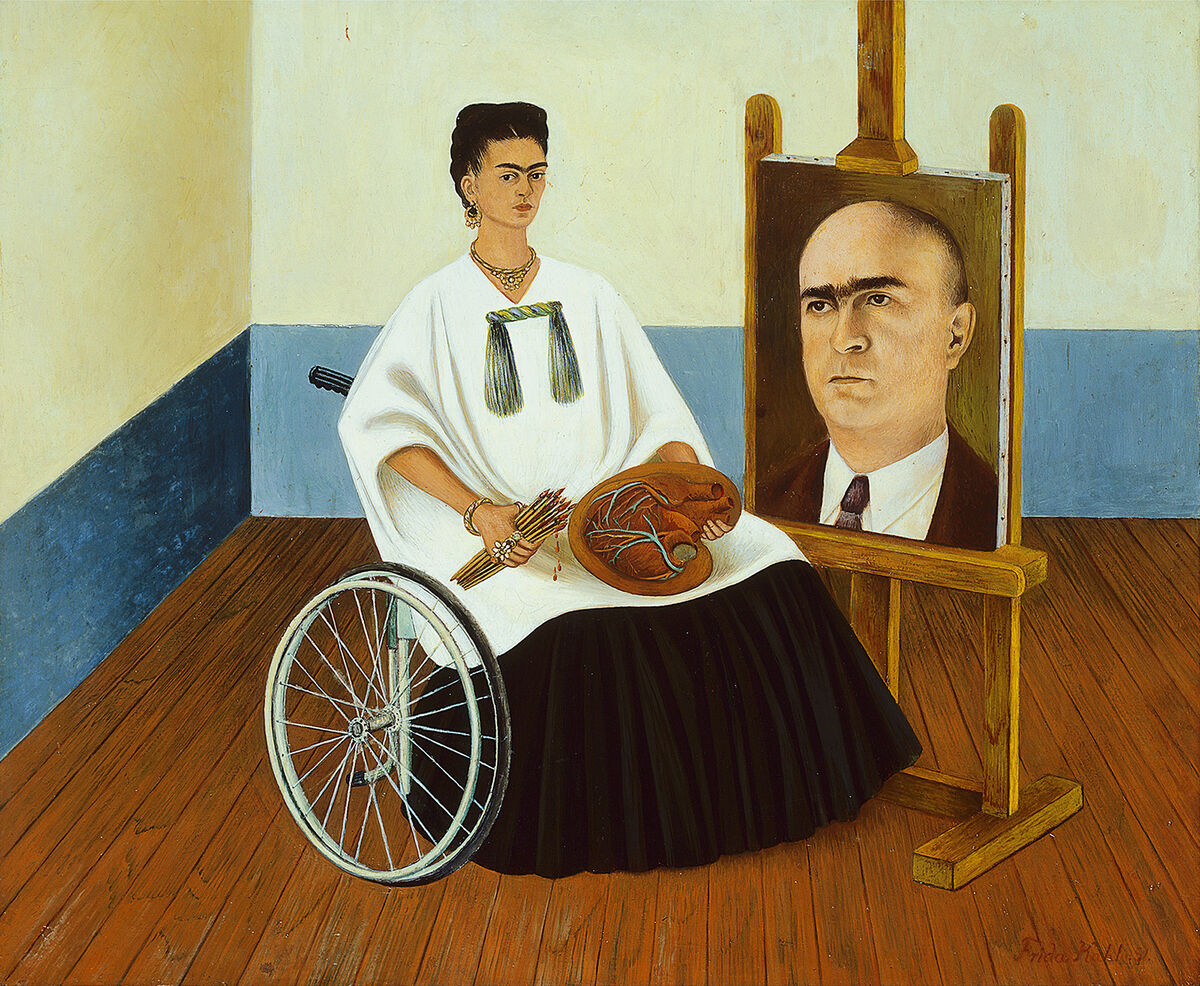
A rigorous step-by-step method for researching an artist, the specific work, institutional context, gallery representation, market history, provenance and risk.

How to buy from an art gallery with confidence: price, availability, documentation, condition, negotiation, shipping, resale expectations and the long-term relationship.