
November 19, 2026
Collector Intelligence
Collector Intelligence

A practical collector’s guide to light, climate, framing, wall fixings, sculpture, installation planning and preventive care when displaying art at home.
A collector’s guide to provenance: how to reconstruct ownership history, verify records, distinguish gaps from red flags and investigate title or stolen-art risks.
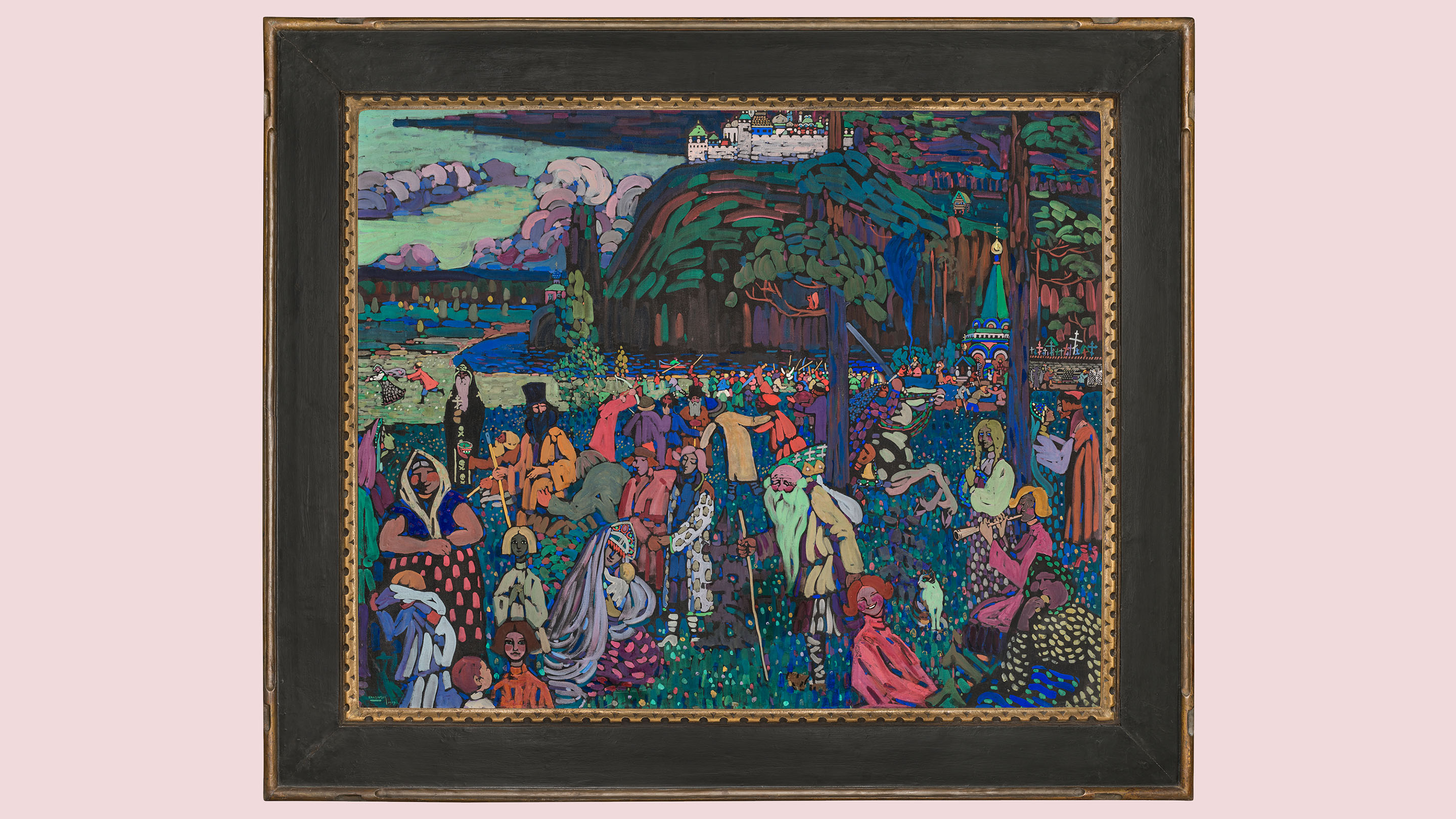
Collector Intelligence | Last reviewed 18 November 2026
Provenance is the documented history of an artwork’s ownership and movement over time. It can include the artist or place of origin, dealers, collectors, auctions, inheritances, gifts, exhibitions and the dates and locations through which the object passed. It is not the same thing as authenticity, and it is not the same thing as legal title, but the three questions often intersect.
A beautiful work with an impressive attribution can still be a difficult acquisition if its ownership history raises unresolved legal or ethical questions. Conversely, a gap in an older artwork’s provenance is not automatically evidence of wrongdoing. The collector’s task is to understand what is known, what is not known and whether the uncertainty is acceptable.
Provenance asks where the artwork has been and who owned or handled it. Authenticity asks whether the work is what it is represented to be. Title asks whether the seller has the legal right to transfer ownership. A strong provenance can support an attribution, but a chain of owners does not by itself prove authorship. A genuine artwork can also have defective title if it was stolen or improperly transferred.
For serious acquisitions, do not collapse these questions into a single certificate or seller assurance.
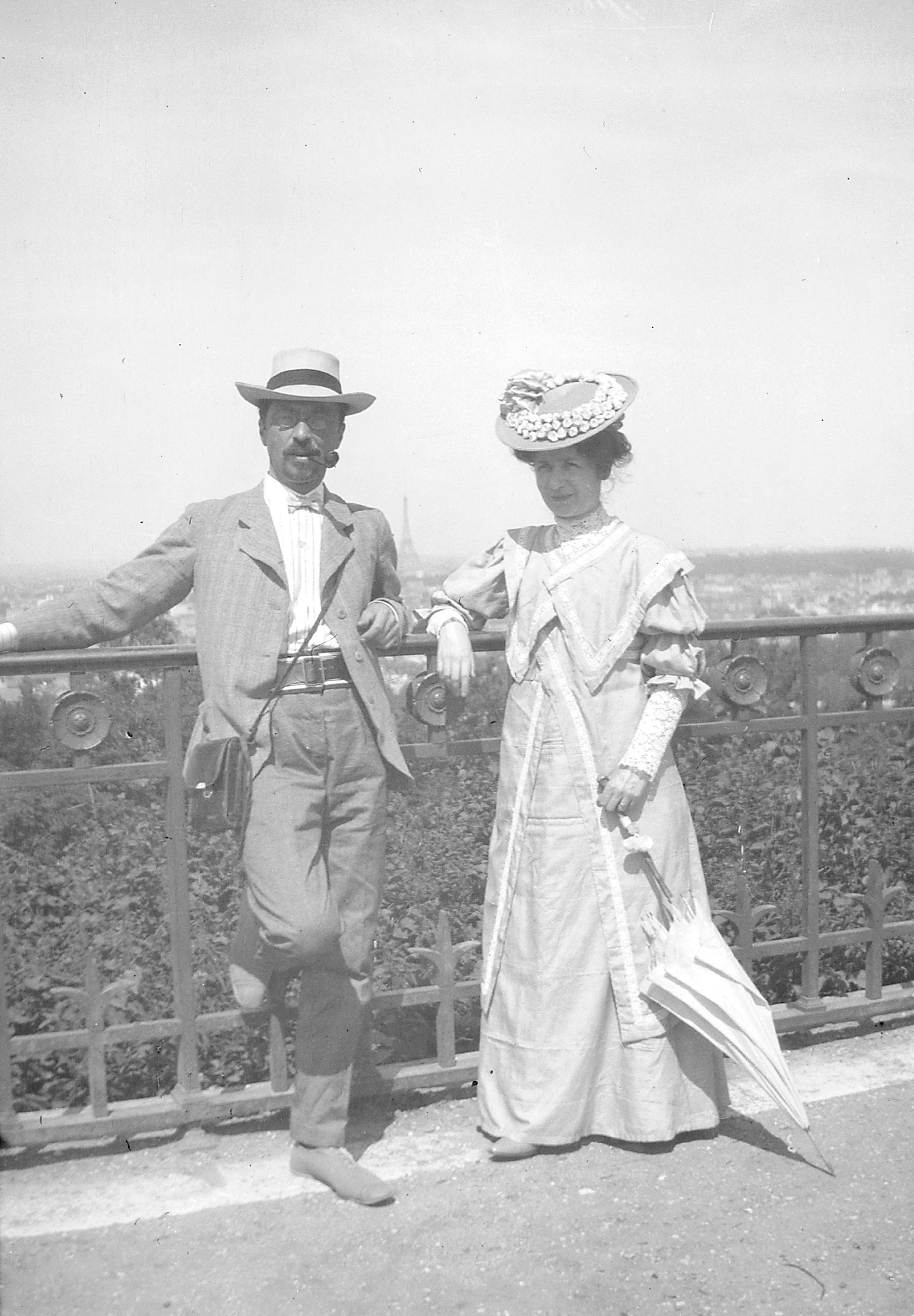
Begin with the simplest question: who owned the work, and when? Ask for the chronology in writing. Where possible it should identify owners or dealers, their locations, how the work changed hands and relevant dates. “Private collection” can be legitimate, particularly where owners requested anonymity, but it should not become a substitute for all underlying evidence.
Ask what documentation supports each step: invoices, auction catalogues, gallery stock records, collection inventories, photographs, correspondence, labels, export papers, wills or insurance records.
The reverse of a painting, underside of a sculpture, frame, stretcher or old mount can contain labels, inventory numbers, stamps, inscriptions and transport marks. Getty’s provenance researchers explicitly use these physical traces alongside sale catalogues, personal papers and inventories.
Photograph these details at acquisition. Labels can later become detached, frames can be changed and inscriptions can be overlooked. The object is part of its own archive.
Do not rely exclusively on a provenance typed into a sales document. Search museum databases, exhibition catalogues, auction catalogues, dealer archives and scholarly literature. The Getty Provenance Index provides more than 12 million open-access digitised records drawn from sources including dealer stock books, sales catalogues and archival inventories.
For modern and contemporary artists, artist foundations, estates and catalogues raisonnés may be relevant, but their authority and scope vary. Understand who maintains the record and whether inclusion is a statement about authenticity, documentation or both.
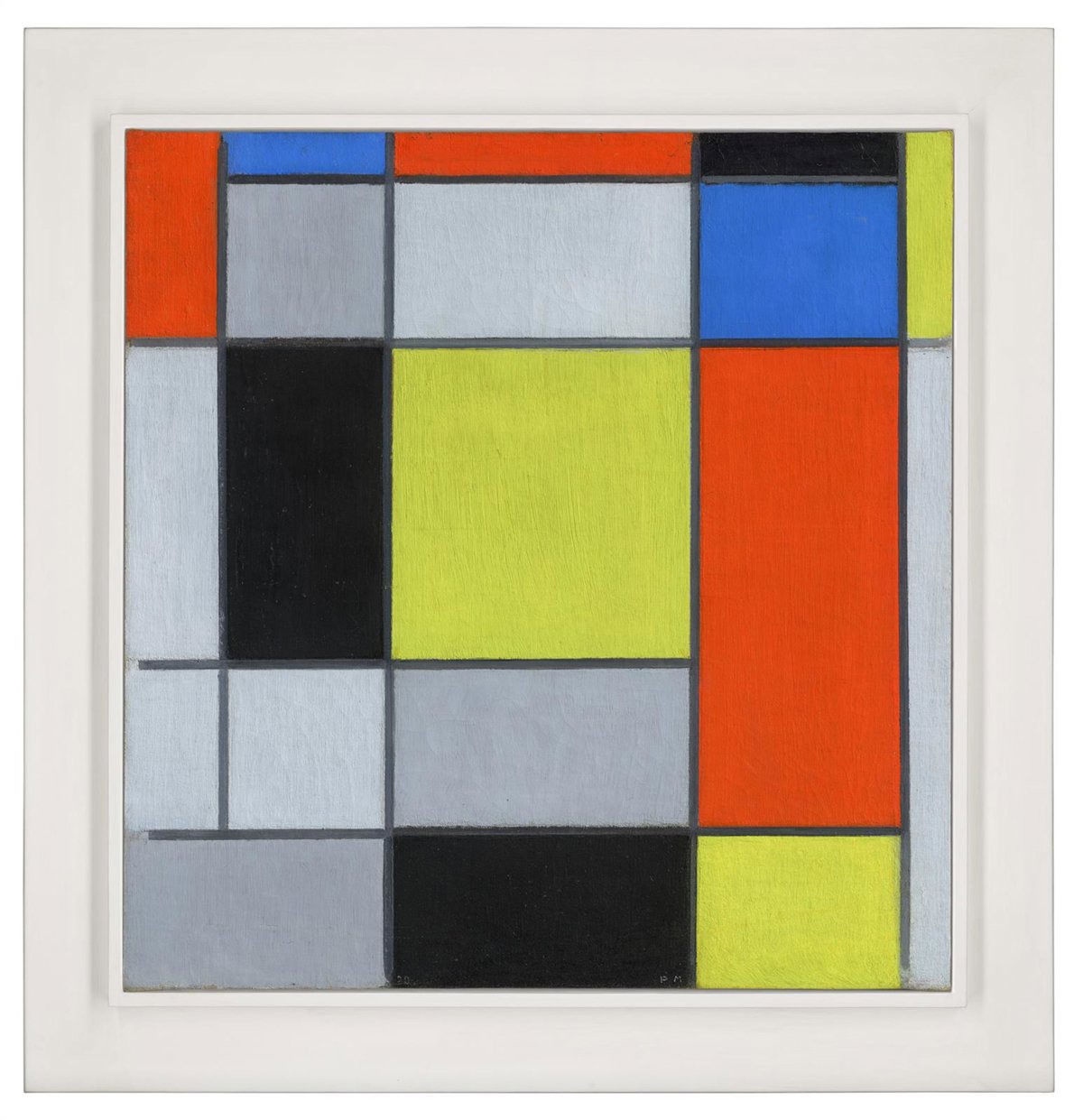
The appropriate depth of research depends on the object. European works that changed hands during the Nazi era, archaeological material, antiquities, sacred objects, colonial-era collections and works exported from countries with cultural-property restrictions can require specialist research well beyond an ordinary market check.
Look at the dates, geography and identities in the ownership chain. A provenance that jumps across a period of conflict or persecution deserves more attention than a recent work acquired directly from a living artist’s gallery.
The Art Loss Register describes itself as the world’s largest private database of lost, stolen and looted art, antiques and collectibles, with more than 700,000 items recorded. Its database is used for due-diligence searches by the trade, insurers, police and collectors.
A clear database search is evidence of one check at one time; it is not a guarantee that no claim can exist. Some losses were never registered, and claims may depend on facts outside a database. Preserve the search result and date as part of your acquisition file.
Getty notes that complete ownership histories can be difficult to reconstruct because records have been lost, remain undiscovered or were intentionally kept private. A gap is therefore not necessarily suspicious.
A contradiction is different. If two sources place the same work in different collections at the same time, dimensions change inexplicably, an auction entry cannot be reconciled with the object, or the seller’s account conflicts with an archival record, stop and resolve the inconsistency before buying.
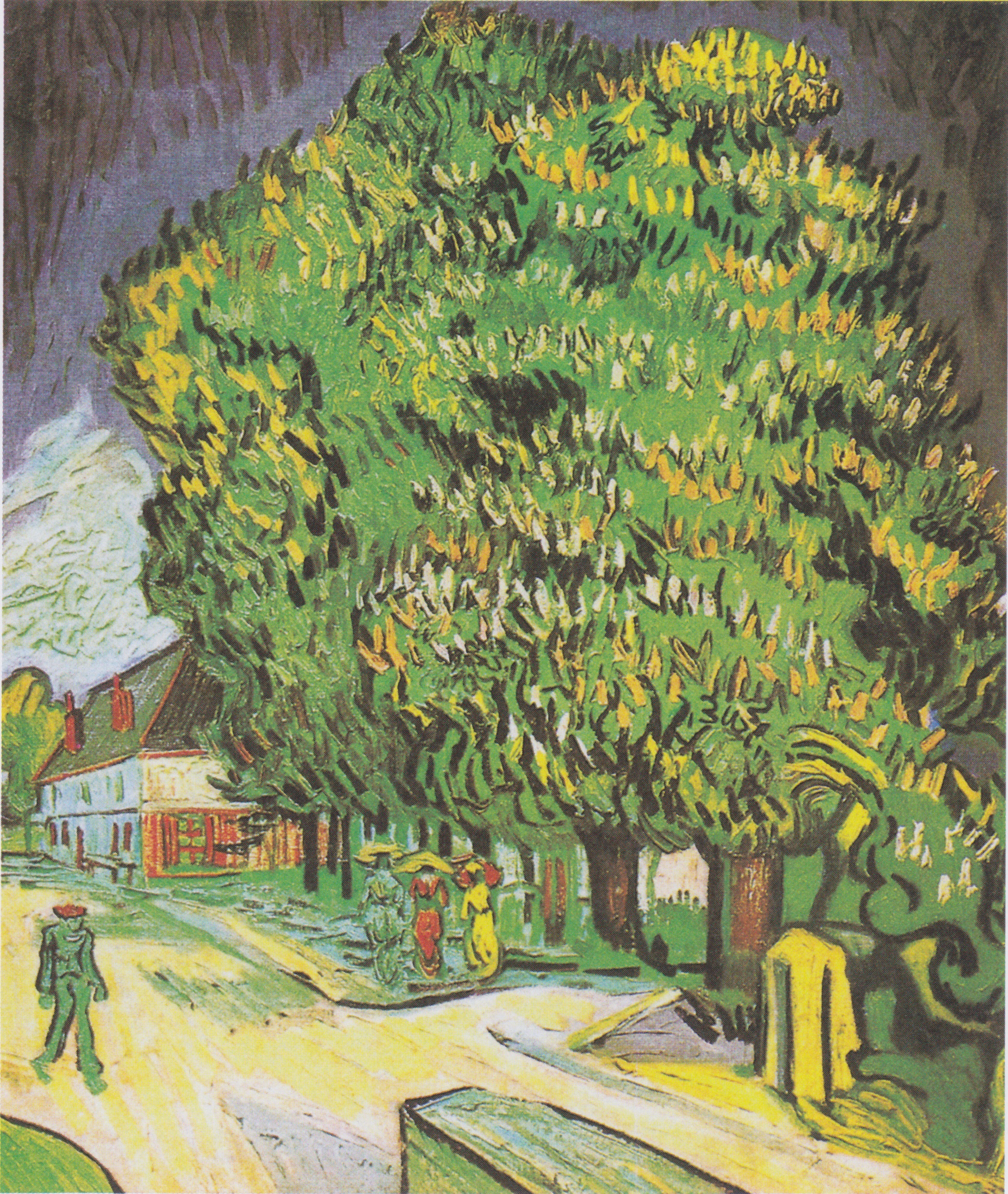
Provenance describes past ownership; title concerns the present transaction. Ask whether the seller owns the work or is acting as agent, and whether there are liens, competing claims, consignment issues or other restrictions on transfer. For high-value transactions, the identity and authority of the seller matter as much as the artwork’s history.
Cross-border transactions may also trigger anti-money-laundering, sanctions, tax, export or cultural-property obligations. These rules change and differ by jurisdiction. A collector should not rely on a general article where transaction-specific legal advice is warranted.
Collectors have legitimate reasons for privacy, and historic provenance records often use terms such as “private collection.” Getty notes that this can mean either that the owner’s identity is unknown or that a known owner requested anonymity.
The practical distinction is important. Public anonymity does not have to mean that the seller, auction house, lawyer or relevant specialist lacks underlying documentation. For a significant purchase, ask whether confidential evidence can be reviewed by an adviser even if a former owner’s name cannot be published.
Specialist provenance researchers, art lawyers, conservators, scholars and category experts exist because difficult cases cannot be resolved by a quick internet search. Use them when the price, age, geography, cultural significance or gaps in the record justify the cost.
A responsible adviser should be willing to tell you that the evidence is inconclusive. “Unknown” can be a useful answer when it is clearly documented.
Your ownership becomes part of the object’s future history. Keep the invoice, purchase agreement, correspondence, catalogue entry, condition report, certificates, provenance research, database searches, loan paperwork and photographs together in the collection record.
If you lend the work to an exhibition, publish it or change its frame, retain those records too. Good stewardship increases the quality of information available to the next generation of owners and scholars.
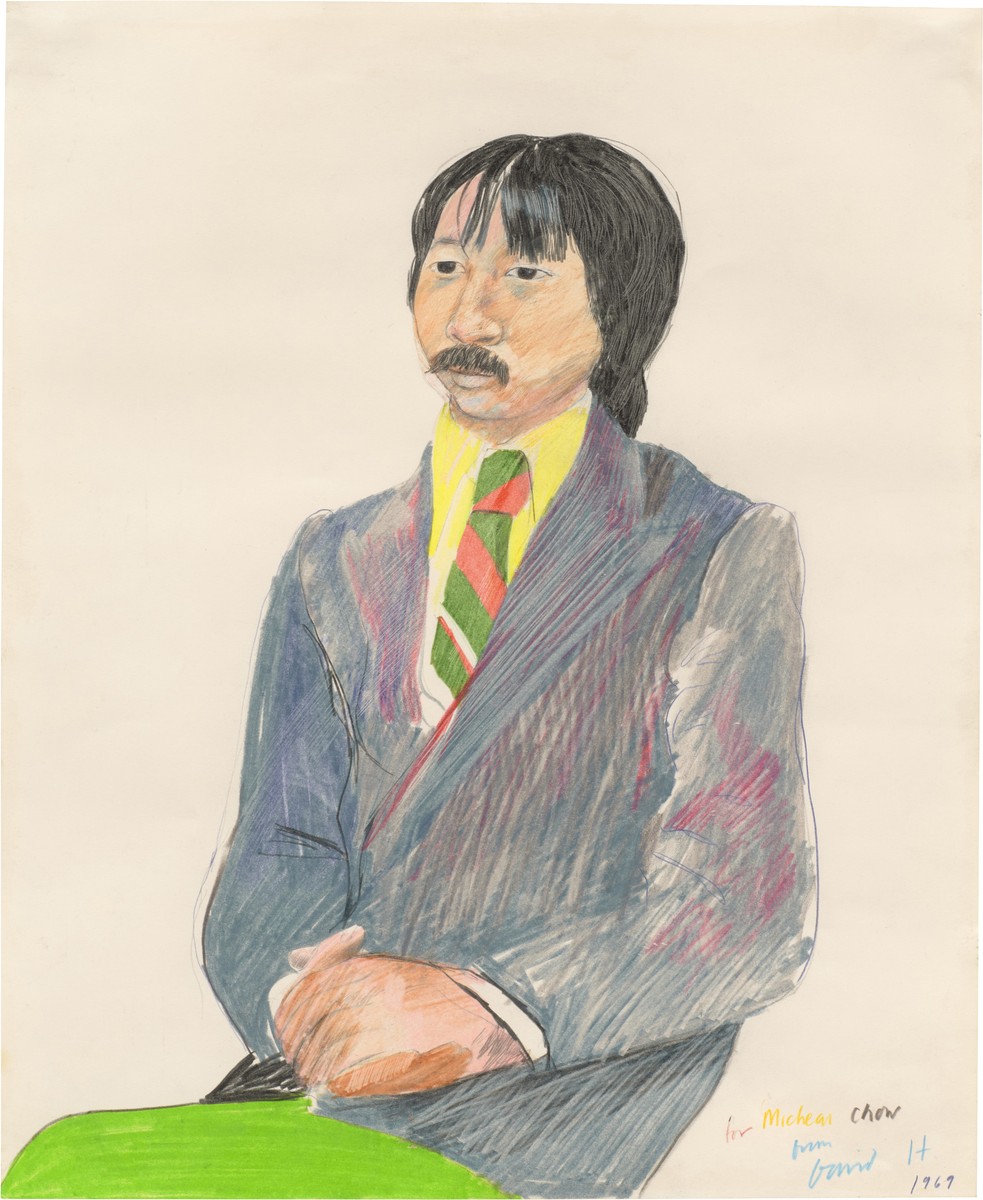
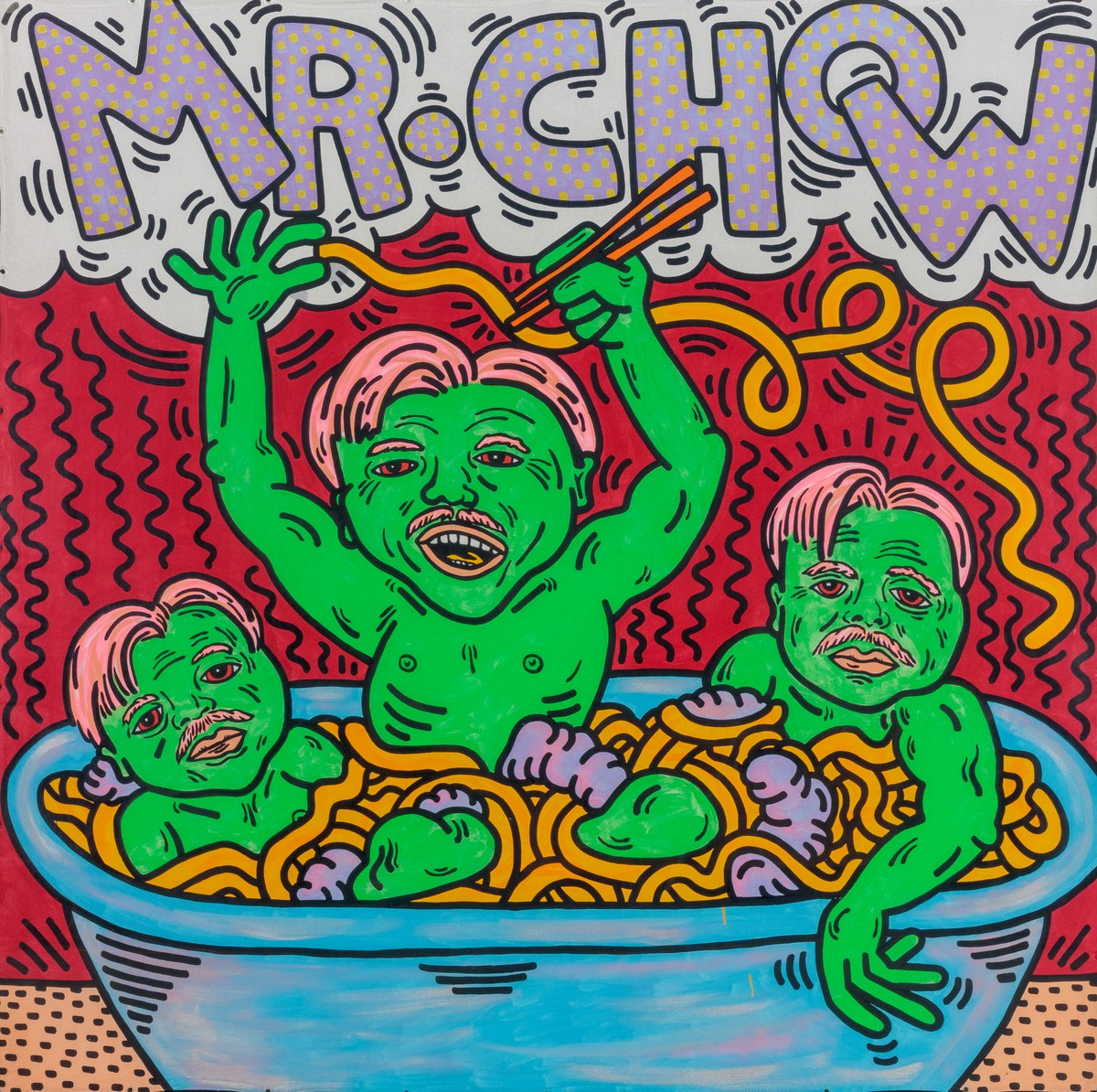
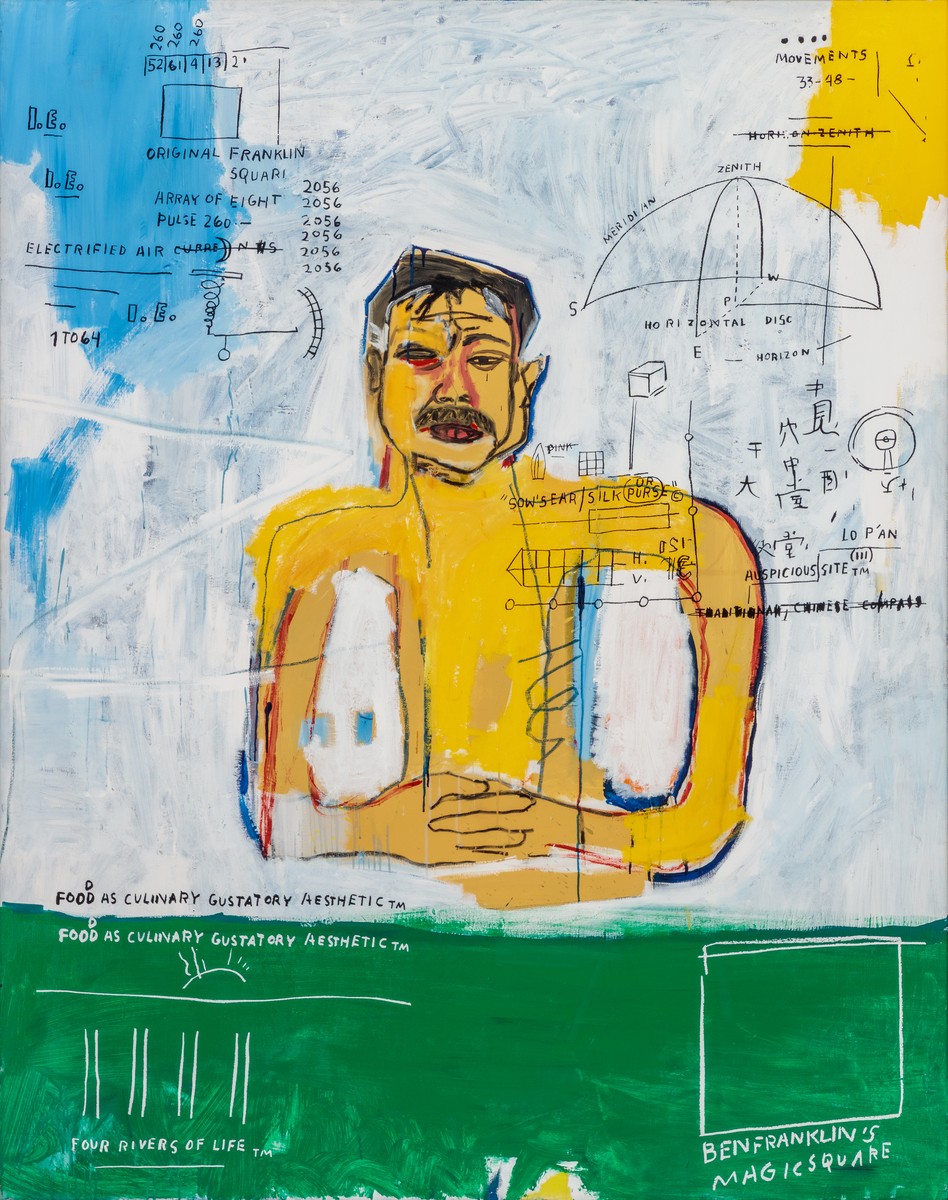
J. Paul Getty Museum: Research on Museum Collection Provenance
Getty Provenance Index
Art Loss Register
The Metropolitan Museum of Art: Provenance Research
Collector Intelligence provides general educational information. Provenance, restitution, title, sanctions and cultural-property questions can require specialist legal or scholarly advice.
A practical collector’s guide to light, climate, framing, wall fixings, sculpture, installation planning and preventive care when displaying art at home.
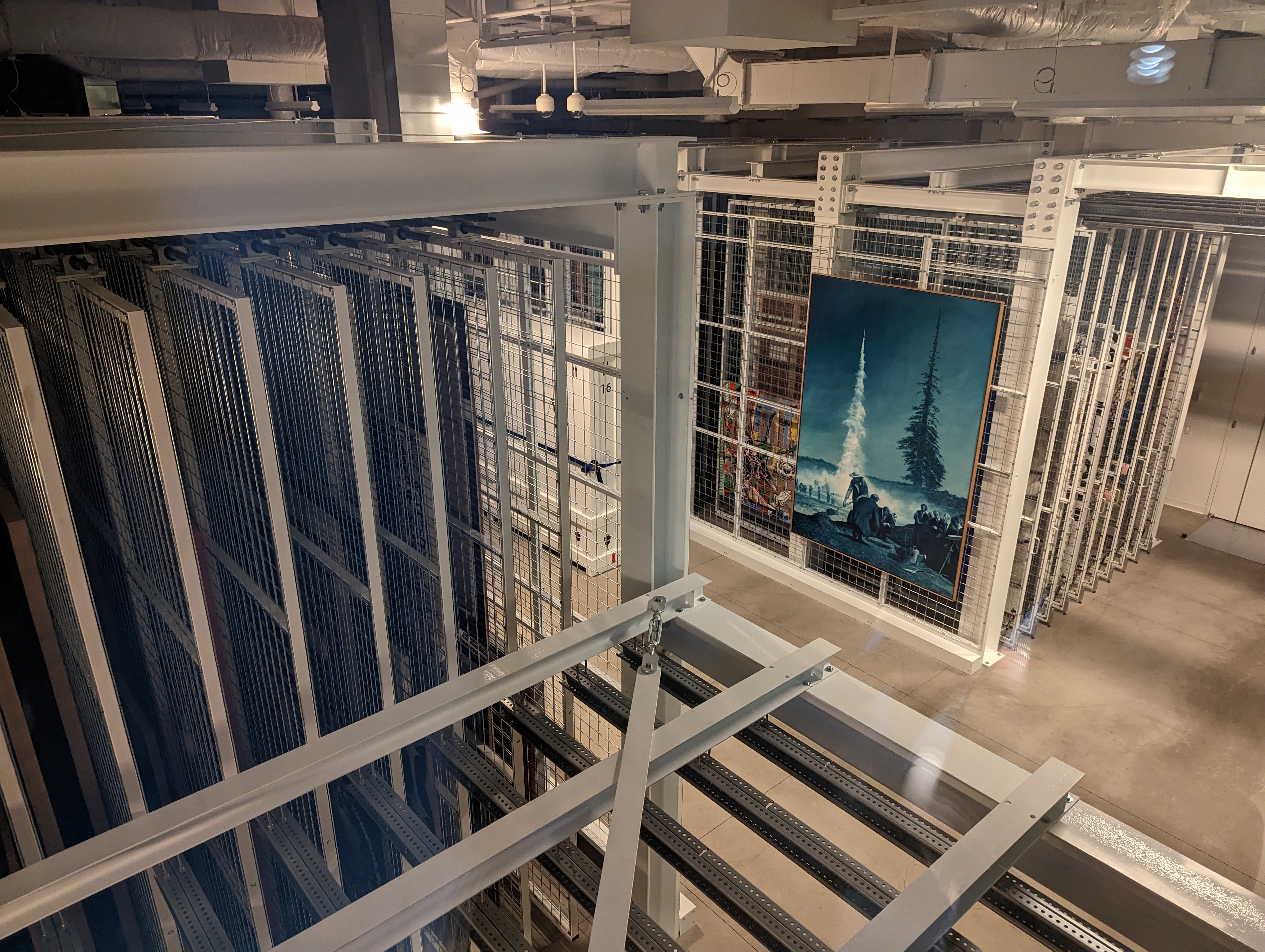
From condition reports and packing to climate, insurance, customs and storage, a collector’s practical framework for moving art safely.
A rigorous step-by-step method for researching an artist, the specific work, institutional context, gallery representation, market history, provenance and risk.

How to buy from an art gallery with confidence: price, availability, documentation, condition, negotiation, shipping, resale expectations and the long-term relationship.