
October 18, 2026
Exhibitions
Exhibitions

From a £5 million Brueghel and three major Alice Neel sales to George Rickey, global modernism and a £675,000 Triceratops skull, Frieze Masters rewarded collectors who looked beyond categories.
A lifetime collection can become an heir’s logistical, financial and emotional burden overnight. From changing taste and stale valuations to museum gifts, digital art and forced sales, what serious collectors should plan before the collection becomes an estate.

The most difficult question in a serious collection may not be what to buy next.
It may be what happens when the collector is no longer there to explain why any of it mattered.
Across mature art markets, an enormous transfer of wealth is beginning to collide with a less discussed transfer of taste. Collections assembled over forty or fifty years are moving toward children and grandchildren whose homes are smaller, whose aesthetic priorities are different and whose emotional relationship to the objects may bear little resemblance to that of the person who bought them.
The result is not simply an estate-planning problem. It is a market problem, a family problem, a documentation problem and, increasingly, a cultural problem.
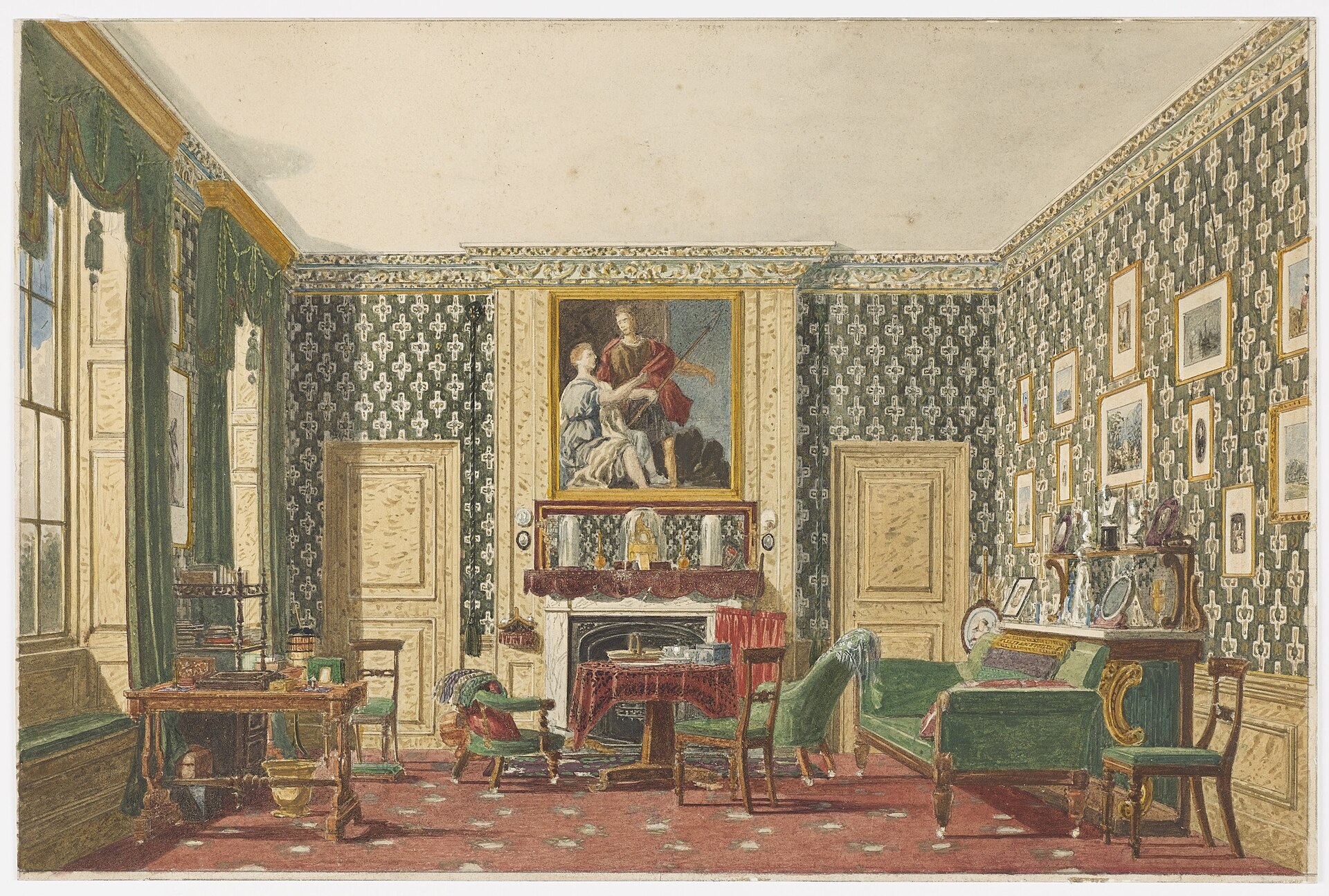
Recent reporting around Britain’s multi-trillion-pound generational wealth transfer has highlighted an uncomfortable reality: categories that once formed the respectable backbone of affluent collections—Georgian furniture, nineteenth-century watercolours, silver, decorative maps, second-tier Old Masters—can arrive in the next generation as liabilities rather than treasures. The heirs may not want to live with them. The market may not want to pay historical prices for them. Museums cannot absorb everything.
At the same time, new collector data shows that inheritance remains deeply embedded in the high-net-worth art world. The Art Basel and UBS Survey of Global Collecting 2025 found that inherited works were present in the collections of a majority of respondents across several wealth bands. Among respondents who had inherited and retained at least some art, inherited objects represented, on average, a substantial minority of both collection value and number of works.
In other words: inheritance is already shaping collections. The question is whether collectors are planning for it deliberately enough.
Collectors often build as though enthusiasm will transfer automatically.
It rarely does.
A parent may spend thirty years learning the distinctions between early and late examples by a particular artist, developing relationships with dealers and conservators, following provenance and understanding which apparently minor object is actually central to the collection. An heir may see a room full of things that are expensive to insure and impossible to fit into an apartment.
This mismatch is not evidence that the heir lacks culture. Collecting is personal. That is its point.
The challenge appears when emotional expectation is mistaken for succession planning. “The children will keep it” is not a plan unless the children have actually agreed to become stewards of the collection—and understand what stewardship requires.
That conversation should happen while the collector is alive.
The second danger is financial.
Collections often preserve the memory of the market in which they were assembled. An object bought for a substantial sum in 1998 may carry a family assumption that it remains worth at least that amount. In some categories, the opposite may be true.
The art market is highly selective. Masterpieces can become more valuable while the middle of a category collapses. A handful of canonical names may remain liquid while related artists lose visibility. Furniture can fall out of fashion. Decorative arts can move from drawing room to secondary-market surplus. Conversely, artists once overlooked can undergo dramatic institutional and commercial reassessment.
That means old insurance valuations, purchase invoices and family lore are not substitutes for current market intelligence.
A collection should be periodically revalued not only for insurance but for strategic reasons. Which works are genuinely important? Which are liquid? Which would be difficult to place? Which have conservation liabilities? Which have museum potential? Which should be sold while the collector is alive and able to supervise the process?
These are uncomfortable questions. Death makes them more urgent and often less answerable.
One of the most common weaknesses in private collections is astonishingly basic: no one except the collector knows what is actually there.
Invoices live in email accounts. Certificates are in drawers. Condition reports sit with a restorer. A work is on loan to a museum. Another is stored in Geneva. A third is installed in a second home. Photographs are on a laptop. A dealer remembers a provenance detail that was never written down.
When the collector dies or becomes incapacitated, this dispersed knowledge can disappear almost instantly.
A proper collection record should therefore include, at minimum, artist, title, date, medium, dimensions, edition information, acquisition source, purchase date and price, current location, provenance, exhibition history, literature, certificates, invoices, condition information, restoration history, insurance value, copyright or reproduction considerations where relevant, and high-resolution photographs.
For conceptual, digital, time-based or installation-dependent art, the record may need much more: technical specifications, software, hardware, installation diagrams, replacement rules, artist instructions and migration plans.
The database is not clerical administration. It is part of the provenance.
Estate administration becomes particularly difficult when executors or trustees are expected to understand a collection they did not build.
Sotheby’s and Christie’s both maintain dedicated fiduciary and estates teams precisely because major collections can involve legal, tax, valuation, storage, transport and disposition issues across multiple jurisdictions. Sotheby’s notes that property located outside the deceased owner’s home jurisdiction can trigger additional probate and tax procedures before custodians such as storage facilities or museums are even able to release it.
This is why collectors should identify, in advance, the people who understand the collection professionally.
That may include an adviser, dealer, auction specialist, registrar, conservator, lawyer, accountant or family-office executive. The objective is not to give one market participant unchecked authority. It is to prevent the family from beginning from zero under pressure.
A useful estate file should contain names, roles and contact details alongside an explanation of any conflicts of interest. The gallery that represented an artist may be the best source of information about a work, but not necessarily the neutral adviser to determine how it should be sold.

There is no universal correct destination for a collection.
Keeping it intact can preserve intellectual relationships between works but requires a willing steward, physical space, capital and governance.
Dividing it among heirs may be emotionally fair but can destroy the coherence of a collection and create disputes over works of unequal financial and sentimental value.
Selling simplifies the estate into cash but exposes timing risk, transaction costs and the possibility of dispersing important groups that might have had greater cultural value together.
Gifting to museums can be meaningful, but collectors frequently overestimate institutional appetite. Museums have acquisition priorities, storage constraints, conservation costs and collection policies. A museum does not necessarily want a work simply because the collector considers it important.
Creating a foundation or private museum can preserve a legacy but is one of the most demanding options. Buildings, staff, governance, conservation, programming, insurance and endowment requirements can turn an emotional ambition into a permanent operating company.
The right answer may be a mixture: preserve a core group, sell non-core works, place a handful with institutions and give individual pieces to family members who actually want them.
Collectors sometimes treat museum gifts as a graceful solution that can be decided late.
In reality, the strongest philanthropic outcomes are negotiated.
Institutions may prefer funds accompanying a work to support conservation, research or display. A group of objects may be more useful than a single isolated piece. A promised gift can be structured during a collector’s lifetime. In some jurisdictions, tax mechanisms can encourage gifts of culturally important property.
In the United Kingdom, for example, mechanisms including Acceptance in Lieu and the Cultural Gifts Scheme can allow qualifying objects to enter public collections while settling or offsetting certain tax liabilities, subject to detailed eligibility rules. Christie’s says its Heritage & Taxation department has helped place thousands of qualifying objects with public institutions through such mechanisms.
The specifics are jurisdiction-dependent and require professional advice, but the strategic principle is universal: philanthropy works best when the receiving institution is part of the conversation before the estate is under deadline pressure.
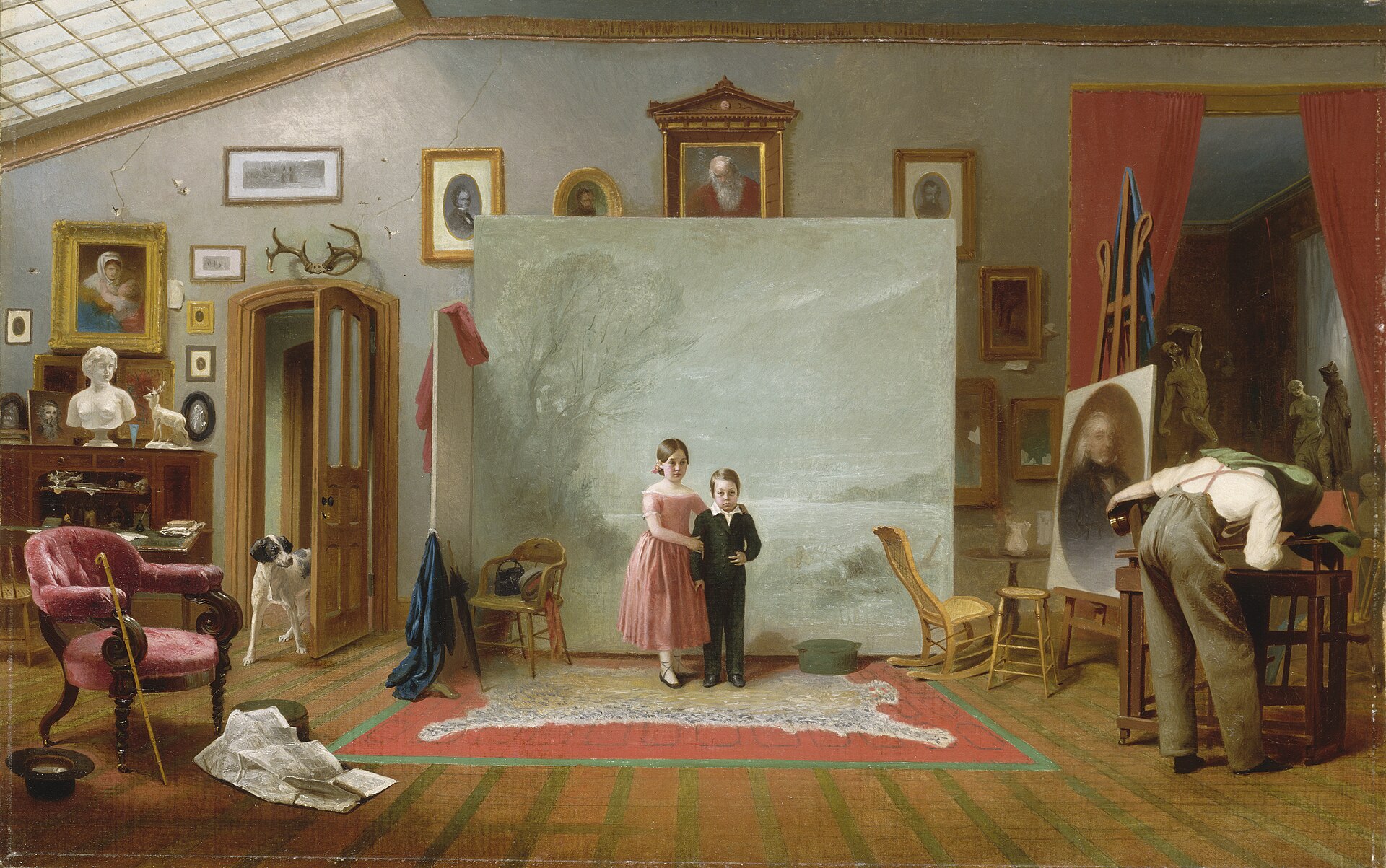
A collection can be valuable and illiquid at the same time.
This becomes dangerous when an estate has taxes, debts, equalisation payments or operating costs due on a timetable that does not match the art market.
Major auction seasons occur at particular points in the year. Preparing a museum-quality collection for sale requires research, cataloguing, photography, estimates, marketing and sometimes restoration. Guarantees and private-sale strategies require negotiation. A rushed sale can be the most expensive form of convenience.
Withers recently highlighted the problem in the US context: heirs may find themselves grieving while also working against estate-tax and auction-calendar deadlines. Similar timing pressures exist in different forms elsewhere.
The collector who wants to maximise value should therefore ask an unfashionable question while alive: should some of the collection be sold now?
Lifetime sales can clarify the core collection, provide liquidity, test the market and allow the collector to control scholarship and presentation. They can also prevent heirs from being forced to sell the wrong works at the wrong moment.
This is the emotional centre of the issue.
A collection is often autobiography disguised as property. To the person who assembled it, a work may represent a friendship, a discovery, a particular room, a period of life or a conviction held before the market agreed.
The heir receives the object but not automatically the memory.
That is why collectors should document not only market data but meaning. Oral histories, short written notes, interviews and photographs of works in situ can preserve the intellectual story of a collection even if the objects are ultimately dispersed.
Legacy does not necessarily mean keeping everything together forever.
Sometimes the more durable legacy is the record of why the collection existed at all.
This article is editorial information, not legal or tax advice. Estate, succession and tax rules vary significantly by jurisdiction; collectors should seek qualified professional advice specific to their circumstances.
From a £5 million Brueghel and three major Alice Neel sales to George Rickey, global modernism and a £675,000 Triceratops skull, Frieze Masters rewarded collectors who looked beyond categories.

Frieze London closed with sold-out emerging booths, meaningful institutional acquisitions and selective blue-chip buying. The real story was not a boom, but a market rewarding specificity.

Nearly 150 works from RM’s collection meet SFMOMA in a major exhibition of Korean modern and contemporary art. Its real lesson is how a private collection develops a coherent eye.