
October 11, 2026
Exhibitions
Exhibitions
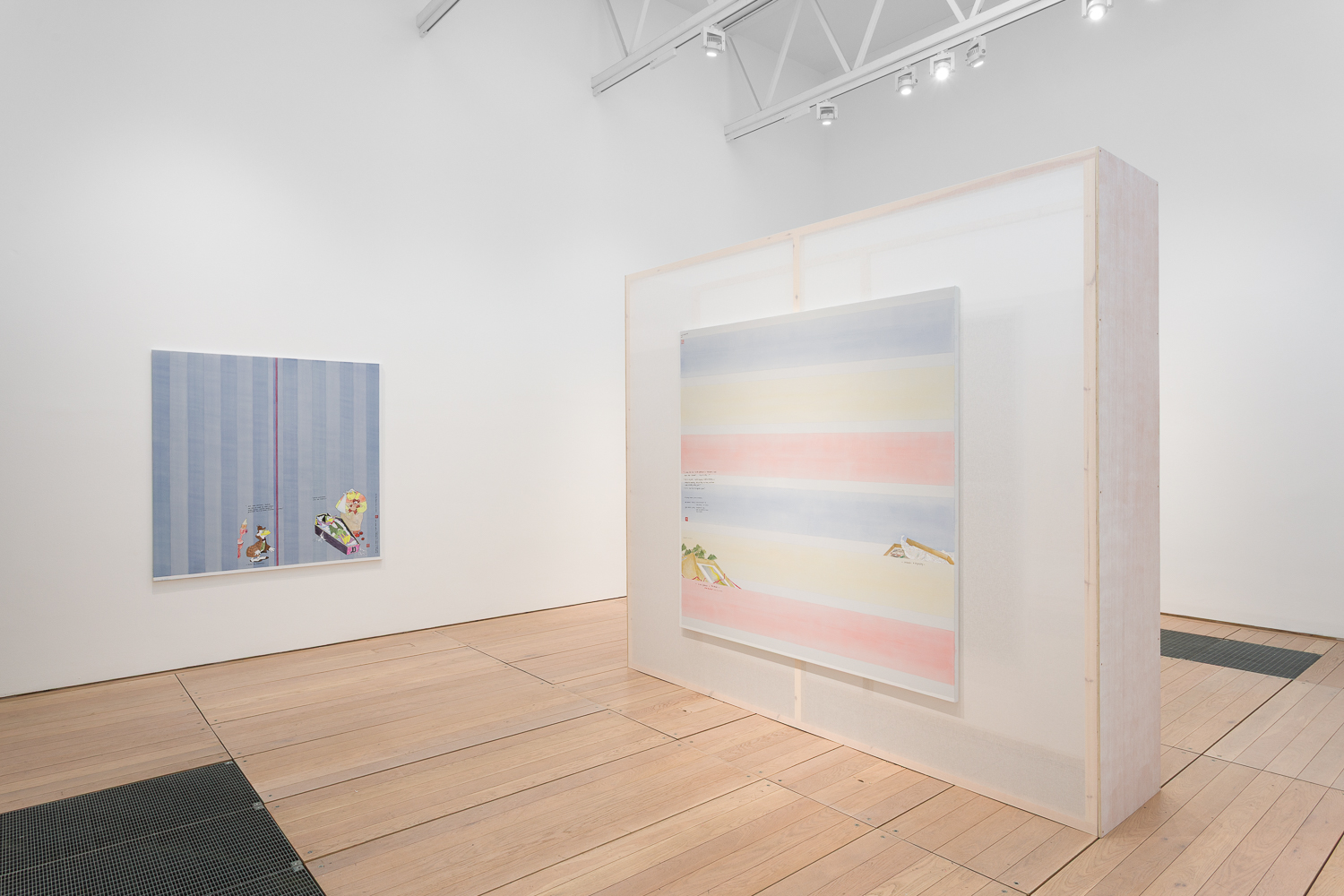
In her first UK institutional exhibition, Evelyn Taocheng Wang turns mistranslation, Agnes Martin, Chinese literati painting and fantasies of Britain into a deliberately unstable language of identity.
Máret Ánne Sara’s Goavve-Geabbil transforms Tate Modern into a living landscape of hides, bone, sound, and spirit. Rooted in Sámi cosmology, the installation marks a powerful return of shamanic presence in contemporary art—an immersive call to reconnect with land, ancestors, and the unseen.
-min.jpeg)
By the time you enter the vast Turbine Hall, the air already carries something wild and ancient — a faint musk of reindeer hide and wood resin, a hum of distant winds. The industrial cathedral of modernity has been quietly transformed by Máret Ánne Sara into something older, more sentient: a threshold between the rational and the spiritual, the mechanical and the animistic.
Sara’s Goavve-Geabbil (literally “Between Worlds”) is the tenth Hyundai Commission and perhaps the most quietly radical to occupy Tate Modern’s colossal space. Known for her visceral materials — reindeer bones, hides, sinew, wood, and scent — Sara builds an immersive landscape that brings Sámi cosmology into dialogue with contemporary ecological anxiety. Her installation feels less like an artwork than a ritual site, where the viewer is not a spectator but a participant in a living cosmology.
-min.jpeg)
Suspended from the ceiling are translucent hides, stitched together into membranous canopies that breathe with the shifting air. Beneath them, pillars of reindeer skulls rise like spectral totems, recalling both the Nordic landscape and the ancestral architecture of shamanic rites. A low, guttural soundscape — wind, hoofbeats, human breath — anchors the body in a sensory terrain. The scent of smoked sinew, pine, and soil activates memory as much as perception.
In this work, Sara joins a growing lineage of artists re-entering the shamanic turn of contemporary art — a counter-movement to modernity’s disenchantment. Across the last decade, one can trace a renewed engagement with ritual, spirit, and ecological interdependence: from Tabita Rezaire’s digital cosmologies to Emma Kunz’s geomantic drawings and María Magdalena Campos-Pons’s Afro-Caribbean invocations. Yet, unlike many artists who adopt ritual as metaphor, Sara’s practice is ancestral and continuous, rooted in a lived Sámi worldview where the division between human, animal, and spirit never existed to begin with.
%20(1).jpeg)
Her use of reindeer material is not symbolic appropriation but testimony. In Sámi tradition, the reindeer is kin — a creature whose death and life sustain community, economy, and story. By re-introducing these remains into Tate’s mechanical heart, Sara stages an ontological reversal: the animals return to the modern temple to remind us that art, like shamanism, is not about representation but transformation.
There is also a political undercurrent. The Sámi people have long resisted the colonial extraction of their land and the bureaucratic violence of state control over herding. Sara’s earlier works, such as Pile o’ Sápmi, protested the forced culling of reindeer through monumental stacks of skulls — both elegy and indictment. In Goavve-Geabbil, the tone shifts: protest becomes invocation. The artist calls upon the reindeer spirits not to accuse, but to restore balance.
.jpeg)
The return of shamanism in art, as seen here, is not a nostalgic retreat but a radical proposition. It asks whether art can once again become a conduit between worlds — whether it can heal rather than merely depict. Sara’s Turbine Hall is no longer a neutral white cube but a vessel for ancestral memory, vibrating with unseen presences.
Standing in the dim light beneath the hide canopies, one senses that the modern project — of progress, extraction, separation — is quietly dissolving. What replaces it is something humbler, more luminous: the understanding that we are woven into the same fabric as reindeer, moss, and wind.
.jpeg)
In Máret Ánne Sara’s hands, the shamanic is not superstition but sustainability, not escapism but ethics.
Goavve-Geabbil restores to art its oldest function — to mediate between the living and the more-than-living, between the seen and the remembered. And for once, in the echoing heart of the Turbine Hall, modernity listens.
.jpeg)
In her first UK institutional exhibition, Evelyn Taocheng Wang turns mistranslation, Agnes Martin, Chinese literati painting and fantasies of Britain into a deliberately unstable language of identity.
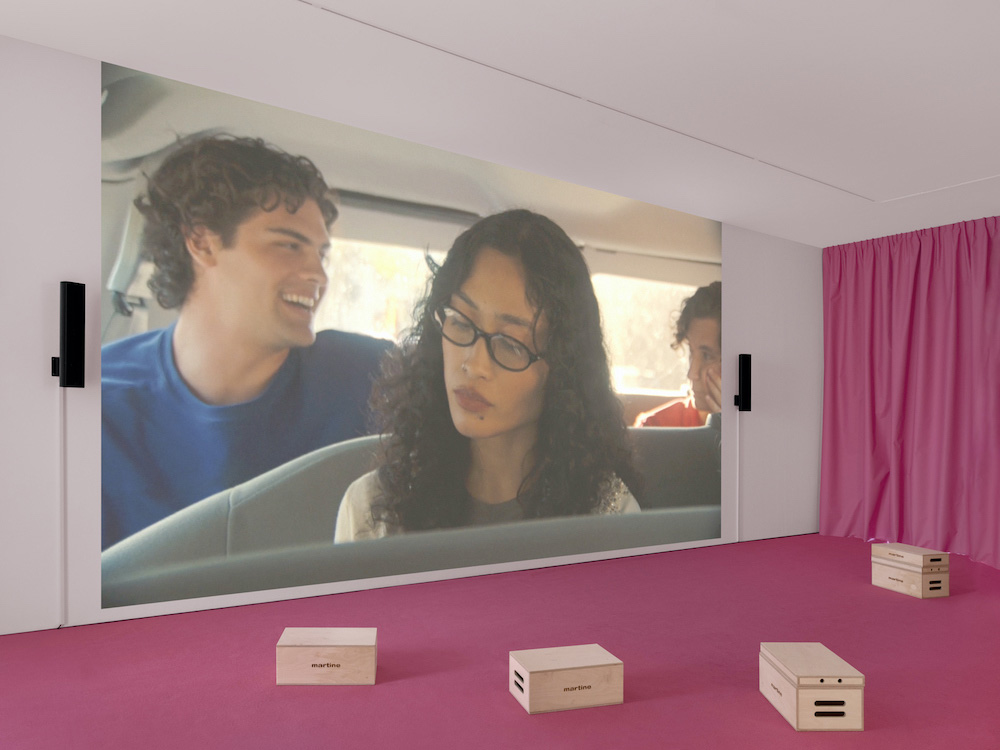
From Robert Ryman and Lorna Simpson to Mary Ramsden, Martine Syms and Nicola Turner, the strongest London route during Frieze week begins outside the fair.
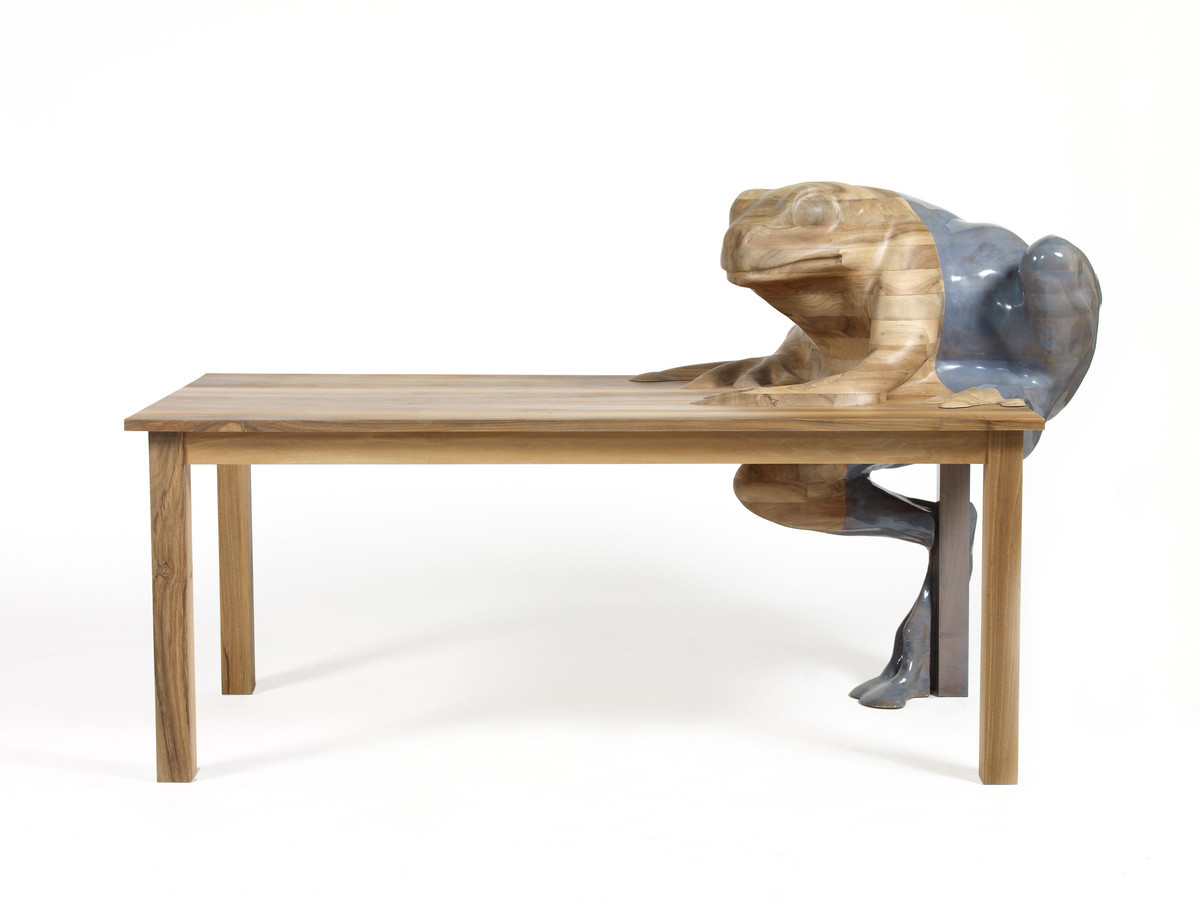
From the Polder Sofa to Frog Table and 300 coloured vases, Hella Jongerius has spent three decades proving that industrial design can retain craft, variation and material intelligence.