
October 11, 2026
Exhibitions
Exhibitions
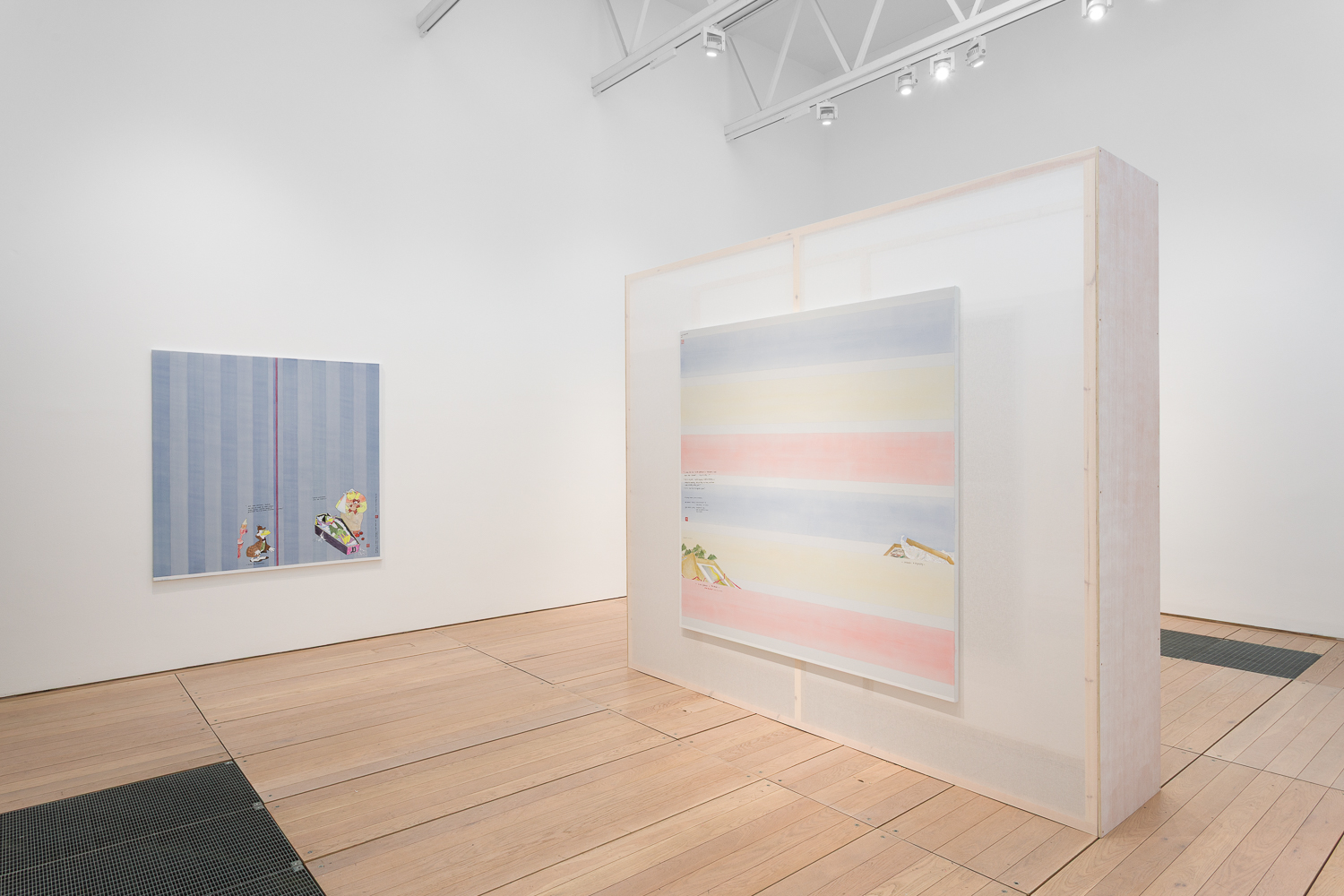
In her first UK institutional exhibition, Evelyn Taocheng Wang turns mistranslation, Agnes Martin, Chinese literati painting and fantasies of Britain into a deliberately unstable language of identity.
Do Ho Suh’s The Genesis is a hauntingly beautiful exploration of home, memory, and identity.

Is home a place, a feeling, or simply an idea? This is the question at the heart of The Genesis, Tate Modern’s major survey of Korean-born, London-based artist Do Ho Suh. It is a question that feels both timely and timeless, and one that Suh has been asking — in fabric, paper, video and sculpture — for more than three decades.
''I like introducing domestic interlopers into museum architecture and at Tate, we are using one, big open space for most of the work, which includes new installations that I’ve been thinking about and working on for many years. For me, 'Walk the House' holds many different times, localities and histories – personal, collective and socio-historical. I could only have made this show at this moment in time, and in this place.''

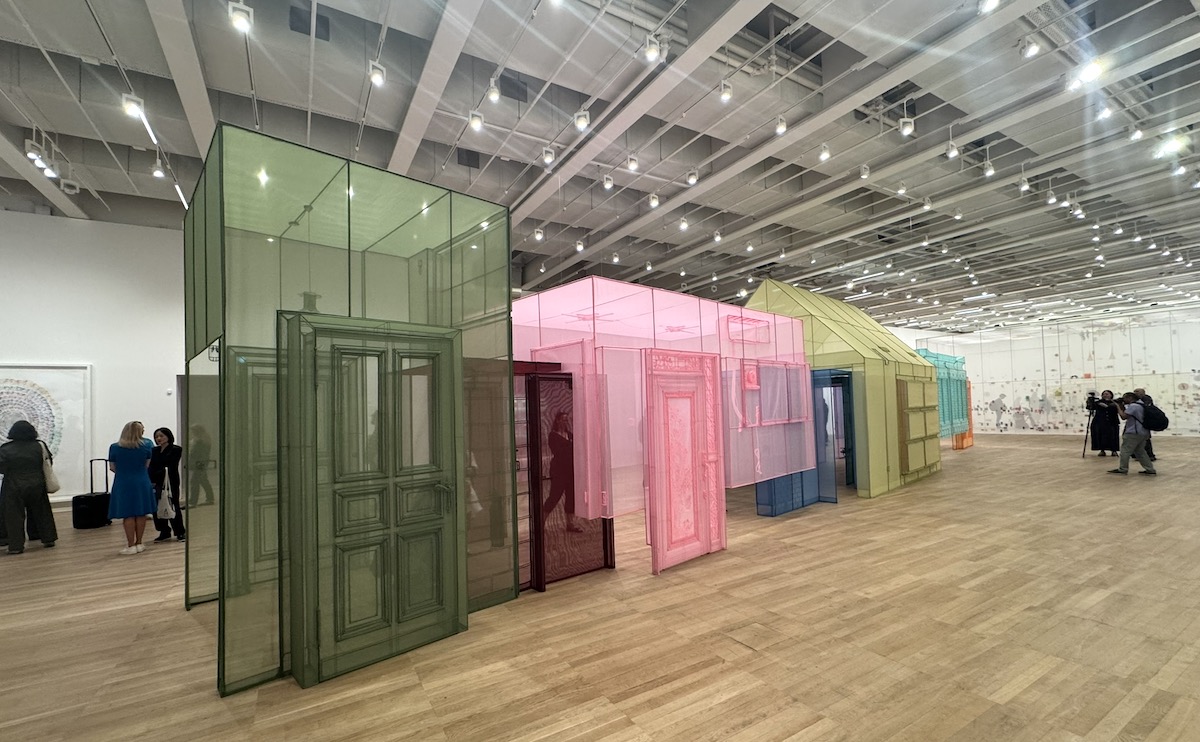
For Suh, who has lived between Seoul, New York, Berlin and London, “home” is never fixed. It is portable, fragile, and often remembered more vividly than it is inhabited. The Genesis charts this complex territory through large-scale installations, delicate drawings, early experiments, and brand-new site-specific works. The exhibition invites visitors not only to view Suh’s world but to walk directly through it.
At its centre are the artist’s celebrated fabric architectures — full-scale reconstructions of corridors, staircases, and rooms he once lived in. Wandering through them is both playful and unsettling. Every detail is carefully sewn — doorknobs, radiators, light switches — yet nothing functions. These are houses you can enter but never truly occupy: ghostly spaces suspended between presence and absence. In their translucence, they are metaphors for memory itself — vivid, but untouchable.
Elsewhere, Suh’s rubbings extend this theme with quiet intensity. By wrapping buildings in paper and recording every surface, he captures the physical imprint of spaces that no longer exist, beginning with his demolished childhood home in Seoul. These works feel like acts of preservation against erasure, meditations on what it means to hold onto something even as it slips away.
The exhibition also highlights Suh’s interest in collectivity and dislocation. Video works trace the demolition of apartment blocks in Seoul and London, situating his personal memories within broader narratives of urban change. Sculptural works inspired by monuments further complicate the story, asking how we record not just private experience but collective history.
What makes The Genesis particularly compelling is the way it balances intimacy with universality. Suh’s biography runs through every corridor and sketch, yet visitors inevitably find their own memories stirred. The works resonate because they speak to experiences we all share: moving house, leaving home, remembering spaces that shape us long after we’ve left them.
Unlike many immersive exhibitions designed primarily for spectacle, The Genesis is grounded in craft and care. Every seam and rubbing is the product of meticulous labour. The result is an exhibition that feels generous, giving as much to the casual visitor seeking sensory wonder as it does to those reflecting on identity, memory, and migration.
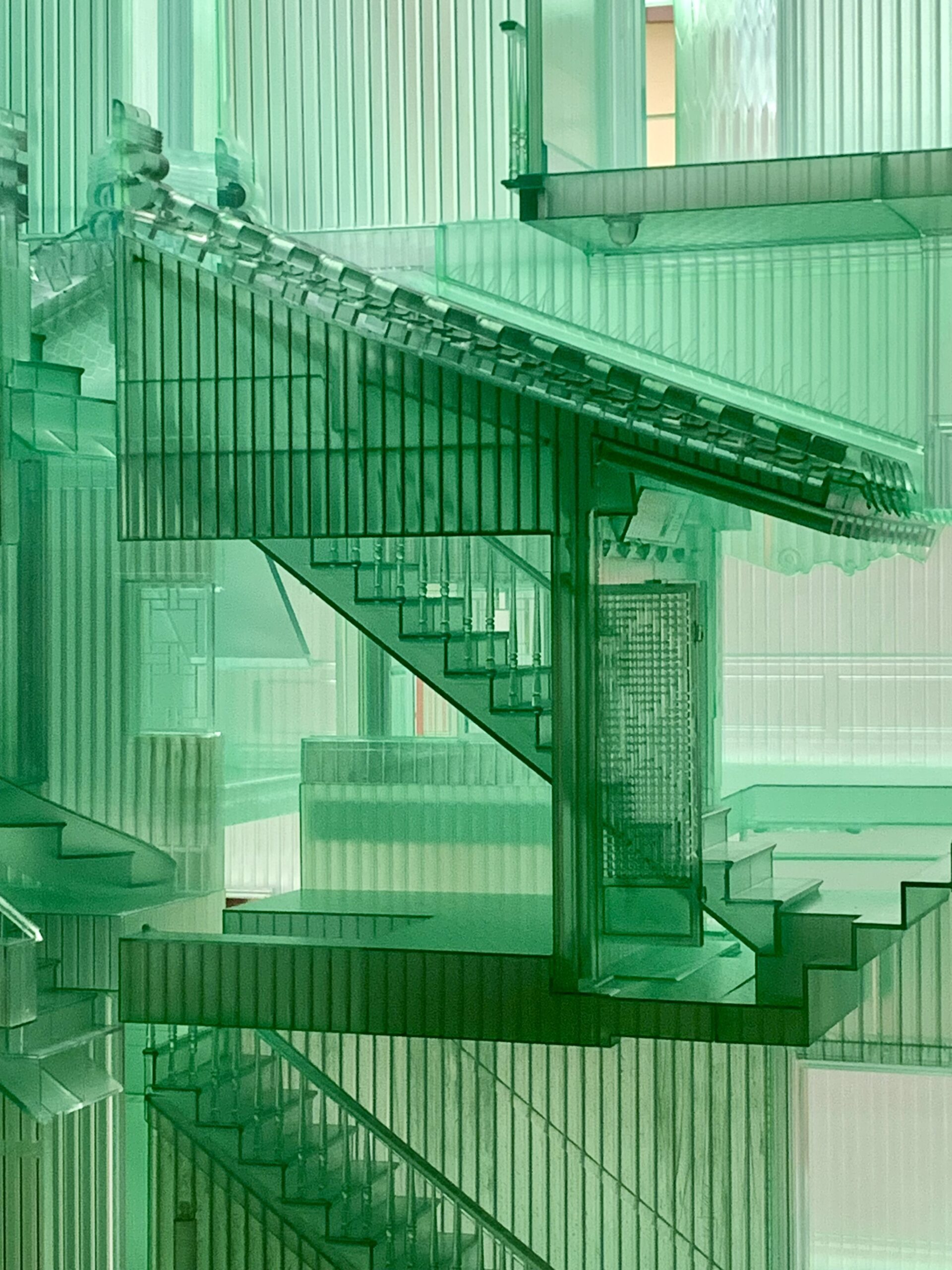
There are moments when the sheer density of the show — fabric rooms, paper rubbings, videos, sculptures — threatens to overwhelm. Yet this abundance is part of its strength. Suh’s practice has always been about accumulation: of memories, details, fragments of lives lived across continents.
Ultimately, The Genesis is both a survey of an extraordinary career and a meditation on what it means to belong. It asks us to consider the spaces we carry with us, the thresholds we cross, and the homes that remain with us long after we leave. It is an exhibition of profound beauty and quiet power — and one that should not be missed before it closes.
In her first UK institutional exhibition, Evelyn Taocheng Wang turns mistranslation, Agnes Martin, Chinese literati painting and fantasies of Britain into a deliberately unstable language of identity.
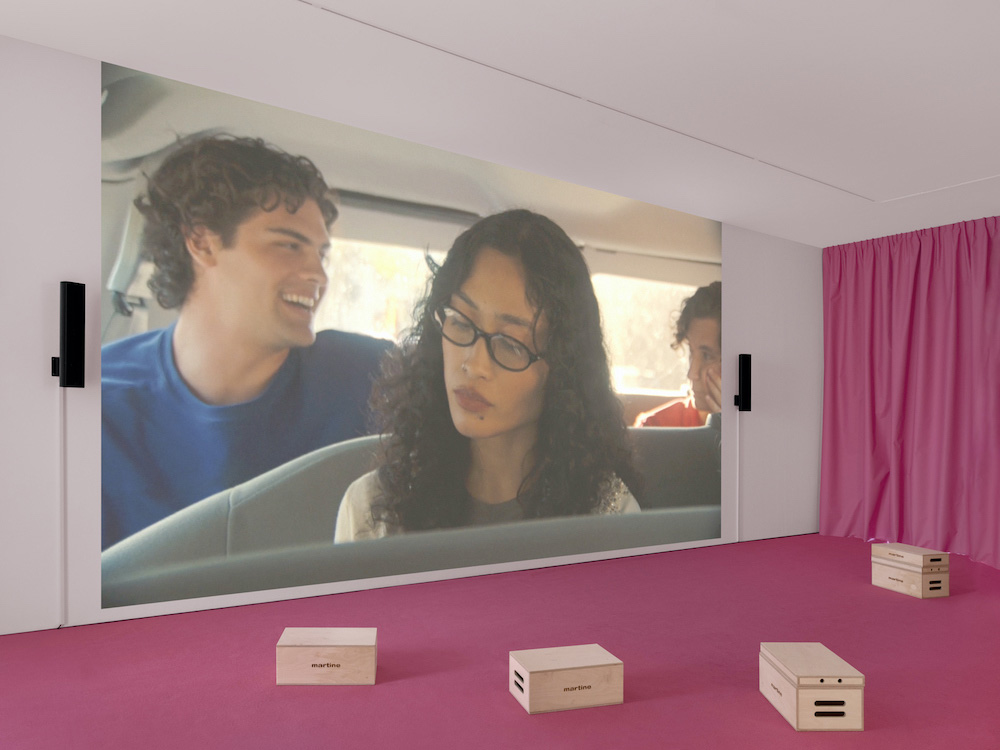
From Robert Ryman and Lorna Simpson to Mary Ramsden, Martine Syms and Nicola Turner, the strongest London route during Frieze week begins outside the fair.
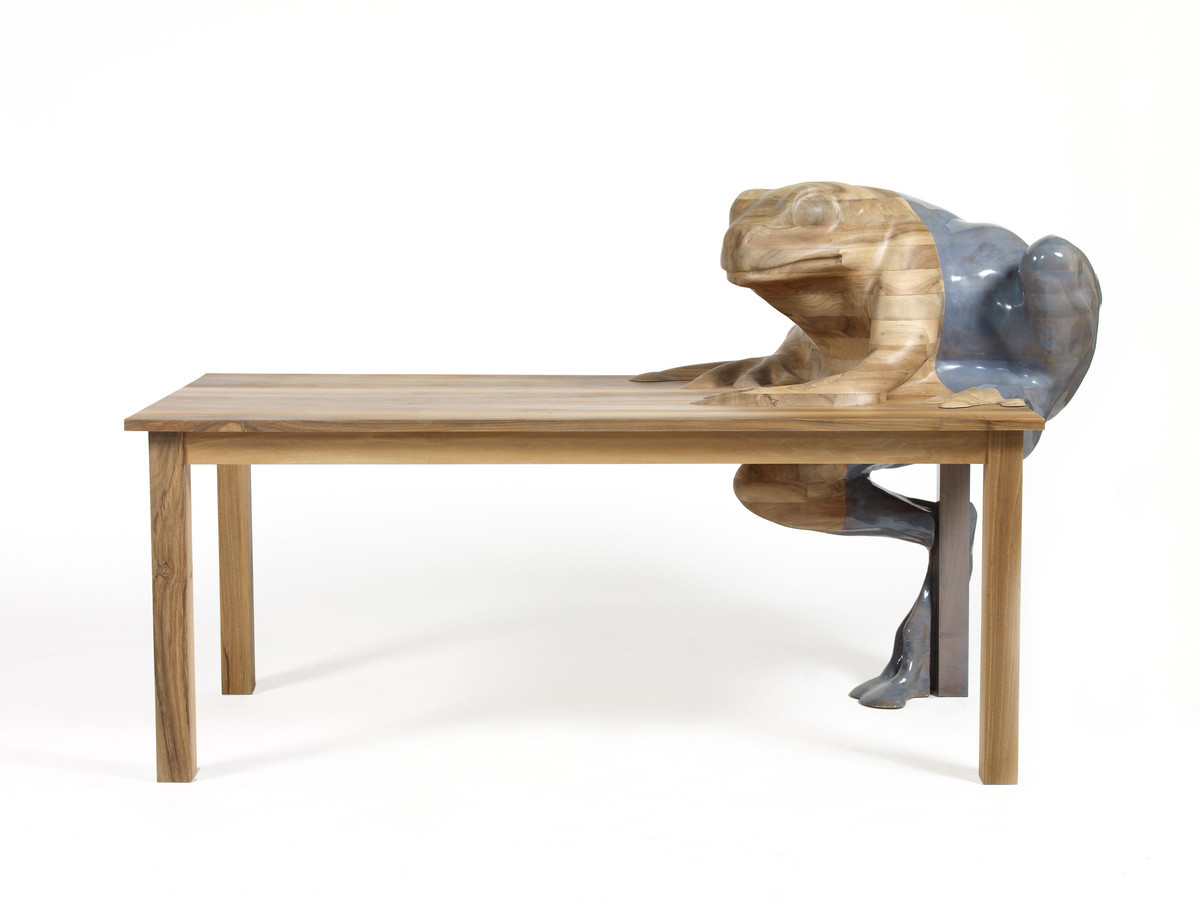
From the Polder Sofa to Frog Table and 300 coloured vases, Hella Jongerius has spent three decades proving that industrial design can retain craft, variation and material intelligence.