LATEST NEWS:
Youssef Nabil
Youssef Nabil enters the Musée d’Orsay’s Orientalist galleries with hand-coloured photographs and video placed in dialogue with the collection.
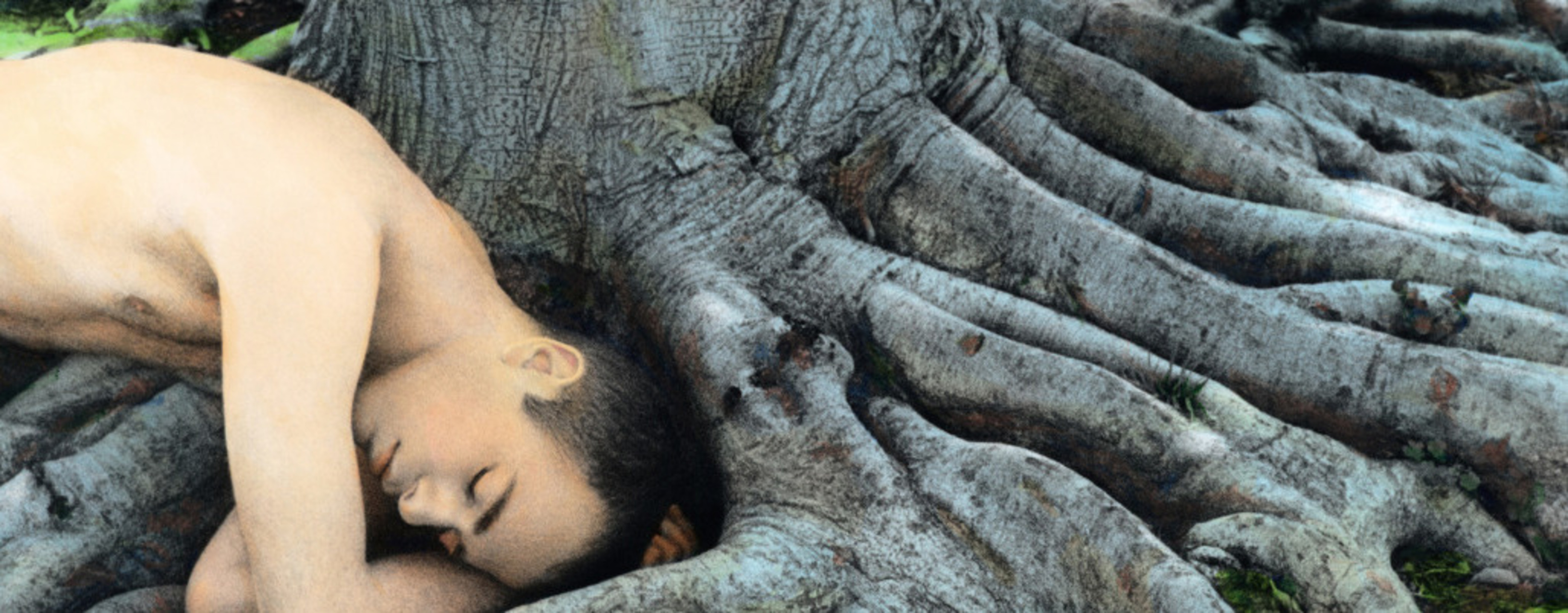
To Dream Again places the work of Franco-Egyptian photographer and filmmaker Youssef Nabil directly within the Musée d’Orsay’s Orientalist galleries, making him the first contemporary artist invited to exhibit in this part of the museum. The presentation establishes a transhistorical dialogue between Nabil’s hand-coloured photographs and films and the nineteenth-century works that have informed his visual language for more than three decades.
Nabil first visited the Musée d’Orsay in 1992, and its collection has remained an important point of reference. His black-and-white silver prints are meticulously coloured by hand using a technique associated with early Egyptian studio photography and cinema. The resulting images occupy a deliberately ambiguous territory between photography and painting, memory and fiction.
Dream, exile, rebirth and the Mediterranean recur throughout the exhibition. Nabil’s settings are often reduced to luminous blues and whites, while figures appear suspended in quiet, theatrical environments. Rather than treating identity as fixed, the artist combines visual codes associated with East and West to imagine a sensual and idealised Mediterranean world unconstrained by borders.
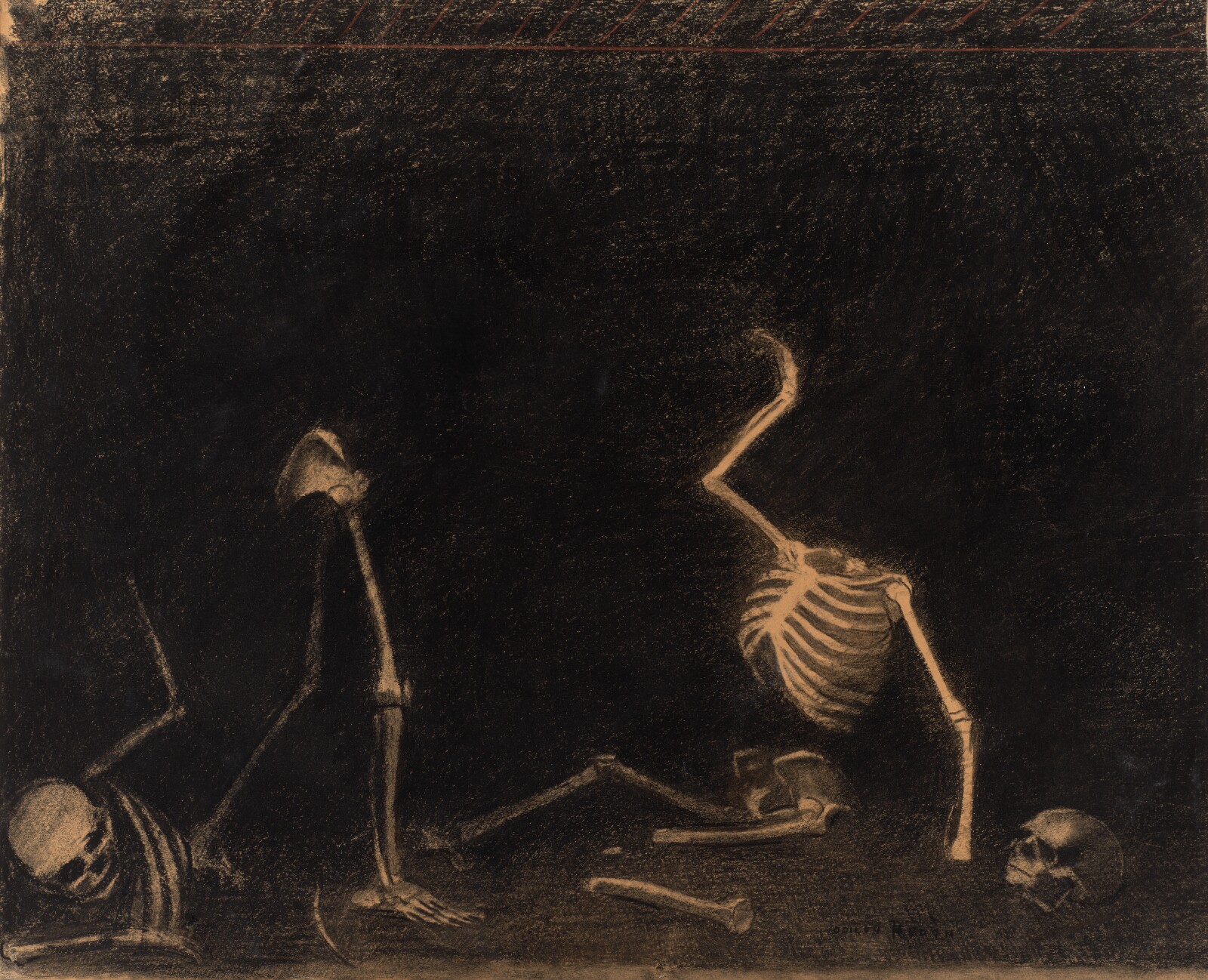
The exhibition unfolds in five stages. It opens with nineteenth-century photographs of expeditions in Egypt before moving through Nabil’s youth, his first encounter with the Musée d’Orsay, the influence of artists including Pierre Puvis de Chavannes and Odilon Redon, and his exploration of intersecting identities on both sides of the Mediterranean. Two films conclude the presentation, underscoring cinema’s central place in his practice.
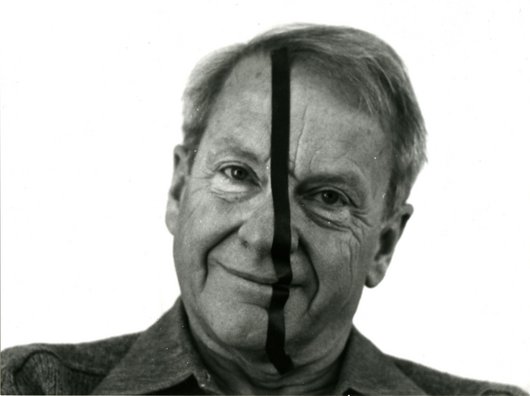
Image credit: Youssef Nabil, Self-portrait with Roots, Los Angeles, 2008. © Youssef Nabil. Courtesy Youssef Nabil.

.jpg)
.jpg)



.webp)