LATEST NEWS:
RARE VAN GOGH PAINTING UNSEEN FOR SIX DECADES HEADS TO AUCTION WITH ESTIMATES REACHING $180 MILLION •  CHRISTIE'S LONDON FRIEZE WEEK SALES SURPASS £218 MILLION, SIGNALING RENEWED CONFIDENCE IN THE TOP END OF THE MARKET • BTS STAR AND ART COLLECTOR RM STEPS INTO THE CURATORIAL SPOTLIGHT WITH SFMOMA EXHIBITION • BRITISH MUSEUM REPORTEDLY SECURES $40 MILLION DONATION AS THE FUTURE OF THE PARTHENON MARBLES RETURNS TO PUBLIC DEBATE • ROY LICHTENSTEIN RETURNS TO THE WHITNEY WITH HIS FIRST MAJOR RETROSPECTIVE IN MORE THAN THREE DECADES • TATE ACQUIRES WORKS BY MICHAELA YEARWOOD-DAN AND LUIS FERNANDO ZAPATA DURING FRIEZE LONDON 2026 • ABU DHABI EXPANDS ITS CULTURAL AMBITIONS AHEAD OF THE INAUGURAL FRIEZE ABU DHABI FAIR • ARTISTS SEEK NEW REPRESENTATION FOLLOWING THE CLOSURE OF STEPHEN FRIEDMAN GALLERY, RAISING QUESTIONS ABOUT THE FUTURE OF THE TRADITIONAL DEALER MODEL • NEW INDEPENDENT ART FAIRS CHALLENGE FRIEZE'S ESTABLISHED FORMAT AS LONDON'S ART WEEK ATTRACTS ALTERNATIVE VOICES • TAREK ATOUI TRANSFORMS TATE MODERN'S TURBINE HALL INTO AN IMMERSIVE EXPLORATION OF SOUND AND SPACE • ROYAL ACADEMY AND LONDON MUSEUMS REVISIT THE LEGACY OF THE 1990S BRITISH ART SCENE
Exhibitions
Magazine

The Making of a Medieval Manuscript

Medieval manuscript makers from Europe, Armenia, Ethiopia and the Mediterranean

Getty Center
,
Los Angeles
August 4, 2026
—
March 14, 2027

Getty reveals how medieval books were made by hand, from parchment preparation and writing to illumination and binding.
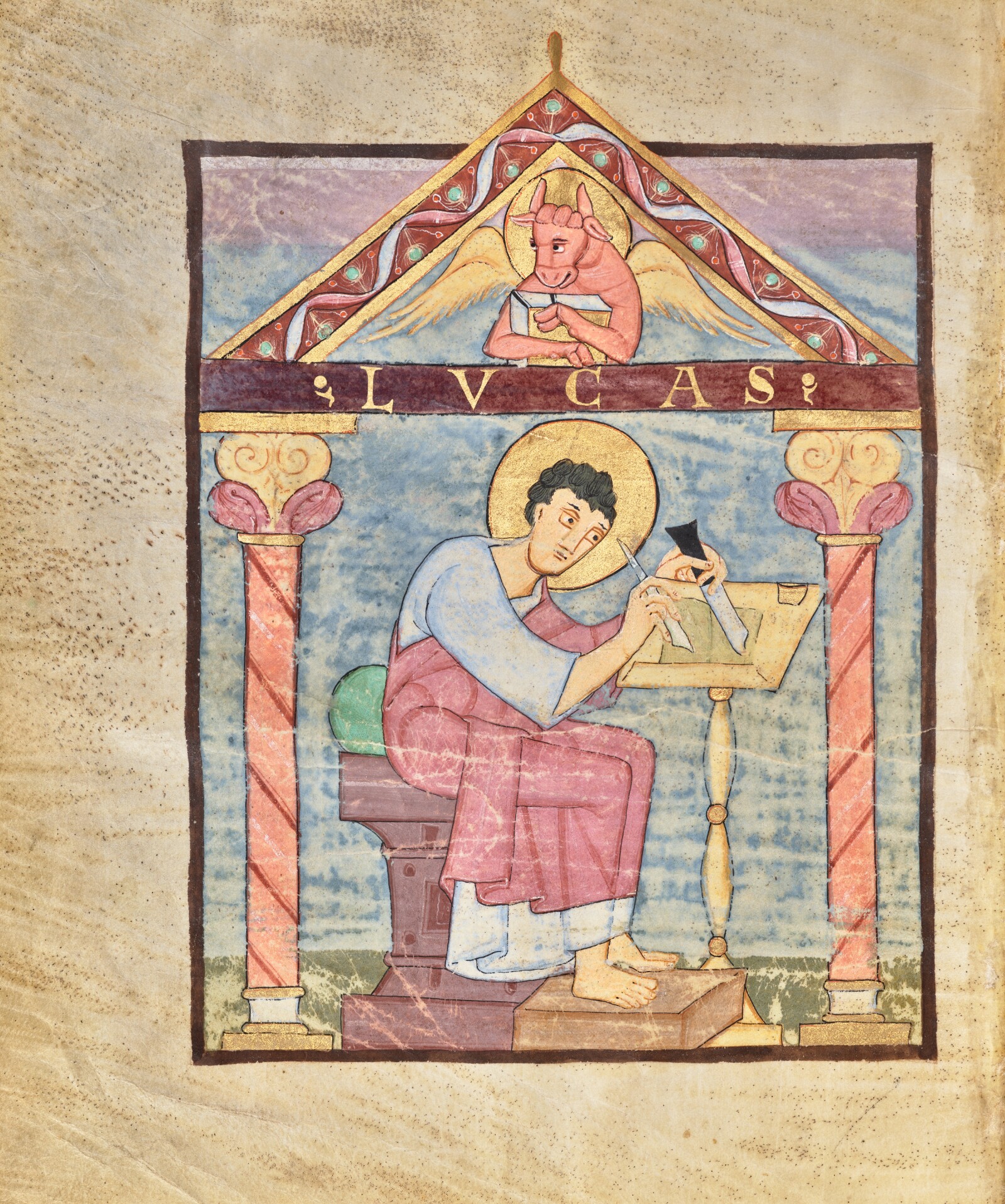
Saint Luke from the Irmengard Codex, shortly after 1053, German, tempera colors, gold and ink on parchment. J. Paul Getty Museum, Ms. 125 (2023.6), fol. 3v.
EXHIBITION DETAILS
GALLERY
1200 Getty Center Drive, Los Angeles, CA 90049, USA
DATES:
August 4, 2026
to
March 14, 2027
ARTISTS
Medieval manuscript makers from Europe, Armenia, Ethiopia and the Mediterranean
CURATOR
Nancy Turner
PHOTOGRAPHER
J. Paul Getty Museum, Ms. 125 (2023.6), fol. 3v
LOCATION
Los Angeles

ABOUT THE EXHIBITION

The Making of a Medieval Manuscript examines the labour, materials and specialist knowledge behind books produced by hand before the modern era. Manuscripts from Europe, Armenia and Ethiopia are shown alongside Jewish and Muslim material to illuminate the cultural breadth of pre-modern bookmaking.

The exhibition follows four principal stages: preparing animal skin to create parchment, writing the text, painting and decorating the pages, and finally sewing and binding the completed gatherings into a book. Tools and material samples help reveal the physical processes that often disappear behind the finished object.

By focusing on manufacture rather than solely on iconography, the exhibition draws attention to scribes, illuminators, parchment makers and binders as highly skilled makers. It also shows how many features of the modern book emerged from techniques developed more than a thousand years ago.