LATEST NEWS:
James McNeill Whistler
Tate Britain reconsiders James McNeill Whistler as a radical modern artist through paintings, portraits, prints, drawings and design.
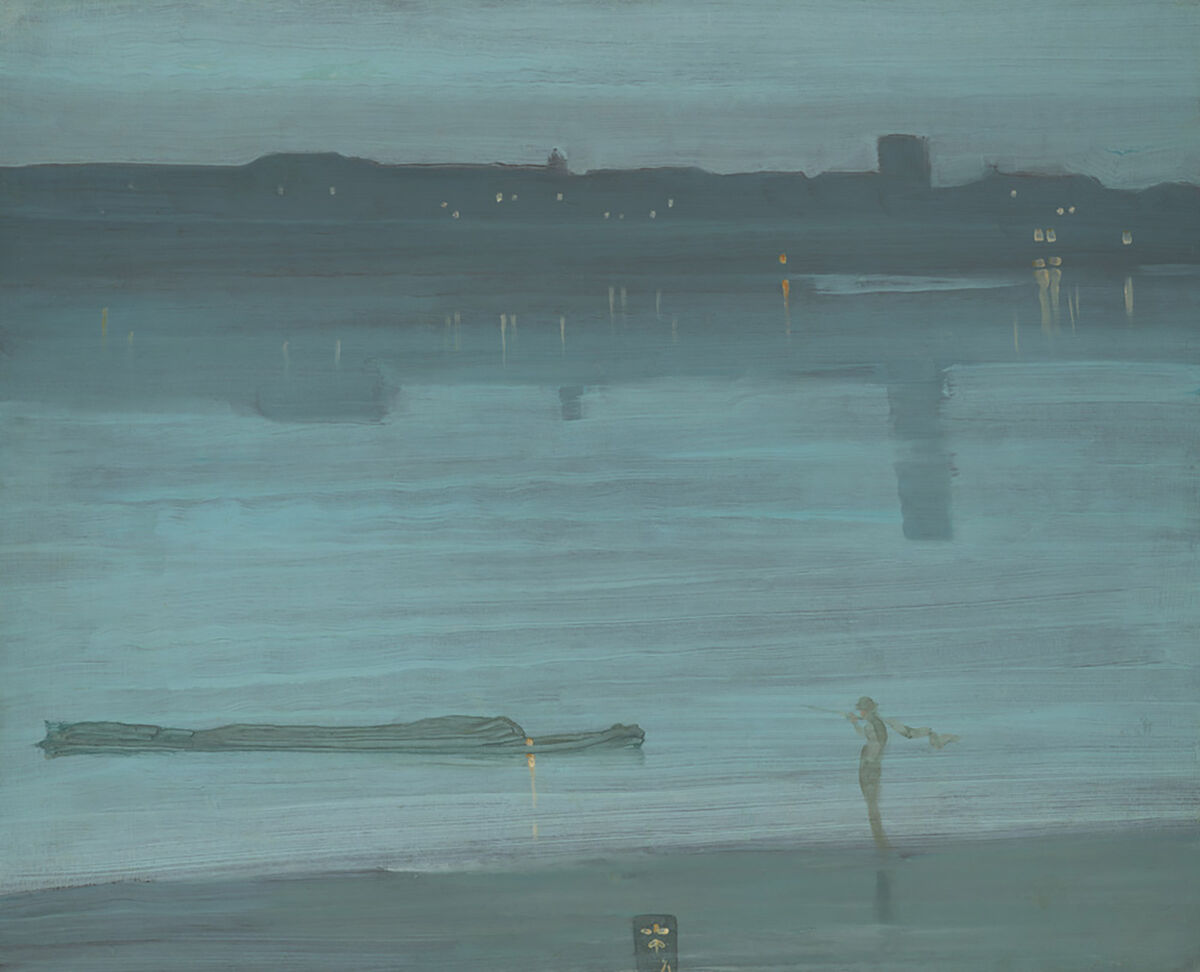
Tate Britain’s exhibition of James McNeill Whistler reconsiders the artist as a radical figure in the development of modern art. Paintings, portraits, nocturnes, prints, drawings and design projects show how Whistler increasingly shifted attention away from narrative subject matter toward tone, atmosphere, surface and compositional harmony.
Whistler’s images of London and modern life often dissolve recognisable places into reduced arrangements of colour and light. His nocturnes in particular pushed painting toward abstraction decades before the term became widely used, while his titles borrowed from music to encourage viewers to think in terms of harmony rather than storytelling.
The exhibition also examines Whistler’s international networks and his interest in interior design. Projects such as the Peacock Room demonstrate how he extended aesthetic ideas beyond the framed picture, treating entire environments as unified compositions.
By placing celebrated works alongside lesser-known experiments, the exhibition shows how Whistler challenged academic expectations and helped redefine the artist’s role. His insistence on art’s autonomy and his carefully constructed public persona both became important precedents for later modernists.
Image credit: James McNeill Whistler, Nocturne: Blue and Silver – Chelsea, 1871. Tate. Bequeathed by Miss Rachel and Miss Jean Alexander 1972.

.jpg)
.jpg)






.webp)