LATEST NEWS:
Hurvin Anderson
More than 80 paintings chart Hurvin Anderson’s distinctive exploration of memory, place and identity between Britain and the Caribbean.
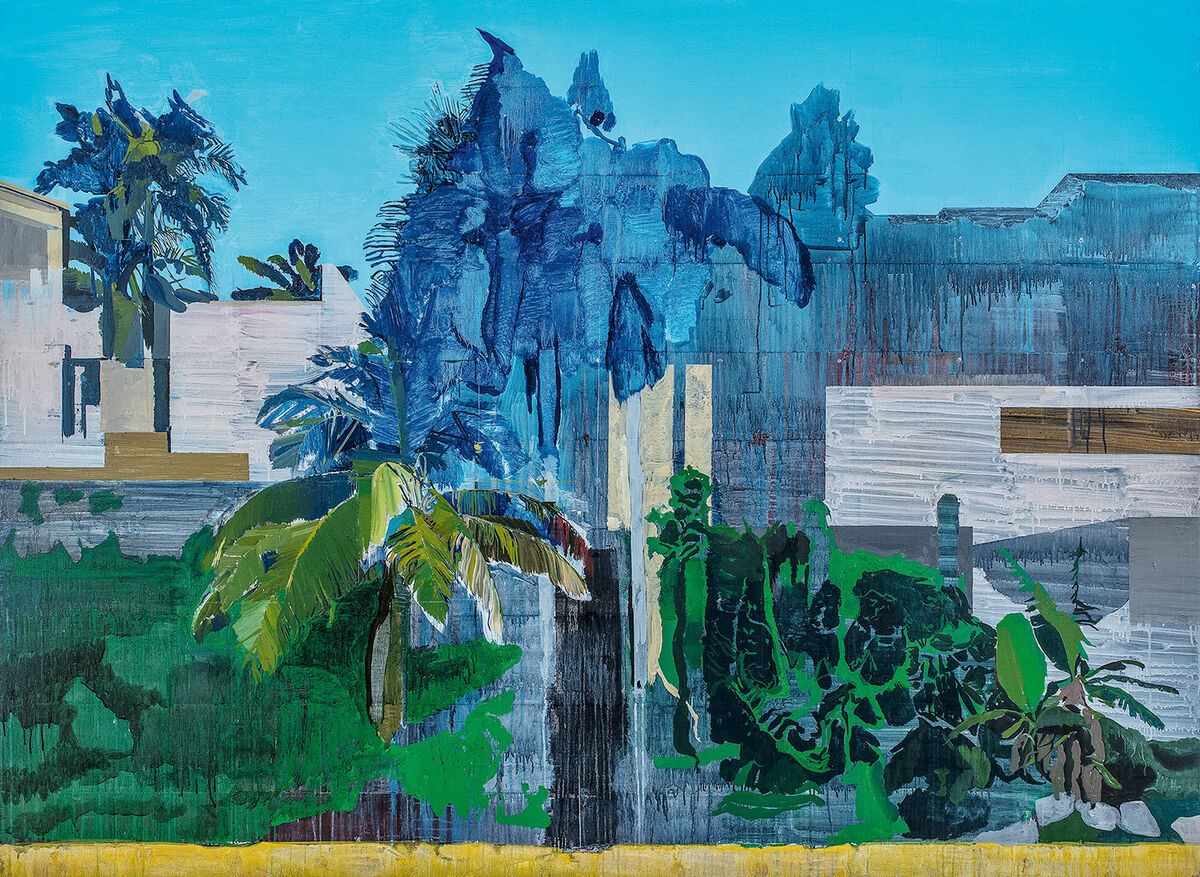
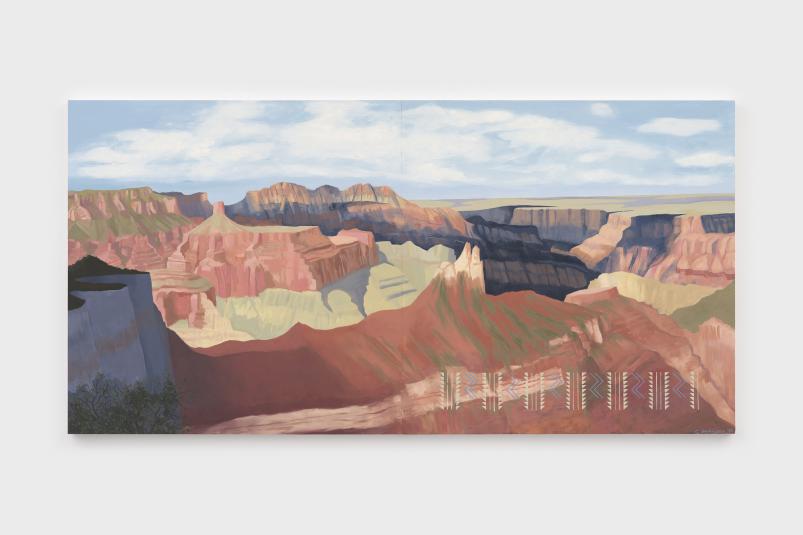
Tate Britain’s major Hurvin Anderson exhibition brings together more than eighty paintings spanning the artist’s career. Barbershops, gardens, interiors, swimming pools and landscapes appear repeatedly, transformed into psychologically charged spaces in which observation and memory overlap.
Anderson’s relationship to Britain and the Caribbean is central to the exhibition. Born in Birmingham to Jamaican parents, he often works from remembered or photographed places that carry associations of migration, community and belonging. Familiar settings are rendered through layers of paint that alternately reveal and obscure their subjects.
The paintings frequently hover between figuration and abstraction. Architectural structures, fencing, foliage and reflections create visual barriers, while passages of colour detach from descriptive function and become almost autonomous. This tension gives the work its distinctive sense of distance: viewers are invited into a place while simultaneously made aware of their separation from it.
Presented at scale, the exhibition makes clear how consistently Anderson has used place as a way of thinking through identity. The works are not straightforward documents of specific locations, but reconstructions shaped by personal memory, art history and the unstable experience of looking.
Image credit: Hurvin Anderson, Hawksbill Bay, 2020. Tate, lent by Tate Americas Foundation, courtesy Mala Gaonkar. © Hurvin Anderson. Courtesy the artist and VeneKlasen.

.jpg)
.jpg)





.webp)