LATEST NEWS:
More than 35 contemporary artists
More than 35 works examine the climate crisis through contemporary art, ecological knowledge, technology and speculative futures.
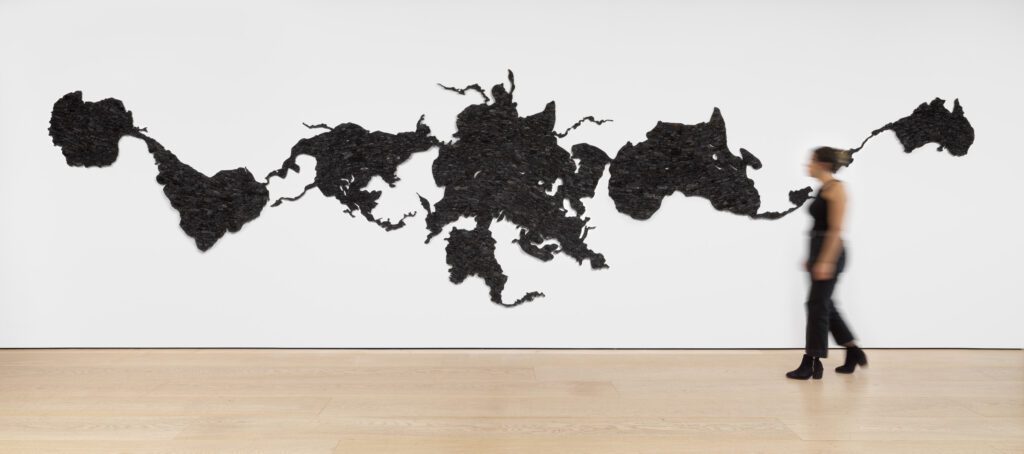
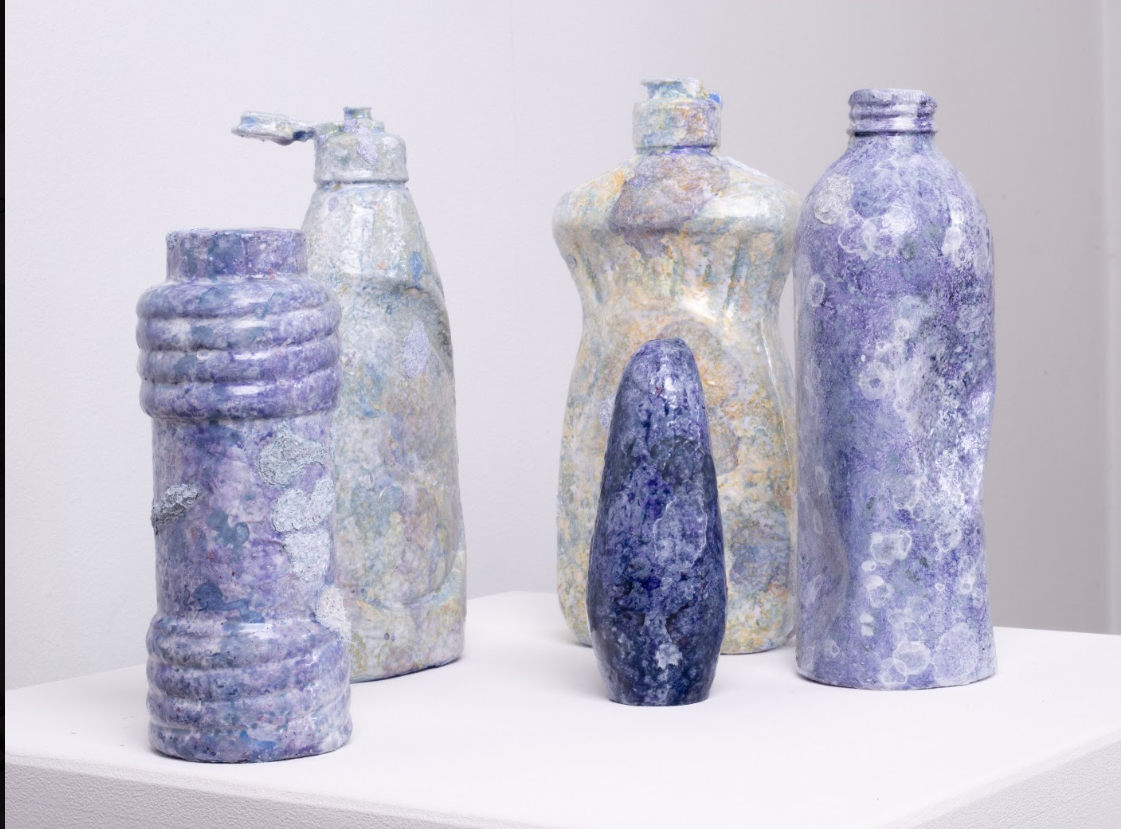
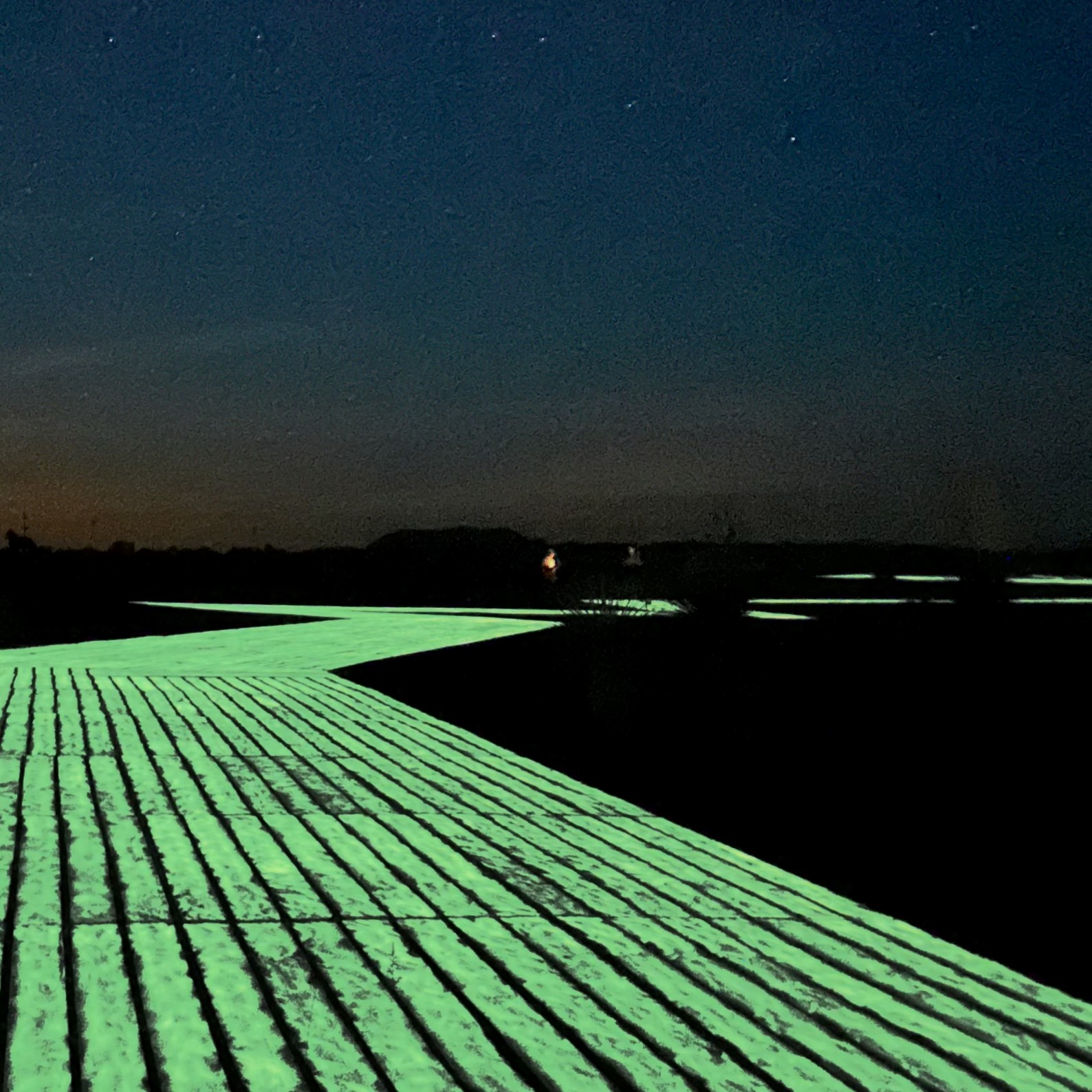
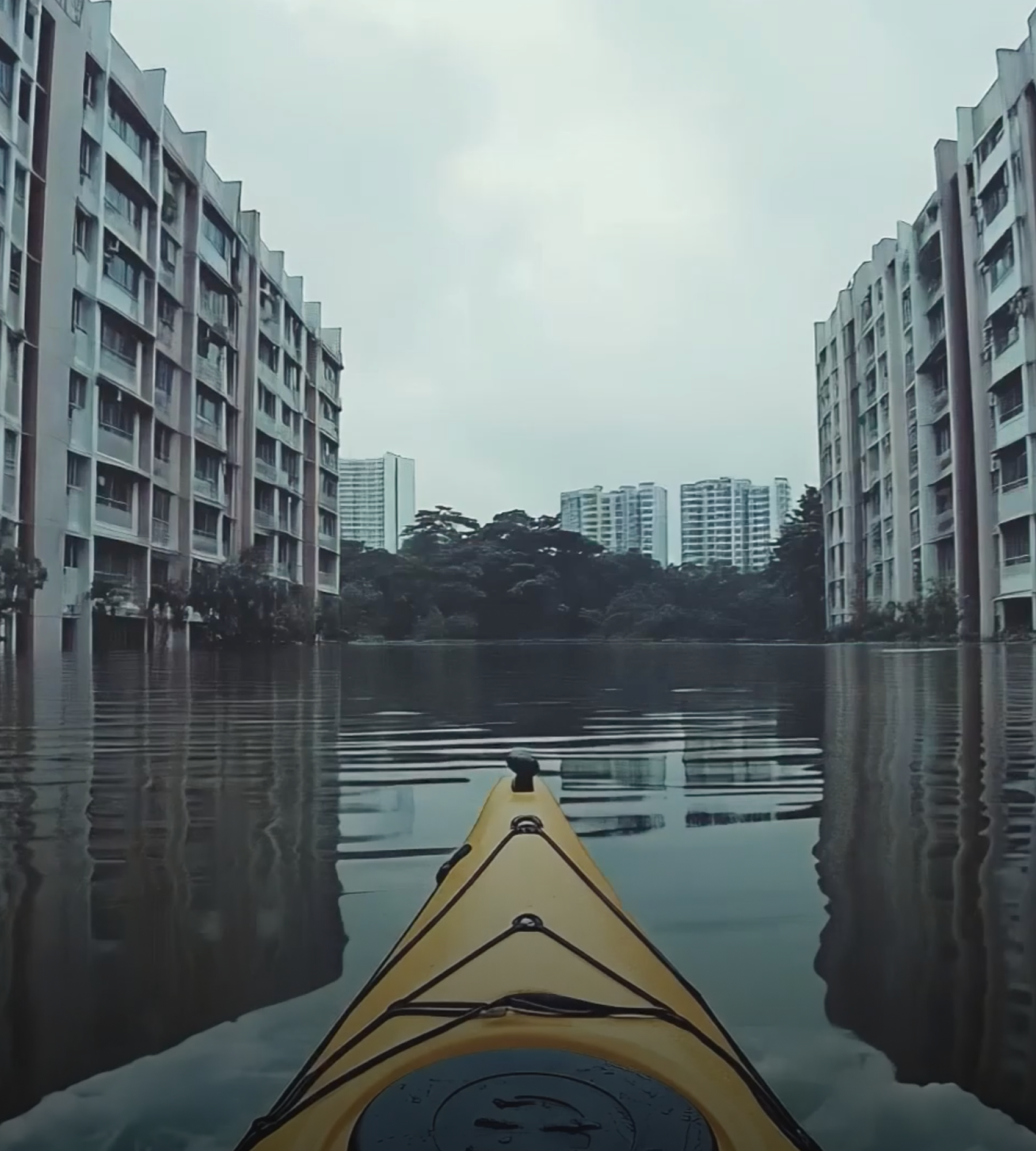
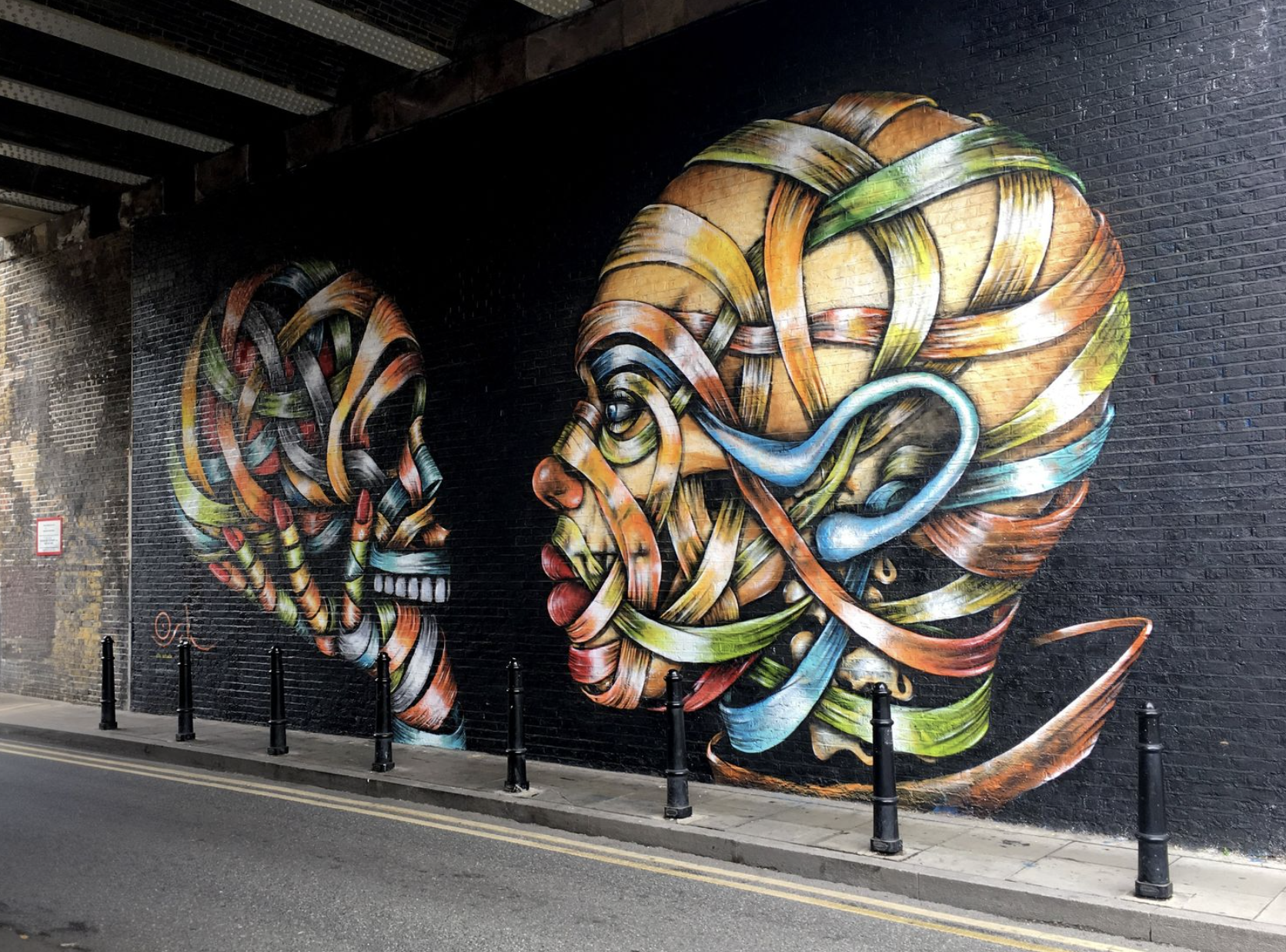
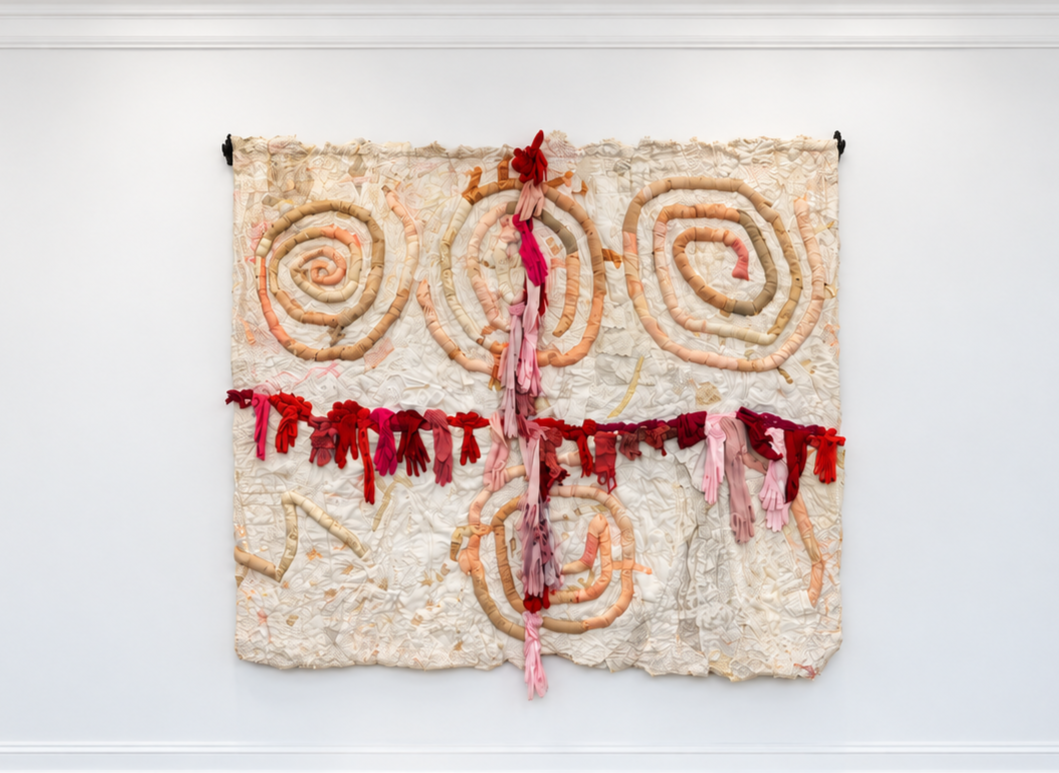
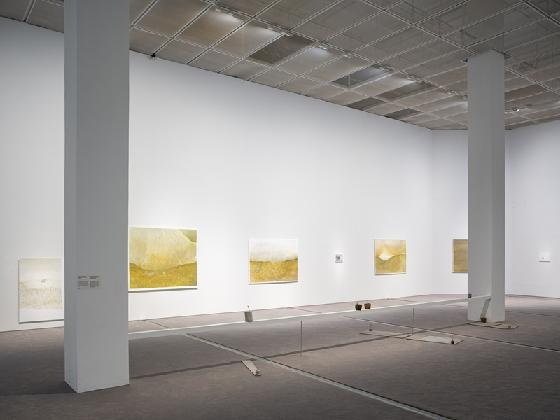
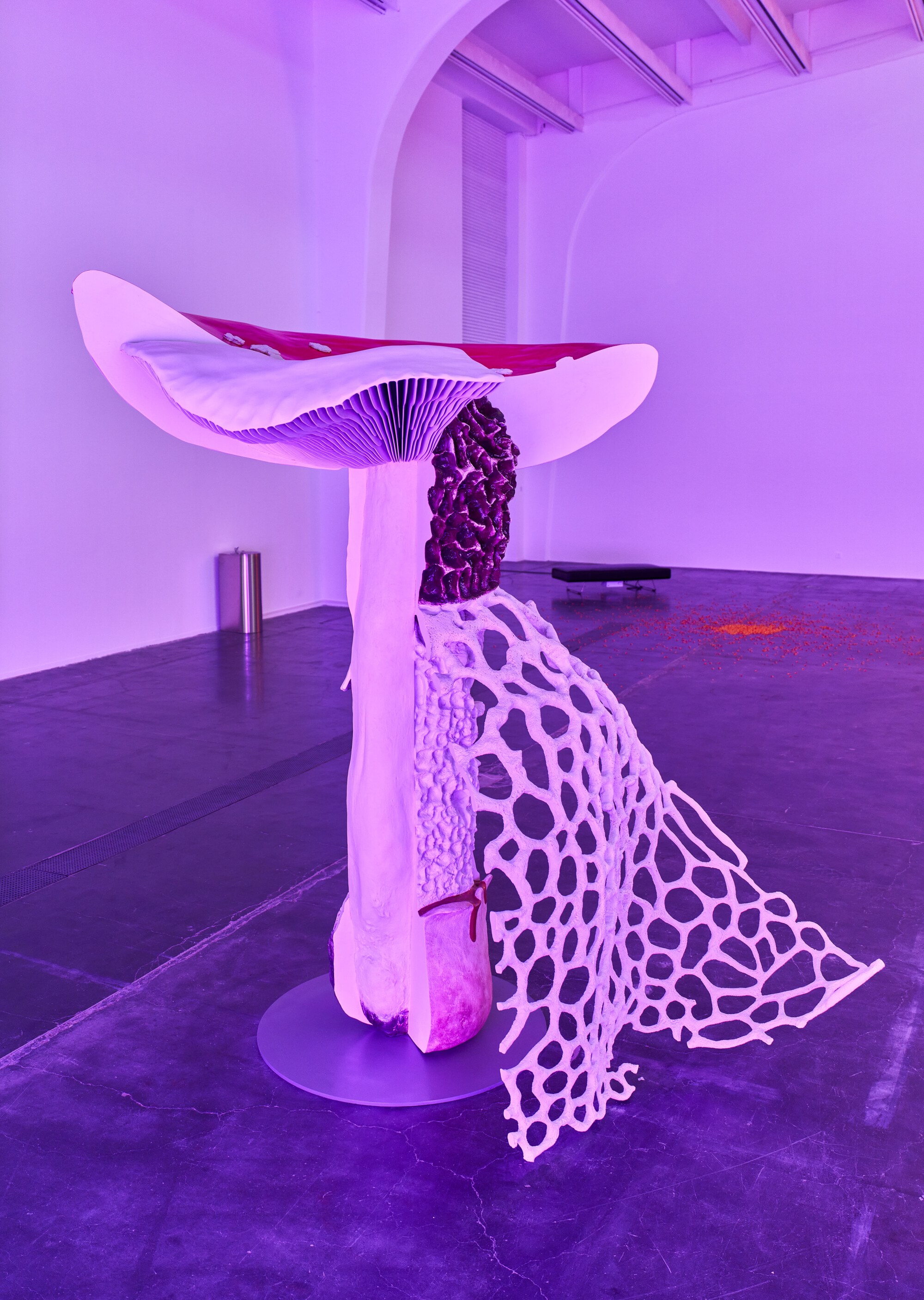
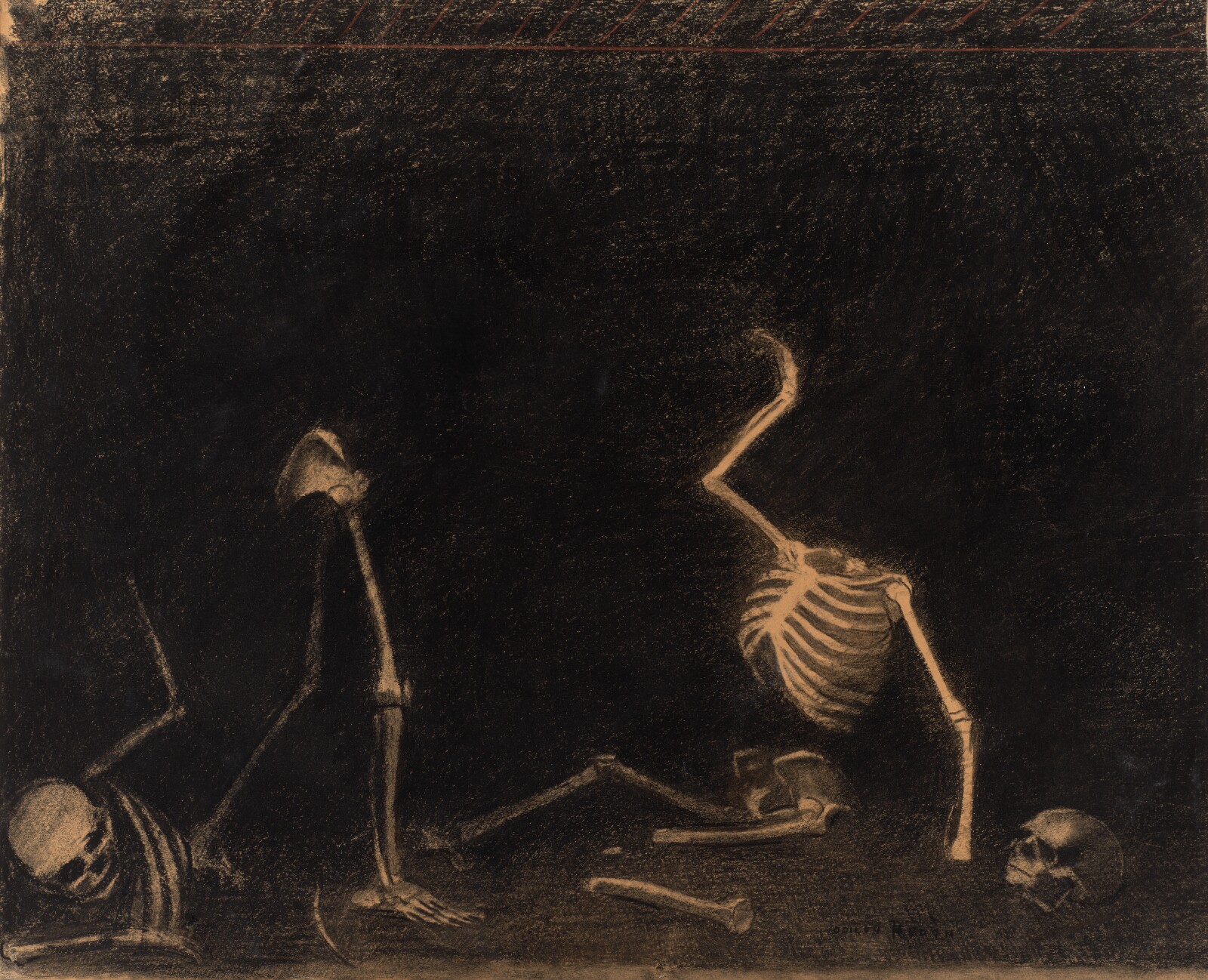
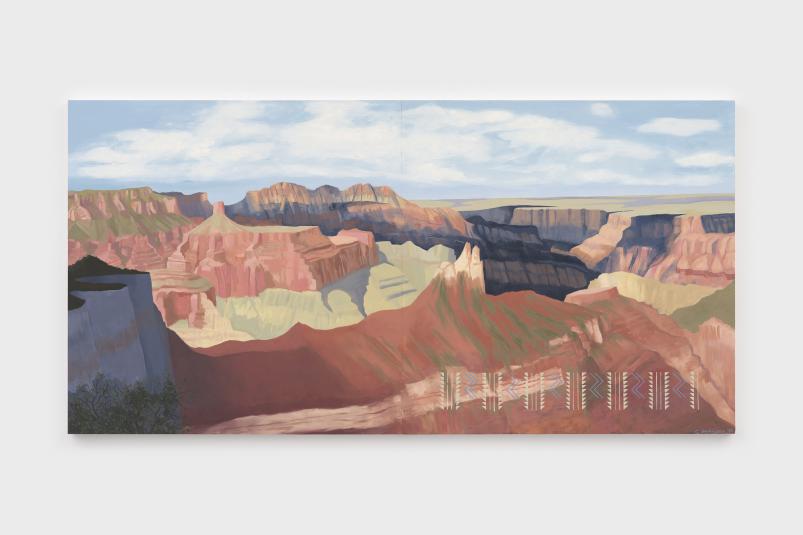
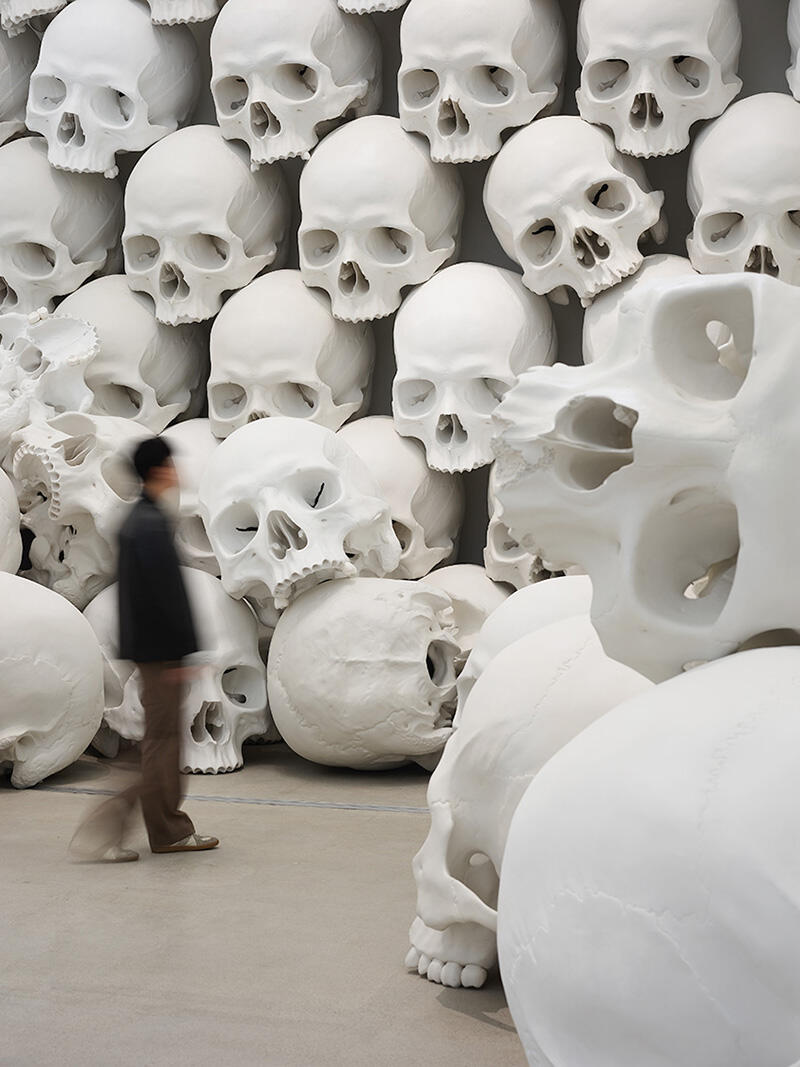
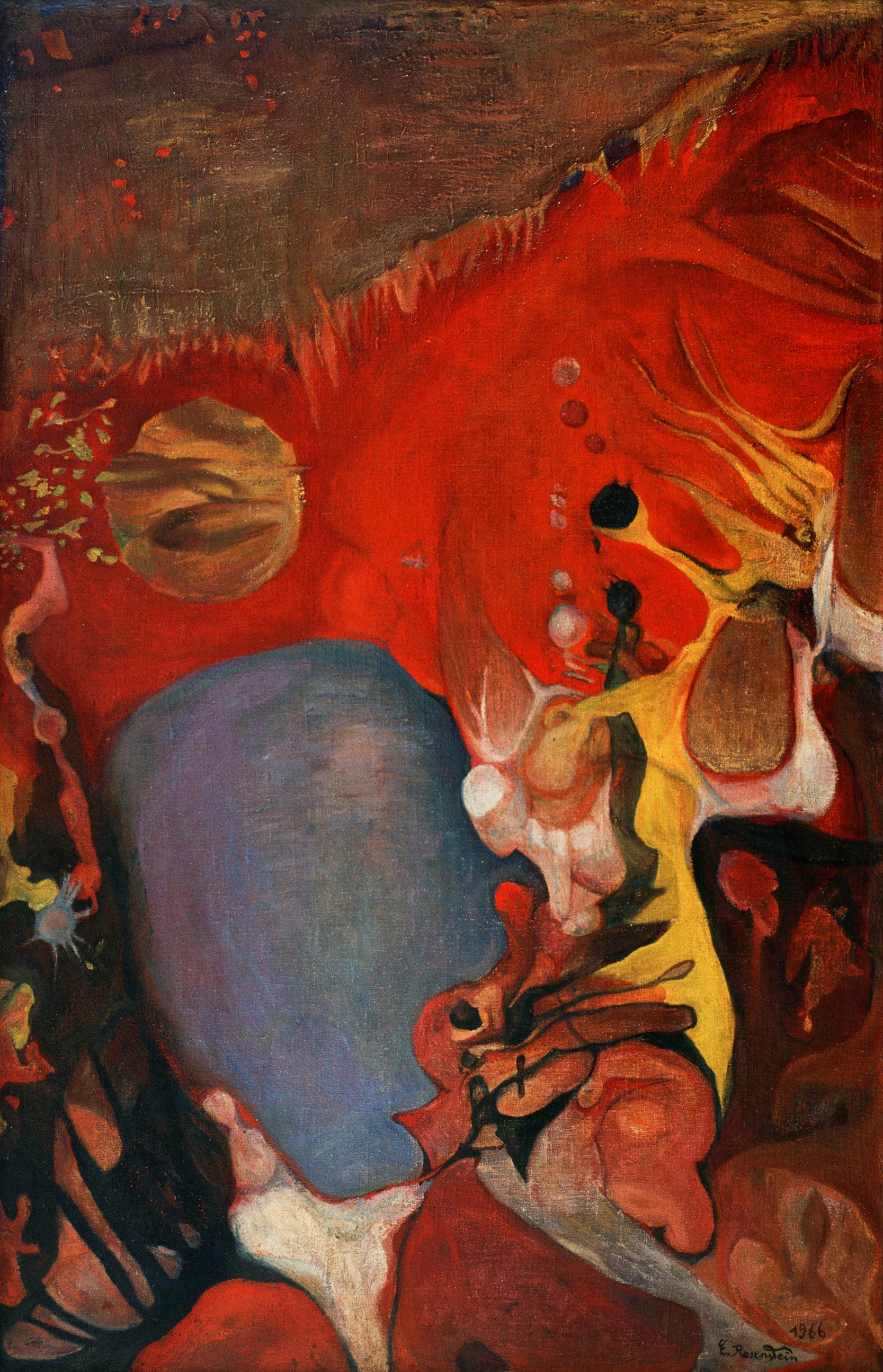
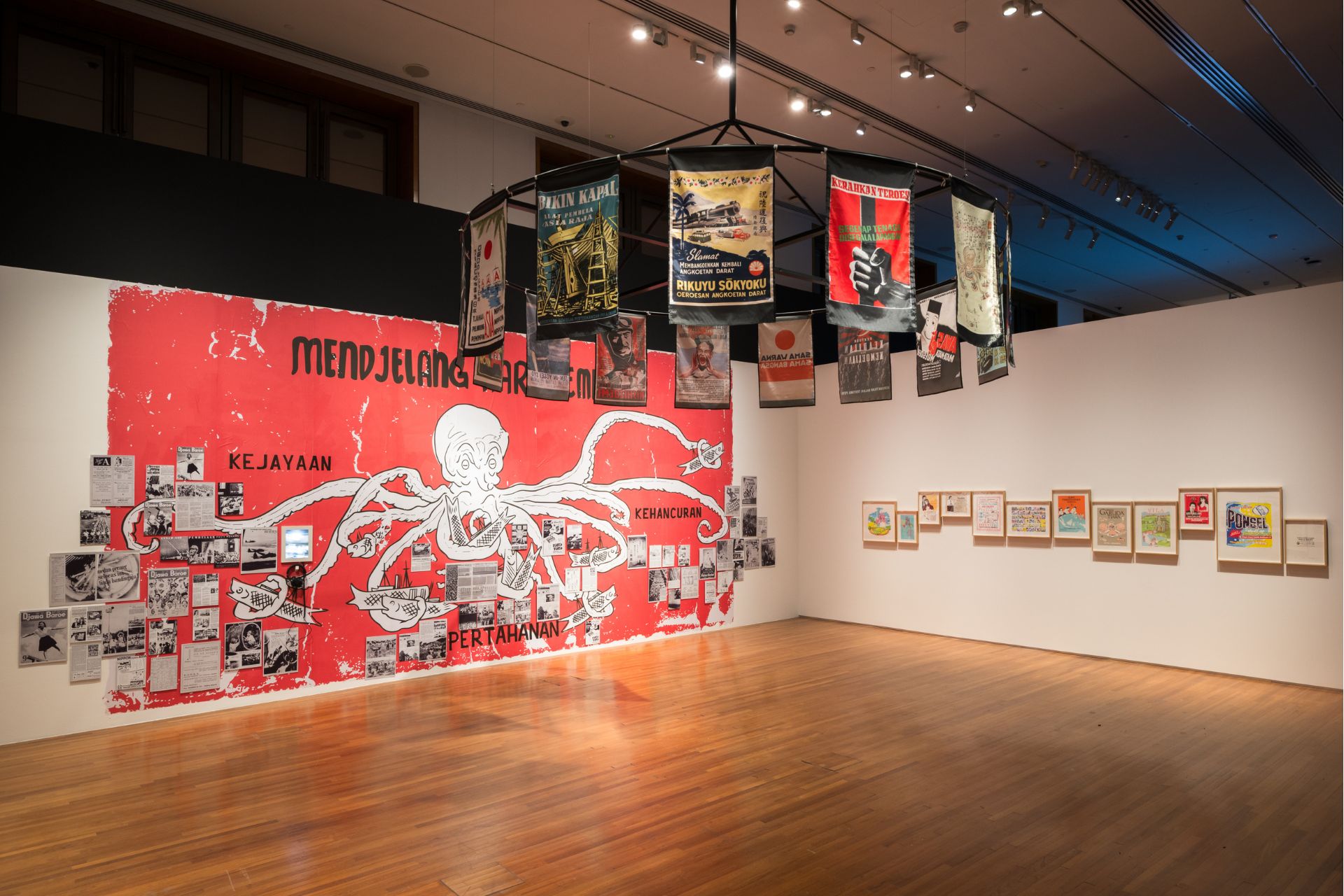
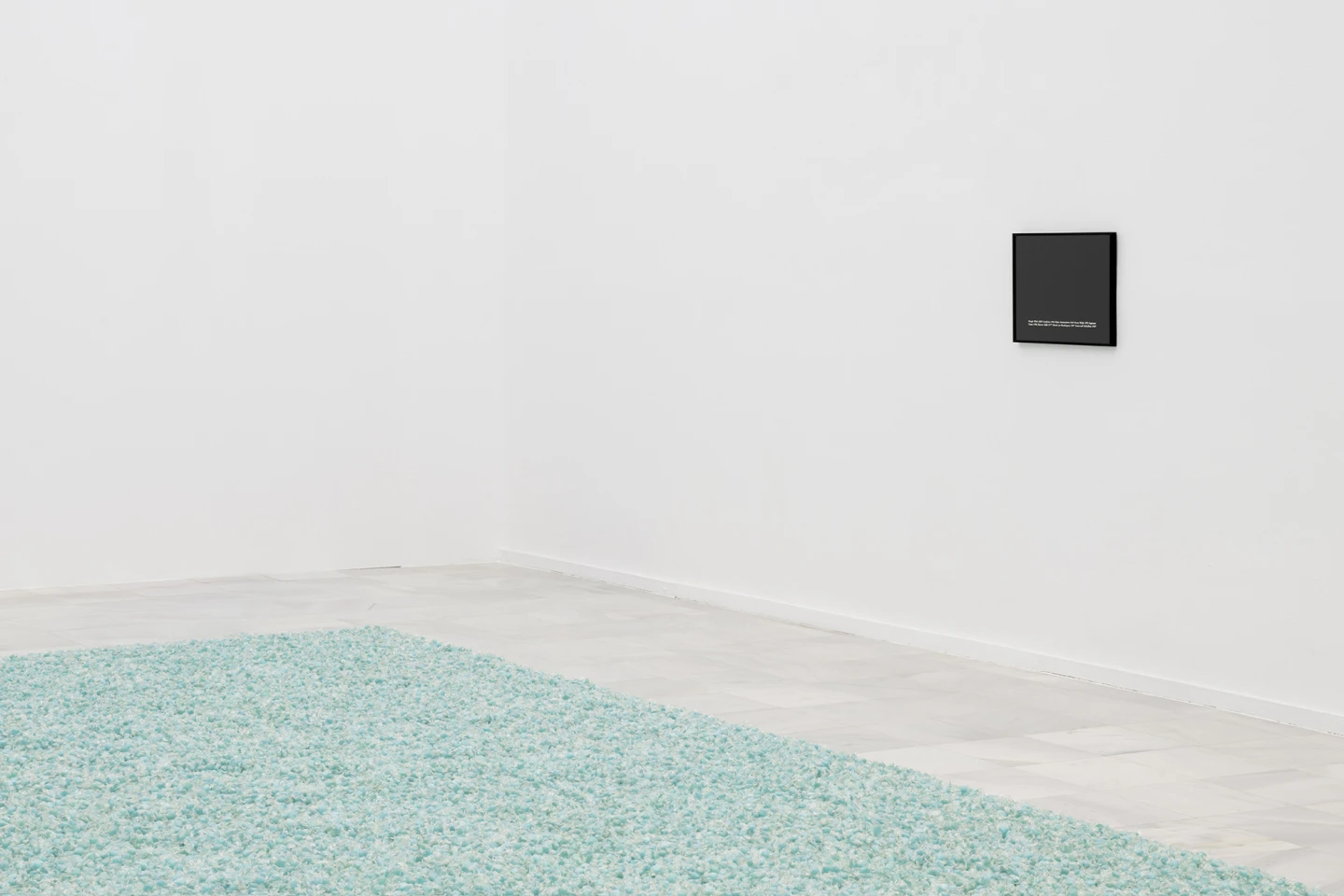
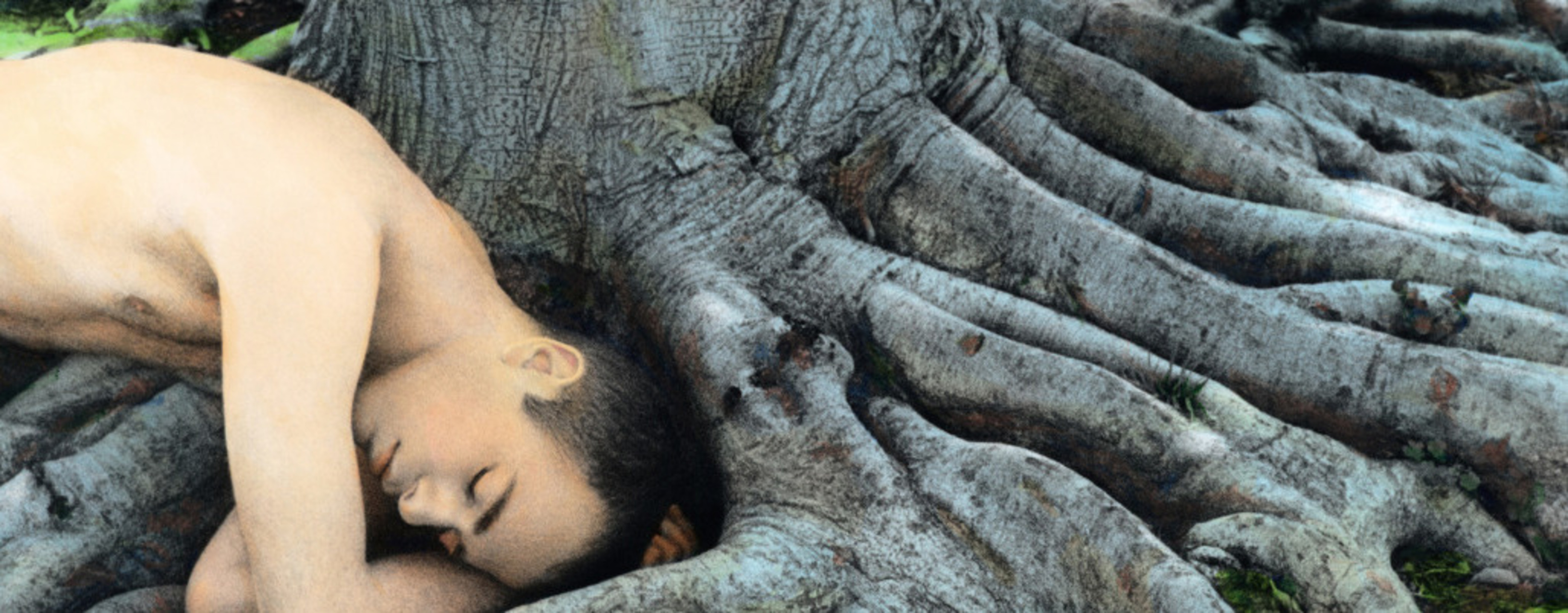
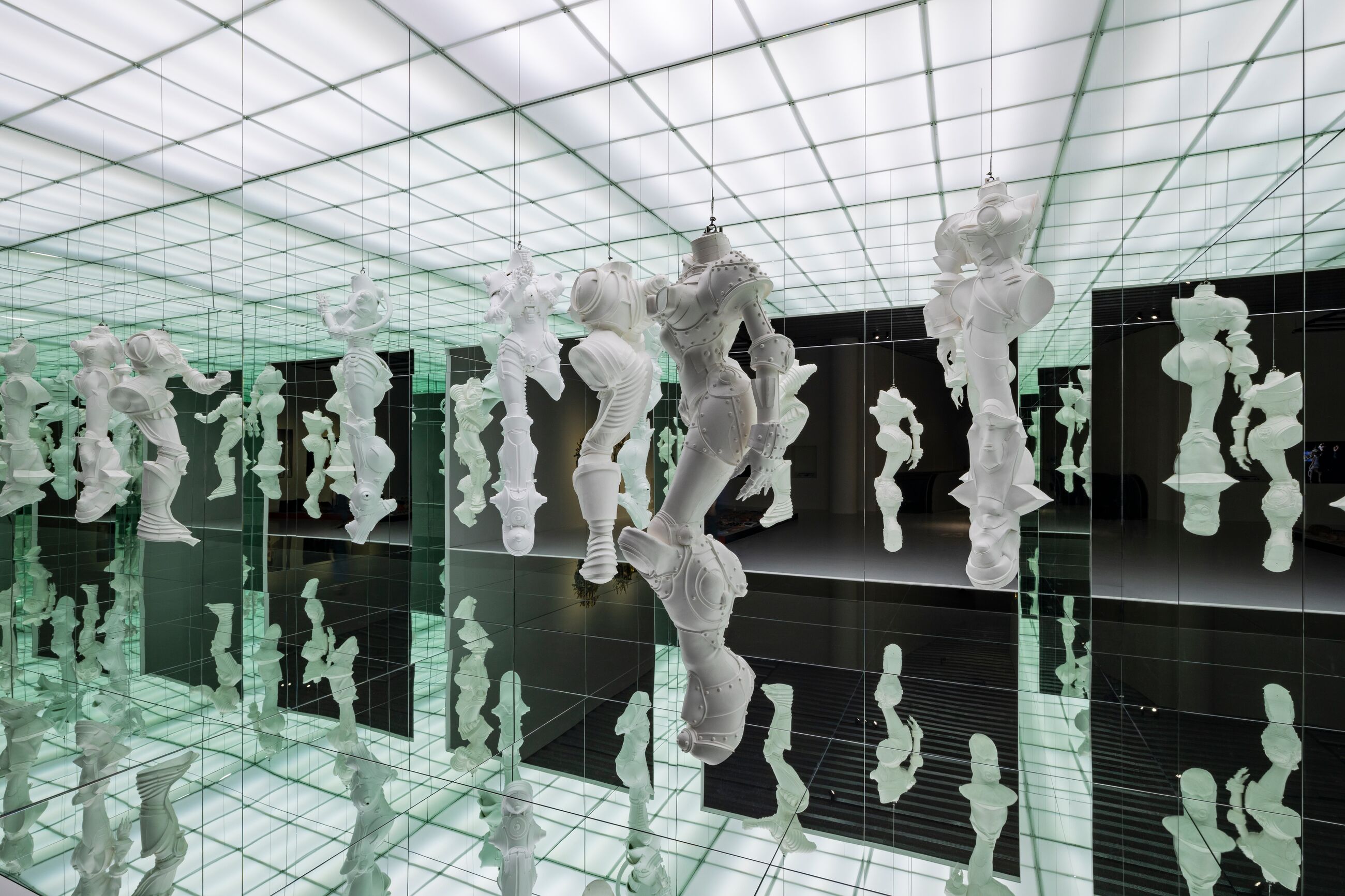
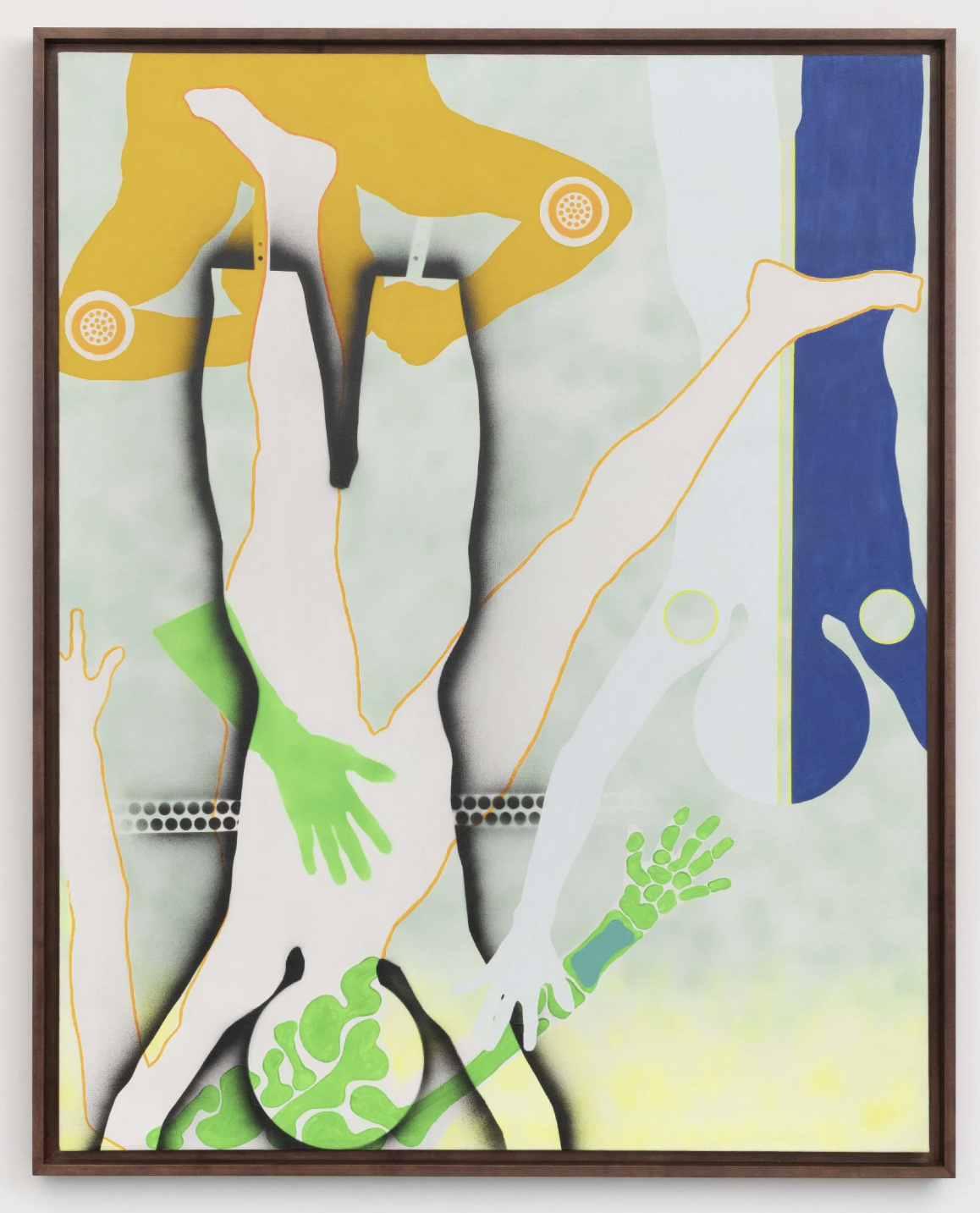
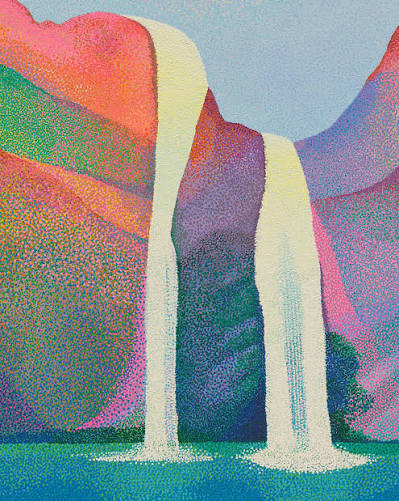
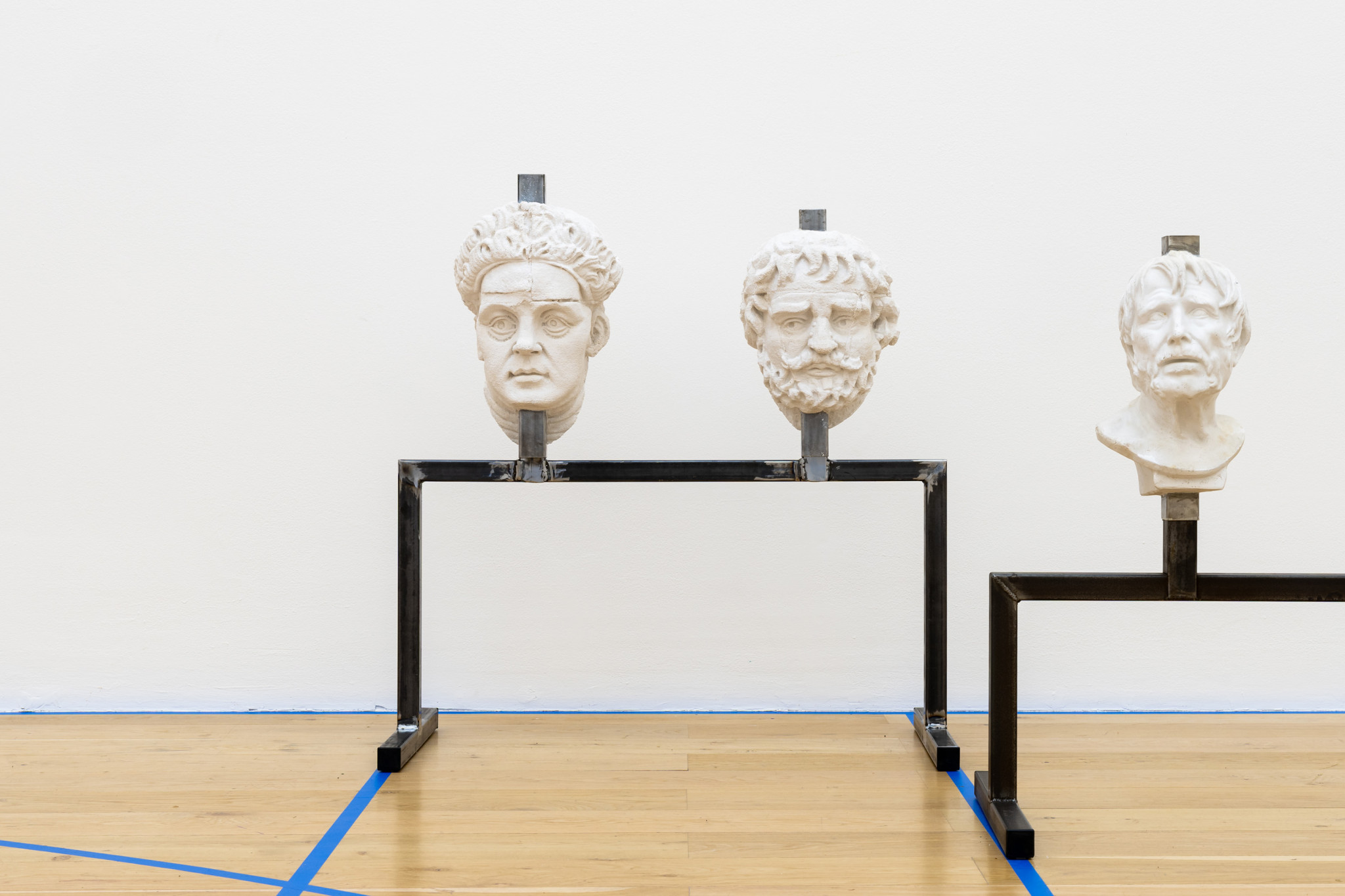
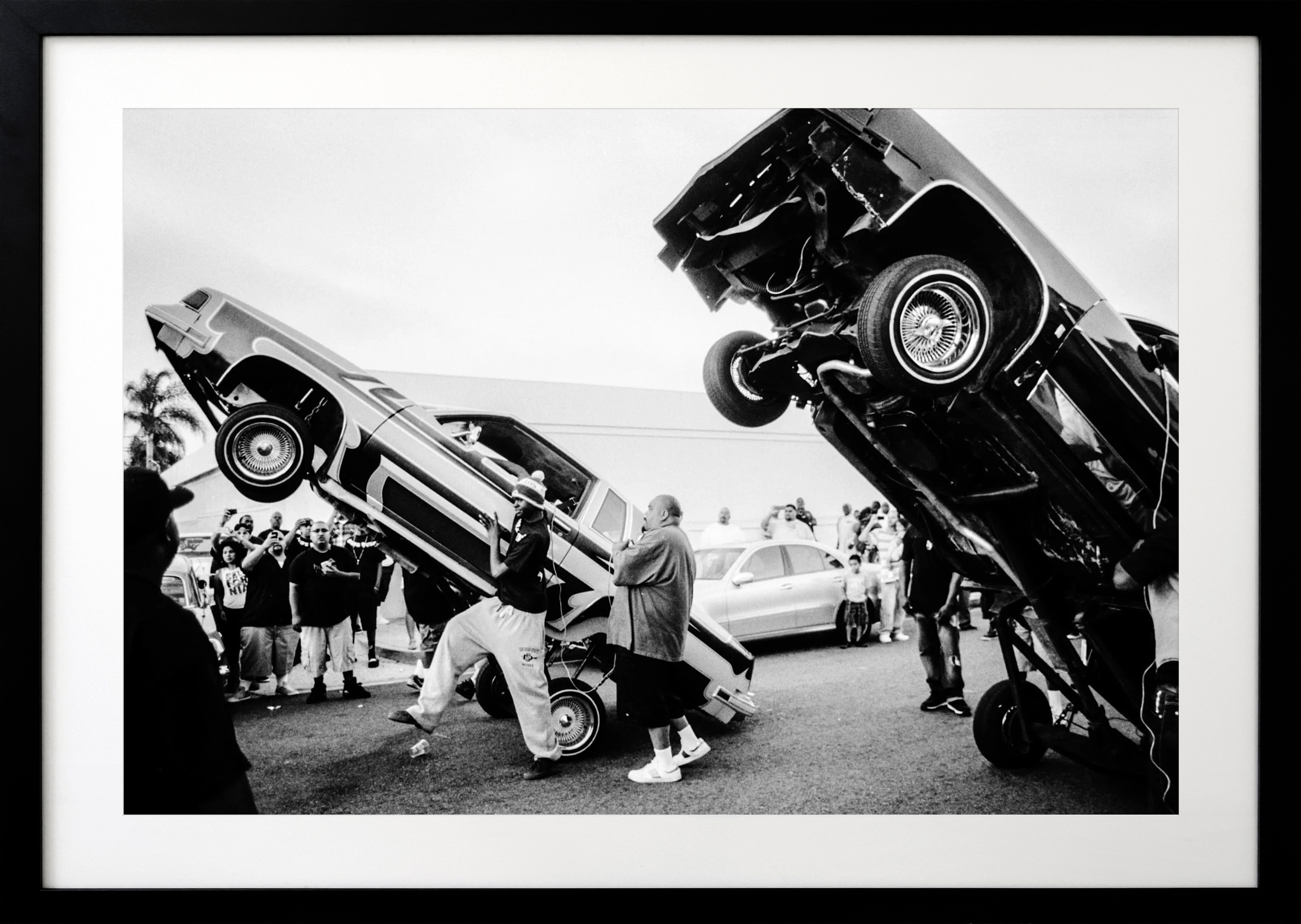
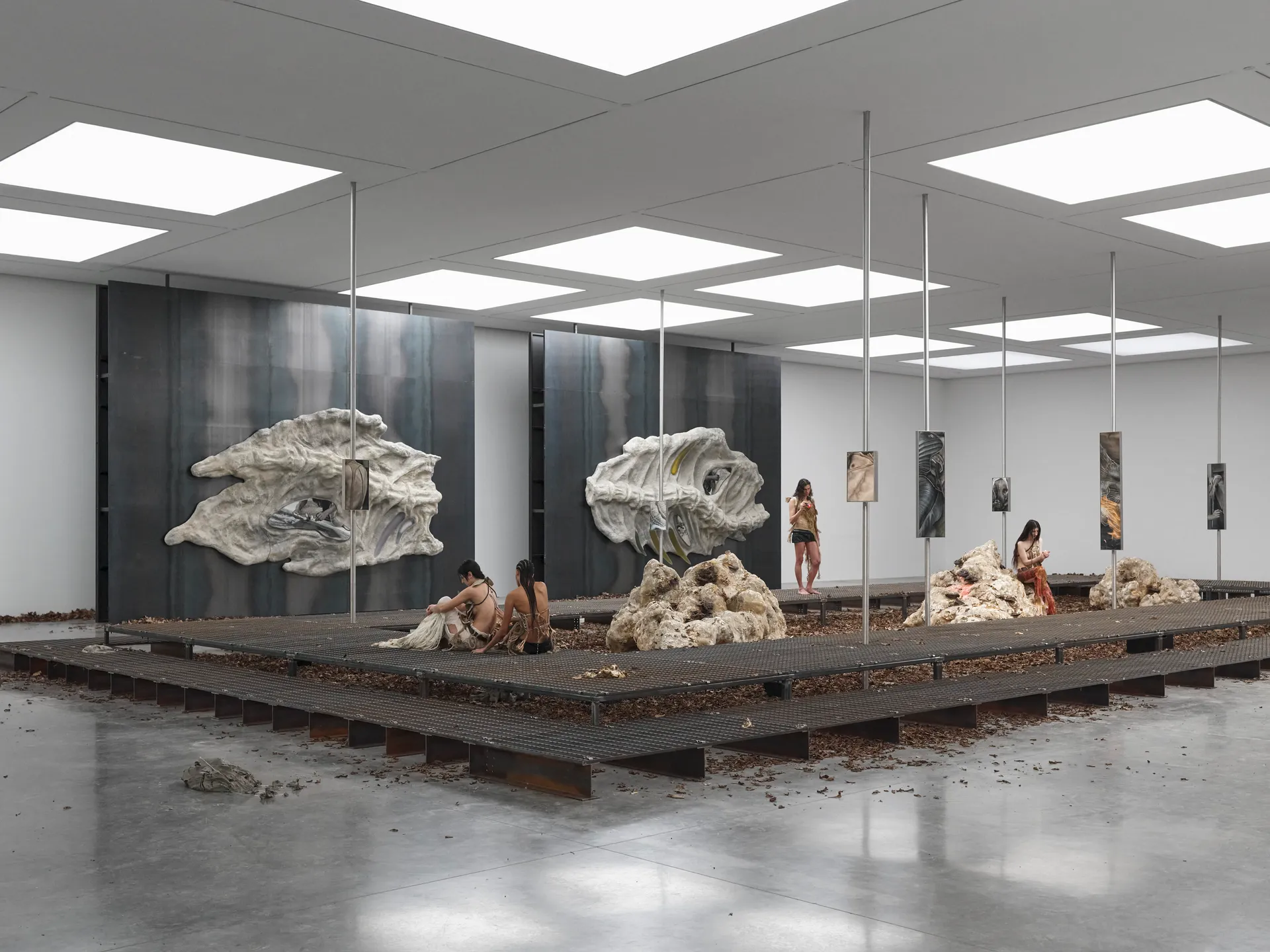
Future Geographies: Art in the Century of Climate Change is the first major exhibition in Canada to examine the intersection of contemporary art and the climate crisis on a global scale. More than thirty-five works made over the past twenty-five years move across video, sculpture, installation and living systems.
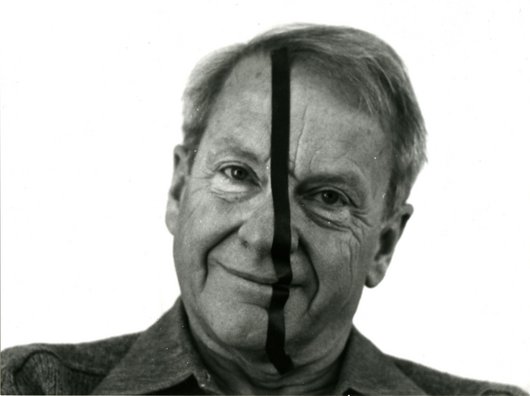
Artists including Teresita Fernández, Josh Kline, Cannupa Hanska Luger and Jean Shin are shown alongside major British Columbia-based practices such as Brian Jungen, Gabrielle L’Hirondelle Hill and Lawrence Paul Yuxweluptun Lets’lo:tseltun. Their works consider extraction, ecological collapse, Indigenous knowledge, technological futures and the political systems that shape environmental change.
The exhibition extends across multiple floors and into public space, linking global environmental questions with the specific histories and ecologies of the Pacific Northwest. Rather than treating climate change only as catastrophe, it also asks how artistic imagination can create alternative ways of understanding and inhabiting the planet.

.jpg)
.jpg)




.webp)