LATEST NEWS:
François Morellet
One hundred works celebrate François Morellet’s centenary in the most comprehensive retrospective of the French geometric-abstraction pioneer to date.
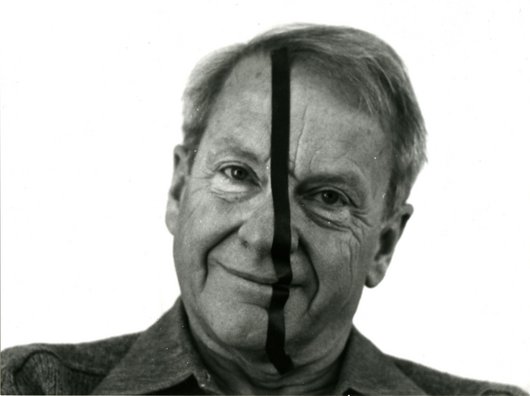
Marking the centenary of François Morellet’s birth, Centre Pompidou-Metz presents a retrospective of one hundred works spanning 1941 to 2016. The exhibition is the most comprehensive survey of Morellet’s practice to date and follows his transformation of geometric abstraction through systems, chance, humour and optical instability.
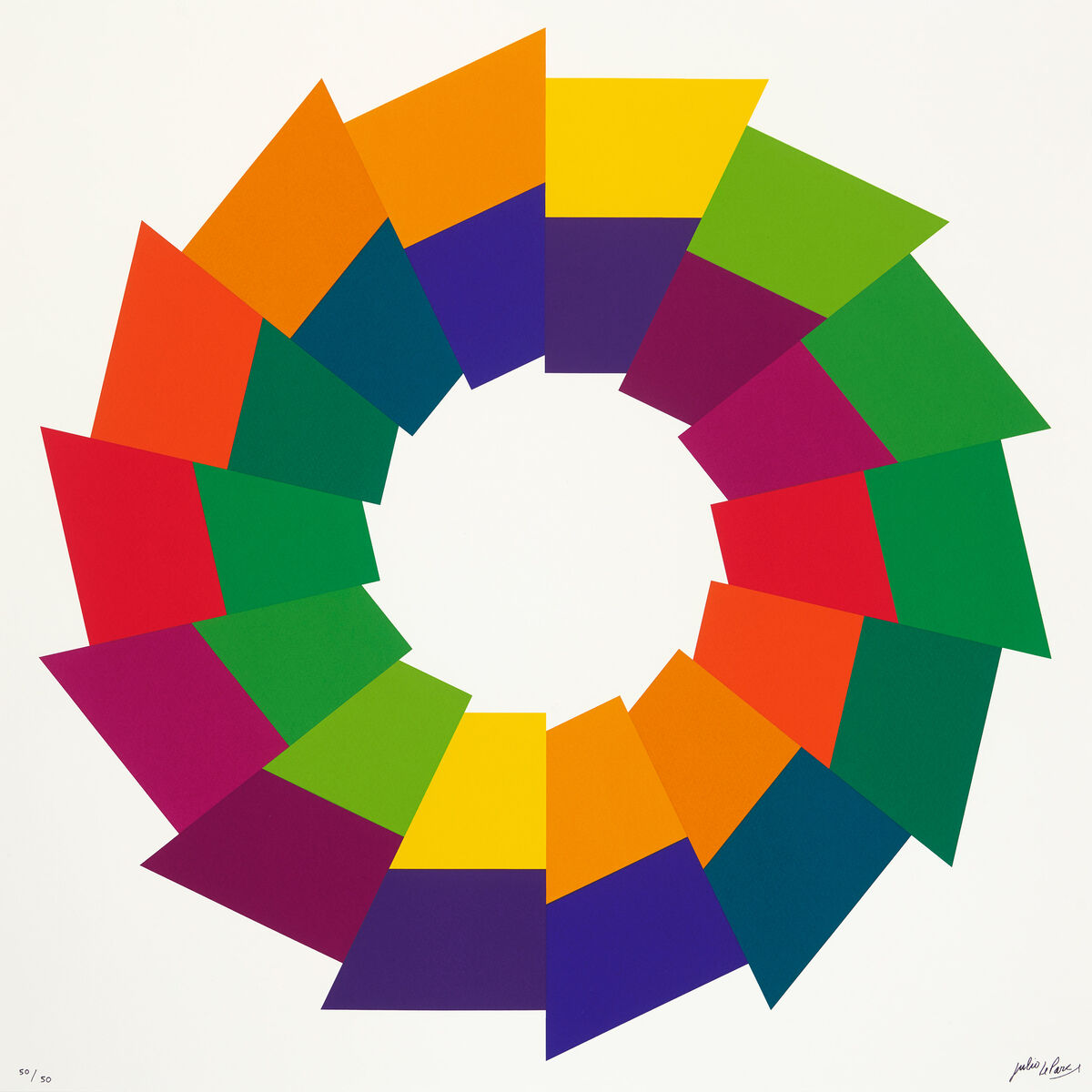
Across painting, neon, installation and architectural interventions, Morellet repeatedly established rules only to disrupt them. The exhibition foregrounds the tension between reason and irrationality in his work, placing rigorous mathematical structures alongside visual accidents, playful titles and deliberately destabilising compositions.
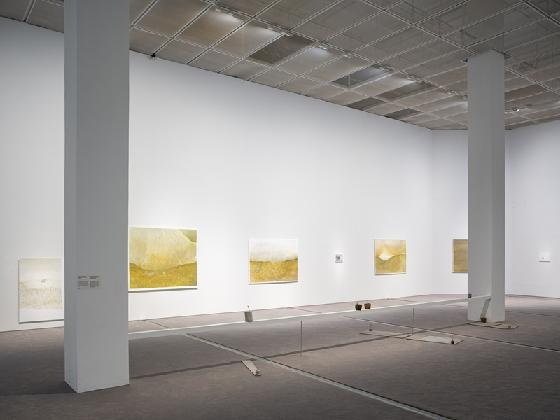
Two chronological paths move through the 1,200-square-metre gallery, from rarely shown early paintings of the 1940s to the expansive neon works of his final decade. Together they show why Morellet remains central both to postwar abstraction and to later participatory and spatial practices.

.jpg)
.jpg)





.webp)