LATEST NEWS:
Anese Cho, Yoav Brener, Visi Almagro, Nicole Tijoux, Joan Maureen Collins, Lee Ghilain, Paula Borsetti, Maria Cohen, Ana Sneeringer and Samantha Davies.
D Contemporary presents Dreams Without Borders II, a group exhibition of ten international artists curated by Sonia Borrell, opening 9 October 2026. The exhibition is the second in Studio to Gallery’s programme supporting artists as their work moves from the privacy of the studio into a public exhibition context.
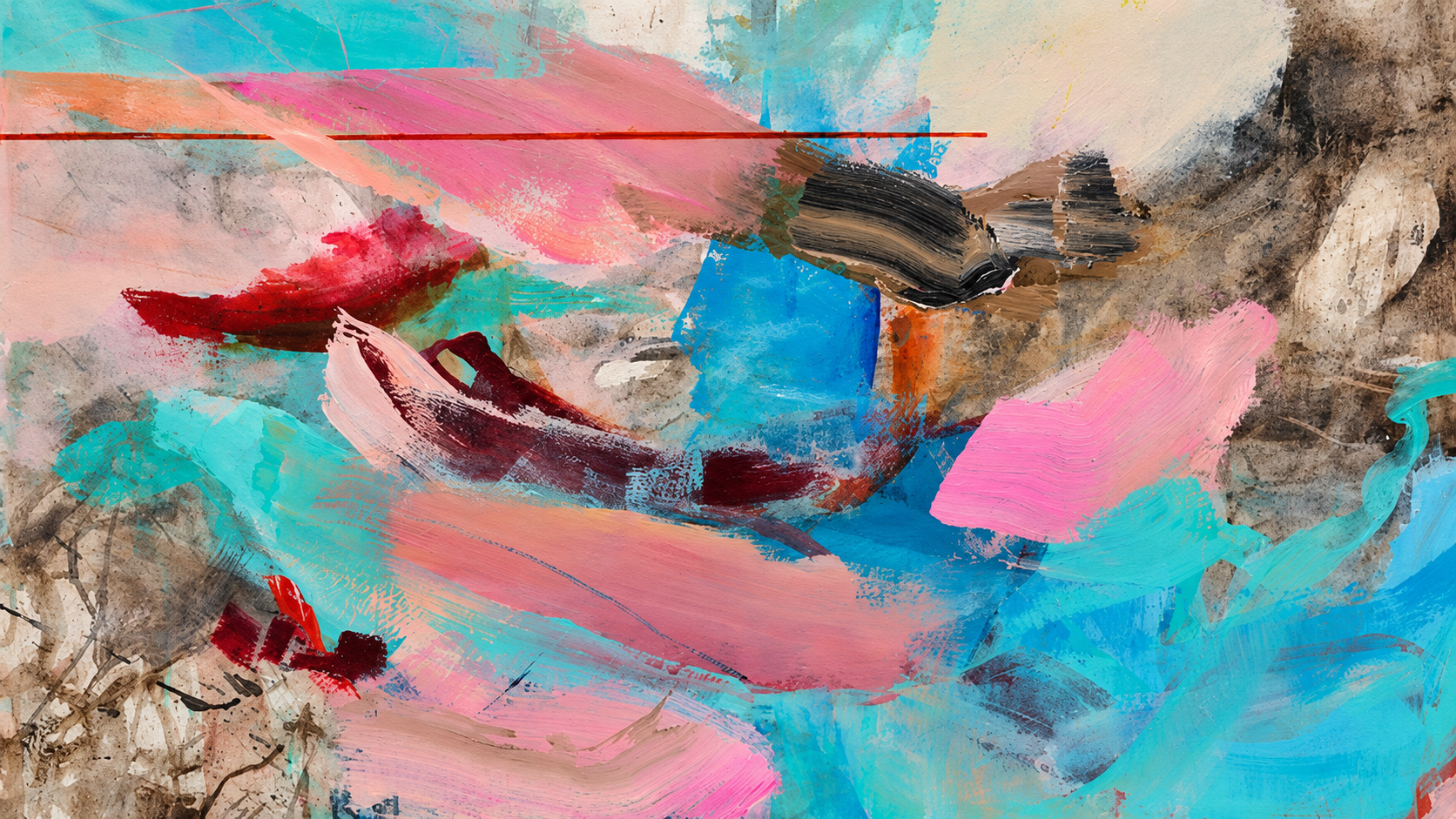
The exhibition takes the studio as its starting point: a place of sustained inquiry where ideas are tested, materials handled, and works developed through repetition, uncertainty and revision. The gallery introduces a different set of conditions. Once exhibited, a work enters into dialogue with its surroundings, with other practices and with an audience. Dreams Without Borders II treats this transition not merely as a change of setting but as a significant stage in the life of an artwork.
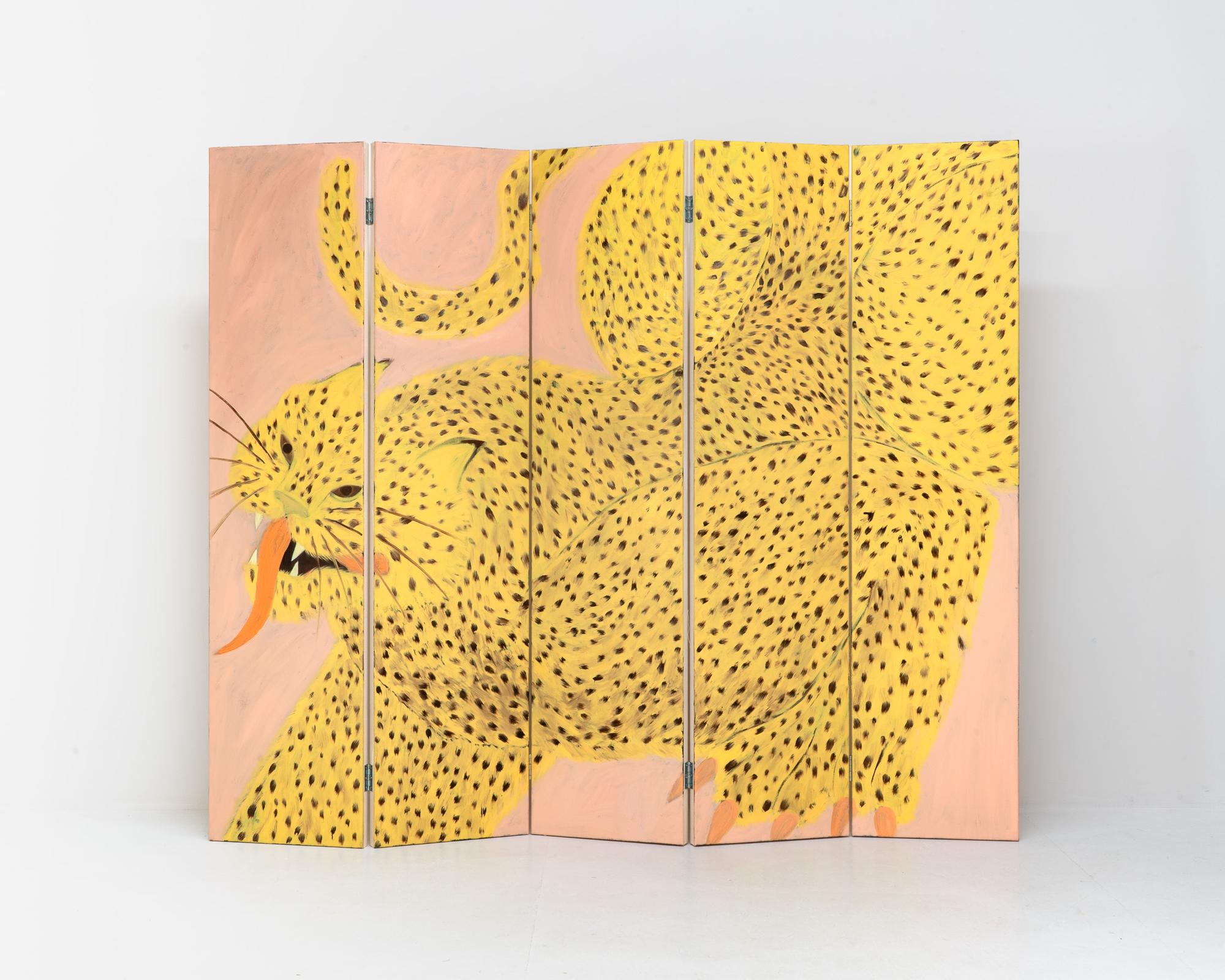
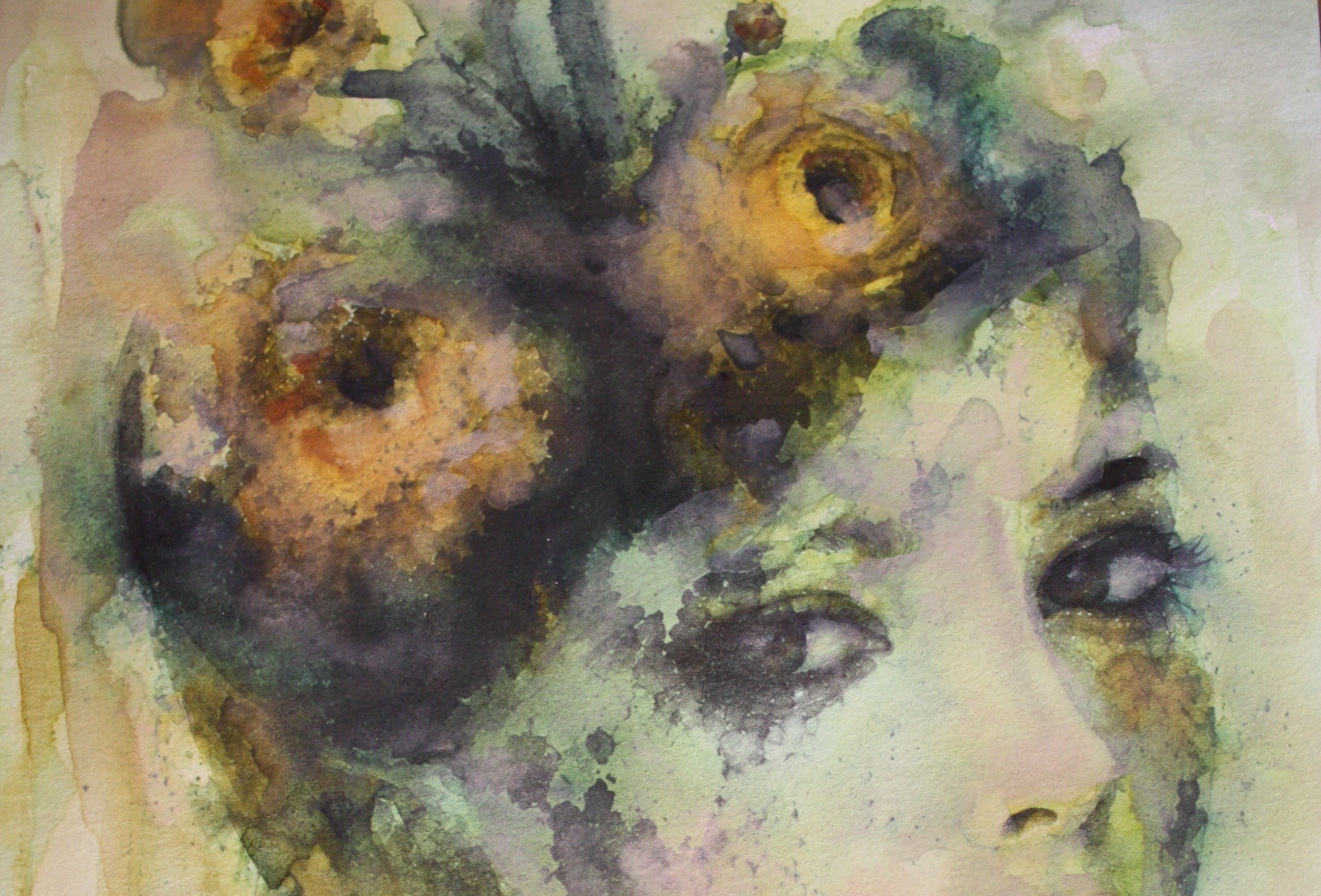
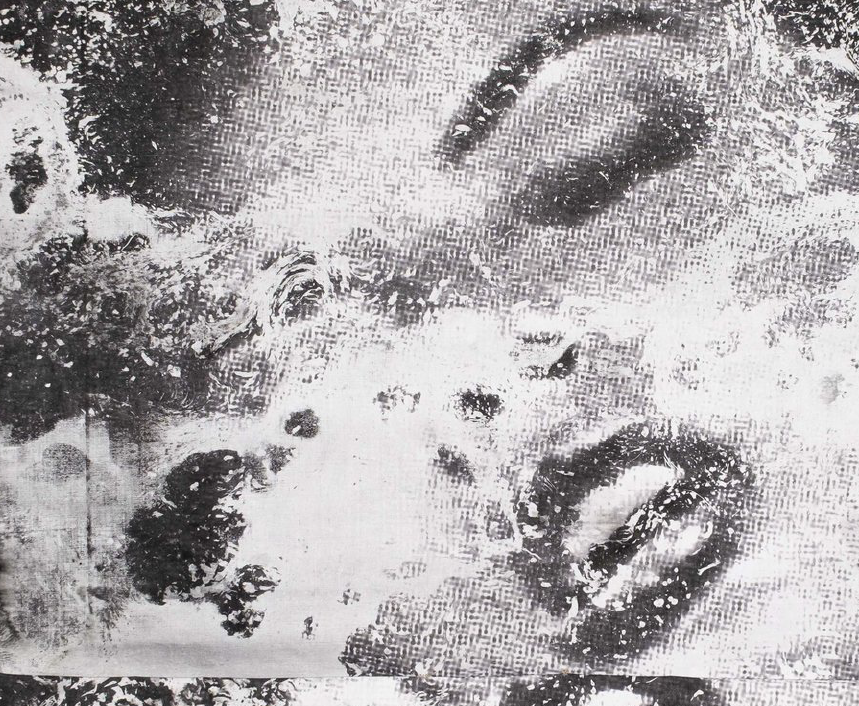
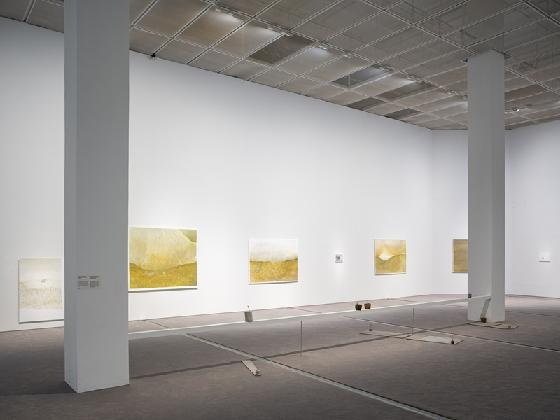
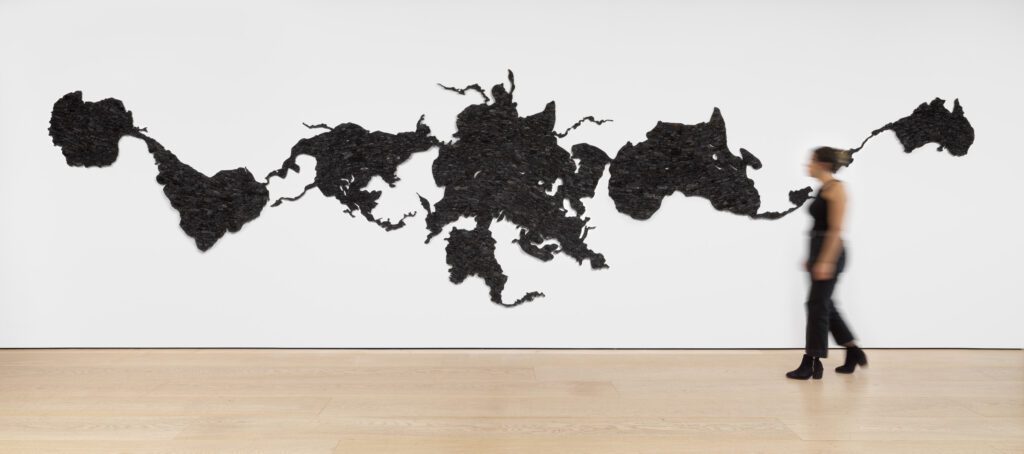
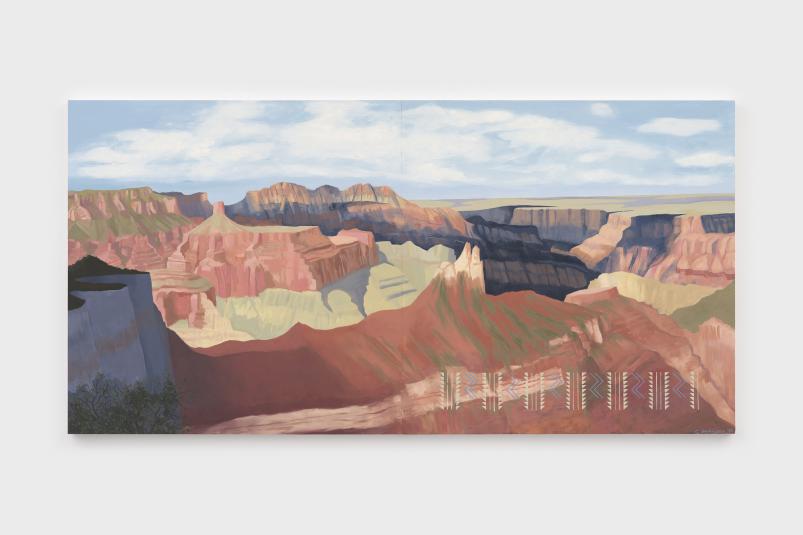
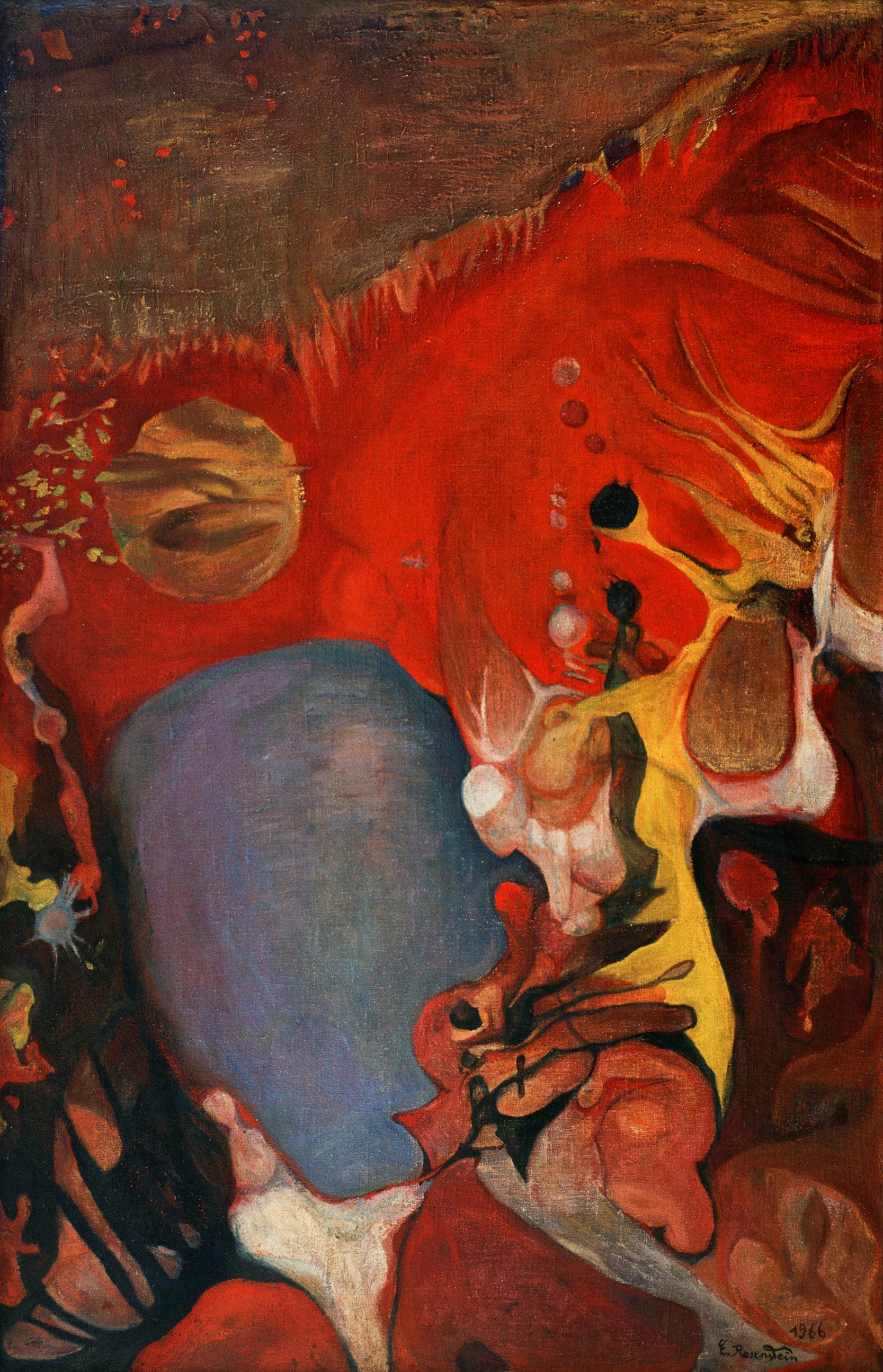
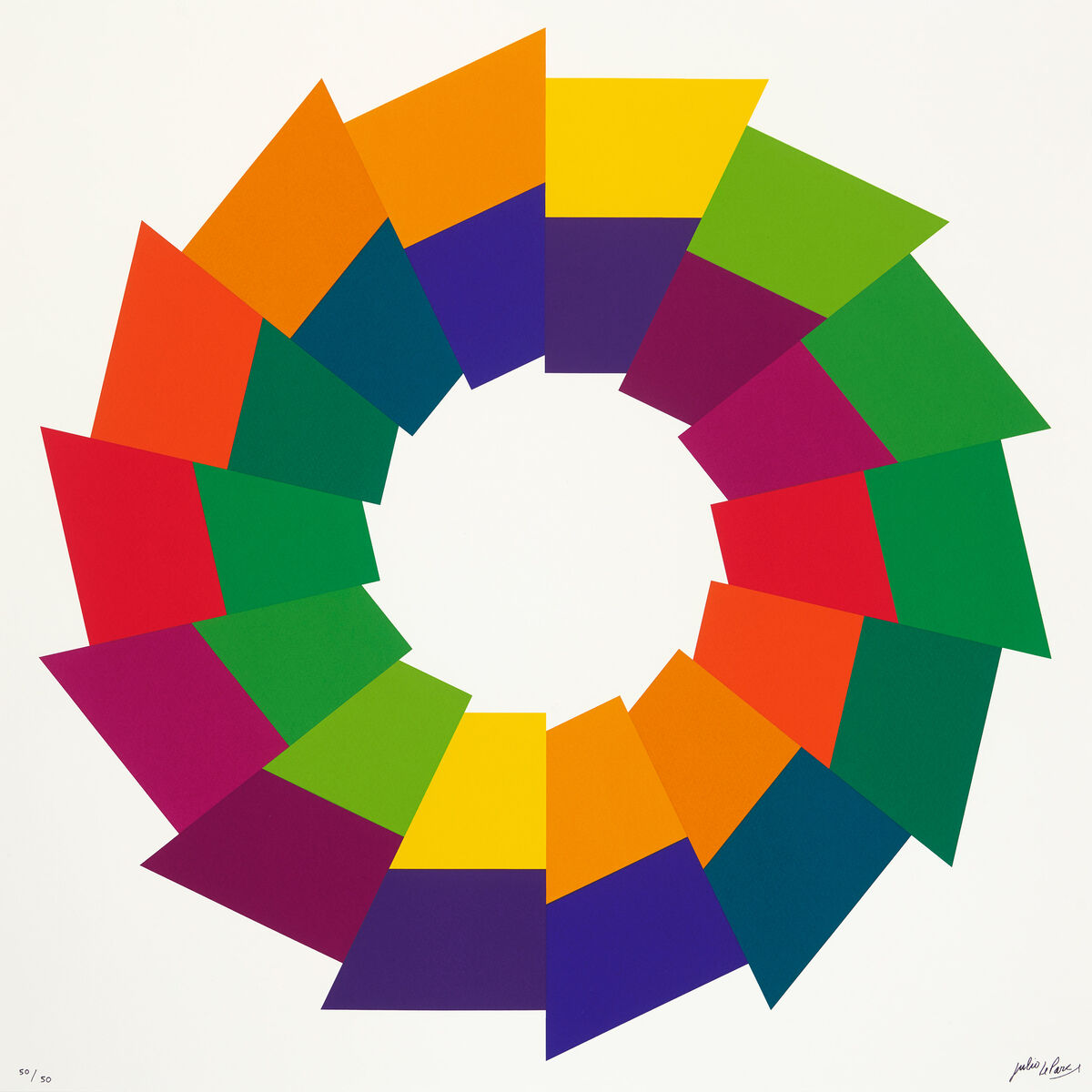
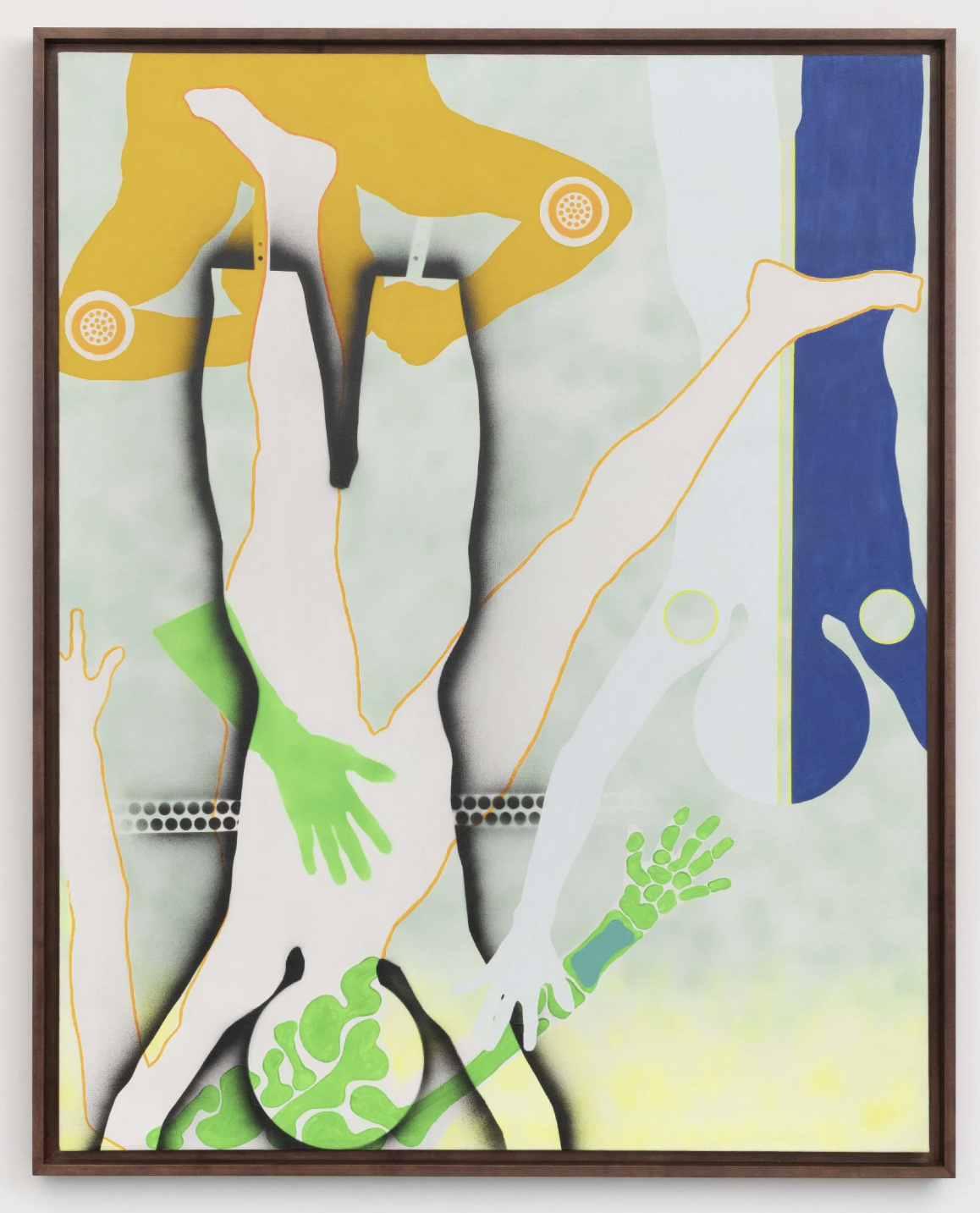
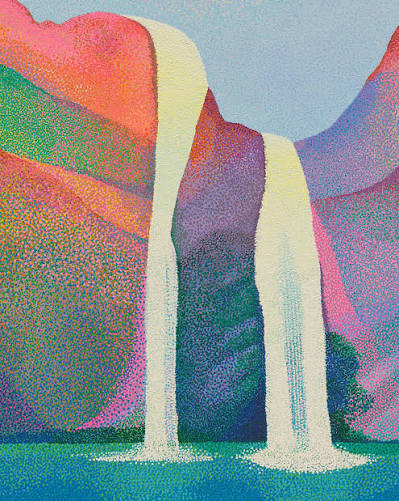
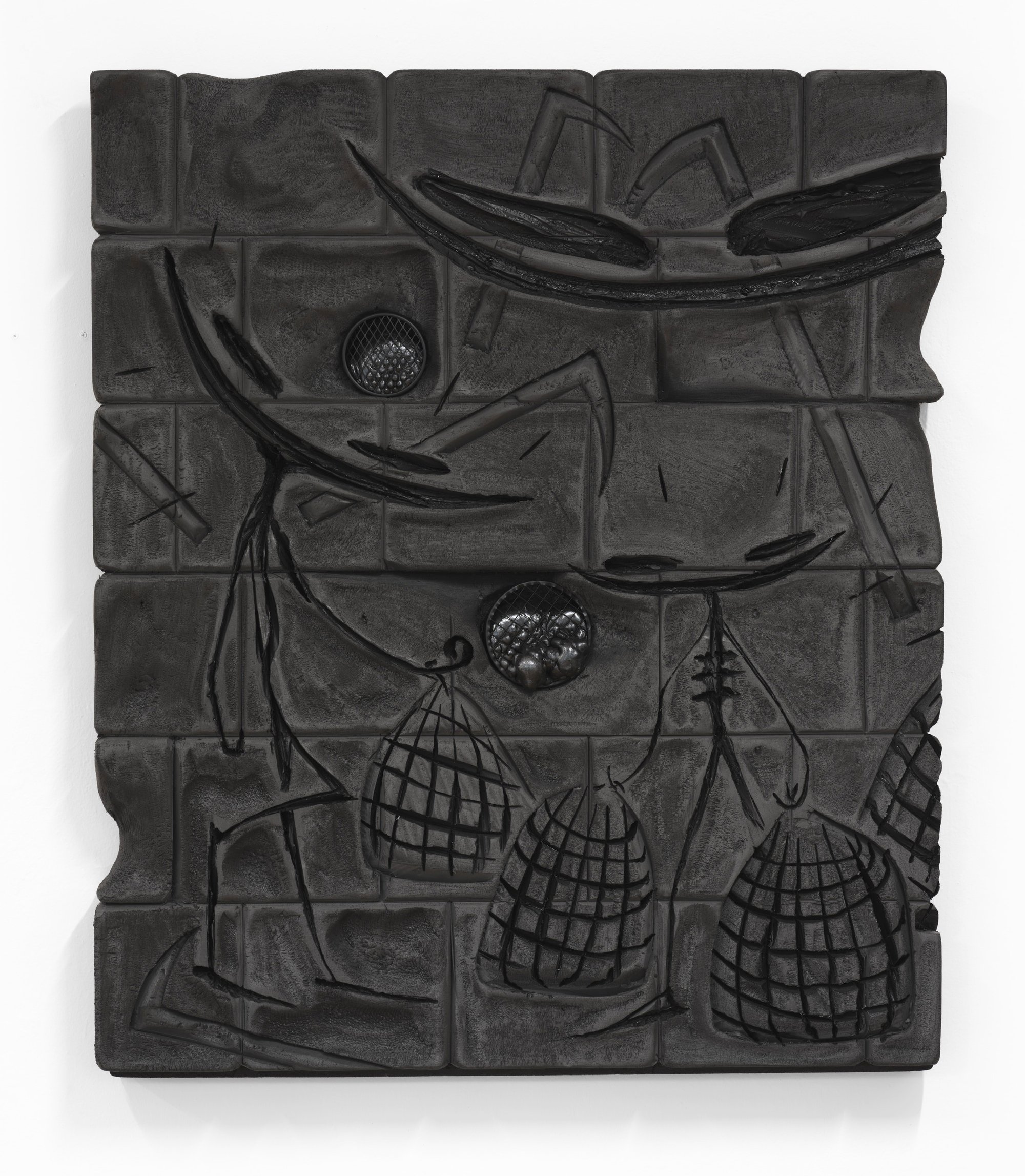
Eight of the participating artists work primarily through abstraction, though their methods and intentions differ widely. Colour, gesture, texture, rhythm and surface become means of giving form to experience that resists direct representation. Some works emerge through intuitive, physical processes; others reflect a more deliberate construction of space and composition. Shown together, they demonstrate that abstraction is not a single visual language but a field shaped by different histories and ways of seeing.
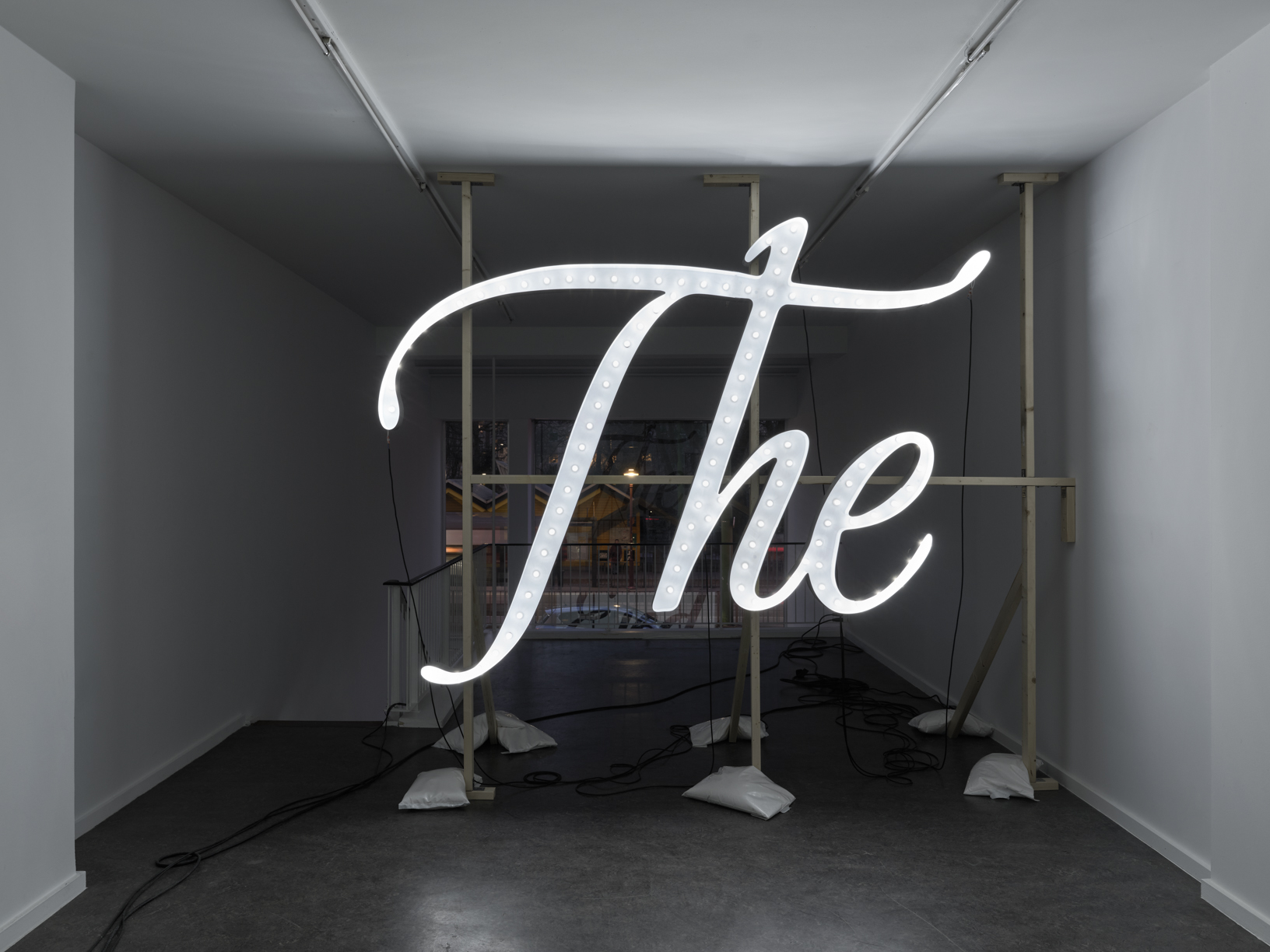
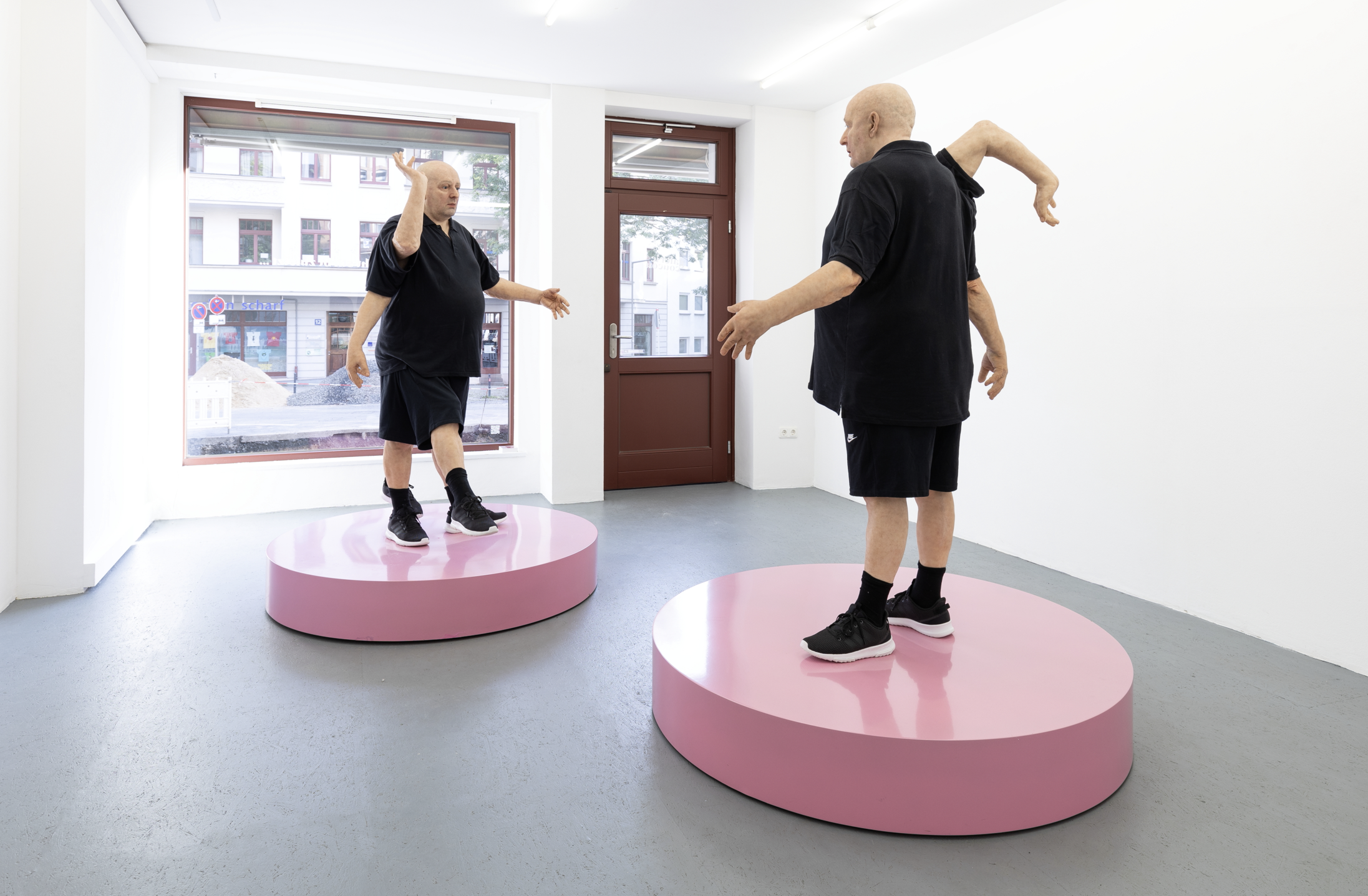
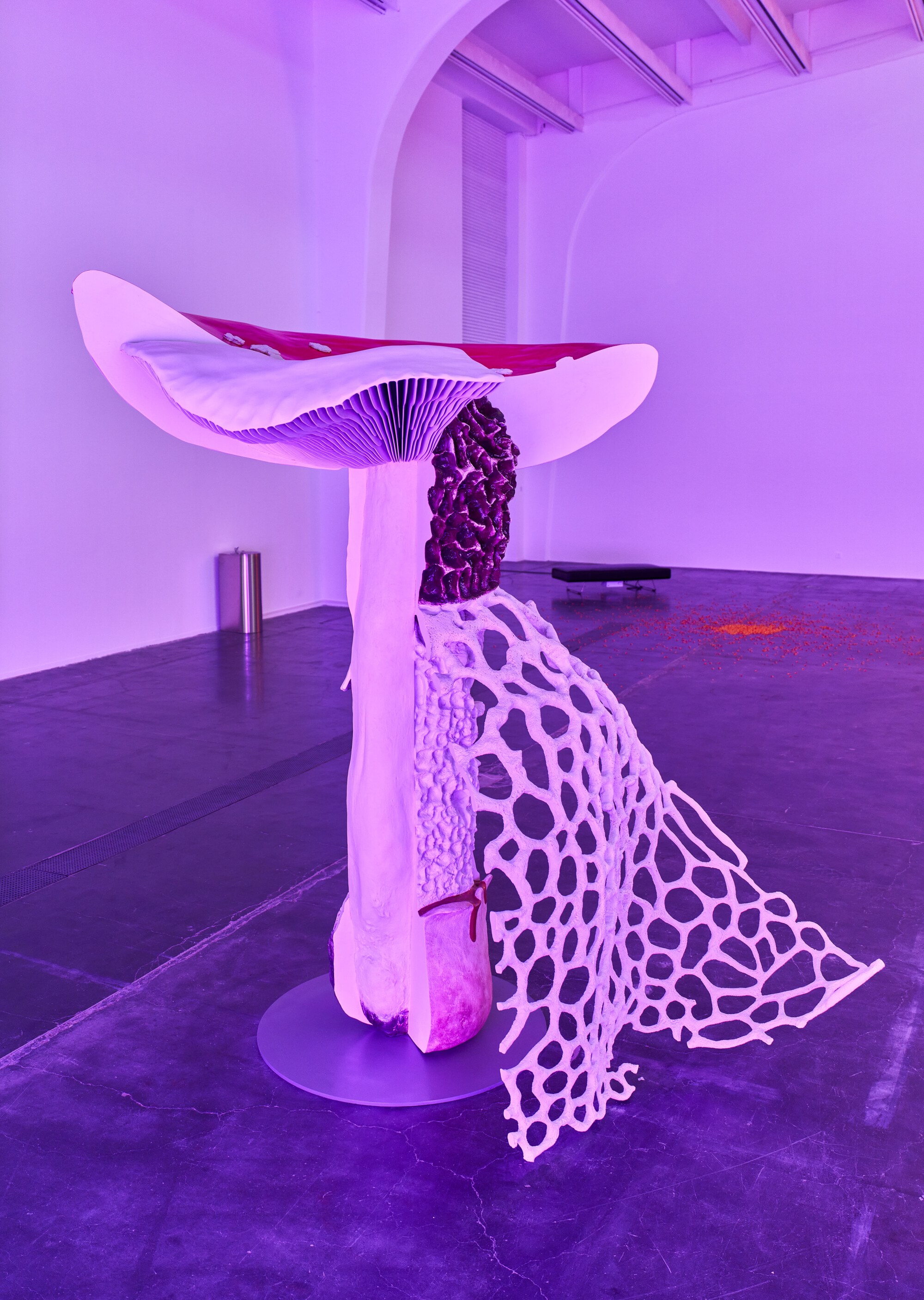
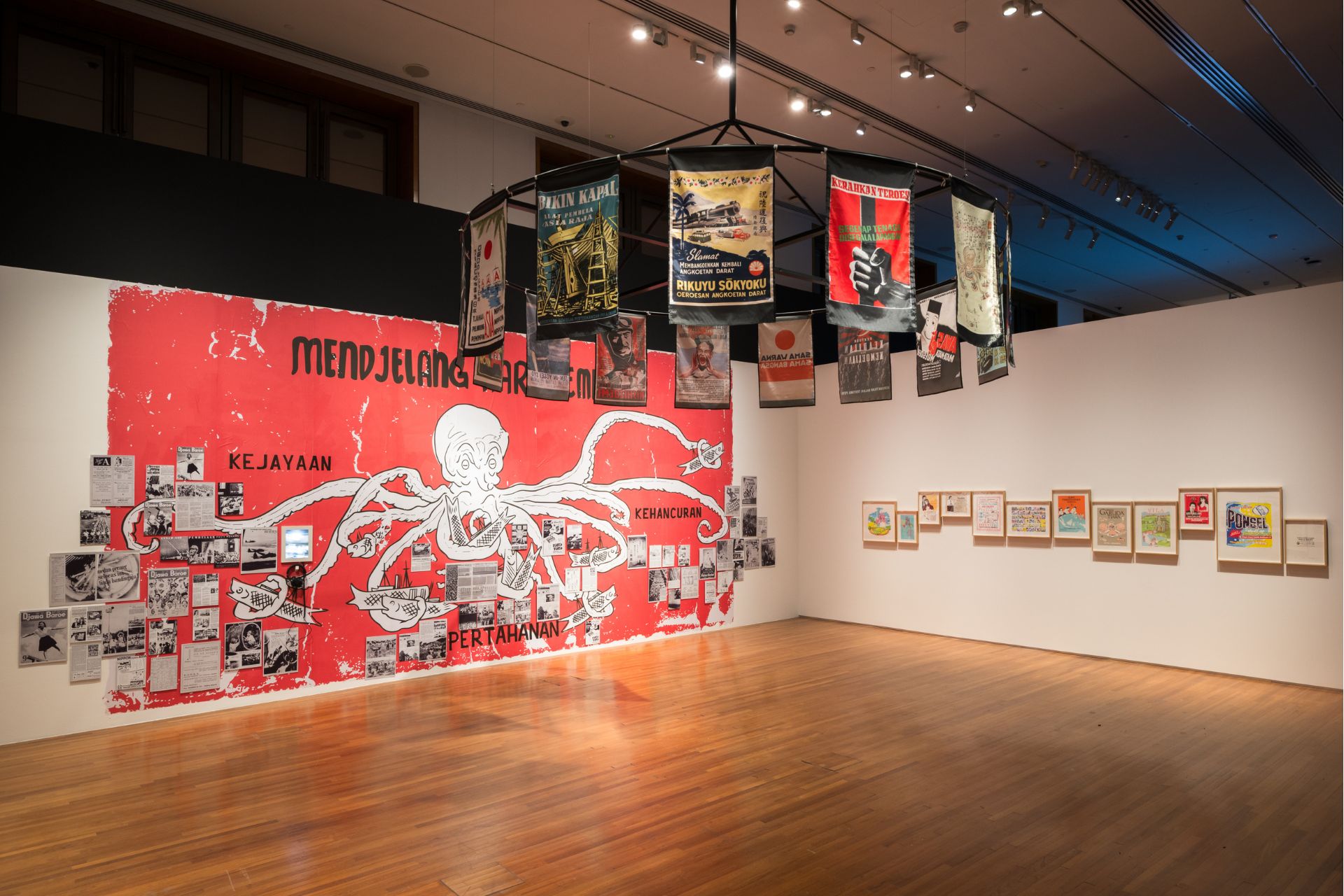
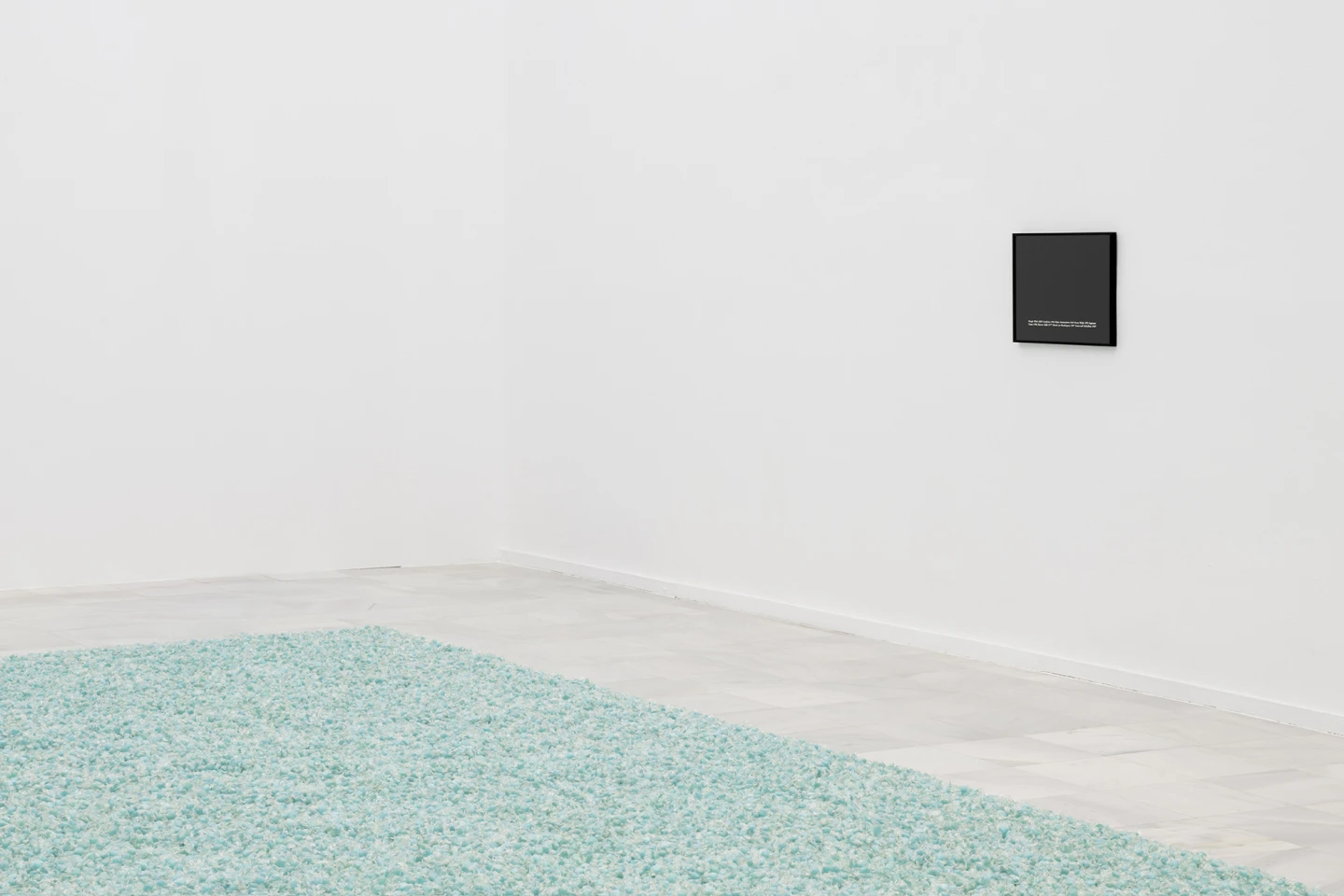
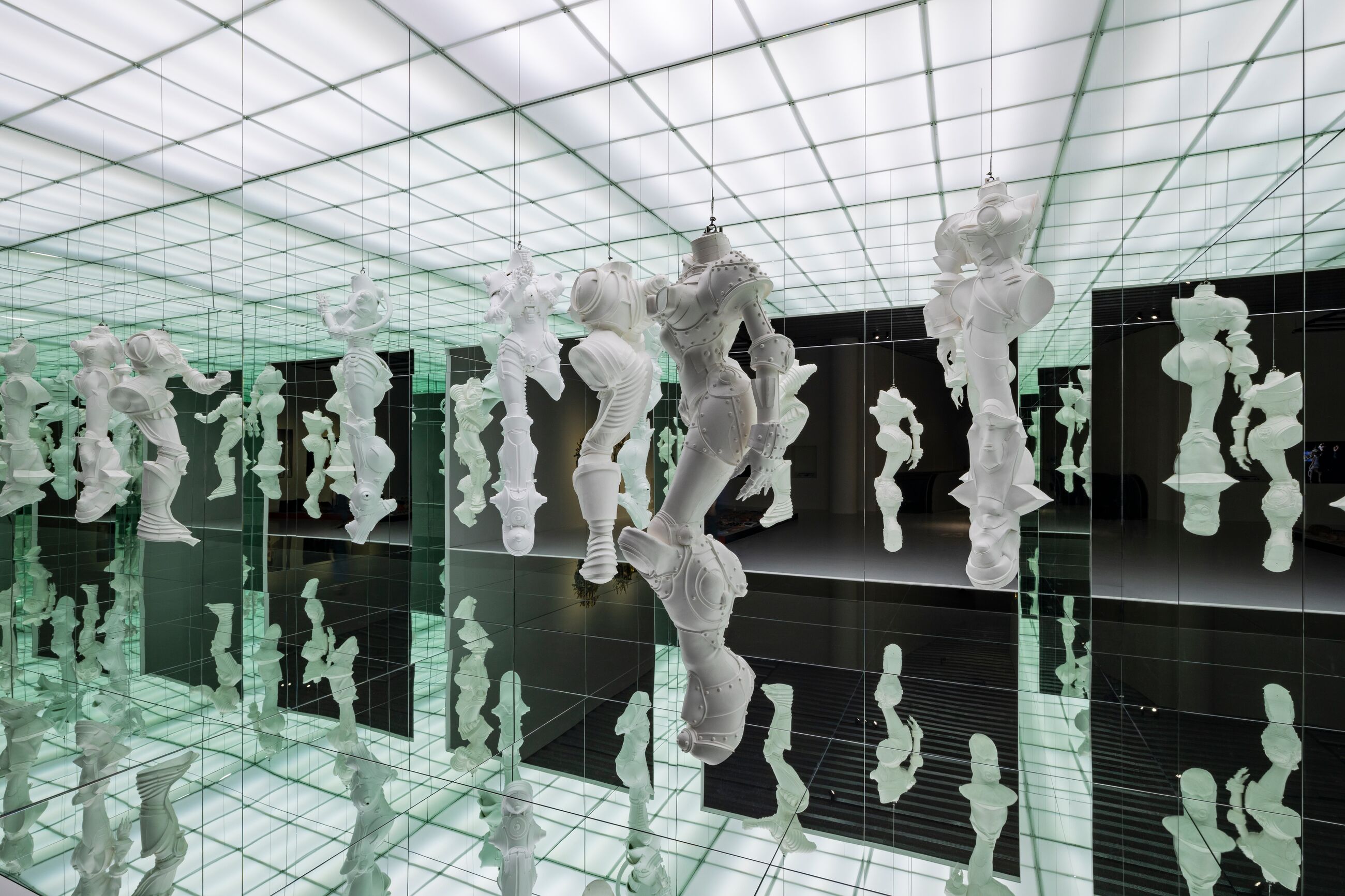
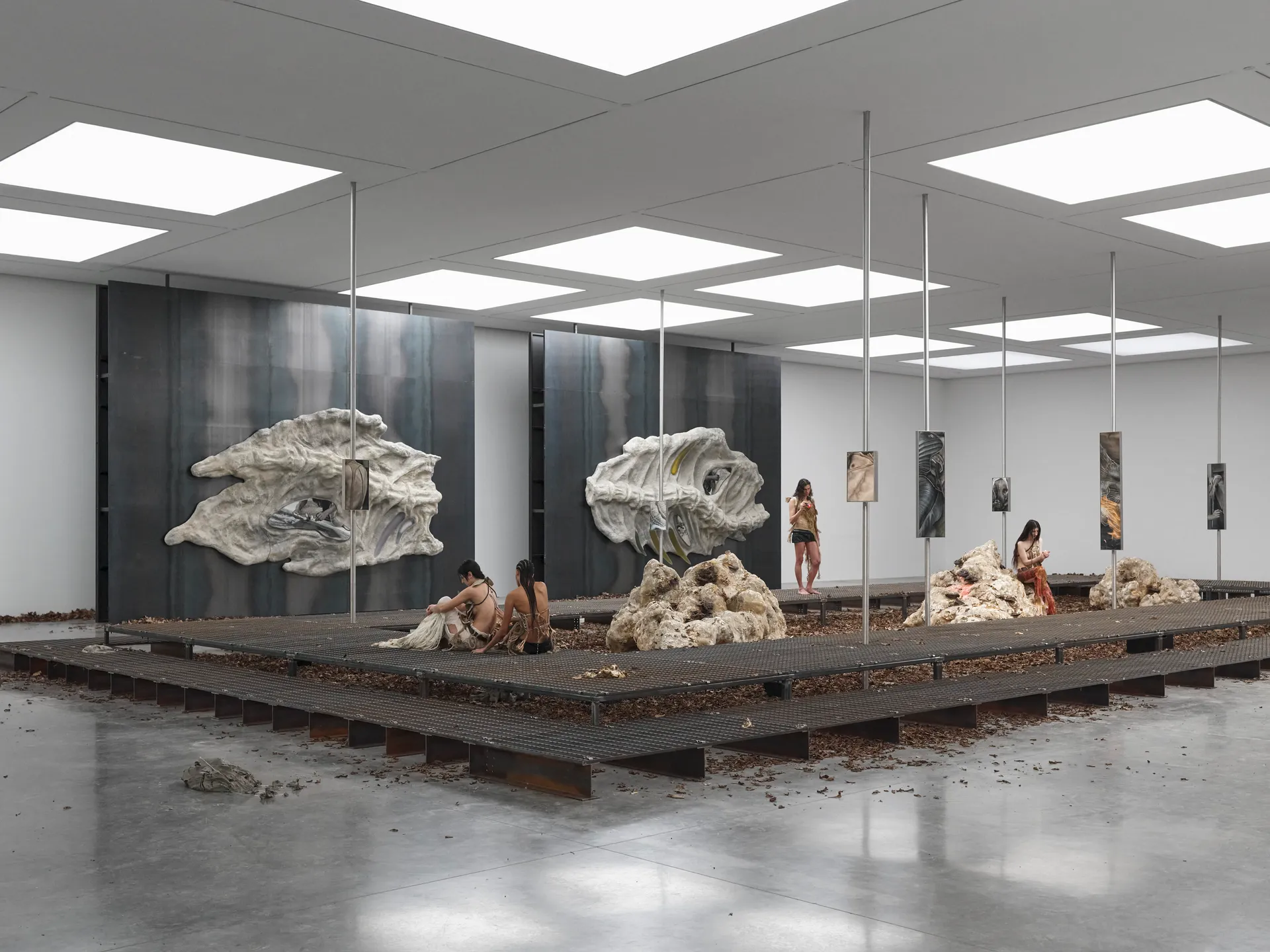
Alongside these, a manga-influenced practice brings image and narrative into closer relation, acknowledging the movement of visual culture across national and disciplinary boundaries. Rather than sitting outside the exhibition’s abstract concerns, it offers another approach to constructing meaning — through character, line, sequence and recognisable imagery. An installation introduces a spatial dimension, altering the relationship between artwork, audience and architecture so that the act of viewing becomes part of the exhibition itself.
The ten artists are not presented as representatives of a single movement or shared identity. What connects them is a commitment to developing an individual visual language and keeping it open to experimentation. The idea of the border therefore operates in several registers: between private practice and public presentation, between abstraction and figuration, and between distinct cultural and artistic references. These borders are not treated as fixed divisions but as points at which works meet, differences become visible, and new conversations begin.

.jpg)
.jpg)




.webp)