LATEST NEWS:
Contemporary artists from Singapore and Southeast Asia
Twenty contemporary works examine how artists across Southeast Asia use archives to recover overlooked histories and reshape collective memory.
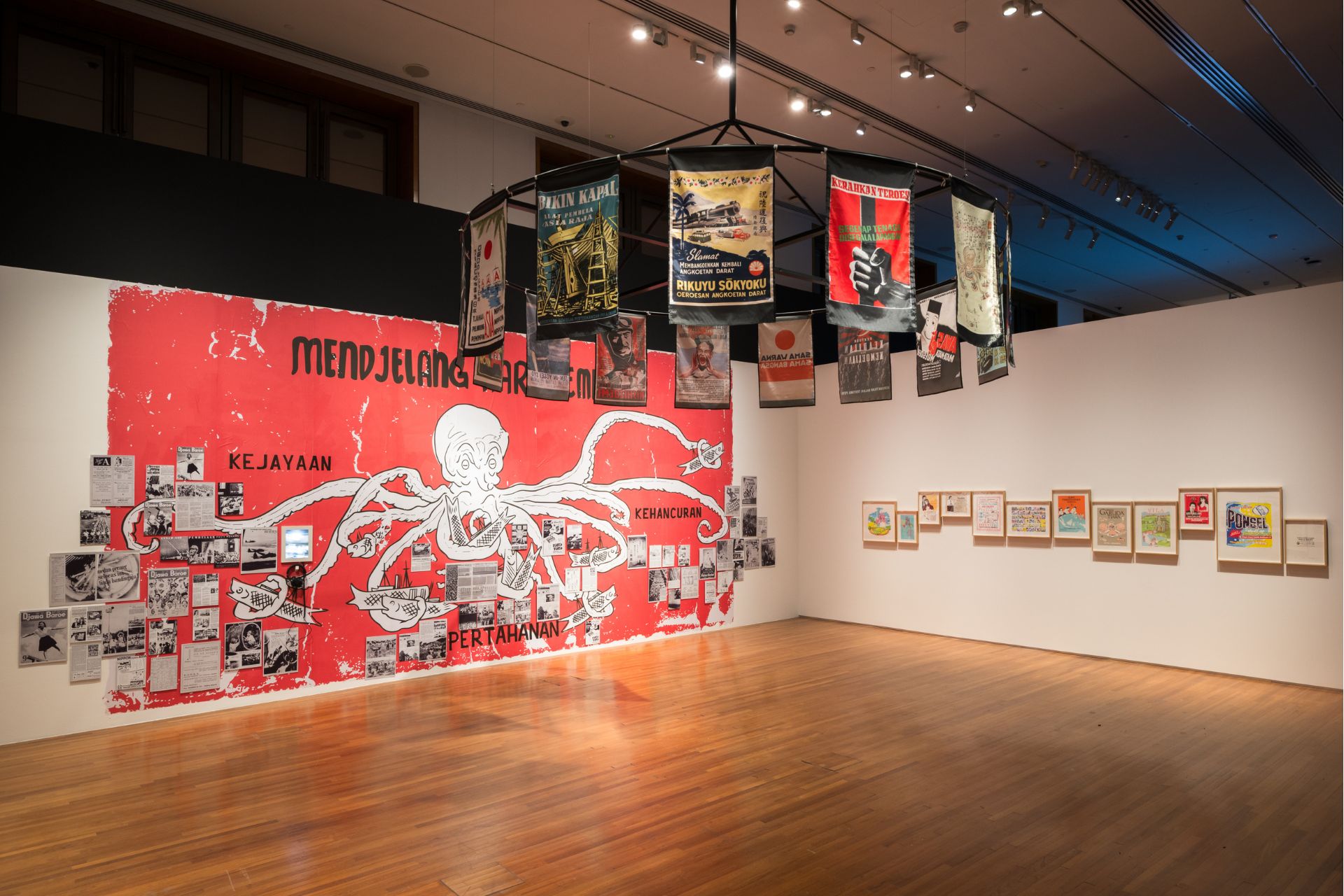
Art Remembers brings together twenty contemporary works centred on Southeast Asia to examine the archive as a living and contested space. New commissions sit alongside works from Singapore’s National Collection, with artists drawing on state records, community archives, mass-media imagery, personal memory and environmental traces to recover histories that have been forgotten, marginalised or left outside dominant narratives.
The exhibition moves across photography, video, print, digital media and technology-enabled installations. Malaysian artist Ahmad Fuad Osman revisits archival photographs of the post-independence period by inserting contemporary figures into historical scenes, unsettling the apparent neutrality of documentary evidence. Singaporean artist Robert Zhao Renhui follows the unexpected wartime and postwar history of tilapia, turning the migration of a fish species into a story about movement, ecology and cultural exchange.
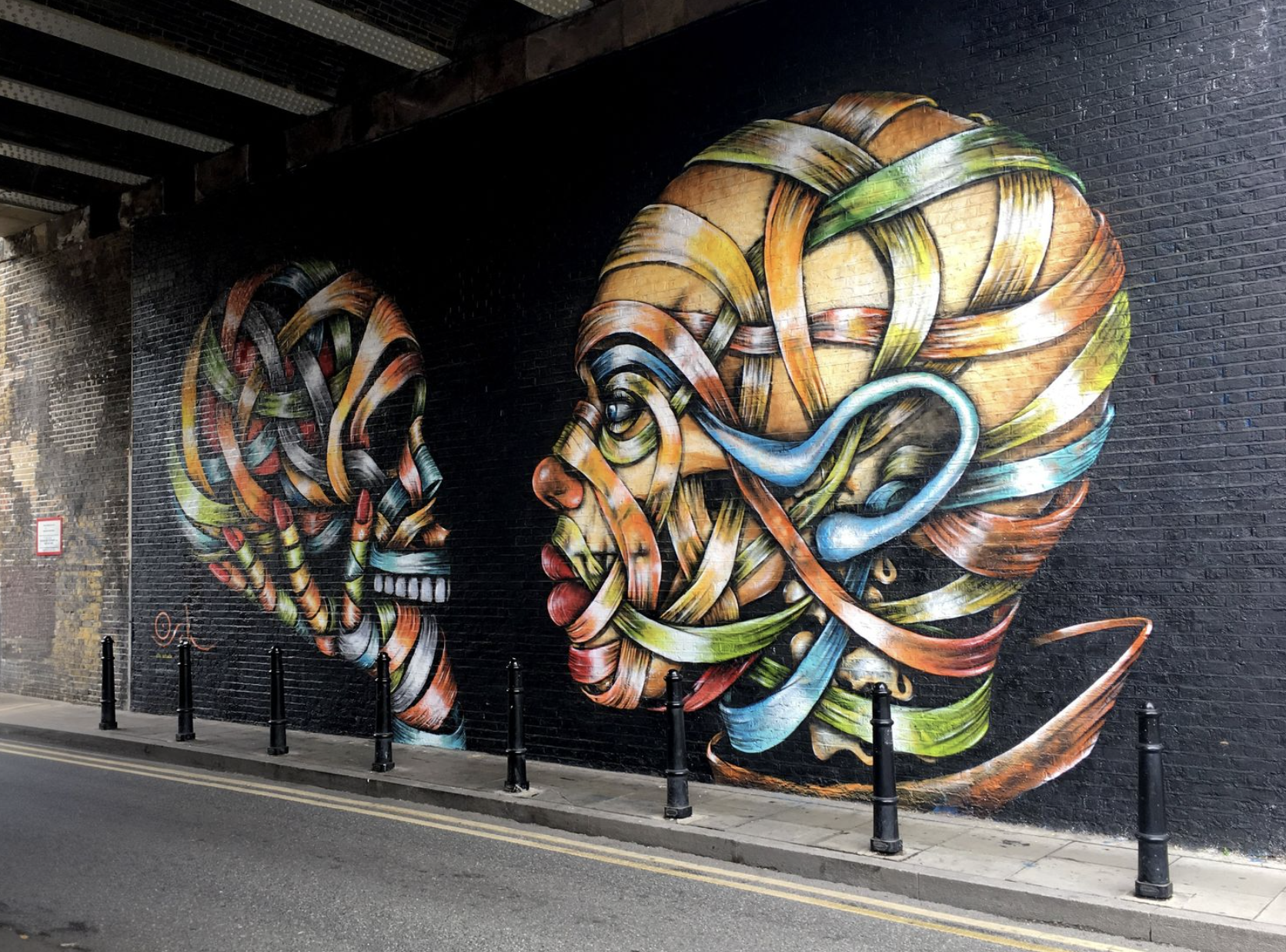
A newly commissioned mural by Yogyakarta printmaking collective Krack! reworks wartime visual material to address the relationship between propaganda, power and collective memory. Hmong Australian artist Vanghoua Anthony Vue draws on archival imagery and personal recollection to recover the underrepresented history of conflict in Laos during the Vietnam War.
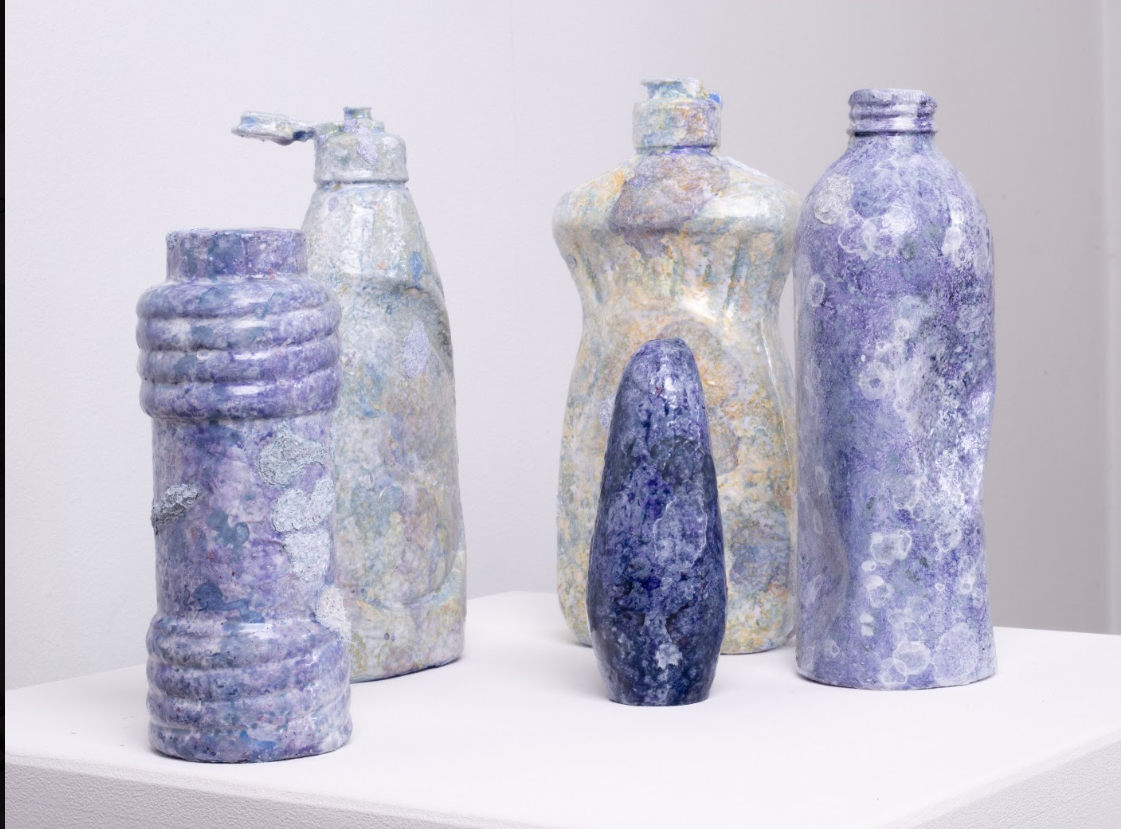
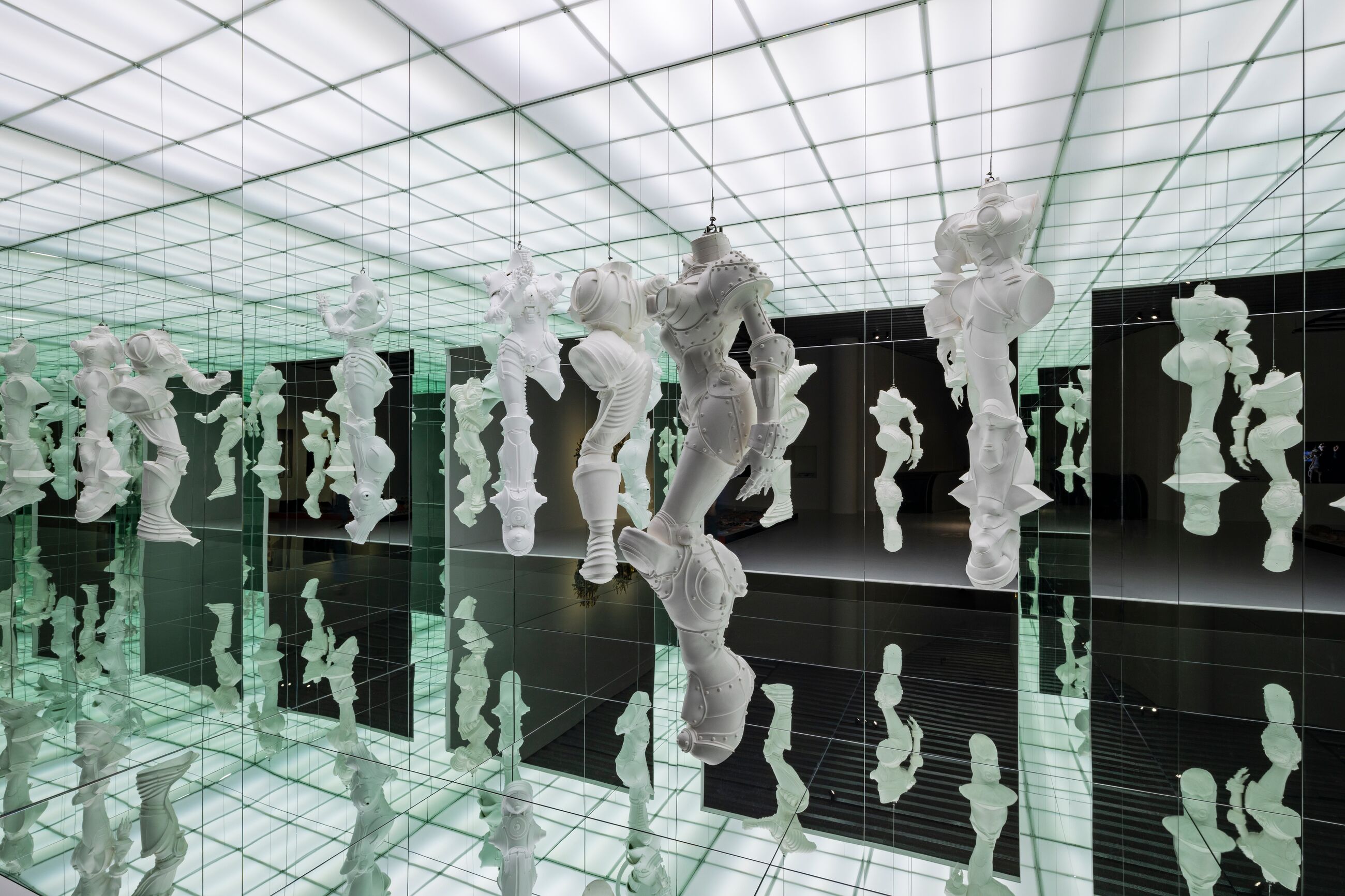
The exhibition also looks forward, asking how new technologies may alter the archive itself. Works by artists including Ho Tzu Nyen and Ho Rui An explore algorithmic and digital forms of remembering, while Josh Kline’s processed iPhones transform devices that normally contain personal archives into material objects. Across the exhibition, archives are treated not as static repositories but as structures that can be challenged, reorganised and imagined anew.
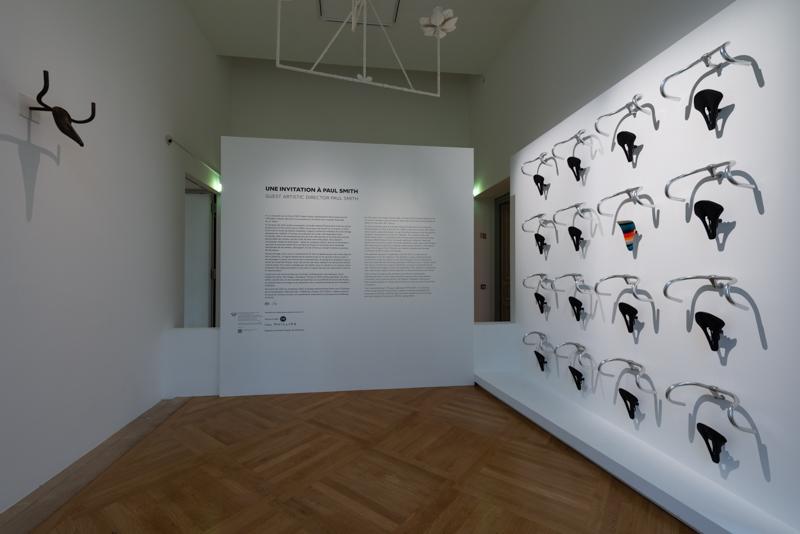
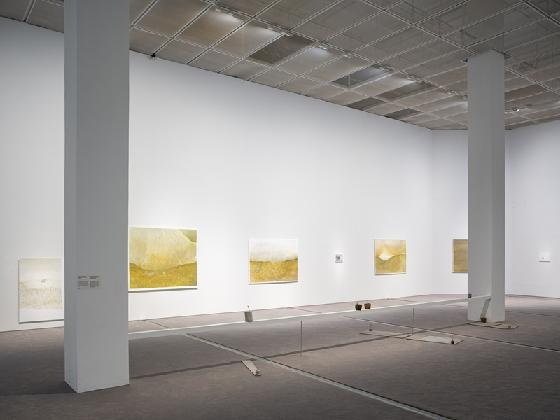
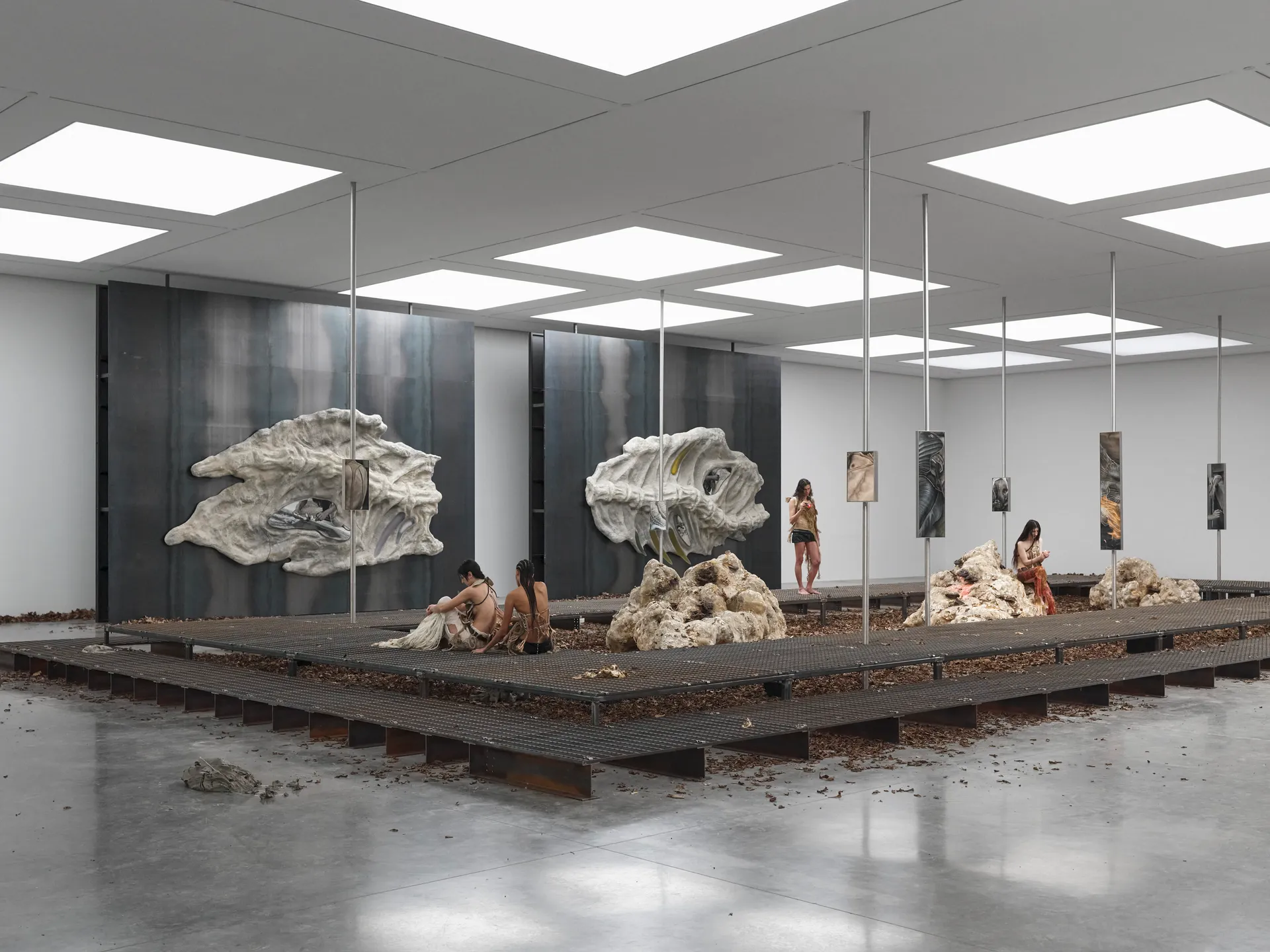
Image credit: Installation view of Art Remembers, National Gallery Singapore, 2026. Courtesy National Gallery Singapore.

.jpg)
.jpg)



.webp)