LATEST NEWS:
Cauleen Smith
Cauleen Smith’s first major presentation on the African continent surveys her films, installations and sonic practice through Black cultural histories and collective imagination.
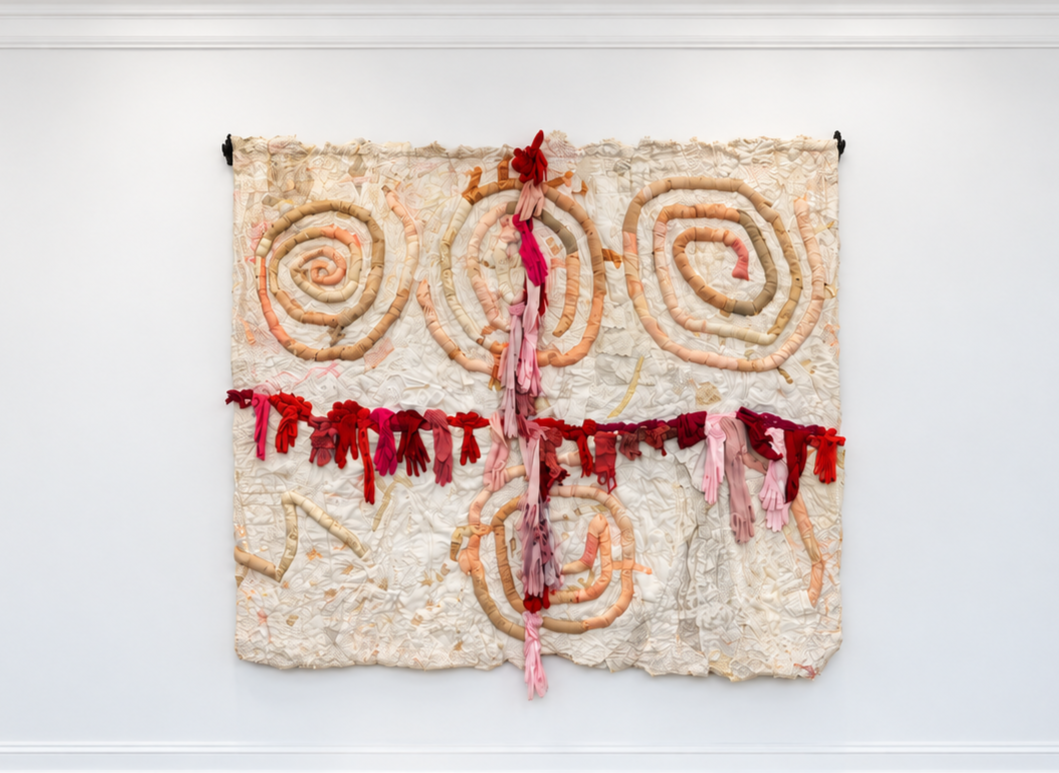
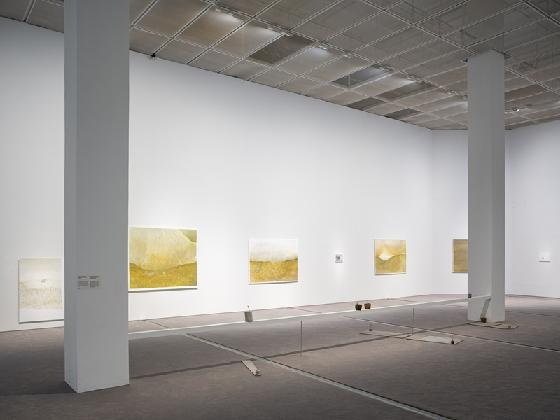
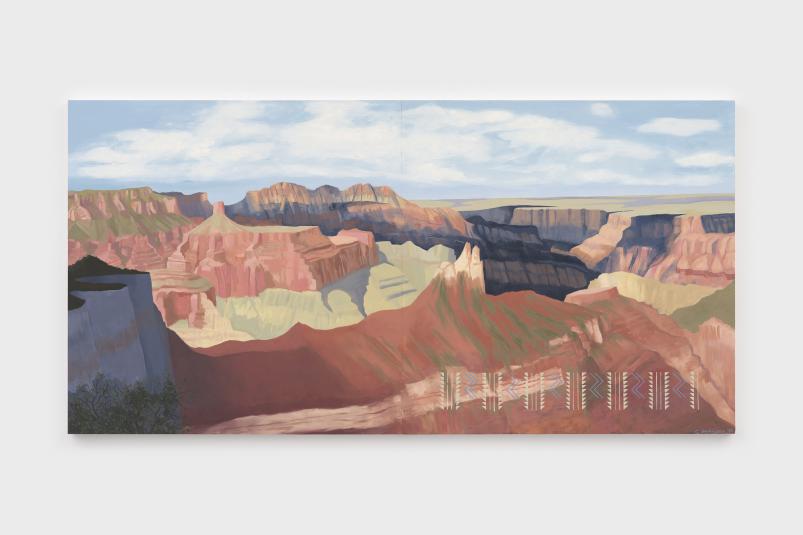
Afflict the Comfortable, Comfort the Afflicted is a survey exhibition by Los Angeles-based artist Cauleen Smith and her first major presentation on the African continent. Curated by Thato Mogotsi, the exhibition brings together experimental film, spatial installation, storytelling and sonic work to explore Black cinematic traditions, queer and Indigenous identities, collective care and the possibilities of radical imagination.
The exhibition title takes its cue from one of Smith’s text-based banners and ultimately from a phrase associated with the role of the press: to challenge systems of comfort and privilege while offering solidarity to those pushed to the margins. Smith turns that idea into a broader artistic proposition in which care itself becomes a form of resistance.
Featured films include A Woman Discusses Her Skirt (2008), Remote Viewing (2011), Pilgrim (2017) and Sojourner (2018). Moving through landscapes and communities in Los Angeles, New Orleans, Texas and Chicago, these works connect Black cultural history with speculative and utopian forms of collective life.

.jpg)
.jpg)







.webp)