
When a Watch Becomes a Cultural Artefact
From Paul Newman’s Daytona to the Cartier Tank and the Moonwatch, watches become cultural artefacts when design, provenance and history converge.
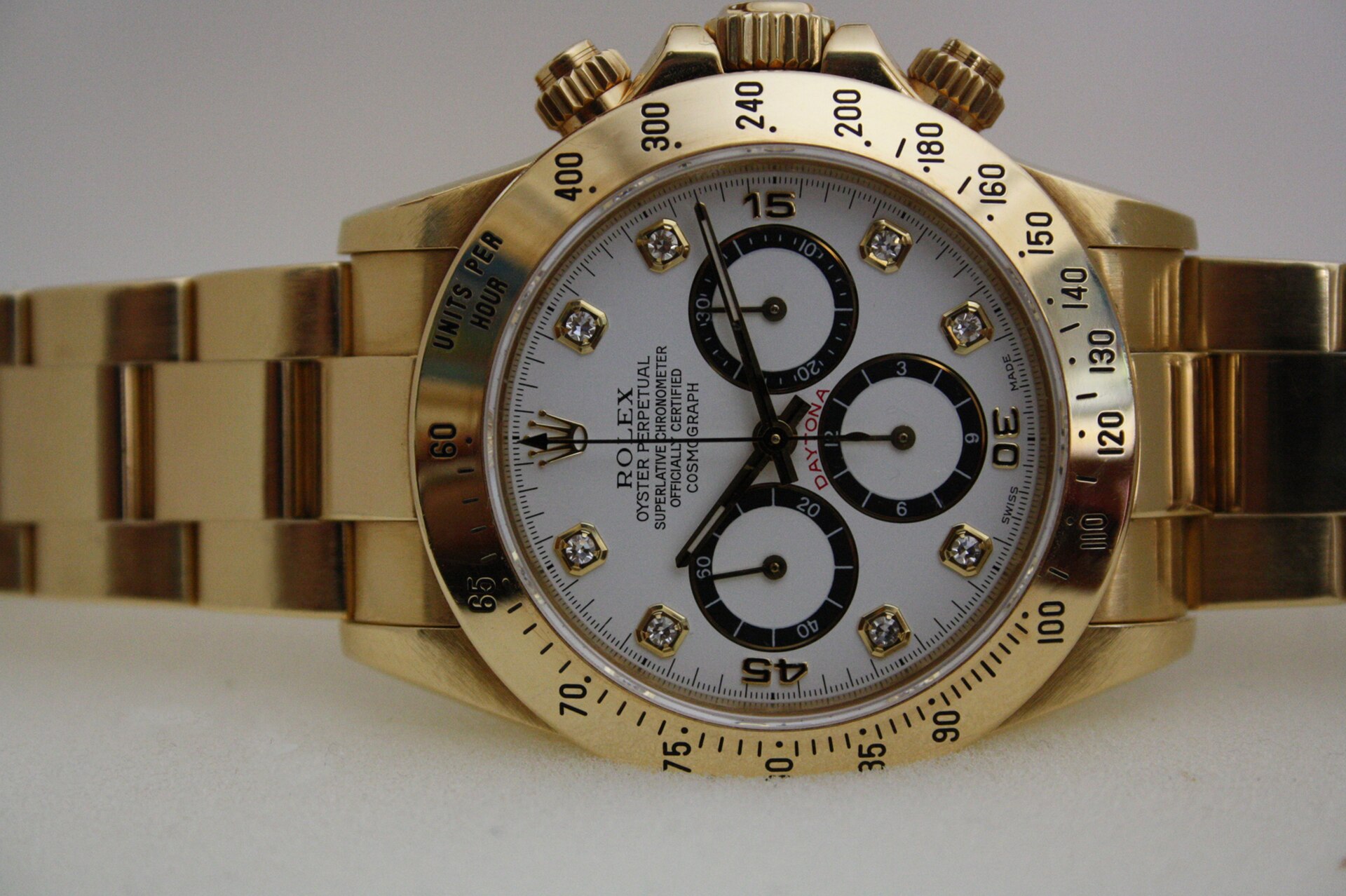
Rolex Cosmograph Daytona reference 16528 (illustrative example, not Paul Newman’s personal watch). Photo: Alesili / Wikimedia Commons, CC BY-SA 3.0.
A watch becomes a cultural artefact when telling time is no longer the most interesting thing about it. Design, ownership, technological history and public memory can accumulate around a small mechanical object until it begins to function like biography.
The collecting world offers spectacular evidence. In 2017, Phillips sold Paul Newman’s Rolex Cosmograph Daytona reference 6239 for $17,752,500. The watch was a 1968 stainless-steel chronograph with the so-called exotic dial that collectors had already come to call the “Paul Newman” configuration. Its importance was not merely that a famous actor owned a Rolex; the association between Newman and the model helped shape the language of the collecting category itself.
Provenance that changes the name of an object
The Phillips catalogue documented the watch’s provenance through Newman’s daughter Nell and described the engraved caseback bearing the message “Drive Carefully Me.” Details like this matter because they shift an object away from generic celebrity ownership and toward personal history.
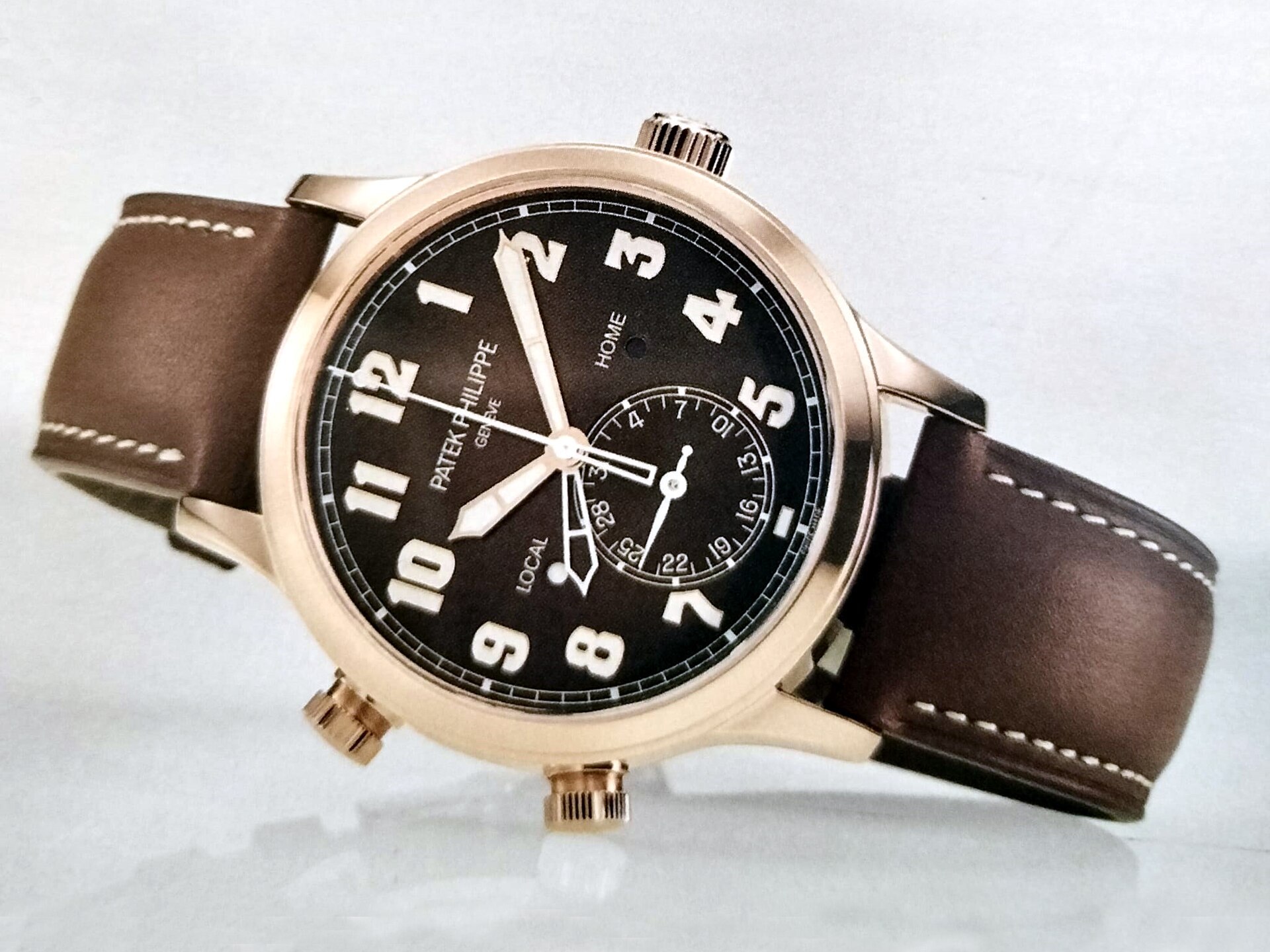
In the strongest provenance, ownership can be read in the object: an inscription, a repair, a photograph, an archive or a repeated pattern of use. The object has evidence, not just an anecdote.
The Cartier Tank: design becomes identity
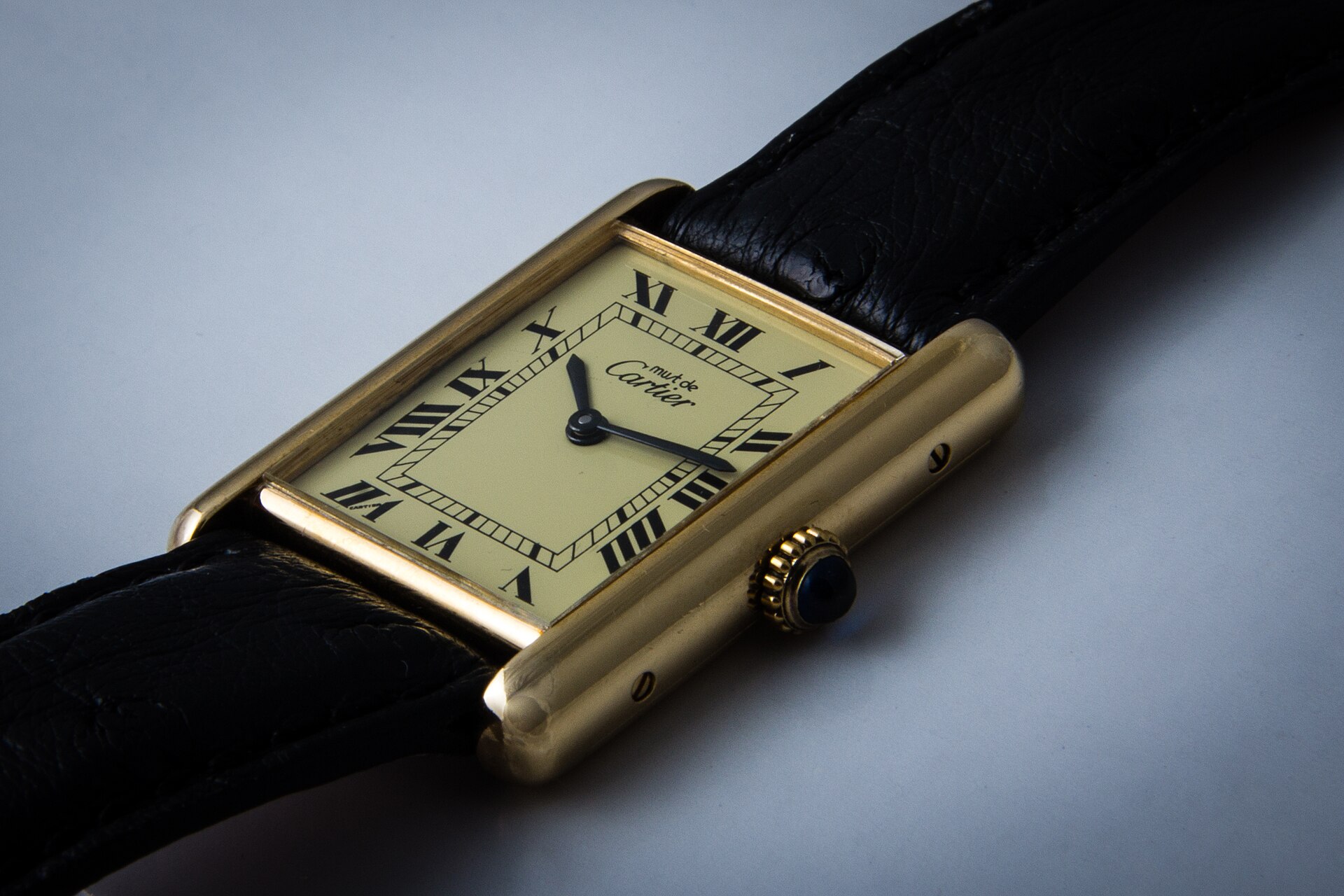
Cartier’s Tank provides a different route to cultural significance. Created in 1917, its geometry was inspired by the form of a military tank viewed from above: brancards suggesting tracks and a case occupying the centre. Cartier notes that the design immediately resonated with the artistic and cultural avant-garde.

The enduring power of the Tank is therefore not primarily mechanical complication. It is clarity of design. Like an important chair, lamp or automobile, the watch can be recognised through proportion and silhouette. Iterations alter scale, movement and detail without dissolving the underlying idea.
The Speedmaster and the authority of use
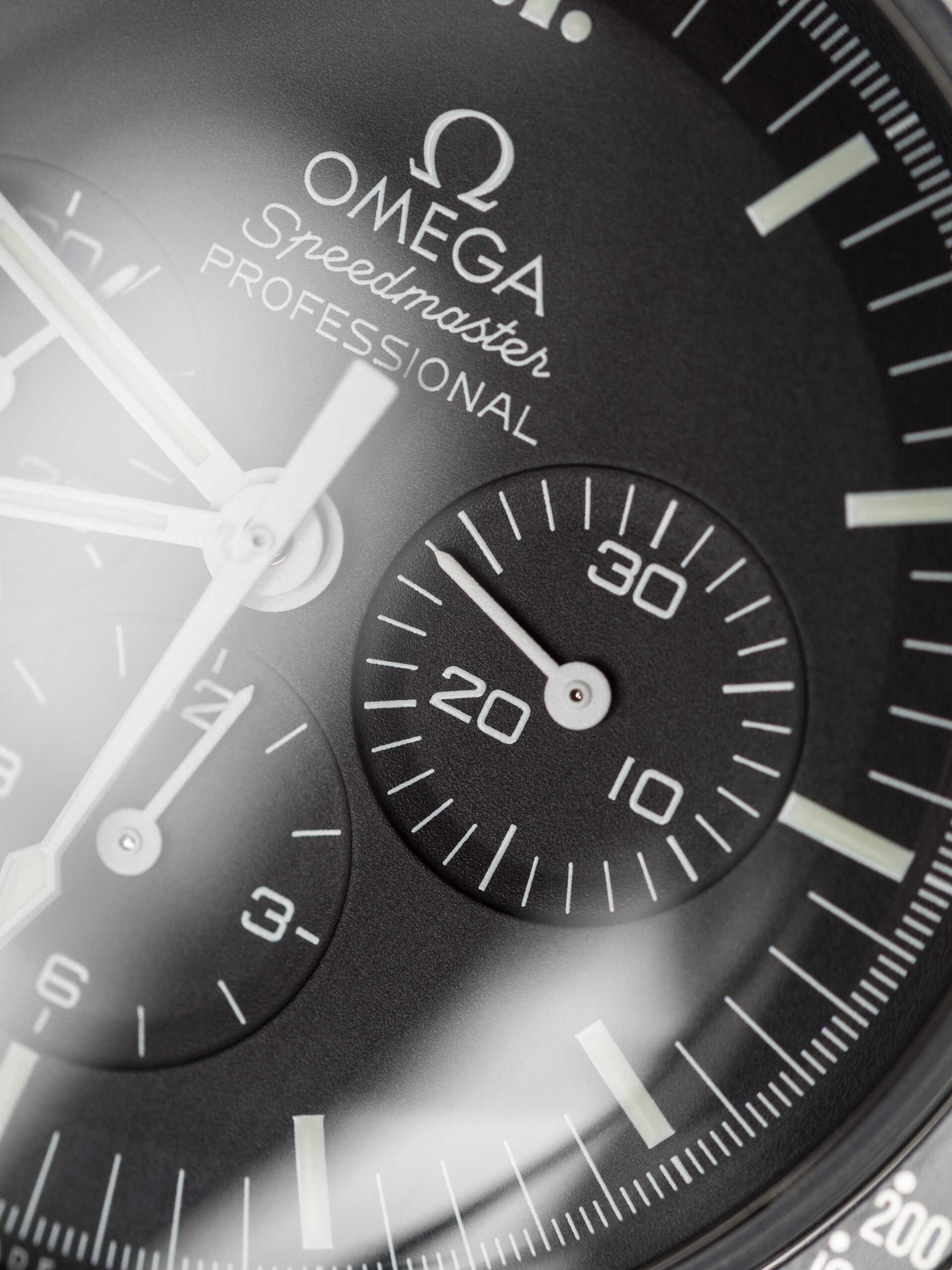
OMEGA’s Speedmaster offers another model of significance: institutional use. The watch was declared by NASA in 1965 to be flight-qualified for all manned space missions, and OMEGA’s documented space history connects the Speedmaster to the Apollo programme and every crewed Moon landing. NASA imagery even shows Neil Armstrong wearing a Speedmaster during geological training before Apollo 11.
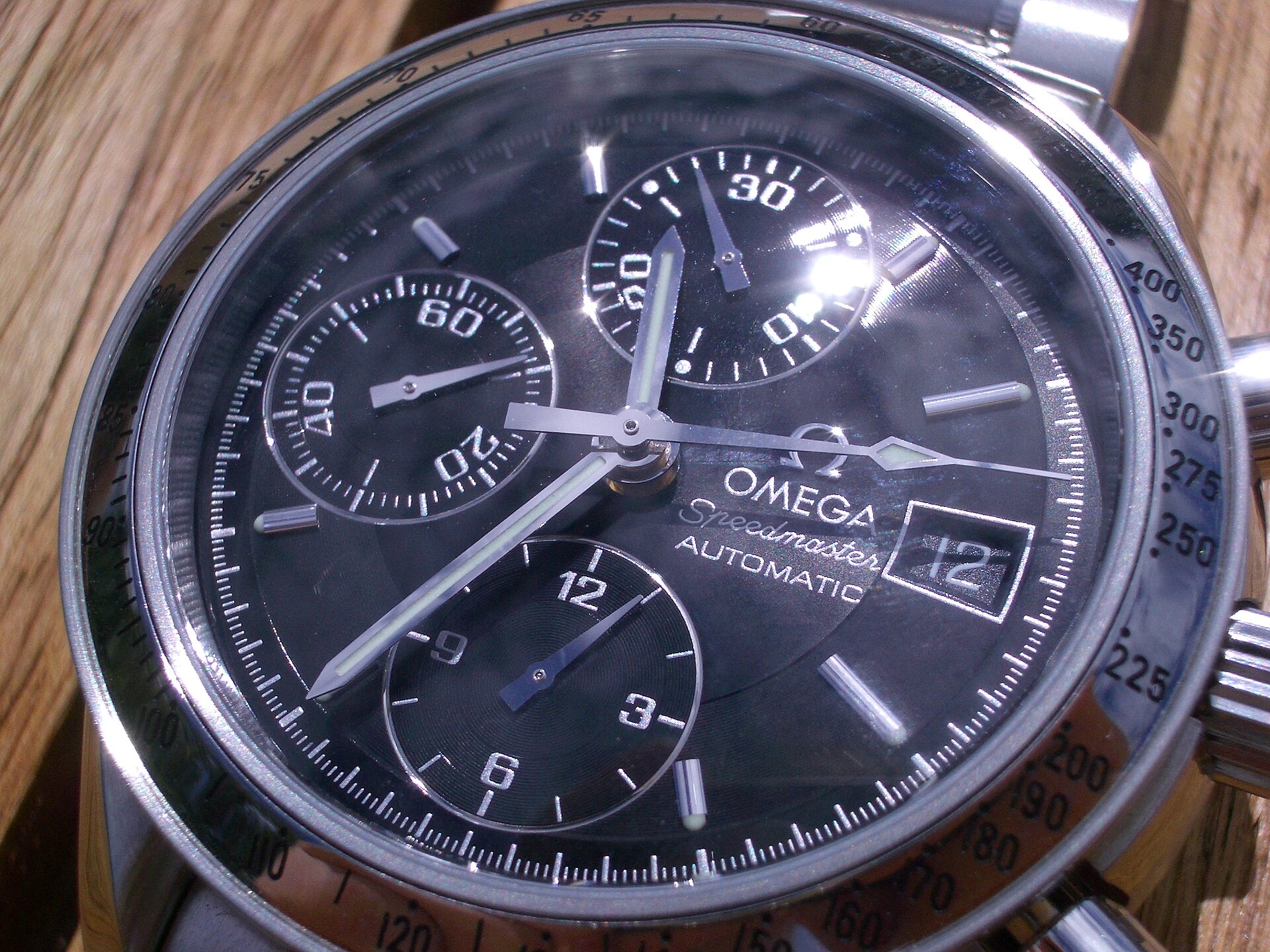
That history creates a category in which specifications and mission provenance interact. A standard vintage Speedmaster may be important as design and engineering; an astronaut-used example with documented mission history becomes something closer to a scientific or exploration artefact.
Why condition is not always perfection
Watch collecting has traditionally placed enormous emphasis on originality: unpolished cases, period-correct dials, hands, bezels and movements. Yet historically significant examples can complicate the idea of ideal condition. Scratches, replaced components or inscriptions may be evidence of use rather than defects to erase.
The challenge is interpretation. Restoration that makes an object look “better” can sometimes remove the very material evidence that gives it historical character. The most sophisticated collecting therefore distinguishes damage from history and conservation from cosmetic improvement.
The archive around the watch
Boxes and papers matter, but the richest archives go further: photographs of the wearer, service records, letters, receipts, presentation inscriptions and documented appearances. These can transform a watch from an attractive object into a tightly evidenced biography.

This is especially important when provenance drives a large part of value. A compelling story should become stronger as it is investigated, not weaker.
Mechanical object, cultural object
Watches are unusually fertile collecting territory because they sit at the intersection of design, engineering, luxury, sport, military history, exploration and personal ritual. A watch is worn against the body, often for decades. It records ownership differently from a painting on a wall.
The finest examples demonstrate why COLLECTED is interested in objects beyond conventional art categories. A great watch can carry the line of a designer, the decisions of an engineer, the biography of an owner and the memory of an event in an object small enough to fit in a hand.