
Jimi Hendrix: The Instruments That Made History
How a guitar becomes cultural history: Jimi Hendrix’s surviving instruments reveal the power of performance, provenance, design and collective memory.

Photo: Eden, Janine and Jim / Wikimedia Commons, CC BY 2.0. Guitar courtesy MoPOP, Seattle.
Some musical instruments survive because they are beautifully made. Others survive because, for a few minutes on a stage or in a studio, they became inseparable from a cultural event. Jimi Hendrix’s guitars belong to the second category. They are not simply vintage Fenders and Gibsons with distinguished ownership histories; they are physical witnesses to a radical reimagining of what an electric guitar could sound like, look like and mean.
The Metropolitan Museum of Art made that argument explicit in Play It Loud: Instruments of Rock & Roll, its 2019 exhibition devoted to the objects behind rock music. The exhibition treated celebrated instruments as both tools and works of material culture, and singled out the white Stratocaster Hendrix played at Woodstock as one of the instruments that left an indelible mark on popular culture. That framing is useful for collectors: significance does not reside in make, model or scarcity alone. It accumulates through use, authorship, performance, documentation and public memory.
The white Stratocaster and an image fixed in history
Hendrix’s white Fender Stratocaster is inseparable from Woodstock. On 18 August 1969, he closed the festival with a set that included his extraordinary interpretation of “The Star-Spangled Banner.” The guitar’s pale body, reversed orientation and maple neck have become part of the visual shorthand of the performance.
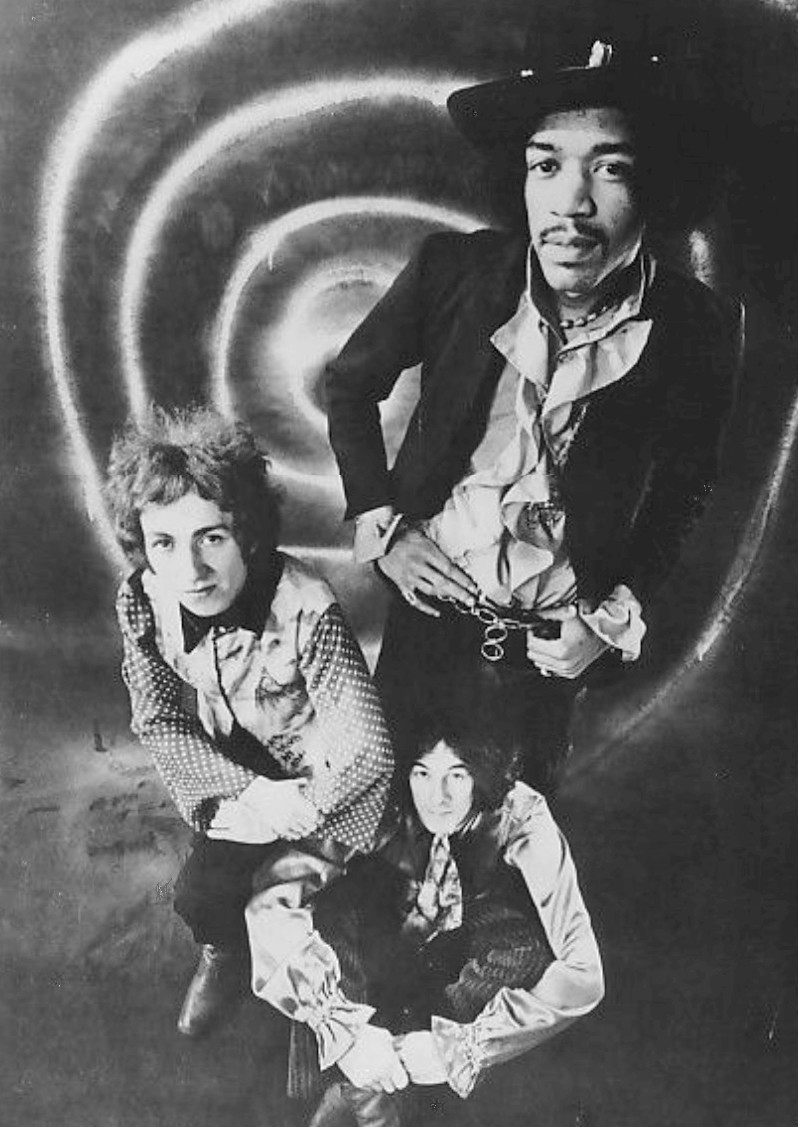
That association changes the object. A standard late-1960s Stratocaster can be assessed through condition, originality and production details. Hendrix’s Woodstock guitar requires another vocabulary: documented use, continuity of ownership, visual recognition and connection to an event that has entered collective history. It is closer in function to an archive than to an ordinary musical instrument.
Destruction as performance, fragments as relics
Hendrix also helped turn the destruction of an instrument into an artistic gesture. At the Monterey International Pop Festival on 18 June 1967, he set a Stratocaster alight at the end of his performance. The act was theatre, provocation and image-making at once. It belongs to a broader history of Hendrix using instrument destruction as performance: the Museum of Pop Culture preserves fragments from a different Stratocaster smashed at London’s Saville Theatre on 4 June 1967.
The Met placed Hendrix’s act within a longer history of instrument destruction in rock: broken amplifiers, smashed guitars and damaged equipment were not only spectacle but part of the genre’s anti-establishment language. The fascinating collector question is what happens afterwards. Once a destroyed guitar is accessioned by a museum, the remains no longer represent failed utility. The damage is the evidence.
Beyond the Stratocaster
Hendrix is so closely identified with the Stratocaster that it is easy to flatten his material history into a single model. Yet his surviving instruments also include Gibsons and decorated guitars, each revealing different aspects of his practice. The Met’s Play It Loud included “Love Drops,” a guitar painted by Hendrix himself, making the instrument simultaneously equipment, personal object and image-bearing surface.

This is where the idea of an “iconic object” becomes more useful than a simple celebrity collectible. The strongest examples reveal creative decisions. Modifications, wear, decoration and stage use can show how an artist thought. They are evidence of process. An instrument that can be connected to a particular recording or performance gives the collector something unusually powerful: a material route back into an otherwise ephemeral art form.

Provenance is the story — and the discipline
Because the emotional charge around music memorabilia is so strong, provenance is not a decorative extra. It is the foundation of the object’s meaning and value. Photographs, serial numbers, repairs, tour inventories, correspondence, testimony from band or crew members, auction history and museum records can all contribute. The more celebrated the claim, the more rigorous the documentary chain needs to be.
That principle is visible in the way major institutions present Hendrix material. MoPOP describes a permanent collection of more than 85,000 pop-culture objects and highlights Hendrix material within its online collection vault. The museum’s fragments from the Saville Theatre in London, where Hendrix smashed a painted Stratocaster on 4 June 1967, demonstrate how even partial objects can carry exceptional documentary weight when the event and custody are established.

The surrounding archive matters
Iconic instruments rarely exist in isolation. Tickets, posters, photographs, set lists and recordings can establish context and, in a collection, turn a single star object into a richer historical narrative. Ephemera that once seemed disposable can become the connective tissue between an instrument and the moment in which it was used.
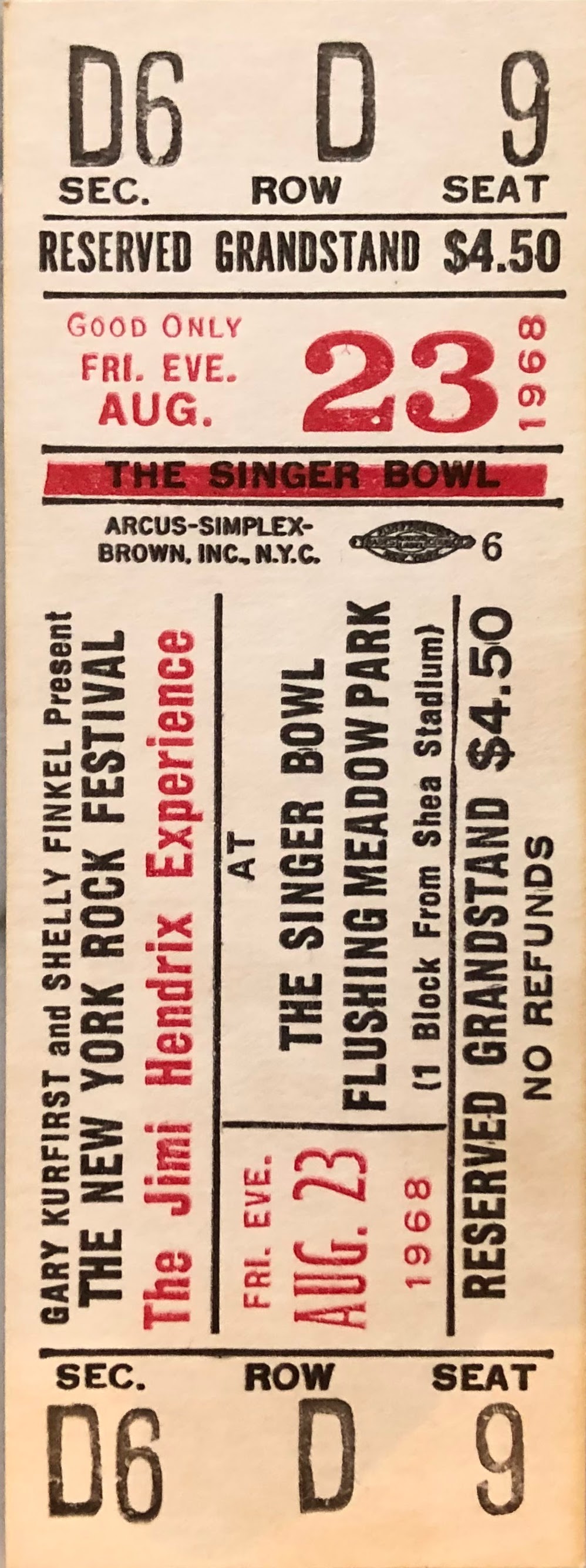
For COLLECTED, this is the point of beginning with Hendrix. A guitar may be a designed object, a technological object, a performer’s tool, a commodity and a cultural artefact at the same time. The best examples move between all those categories. They show why a serious collecting culture can no longer be divided neatly into “fine art” on one side and everything else on the other.
Why it belongs in a collection
The most compelling Hendrix instruments are important not because someone famous touched them, but because they participate in the history of how music changed. Their surfaces carry use; their provenance connects them to performances; their images circulate internationally; museums study and display them. They are objects through which sound, design and social history can be read.
That is the standard COLLECTED will apply across guitars, manuscripts, watches, cars, scientific objects and natural history: not simply what is rare, but what is meaningful — and what can be responsibly proven.