
The Codex Gigas: An Extraordinary Survivor of History
The Codex Gigas is more than the so-called Devil’s Bible: a monumental medieval library whose scale, contents and provenance reveal eight centuries of cultural history.
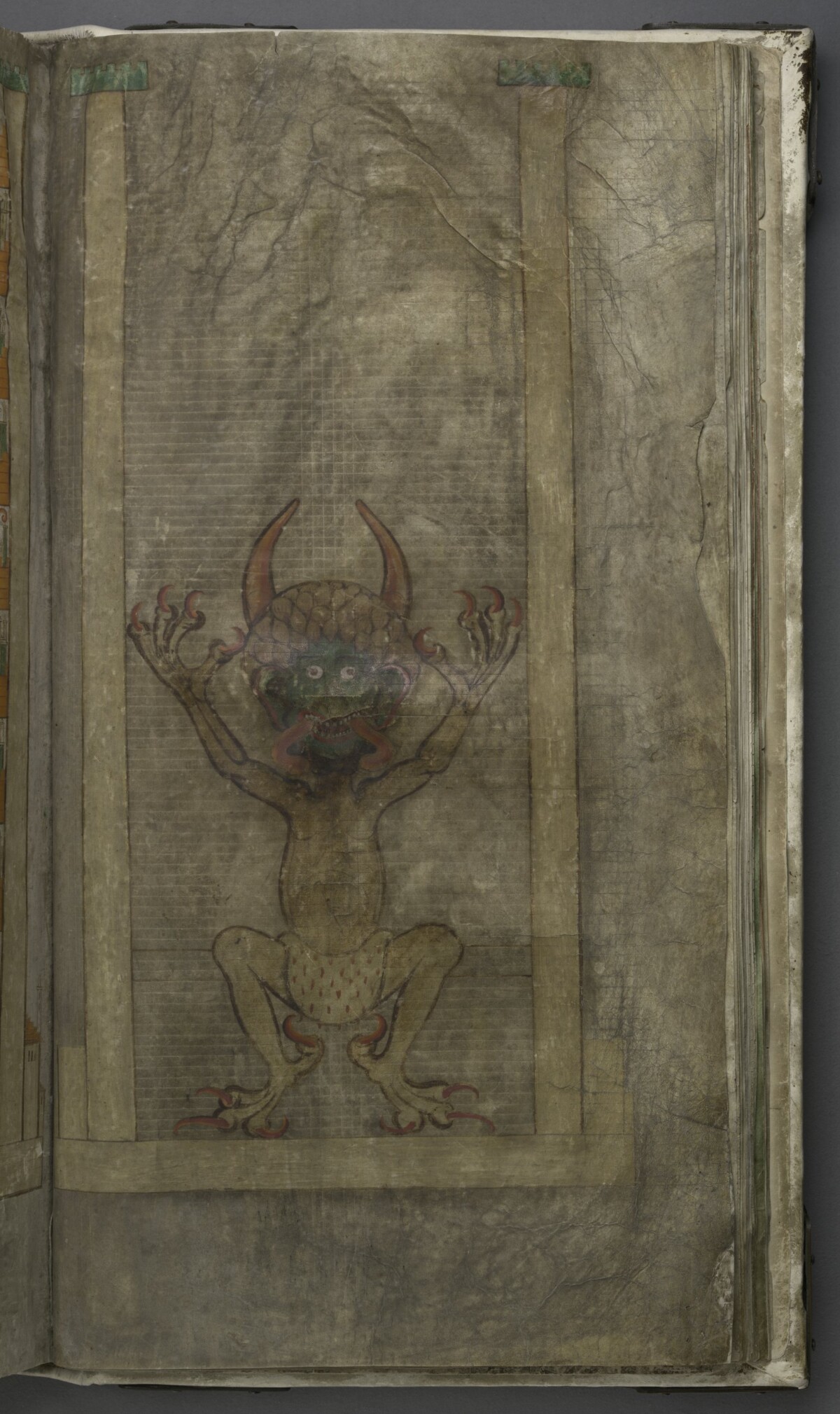
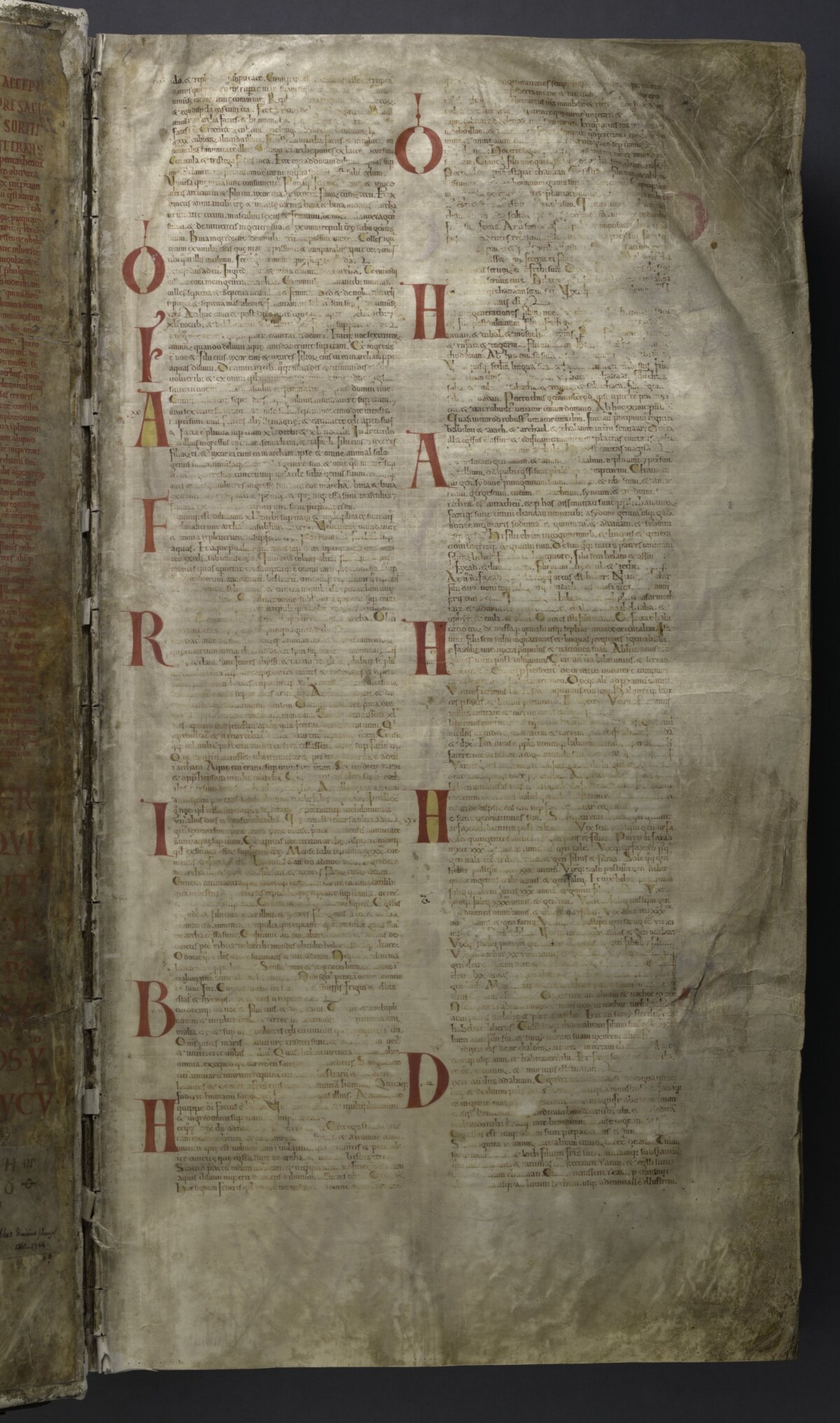
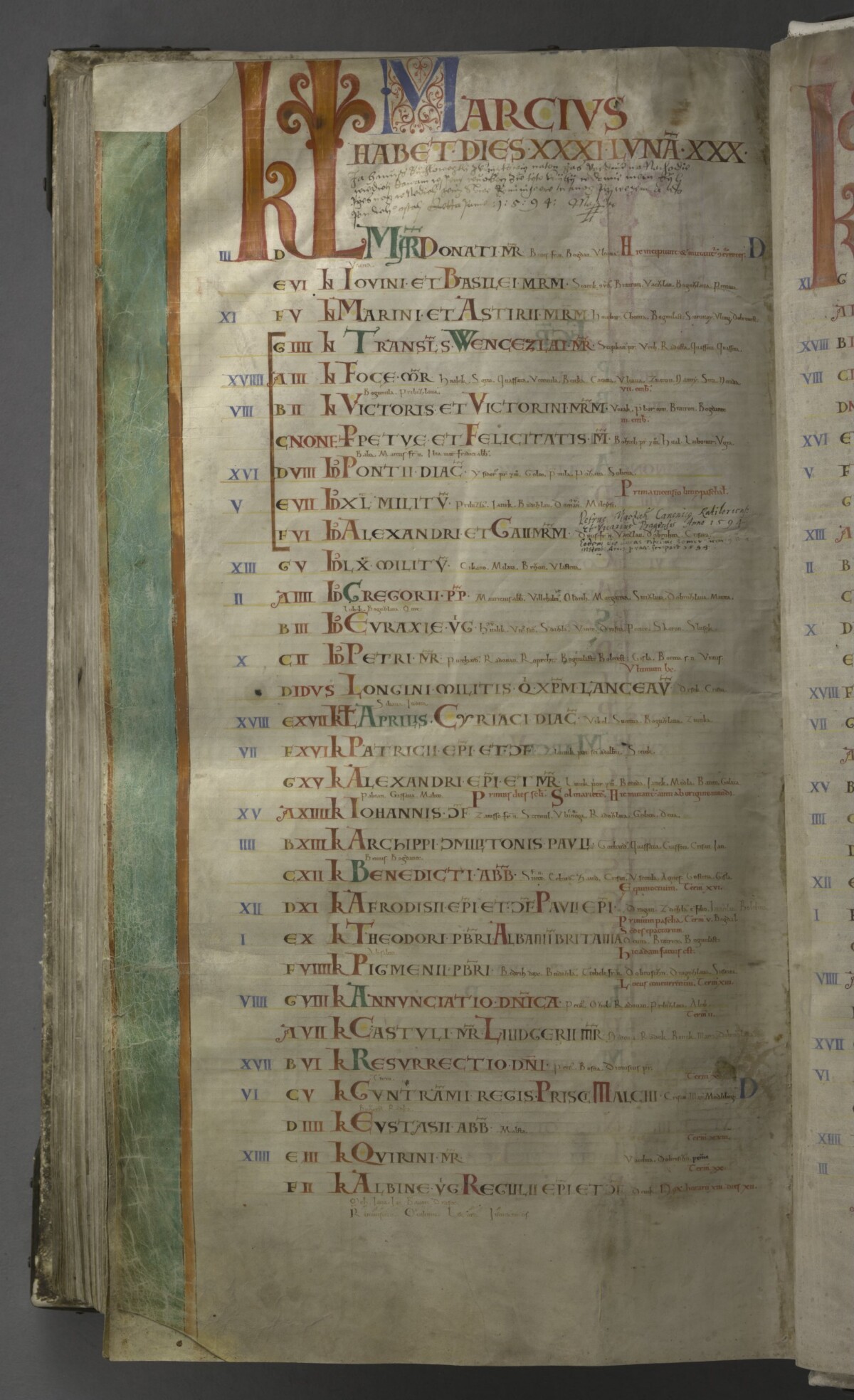
National Library of Sweden, A 148, f. 290r. Photograph: Per B. Adolphson, CC BY 4.0. Thumbnail: outer cover, same photographer and licence.
The Codex Gigas is the kind of object that seems to invite exaggeration. It is enormous, visually theatrical and surrounded by legends. Yet the verified facts are more interesting than the mythology.
The National Library of Sweden dates the manuscript to Bohemia between 1204 and 1230. Made on parchment, it comprises 309 leaves plus an additional leaf and measures approximately 890 by 490 millimetres. Written in Latin, it gathers an extraordinary range of texts into one monumental volume. Its scale gives the manuscript its name: Codex Gigas, the Giant Book.
A library compressed into one object
The codex includes the Old and New Testaments alongside works by Josephus, Isidore of Seville’s Etymologies, medical texts, Cosmas of Prague’s Chronica Boemorum and a calendar. It is therefore misleading to think of it only as a Bible. It is closer to a portable medieval library — portable only in the conceptual sense, given its size.
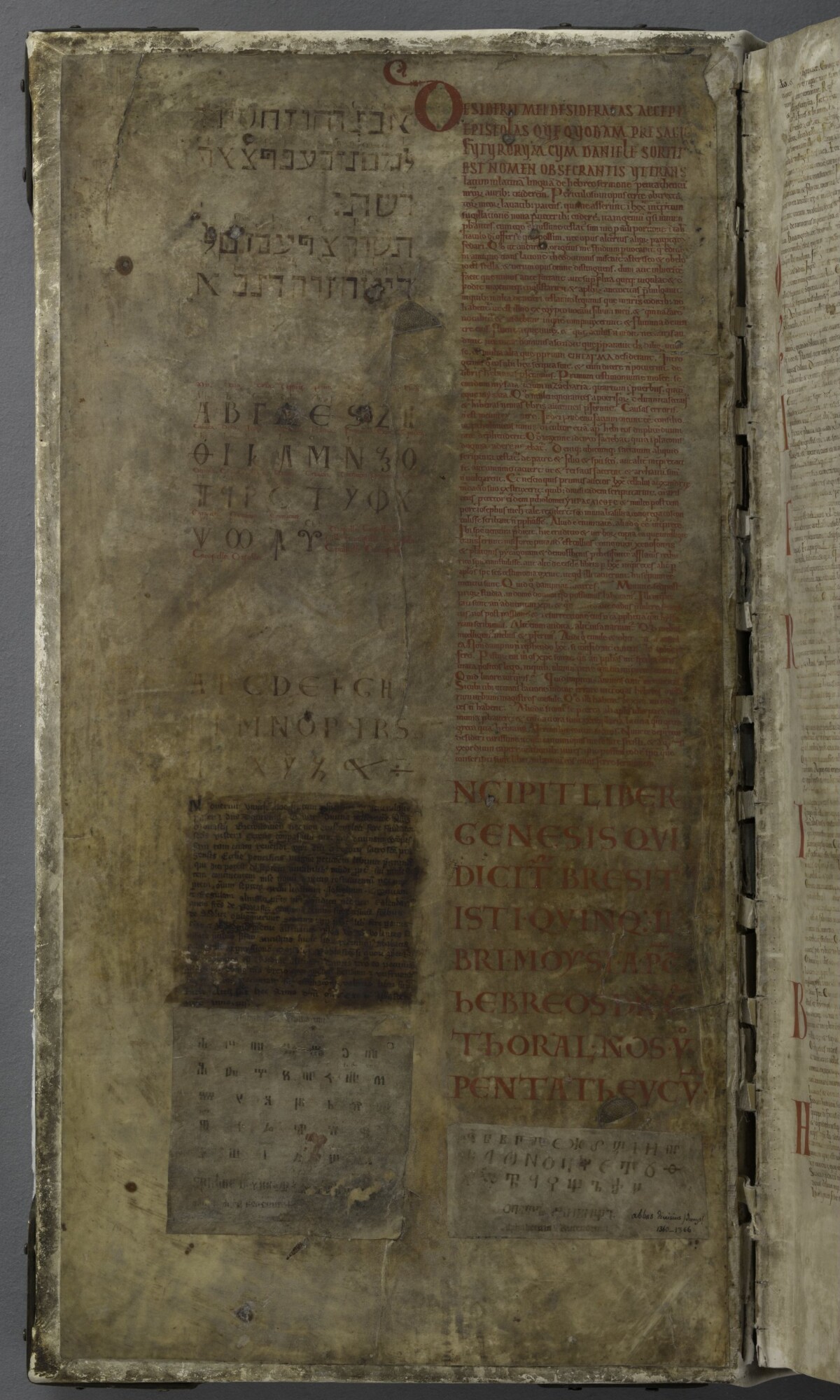
That encyclopaedic ambition is central to the object’s significance. The manuscript reflects a desire to gather religious, historical, medical and chronological knowledge into a single ordered physical structure.
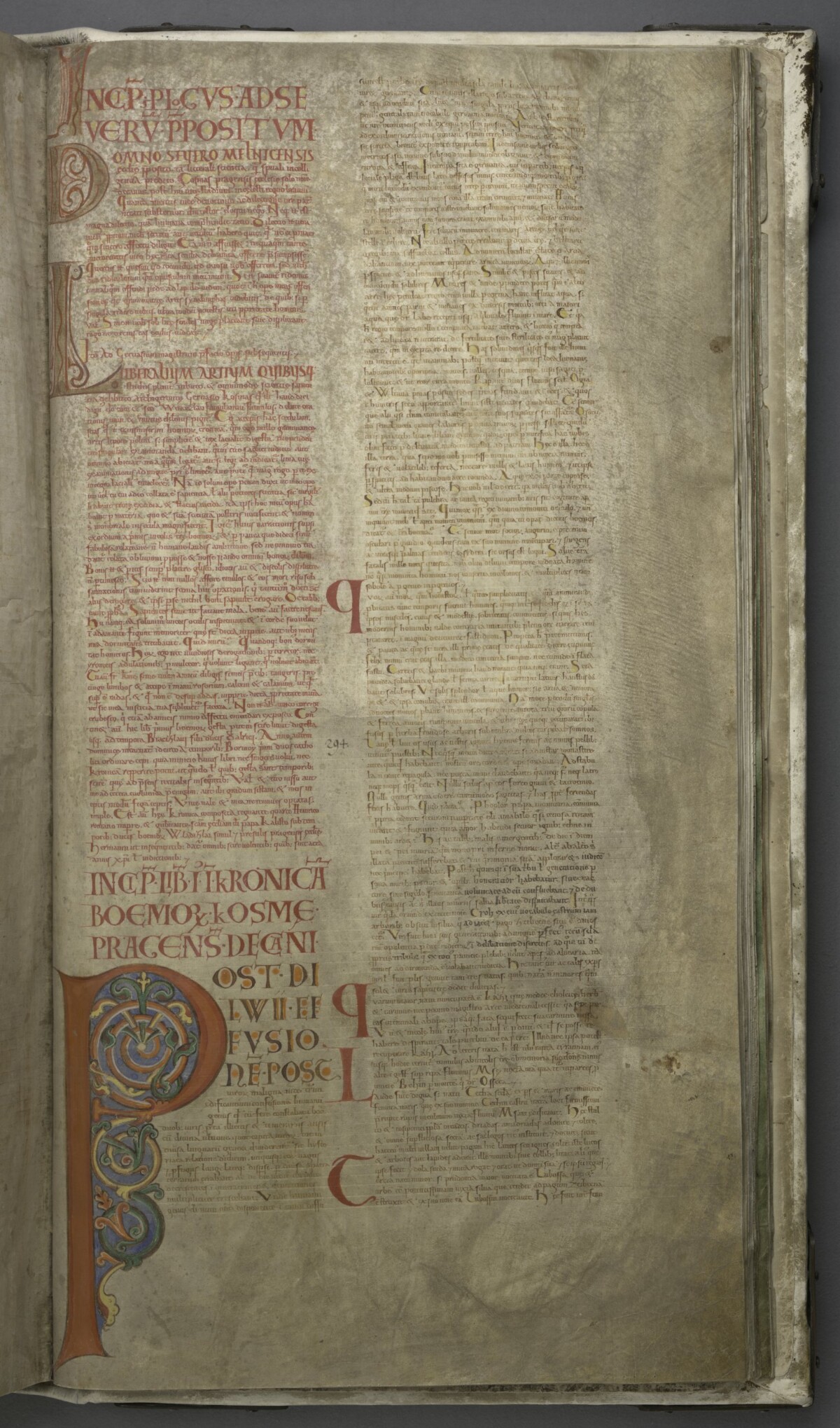
The devil that eclipsed the book
Its modern nickname, the “Devil’s Bible,” comes from the extraordinary full-page depiction of the devil, presented opposite an image of the Heavenly City. The Library of Congress identifies the devil image on page 577 of its digitised sequence. The illumination is unforgettable, but its fame has often encouraged sensational stories about the manuscript’s creation.
The famous legend claims that a monk produced the codex in a single night with supernatural assistance. There is no historical evidence for that story. For collectors, the distinction is essential: folklore can be part of an object’s reception history without being confused with provenance or fact.

Material scale as meaning
The physical encounter with Codex Gigas is inseparable from its intellectual content. At nearly ninety centimetres tall, the manuscript overwhelms the normal bodily relationship between reader and book. The reader does not simply hold it; the book occupies space like furniture or sculpture.
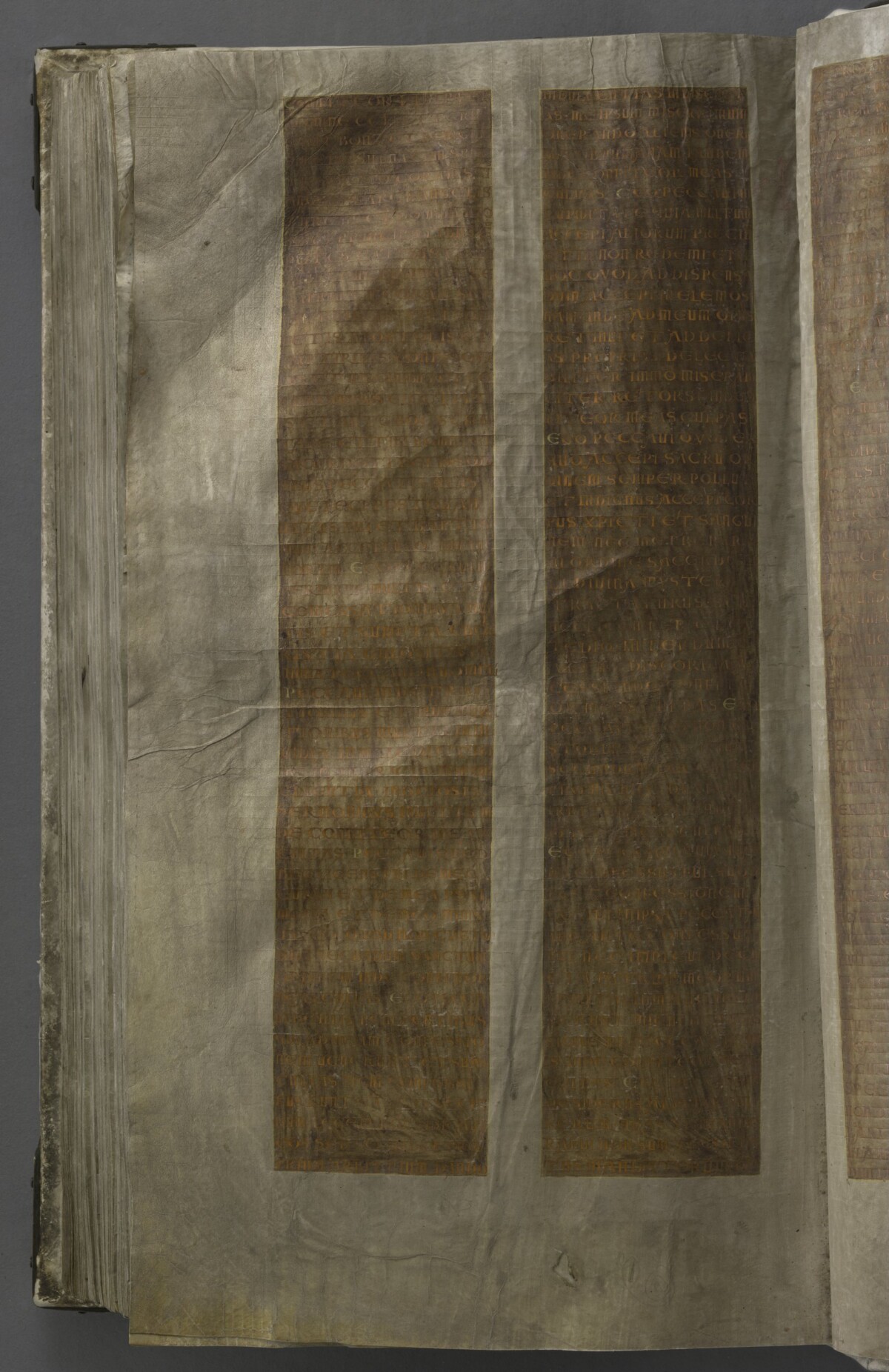
This is one reason manuscripts can exceed the category of “books.” Binding, parchment, calligraphy, illumination, corrections and wear turn the object into an accumulation of labour. Even in digital reproduction, the spacing and density of the pages reveal a disciplined system of production.
A provenance shaped by European power
The Codex Gigas eventually entered the collection of Emperor Rudolf II in Prague at the end of the sixteenth century. In 1648, during the Swedish siege of Prague at the end of the Thirty Years’ War, it was taken as war booty and transferred to Stockholm. That history is now inseparable from the manuscript.
Provenance here is not merely a chain of owners. It is evidence of political power, collecting ambition and conflict. The object moved because rulers valued libraries as instruments of prestige and because cultural property could be absorbed into the spoils of war.
Digitisation changes access, not the object
Today the Codex Gigas can be explored page by page online. The Library of Congress provides a 629-image sequence, while the National Library of Sweden documents the manuscript in its catalogue. Digital access radically expands scholarship, but it also clarifies what remains unique about the original: its parchment, scale, binding, pigments and physical continuity through eight centuries.
A high-resolution scan can reproduce information; it cannot reproduce material history. That distinction is one of the reasons major manuscripts retain such powerful cultural status in an age of universal digital access.
What a collector should learn from Codex Gigas
Very few private collectors will ever own anything remotely comparable, and that is not the point. The Codex Gigas establishes a useful hierarchy of significance. Rarity matters, but so do integrity, historical context, authorship or workshop, provenance, cultural reception and responsible stewardship.
It is also a reminder that the greatest collected objects often outlive the categories used to describe them. Codex Gigas is manuscript, image, archive, legend and witness to political history at once. It has remained meaningful because each generation has found a different reason to look.