
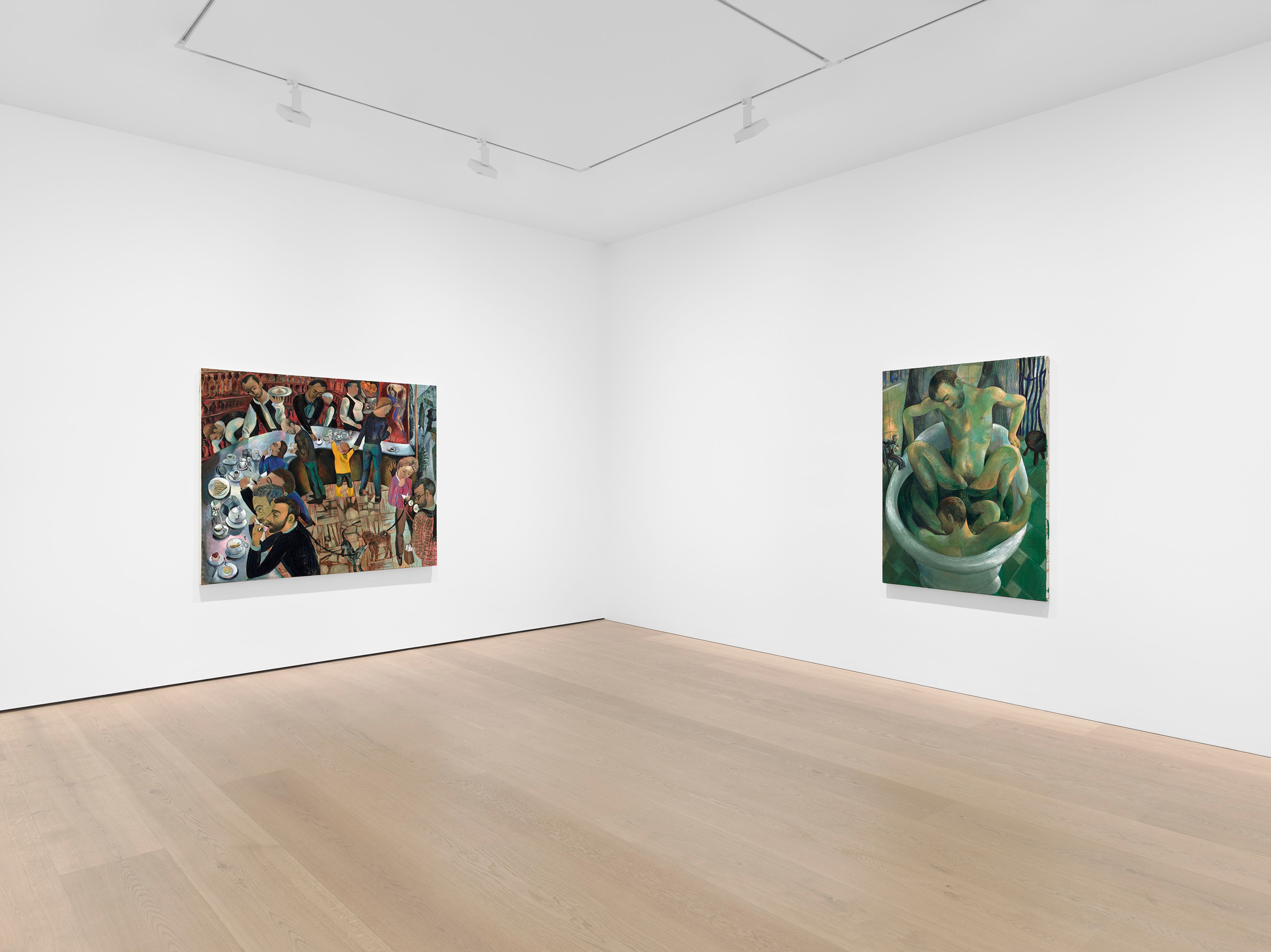
In his first London solo exhibition and first show with David Zwirner since joining the gallery, Louis Fratino broadens his intimate figurative language into city life, landscape and a more expansive dialogue with art history.
ARTICLES
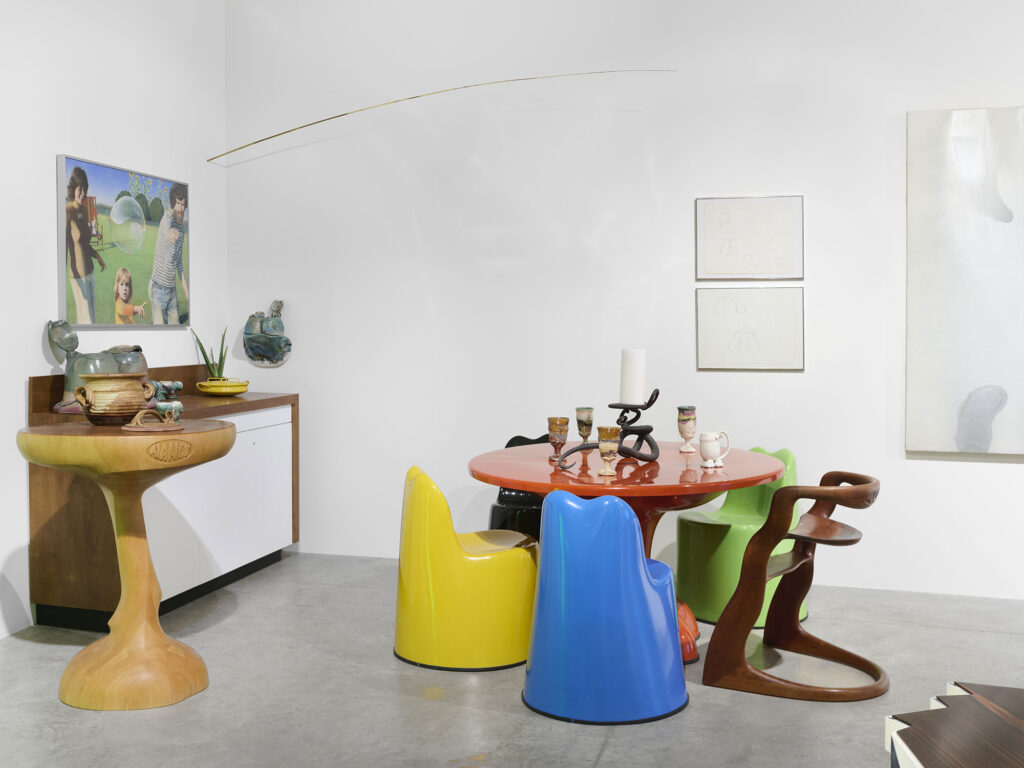
Friedman Benda reconstructs the creative domestic world of Wendell Castle and Nancy Jurs from a 1973 House Beautiful feature, returning museum-level furniture and ceramics to the context for which they were made: everyday life.
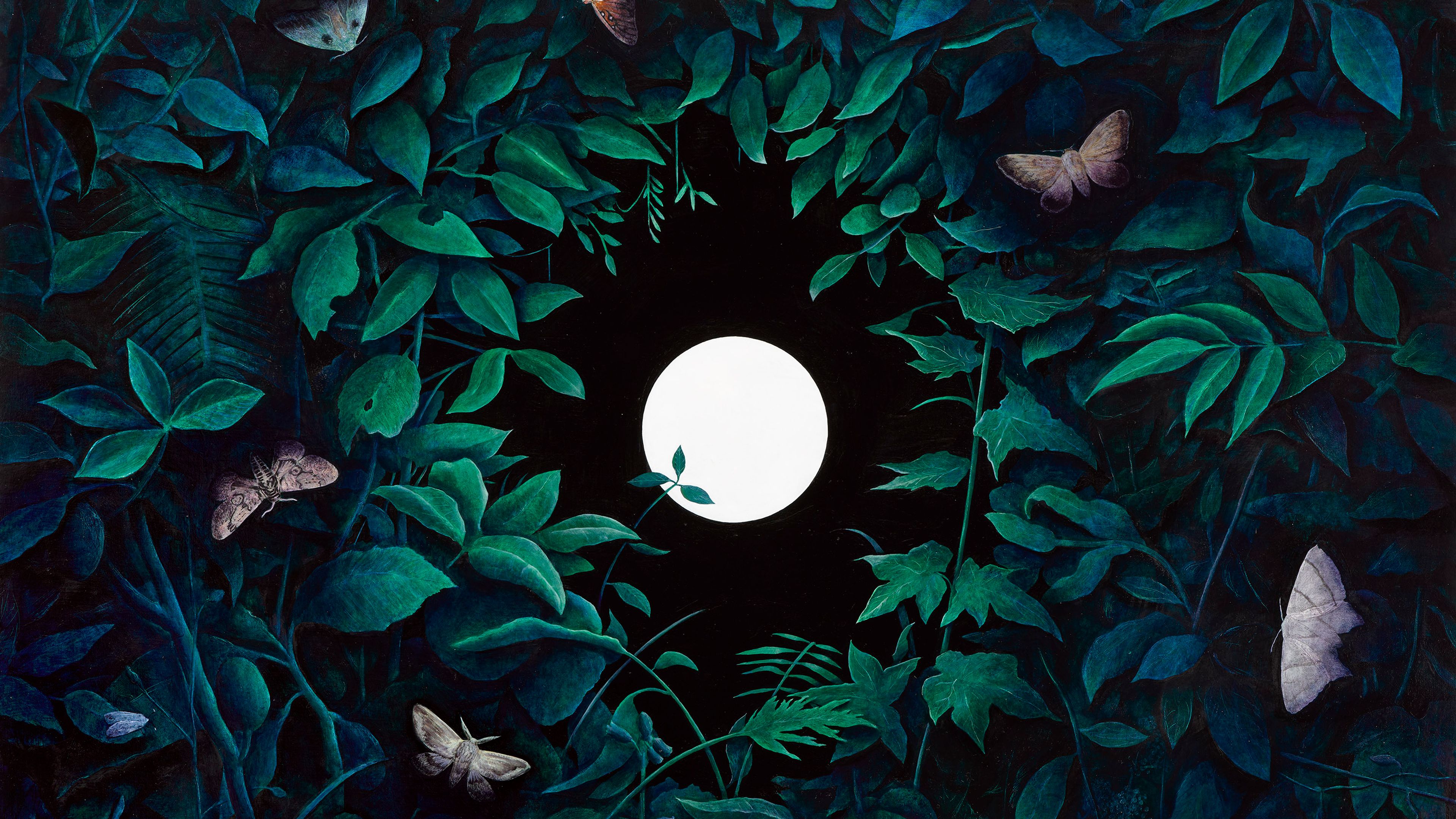
For his first UK solo presentation and first exhibition with David Zwirner, Daichi Takagi turns stones, moonlight, leaves and ancient trees into paintings poised between exact observation and the surreal.
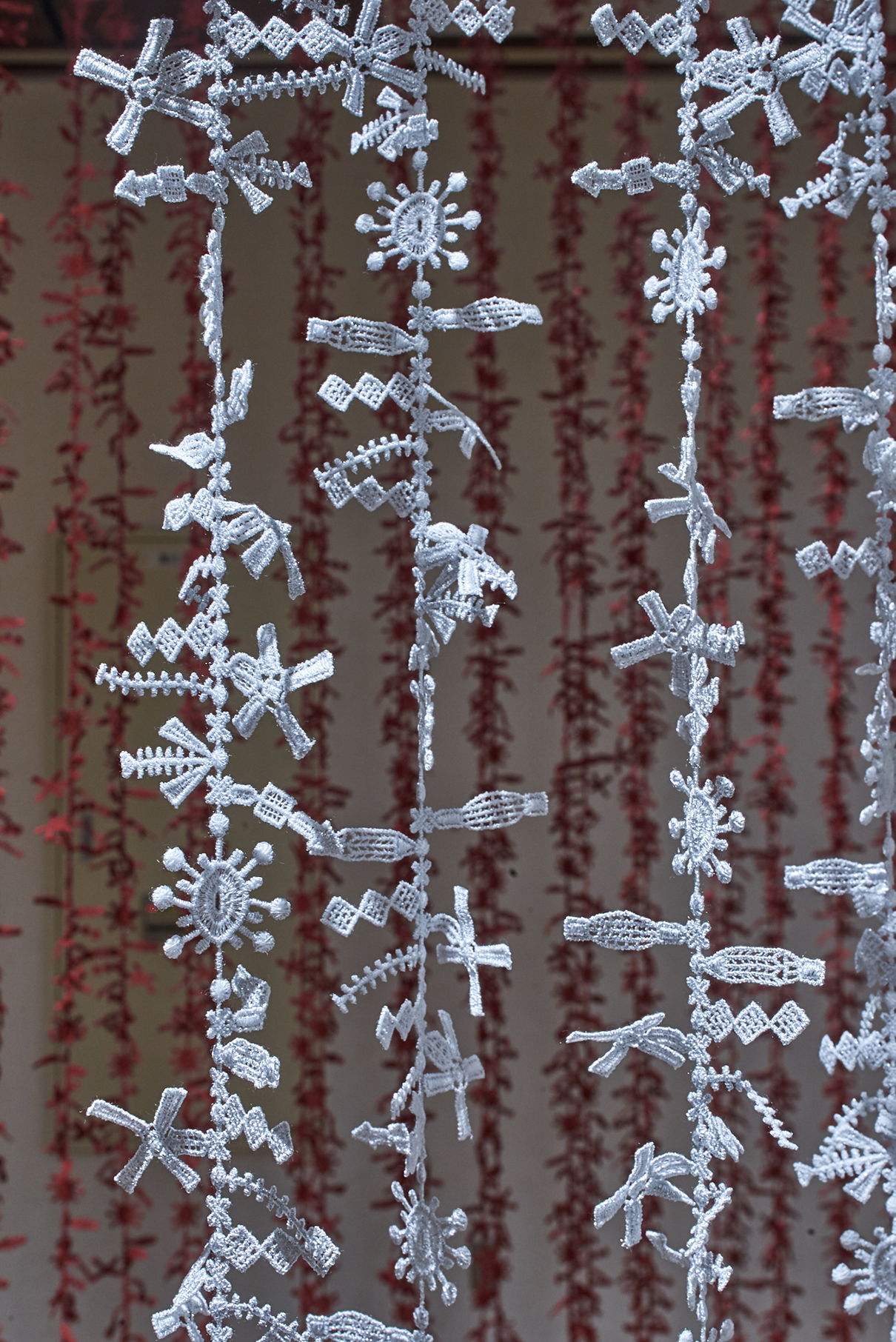
LACMA’s largest survey of Reiko Sudō and NUNO asks a collector’s question hiding in plain sight: when does fabric become an authored, editioned and historically important object of design?
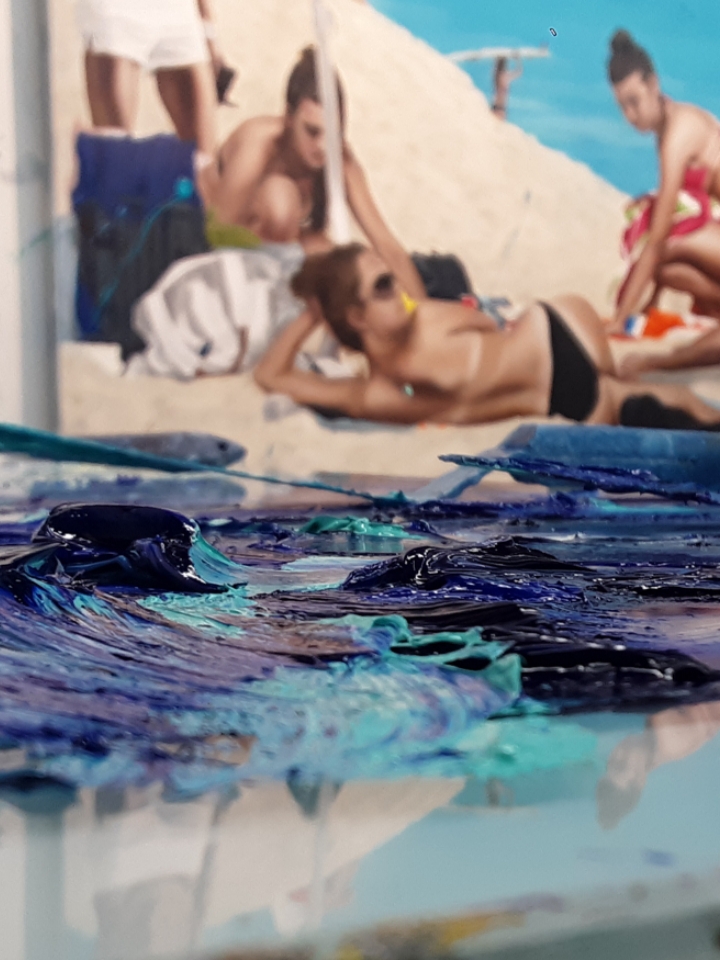
Three years after ARTCOLLECTORNEWS first spoke with Maxwell Stevens about Last Days of Summer, the New York painter has returned to the beach. But in Surfside, the setting has become less a backdrop than a social and psychological stage. The new paintings bring swimmers, surfers, couples, families and groups of friends into close proximity along the North Atlantic coast of Long Island. Stevens renders these figures with an almost portrait-like concentration before disrupting them with broad smears, calligraphic strokes, impasto and flashes of cobalt, turquoise and aqua.
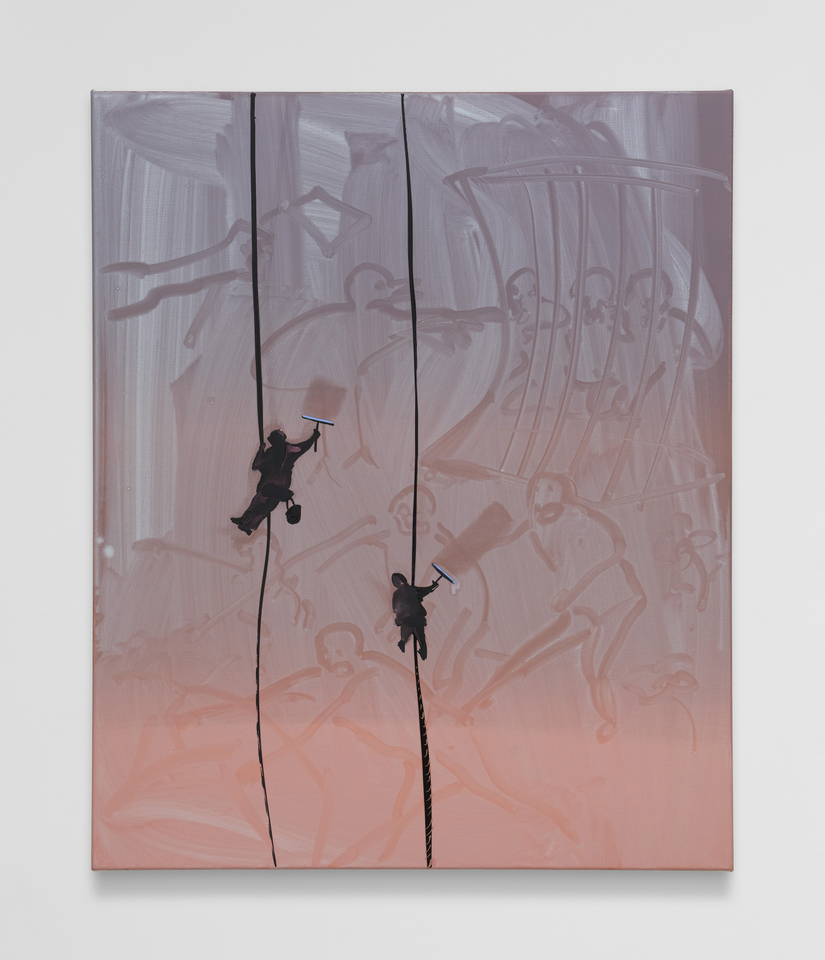
Tala Madani’s new paintings and animations turn cutting, erasure and reconstruction into a language of power. Using fresh artist testimony alongside the exhibition material, we examine why the work is funniest when control starts to fail.