
October 10, 2026
Exhibitions
Exhibitions
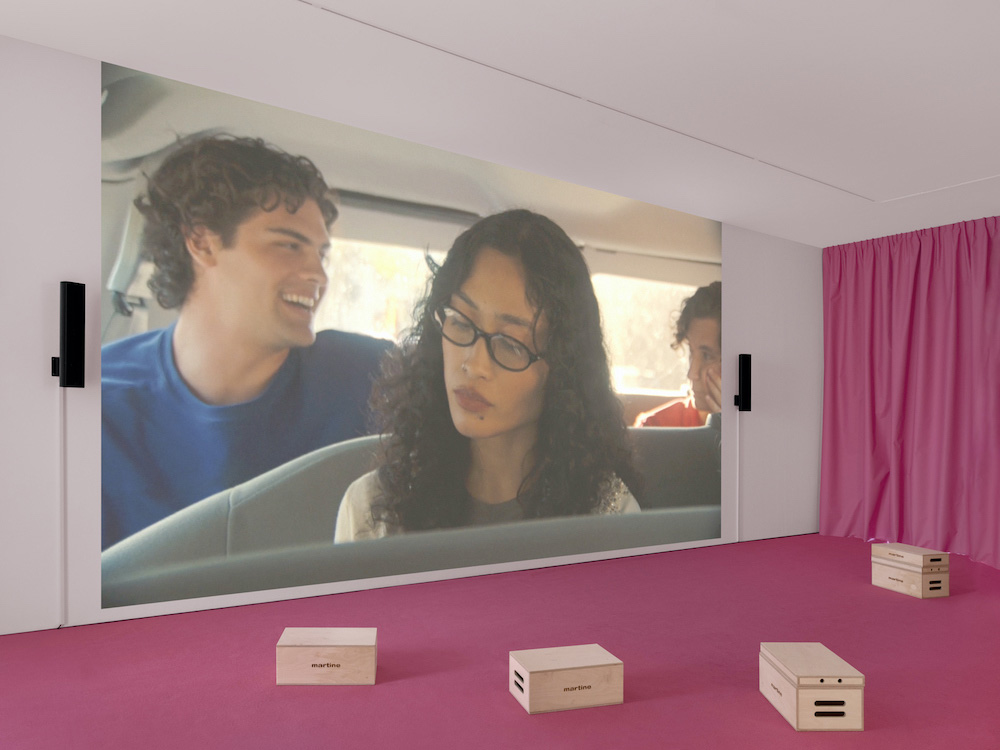
From Robert Ryman and Lorna Simpson to Mary Ramsden, Martine Syms and Nicola Turner, the strongest London route during Frieze week begins outside the fair.
In collaboration with The Bomb Factory Art Foundation we are pleased to present Deus Ex Machina, a group exhibition that delves into the fundamental issues of human agency, social absurdism, and contemporary notions of ‘divine’ intervention. The exhibition will be on view from 15th June to 9th of July in our Marylebone gallery space.

Pallas Citroen | Candice Dehnavi | Finn Dovey | Laura Holmes | Mister Papercut | Salvatore Pione | Irene Pouliassi | Ahyeon Ryu | Matthew Stone | Bo Xuan Sun | Jangho Yoon
Curated by Jonathan Fakinos
Deus Ex Machina brings together a diverse line-up of artists, showcasing paintings and sculptures that ignite conversations about the role of rationality in human affairs. Spanning from ancient literature to today's dystopian novels, the archetype of the godly plot device is employed as a narrative tool to question and circumvent the need for moral agency. This exhibition highlights how, across various forms of storytelling—literature, tales, folklore, and fiction—humanity often seeks resolutions that are both surprising and inevitable, using the unexpected to shed light on the anticipated.
From intricate sculptures to abstract paintings and works that talk on arbitrary intervention as a means of relief or resolution, provoking thought about the nature of faith versus the power of self and the responsibility of shaping one's own destiny. Deus Ex Machina invites us to reflect on these themes through the lens of contemporary art, challenging them to consider the balance between external forces and personal agency in the crafting of their narratives.

Location: 206 Marylebone Road, London, NW1, England
Private View : 6-8pm Friday June 14th
Opening times: June 14th - July 9th. Tuesday - Saturday, 11am - 4pm
From Robert Ryman and Lorna Simpson to Mary Ramsden, Martine Syms and Nicola Turner, the strongest London route during Frieze week begins outside the fair.
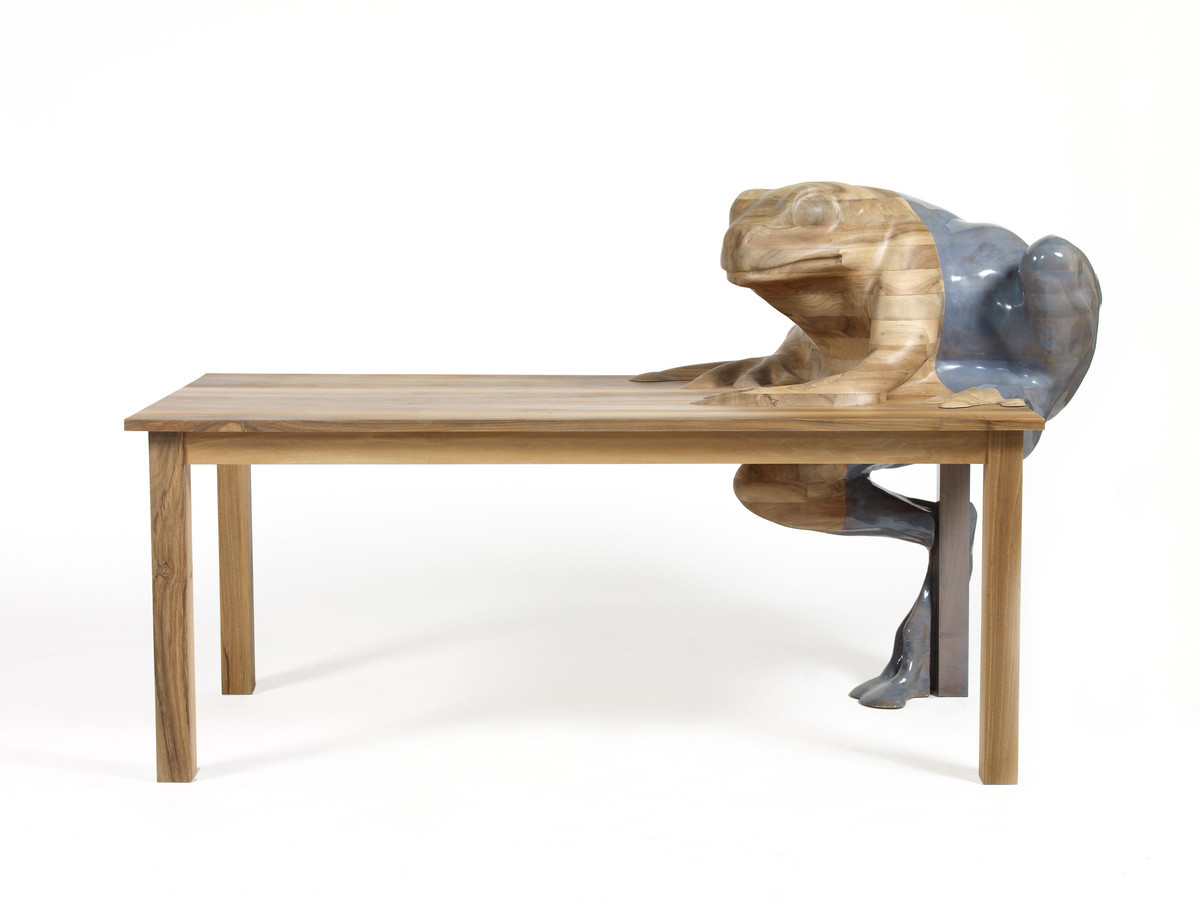
From the Polder Sofa to Frog Table and 300 coloured vases, Hella Jongerius has spent three decades proving that industrial design can retain craft, variation and material intelligence.
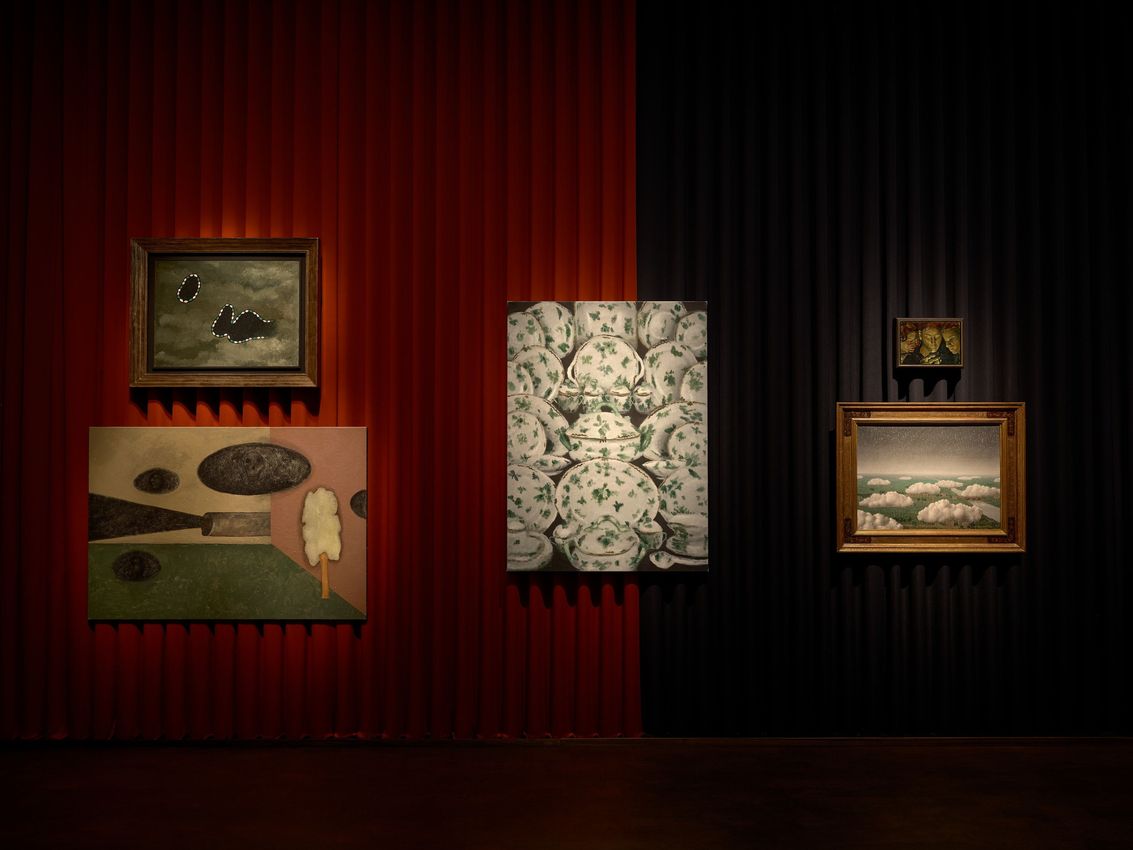
Gagosian’s ambitious London exhibition places René Magritte beside more than forty artists. For collectors, its real value lies in separating meaningful artistic inheritance from superficial resemblance — and in seeing why Magritte’s central problem, the unstable relationship between image and reality, feels newly urgent.