
October 11, 2026
Exhibitions
Exhibitions
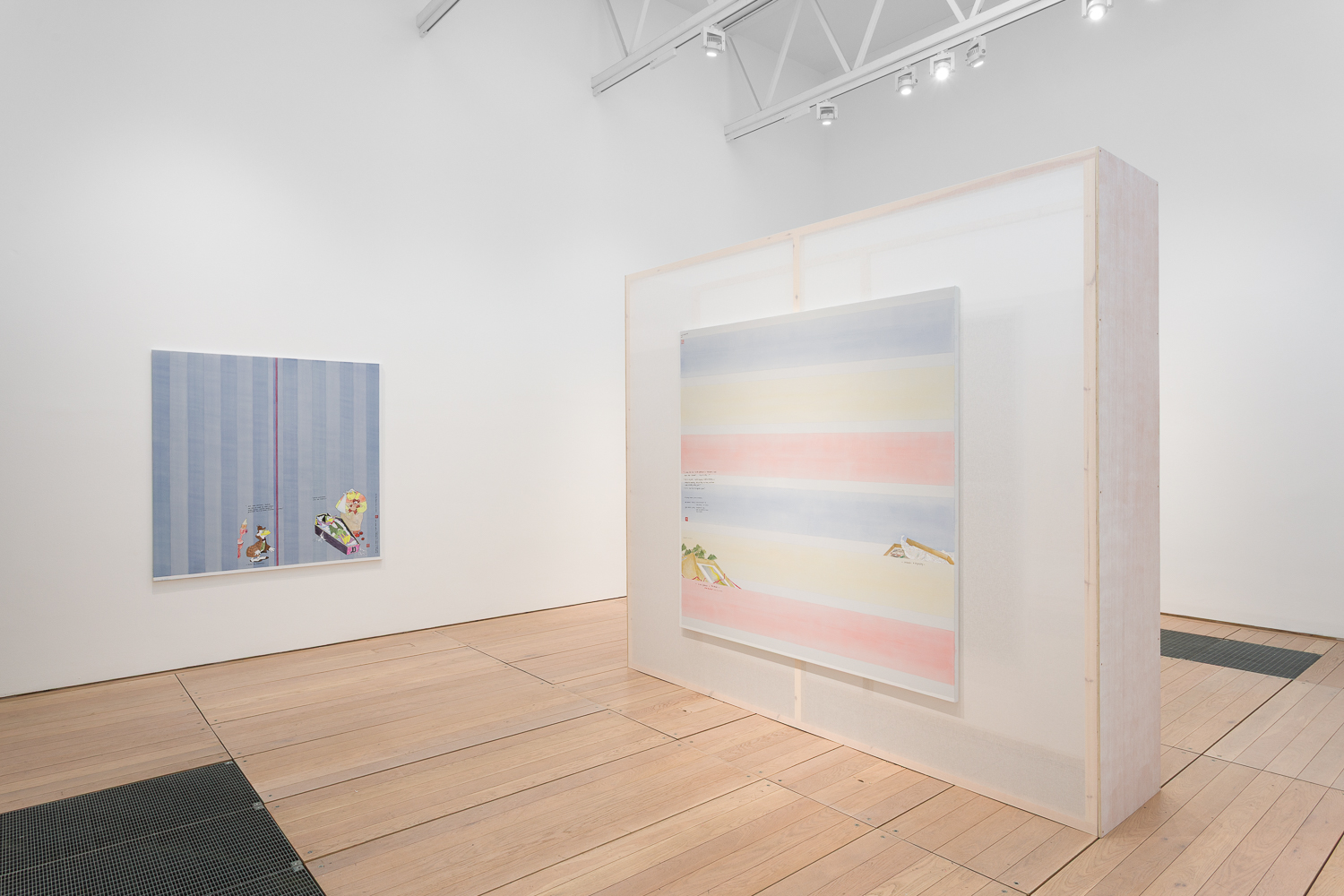
In her first UK institutional exhibition, Evelyn Taocheng Wang turns mistranslation, Agnes Martin, Chinese literati painting and fantasies of Britain into a deliberately unstable language of identity.
A group exhibition featuring Ada Bond, Alice Miller, C Lucy R Whitehead, Iga Bielawska, Ki Yoong, Moussa David Saleh, Naila Hazell, Nina Baxter, Preslav Kostov, Serpil Mavi Üstün, Sophie Milner.

STUDIO WEST presents SKIN DEEP, a group exhibition of eleven emerging UK-based figurative painters. The works on show examine the body as a vessel through which we interface with the external world and as a tabula rasa onto which our experiences are irreversibly inscribed. Through various renderings of skin texture and surface, we are reminded of our corporeal fragility - we witness the porousness of the protective yet penetrable barrier that contains us.
Drawing its focus from Bessel van der Kolk's seminal text 'The Body Keeps the Score: Brain, Mind, and Body in the Healing of Trauma', the exhibition explores the proposition that trauma has an enduring and often-overlooked impact on our physical health, and that healing the body is thus a vital pathway to mending the mind.
Through a primary focus on the physical form, the artists on show offer at times unintended insights into their personal experiences and psychological states: in their work, the body stands in for the mind. The act of creating each piece, meanwhile, can be thought of as a healing journey - a cathartic act of agency whereby the artist repositions themself in relation to their experiences.
The exhibition uniquely situates van der Kolk's thesis in conversation with Melissa Febos' candid and sensitive memoir, 'Body Work: The Radical Power of Personal Narrative'. Febos’ text poses questions eternally relevant to the confessional artist regarding subjectivity, privacy and the power of divulgence: What is the artist’s desire, capacity or responsibility to disclose the emotional, distressing or deeply personal in their work? What becomes of the viewer who bears witness to the secrets concealed within the canvas? And to whom, in the end, does an artist’s most intimate experiences belong?
For each artist, the body - whether rendered in its entirety or alluded to through suggestion - becomes a vehicle to express, and at times resolve, a variety of psychological wounds. The exhibition is almost confrontational in its concentration on the corporeal; harnesses the power of repetition for emphasis, the space feels alive with the abundance of flesh. The viewer is thrust into a unique position, simultaneously unsettled by the profusion of depictions of skin, entwined limbs and open faces and situated as the unsuspecting bystander towards whom the artists’ immense vulnerability is directed.
Through the works of eleven up-and-coming painters, the exhibition examines the power of the body in contemporary art, presenting it as a multifarious and complex visual signifier that bears the scars of experience, inner struggle and trauma. It also investigates the healing capacity of ‘bodywork’, whether therapeutic or artistic, while addressing a long-standing debate in psychoanalysis - if to externalise trauma is to heal it.


In her first UK institutional exhibition, Evelyn Taocheng Wang turns mistranslation, Agnes Martin, Chinese literati painting and fantasies of Britain into a deliberately unstable language of identity.
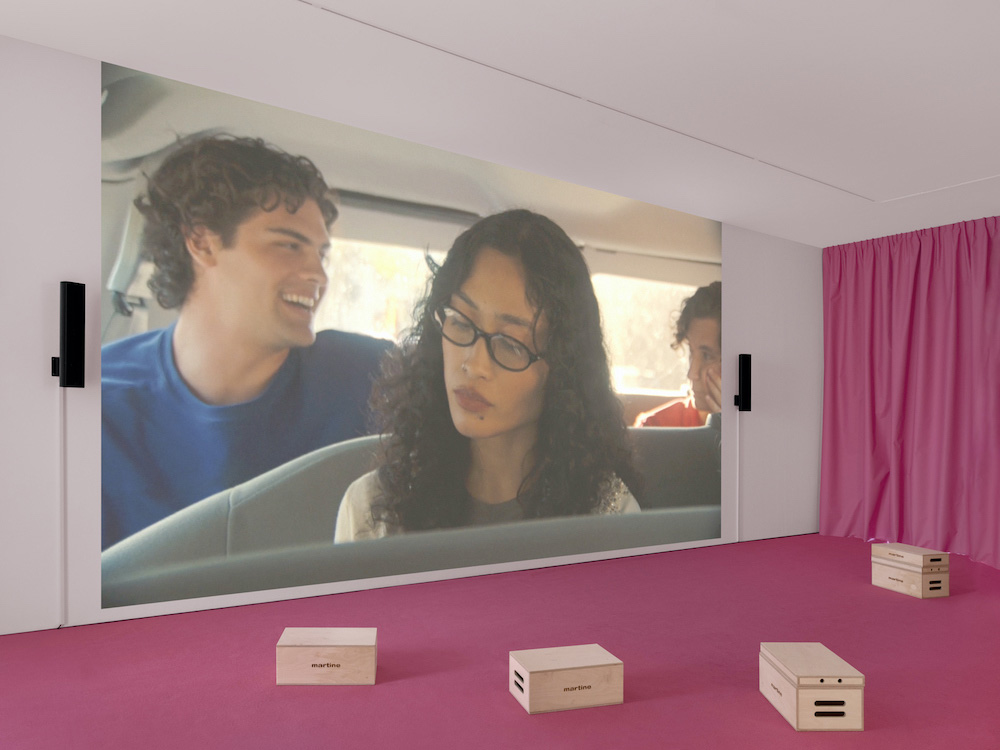
From Robert Ryman and Lorna Simpson to Mary Ramsden, Martine Syms and Nicola Turner, the strongest London route during Frieze week begins outside the fair.
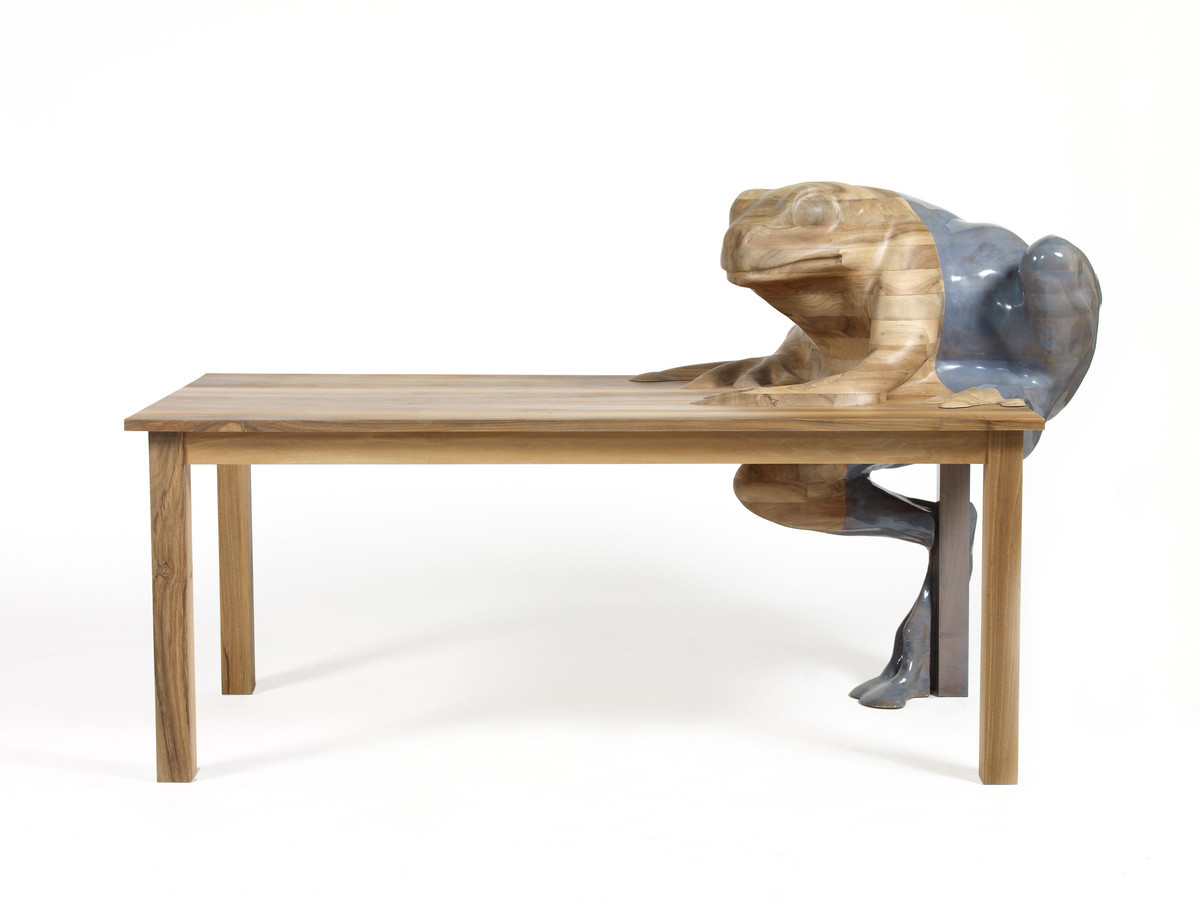
From the Polder Sofa to Frog Table and 300 coloured vases, Hella Jongerius has spent three decades proving that industrial design can retain craft, variation and material intelligence.